Immunotherapy Blocks Scarring, Improves Cardiac Function in Heart Failure

Right side heart failure. Credit: Scientific Animations CC4.0

A new study from Washington University School of Medicine in St. Louis suggests that a type of immunotherapy also may be an effective treatment strategy for heart failure by using an FDA-approved drug to block the signalling protein IL-1 beta. The study is published in Nature.

After a heart attack, viral infection or other injury to the heart, scar tissue often forms in the heart muscle, where it interferes with the heart’s normal contractions and plays a leading role in heart failure, a chronic condition which can only be slowed, not cured.

Studying human tissue samples as part of the new study, the researchers identified a type of fibroblast cell in the heart as the main culprit responsible for the formation of scar tissue in heart failure. To see if they could prevent scar formation, the scientists turned to mouse models of heart failure that have the very same type of fibroblasts. They used a therapeutic monoclonal antibody that blocks the formation of this harmful type of fibroblast, and succeeded in reducing the formation of scar tissue and improving heart function in the mice.

“After scar tissue forms in the heart, its ability to recover is dramatically impaired or impossible,” said cardiologist and senior author Kory Lavine, MD, PhD, a professor of medicine in the Cardiovascular Division at WashU Medicine. “Heart failure is a growing problem in the US and globally, affecting millions of people. Current treatments can help relieve symptoms and slow the progression, but there is a tremendous need for better therapies that actually stop the disease process and prevent the formation of new scar tissue that causes a loss of heart function. We are hopeful our study will lead to clinical trials investigating this immunotherapy strategy in heart failure patients.”

Fibroblasts have many roles in the heart, and parsing out the differences between various populations of these cells has been challenging. Some types of fibroblasts support the heart’s structural integrity and maintain good blood flow through the heart’s blood vessels, while others are responsible for driving inflammation and the development of scar tissue. Only recently, with the wide availability of the most advanced single cell sequencing technologies, could scientists peg which groups of cells are which.

“These various types of fibroblasts highlight newly recognised opportunities to craft treatment strategies that specifically block the type of fibroblasts that promote scarring and protect fibroblasts that maintain the structure of the heart, so the heart doesn’t rupture,” Lavine said. “Our research suggests that the fibroblasts that promote scarring in the injured heart are very similar to fibroblasts associated with cancer and other inflammatory processes. This opens the door to immunotherapies that potentially can stop the inflammation and resulting scar tissue.”

The research team, co-led by Junedh Amrute, a graduate student in Lavine’s lab, used genetic methods to demonstrate that a signaling molecule called IL-1 beta was important in a chain of events driving fibroblasts to create scar tissue in heart failure. With that in mind, they tested a mouse monoclonal antibody that blocks IL-1 beta and found beneficial effects in the mouse hearts. The mouse monoclonal antibody was provided by Amgen, whose scientists were also co-authors of the study. Monoclonal antibodies are proteins manufactured in the lab that modulate the immune system. The treatment reduced the formation of scar tissue and improved the pumping capacity of the mouse hearts, as measured on an echocardiogram.

At least two FDA-approved monoclonal antibodies, canakinumab and rilonacept, can block IL-1 signalling. These immunotherapies are approved to treat inflammatory disorders such as juvenile idiopathic arthritis and recurrent pericarditis, which is inflammation of the sac surrounding the heart.

One of these antibodies also has been evaluated in a clinical trial for atherosclerosis, a buildup of plaque that hardens the arteries. The trial, called CANTOS (Canakinumab Anti-inflammatory Thrombosis Outcome Study), showed a benefit for study participants with atherosclerosis.

“Even though this trial was not designed to test this treatment in heart failure, there are hints in the data that the monoclonal antibody might be beneficial for patients with heart failure,” Lavine said. “Secondary analyses of the data from this trial showed that the treatment was associated with a sizable reduction in heart failure admissions compared with standard care. Our new study may help explain why.”

Even so, the IL-1 antibody used in the CANTOS study had some side effects, such as increased risk of infection, that could perhaps be reduced with a more targeted antibody that specifically blocks IL-1 signaling in cardiac fibroblasts, according to the researchers.

“We are hopeful that the combination of all of this evidence, including our work on the IL-1 beta pathway, will lead to the design of a clinical trial to specifically test the role of targeted immunotherapy in heart failure patients,” Lavine said.

Source: Washington University School of Medicine

New Discovery Explains How SARS-CoV-2 Evades Anti-viral Immunity

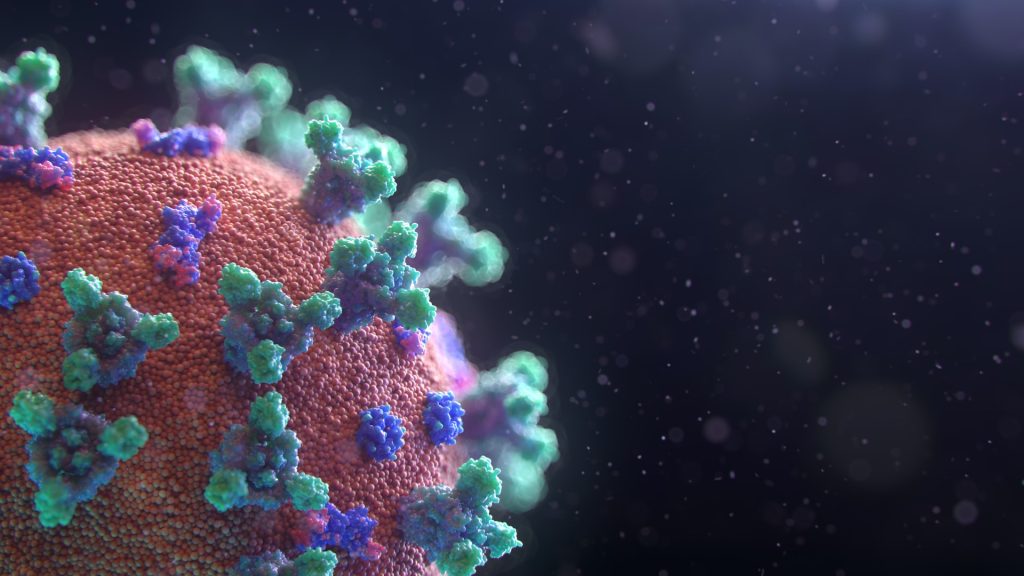
Image by Fusion Medical on Unsplash

The novel coronavirus SARS-CoV-2 has an enzyme that can counteract a cell’s innate defence mechanism against viruses, explaining why it is more infectious than the previous SARS and MERS-causing viruses. This discovery, from Kobe University, may point the way to the development of more effective drugs against this and possibly similar, future diseases.

When a virus attacks, the body’s immune response has two basic layers of defence: the innate and the adaptive immune systems. While the adaptive immune system grows stronger against a specific pathogen as the body is exposed to it multiple times and which forms the basis of vaccinations, the innate immune system is an assortment of molecular mechanisms that work against a broad range of pathogens at a basic level. The Kobe University virologist SHOJI Ikuo says, “The new coronavirus, however, is so infectious that we wondered what clever mechanisms the virus employs to evade the innate immune system so effectively.”

Shoji’s team previously worked on the immune response to hepatitis viruses and investigated the role of a molecular tag called “ISG15” the innate immune system attaches to the virus’s building blocks. Having learned that the novel coronavirus has an enzyme that is especially effective in removing this tag, he decided to use his team’s expertise to elucidate the effect of the ISG15 tag on the coronavirus and the mechanism of the virus’s countermeasures.

In a paper in the Journal of Virology, the Kobe University-led team is now the first to report that the ISG15 tag gets attached to a specific location on the virus’s nucleocapsid protein, the scaffold that packages the pathogen’s genetic material. For the virus to assemble, many copies of the nucleocapsid protein need to attach to each other, but the ISG15 tag prevents this, which is the mechanism behind the tag’s antiviral action. “However, the novel coronavirus also has an enzyme that can remove the tags from its nucleocapsid, recovering its ability to assemble new viruses and thus overcoming the innate immune response,” explains Shoji.

The novel coronavirus shares many traits with the SARS and MERS viruses, which all belong to the same family of viruses – which also have an enzyme that can remove the ISG15 tag. But their versions are less efficient at it than the one in the novel coronavirus, Shoji’s team found. And in fact, it has been reported recently that the previous viruses’ enzymes have a different primary target. “These results suggest that the novel coronavirus is simply better at evading this aspect of the innate immune system’s defence mechanism, which explains why it is so infectious,” says Shoji.

But understanding just why the novel coronavirus is so effective also points the way to developing more effective treatments. The Kobe University researcher explains: “We may be able to develop new antiviral drugs if we can inhibit the function of the viral enzyme that removes the ISG15 tag. Future therapeutic strategies may also include antiviral agents that directly target the nucleocapsid protein, or a combination of these two approaches.”

Source: Kobe University

Men and Women Use Different Biological Systems to Reduce Pain

Photo by Sasun Bughdaryan on Unsplash

In a new study evaluating meditation for chronic lower back pain, researchers at University of California San Diego School of Medicine have discovered that men and women utilise different biological systems to relieve pain. While men relieve pain by releasing endogenous opioids, the body’s natural painkillers, women rely instead on other, non-opioid based pathways. The study was published in PNAS Nexus.

Synthetic opioid drugs, such as morphine and fentanyl, are the most powerful class of painkilling drugs available. Women are known to respond poorly to opioid therapies, which use synthetic opioid molecules to bind to the same receptors as naturally-occurring endogenous opioids. This aspect of opioid drugs helps explain why they are so powerful as painkillers, but also why they carry a significant risk of dependence and addiction.

“Dependence develops because people start taking more opioids when their original dosage stops working,” said Fadel Zeidan, PhD, professor of anaesthesiology and Endowed Professor in Empathy and Compassion Research at UC San Diego Sanford Institute for Empathy and Compassion. “Although speculative, our findings suggest that maybe one reason that females are more likely to become addicted to opioids is that they’re biologically less responsive to them and need to take more to experience any pain relief.”

The study combined data from two clinical trials involving a total of 98 participants, including both healthy individuals and those diagnosed with chronic lower back pain. Participants underwent a meditation training program, then practiced meditation while receiving either placebo or a high-dose of naloxone, a drug that stops both synthetic and endogenous opioids from working. At the same time, they experienced a very painful but harmless heat stimulus to the back of the leg. The researchers measured and compared how much pain relief was experienced from meditation when the opioid system was blocked versus when it was intact.

The study found:

  • Blocking the opioid system with naloxone inhibited meditation-based pain relief in men, suggesting that men rely on endogenous opioids to reduce pain.
  • Naloxone increased meditation-based pain relief in women, suggesting that women rely on non-opioid mechanisms to reduce pain.
  • In both men and women, people with chronic pain experienced more pain relief from meditation than healthy participants.

“These results underscore the need for more sex-specific pain therapies, because many of the treatments we use don’t work nearly as well for women as they do for men,” said Zeidan.

The researchers conclude that by tailoring pain treatment to an individual’s sex, it may be possible to improve patient outcomes and reduce the reliance on and misuse of opioids.

“There are clear disparities in how pain is managed between men and women, but we haven’t seen a clear biological difference in the use of their endogenous systems before now,” said Zeidan. “This study provides the first clear evidence that sex-based differences in pain processing are real and need to be taken more seriously when developing and prescribing treatment for pain.”

Source: University of California – San Diego

Epstein-Barr Virus: How does a Common Infection Trick the Immune System into Attacking the Brain in People with MS?

An electron micrograph showing three Epstein-Barr virus (EBV) particles colourised red-orange. Credit: NIAID

Olivia Thomas, Karolinska Institutet; Graham Taylor, University of Birmingham, and Jill Brooks, University of Birmingham

Almost 3 million people worldwide have multiple sclerosis (MS) – an autoimmune disease caused by the immune system mistakenly attacking the brain and central nervous system.

While treatments for MS have improved over the years, there’s still no cure. This is largely because researchers still don’t fully understand what goes wrong in the immune system to cause MS. But our latest research has revealed new insights into the way certain immune cells behave in people with MS. This discovery brings us closer to understanding why some people get MS – and may also be a crucial step in developing better treatments and even cures.

Although the causes of MS aren’t fully understood, we know that genetics, lifestyle and environment factors can all influence MS risk. But the biggest risk factor for developing MS appears to be a common virus called Epstein-Barr virus (EBV).

EBV typically infects people during childhood without causing any symptoms – so most early infections go unnoticed. But if the infection occurs during adolescence, it may cause glandular fever (infectious mononucleosis) which, although debilitating in the short-term, usually has no long-term effects.

Most viral infections are rapidly cleared by the body’s immune system, but EBV is cleverer than most viruses. Although the immune system controls the infection, it is unable to completely eradicate the virus as it hides inside a type of immune cell called a B cell (which normally produce antibodies that bind to and destroy invading viruses or bacteria). Once you’re infected with EBV you carry it for life – although for most people this causes no problems.

By adulthood about 95% of people are infected with EBV, but in people with MS nearly 100% are infected. Large epidemiological studies have shown that EBV infection increases the risk of developing MS over 30-fold. For people who have had glandular fever the risk is even higher. Research has also shown that in people with MS, EBV infection occurs before the very earliest stages of disease.

Many researchers now believe being infected with EBV is more than a risk factor in MS – it’s essential.

But how does EBV cause MS – and why does a common virus only cause MS in a few people? Several theories are currently being investigated.

One theory is that in some people the immune cells activated by EBV mistakenly attack parts of the brain and central nervous system. This process, called molecular mimicry, also occurs in other autoimmune diseases, such as Guillain-Barré syndrome. This could explain why drugs which prevent immune cells from entering the brain are shown to dramatically improve MS symptoms.

Research into EBV molecular mimicry in MS has mainly focused on the viral protein EBNA1. Without EBNA1 EBV cannot live in B cells, and MS patients have higher levels of antibodies towards EBNA1.

But EBV makes over 80 different proteins during its life cycle. In our latest work we investigated immune responses to these other viral proteins in people with MS.

Altered immunity

We compared the immune responses of 31 people with MS, 33 healthy people and 11 people who had recently recovered from glandular fever. We wanted to see if each group reacted to EBV infections differently.

We found that antibodies targeting EBNA1 and another viral protein called VCA were higher in people with MS compared to the other groups. People with MS were also more likely to have antibodies targeting several other viral proteins. This suggests EBV antibodies are more altered in MS than previously thought – but it isn’t certain whether these antibodies are fighting infection or if they have a role in MS disease.

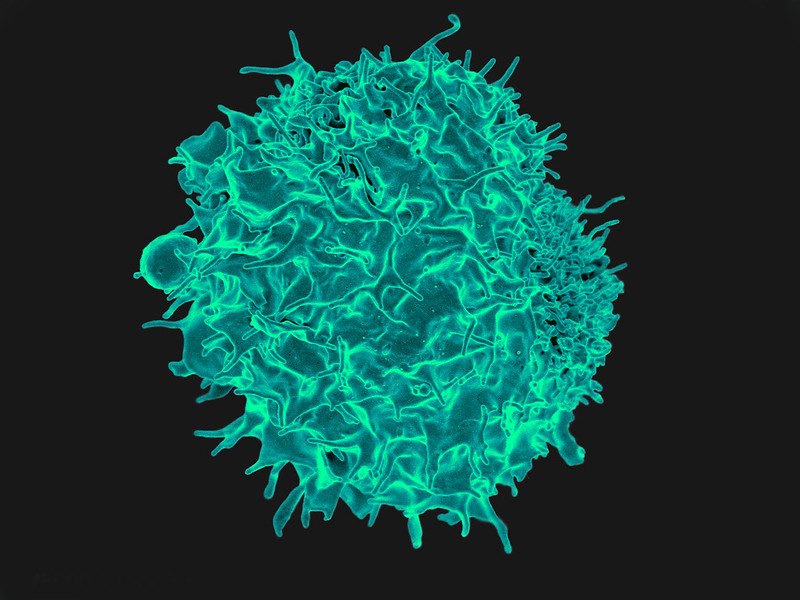
Scanning electron micrograph of a T cell lymphocyte. Credit: NIH / NIAID

Antibodies aren’t the full story. Previous research has suggested another type of immune cell, called a T cell, may also play an important role as they’re found in high numbers in MS brain lesions. As such, we wanted to understand whether T cells which fight EBV were different in people with MS.

By analysing blood samples we found that, although EBV T cell numbers were similar in MS and healthy people, these cells behaved differently in people with MS. T cells from people with MS produced slightly higher amounts of an inflammatory substance called interleukin-2. The body normally produces this substance in response to injury or infection, but too much interleukin-2 can cause chronic disease.

We also looked at molecular mimicry, wondering whether EBV T-cells mistakenly target brain proteins rather than fighting the virus.

Surprisingly, we found that in both people with MS and healthy people, their EBV T cells reacted to multiple proteins found in the brain. Notably, most people had EBV T cells that targeted a protein called myelin oligodendrocyte glycoprotein, or Mog, which surrounds the nerves.

Looking at one person with MS in more detail, we found individual T cells that directly recognised both EBNA1 and Mog. This means that, rather than just fighting infection, some EBV T cells could also target nerve cells in the brain.

This widespread misdirection between EBV T cells and the brain goes some way to suggest how infection with this common virus can lead to MS. But its presence in healthy people is slightly confusing. One possible explanation could be that EBV T cells are better able to cross the blood-brain barrier (a tight-knit lining of cells that protect the brain) in people with MS. This idea is something we’re keen to explore in future research.

While there’s still much we don’t know about these misdirected EBV T cells in the brain, our latest findings provide fresh evidence for researchers and hopefully will lead to the development of new, targeted treatments for MS.

Olivia Thomas, Assistant Professor, Department of Clinical Neuroscience, Karolinska Institutet; Graham Taylor, Associate Professor in Viral and Tumour Immunology, University of Birmingham, and Jill Brooks, Research Fellow, Institute of Cancer and Genomic Sciences, University of Birmingham

This article is republished from The Conversation under a Creative Commons license. Read the original article.

Opinion Piece: Prioritising Healthcare Access for All Employees Makes Sound Business Sense

By Reo Botes, Managing Executive at Essential Employee Benefits

22 October 2024

South African businesses operate in an environment in which many employees, particularly those in lower income segments, struggle to afford basic healthcare services. Healthcare benefits like medical aid are simply not affordable for the majority of the workforce, even if they are subsidised, which exacerbates the existing dichotomy. Addressing this issue should be a strategic imperative as well as a matter of ethical compliance and social responsibility.

While executives play a crucial role in setting strategy, many layers of employees are operationally required to fulfil said strategy. Keeping all layers of employees healthy by promoting access to quality healthcare, boosts both sustainability and competitiveness. We dare not wait for the National Health Insurance (NHI) to come into effect to solve this challenge; we have a responsibility to make private healthcare more accessible, and one way that companies can do this is by incorporating affordable health insurance products into their employee benefits basket.

A legacy of inequality

The legacy of apartheid has left an indelible mark on South Africa’s socio-economic landscape. This is reflected in the persistent inequality that permeates many facets of life, including significant disparities between rural and urban areas, as well as access to healthcare. Decades later, private healthcare remains predominantly accessible to the wealthy, while the majority of South Africans are left to rely on an overburdened public health system.

Medical aid has been the traditional path to affordably accessing private healthcare, but the premiums remain out of reach for the lower income earners, even if companies subsidise the cost. The lower-cost medical aid options have struggled to get off the ground, and the effective rollout of the NHI will take many years to come to fruition. Since most people cannot afford medical aid and cannot rely on universal access to public healthcare, there needs to be another option that will enable them to access healthcare affordably. Making health insurance benefits available with options that suit different income segments will not only help to address this issue, but it will also benefit businesses as well.

A healthy workforce just makes business sense

From a legal standpoint, South African companies are bound by the Labour Relations Act and the Occupational Health and Safety Act (OHSA), both of which mandate the provision of a safe and healthy working environment. While these regulations primarily focus on workplace safety, the concept of a healthy workplace extends beyond physical safety to encompass the overall well-being of employees. Ethical governance demands that companies do more than the bare minimum required by law; it requires a proactive approach to employee welfare.

Beyond ethical and compliance concerns, having a healthy workforce is simply good for business. Healthy employees are more likely to be engaged, motivated, and productive, which in turn contributes to the overall success of the business. Moreover, a company that invests in the health of its workforce is likely to see a return on investment (ROI) through reduced turnover, lower absenteeism, and higher employee satisfaction.

By offering health insurance benefits that are tailored to the needs of employees across different income brackets, companies can demonstrate a genuine commitment to their employees’ well-being. This not only fosters trust and loyalty among the workforce but also enhances the company’s reputation as an employer of choice.

Health insurance for all, not just for executives

Photo by Emmanuel Ikwuegbe on Unsplash

Budget constraints are often cited as a major barrier when it comes to subsidising healthcare costs, but health insurance products aimed at lower income segments are a fraction of the cost of the more comprehensive medical aid products offered to executive tiers, and the cost-benefit ratio of providing greater access to healthcare services can be profound. When employees have access to health insurance, they can seek medical attention promptly, reducing the likelihood of prolonged illness and absenteeism, which in turn are detrimental to business.

Even if businesses, particularly small and medium-sized enterprises, cannot afford to subsidise health insurance products, they can still offer access to them as part of employee benefits. Companies can negotiate group rates for health insurance on behalf of their employees, making it more affordable than taking out a policy on their own and thus reducing the cost without the need to subsidise. Aligning health insurance benefits with employee needs and income levels ensures that the cover is both relevant and accessible and supports long-term business goals by promoting a healthier, more resilient employee base.

Change comes from the top

Human Resources (HR) and executive leadership play a pivotal role in the implementation of inclusive health insurance benefits. While executives are responsible for setting the overall strategy, it is the HR teams that must operationalise these strategies and ensure they are effectively communicated and implemented across the organisation. This includes understanding the diverse needs of the workforce, negotiating with insurance providers, and designing benefits packages that are both affordable and impactful.

By integrating health insurance into the broader employee value proposition, companies can enhance their appeal to top talent, including high performers in lower income brackets. A comprehensive benefits package that includes health insurance is a key differentiator in a competitive job market, helping companies attract and retain skilled workers who are critical to executing business strategies.

Inclusivity drives resilience

Ultimately, the provision of health insurance benefits for all employees is about building a strong foundation for business success. A healthy, happy, and productive workforce is essential for any company looking to achieve long-term sustainability and growth. By taking care of their employees’ health, companies are not only doing the right thing from an ethical standpoint but are also making a smart business decision that will pay dividends in terms of productivity, employee retention, and overall organisational resilience.

South African companies must recognise the importance of inclusive health insurance benefits as a critical component of their business strategy. Addressing the historical inequalities in healthcare access, meeting legal and ethical obligations, and investing in the health and well-being of all employees are essential steps towards building a more equitable and prosperous future for both businesses and their workforce. Businesses can play a pivotal role as the country continues to grapple with the challenges of inequality and healthcare access.

Ground-breaking Identification of Key Enzyme in Aging Cells

Photo by National Cancer Institute on Unsplash

A team at Kumamoto University has made a ground-breaking discovery in the field of aging and inflammation. The research focuses on “cellular senescence,” a process where cells stop dividing and enter a state associated with chronic inflammation and aging. This cellular state, known as the senescence-associated secretory phenotype (SASP), involves the secretion of inflammatory proteins that accelerate aging and disease, such as dementia, diabetes, and atherosclerosis.

The researchers found that ATP-citrate lyase (ACLY), an enzyme involved in converting citrate to acetyl-CoA, plays a critical role in activating SASP. This discovery was made using advanced sequencing and bioinformatics analyses on human fibroblasts, a type of cell found throughout the body. They demonstrated that blocking ACLY activity, either genetically or with inhibitors, significantly reduced the expression of inflammation-related genes in aging cells. This suggests that ACLY is a crucial factor in maintaining the pro-inflammatory environment in aged tissues.

Furthermore, the study revealed that ACLY-derived acetyl-CoA modifies histones, proteins that DNA wraps around, allowing the chromatin reader BRD4 to activate inflammatory genes. By targeting the ACLY-BRD4 pathway, the researchers were able to suppress inflammation responses in aged mice, highlighting the potential of ACLY inhibitors in controlling chronic inflammation while maintaining healthy aging.

This discovery opens new avenues for developing treatments that specifically target the harmful aspects of aging cells without removing them, offering a promising strategy for managing aging and age-related diseases. The research provides a stepping stone toward therapies that can control cellular aging, promoting longer, healthier lives.

TB Alters Liver Metabolism and could Promote Diabetes, Study Shows

Tuberculosis bacteria. Credit: CDC

Scientists from the University of Leicester have discovered that tuberculosis disrupts glucose metabolism in the body. The findings, which have now been published in PLoSPathogens complement the understanding that diabetes worsens the symptoms of tuberculosis. Importantly, they now say, undiagnosed tuberculosis could be pushing vulnerable patients towards metabolic disease such as diabetes.

Tuberculosis (TB) remains one of the most devastating infectious diseases worldwide, killing over 4,000 people every day. Prevention through the development of improved vaccines remains a priority for the World Health Organisation. Currently only one vaccine exists for TB and this is predominantly given to infants and young children to help protect them from severe forms of infection. 

Scientists at the University are researching tuberculosis in the hope of creating improved vaccines and are specifically looking at ways in which undiagnosed and subclinical infection can impact health. This new discovery, they say, could pave the way to define the molecular pathways by which the immune response changes liver metabolism, thereby allowing for the creation of targeted interventions. 

Professor Andrea Cooper from the University’s Leicester Tuberculosis Research Group (LTBRG), is among the authors on the paper.

She said: “Our paper changes the focus from diabetes making TB worse to the possibility that late diagnosis of TB can contribute to disruption of glucose metabolism, insulin resistance and therefore can promote progress towards diabetes in those that are susceptible. 

“As diabetes compromises drug treatment, our paper also supports the idea that metabolic screening should be involved in any drug or vaccine trials.”

The study first used laboratory models of pulmonary TB to examine the changes happening within the liver during the early stages of infection. It found that an immune response was triggered within the liver cells and glucose metabolism was altered. 

First author Dr Mrinal Das then reanalysed published metabolic data from humans, where he found that liver glucose metabolism was also disrupted when people progressed to TB from latent infection.

Professor Cooper added: “Our future aim is to define the molecular pathways by which the immune response is changing liver metabolism, allowing us to potentially create targeted interventions.

 “We will also be investigating how latent TB (which is infection with the bacterial agent of TB without significant symptoms) might be impacting metabolic health in humans.” 

Source: University of Leicester

Boy or Girl? This Genetic Mutation Increases Odds of Having a Daughter

Source: Pixabay CC0

Each year, roughly the same numbers of boys and girls are born. But in individual families, some couples have four or more daughters and no sons, and some have all male children and no female children, points out University of Michigan evolutionary geneticist Jianzhi Zhang. This has led some scientists to question whether this skewed sex ratio is a result of the genes of the parents.

Now, Zhang and U-M doctoral student Siliang Song have detected a human genetic variant that influences the sex ratio of children. Additionally, they found that many hidden genetic variants of sex ratio may exist in human populations. Their results are published in the Proceedings of the Royal Society B: Biological Sciences.

“Scientists have been pondering and researching a genetic basis for sex ratio for decades, yet no unambiguous evidence for a genetic variation that alters the human sex ratio from an approximately 50:50 ratio has been found,” said Zhang, professor of ecology and evolutionary biology.

Zhang says this has led some scientists to think that the human sex ratio is not subject to mutation.

“But this scenario seems unlikely, because almost all human characteristics are subject to mutation and genetic variation,” he said. “Instead, we think genetic variation of sex ratio is too difficult to detect because sex ratio is not measured precisely.”

That is, each person typically has a very small number of children, which can lead to large errors in the estimation of the true sex ratio of a person’s children. For example, if a person only has one child, the estimated sex ratio would be either zero (if it’s a girl) or 1 (if it’s a boy) even if the true sex ratio is 0.5.

To detect genetic influence on sex ratio, the researchers realised they needed a much larger sample than in all previous studies. They turned to the UK Biobank, a biomedical database that contains the genetic and phenotypic information of about 500 000 British participants.

Analysing this data, the researchers identified a single nucleotide change named rs144724107 that is associated with a 10% increase in the probability of giving birth to a girl as opposed to a boy. But this nucleotide change is rare among the UK Biobank participants: About 0.5% of the participants carry this change. The nucleotide change is located near a gene named ADAMTS14, which is a member of the ADAMTS gene family known to be involved in spermatogenesis and fertilisation. The researchers also note that their discovery has not yet been confirmed in other samples.

The researchers also identified two genes, called RLF and KIF20B, that may also influence the sex ratio.

The study’s findings align with a theory in evolutionary biology called Fisher’s principle, which states that natural selection favours the genetic variant that increases the births of the rare sex. That is, if fewer males than females are born in a population, natural selection favours genetic variants that increase the number of males born, and vice versa. As a result, this selection yields a more or less even sex ratio in the population

“For Fisher’s principle to work, there must be mutations that influence the sex ratio,” Zhang said. “The fact that no genetic variation on human sex ratio had been identified has led some scientists to question the applicability of Fisher’s principle in humans.

“Our study shows that in fact, human data are consistent with Fisher’s principle and the reason no genetic variants of sex ratio had been discovered was the imprecision of the measure of a person’s offspring sex ratio.”

Next, the researchers hope to verify their findings in other samples – not an easy task, Zhang says, because of the large sample size requirement and the rareness of the identified genetic variant.

Source: University of Michigan

The More Chemicals, the More their Neurotoxic Effects Add Up

Photo by Louis Reed on Unsplash

Chemicals are omnipresent today: they enter our bodies through food, air or the skin. But how do these complex mixtures of chemicals affect our health? In a study published in the journal Science, a research team from the Helmholtz Centre for Environmental Research (UFZ) has shown that chemicals that occur in complex mixtures and in concentration ratios as found in humans act together. Even if the concentrations of the individual substances were each below the effect threshold, the chemicals in the mixture showed a cumulative neurotoxic effect.

For their investigations, they used blood samples from pregnant women from the LiNA mother-child study (lifestyle and environmental factors and their influence on the newborn allergy risk), which has been running at the UFZ since 2006. 

In our everyday lives, we are exposed to a wide variety of chemicals that are distributed and accumulate in our bodies. These are highly complex mixtures that can affect bodily functions and our health,” says Prof Beate Escher, Head of the UFZ Department of Cell Toxicology and Professor at the University of Tübingen. “It is known from environmental and water studies that the effects of chemicals add up when they occur in low concentrations in complex mixtures. Whether this is also the case in the human body has not yet been sufficiently investigated – this is precisely where our study comes in.” 

The extensive research work was based on over 600 blood samples from pregnant women from the Leipzig mother-child cohort LiNA, which has been coordinated by the UFZ since 2006. The researchers first analysed the individual mixtures of chemicals present in these samples.

“We wanted to find out which chemicals were contained in the blood plasma and in what concentrations. We used a two-step extraction process to isolate as diverse chemical mixtures as possible,” says Georg Braun, postdoctoral researcher in Beate Escher’s working group and first author of the study. “Using mass spectrometry analyses, we searched for 1000 different chemicals that we knew could occur in the environment, could potentially be ingested by humans and could be relevant for adverse human health effects. Of these, we were able to quantify around 300 chemicals in several plasma samples.” This provided the researchers with information on the composition and concentration ratios of the chemical mixtures present in the 600 individual plasma samples. 

The researchers used a prediction model to calculate the neurotoxic effects of the chemical mixtures. To test the predictions of the mixture effects experimentally, they used an established cellular bioassay based on human cells that indicates neurotoxic effects.

“We analysed individual chemicals as well as around 80 different, self-produced chemical mixtures in realistic concentration ratios. The extracts of the plasma samples were also tested,” says Georg Braun. The results were clear. “The laboratory experiments confirmed the predictions from the model: the effects of the chemicals add up in complex mixtures,” says environmental toxicologist Beate Escher. “Even if the individual concentrations of neurotoxic chemicals are so low that they are each below the effect threshold, there is still an effect on nerve-like cells in complex mixtures with many other chemicals.”

But what exactly do these results mean? “With our study, we were able to prove for the first time that what is known about the effects of chemical mixtures in the environment also applies to humans,” says Escher. “It is therefore imperative that we rethink risk assessment. Indicator substances alone are far from sufficient. In future, we must learn to think in terms of mixtures.” UFZ environmental immunologist and head of the LiNA study Dr Gunda Herberth adds: “It is becoming increasingly clear that many diseases such as allergies, immune system disorders, obesity or the development of the nervous system are linked to exposure to chemicals in the womb or in early childhood.” 

The test method presented in this study – the extraction of chemical mixtures from human samples and their characterisation using chemical analysis combined with cell-based biotest systems – opens up new possibilities for researching the effects of complex chemical mixtures on human health. In future research projects, the scientists want to refine their test method and investigate the effects of chemical mixtures on other health-relevant endpoints such as immunotoxicity. In addition, they would like to uncover possible links between chemical exposure and the development of developmental disorders in children. 

Source: Helmholtz Centre for Environmental Research – UFZ

Raising Happy Eaters: Unlocking the Secrets of Childhood Appetite

Photo by Vanessa Loring on Pexels

The foundation for healthy eating behaviour starts in infancy. Young children learn to regulate their appetite through a combination of biological, psychological, and sociological factors. In a new paper published in Social Science & Medicine, researchers at the University of Illinois Urbana-Champaign propose a model that explores these factors and their interactions, providing guidelines for better understanding childhood appetite self-regulation.

“When we talk about obesity, the common advice is often to just eat less and exercise more. That’s a simplistic recommendation, which almost makes it seem like an individual’s willpower solely determines their approach to food,” said lead author Sehyun Ju, a doctoral student in the Department of Human Development and Family Studies, part of the College of Agricultural, Consumer and Environmental Sciences at Illinois. 

Appetite self-regulation is related to general self-regulation, but it specifically concerns an individual’s ability to regulate food intake, which affects healthy development and obesity risk. Children are born with a capacity to regulate appetite based on hunger and satiety signals, but with increased exposure to environmental factors, their eating is increasingly guided by psychological reasoning and motivations. Therefore, it is important to take a developmental perspective to trace changes in eating behaviours over time, Ju stated.

Ju and her colleagues provide a comprehensive framework based on the biopsychosocial pathways model, which outlines three interacting categories: Biological factors, including sensory experience, physiological hunger and satiety signals, brain-gut interaction, and the influence of the gut microbiome; psychological factors, including emotional self-regulation, cognitive control, stress regulation, and reward processing; and social factors, such as parental behaviour and feeding practices, culture, geographic location, and food insecurity.

The researchers combine this framework with temperamental theory to explore how the pathways are modified by individual temperament.

Children react differently to stimuli based on their psychological and emotional make up, Ju explained. For example, openness to novelty and positive anticipation can affect whether a child is willing to try new foods. If a parent pressures their child to eat, it could be counter-productive for a child with heightened sensitivity to negative affect, causing the child to consume less.

The model also takes children’s developmental stages into account. Infants have basic appetite regulation based on physiological cues. They gradually become more susceptible to external influences and by age 3-5, children begin to exhibit greater self-control and emotional regulation.

“By analysing the pathways outlined in our model, we can better understand the combined influences of multiple factors on children’s appetite self-regulation and their motivations to approach food,” Ju said. “For example, the presence of palatable food may not generate similar responses in everyone. Children could approach food as a reward, for pleasure-seeking, or to regulate emotions. The underlying motivations can be diverse, and they are influenced by external factors as well as temperamental characteristics.”

Socio-environmental influences include parent-child interactions around food, as well as non-food-related caregiver practices that can impact the child’s emotional regulation. The household food environment, cultural value of food intake, and food availability are also important factors, the researchers stated.

“If we understand the differential susceptibility to various factors, we can identify and modify the environmental influences that are particularly obesogenic based on children’s temperamental characteristics. Then we will be able to provide more refined approaches to support children’s healthy eating behaviour,” Ju explained.

Source: University of Illinois College of Agricultural, Consumer and Environmental Sciences