Tag: adverse events

US Officials Suppressed Warnings over Flawed COVID Vaccine Safety Algorithm

Investigation reignites questions about what steps were taken to safeguard public health from any unintended consequences of the vaccination rollout
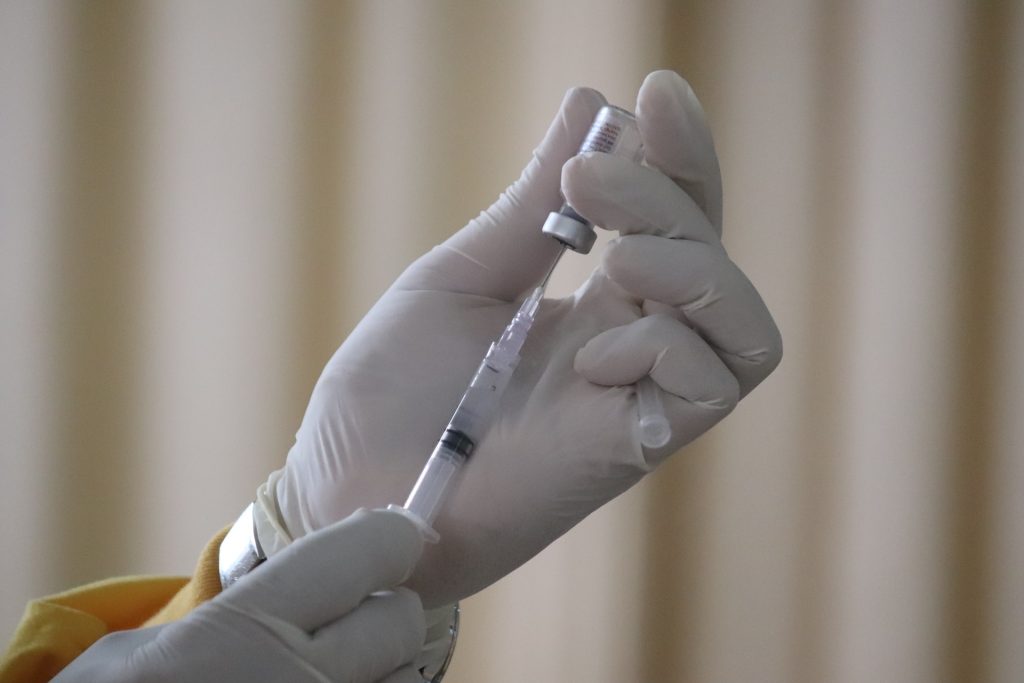
Photo by Mufid Majnun on Unsplash

US health officials knowingly relied on a compromised algorithm to detect signals of harm from mRNA covid-19 vaccines and silenced efforts to fix it, finds an investigation published by The BMJ.

The findings are based on government emails released under the Freedom of Information Act and in response to US Senate investigators, as well as exclusive interviews with public health officials and other scientists by investigative journalist David Willman.

Before rolling out covid-19 vaccines in December 2020, the US Centers for Disease Control and Prevention (CDC) assured healthcare professionals and the public that its Vaccine Adverse Event Reporting System (VAERS) could quickly spot any potentially harmful reactions following vaccination.

The CDC planned to use two “data mining” techniques: “proportional reporting ratios” (PRRs) and an “empirical bayesian” method provided by the Food and Drug Administration (FDA), which operated VAERS jointly with the CDC. The two agencies planned to share and discuss results.

But according to a letter by CDC Director Rochelle Walensky, the agency did not perform PRR analyses until 2022, and both CDC and FDA “chose to rely” entirely on FDA’s bayesian method.

The BMJ can reveal that the FDA’s algorithm failed to signal a potential relationship between mRNA covid vaccination and myocarditis (inflammation of the heart muscle), pericarditis (inflammation of the fluid-filled sac around the heart), Bell’s palsy, tinnitus, and other reported disorders owing to a flaw in the detection methodology.

The problem arose because over 90% of initial VAERS reports were for the new mRNA covid vaccines made by Pfizer and Moderna. If both vaccines elevated the risk of an adverse event like myocarditis in roughly equal amounts, however, the “observed” frequency and “expected” frequency would be similar, resulting in no automated alert.

Internal records show that FDA officials were aware of this limitation before and during the pandemic. Government documents also show that CDC officials were informed during rollout of the vaccines.

In early 2021, FDA medical officer Dr Ana Szarfman, working with statistician William DuMouchel, who had developed the bayesian algorithm, warned top officials about the flaw and proposed an updated algorithm that flagged signals. But Szarfman was asked to “cease and desist.”  Meanwhile, officials continued to cite the lack of system alerts while reassuring clinicians and the public of the vaccines’ safety.

When the CDC finally ran PRR analyses in 2022, CDC director Walensky said results revealed “no additional unexpected safety signals.” Yet the analyses – examined by The BMJ – show hundreds of adverse events that met the agency’s alert criteria, including myocarditis, pericarditis, Bell’s palsy, and tinnitus, which the FDA’s bayesian method had not triggered.

In October 2023, the FDA’s pharmacovigilance chief acknowledged in an email to colleagues that the agency knew – as the vaccines had rolled out more than two years earlier – of the detection deficiency, but did not respond to requests for comment.

Approached by The BMJ, Szarfman insisted that she had not sought to undermine public support for the covid vaccines. Expressing frustration, she noted, “Very few people understand the statistics. That’s the problem.”

DuMouchel said he could not explain officials’ resistance to switch to the updated method, stating, “I think that they were wrong.” He also regretted that FDA officials rejected Szarfman’s proposed fixes for VAERS, adding, “If they had paid attention to Ana, they would have done better.”

Source: The BMJ Group

Uniting in a Shared Vision for Improved Patient Safety

Talk to your patients about safe, effective use of medicines

Photo by Cottonbro on Pexels

Approximately one in ten patients experience an adverse drug reaction during their care1. This can lead to serious harm or even death. Sanofi is committed to reducing these numbers by working with healthcare practitioners to create a culture of patient safety.

“Patient safety is a top priority for Sanofi,” says Yusuf Dawood, Multi-Country Safety Head for Sanofi Southern Africa. “We believe that patients should be essential partners in their healthcare journeys, and we are committed to working with healthcare professionals alongside their patients to ensure optimal therapeutic outcomes. We call on all healthcare practitioners to join us in raising awareness of patient safety. By working together, we can advocate for improved communication and reduce patient harm.”

Here are some key tips for healthcare practitioners on how to improve patient safety:

  • Ask patients about their concerns and listen to their feedback. They can provide valuable insights into their own health and well-being and by engaging them, healthcare practitioners can ensure that potential issues are detected as soon as possible and handled appropriately.
  • Provide patients with clear and concise information about their care. Patients need to understand what their diagnosis is, what treatment options are available, and what the benefits and risks of each option are. They also need to know what to expect during and after their treatment, and how to manage any side effects or complications. By giving patients accurate and easy-to-understand information, healthcare practitioners can empower them to make informed choices about their care.
  • Communicate with patients and other members of the healthcare team. Use simple and unambiguous language, avoid jargon and acronyms, and confirm that the patient has understood the information they have been given. Use tools such as checklists, handovers, and feedback loops to ensure that the information they share is complete and accurate.
  • Follow safety protocols and procedures. Healthcare practitioners need to adhere to guidelines, policies, protocols, best practices and standards of care established by professional bodies and regulatory authorities, which have been designed to prevent or minimise harm to patients.
  • Report issues immediately. Report any patient safety issues to the appropriate authorities in the interest of public safety. Report any medication-related patient safety issues to the relevant pharmaceutical companies. This enables companies to continuously monitor the benefit-risk profile of their products and ensure the safe use of medicines.

“Patient safety should be a top priority for healthcare professionals and pharmaceutical companies because the goal of both sectors is to improve and protect the well-being of individuals,” says Dawood. “When safety is compromised, it not only jeopardises the health and trust of patients but also undermines the credibility and integrity of the entire healthcare system. By working with pharmaceutical companies like Sanofi, healthcare professionals can provide real-world feedback on drug efficacy and side effects. This collaborative approach ensures that treatments are both safe and effective.

Join Sanofi in championing patient care. Let’s collaborate, communicate, and make every patient’s journey safer.

Reference
1. Ribeiro, M. et al. (2018) ‘Increase of 10% in the rate of adverse drug reactions for each drug administered in hospitalized patients’, Clinics, 73, pp. 1–6. doi:10.6061/clinics/2018/e185.

SAHPRA Reports 3rd Fatal Case of Guillain-Barré Syndrome Following Janssen Vaccination

Gloved hand holding vial of Janssen COVID vaccine
Photo by Spencer Davis on Unsplash

The South African Health Products Regulatory Authority (SAHPRA) issued media statements on 4 August 2022 and 12 September 2022, relating to two fatal cases of Guillain-Barré syndrome (GBS) following vaccination with COVID-19 Vaccine Janssen. SAHPRA has been informed of a third fatal case of GBS following vaccination with the same vaccine.

A causality assessment of the reported case was conducted by the National Immunisation Safety Expert Committee (NISEC) using the World Health Organization’s (WHO) methodology. Following investigations, the case was classified as a vaccine product-related event. The events reported in the vaccine recipient were consistent with the case definition of GBS and no other likely cause of GBS was identified at the time of illness.

As previously communicated, GBS is a very rare but potentially severe neurological adverse event that is associated with the administration of various vaccines and other medicines and can also be triggered by some bacterial or viral infections, including SARS-CoV-2. Symptoms of GBS range from mild to severe, and may include muscle weakness, muscle pain, numbness, and tingling. In many cases, GBS resolves with no serious after-effects, but in some cases GBS can cause serious or life-threatening problems.

Regulatory authorities have previously investigated reports of GBS associated with COVID-19 vaccines. They concluded that COVID-19 Vaccine Janssen may increase the risk of GBS. GBS is therefore listed as a rare adverse event in the professional information (PI) for COVID-19 Vaccine Janssen.

Investigations and causality assessment of all reported severe adverse events following immunisation (AEFI) with all COVID-19 vaccines are ongoing. The outcomes of these investigations and causality assessments will be shared with the public as soon as they are completed.

Important points to note

  • COVID-19 vaccines have consistently been shown to prevent severe forms of disease, hospitalisation and death. Based on the currently available evidence, SAHPRA has determined that the benefits of COVID- 19 vaccination far outweigh the very low risk of severe adverse events, including GBS. The public are strongly advised not to delay COVID-19 vaccination if eligible in terms of the national vaccination programme.
  • SAHPRA urges the public to report any suspected adverse events following the use of all medicines and vaccines. Reporting can be done at a health facility or by downloading the Med Safety App (https://medsafety.sahpra.org.za/), which is available for Android and iOS phones, or by calling the COVID-19 hotline at 0800 029 999. More information regarding AEFIs reported for the COVID-19 vaccines and how to report an AEFI is available from the SAHPRA website: https://aefi-reporting.sahpra.org.za/.
  • More information regarding AEFIs reported for the COVID-19 vaccines and how to report an AEFI is available from the SAHPRA website: https://aefi-reporting.sahpra.org.za/.

Source: SAHPRA

One-sixth of Patients in PICUs Harmed by Medications

One-sixth of children in paediatric intensive care units (PICUs) were harmed by medications, of which most cases were preventable, according to a new study published in the British Journal of Clinical Pharmacology.

Researchers conducted an observational study across three PICUs in England over a three-month period in 2019.

The study included 302 patients and 62 adverse drug events were confirmed. The estimated incidence of adverse drug events were 20.5 per 100 patients, and most were preventable as judged by the expert panel. ADEs were commonly involved with medicines prescribing (46.8%) and caused temporary patient harm (67.7%). 

Medications for the central nervous system (22.6%), infections (20.9%), and the cardiovascular system (19.4%) were commonly implicated with adverse drug events. Analysis revealed that patients who stayed in PICU for seven or more days were more likely to experience an adverse event compared to patients with a shorter stay. 

“This multicentre study is the first of its kind in the UK hospitals, and its findings can guide future remedial interventions to reduce avoidable medication-related harm in this vulnerable patient population,” said lead author Anwar A. Alghamdi, PhD, of the University of Manchester.

Source: Wiley

Moderna Narrowly Beats Pfizer in Effectiveness

Image of a syringe for vaccination
Photo by Mika Baumeister on Unsplash

In the first head-to-head comparison of the effectiveness of the Pfizer-BioNTech and Moderna COVID vaccines, researchers examined the electronic health records of veterans who had received each vaccine and found Moderna to be slightly more effective.

The Moderna vaccine’s increased level of protection included a 21% lower risk of documented infection and 41% lower risk of hospitalisation, according to the research team, whose findings were published in the New England Journal of Medicine.

“Both vaccines are incredibly effective, with only rare breakthrough cases,” said Dr J.P. Casas, a member of the research team. “But regardless of the predominant strain – Alpha earlier and then Delta later – Moderna was shown to be slightly more effective.”

Researchers designed their comparative effectiveness study to address the previously unanswered question of which of the two mRNA vaccines is more effective. Effectiveness outcomes were: documented COVID, symptomatic disease, hospitalisation, ICU admission, and death. The investigators drew on the database of US veterans who received one of the two COVID vaccines between early January 2021 and mid-May 2021.

As initially designed, the research focused on the Alpha variant that predominated at the time. The study matched 219 842 recipients of the Pfizer vaccine to the same number of recipients of the Moderna vaccine. The two groups were matched based on a variety of clinical and demographic factors that could affect outcomes.

Over the study’s 24-week follow-up period, the estimated risk of documented infection was 4.52 events per 1000 people in the Moderna vaccine group and 5.75 per 1000 in the Pfizer group, an excess of 1.23 cases per 1000. The investigators also observed smaller excesses of symptomatic COVID (0.44 events), hospitalisation (0.55 events), ICU admission (0.10 events), and death (0.02 events) per 1000 people in the Pfizer group relative to the Moderna group.

This pattern of a lower risk for Moderna held up when Delta was the main strain. In this comparison, excess risk of documented infection over 12 weeks was 6.54 events per 1000 people for the Pfizer vaccine, compared to Moderna. Given the shorter time frame available for this supplementary research, infection was the only outcome researchers analyzed. Also, the estimates were considered less precise because a smaller number of individuals were eligible for this analysis.

Randomised trials comparing the mRNA vaccines against placebos had previously shown both vaccines to be very effective against symptomatic COVID infection (95% effectiveness for Pfizer-BioNTech, 94% for Moderna), borne out by real-world vaccine use.

“Given the high effectiveness of both the Moderna and Pfizer vaccines, confirmed by our study, either one is recommended to any individual offered a choice between the two,” said first author Dr Barbra A. Dickerman. “However, while the estimated differences in effectiveness were small on an absolute scale, they may be meaningful when considering the large population scale at which these vaccines are deployed. This information may be helpful for larger decision-making bodies.”

The massive Veteran Association records system supported a very large sample size. This, in turn, allowed the study to identify even small differences in effectiveness between the Pfizer and Moderna vaccines. The researchers used a methodology known as causal inference to mirror a gold standard randomised trial as closely as possible. Causal inference is a type of data analysis that helps researchers draw firm conclusions about cause and effect.

Using the VA database, vaccine recipients were closely matched on age, sex, race, geographic location, and other attributes that could affect COVID-related outcomes.

“After this careful matching, we found that the two vaccine groups were extremely similar in terms of variables with respect to an extensive set of demographic, geographic, and health-related attributes,” Dr Dickerman said. “This allowed our observational analysis to produce exceptionally credible results during a global emergency, when answers are needed fast and randomised trials can be impractical.”

As the global pandemic continues to unfold, the research team is working on answers relating to the comparative safety, versus effectiveness, of the Pfizer and Moderna vaccines. Dr Dickerman characterises comparative safety as an “additional piece of the puzzle to support vaccine decision-making.”

Even beyond this analysis, further evaluation of the vaccines’ comparative effectiveness and safety is needed, the authors concluded. Meanwhile, given the evidence at hand, the authors concluded about the Pfizer and Moderna vaccines considered in their study, “Given the high effectiveness and safety profile of both mRNA vaccines, either one is strongly recommended.”

Source: EurekAlert!