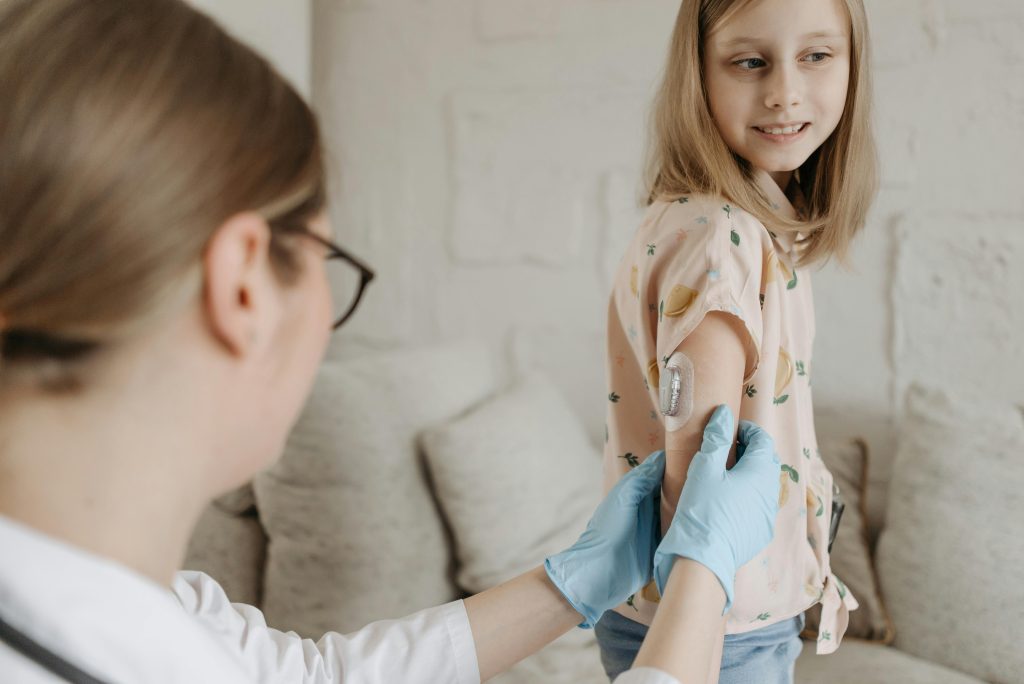
Children living with obesity but showing no signs of metabolic complications still have a significantly increased risk of developing type 2 diabetes, high blood pressure, and abnormal blood lipid levels later in life. A new study from the Karolinska Institutet, published in JAMA Pediatrics, also shows that these children benefit greatly from obesity treatment.
“There has been a debate about whether children with normal blood and liver values and normal blood pressure might not need treatment for their obesity. Our study shows that this assumption is incorrect,” says Claude Marcus, professor at the Department of Clinical Science, Intervention and Technology, Karolinska Institutet.
The study included just over 7200 children aged 7–17 who had begun obesity treatment in Sweden and were followed up until age 30. The researchers compared children with so-called metabolically healthy obesity (MHO), children with obesity and impaired cardio-metabolic risk markers (MUO), and peers from the general population.
A clearly increased risk
By age 30, 9% of the children with MHO had developed type 2 diabetes, compared with 17% of those with MUO and 0.5% in the control group. Similar patterns were observed for high blood pressure (11% in the MHO group, 18% in the MUO group, and 4% in the control group) and abnormal blood lipids (5 and 13%, respectively, compared to 1% in the general population).
“Even children with obesity who show no signs of cardiometabolic impact have a clearly increased risk of future diseases. This means that normal blood pressure and the absence of abnormal blood test results are not sufficient protection against future morbidity,” says Emilia Hagman, associate professor at the Department of Clinical Science, Intervention and Technology, Karolinska Institutet, and the paper’s corresponding author.
All children need treatment
All children in the study received support for healthier lifestyle habits, and the researchers also investigated whether the treatment response affected the risk of future illness in the different groups. A good treatment response during childhood was linked to a reduced risk of all the diseases studied. The effect was equally significant in both the MHO and MUO groups.
“Our results suggest that all children with obesity need treatment, even if they appear completely healthy upon examination,” says Claude Marcus.
The study is based on data from the national quality registry BORIS and several Swedish health data registries. The research was funded by, among others, the Center for Innovative Medicine, the Ollie and Elof Ericsson Foundation, and the Freemason Foundation for Children’s Welfare. Several of the researchers report compensation from companies unrelated to this work. See the scientific article for a complete list of conflicts of interest.
A major UK-led clinical trial has found that a treatment commonly used to help premature babies breathe offers no benefit for infants on life support with severe bronchiolitis – a seasonal viral illness that hospitalises thousands of babies each year.
Funded by a partnership between the UK’s UKRIMedical Research Council (MRC) and National Institute for Health and Care Research (NIHR), and by Chiesi Farmaceutici SpA, Italy, the Bronchiolitis Endotracheal Surfactant Study (BESS) trial is the largest-ever randomised study of surfactant for bronchiolitis.
Bronchiolitis occurs when a virus – most commonly respiratory syncytial virus (RSV) – infects a baby’s lungs. There is currently no specific treatment for RSV infection, and the illness can be especially severe in premature and newborn infants. Babies with bronchiolitis have reduced levels of surfactant in their lungs, a condition similar to that seen in babies born prematurely. Because surfactant is routinely used to help premature infants breathe more easily, the study team set out to determine whether this therapy could also benefit babies hospitalised with bronchiolitis.
The study ran across 15 children’s hospitals in England, Scotland, and Northern Ireland and involved 232 critically ill babies. However, surfactant did not reduce the time they needed to be on a ventilator (life-support breathing machine).
Professor Calum Semple OBE, the study’s lead from the University of Liverpool and Alder Hey Children’s NHS Foundation Trust, said: “The treatment was safe, but it didn’t make any difference to how long babies stayed on ventilators. We had hoped that surfactant might speed up recovery for these very sick babies, but the evidence doesn’t support this.”
Bronchiolitis is the leading reason why babies are admitted to hospital in the UK during winter. It typically affects babies under one year old and can be especially severe in those born prematurely. While most of the twenty-five thousand babies admitted will recover with oxygen and fluids, around a thousand of the most unwell require intensive care and a ventilator to support their breathing. Currently, there is no other treatment for bronchiolitis, but a vaccine is now being offered to the mother-to-be in the last months of pregnancy.
The BESS trial was designed to give families and clinicians clear answers. It ran over six winter seasons from 2019 to 2024.
Professor Semple added: “While we continue to research better ways to care for these sick babies, I urge Mums-to-be to accept the offer of the RSV vaccine during pregnancy, which will protect their newborn babies from severe bronchiolitis.”
The researchers emphasise that surfactant therapy remains essential for premature newborn babies and advocate for further studies to explore targeted treatments for bronchiolitis.
Trial provides new evidence to guide early treatment decisions for families and clinicians
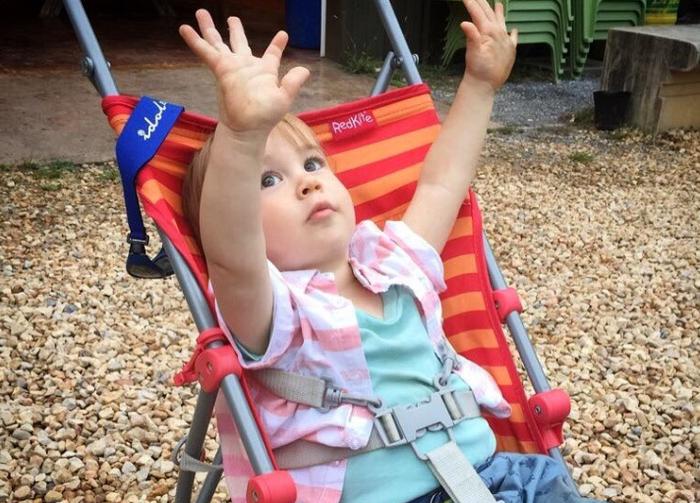
An infant participating in the Baby CHAMP study raises both hands while seated in a stroller. The NIH-funded trial led by the Fralin Biomedical Research Institute at VTC examines early therapies designed to improve arm and hand function in young children with cerebral palsy affecting one side of the body. Credit: Jennifer Murray
Infants and toddlers with unilateral cerebral palsy, which affects the brain’s control of muscles on one side of the body, show lasting improvements in hand and arm function when they receive early, high-dose therapy, according to a new multisite clinical trial led by Virginia Tech researchers at the Fralin Biomedical Research Institute at VTC.
The Baby CHAMP (Children with Hemiparesis Arm-and-Hand Movement Project) study directly compared three therapist-delivered interventions: two forms of constraint-induced movement therapy, which limit the stronger arm to encourage use of the weaker one when combined with therapy, and bimanual therapy, which promotes coordinated use of both hands.
The researchers found that children ages 6 to 24 months showed similar gains whether therapy involved full-time casting, a splint worn during sessions, or bimanual training without constraining the stronger arm.
Published in Pediatrics Open Science, the study addresses a long-standing gap in clinical evidence.
“The brain in the first two years of life is remarkably plastic,” said Stephanie DeLuca, associate professor at the Fralin Biomedical Research Institute at VTC and co-principal investigator of the trial. “By delivering high-dose, play-based therapy early, we’re capitalizing on a window of opportunity when the nervous system is especially responsive to experience.”
While both constraint-induced movement therapy and bimanual therapy are widely recommended for children older than 2 years with unilateral cerebral palsy, limited data have been available to guide treatment decisions for infants and toddlers.
“This gives families and clinicians evidence-based options,” said Sharon Landesman Ramey, a Virginia Tech Distinguished Scholar, professor at the Fralin Biomedical Research Institute at VTC, and co-principal investigator of the Baby CHAMP trial. “The encouraging message is that early, intensive therapy works — and multiple approaches can help children build critical motor skills. Caregivers and families now have actionable evidence that can shape care during one of the most important periods of brain development.”
Unilateral cerebral palsy affects movement on one side of the body and can result in lifelong impairment of upper extremity function. Early intervention is considered critical because the brain is especially adaptable during the first two years of life.
DeLuca is director of the Fralin Biomedical Research Institute at VTC Neuromotor Research Clinic, which investigates novel treatments for children with a range of biomedical conditions and provides worldwide training for therapists to become certified in new evidence-based therapies.
All children received three hours of therapy per day, five days a week, for four consecutive weeks, totaling 60 hours of structured intervention. Parents also supported additional guided home practice.
Fifty-eight children were enrolled in the randomized controlled trial, funded by the Eunice Kennedy Shriver National Institute of Child Health and Human Development of the National Institutes of Health. Fifty-three completed treatment and end-of-therapy assessments, and 41 returned for evaluation six months later.
Across all three groups, children demonstrated significant improvements in the ability to use both hands, individually and together. Improvements were measured using standardized developmental assessments administered by evaluators who were unaware of each child’s treatment assignment.
Children also showed gains in fine motor skills in their less-affected arm. Improvements were most pronounced at the six-month follow-up, suggesting that benefits continued to build after formal therapy ended.
Researchers had hypothesized that bimanual therapy might lead to greater improvements in two-handed skills and that full-time casting might yield stronger gains in the affected arm. The data did not support those predictions. Instead, outcomes were broadly comparable across approaches.
The study also addressed concerns that constraining the stronger arm could impair its development. No evidence of harm was observed. In fact, children in the full-time cast group showed slightly greater gains in fine motor skills in their non-affected arm at six months compared with the bimanual group.
“This is important to the field because many people have worried that the use of a constraint might slow the developmental process of the less-affected arm,” DeLuca said. “Our findings confirm that this did not occur and this therapy may even help promote improvements in skills on the less-affected arm and hand.”
Some parents reported their child showed short-term frustration wearing a cast or splint, and minor skin irritation occurred in a small number of children using casts, but no were caused by the therapy itself.
The trial was conducted in collaboration with researchers at Virginia Tech, The Ohio State University, and Nationwide Children’s Hospital. Therapists were centrally trained to deliver structured, play-based interventions grounded in motor learning principles, including repetition, reinforcement, and progressively challenging activities.
Longer-term studies will be needed to better understand how early therapy influences development across many dimensions of a child’s life.
Biologics may be more effective with earlier treatment initiation, especially among children with early polysensitisation or multiple early-childhood risk factors, according to the results of a new study published in Annals of the American Thoracic Society. Screening for these risk factors may help inform targeted early initiation of biologics for asthma.
Robust real-world data on the effectiveness of biologic therapies in children with severe asthma remain limited, particularly across different ages and early-life risk profiles. This evidence gap constrains precision in treatment decisions and clinical guidance.
Children with moderate to severe asthma requiring biologic therapy are most affected, especially those initiating biologic treatment at younger ages and those with early indicators of allergic disease or high-risk asthma histories.
Initiating biologic therapy earlier in childhood – particularly in children with significant early-life risk factors and allergic sensitisation – is associated with greater reductions in severe asthma exacerbations in real-world practice.
Findings highlight the importance of treatment timing and patient history when optimizing outcomes with asthma biologics.
Risks of delayed treatment initiation
Delayed initiation of biologic therapy until adolescence or failure to account for early-childhood risk profiles may reduce potential treatment benefit. These findings highlight the risk of suboptimal outcomes when treatment timing or patient selection does not align with underlying disease risk.
Clinicians should prioritise earlier identification and risk-stratified initiation of biologics in children with severe asthma, particularly those with high early-life risk burden, to maximise treatment benefits.
Study findings support development of care pathways that incorporate earlier, risk-stratified biologic initiation. Decision-making algorithms may benefit from integrating age at treatment initiation and early-life risk indicators, such as polysensitisation and high early disease burden, to better identify children most likely to benefit and reduce severe exacerbations.
Future research may also explore the role of clinical artificial intelligence in supporting these approaches. Clinical AI tools could help identify high-risk paediatric patients earlier and guide treatment timing and patient selection by detecting patterns in real-world clinical data, potentially improving precision in biologic therapy use.
Researchers have found that sucrose can relieve newborn babies’ pain during common hospital procedures
Photo by Christian Bowen on Unsplash
A new Cochrane review has found that sucrose can help with pain relief in newborn babies during common hospital procedures, such as venepuncture. This involves drawing blood with a needle, typically for testing.
Newborns, especially preterm infants in neonatal intensive care units (NICUs), undergo numerous painful procedures. Because of their immature pain regulation, they can experience these procedures intensely. Preventing and treating procedural pain in hospitalized newborns is important, as repeated untreated pain has been associated with poorer physical growth and potential effects on brain development.
Accessible, low-cost solutions such as sucrose – a sweet sugar solution placed in a baby’s mouth shortly before needle procedures – have been used for decades. However, evidence specific to some procedures, such as venepuncture, has been limited.
Despite sucrose being recommended in multiple guidelines for procedural pain relief in infants, its use in clinical settings remains inconsistent.
Low-cost, safe intervention
The new review examined 29 clinical trials involving more than 2700 preterm and full-term babies undergoing venepuncture in hospital. It found that sucrose probably reduces pain during and immediately after the needle procedure when compared to no treatment, water or standard care. The findings also suggest that sucrose works especially well when combined with non-nutritive sucking, such as a pacifier or dummy.
“Newborn babies undergo frequent needle procedures in hospital without any pain relief or comforting measures, even though older children and adults rarely have these procedures done without pain care.
The evidence shows that a small amount of sucrose given just before the procedure is a simple, fast and effective way to reduce that pain. Our review helps clinicians use this evidence more confidently and consistently in practice.”
—Mariana Bueno, University of Toronto
None of the studies included in the review reported immediate side effects from sucrose when used in the small amounts required for pain relief. However, the studies focused on short-term effects, and more research is needed to understand any potential long-term effects of repeated use in babies who spend extended time in neonatal care.
“Parents may be surprised to learn that something as simple as a few drops of sugar solution can make a real difference to their baby’s comfort during blood tests.
This is a low-cost, safe intervention that works within minutes, and it can be especially helpful when other comforting methods like skin-to-skin contact or breastfeeding aren’t possible.”
—Ligyana Candido, University of Ottawa
Treated like other medications
Although sucrose is already widely used in neonatal units, the researchers found considerable variation in how it is given, including differences in dose and timing.
Bueno added:
“What stood out to me when doing this review was the wide variation in how sucrose was given to newborns.”
The authors suggest the findings can help inform clearer clinical protocols and more consistent practice.
They also highlight that sucrose should be used purposefully for painful procedures and documented appropriately, rather than being given routinely to settle a crying baby.
“To ensure safety and clinical consistency, sucrose must be administered under formal medication protocols that define specific timing and dosage for painful procedures.”
— Jiale Hu, Virginia Commonwealth University
The review authors say future research should focus on comparing effective comfort measures such as skin-to-skin contact, breastfeeding and sucrose with each other, rather than continuing to compare them to no treatment, and on understanding any potential long-term effects of repeated use in babies who spend extended time in neonatal care.
Newborns listening to Bach music predicted rhythm, but not melody, according to their brain waves
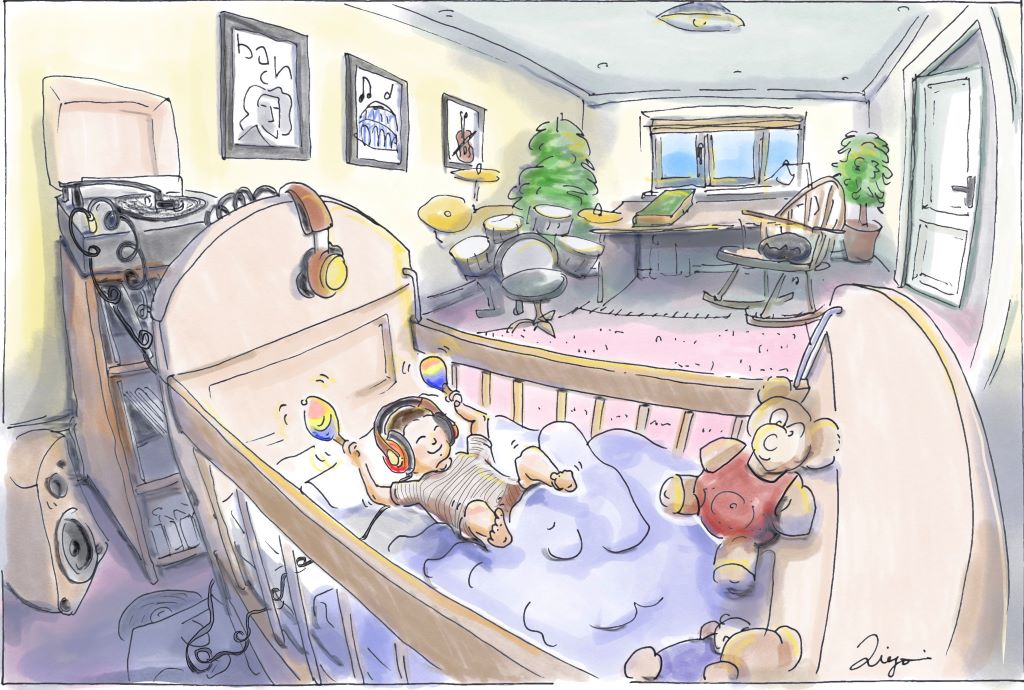
Human newborns can predict rhythmic structure from music, while they are not as good at expecting melodic changes. Image credit: Diego Perez-Lopez, PLOS, CC-BY 4.0
Babies are born with the ability to predict rhythm, according to a study published February 5th in the open-access journal PLOS Biology by Roberta Bianco from the Italian Institute of Technology, and colleagues.
It’s anticipating a beat drop, key change or chorus in a song you’ve never heard. Across all cultures, humans can inherently anticipate rhythm and melody. But are babies born with these behaviours, or are they learned? Research shows that by approximately 35 weeks of gestation, foetuses begin to respond to music with changes in heart rate and body movements. However, newborns’ ability to anticipate rhythm and melody is not fully understood.
To understand babies’ musical aptitudes, researchers played J.S. Bach’s piano compositions for an audience of 49 sleeping newborns. Musical stylings included 10 original melodies and four shuffled songs with scrambled melodies and pitches. While the babies listened, the researchers used electroencephalography – electrodes placed on the babies’ heads – to measure their brainwaves. When the babies’ brain waves showed signs of surprise, it meant they expected the song to go one way, but it went another.
The newborns tended to show neural signs of surprise when the rhythm unexpectedly changed; in other words, the miniature maestros had generated musical expectations based on rhythm. Previously, this result had been observed in non-human primates. The researchers found no evidence that the newborns tracked melody or were surprised by unexpected melodic changes, a skill that comes at an unknown exact point later in development.
According to the authors, understanding how humans become aware of rhythm can help biologists understand how our auditory systems develop. Future studies can investigate how exposure to music during gestation affects acquisition of rhythm and melody.
The authors add, “Are newborns ready for Bach? Newborns come into the world already tuned in to rhythm. Our latest research shows that even our tiniest 2-day old listeners can anticipate rhythmic patterns, revealing that some key elements of musical perception are wired from birth. But there’s a twist: melodic expectations – our ability to predict the flow of a tune – don’t seem to be present yet. This suggests that melody isn’t innate but gradually learned through exposure. In other words, rhythm may be part of our biological toolkit, while melody is something we grow into.”
Study raises questions around why female individuals are diagnosed later than males
Photo by Ben Wicks on Unsplash
Autism has long been viewed as a condition that predominantly affects male individuals, but a study from Sweden published by The BMJ shows that autism may actually occur at comparable rates among male and female individuals.
The results show a clear female catch-up effect during adolescence, which the researchers say highlights the need to investigate why female individuals receive diagnoses later than male individuals.
The prevalence of autism spectrum disorder (ASD) has increased over the past three decades, with a high male-to-female diagnosis ratio of around 4:1.
The increase in prevalence is thought to be linked to factors including wider diagnostic criteria and societal changes (eg, parental age), whilst the high male to female ratio has been attributed to better social and communication skills among girls, making autism more difficult to spot. However so far no large study has examined these trends over the life course.
To address this, researchers used national registers to analyse diagnosis rates of autism for 2.7 million individuals born in Sweden between 1985 and 2022 who were tracked from birth to a maximum of 37 years of age.
During this follow-up period of more than 35 years, autism was diagnosed in 78,522 (2.8%) of individuals at an average age of 14.3 years.
Diagnosis rates increased with each five year age interval throughout childhood, peaking at 645.5 per 100,000 person years for male individuals at age 10-14 years and 602.6 for female individuals at age 15-19 years.
However, while male individuals were more likely to have a diagnosis of autism in childhood, female individuals caught up during adolescence, giving a male to female ratio approaching 1:1 by age 20 years.
This is an observational study and the authors acknowledge that they did not consider other conditions associated with autism, such as ADHD and intellectual disability. Nor were they able to control for shared genetic and environmental conditions like parental mental health.
However, they say the study size and duration enabled them to link data for a whole population and disentangle the effects of three different time scales: age, calendar period and birth cohort.
As such, they write: “These findings indicate that the male to female ratio for autism has decreased over time and with increasing age at diagnosis. This male to female ratio may therefore be substantially lower than previously thought, to the extent that, in Sweden, it may no longer be distinguishable by adulthood.”
“These observations highlight the need to investigate why female individuals receive diagnoses later than male individuals,” they conclude.
These findings align with recent research and seem to support the argument that current practices may be failing to recognise autism in many women until later in life, if at all, says Anne Cary, patient and patient advocate, in a linked editorial.
She notes that studies like this are essential to changing the assumption that autism is more prevalent in male individuals than in female individuals, but points out that as autistic female individuals await proper diagnosis, “they are likely to be (mis)diagnosed with psychiatric conditions, especially mood and personality disorders, and they are forced to self-advocate to be seen and treated appropriately: as autistic patients, just as autistic as their male counterparts.”
Sanofi is pleased to share that the South African Health Products Regulatory Authority (SAHPRA) has granted registration for Beyfortus® (nirsevimab), a long-acting monoclonal antibody designed to protect infants against Respiratory Syncytial Virus (RSV).
Beyfortus® is the first long-acting monoclonal antibody designed to provide protection across the RSV season for all infants, including those born at term, preterm, or with underlying conditions. It is given as a single intramuscular dose just before or during the RSV season¹ and is expected to be available before the 2026 RSV season.
RSV is one of the leading causes of Lower Respiratory Tract Infections (LRTIs) such as bronchiolitis and pneumonia in young children, and a major driver of hospitalisation in infants under one year of age.3 Globally, RSV is responsible for 20 to 40% of pneumonia and 40 to 80% of bronchiolitis hospitalised cases among infants under one year of age.2
It was estimated that in a year, RSV caused around 33 million acute lower respiratory infections in children younger than five years, resulting in 3,6 million hospitalisations and over 100 000 RSV-attributable deaths globally3. RSV-related medical costs in this age group are estimated at €4.82 billion per year, including hospital, outpatient, and follow-up care7.
In South Africa, RSV infections occur year-round with a strong seasonality from February to May4. Each year in South Africa, there are approximately 96 000 cases of RSV severe acute respiratory illnesses in children under five years of age, and among newborns under one month, about one in seven requires admission for severe RSV9. The incidence and severity of RSV LRTI are highest in infants under 6 months of age, representing 22% of all-cause hospital admissions in this age group. 41% of the LRTI-related hospitalisations are attributable to RSV.5
RSV infections also have long lasting consequences as a first episode of RSV LRTI is associated with an increased risk of subsequent LRTIs. In addition, RSV is associated with recurrent wheezing in early childhood.6
Though risk factors such as prematurity and underlying conditions will increase the probability and severity of RSV infections in children, the majority of severe RSV outcomes occur in healthy full‑term infants. They represent the majority of ICU admissions (65.8%) and mechanical ventilation cases (59.8%) among RSV‑infected infants, and globally, healthy infants account for around 57% of RSV‑related deaths.10-11 For this reason, all infants are at risk of RSV disease.
A single dose of Beyfortus® provides immediate and season-long protection, lasting for at least five months, corresponding to a typical RSV season¹. In the MELODY phase III trial*, nirsevimab reduced medically attended RSV-LRTI by 74.5% and hospitalisations by 62.1% compared with placebo,8 while the HARMONIE real-world study found an 82.7% reduction in RSV-related hospitalisations through 180 days after immunisation14. Beyfortus® demonstrated a consistent safety profile across term, preterm, and high-risk infants, with the most common adverse reactions being mild rash (0.7%), fever (0.5%), and injection-site reactions (0.3%)¹.
Beyfortus® has also demonstrated its strong public health impact in real-world settings. Following its introduction in 2024 in Chile and in 2023 in Galicia, Spain, the effectiveness of Beyfortus® against RSV-related LRTI hospitalisations was estimated to be 76.4% and 85.9%, respectively. In Chile, Beyfortus® demonstrated 49.7% effectiveness against all-cause hospitalisation. 12-13
“RSV causes a great burden on families and the healthcare systems in South Africa and worldwide,” says Diane Buron, South Africa Medical Head for Sanofi Vaccines. “It is a leading cause of infant hospitalisation during the season and Beyfortus® has the potential to change that. With only one dose, babies will be effectively protected throughout the season and thousands of cases and hospitalisations can be averted.”
“Because the majority of RSV cases are in term and healthy infants,” says Buron “proposing this innovative and effective protection to all infants will have a significant impact on the families and healthcare system.”
More than 6 million infants worldwide have now received Beyfortus®, supported by over 40 real-world studies across four continents, in both the Northern and Southern hemispheres. The introduction of Beyfortus® in South Africa is a significant advancement in paediatric respiratory protection and supports the global goal of reducing preventable infant morbidity and mortality linked to RSV8.
*The Phase 3 MELODY trial was a randomised, double-blind, placebo-controlled trial conducted across 21 countries designed to determine the safety and efficacy of Beyfortus® against medically attended LRTD caused by RSV in healthy term and late preterm infants (35 weeks gestational age or greater) entering their first RSV season, including efficacy against severe disease such as hospitalisation, through 150 days after dosing. The primary endpoint was met, reducing the incidence of medically attended RSV LRTD by 74.5% (95% CI 49.6, 87.1; P<0.001) compared to placebo. The efficacy of Beyfortus® against the secondary endpoint of hospitalization was 62.1% (-8.6, 86.8). A pre-specified pooled analysis of the Phase 3 MELODY trial showed the efficacy of Beyfortus® against medically attended RSV LRTD and medically attended RSV LRTD with hospitalisation was 79.5% (95% CI 65.9, 87.7; P<0.0001) and 77.3% (95% CI 50.3, 89.7; P<0.001), respectively.
References
1. Sanofi-Aventis South Africa (Pty) Ltd. Beyfortus® Professional Information (PI). Version E, 2025-09-18. 2. Dangor et al. (2023) – Bronchiolitis v. bronchopneumonia: Navigating antibiotic use within the lower respiratory tract infection spectrum. S Afr Med J 113(6):e709
3. Li Y et al. Global, regional, and national disease burden estimates of acute lower-respiratory infections due to respiratory syncytial virus in children younger than 5 years in 2019: a systematic analysis. Lancet. 2022; 399: 92047–64. 4. National Institute for Communicable Diseases (NICD). Respiratory Syncytial Virus (RSV). Available at: https://www.nicd.ac.za/diseases-a-z-index/respiratory-syncytial-virus-rsv/ (Accessed January 2026). 5. Wedderburn CJ et al. Risk and rates of hospitalisation in young children: A prospective study of a South African birth cohort. PLOS Glob Public Health. 2024
6. Zar HJ et al. Early-life respiratory syncytial virus lower respiratory tract infection in a South African birth cohort: epidemiology and effect on lung health. Lancet Glob Health. 2020. 7. Zhang S et al. Cost of respiratory syncytial virus-associated acute lower-respiratory infection management in young children at the regional and global level: a systematic review and meta-analysis.J Infect Dis. 2020; 222(Suppl 7): S680–S687. 8. Hammitt LL et al. Nirsevimab for prevention of RSV in healthy late-preterm and term infants.N Engl J Med. 2022; 386(9): 837–846.
9. Moyes J et al. The burden of RSV-associated illness in children aged < 5 years, South Africa, 2011 to 2016. BMC Med 21, 139 (2023).
10. Nair H, et al. Global burden of acute lower respiratory infections due to respiratory syncytial virus in young children: a systematic review and meta-analysis. Lancet. 2010;375:1545–1555. 11. Li Y, et al. Global, regional, and national disease burden estimates of RSV-associated acute lower respiratory infection in young children in 2019: a systematic analysis. Lancet. 2022;399:2047–2064
12. Razzini JL. Impact of universal nirsevimab prophylaxis in infants on hospital and primary care outcomes across two respiratory syncytial virus seasons in Galicia, Spain (NIRSE-GAL): a population-based prospective observational study. Lancet Infect Dis. 2026
13. Torres JP et al. Effectiveness and impact of nirsevimab in Chile during the first season of a national immunisation strategy against RSV (NIRSE-CL): a retrospective observational study. Lancet Infect Dis. 2025 Nov;25(11):1189-1198.
14. Munro et al. 180-day efficacy of nirsevimab against hospitalisation for respiratory syncytial virus lower respiratory tract infections in infants (HARMONIE): a randomised, controlled, phase 3b trial. Lancet Child Adolesc Health. 2025 Jun;9(6):404-412.
Thousands of families have taken part in a landmark UK study led by researchers at the University of Birmingham which shows that childhood screening for type 1 diabetes is effective, laying the groundwork for a UK-wide childhood screening programme.
Results from the first phase of the ELSA (Early Surveillance for Autoimmune diabetes) study, co-funded by charities Diabetes UK and Breakthrough T1D, have been published in a research letter in The Lancet Diabetes & Endocrinology today.
The findings mark a major step towards a future in which type 1 diabetes can be detected in children before symptoms appear. Currently, over a quarter of children aren’t diagnosed with type 1 diabetes until they are in diabetic ketoacidosis (DKA), a potentially fatal condition that requires urgent hospital treatment. Early detection can dramatically reduce emergency diagnoses and could give children access to new immunotherapy treatments that can delay the need for insulin for years.
We are working towards a future where type 1 diabetes can be detected in a timely manner
Professor Parth Narendran, lead researcher
Launched in 2022, ELSA is the first UK study of its kind, tested blood samples from 17,931 children aged 3-13 for autoantibodies, markers of type 1 diabetes that can appear years before symptoms.
Children without autoantibodies are unlikely to develop type 1 diabetes, while those with one autoantibody have a 15% chance of developing the condition within 10 years. Having two or more autoantibodies indicates the immune system has already started attacking the insulin-producing cells in the pancreas and it is almost certain these children will eventually need insulin therapy. This is known as early-stage type 1 diabetes.
Among the 17,283 children aged 3-13 years who were screened for type 1 diabetes risk at the time of analysis:
75 had one autoantibody, signaling increased future risk.
160 had two or more autoantibodies but did not yet require insulin therapy, indicating early-stage type 1 diabetes.
7 were found to have undiagnosed type 1 diabetes with all needing to start insulin immediately.
Lead researcher, Parth Narendran, Professor of Diabetes Medicine at the University of Birmingham, said: “We are extremely grateful to all the families who have participated in the study and generously given their time to help understand how a UK-wide screening programme could be developed. Together with Diabetes UK, Breakthrough T1D and the National Institute for Health and Care Research, we are working towards a future where type 1 diabetes can be detected in a timely manner, and families appropriately supported and treated with medicines to delay the need for insulin.
“We are also grateful to partners across the Birmingham Health and Life Sciences District and beyond as well as the NIHR for the support they have provided in getting us to where we are.”
Interventions before diagnosis
Families of children found to have early-stage type 1 diabetes received tailored education and ongoing support to prepare for the eventual onset of type 1 diabetes symptoms and to ensure insulin therapy can begin promptly when needed, reducing the chances of needing emergency treatment. Those with one autoantibody also received ongoing support and monitoring.
Some families were also offered teplizumab, the first ever immunotherapy for type 1 diabetes, which can delay the need for insulin by around three years in people with early-stage type 1 diabetes. The first patient was treated at Birmingham Children’s Hospital. Teplizumab was licensed by the Medicines and Healthcare products Regulatory Agency (MHRA) in the UK in August 2025, and is currently being assessed by the National Institute for Health and Care Excellence (NICE) to determine whether it should be available through the NHS.
As of November 2025, more than 37,000 families have signed up to the ELSA programme. Building on this strong foundation, the second phase of the research, ELSA 2, launches today. ELSA 2 will expand screening to all children in the UK aged 2-17 years, with a focus on younger children (2-3 years) and older teenagers (14-17 years). The research team aims to recruit 30,000 additional children across these new age groups.
ELSA 2 will also establish new NHS Early-Stage Type 1 Diabetes Clinics, providing families taking part with clinical and psychological support and creating a clear pathway from screening to diagnosis, monitoring and treatment.
Case study: Knowing what’s coming … has made an enormous difference
Amy Norman, 44, from the West Midlands, was diagnosed with type 1 diabetes at the age of 13. She recently discovered via the ELSA study that her 11-year-old daughter, Imogen, is in the early stages of type 1 diabetes but has been able to slow its progression as the second child in the UK to access a breakthrough immunotherapy drug – teplizumab. She said: “Being part of the ELSA study has helped us as a family to prepare for the future in a way we never expected. Knowing what’s coming – rather than being taken by surprise – has made an enormous difference to our confidence and peace of mind.
“When I was diagnosed, I had no warning and ended up quite poorly in hospital with diabetic ketoacidosis (DKA). When Imogen’s diagnosis arrives, we hope that having this awareness will reduce her chances of experiencing DKA and the added trauma that comes from a sudden illness.
“Imogen took part in the study to further research and help others, but it has helped her too – being forewarned is being forearmed. She was always going to develop type 1 diabetes, but through ELSA we’ve been able to slow down the process and prepare – we know what is coming, but we’re not scared.”
A game-changer: showing what we can achieve in Birmingham
Professor Neil Hanley, Pro-Vice-Chancellor and Head of the College of Medicine and Health at the University of Birmingham, said, “This is a game-changer. This trial shows we can spare countless children the trauma of an emergency diagnosis, ensure they get early support, and potentially give them access to revolutionary new treatments that could delay or even prevent type 1 diabetes.
“Dr Parth Narendran and his team deserve huge credit; and this breakthrough shows what we can achieve in Birmingham. We have world-class clinicians and scientists working side-by-side, backed by great innovation infrastructure and a vibrant, diverse and affordable city – and, as a result, we are changing lives with next generation diagnostics, therapeutics, and clinical care.”
Rewriting the story of type 1 diabetes
Dr Elizabeth Robertson, Director of Research and Clinical at Diabetes UK, said: “For too many families, a child’s type 1 diabetes diagnosis still comes as a frightening emergency. But that doesn’t have to be the case. Thanks to scientific breakthroughs, we now have the tools to identify children in the very earliest stages of type 1 diabetes – giving families precious time to prepare, avoid emergency hospital admissions, and access treatments that can delay the need for insulin for years.
“The ELSA study, co-funded by Diabetes UK, is generating the evidence needed to make type 1 diabetes screening a reality for every family in the UK. We’re incredibly grateful to the 37,000 families who’ve already signed up and urge others to get involved. Together, we can transform type 1 diabetes care for future generations.”
Rachel Connor, Director of Research Partnerships at Breakthrough T1D, said: “This is about rewriting the story of type 1 diabetes for thousands of families. Instead of a devastating emergency, we can offer time, choices, and hope. By finding children in the earliest stages, we’re not just preparing families, we’re opening the door to treatments that can delay the need for insulin by years. That extra time means childhoods with fewer injections, fewer hospital visits and more normality. Thanks to research like ELSA, what once struck as an unexpected crisis can become an actively managed healthcare process, changing the course of T1D for the better.”
The findings from ELSA’s first phase signal a major step towards a future in which type 1 diabetes can be detected early, managed proactively, and potentially delayed through immunotherapy. ELSA demonstrates that childhood screening in the UK is feasible, acceptable to families, and capable of preventing emergency diagnoses. Continued research through ELSA 2 will assess how screening can be scaled across the NHS and evaluate its cost-effectiveness.
A team of researchers at the Icahn School of Medicine at Mount Sinai has uncovered why children with the same leukaemia-causing gene mutation can have dramatically different outcomes: it depends on when in development the mutation first occurs.
The study, led by Elvin Wagenblast, PhD, Assistant Professor of Oncological Sciences, and Pediatrics, at the Icahn School of Medicine at Mount Sinai, was published in Cancer Discovery. It shows that leukemia beginning before birth is often more aggressive, grows faster, and is harder to treat. This adds a missing dimension to precision medicine for childhood leukaemia.
Dr. Wagenblast and his team at the Wagenblast Lab set out to answer a central question about how a normal blood stem cell can become cancerous. They applied cutting-edge CRISPR/Cas9 genome-editing approaches in human primary blood stem cells to model different developmental stages of acute myeloid leukaemia, one of the most aggressive types of blood cancer.
Using CRISPR technology, the team induced the NUP98::NSD1 fusion oncoprotein, a cancer-promoting protein created when two genes abnormally fuse, into human blood stem cells from multiple developmental stages, ranging from prenatal to postnatal, adolescence, and adulthood. This approach created the first humanised experimental model that tracks how the same mutation behaves differently depending on when in life it arises.
The results were striking: stem cells produced during prenatal development transformed easily into leukaemia, creating a highly aggressive and more primitive form of leukaemia. Stem cells produced postnatally became increasingly resistant to transformation and required additional mutations to become cancerous. Prenatal-origin leukaemia stem cells, which are abnormal blood stem cells that arise before birth and can cause certain childhood leukaemias, were more dormant (quiescent) and relied heavily on certain energy sources specific to the cancer state, which were not seen in the leukaemias that originated later in life. Although these prenatal leukaemia stem cells were more dormant, this quiescent state makes them harder to eliminate with standard treatments, helping explain why prenatal-origin leukaemias behave more aggressively, despite identical genetics.
By analysing single-cell gene expression data from their models, the investigators identified a prenatal gene signature that predicts whether a child’s leukaemia likely began before birth. In patients, this signature strongly correlated with significantly worse clinical outcomes.
“This work tells us that age matters at the cellular level,” said Dr Wagenblast. “The same mutation behaves very differently depending on when it happens. Understanding this gives us a new way to identify the highest-risk patients and to tailor therapies that go beyond standard genetic classifications.”
The team tested therapies against the most aggressive leukaemia stem cells and discovered that these cells were especially vulnerable to venetoclax, a Food and Drug Administration-approved drug already used in the clinic. Venetoclax-based combinations, including with standard chemotherapy, significantly reduced aggressiveness in the experimental models.
“These findings give clinicians mechanistic support to use venetoclax combinations in NUP98-rearranged acute myeloid leukaemia, particularly in younger patients whose disease likely started before birth,” said Dr Wagenblast.
Understanding when leukaemia begins may help doctors choose more effective therapies earlier, reducing trial-and-error approaches and preventing resistance and relapse later on.
Conceptually, the study shifts how scientists understand childhood cancer. The developmental timing of the first mutation is not a minor detail. It fundamentally shapes disease biology, treatment resistance, and relapse risk.
The research opens the door to new diagnostic tools that can identify prenatal-origin leukaemias, venetoclax-based combination therapies that more precisely target vulnerable leukaemia stem cells, and clinical trials that incorporate developmental timing into risk assessment.
Next, the team plans to develop therapies that more directly target the metabolic program unique to prenatal-origin leukaemias, with the goal of selectively eliminating leukaemia stem cells while sparing healthy blood stem cells.