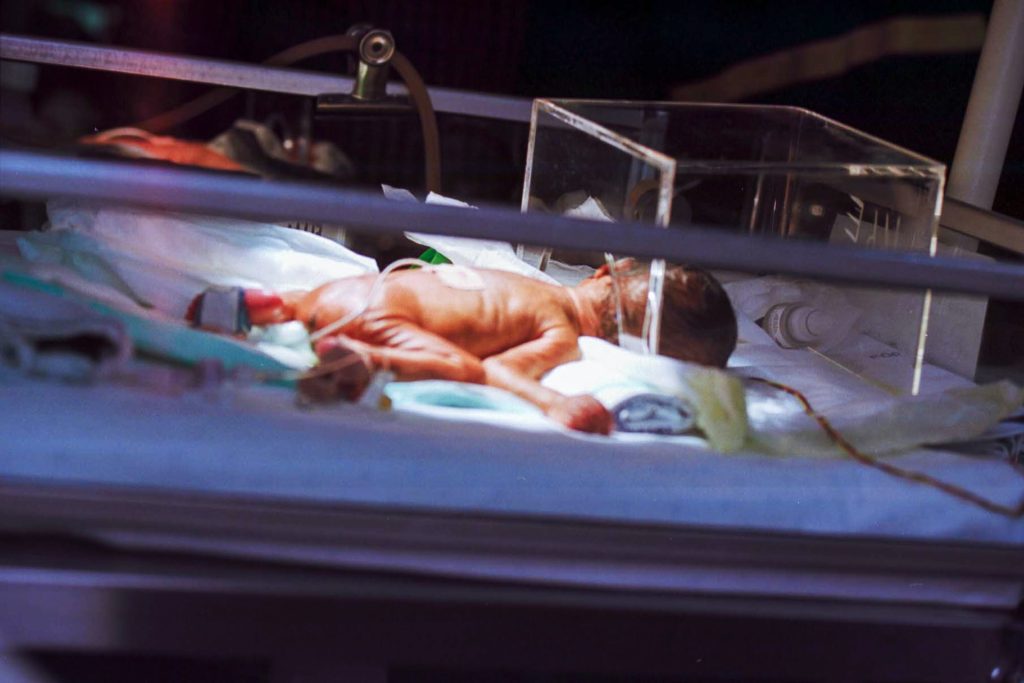
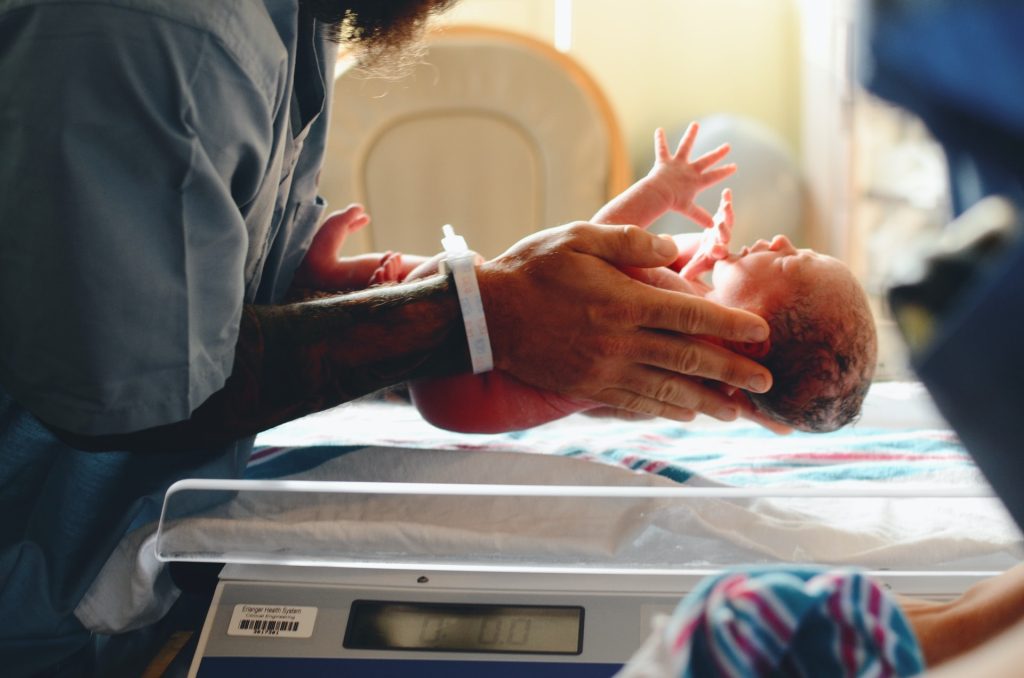
Sickle cell disease. Credit: National Institutes of Health
A clinical trial in Uganda has revealed that hydroxyurea significantly reduces infections in children with sickle cell anaemia. Their latest findings enhance strong evidence of hydroxyurea’s effectiveness and could ultimately reduce death in children in Africa, the continent most burdened by the disease.
The group’s research, appearing in the journal Blood, revealed that hydroxyurea treatment resulted in a remarkable 60% reduction in severe or invasive infections, including malaria, bacteraemia, respiratory tract infections and gastroenteritis, among Ugandan children with sickle cell anaemia.
“Our investigation provides powerful justifications for hydroxyurea’s use in children with sickle cell anaemia in Africa,” said Dr Chandy John, paediatrics professor at IU School of Medicine and co-lead investigator of the latest study.
“Given the high rates of infection in this region, we hope our evidence will encourage ministries of health to continue supporting and expanding access to hydroxyurea for young patients who can greatly benefit from the treatment.”
Sickle cell anaemia is a genetic blood disorder that alters the structure of red blood cells and affects oxygen distribution throughout the body, increasing susceptibility to serious health complications and life-threatening infections.
According to the World Health Organization, more than 300 000 children worldwide are born with sickle cell disease each year, with a high prevalence found in African countries.
While hydroxyurea has had U.S. Food and Drug Administration approval as a sickle cell disease treatment for children since 2017, its accessibility and acceptance in Africa have been comparatively limited.
As hydroxyurea has become more recognised in African countries for its effectiveness in treating sickle-cell-related complications, John and his colleagues noticed a knowledge gap about the treatment’s effect on infections.
This led the research group to incorporate hydroxyurea treatment and analysis into their established clinical trial, Zinc for Infection Prevention in Sickle Cell Anemia, led by Indiana University School of Medicine and collaborators in Uganda.
During the study, the researchers examined the effects of hydroxyurea on 117 children in Uganda and focused on a range of infections. After hydroxyurea treatment, results showed a substantial decrease in the incidence of these infections.
Additionally, eight of the nine deaths that occurred in the trial were children whose parents declined hydroxyurea treatment. The only death in a child on hydroxyurea treatment occurred four days after starting treatment, providing insufficient time for hydroxyurea to have an effect.
Of the five children for whom a cause of death was known, all five died of infectious causes.
The high death rate in the study, despite expert clinical care by study personnel, provides further evidence of the urgent need for additional interventions to decrease mortality in children with sickle cell disease in Africa.
“Infections commonly precede other complications related to sickle cell anaemia and often result in hospitalizations that can lead to death,” said Dr Ruth Namazzi, site principal investigator, first author and a lecturer in the Department of Pediatrics and Child Health at Makerere University in Uganda.
“We believe incorporating hydroxyurea treatment as the standard of care for sickle cell anaemia across Africa will not only reduce infections but will more importantly save countless lives.”
A new study co-led by investigators from Mass Eye and Ear, a member of Mass General Brigham, demonstrated the effectiveness of a gene therapy towards restoring hearing function for children suffering from hereditary deafness.
In a trial of six children taking place at the Eye & ENT Hospital of Fudan University in Shanghai, China, the researchers found the novel gene therapy to be an effective treatment for patients with a specific form of autosomal recessive deafness caused by mutations of the OTOF (otoferlin) gene, called DFNB9. With its first patient treated in December 2022, this research represents the first human clinical trial to administer gene therapy for treating this condition, with the most patients treated and longest follow-up to date. Their results are published in The Lancet.
“If children are unable to hear, their brains can develop abnormally without intervention,” said Zheng-Yi Chen, DPhil, an associate scientist in the Eaton-Peabody Laboratories at Mass Eye and Ear and associate professor of Otolaryngology–Head and Neck Surgery at Harvard Medical School. “The results from this study are truly remarkable. We saw the hearing ability of children improve dramatically week by week, as well as the regaining of their speech.”
Hearing loss affects more than 1.5 billion people worldwide, with congenital deafness making up about 26 million of those individuals. For hearing loss in children, more than 60% stem from genetic reasons. DFNB9 for example, is a hereditary disease caused by mutations of the OTOF gene and a failure to produce a functioning otoferlin protein, which is necessary for the transmission of the sound signals from the ear to the brain. There are currently no FDA-approved drugs to help with hereditary deafness, which has opened the door for new solutions like gene therapies.
In order to test this novel treatment, six children with DFNB9 were observed over a 26-week period at the Eye & ENT Hospital of Fudan University. The Mass Eye and Ear collaborators utilised an adeno-associated virus (AAV) carrying a version of the human OTOF gene to carefully introduce the gene into the inner ears of the patients through a special surgical procedure. Differing doses of the single injection of the viral vector were used.
All six children in the study had total deafness, as indicated by an average auditory brainstem response (ABR) threshold of over 95 decibels. After 26 weeks, five children demonstrated hearing recovery, showing a 40-57 decibel reduction in ABR testing, dramatic improvements in speech perception and the restored ability to conduct normal conversation. Overall, no dose-limiting toxicity was observed. While following up on the patients, 48 adverse events were observed, with a significant majority (96%) being low grade, and the rest being transitory with no long-term impact.
This study provides evidence towards the safety and effectiveness of gene therapies in treating DFNB9, as well as their potential for other forms of genetic hearing loss. Moreover, the results contribute to an understanding of the safety of AAV insertion into the human inner ear. In regard to the usage of AAVs, the success of a dual-AAV vector carrying two pieces of the OTOF gene is notable. Typically, AAVs have a gene size limit, and so for a gene like OTOF that exceeds that limit, the achievement with a dual viral vector opens the door for AAV’s use with other large genes that are typically too big for the vector.
“We are the first to initiate the clinical trial of OTOF gene therapy. It is thrilling that our team translated the work from basic research in animal model of DFNB9 to hearing restoration in children with DFNB9,” said lead study author Yilai Shu, MD, of the Eye & ENT Hospital of Fudan University at Fudan University. Shu previously served as a postdoctoral fellow in Chen’s lab at Mass Eye and Ear. “I am truly excited about our future work on other forms of genetic hearing loss to bring treatments to more patients.”
The researchers plan to expand the trial to a larger sample size as well as track their outcomes over a longer timeline.
“Not since cochlear implants were invented 60 years ago, has there been an effective treatment for deafness,” said Chen. “This is a huge milestone that symbolises a new era in the fight against all types of hearing loss.”
Healthy children in Malawi participating in study to test efficacy of typhoid conjugate vaccine. Credit: TyVAC/Madalitso Mvula
A single dose of the typhoid conjugate vaccine, Typbar TCV®, provides lasting efficacy in preventing typhoid fever in children ages 9 months to 12 years old, according to a new phase 3 clinical study published in The Lancet.
The study conducted by researchers at University of Maryland School of Medicine’s (UMSOM) Center for Vaccine Development and Global Health (CVD) and led by in-country partners at the Malawi-Liverpool Wellcome Trust (MLW) Clinical Research Programme.
The research team enrolled more than 28 000 healthy children in Malawi and randomly assigned about half the group to receive the TCV and the other half to receive a meningococcal capsular group A conjugate (MenA) control vaccine. During the more than four years of follow-up, 24 children in the TCV group and 110 in the MenA group developed typhoid fever, which was confirmed via blood culture. That resulted in an efficacy of 78.3% in the TCV group, with one case of typhoid prevented for every 163 children vaccinated. TCV was effective in all age groups and over the study period – which ended in 2022 – vaccine efficacy remained strong, decreasing by only 1.3% per year.
Typhoid fever causes more than 9 million illnesses and at least 110,000 deaths worldwide every year, mostly in sub-Saharan Africa and southeast Asia. It is a contagious bacterial infection that occurs from consuming contaminated food or beverages. Symptoms include nausea, fever, and abdominal pain that, if left untreated, can be deadly.
“These findings have significant implications for identification of the contribution of TCVs in the control and potential elimination of typhoid fever in endemic settings,” wrote the authors of a commentary published in The Lancet alongside the study.
In May 2023, the Malawi government launched a national rollout of the TCV in children under 15 years. Going forward, all children in Malawi will receive TCV at 9 months of age as part of the routine immunisation schedule.
“The newly published study supports the long-lasting impacts of a single shot of TCV, even in the youngest children, and offers hope of preventing typhoid in the most vulnerable children,” said Kathleen Neuzil, MD, MPH, CVD Director, the Myron M. Levine, MD, DTPH, Professor in Vaccinology at UMSOM and coauthor of the current study. “We could not have had a better partner in this endeavor than MLW, whose long-standing excellence in typhoid research and strong surveillance infrastructure made this study possible.”
“The CVD’s outstanding record of generating data to accelerate public health decisions continues with this landmark study,” said UMSOM Dean Mark T. Gladwin, MD, Vice President for Medical Affairs, University of Maryland, Baltimore, and the John Z. and Akiko K. Bowers Distinguished Professor. “The research could not come at a more critical time when Malawi and other African countries are struggling with climate change, extreme weather events and increased urbanisation patterns, which are likely to contribute to increases in enteric diseases, including typhoid.”
One in three children who fall ill from bacterial meningitis go on to live with permanent neurological disabilities due to the infection. This is according to a new epidemiological study led by Karolinska Institutet and published in JAMA Network Open. This marks the first time that researchers have identified the long-term health burden of bacterial meningitis.
The bacterial infection can currently be cured with antibiotics, but it often leads to permanent neurological impairment. And since children are often affected, the consequences are significant.
“When children are affected, the whole family is affected. If a three-year-old child has impaired cognition, a motor disability, impaired or lost vision or hearing, it has a major impact. These are lifelong disabilities that become a major burden for both the individual and society, as those affected need health care support for the rest of their lives,” says Federico Iovino, associate professor in Medical Microbiology at the Department of Neuroscience, Karolinska Institutet, and one of the authors of the current study.
By analyzing data from the Swedish quality register on bacterial meningitis between 1987 and 2021, the researchers have been able to compare just over 3500 people who contracted bacterial meningitis as children with just over 32 000 matched controls from the general population, with an average follow-up time of over 23 years.
The results show that those diagnosed with bacterial meningitis consistently have a higher prevalence of neurological disabilities such as cognitive impairment, seizures, visual or hearing impairment, motor impairment, behavioural disorders, or structural damage to the head.
The risk was highest for structural head injuries – 26 times greater, hearing impairment – almost eight times greater, and motor impairment almost five times greater.
About one in three people affected by bacterial meningitis had at least one neurological impairment compared to one in ten among controls.
“This shows that even if the bacterial infection is cured, many people suffer from neurological impairment afterwards,” says Federico Iovino.
With the long-term effects of bacterial meningitis identified, Federico Iovino and his colleagues will now move forward with their research.
“We are trying to develop treatments that can protect neurons in the brain during the window of a few days it takes for antibiotics to take full effect. We now have very promising data from human neurons and are just entering a preclinical phase with animal models. Eventually, we hope to present this in the clinic within the next few years,” says Federico Iovino.
Babies and toddlers exposed to television or video viewing may be more likely to exhibit atypical sensory behaviours, such as being disengaged and disinterested in activities, seeking more intense stimulation in an environment, or being overwhelmed by sensations like loud sounds or bright lights, according to data from researchers at Drexel’s College of Medicine published in the journal JAMA Pediatrics.
According to the researchers, children exposed to greater TV viewing by their second birthday were more likely to develop atypical sensory processing behaviours, such as “sensation seeking” and “sensation avoiding,” as well as “low registration” – being less sensitive or slower to respond to stimuli, such as their name being called, by 33 months old.
Sensory processing skills reflect the body’s ability to respond efficiently and appropriately to information and stimuli received by its sensory systems, such as what the toddler hears, sees, touches, and tastes.
The team pulled 2011-2014 data on television or DVD-watching by babies and toddlers at 12- 18- and 24-months from the National Children’s Study of 1471 children (50% male) nationwide.
Sensory processing outcomes were assessed at 33 months using the Infant/Toddler Sensory Profile (ITSP), a questionnaire completed by parents/caregivers, designed to give insights on how children process what they see, hear and smell, etc.
ITSP subscales examine children’s patterns of low registration, sensation seeking, such as excessively touching or smelling objects; sensory sensitivity, such as being overly upset or irritated by lights and noise; and sensation avoiding – actively trying to control their environment to avoid things like having their teeth brushed. Children score in “typical,” “high” or “low” groups based on how often they display various sensory-related behaviours. Scores were considered “typical” if they were within one standard deviation from the average of the ITSP norm.
Measurements of screen exposure at 12-months were based on caregiver responses to the question: “Does your child watch TV and/or DVDs? (yes/no),” and at 18- and 24- months based on the question: “Over the past 30 days, on average, how many hours per day did your child watch TV and/or DVDs?”
The findings suggest:
At 12 months, any screen exposure compared to no screen viewing was associated with a 105% greater likelihood of exhibiting “high” sensory behaviours instead of “typical” sensory behaviours related to low registration at 33 months
At 18 months, each additional hour of daily screen time was associated with 23% increased odds of exhibiting “high” sensory behaviours related to later sensation avoiding and low registration.
At 24 months, each additional hour of daily screen time was associated with a 20% increased odds of “high” sensation seeking, sensory sensitivity, and sensation avoiding at 33 months.
The researchers adjusted for age, whether the child was born prematurely, caregiver education, race/ethnicity and other factors, such as how often the child engages in play or walks with the caregiver.
The findings add to a growing list of concerning health and developmental outcomes linked to screen time in infants and toddlers, including language delay, autism spectrum disorder, behavioural issues, sleep struggles, attention problems and problem-solving delays.
“This association could have important implications for attention deficit hyperactivity disorder and autism, as atypical sensory processing is much more prevalent in these populations,” said lead author Karen Heffler, MD, an associate professor of Psychiatry in Drexel’s College of Medicine. “Repetitive behaviour, such as that seen in autism spectrum disorder, is highly correlated with atypical sensory processing. Future work may determine whether early life screen time could fuel the sensory brain hyperconnectivity seen in autism spectrum disorders, such as heightened brain responses to sensory stimulation.”
Atypical sensory processing in kids with autism spectrum disorder (ASD) and ADHD manifests in a range of detrimental behaviours. In children with ASD, greater sensation seeking or sensation avoiding, heightened sensory sensitivity and low registration have been associated with irritability, hyperactivity, eating and sleeping struggles, as well as social problems. In kids with ADHD, atypical sensory processing is linked to trouble with executive function, anxiety and lower quality of life.
“Considering this link between high screen time and a growing list of developmental and behavioural problems, it may be beneficial for toddlers exhibiting these symptoms to undergo a period of screen time reduction, along with sensory processing practices delivered by occupational therapists,” said Heffler.
The American Academy of Pediatrics (AAP) discourages screen time for babies under 18–24 months. Live video chat is considered by the AAP to be okay, as there may be benefit from the interaction that takes place. AAP recommends time limitations on digital media use for children ages two to five years to typically no more than one hour per day.
“Parent training and education are key to minimising, or hopefully even avoiding, screen time in children younger than two years,” said senior author David Bennett, PhD, a professor of Psychiatry in Drexel’s College of Medicine.
In a study designed to better understand sudden, unexpected deaths in young children, which usually occur during sleep, researchers have identified brief seizures, accompanied by muscle convulsions, as a potential cause.
Experts estimate in excess of 3000 families each year in the US lose a baby or young child unexpectedly and without explanation. Most are infants in what is referred to as sudden infant death syndrome, or SIDS, but 400 or more cases involve children aged 1 and older, and in what is called sudden unexplained death in children (SUDC). Over half of these children are toddlers.
The study, published in the journal Neurology, used a registry of more than 300 SUDC cases, set up a decade ago by researchers at NYU Grossman School of Medicine. Researchers used extensive medical record analysis and video evidence donated by families to document the inexplicable deaths of seven toddlers between the ages of 1 and 3 that were potentially attributable to seizures. These seizures lasted less than 60 seconds and occurred within 30 minutes immediately prior to each child’s death, say the study authors.
For decades, researchers have sought an explanation to sudden death events in children, noticing a link between those with a history of febrile seizures (seizures accompanied by fever). Earlier research had reported that children who died suddenly and unexpectedly were 10 times more likely to have had febrile seizures than children who did not die suddenly and unexpectedly. Febrile seizures are also noted in one-third of SUDC cases registered at NYU Langone Health.
The new study involved an analysis by a team of eight physicians of the rare SUDC cases for which there were also home video recordings, from either security systems or commercial crib cameras, made while each child was sleeping on the night or afternoon of their death.
Five of seven recordings were running nonstop at the time and showed direct sound and visible motion indicative of a seizure happening. The remaining two recordings were triggered by sound or motion, but only one suggested that a muscle convulsion, a sign of seizure, had occurred. As well, only one toddler had a documented previous history of febrile seizures. All children in the study had previously undergone an autopsy that revealed no definitive cause of death.
“Our study, although small, offers the first direct evidence that seizures may be responsible for some sudden deaths in children, which are usually unwitnessed during sleep,” said study lead investigator Laura Gould, a research assistant professor at NYU Langone. Gould lost her daughter, Maria, to SUDC at the age of 15 months in 1997, a tragedy that prompted her successful lobby for establishment of the NYU SUDC Registry and Research Collaborative. Gould points out that if not for the video evidence, the death investigations would not have implicated a seizure.
“These study findings show that seizures are much more common than patients’ medical histories suggest, and that further research is needed to determine if seizures are frequent occurrences in sleep-related deaths in toddlers, and potentially in infants, older children, and adults,” said study senior investigator and neurologist Orrin Devinsky, MD.
Devinsky, a professor in the Departments of Neurology, Neurosurgery, and Psychiatry at NYU Langone, as well as chief of its epilepsy service, adds that “convulsive seizures may be the ‘smoking gun’ that medical science has been looking for to understand why these children die.
“Studying this phenomenon may also provide critical insight into many other deaths, including those from SIDS and epilepsy,” said Devinsky, who cofounded the SUDC Registry and Research Collaborative at NYU Langone with Gould.
Further research, Devinsky notes, is also needed to determine precisely how seizures with or without fever may induce sudden death. Previous research in epilepsy patients, he says, points to difficulty breathing that is known to occur immediately after a seizure and that can lead to death. This has been found to happen more frequently in epilepsy patients, as it does in the children involved in the study, while they are sleeping face down on the stomach and without anyone witnessing the death.
Continuous monitoring of child deaths and improvements in health records to track how often these convulsive seizures precede death, he explains, will be needed for this to be confirmed. Seizure-related deaths are underreported in people with and without epilepsy.
For the study, experts in forensic pathology, neurology, and sleep medicine analysed each recording for video quality, sound, and motion. From this, they were able to determine which toddlers showed signs of muscle convulsions as a sign of seizures prior to their death and when. Access to the videos was and remains strictly limited to the researchers involved in the study.
Infants born extremely prematurely need enrichment in addition to breast milk, but it wasn’t clear as to whether enrichments were made from breast milk or cow’s milk had an effect on the risk of severe complications. This has been investigated by a large clinical study led by Linköping University, Sweden, published in eClinicalMedicine.
Infants born extremely prematurely, between weeks 22 and 27 of pregnancy, are among the most vulnerable patients in healthcare, at high risk of serious complications and mortality.
There is strong research support for giving breast milk to these children rather than formula made from cow’s milk. Formula based on cow’s milk is known to increase severe the risks for intestinal inflammation and sepsis.
“In Sweden, all extremely preterm infants receive breast milk from their mother or donated breast milk. Despite this, almost one in ten children get a severe inflammation of the intestine called necrotising enterocolitis. It’s one of the worst diseases you can have. At least three out of ten children die and those who survive often have neurological problems afterwards,” says Thomas Abrahamsson, professor at Linköping University and senior physician at the neonatal department at the University Hospital in Linköping, who led the current study.
Historically, there have been very few studies on extremely preterm infants where treatments have been compared against each other.
Therefore, there is a great need for clinical studies that can provide scientific support for how these children should be treated to have better chances of survival and a good life.
In some countries, such as Sweden, infants are fed exclusively with either their mother’s breast milk or donated breast milk.
However, in order for extremely preterm infants to grow as well as possible, they need more nutrition than breast milk contains. This is why breast milk is supplemented with extra protein, so-called enrichment.
The enrichment has previously been made from cow’s milk. But there have been suspicions that cow’s milk-based enrichment increases the risk of severe complications. Today, there is enrichment that is based on donated breast milk, and which has begun to be used in healthcare in some places.
The big question is whether it can reduce the risk of diseases in extremely preterm infants.
The current study, called N-Forte (the Nordic study on human milk fortification in extremely preterm infants), is the largest that has been carried out to seek answers to this question.
The results have been eagerly awaited by paediatricians and others caring for these fragile infants.
“We concluded that it doesn’t matter whether extremely preterm infants get enrichment made from cow’s milk or made from donated breast milk,” says Thomas Abrahamsson.
Although the study indicates that there was no difference between the two options, its results can be useful – the breast milk enrichment is fairly expensive.
“On the one hand, we’re disappointed that we didn’t find a positive effect of enrichment based on breast milk. On the other hand, it’s a large and well-done study and we can now say with great certainty that it doesn’t have an effect in this patient group. This is also important knowledge, so that we don’t invest in expensive products that don’t have the desired effect,” says Thomas Abrahamsson.
The N-Forte study included 228 extremely preterm infants, randomised 1:1 to receive enrichment made from breast milk and cow’s milk respectively.
The researchers examined whether the two groups differed in the incidence of necrotising enterocolitis, sepsis and death.
Of the children treated with breast milk-based enrichment, 35.7% had these complications, while the corresponding proportion was 34.5% in the group receiving cow’s milk-based enrichment, which means that there was no difference between the groups.
The results of the study are in line with a smaller study from Canada published in 2018, where researchers also saw no difference between the two types of enrichment on necrotising enterocolitis and severe sepsis.
An unexpectedly high percentage of children, who were born with HIV and started treatment within 48 hours of life, exhibit biomarkers by two years of age that may make them eligible to test for medication-free remission, according to a multinational study published in The Lancet HIV.
“Moving away from reliance on daily antiretroviral therapy (ART) to control HIV would be a huge improvement to the quality of life of these children,” said Protocol Co-Chair and senior author Ellen Chadwick, MD, at Ann & Robert H. Lurie Children’s Hospital.
Conducted in 11 countries including South Africa, the proof-of-concept study was charged with replicating the case of HIV remission as seen in the “Mississippi baby” that was reported in 2013. In that case, the infant started ART at 30 hours of life, was treated for 18 months, and achieved 27 months of ART-free remission before the virus rebounded. Typically, if ART is stopped, the virus rebounds within a month.
The study included a three-drug ART regimen initiated within 48 hours of life, with the fourth drug added within 2-4 weeks. This is very early treatment compared to the standard of care where three-drug ART may not begin until 2-3 months of age.
In the US, however, based on earlier findings from this study, very early treatment is now the norm for infants at high risk of acquiring HIV infection from their mother.
“With earlier treatment, we hope to limit or prevent the establishment of viral reservoirs in the body. These viral reservoirs hold small amounts of hidden virus which are hard to reach with ART. By shrinking these reservoirs, we expect to increase the amount of time that patients can be in remission, without needing daily ART,” said co-author and Protocol Co-Chair Jennifer Jao, MD, MPH, from Lurie Children’s.
Dr Chadwick adds: “Another benefit of smaller viral reservoirs might be that newer treatments such as long-acting antibody therapies or therapeutic vaccines could potentially be used instead of daily ART.”
“Our results show a higher percentage of children might be eligible to interrupt therapy than we expected, and the next step is to stop ART and see how many children actually achieve remission,” said Dr Chadwick.
“If even one child achieves remission, that would be considered a success. Today, newer more effective and better tolerated HIV medications are available for infants than when the study began, strengthening the prospect of limiting viral reservoirs and testing for possible remission in infants and children with HIV. Overall, this is an exciting advancement and an opportunity to change the course of pediatric HIV infection.”
The study was conducted in 11 countries – Brazil, Haiti, Kenya, Malawi, South Africa, Tanzania, Thailand, Uganda, USA, Zambia and Zimbabwe.
A major clinical trial has found that vitamin D supplements do not increase bone strength or prevent bone fractures in children with vitamin D deficiency. The findings, published in Lancet Diabetes & Endocrinology, challenge widely held perceptions relating to the effects of vitamin D on bone health.
Around one-third of children have at least one fracture before the age of 18. This is a major global health issue, as childhood fractures can lead to life years of disability and/or poor quality of life. The potential for vitamin D supplements to improve bone strength has attracted growing interest in recent years, based on vitamin D’s role in promoting bone mineralisation. But there have been no clinical trials to test whether vitamin D supplements can prevent bone fractures in children.
Working with partners in Mongolia, a setting with a particularly high fracture burden and where vitamin D deficiency is highly prevalent, researchers from led by Queen Mary University of London and the Harvard T.H. Chan School of Public Health conducted a clinical trial to determine if vitamin D supplementation would decrease risk of bone fractures or increase bone strength in schoolchildren.
This study is also the largest randomised controlled trial of vitamin D supplementation ever conducted in children. Over the course of three years, 8851 schoolchildren aged 6-13 living in Mongolia received a weekly oral dose of vitamin D supplementation.
Testing revealed that 95.5% of participants had vitamin D deficiency at baseline, and study supplements were highly effective in boosting vitamin D levels into the normal range. No effect was seen on fracture risk or on bone strength, measured in a subset of 1438 participants using quantitative ultrasound.
The trial findings are likely to prompt scientists, doctors and public health specialists to re-consider the effects of vitamin D supplements on bone health.
Dr Ganmaa Davaasambuu, Associate Professor at the Harvard T.H. Chan School of Public Health, said:
“The absence of any effect of sustained, generous vitamin D supplementation on fracture risk or bone strength in vitamin D deficient children is striking. In adults, vitamin D supplementation works best for fracture prevention when calcium is given at the same time – so the fact that we did not offer calcium alongside vitamin D to trial participants may explain the null findings from this study.”
Professor Adrian Martineau, Lead of the Centre for Immunobiology at Queen Mary University of London, added:
“It is also important to note that children who were found to have rickets during screening for the trial were excluded from participation, as it would not have been ethical to offer them placebo (dummy medication). Thus, our findings only have relevance for children with low vitamin D status who have not developed bone complications. The importance of adequate vitamin D intake for prevention of rickets should not be ignored, and UK government guidance recommending a daily intake of 400 IU vitamin D remains important and should still be followed.”
For decades, the standard way to prevent people who were exposed to tuberculosis (TB) from falling ill with the disease was to offer them a medicine called isoniazid, taken daily for six or more months. That changed in the last decade with the development of new preventive therapy regimens that are taken for four, three, or even just one month.
One complexity, however, is that both isoniazid and the new regimens are much better at preventing normal drug-sensitive TB than they are at preventing drug-resistant forms of TB. This is not surprising. As explained by Paediatric Infectious Disease doctor and Professor of Global Child Health at Imperial College London, Dr James Seddon, the two drugs that have mainly been used to prevent drug-susceptible TB are isoniazid and rifampicin (rifampicin’s sister drug rifapentine is also used). Now, by definition, he explains multidrug-resistant (MDR) TB is resistant to both these drugs so it’s unlikely to have any impact.
The situation is particularly tricky when it comes to children. In a 2020 statement the World Health Organization (WHO) says that it estimated that worldwide between 25 000 and 32 000 children develop MDR-TB each year, and mainly acquire it through transmission from close contact with an adult or adolescent who has MDR-TB. According to Seddon, while there is some emerging observational evidence on the use of drugs other than isoniazid and rifampicin to prevent MDR-TB, there has been no clinically tested regimen to give to children following MDR-TB exposure.
Now, much anticipated results from a phase three trial has shown that a single antibiotic pill, given daily for six months, is safe and effective to use in children who have been exposed to MDR-TB.
Results from TB CHAMP
The trial, called TB-CHAMP, looked at the efficacy and safety of using the antibiotic levofloxacin to prevent TB in children exposed to MDR-TB. Top-line findings from the study was presented last week at the Union World Lung Conference held in Paris, France.
“The paediatric population is probably the most neglected of all the populations affected by MDR-TB,” Dr Anneke Hesseling, Director of the Paediatric TB Research Programme at Stellenbosch University, told the conference. “Fewer than 20% who develop MDR-TB disease are actually diagnosed and treated, and so to find more cases and prevent more cases is really, really critical…So prevention is really key, and the TB-CHAMP trial is really a phase three efficacy trial looking at levofloxacin to prevent new cases of TB in children and also looking at the safety of levofloxacin.”
Hesseling, who is the Principal Investigator of the study, says that TB-CHAMP is the first trial to provide clinical data on what drug might be used to prevent TB in children who have been exposed to MDR-TB. It was conducted at five sites across South Africa, all with high MDR-TB burdens. The study was led by Stellenbosch University and the Desmund Tutu TB Centre. The findings have not yet been published in a peer-reviewed journal.
922 children were randomised to receive either levofloxacin or a placebo for six months. 453 children got levofloxacin and 469 got the placebo. The primary efficacy data featured data from 916 of those children, with 451 in the levofloxacin arm and 465 in the placebo arm.
Hesseling says that only children who were exposed to an adult in their household with confirmed MDR-TB were included in the study. At first children below the age of five were recruited, regardless of their TB infection status. Later children between the ages of five and 17 were included, but they had to either have a TB infection or be living with HIV. The majority of the children, 90%, were younger than five years. TB infection was confirmed with a blood test.
By 48 weeks, Hesseling says five children in the levofloxacin arm versus 12 in the placebo arm developed TB, which amounts to an incidence rate of 1.1% in the levofloxacin arm, and 2.6% in the placebo arm.
Implication of results
“While TB preventive therapy (TPT) has long been recommended and available for young child contacts of people with drug-susceptible TB, there has not been sufficient evidence to make strong recommendations for treatment that could prevent DR-TB. Therefore, the TB-CHAMP findings are critically important for a number of reasons,” says Professor Guy Marks, President and Interim Executive Director, International Union Against Tuberculosis and Lung Disease (The Union).
“The study provides the first high-quality evidence that DR-TB can be prevented in children by using six months of daily levofloxacin, and that this is a safe medication. Furthermore, this will encourage more community-based contact screening, which will also lead to early detection of children and contacts of all ages who already have disease, and initiate treatment,” he adds.
“The impact [of the TB-CHAMP results] is potentially tremendous as it would prevent DR TB among child contacts. DR TB is more complex to treat and cure and often children are marginalised, so this study puts the spotlight on an effective way to protect children. This is not just about the life and health of the child but the social, economic and mental health implications for the caregiver and the entire family,” says Dr Priashni Subrayen, Technical Director for TB at The Aurum Institute.
Seddon, who is also one of the Co-PIs for the study, tells Spotlight that it was important to establish the safety of levofloxacin since it belongs to a class of drugs called the fluoroquinolones, which were thought to have terrible side effects when used in children.
Results from TB-CHAMP show that this is not the case.
The side effects were mild, and the regimen was well tolerated, according to Hesseling, with only eight children having a grade one or higher adverse event in the levofloxacin arm compared to four in the placebo arm. Two deaths were reported, one in each study arm, but were unrelated to the study. Overall, six children in the levofloxacin arm discontinued treatment or left the study early.
Researchers from TB-CHAMP collaborated with researchers from the V-QUIN trial – a phase three study that looked at levofloxacin as TB prevention in adults in Vietnam – in order to combine their data which allowed them to show data for levofloxacin across different age groups. Seddon explains: “They’ve applied a novel analytic approach, which uses a Bayesian, or probabilistic, framework, where we take the results of TB-CHAMP and we say well, if we actually use some of the information from V-QUIN to inform the TB-CHAMP results, we can make that a slightly more confident estimate,” he says.
The combined results, according to Hesseling were able to also show that levofloxacin reduced the risk of TB by about 60% across the age spectrum but with a tighter confidence interval, indicating a more precise estimate of the effect.
Seddon tells Spotlight that the combined data showed that there were no serious adverse events, but the adult population experienced more grade one and grade two side effects than the children, but these went away either over time or when the drug was stopped. The side effects included inflammation in the joints and tendons, which is a known side effect of this class of drug.
Not a silver bullet
While the findings could be a game-changer and potentially inform MDR-TB prevention guidelines, particularly in children, the regimen is by no means a silver bullet. Seddon says that while the regimen was safe, when participants were asked whether they liked the medicine, more people said they didn’t like it in the levofloxacin group versus the placebo. Another downside is that the pill was an adult formulation and thus needed to be cut and/or crushed for the kids to swallow.
Seddon explains that the WHO, who have been provided with the data from both studies and expected to meet in early December, would need to consider a variety of factors before deciding what to recommend about the use of levofloxacin for prevention. That includes the fact that you need to treat a lot of children for six months who might not have TB despite being exposed in order to prevent a few cases.
“You have to weigh up the benefits versus the risks and the risks are low, but it is still giving a drug for six months to children and most of them don’t need it. But the consequences of getting MDR-TB are so bad that we really want to prevent that,” he says.
There is also the question around what effect using a broad antibiotic as preventive treatment will have on the microbiome of children and how this might drive resistance to the fluoroquinolones. Seddon says stool samples were collected from the study participants to determine how the drug affected a child’s microbiome and the potential for driving resistance. These data will also be provided to the WHO.
“I think that the evidence base is now very strong on the basis of these two trials. I think you can really say the issue of whether levofloxacin prevents MDR-TB, we’ve put that to bed,” he says. “Are there going to be other studies? Yes. I think that this is not over, levofloxacin is not the perfect drug for preventive therapy.”
Marks adds to this saying: “An important next step for TPT in DR-TB contacts will be studies that evaluate regimens that are shorter than six months – a long time to take medication every day, which can often be challenging. Effective and safe shorter regimens are now being used for child contacts of drug-susceptible TB and we hope the same progress can be made for contacts of DR-TB.”
As Marks has already stated, currently there are no strong recommendations for MDR-TB prevention by the WHO. In the 2020 TB prevention guidelines, it recommends that the preventative treatment for MDR-TB should be either a fluroquinolone or other second-line agent. It does however caution that these recommendations are based on low-quality evidence. Because of this, it recommends that the preventative treatment for MDR-TB should be individualised, and it be based on the drug resistance profile of the presumed contact. The drugs levofloxacin and moxifloxacin- both fluoroquinolones – may be used unless resistance is suspected. For levofloxacin a dosing schedule for both adults and children are proposed in the document.
Subrayen says that in South Africa the 2019 guidelines for the management of Rifampicin Resistant-TB (RR-TB) does indicate the use of levofloxacin as prevention treatment. The guidelines state that for prevention treatment a fluoroquinolone-based, multidrug regimen is preferred (either levofloxacin and high-dose isoniazid or levofloxacin, high-dose isoniazid and ethambutol). And if exposed to fluoroquinolone-resistant RR-TB, then high-dose isoniazid could be given. Delamanid could be considered as a potential option in very select cases. A training manual published this year by the Department of Health suggests that levofloxacin can be given on its own – but also stresses that the evidence base is weak, something that TB-CHAMP has presumably now changed.
Future of TPT
Seddon says that in a perfect world the ideal TB preventive regimen would be a so-called Pan regimen that could be given for a short period of time, to someone who has been exposed to TB and it works regardless of whether they had been exposed to drug-susceptible or drug-resistant TB.
“There are studies planned to use other drugs for prevention. There’s a study planned to use bedaquiline for a month or two and potentially using injectables that you just have to give once every couple of weeks. So, I think although this [levofloxacin] is a good option now, and it’s probably the best option we have now, this is not perfect,” Seddon says.
The study Seddon is referring to is the BREACH-TB study, a phase three trial that will look at whether a one-month treatment regimen of oral bedaquiline could prevent all forms of tuberculosis. It would be given to people exposed to both drug-resistant and drug-susceptible TB, and in people with HIV infection, including pregnant women and children.
Responding to questions from Spotlight earlier this year when this study was announced in the press, Sonya Krishnan, Assistant Professor of Medicine at Johns Hopkins University and Eric Nuermberger, Professor of Medicine at Johns Hopkins University, said that they anticipate recruiting between 1600 and 2 00 people to take part in the study – they expect around 400 to 500 of these will be people living with HIV. They also said that the control arm will receive the current standard of care in the country rather than placebo.
When asked whether any South African study sites will be included in the clinical trial, they said, “We very much plan to partner with study sites in South Africa. South Africa has a long-standing history of research excellence in TB.”
“A shorter regimen that fights both drug-resistant and drug-susceptible TB would be a game-changer for those living with TB and get us closer to our shared goal of ending the epidemic by 2030,” said Dr. Atul Gawande, USAID assistant administrator for Global Health, in a statement on the study. “This clinical trial will lay the foundation for a remarkable innovation in our fight against TB: a single-dose, long-acting injectable medicine.”
Indeed, if the science and development pans out as Gawande suggests it might, the future of TB preventive therapy might well be an entire course of therapy delivered through a single injection rather than a month or more of pills. As indicated in an article in the journal Clinical Infectious Diseases, work is already underway on the development of bedaquline, isoniazid, and rifapentine long-acting injections – though the research is for now still only in mice.
‘Communities need to be involved’
Hesseling raises the point that when treating or preventing TB, more than just the latest research advancement is needed to improve TB outcomes.
“For me treatment follows diagnosis, actually strengthening healthcare services, making communities more aware and creating demand for kids accessing diagnosis, preventive treatment and appropriate treatment, is actually where it starts,” she says. “So tools are amazing, but we actually need to have strong, effective healthcare services and knowledgeable, empowered communities.”
Seddon adds to this saying that results like those from TB-CHAMP are “a bit irrelevant if it is all kind of top down, paternalistic coming from the researchers, coming from the health system”.
“We really need to generate a community demand for this, where individuals living in communities where this is a problem are calling for this and getting angry about this and demanding it in a way that I think we’ve achieved very well with the HIV community,” he says. “It’s all well and good doing the science and then even better to get it [levofloxacin] into a guideline, but until there’s real demand for from the end user, I think it’s only going to have a certain amount of reach.”
Note: The terms DR-TB and MDR-TB are used somewhat interchangeably – Spotlight uses DR-TB to refer to drug-resistant forms of TB in general and MDR-TB to refer specifically to TB that is resistant to isoniazid and rifampicin.