Tag: Western Cape

How Far Will 800 New Posts Take Western Cape Health?

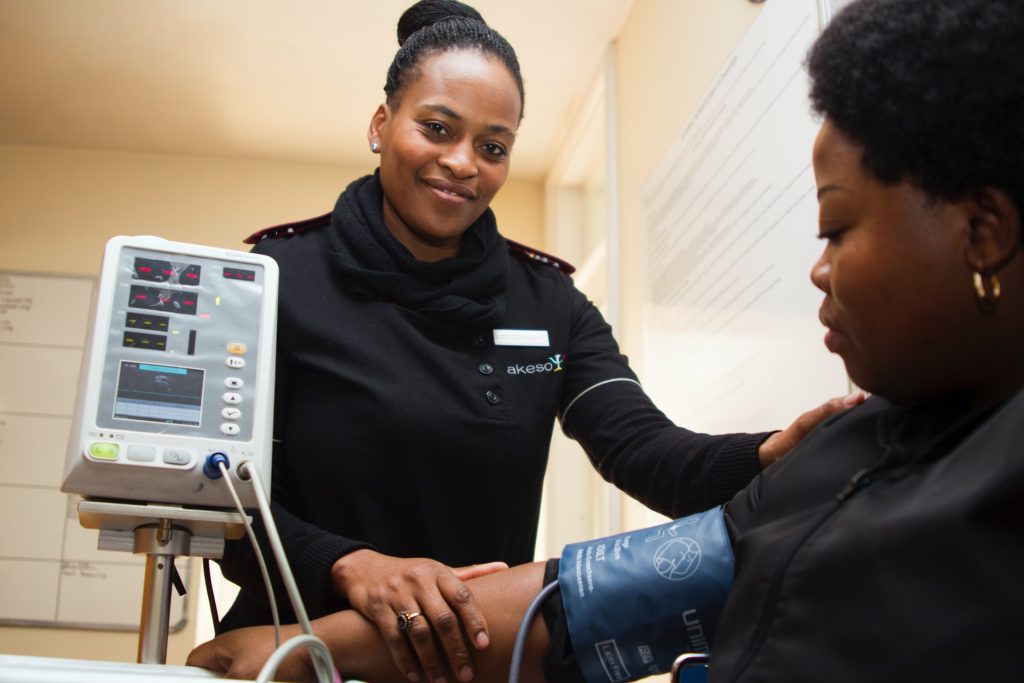
More than 33 000 healthcare workers helped patients more than 20 million times in the Western Cape in the last financial year. (Photo: QuickNews)
21st April 2026

By Christina Pitt

The Western Cape health department is ramping up its workforce with 800 new frontline posts. After years of austerity and with long lists of vacancies, questions now turn to how soon the new posts will translate into staff on the ground.


The Western Cape health department is adding more than 800 staff to frontline and support services in a bid to strengthen a health system in which hiring has been stifled by years of austerity.

Health MEC Mireille Wenger announced a recruitment drive, which includes 316 nurses, 124 doctors and 80 emergency medical personnel. For medical workers to have more time at their patients’ bedsides, she said this plan also targets 38 allied health professionals, such as physiotherapists and dieticians, alongside 278 administrative and management staff.

As it stands, more than 33 000 staff in the province helped patients more than 20 million times in the last year, according to Wenger. For public hospitals and clinics, the news of the new jobs offers some hope that the constant pressure on staff capacity will be relieved.

One example of where the new jobs may make a difference is with surgical backlogs in the province. Of the nearly 100 000 people waiting for surgery in 2025, 87 975 have been waiting for more than a year, while 20 027 have been on the list for more than 60 months. Some of these people entered the system during the height of the Covid-19 pandemic and have been left in limbo through years of budget cycles and hiring freezes.

The budget paradox

While governance has been poor in most of South Africa’s nine provincial health departments, with corruption and looting in Gauteng being a particular concern, the Western Cape health department has received seven consecutive clean audits, maintained stable leadership and largely avoided controversy.

As part of a total R106.8 billion package over three years, the Western Cape health department’s 2026/27 budget is R34.47 billion, which is a 6.25% increase from last year.

When adjusted for inflation, provincial health budgets have been falling for most of the last decade. This has contributed to constrained hiring budgets and exacerbated staff shortages. The tide finally turned with above-inflation increases in the 2025 and 2026 budgets – although belts remain very tight.

Professor Alex van den Heever, Chair of Social Security Systems Administration and Management Studies at the University of the Witwatersrand, said that the Western Cape’s health department is a relatively well-run machine yet is dogged by underfunding.

Understanding this requires a look at how provincial health departments are funded.

While provincial health departments get some funds via sources such as provincial revenue and conditional grants, most of their funding flows from the province’s slice of the national budget. For the 2026/27 financial year, the country’s nine provinces was allocated R810.5 billion.

How much each province gets is determined by the provincial equitable share formula, which has been under review since 2015. The provincial equitable share formula considers factors, such as the size of the school-aged population and the number of people living in poverty. Its health component considers factors like the population without medical aid, adjusted for health risk, medical aid membership, and clinic and hospital visits.

Provinces decide how they divide their share of the budget between their provincial departments.

There are however some issues with the provincial equitable share formula. Firstly, it makes use of certain data from the South African census, which means that the information does not reflect current demographic and service realities, said Van den Heever (the census is conducted only every 10 years). Secondly, the usefulness of the results from the latest census of 2022 is in question because certain data sets, such as income, mortality, fertility, and employment figures, were missing.

As a result, National Treasury has been unable to fully update its calculations to factor in the census 2022 data, contributing to a lag in how population changes are reflected in budget formulas. As far as we can tell, National Treasury has relied on datasets updated at different times in the year, such as Stats SA’s mid-year population estimates, allowing it to phase in changes gradually rather than introduce sudden adjustments.

Broadly, Van den Heever said the result is a system forced to pick up the tab for a population the national budget hasn’t yet acknowledged. Citing an example linked to health, he says the formula ignores patients who travel from other provinces to access specialist care at tertiary hubs like Groote Schuur Hospital in Cape Town.

The claw-back

Some of the vacancies in the Western Cape health department reflect periods when the government cut funding due to broader economic challenges, Doctor Saadiq Kariem, the department’s Chief Operating Officer, told Spotlight.

Indeed, between 2021 and 2024, the province absorbed an R8.4 billion reduction in its budget allocation.

This has forced leadership to make some tough calls, including vacancies for frontline services like health. Kariem explained: “It was a process of consciously delaying the filling of those posts so that we could make up for the loss in funding. Sometimes we, along with local managers, decided to shift posts from a vacancy to another part of the service platform based on service needs and pressures.”

“You know, these are heart wrenching choices because all of those posts are absolutely essential and I know that not filling them will have an impact on the service provision and result in poorer health outcomes. So yes, the austerity measures had a significant impact on the post filling rate,” he added.

According to the health department’s annual report, 3 737 people left the department’s employment in the 2024/2025 financial year. By the end of March 2025, 2 772 funded posts remained vacant.

Nationally, vacancies among nursing staff are particularly acute. As of 2023, across enrolled, auxiliary, community service, professional, primary healthcare and specialist nurses, there were about 14 000 vacant posts across the country.

Sabelo Ntshanga, Western Cape provincial secretary of the Democratic Nursing Organisation of South Africa, said burnout caused by workload is the main driver of attrition.

“The reality is that it’s not being filled quickly. It takes up to a year sometimes while the demand in the communities remains high,” he said. “Burnout is underreported and when the nurses get sick from burnout, that’s another burden on top of the shortage of staff.”

Overall, while the 800 new posts represent a step in the right direction, it appears to be more about holding the line than an actual growth spurt. As Kariem says, it represents an effort to “claw back” towards a stable staffing baseline while attempting to invest in future service capacity.

The red tape

Things won’t change overnight though. Wenger noted in her speech that “it will take time to fill these posts”.

Kariem explained that recruitment follows a multi-stage process as vacancies are advertised, followed by shortlisting and interviews. Final appointments then require approval at different levels of the system, depending on the seniority and specialty of the role. “We see delays throughout the process,” he said. “Once there is the ability to advertise a post, we have to give sufficient time for an advert to run… then for interviews and for permissions to follow.”

This means that even funded posts can remain unfilled for extended periods as they move through administrative and approval processes.

Adding further delays to an already complex process, the National Treasury and the Department of Public Service and Administration (DPSA) advised cost-containment measures in October 2023, which was extended until March 2025. It required additional approvals before recruitment could proceed.

Wenger bemoaned these regulations when it was rolled out. “The DPSA’s recent regulations, intended to slow down recruitment, are doing real harm to large service delivery departments like Health. Staff retire or move on, and yet our system lacks the agility to replace them fast enough. This leaves remaining healthcare workers overburdened, and services strained,” she said.

At the same time, not all vacancies can be filled due to shortages of suitably qualified candidates, particularly specialist nurses. Kariem explained that this in part reflects longer-term gaps in investment in postgraduate training. He said the department is using recent budget increases to strengthen human resources information systems to better identify skills gaps and fill vacancies.

These staffing pressures also affect training and retention. Ntshanga said they limit the system’s ability to release nurses for professional development, constraining career progression and contributing to low morale.

At Groote Schuur Hospital, the department noted that nursing staff shortages have affected multiple units across the hospital in 2024/25, contributing to reduced service capacity.

For Ntshanga, the new posts are a small drop in a very large bucket. “As much as it is a good deed from the department, it doesn’t come close to what we need on the shop floor,” he said.

Republished from Spotlight under a Creative Commons licence.

Read the original article.

A Humanist with an Unblinking gaze – Professor Ntobeko Ntusi Takes the Hot-seat at the South African Medical Research Council

Professor Ntobeko Ntusi in front of a painting depicting student protests inside his office at Groote Schuur Hospital – the same office that once housed his mentor, the late Professor Bongani Mayosi. (Photo: Biénne Huisman/Spotlight)

Professor Ntobeko Ntusi may be softspoken, but he is not afraid to stand by his strongly held views. As he is set to take up the hot-seat at the country’s primary health research funder, he tells Spotlight’s Biénne Huisman about his background and his priorities for the new job.

Professor Ntobeko Ntusi’s bearing brings to mind the aphorism “speak softly and carry a big stick” cited by the 26th president of the United States Theodore Roosevelt.

Inside his office at Groote Schuur’s Old Main Building, department head of medicine at the hospital; Ntusi is soft spoken, his words a few decibels above a whisper. However his observations are thoughtful and sharp, crafted with precision. Known to call out issues around race and racism at South African universities – “inbuilt biases” even amongst young students – his level, unblinking gaze commands attention.

Born in Umthatha to academic parents, Ntusi at age 13 was named South African Junior Ballroom Dance Champion at an event in Sasolburg. Some three decades later, the cardiologist with qualifications from around the world, does not sidestep public healthcare debate in favour of keeping the peace.

Catastrophic budget cuts

Earlier this year, Ntusi publicly criticised healthcare budget cuts. R200 million was shaved off Groote Schuur’s coffers just last year, as the Western Cape Department of Health and Wellness announced an R807.8 million shortfall for the coming year. Speaking to Spotlight, Ntusi described communication on the matter by provincial government officials (with healthcare professionals) as “appalling”.

In February, Ntusi was one of a group of executives at the hospital – affiliated to the University of Cape Town (UCT) – who spearheaded a petition to national and provincial treasury, decrying “crippling austerity” and “catastrophic budget cuts”; saying how clinicians with multiplying work hours are watching patients deteriorate, as waiting lists for lifesaving elective surgery grow longer.

At a boardroom table inside his office, he says: “How we ration limited resources, this is causing real moral injury to our front-facing clinicians. I mean, we’re having to deal with complaints from patients who no longer have access to services they have grown accustomed to. This is causing a lot of distress, especially among young doctors, and medical registrars – the engine of our operation – who are increasingly anxious and taking time out for mental health reasons.”

In his present position, Ntusi’s voice has clout. He oversees thirteen divisions – from cardiology to pulmonology, and infectious diseases and HIV medicine – and corresponding research units such as the Desmond Tutu HIV Centre, directed by Professor Linda-Gail Bekker.

‘Hope cannot be a strategy’

Reflecting on how Groote Schuur’s management are responding to these challenges, Ntusi says the hospital’s CEO (since February) Shaheem de Vries, while new, in time ought to bring concrete priorities to the table. “It’s important to have hope, but hope cannot be a strategy,” he says.

This insight may well inform how he approaches his own new job as CEO and President of the South African Medical Research Council (SAMRC), taking over from Professor Glenda Gray. From July, Ntusi will give up his Groote Schuur office, putting away his clinician’s stethoscope, to take up the hot-seat at the country’s primary health research funder at its headquarters behind a facebrick facade in Parow. The SAMRC employs 718 employees and will see Ntusi answer to the National Department of Health, the SAMRC board, and the Parliamentary Portfolio Committee on Health (you can see the latest report to the committee here).

Across medical bureaucracies, budget remains an issue. The South African government allocated R1.35 billion to the SAMRC for 2023/24. In the council’s latest annual report, diminishing funding from government is listed as a threat; while the ability to attract external funding is listed as a strength.

“A key role of the President of the SAMRC is to engage with organisations like the Wellcome Trust [in the United Kingdom] and the NIH [the National Institutes of Health in the United States] and high worth individuals to attract funding,” says Ntusi.

He points out that the SAMRC has had clean audits for several years running – a remarkable achievement for a South African parastatal. Indeed, the council’s annual performance plan for 2024/2025 states: “Despite interruptions of COVID-19, SAMRC’s exemplary performance and good governance led to the organisation achieving four consecutive clean audits… It is the organisation’s intention to continue on the same path.”

On the SAMRC’s functions, Ntusi explains: “For government, the SAMRC plays a critical role in bridging the gap between strategy and policy, and implementation. In science, it plays a critical role in providing priorities for the funding of research, and capacity building…”

In the SAMRC’s last financial year, R61.6 million was allocated to funding 171 “research capacity development” grants, including 120 to women. The annual report describes this as funding “the next generation of health researchers… with most of these awards aimed at individuals from historically disadvantaged backgrounds.”

For Ntusi, points of focus to be expanded on at the SAMRC include health issues relating to climate or planetary change, epidemic preparedness, “restoring trust in science in an age of misinformation”, digital health and artificial intelligence; and projects linking South African scholars with research entities across Africa. “In many of these countries, they don’t have the research infrastructure and budgets we have in South Africa – it is important to assist them with projects.”

To the US and back home

When he was 14, Ntusi’s family – he is one of three boys – moved to the United States where his mother pursued a PhD in social work. In Philadelphia, Pennsylvania, he continued competitive ballroom dancing while attending Lower Merion High School, where a video on child birth showed in a biology class stirred his passions.

At liberal arts college Haverford, in Pennsylvania, he completed a BSc Honours in cellular and molecular biology, before returning “home” to South Africa in 1999, to enrol in medical school at UCT. Here his initial interest in obstetrics was disappointed – “it was loud and messy, an anti-climax” – seeing him drawn to internal medicine and cardiology instead. In following years, he would study cardiovascular medicine under mentorship of the late Professor Bongani Mayosi.

Like Mayosi, Ntusi was awarded the Oxford Nuffield Medical Scholarship, which funded his D.Phil at the University of Oxford in the United Kingdom. His doctoral research looked at cardiovascular magnetic resonance (CMR – noninvasive tests that produce images of a beating heart) to study inflammatory heart disease.

In 2016, Ntusi took over from Mayosi as head of Groote Schuur’s department of medicine, as Mayosi became dean of the university’s faculty of health sciences. At the time Ntusi continued treating cardiology patients, with ongoing research projects including on HIV-related heart disease.

Seven years later, against pale yellow walls (the same walls decorated by Mayosi back when it was his office) several art works and certificates attest to Ntusi’s time here. He points out one painting of student protestors made by a friend – based on the #FeesMustFall protests at the university in 2016 – “a difficult time”, he says.

In 2018, Mayosi’s suicide was partially attributed by some to pressures relating to the violent protests; while also putting a spotlight on pressure on prominent black academics at UCT, and other tertiary institutions in South Africa. An enquiry found that the “sometimes disrespectful manner” in which protest was conducted, and “instigation of students’ action by some of his colleagues”, caused Mayosi “a lot of distress”.

Displayed on a shelf, beside a stuffed doll of the Archbishop Desmond Tutu and a 2021 SAMRC gold trophy for “scientific achievement”, a burgundy-bound book recounts Mayosi’s legacy. Ntusi penned the introduction, where he writes: “Bongani Mayosi – as a leader, he was awesome. He is one of the most inspiring people I will ever know. He always reminded me: ‘a journey of a thousand miles begins with a few steps’.”

Asked about following in the footsteps of a star such as Mayosi, Ntusi replies: “I am his protégée. There were always room for me to build my own scientific investigations.”

Precarious times

As Ntusi is poised to depart from Groote Schuur, present dean of UCT health sciences Associate Professor Lionel Green-Thompson points out how the cardiologist cared for critically ill patients in COVID-19 high-care wards, particularly during the fear and uncertainty of hard lockdown.

“Sometimes we would work up to 16 hour shifts in the high-care wards; upon finally leaving I’d go outside to find anti-vaccine protestors in front of the hospital. I mean, they were just annoying,” Ntusi recalls.

“Communication around the AstraZeneca vaccine went very badly – increasing confusion and vaccine hesitancy. It is really, really important to advocate for vaccines. And this brings me back to the point of restoring people’s faith in science; redressing the public image of science, a priority I have for the SAMRC going forward.” (After procuring the AstraZeneca SARS-CoV-2 vaccine, the South African government decided early in 2021 not to use it after it showed limited efficacy against mild to moderate COVID-19 in a study.)

Foremost, Ntusi describes himself as a “humanist”. Apart from science, medicine and health equity, his interests include art, wine and dogs. Ntusi lives in Milnerton. A keen runner, he is a member of the Gugulethu Athletics Club.

Republished from Spotlight under a Creative Commons licence.

Source: Spotlight

Worst of Hiring Freeze Over, Western Cape Health Department Assures Health Workers

By Daniel Steyn for GroundUp

Dr Keith Cloete, head of the Western Cape Department of Health and Wellness, has told health workers in the province that the “severe and drastic measures” taken to “constrain the filling of posts” in the past three months has brought the department back within budget.

Cloete was speaking in a video update circulated to the department’s employees on Thursday. Health workers in the province have raised concerns over a “near-complete” freezing of vacant posts to curb budget cuts imposed by National Treasury.

Initial cuts to provincial budgets and conditional grants that fund hospitals were made at the start of 2023/24 and were further exacerbated by in-year cuts.

Provincial governments also had to absorb within their existing budgets a mandatory public sector wage increase. National Treasury recommended in November that provincial departments freeze hiring.

Since November, posts in the Western Cape could only be filled on approval by head office, but Cloete said in his video that those decisions will now be “decentralised” again.

Line managers may again fill vacant posts on condition that they “apply their minds” and work within “a tight framework”, said Cloete. He added that he was mindful of the impact the hiring constraints have had on services.

In January, GroundUp reported on significant staff shortages at Groote Schuur Hospital and Red Cross War Memorial Hospital. Senior hospital managers in the province complained that there had been a lack of communication from the department’s management on how long budget cuts would last and what would be done to mitigate their impact.

On 4 February, more than 1200 doctors wrote an open letter to Western Cape Premier Alan Winde, Western Cape Finance Minister Mireille Wenger and national Finance Minister Enoch Godongwana, calling for an end to “catastrophic budget cuts”.

The health workers warned that the cuts will cause surgical operations to be cancelled or postponed; patients in need of specialist medical care to wait longer; cancer treatment to be delayed and cancers diagnosed at later stages with less chance of successful treatment; and gains in neonatal, infant and paediatric care would be “reversed”, among many other issues.

In Thursday’s video update, Cloete said that the budget for the 2024/25 financial year has not yet been finalised. The final budget allocation will be tabled in the provincial legislature in early March.

Budget cuts are expected to continue into the foreseeable future. Over the next three years, the Western Cape government faces cuts amounting to R6.7-billion. According to premier Alan Winde, 37% of the province’s budget goes to healthcare.

Cloete announced that a meeting will be held with managers, clinicians and support staff “to have a discussion of how do we redesign our healthcare services across the entire system in the Western Cape” on 21 February.

“I understand anxieties that everyone will experience in this specific area. I call on everyone to please attempt to get a slightly bigger view …. And for us to do this together. Together, we can actually navigate this successfully.”

Republished from GroundUp under a Creative Commons Attribution-NoDerivatives 4.0 International License.

Source: GroundUp

Call to Stop ‘Catastrophic’ Health Care Budget Cuts

By Daniel Steyn for GroundUp

More than 1,200 doctors, nurses and other health workers in the Western Cape have signed an open letter to Finance Minister Enoch Godongwana, Premier Alan Winde and Finance MEC Mireille Wenger, calling for an end to “catastrophic” budget cuts in the provincial department.

The National Treasury cut health budgets at the start of the 2023/24 financial year and introduced further cuts halfway through the year, recommending a hiring freeze on new posts. Provincial departments were also told to absorb the cost of an unfunded public sector wage increase.

On Monday, Deputy Minister of the National Department of Health Sibongiseni Dhlomo told protesting unemployed doctors in Pietermaritzburg that the department will be taking the issue of budget cuts to Parliament this week and ask that healthcare be exempted.

In January, GroundUp also reported how two of the Western Cape’s biggest hospitals, Groote Schuur and Red Cross Children’s Hospital, are facing significant staff shortages.

According to the open letter sent by Western Cape health workers, the provincial health system has been “destabilised by indiscriminate freezing of virtually all clinical and non-clinical posts and a freeze on nursing overtime and agency budgets”.

“A reduction in posts mean that today, and tomorrow into the foreseeable future, there are fewer nurses, doctors, general assistants, clerks, physiotherapists, radiographers, porters, occupational therapists, dentists and specialists to deliver desperately needed healthcare to the population.”

The hiring freeze has also meant that critical medical posts remain vacant due to resignations or doctors completing their training.

The health workers wrote that the cuts will cause a reduction of surgical theatre lists, causing a postponement or cancellation of operations; patients in need of specialist medical care to wait longer due to fewer available hospital beds; oncology (cancer treatment) services to be delayed, meaning that cancers are diagnosed at later stages with less chance of successful treatment; and gains in neonatal, infant and paediatric care to be “reversed”, among many other issues.

Currently employed health workers will be required to work harder and longer to fill the gaps, which may lead to “sleep deprivation, burnout and fatigue-induced errors”, according to the letter.

Premier Alan Winde and MEC Wenger responded to the open letter in a joint statement on 7 February.

In the statement, Wenger and Winde agreed that the “nationally imposed” budget cuts are “devastating” and that they go beyond health services and “have hit education and social development services”.

“This is exactly what the Western Cape Government warned of and which it is now fighting to stop and reverse,” the statement read.

Over the next three years, the Western Cape Government faces cuts amounting to R6.7-billion. According to Winde and Wenger, these cuts are more than the total combined budgets of the provincial departments of community safety, economic development, and cultural affairs and sport.

In November, the provincial government declared an intergovernmental dispute (IGD) with the national government over the cuts. Mediation in this matter remains ongoing.

Asked to respond to the open letter, the National Treasury told GroundUp that the budget for 2024/25, which will be tabled on 21 February, will provide some guidance.

Republished from GroundUp under a Creative Commons Attribution-NoDerivatives 4.0 International License.

Source: GroundUp

Officials Raise Alarm over Hiring Freeze at Western Cape’s Largest Hospitals

By Daniel Steyn for GroundUp

Health workers at Groote Schuur Hospital and Red Cross Children’s Hospital in Cape Town are starting to feel the effects of an ongoing freeze on the hiring of critical medical staff.

According to senior officials at these hospitals, speaking to GroundUp anonymously, the situation has reached a point where managers are struggling to fill shift rosters. An impact on patient care and waiting times is inevitable, the officials say.

A senior hospital manager at Groote Schuur told GroundUp that almost half of medical officer (doctor) posts in the medicine department are vacant, in addition to hundreds of other nursing and operational posts. 

Another senior official at Red Cross Children’s Hospital told GroundUp that “critical medical posts” are being left vacant, including medical officer, registrar (doctors in training for a speciality), and specialist posts.

Groote Schuur Hospital is one of the largest government hospitals in the Western Cape and Red Cross Children’s Hospital is the largest children’s hospital in Sub-Saharan Africa. The Daily Maverick reported in November that the budget shortfall for these two hospitals amounts to more than R300-million for 2023/2024.

In addition to hiring freezes at Groote Schuur and Red Cross, the Western Cape Department of Health decided to de-escalate services at the hospitals for a period of four weeks over December and January. Hospital managers were also told to reduce spending on consumables by 50%, according to the Daily Maverick.

At the start of 2023, large cuts were made to the conditional grants that fund these hospitals. And then in the middle of the year, National Treasury announced significant austerity measures including a R21-billion reduction in national government spending for 2023/24.

In August last year, a letter by National Treasury to provincial governments recommended several “cost containment” measures for the 2023/24 financial year and suggested a freeze on hiring of new employees.

It appears that each province’s health department is dealing with the “cost containment” measures in different ways. In the Eastern Cape, for example, hiring freezes have been implemented but not for clinical staff, Sizwe Kupelo, spokesperson for that province’s health department, told GroundUp.

In the Western Cape, as of May 2022, the vacancy rate of medical posts was 5%, compared to 14% in the Eastern Cape, 20% in Gauteng and 28% in KwaZulu-Natal. Health experts are concerned that budget cuts and hiring freezes will have a devastating impact on these provinces.

Hospital officials at Groote Schuur and Red Cross told GroundUp that there has been a lack of clarity from the provincial department on how long hiring freezes will last and whether there will be a permanent reduction in medical posts.

Senior officials fear that the hiring freeze is undoing decades of investment by the government in the capacity of state hospitals. Newly graduated doctors looking to specialise need to take up a registrar post in a state facility, but with registrar posts frozen in the Western Cape, this is almost impossible for them to do.

Hospital managers told GroundUp that some medical officers have resigned from Western Cape hospitals to take up registrar posts in other provinces or even other countries.

Officials are also concerned that if hiring freezes are implemented in primary and secondary care facilities, referrals to hospitals will increase, putting further pressure on an already overburdened tertiary health system.

Dwayne Evans, spokesperson for the Western Cape Department of Health, told GroundUp that the department is unable to respond to specific questions on budget shortfalls or the number of posts frozen, as the 2024/25 budgets are being finalised.

Evans told GroundUp that as part of the hiring freeze, the filling of vacant posts now needs to be authorised by the provincial department to attain “provincial consensus”. 820 vacant nursing posts and 441 doctor positions have been “earmarked to be filled soon”, Evans said.

“We are doing everything we can to reduce the impact on our patients. No patients will be refused emergency and basic medical care and treatment,” he said.

The National Department of Health did not respond to GroundUp’s questions despite several follow-up attempts. National Treasury said that guidance will be given during the upcoming budget speech by Finance Minister Enoch Godongwana.

Republished from GroundUp under a Creative Commons Attribution-NoDerivatives 4.0 International License.

Source: GroundUp

Rotary Club Elevates Paediatric Dentistry in South Africa

Dr Nicoline Potgieter at the Paediatric and Special Needs Dental Care Unit

The landscape of paediatric dental care in South Africa is poised for a significant transformation, marked by the launch of the nation’s first specialised Paediatric and Special Needs Dental Care Unit. This pioneering initiative, a result of the dedicated efforts of the Department of Paediatric Dentistry of the University of the Western Cape (UWC), The Provincial Government of the Western Cape (PGWC) and Rotary Club, is set to revolutionise Paediatric Dentistry in South Africa. It promises enhanced efficiency, a reduction in anxiety for young patients and a sharpened focus on providing dedicated oral health services to children and especially children with special health care needs.

Working towards the acknowledgment of Paediatric Dentistry as a specialty in South Africa, the need for a dedicated, specialised, child-friendly facility was identified – particularly in the Western Cape. This project stands as a steadfast response to establish such a paediatric dental unit, promising to positively impact service delivery to the children of the Western Cape.

Dalene Swart, President of the Rotary Club of Bellville, is passionate about this transformative initiative. She underscores the present scenario wherein young patients often undergo dental procedures under general anaesthesia.

“The establishment of a dedicated paediatric dentistry surgery unit, equipped with the latest materials and state-of-the-art equipment, not only enhances service quality but also serves as an invaluable training ground for postgraduate students,” she says.

However, the impact transcends mere smiles; it represents a pivotal advancement in South African healthcare, focused on the oral health of children. This project is expected to increase treatment capacity in the field of Paediatric Dentistry, thereby alleviating the workload of local healthcare professionals. It will also foster disease prevention and treatment programmes, bolster healthcare systems, and in time, significantly reduce the burden of disease and need for care under general anaesthesia.

Dr Nicoline Potgieter, president of the South African Association of Paediatric Dentistry and course coordinator for the Masters programme in Paediatric Dentistry at UWC, emphasises the enduring plight of the children in South Africa, who are in dire need of expert oral health care. “It is important to note, oral health directly impacts general health which directly impacts quality of life. It is our responsibility to provide the basic health care needs of our children. The technological advances incorporated into the unit, support minimally invasive techniques and preventative dentistry and the environment is focused on making the dental visit more pleasant for the child patient. Hopefully this is the first of many dedicated paediatric and special needs units across South Africa!”

This project, scheduled for full implementation by the end of October 2023, is the outcome of a collaboration between dedicated Rotary Club participants and the Tygerberg Oral Health Centre, which is a joint platform between UWC and PGWC. It seamlessly aligns with the UWC mission to train paediatric dentists as specialists in South Africa, reaffirming the institution’s commitment to community health and well-being. Similarly, it aligns with PGWC that is dedicated to high quality service rendering to all patients. Under this initiative, the first paediatric dentists will receive specialised training each year, while hundreds of children will benefit from disease prevention and interventions.

The project, funded with a capital expenditure of R1.2 million, draws support from various sources, including cash contributions from the Rotary Club of Bellville, Rotary Foundation and six other Rotary Clubs from the UK, USA and Canada. A significant portion of the funds raised was allocated to state-of-the-art essential dental equipment, consumables, and building materials.

Swart concludes by underlining that this project transcends immediate community needs for specialised paediatric dental care; it is about advancing medical care in South Africa and laying the groundwork for the long-term sustainability and transformation of dental care needs. This is why it enjoys unwavering support from local Rotarians.

SA Study Finds no Increased Severity in Omicron BA.4 and BA.5 Infections

Image by Quicknews

South African researchers have found that, compared to Omicron BA.1 and earlier infections, those caused by Omicron BA.4 and BA.5 do not have an increased risk of hospitalisation for severe disease or death.

The study, which appears online in the medRxiv server, aimed to compare clinical severity of Omicron BA.4/BA.5 infection with BA.1 and earlier variant infections among laboratory-confirmed SARS-CoV-2 cases in the Western Cape, South Africa, using timing of infection to infer the lineage/variant causing infection.

In their study, the researchers included public sector patients aged 20 years or older with laboratory-confirmed COVID between 1 and 21 May 2022 (for the BA.4/BA.5 wave) and equivalent prior wave periods. They compared the risk for death and severe hospitalisation/death (all within 21 days of diagnosis), adjusting for for demographics, comorbidities, admission pressure, vaccination and prior infection.

Comparing 3793 patients from the BA.4/BA.5 wave and 190 836 patients from previous waves the risk of severe hospitalisation or death was similar in the BA.4/BA.5 and BA.1 waves (adjusted hazard ratio [aHR] 1.12). Both Omicron waves had a lower risk of severe outcomes than previous waves. They also found that both prior infection (aHR 0.29) and vaccination (aHR 0.17; 0.40 for boosted vs no vaccine) were protective.

Overall, the researchers found that COVID disease severity was similar for the BA.4/BA.5 and BA.1 periods in the context of growing immunity against SARS-CoV-2 due to prior infection and vaccination, which were both strongly protective.

A Check-up on Western Cape Healthcare

Image by Hush Naidoo from Unsplash

A report by IOL revealed mixed reviews by experts and patients for the Western Cape’s healthcare system, which, while providing mostly excellent service in certain hospitals, is seen to be especially lacking in rural areas, infrastructure and handling of patients.

Award-winning service

Along with receiving the highest marks for efficiency, Western Cape healthcare has earned recognition such as through the Batho Pele Excellence Awards, with a silver medal going to Dr Barry Smith who worked in frontline COVID hospitals in Cape Town, where as medical manager he organised efforts to deal with devastating COVID waves.

A total of R29.4 billion has been allocated to the province’s 2022–2023 budget to deal with a serious backlog of unmet TB, HIV and other medical care put off during the COVID waves, along with a new surge in mental health issues.

A critical view

The ANC’s Rachel Windvogel said that while Western Cape is said have the country’s ‘most efficient’ health-care system, it is deteriorating and “nearing collapse”.

Dilapidated infrastructure in hospitals such as Groote Schuur and Tygerberg Hospitals is a challenged, with “sections that are cordoned off and not functioning.”

The knock-on service pressure across all district hospitals has resulted in patients having to sleep in chairs or on the floor.

Windvogel said that the Khayelitsha District Hospital is a prime example, with R150 million allocated for upgrades by the hospital but with no provincial government funding forthcoming.

She said that the provincial government’s boasts about a leading healthcare system does not match the situation. This can be seen in rural communities where people wait days for an ambulance transfer to city hospitals, she said, and doctors only visiting rural clinics to issue prescriptions without examining patients.

From the wards

Speaking to IOL, on the condition of anonymity, a nurse with over 15 years of experience currently working at a local government hospital said that while they try their best to deliver a service to residents, the sector has so much lacking.

The quality of new nurses has been steadily declining, she said. “As nurses, we are inundated with work but we manage, however, as an experienced nurse seeing how the ‘latest intakes’ have no feeling towards patients is sad.”

There have been deaths from “incorrect triages” as well as problems with nurses not knowing how to speak to the community, resulting in “pissing off the very community we took an oath to serve,” she said.

While she believes nursing is her calling, she is considering moving over to the private sector, driven by a high workload, crime, poor pay and lack of experienced assistance.

A patient’s experience

Candice van der Rheede, director of the Western Cape Missing Persons Unit (WCMPU) has been through a string of hospitals since 2020 following a collapsed lung, and her experiences reflected problems with staffing and gender segregation.

She first stayed at Mitchells Plain District Hospital, and her ward was “spotless” with security “always there”. “If help was needed and you buzzed for help, nurses came immediately,” she told IOL.

The thoracic ward at Groote Schuur Hospital was also praiseworthy – except that her ward was in the middle of the men’s section.

“One night I woke up and saw one of the men standing and watching us ladies with no nurses on the inside,” Van der Rheede said.

However, entering the ICU ward after theatre, her experience took a turn for the worse, being roughly handled when check for bed sores, despite her having a large surgical wound.

In November, Van der Rheede had to overnight in the trauma section at Tygerberg Hospital due to a check-up. While she was generally satisified with the hospital and its staff, there was a major sticking point for her – in the trauma section, “we were men and women sleeping in one room which I had a big problem with. Using one toilet. I could not sleep that night.”

While she has her reservations about the state of hospitals in the province, Van der Rheede told IOL she commended the Mitchells Plain District Hospital for its impeccable service, and the Symphony Clinic in Delft which she currently attends is of the highest standard of service and cleanliness.

Source: IOL

Western Cape Plateaus but Still in Grip of Third Wave

Image by Quicknews

In a digital media briefing, Western Cape Premiere Alan Winde said that the province had still not exited its third wave of COVID infections.

With an R value of 0.9, this was the first time in the third wave that the value was below 1. However, this could be due to testing delays caused by the long weekend. Indeed, a sharp daily increase in national COVID cases has been recorded as of Thursday’s latest data, with the NICD reporting a 90% jump to 14 271. Overall case positivity still hovers above the 20% mark at 22.52%.

Cases continue to spike
While overall cases in the Western Cape are plateauing, spikes in certain areas are seeing higher case rates than in the peak of the second wave. Oxygen is still being used as fast as it can be produced in the province, being supplemented by an additional 22 tonnes per day by truck deliveries from other provinces. A total of 3665 patients are in acute hospitals, with 99% occupancy in Metro areas. The Metro area is seeing a week-on-week case rise of 7%, which points to a plateau.

Vaccines proving effective – even against beta
The Johnson & Johnson vaccine however is proving effective, with 91-95% protection against death and 65-66% protection against hospitalisation. With regard to variants, the vaccine confers 67% protection against hospitalisation when beta is dominant and 71% where delta is dominant.

The Western Cape’s vaccination programme remains on track, with 287 000 doses of Pfizer and 28 800 J&J doses to arrive today, Friday 13th. 

Elsewhere, with 31.2 new cases per 100 000 people, KwaZulu-Natal may be becoming a COVID hotspot. 

A further 473 people have died from COVID, bringing the official death toll to 76 247.

Source: Western Cape Government

Western Cape Third Wave Peak Expected Anytime Now

Image by Quicknews

Western Cape premier Alan Winde said that the province is at the peak of its third wave of COVID infections.

“We are beginning to see the flattening of the curve at our peak as new case infections start to plateau again,” he said in a briefing on Thursday. “This happened after an initial plateau two weeks ago, and then a subsequent increase the week thereafter.

“This is largely explained by a disruption in testing caused by the taxi violence in the Cape Metro during that time.”

Winde supplied the following information:

The ‘R’ number is currently 1.1 and the test positivity rate is 41.5%. New hospital admissions are at 339 per day, with a slight downturn. Deaths have increased, with about 108 deaths per day and will be the last indicator to fall.

Winde said that provincial authorities are simultaneously monitoring the number of trauma admissions to hospitals to ensure that there is sufficient capacity in the province’s hospitals and that it can proactively identify any risks so that they can be addressed.
Senior CSIR researcher Ridhwaan Suliman, PhD, who was been analysing COVID data tweeted an update on Friday night, indicating that there was still no sign of the peak passing just yet:

https://twitter.com/rid1tweets/status/1423718531208785921

Source: BusinessTech