Category: Healthcare Politics and Regulations

#InsideTheBox with Dr Andy Gray | Public Participation in Medicines Selection and Regulation – Lacking?
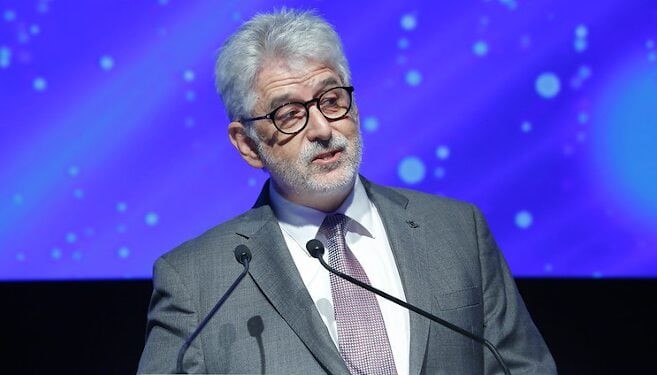
#InsideTheBox is a column by Dr Andy Gray, a pharmaceutical sciences expert at the University of KwaZulu-Natal and Co-Director of the WHO Collaborating Centre on Pharmaceutical Policy and Evidence Based Practice. (Photo: Supplied)

By Andy Gray

In several countries, the public is given an opportunity to share their views with regulators before new medicines are registered or to engage with those choosing essential medicines. In South Africa, however, opportunities for such public participation remains limited. In his latest #InsideTheBox column, Dr Andy Gray takes a look at how public participation is handled elsewhere and how it could be improved here.

One of the rallying cries of patient and community-based organisations has long been “nothing about us, without us”. The “patient voice” is, however, not always heard in medicines selection or medicines regulation.

How it works in the US and Europe

Recent highly contested medicines regulatory decisions in the United States, such as the warnings about paracetamol use in pregnancy, have highlighted the role of advisory committees to the Food and Drug Administration (FDA). The FDA relies on a number of such committees to provide advice on regulatory questions, such as whether to approve a new medicine or how to manage emergent safety signals. The FDA usually follows the advice provided by these independent structures, but is not bound to do so.

The fact that advisory committees meet in open session, and that their recommendations are transparent to the public, means that the final decision by the FDA can be contrasted with the scientific advice. The curricula vitae of advisory committee members are posted on the FDA website and updated annually. Critically, when an advisory committee meeting is scheduled, the date and time is announced at least 15 days in advance of the meeting, and this serves as an invitation to interested parties to register to make oral submissions during the Open Public Hearing portion of the meeting.

In addition to providing opportunities for public engagement in this manner, the FDA has also operated a Patient Representative Program since 2024. FDA Patient Representatives are appointed, provided with training, and may then engage with the scientific and other expert members of the advisory committees. Among the criteria applied in their selection are personal experience with a particular disease as a patient or primary caregiver, knowledge about the treatment options and research in that area, and the willingness and ability to communicate in public, as well as being objective while representing the concerns of others affected by the disease.

Similar mechanisms have been put in place in Europe. The European Medicines Agency (EMA) has enabled the appointment of patients as members of its management board and scientific committees. In addition, the EMA Patients’ and Consumers’ Working Party provides a venue for ongoing engagement. The EMA engagement framework explicitly aims to ensure “access to patients’ real-life experiences of living with a condition, its management and the current use of medicines, complementing the scientific evidence provided during the evaluation process” and “the generation, collection and use of evidence-based patient experience data for benefit-risk decision-making”.

How it works in South Africa

Section 3(9) of the Medicines and Related Substances Act, 1965, instructs the chief executive officer of the South African Health Products Regulatory Authority (SAHPRA) to appoint advisory committees. The wording is peremptory, but also broadly enabling: “The Chief Executive Officer shall, in consultation with the Board, appoint committees, as he or she may deem necessary, to investigate and report to the Authority on any matter within its purview in terms of this Act.” Provided there is consultation with the Board of the Authority, the number of committees and their membership is left to the CEO to decide.

To date, however, there has been no deliberate effort to include patient or consumer representatives on any of the advisory committees.

More importantly, meetings of the committees are not open to the public, nor are their recommendations to the regulatory authority placed in the public domain. The “patient voice” is therefore potentially missed, and stakeholders are unable to determine when or how final decisions taken by the Authority may differ from the recommendations made by the technical advisory committees. In that sense, SAHPRA is no more transparent than its predecessor the Medicines Control Council, which also laboured under the same antiquated secrecy provision in the Act. Section 34 of the Act is actually labelled “Preservation of secrecy”.

Similar concerns with medicines selection

Medicines regulators determine whether medicines should be allowed onto the market and how those should be controlled. Similar dynamics are at play in determining which medicines are “essential” and should be procured or reimbursed by health systems.

At a global level, the World Health Organization (WHO) updates its Model List of Essential Medicines every two years. The Model List is a starting point for many countries’ efforts to develop national essential medicines lists, guiding procurement in their public sectors. Although the expert committee responsible for this work does not explicitly include patient representatives, all proposals submitted are placed in the public domain, as are the reviews conducted, and an account of the final decisions. On the first day of the meeting, an open session is held at which stakeholders are invited to apply to present.

One of the most trusted medicine selection bodies is the UK National Institute for Health and Care Excellence (NICE), which also has a deliberate process for stakeholder engagement at multiple steps in its guideline development. For example, right at the outset, this invitation is issued: “NICE invites all stakeholder organisations to attend a scoping workshop. You will be sent a first draft of the scope, which will be discussed at the meeting. We encourage you to send someone who knows about and can represent patients and carers’ interests.”

Medicines selection in the South African public sector is evolving, embracing the challenge of health technology assessment. While there are as yet no patient representatives on either the Expert Review Committee or the National Essential Medicines List Committee, there are opportunities for stakeholder engagement with draft guidelines and increasing transparency, with medicines evaluation reports posted on the Department of Health website.

Full medicine reviews follow an evidence-to-decision framework that was first piloted during the height of the COVID-19 pandemic. One of the questions posed reads: “Is there important uncertainty or variability about how much people value the options?” This question is aligned with what the WHO Handbook for Guideline Development refers to as “values and preferences”. For example, the WHO guidance calls for evidence of the “values and preferences of the people receiving the intervention or experiencing the outcomes the intervention can affect”. While that evidence may sometimes be reported in the scientific literature, all too often it is lacking.

Ultimately, “nothing about us, without us” should not only be a demand made by patients, but also by those who care about the quality, reliability and acceptability of medicines selection and regulatory decisions. Improving the transparency of decision-making processes is critical, but so is creating, promoting and protecting the spaces for an effective “patient voice”. Doing so is a critical investment in building trust, which is so easily eroded.

*Dr Gray is a Senior Lecturer at the University of KwaZulu-Natal and Co-Director of the WHO Collaborating Centre on Pharmaceutical Policy and Evidence Based Practice. This is part of a series of #InsideTheBox columns he is writing for Spotlight.

Disclosure: Gray is a member of South Africa’s National Essential Medicines List Committee and co-chairs its Expert Review Committee.

Note: Spotlight aims to deepen public understanding of important health issues by publishing a variety of views on its opinion pages. The views expressed in this article are not necessarily shared by the Spotlight editors.

Republished from Spotlight under a Creative Commons licence.

Read the original article.
Medical Devices Aren’t Regulated in SA, but that is Set to Change

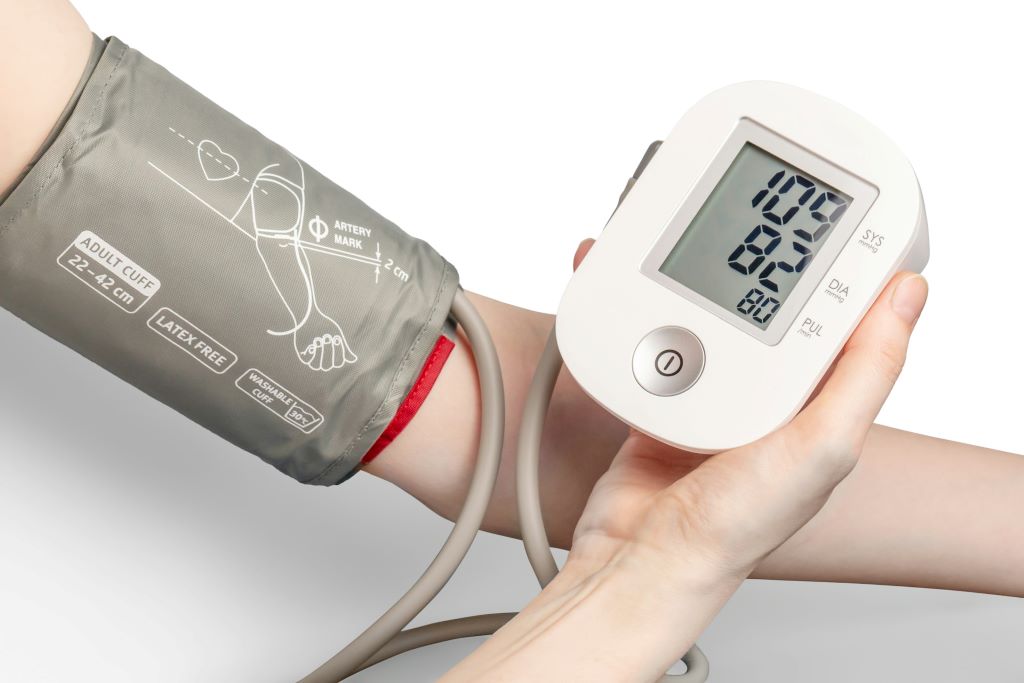
Most medical devices are used in healthcare settings but some like bandages, thermometers, condoms, and blood pressure monitors are used at home. Photo by Mockup Graphics on Unsplash

By Catherine Tomlinson

Unlike with medicines, and with a few exceptions, South Africa’s regulator does not assess whether diagnostic tests and other medical devices on the market are safe and work as they are supposed to. The regulator has however started down a road that should eventually lead to the regulation of all medical devices in the country.

From scalpels to surgical robots, finger-prick diagnostic tests to MRIs, thermometers to wearable AI-powered health monitoring devices, bandages to prosthetics: the range of products classified as medical devices is vast.

Some medical devices are used briefly and then disposed of after a single use, while others are designed to stay in our bodies for long periods of time, such as implants to prevent pregnancy and pacemakers to help the heart beat regularly.

While most medical devices are used in medical settings, some, like bandages, thermometers, condoms, and blood pressure monitoring devices, are used at home.

The World Health Organization estimates that there are more than two million different types of medical devices used around the world. Given the enormous diversity of medical devices, it can be tricky to see what links all these products together.

One answer, and essentially the one used in South African law, is that it is the intended use of the device. A medical device is thus simply any device that is intended to be used to prevent, diagnose, monitor, or treat a disease, injury, or other medical condition.

Because medical devices are sold for medical purposes, they require regulatory oversight to ensure that they are safe to use and work as intended. But in South Africa, this regulatory oversight is not yet fully in place, and you can’t always trust that devices do what they claim to do, or that tests are accurate.

‘Inaccurate readings’

On a recent webinar hosted by FIND, an international non-profit engaged in the development of diagnostics for low resource settings, the chairperson of NGO SA Diabetes Advocacy, Kirsten de Klerk, told participants that “a lot of people assume that if a medical device is available for purchase, it has been correctly tested and approved for use” but “unfortunately, that’s not the case”.

De Klerk added: “I have unfortunately had community members sharing stories of life-threatening situations because of inaccurate readings” from continuous glucose monitors (CGMs). These are medical devices used by people with diabetes to monitor their blood sugar level.

To address the challenge of poor-quality CGMs on the market, South African diabetes advocates and FIND launched a tool to assist people with diabetes and healthcare providers to identify and use monitors that have been properly assessed for safety and functioning.

But what role does the South African Health Products Regulatory Authority (SAHPRA) play in ensuring the safety and effectiveness of medical devices used in the country, and what steps is it taking to better protect the public?

A mandate to regulate

Though medical devices aren’t yet registered, SAHPRA does have a legal mandate to regulate medical devices. The relevant legal requirements were introduced in the 2015 Medicines and Related Substances Amendment Act 14. Before the 2015 Amendment Act came into force in 2017, only electromagnetic or radiation-emitting medical devices were regulated in South Africa.

The 2015 amendments provided for the establishment of SAHPRA to replace the Medicines Control Council as the country’s health products regulator and expanded SAHPRA’s regulatory scope to cover all medical devices.

SAHPRA’s first big move towards regulating the medical device industry was to introduce requirements for medical device companies to be licensed as medical device establishments. Medical device companies were informed that they would need a medical device establishment license to operate in the country in a government gazette notice issued in 2017. (Manufacturers of the lowest risk products – Class A medical devices that don’t have a measuring function and/or are not required to be sterile – are currently exempt from the licensing requirements.)

Today, over 2 500 companies hold active medical devices establishment licenses from SAHPRA. In their applications for these licenses, companies must list the medical devices that they will manufacture, import, or wholesale in South Africa and the establishment licenses that they are granted are specific to the class of products that they are manufacturing or handling.

Medical devices are classed in four groups from lowest to highest risk products, based on the risk posed by the product to patients and the broader public health. Bandages for example are classed as low risk, while heart valves are classed as high risk. Using a risk-based approach allows SAHPRA to harmonise how medical devices are regulated in South Africa with international norms and will allow the regulator to prioritise review of high-risk products as it phases in requirements for registration of medical devices used in the country.

In addition to listing the devices that they manufacture, distribute, or wholesale, companies seeking medical device establishment licenses from SAHPRA are also required to provide a declaration regarding the quality management systems that they have in place.

Critically, however, the devices themselves are not yet being assessed by SAHPRA.

Dr Dimakatso Mathibe, senior manager of SAHPRA’s medical device unit, told Spotlight that more than 200 000 different medical devices are used in South Africa. While over two thousand companies hold active medical device establishment licenses, she explained that a single company may be importing over a hundred products. She noted that as SAHPRA has increased the regulatory requirements for operating in South Africa, some medical device companies have voluntarily withdrawn from the market.

ISO 13485 certification

SAHPRA’s second big move, which is now being rolled out, is the introduction of requirements for medical device companies to gain ISO 13485 certification verifying that they meet international quality management standards.

Medical device companies operating in South Africa can receive certification that they meet ISO 13485 standards from an international or local conformity assessment body that has been accredited to provide this certification.

When SAHPRA first introduced medical device establishment licenses, it did not require companies to have ISO 13485 certification, as it was concerned that enforcing this too quickly could disrupt access to medical devices in the country. This was in part due to the lack of local conformity assessment bodies accredited by the South African National Accreditation System (SANAS) to grant this certification at the time.

John Ndalamo, accreditation manager for SANAS’ certification programme, told Spotlight that six local conformity assessment bodies have now been accredited to provide ISO 13485 certification.

SAHPRA now requires that companies renewing their five-year medical device establishment licenses provide either proof of ISO 13485 certification or evidence that the company has begun the process of seeking this certification.

What about regulation of the actual devices?

While important strides have been made by SAHPRA toward regulating the medical device industry, medical devices themselves still remain mostly unregulated in South Africa.

What this means is that, as pointed out by SA Diabetes Advocacy, medical devices may currently be marketed in the country without an independent regulator confirming that they are safe to use and perform as advertised.

The registration of the over 200 000 medical devices in use in the country is a mammoth job. Mathibe said that when SAHPRA introduces requirements for the registration of medical devices, it will do so in a phased and transitional manner. She explained that the call-up of medical devices for registration will likely be phased by product risk classes and conditions. Presumably, SAHPRA will start with the highest risk products and work down from there.

Assessing feasibility

SAHPRA is conducting a feasibility study of its intended approach to register medical devices. Companies holding medical device establishment licenses have been asked to voluntarily participate in the study.

In documentation published for the feasibility study, SAHPRA indicated it plans to include 32 medical devices used for HIV and TB in the study. These will cover in vitro diagnostic tests, condoms, and X-ray devices used for TB screening.

SAHPRA also aims for half of the products included in the study to be manufactured locally and the other half to be imported. In doing so, SAHPRA can use the study to test its approach for registering products that are evaluated locally, as well as products assessed in other countries with which it has a regulatory reliance mechanism in place (meaning it can rely on regulatory evaluations performed in these countries).

How will safety and performance be assessed in the feasibility study?

Mathibe said that SAHPRA will not directly assess the safety and performance of medical devices in the feasibility study. Instead, this will be done by accredited conformity assessment bodies, which is the same approach used by regulators in Europe. The assessment made by the conformity assessment bodies will then be used by SAHPRA in determining whether a product should be approved for use in the country.

For medical devices already registered in jurisdictions with which SAHPRA has a reliance mechanism in place, like the European Union, Australia, and Japan, companies can submit evidence of such conformity assessments and marketing approval. SAHPRA can then use this information to help make its own registration decisions.

Devices that are not approved by a regulatory authority recognised by SAHPRA, must undergo a safety and performance assessment by a locally accredited conformity assessment body.

Mathibile said insights from the study will be shared with stakeholders next year, and the lessons will help inform how SAHPRA introduces medical device registration in South Africa.

Emergency authorisation of COVID-19 and Mpox medical devices

While SAHPRA has not yet registered medical devices, it introduced rules in 2020 for emergency authorisation listings for certain medical devices used for COVID-19 in South Africa, and it announced in 2024 that diagnostic tests for Mpox required approval from SAHPRA before they could be used in the country.

SAHPRA has thus “listed” multiple COVID-19 tests and two Mpox diagnostic tests as approved for use in South Africa. Khanyisile Nkuku of SAHPRA’s medical devices unit told Spotlight that the diagnostic products for COVID-19 and Mpox received interim Section 21 authorisation.

Section 21 authorisation allows for the use of unregistered products under certain conditions, including public health emergencies. This mechanism has been used by SAHPRA both to respond to the public health needs posed by COVID-19 and Mpox and to prevent the use of substandard products, which was a challenge faced in the early days of COVID-19.

Nkuku added while South Africa has had a relatively low number of Mpox cases, South Africa is a leading supplier of in vitro diagnostics to the rest of the continent, including countries facing large Mpox crises, and so SAHPRA shares the responsibility of ensuring that Mpox diagnostics used on the continent work properly and is working with the African Medicines Regulatory Harmonisation programme to review Mpox diagnostics.

Republished from Spotlight under a Creative Commons licence.

Read the original article.
Inside SA’s Multi-million Rand Plan to Fill US Funding Void

Photo by Miguel Á. Padriñán

By Jesse Copelyn

In response to US funding cuts for South African health services and research projects, National Treasury has provided the National Department of Health with hundreds of millions of rands in emergency funds. Spotlight and GroundUp look at how precisely the government intends to spend this money.

Health Minister Dr Aaron Motsoaledi recently announced that National Treasury had released roughly R753 million to help plug the gap left by US funding cuts to South Africa’s health system. Another R268 million is also being released in the following two years for researchers that lost their US grants.

But this may only constitute the first round of emergency funds from government, according to sources we spoke to. The health department is planning on submitting a bid for an additional allocation later on, which will be considered by Treasury. But this will likely only be approved if the first tranche of funding is properly used.

So how is the money supposed to be used? To find out, we spoke with officials from the National Treasury, the National Department of Health and the South African Medical Research Council (SAMRC).

Money for provinces is for saving jobs at government clinics

The current tranche of money comes from Treasury’s contingency reserve, which exists partially to deal with unforeseen funding shortfalls. It was released in terms of Section 16 of the Public Finance Management Act.

Of the R753 million that’s been announced for this year, Motsoaledi stated that R590 million would be going to provincial health departments via the District Health Programme Grant – a conditional grant for funding the country’s public health efforts, particularly HIV, TB, and other communicable diseases. Such conditional grants typically give the health department more say over how provincial departments spend money than is the case with most other health funding in provinces.

To explain how government officials arrived at this figure, it’s worth recapping what services the US previously supported within provinces.

Prior to Donald Trump becoming US president on 20 January, the US Agency for International Development (USAID) had financed health programmes in specific districts with high rates of HIV. These districts were scattered across all South Africa’s provinces, save for the Northern Cape.

The funds were typically channelled by USAID to non-governmental organisations (NGOs), which used the money to assist the districts in two ways.

The first is that NGOs would hire and deploy health workers at government clinics. The second is that the NGOs would run independent mobile clinics and drop-in centres, which assisted so-called key populations, such as men who have sex with men, sex workers, transgender people, and people who inject drugs.

Following the US funding cuts, thousands of NGO-funded health workers lost their jobs at government clinics, while many of the health centres catering to key populations were forced to close.

In response, the health department began negotiations with Treasury to get emergency funding to restore some of these services. As part of its application, the health department submitted proposals for each province, which specified how much money was needed and how it would be used. (Though this only took place after significant delay and confusion).

Since Treasury couldn’t afford to plug the entire gap left by the US funding cuts, the provincial-level proposals only requested money for some of the services that had been terminated. For instance, funding was not requested for the key populations health centres. Instead, the priority was to secure the jobs that had been lost at government health facilities.

As such, the total amount that was requested from Treasury for each province was largely calculated by taking the total number of health workers that NGOs had hired at clinics and working out how much it would cost to rehire them for 12 months.

Rather than paying the NGOs a grant to deploy these workers as was done by USAID, the health department proposed hiring them directly. This meant that they calculated their wages according to standard government pay scales, which is less than what these workers would have earned from the NGOs.

The total came to just under R1.2 billion for all the provinces combined.

Treasury awarded roughly half of this on the basis that the money would be used to finance these wages for six months, rather than 12. This amounts to the R590 million for provinces that was announced by Motsoaledi.

If all goes smoothly and this money is used effectively to hire these staff over the next six months, then a new tranche of Section 16 funding could be released in order to continue hiring them. Funds might also be released to fund the key populations health sites.

A concern, however, is that the money may just be used by provinces to augment their ordinary budgets. If the funds aren’t actually used to respond to the US cuts, then it is much less likely that more emergency funding will be released.

At this stage, it is too early to tell how provinces will use the money, particularly given that it appears that at least some of them haven’t gotten it yet.

Spotlight and GroundUp sent questions to several provincial health departments. Only the Western Cape responded. The province’s MEC for Health and Wellness, Mireille Wenger, said that the funds have not yet been received by her department, but that once they were, they would be directed to several key priority areas, including digitisation of health records, and the strengthening of the primary healthcare system.

It’s thus not clear whether the province will be using any of the funds to employ health staff axed by US-funded NGOs. In response to a question about this, Wenger stated that “further clarity is still required from the National Department of Health and National Treasury regarding the precise provincial allocations and conditions tied to the additional funding”.

What about research?

Of the R753 million that’s been released for this year, R132 million has been allocated to mitigate the funding cuts for research by US federal institutions, primarily the National Institutes for Health (NIH). Unlike USAID, the NIH is not an aid body. It provides grants to researchers who are testing new treatments and medical interventions that ultimately benefit everyone. These grants can be awarded to researchers in the US or abroad as part of a highly competitive application process.

Researchers in South Africa are awarded a few billion rands worth of grants from the NIH each year, largely due to their expertise in HIV and TB. But over the last few months, much of this funding has been terminated or left in limbo. (See a detailed explanation of the situation here).

The R132 million issued by Treasury is supposed to assist some of these researchers. It will be followed by another R268 million over the following two years. The Gates Foundation and Wellcome Trust are chipping in an additional R100 million each – though in their case, the funds are being provided upfront.

All of this money – R600 million in total – is being channelled to the SAMRC, which will release it to researchers via a competitive grant allocation system.

According to SAMRC spokesperson Tendani Tsedu, they have already received the R132 million from Treasury, though they are still “finalizing the processes with the Gates Foundation and Wellcome Trust for receipt of [their donations]”.

The SAMRC is also in negotiation with a French research body about securing more funds, though these talks are ongoing.

In the meantime, the SAMRC has sent out a request for grant applications from researchers who have lost their US money. The memo states: “Applicants may apply for funding support for up to 12 months to continue, wind down or complete critical research activities and sustain the projects until U.S. funding is resumed or alternative funds are sourced.”

“The plan,” Tsedu said, “is to award these grants as soon as possible this year.”

Professor Linda-Gail Bekker, CEO of the Desmond Tutu Health Foundation, told us that the hope is that the grants could fill some of the gaps. “This is a bridge and it is certainly going to save some people’s jobs, and some research,” she said, but “it isn’t going to completely fill the gap”.

Indeed, the SAMRC has made clear that its grants aren’t intended to replace the US funding awards entirely. This is unsurprising given that the money that’s being made available is a tiny fraction of the total grant funding awarded by the NIH.

It’s unlikely that research projects will continue to operate as before, and will instead be pared down, said Bekker.

“It’s going to be about getting the absolute minimum done so you either save the outcome, or get an outcome rather than no outcome,” she said.

In other cases, the funds may simply “allow you to more ethically close [the research project] down,” Bekker added.

For some, this funding may also have come too late. Many researchers have already had to lay off staff. Additionally, patients who had been on experimental treatments may have already been transitioned back into routine care. It’s unclear how such projects could be resumed months later.

In response, Tsedu stated: “For projects that have already closed as a result of the funding cuts, the principal investigator will need to motivate whether the study can be appropriately resurrected if new funds are secured.”

The SAMRC has established a steering committee which will adjudicate bids. They will be considering a range of criteria, Tsedu said, including how beneficial the research might be for the South African health system, and how heavily the project was impacted by the US funding cuts. They will also consider how an SAMRC grant could “be leveraged for future sustainability of the project, personnel or unit”, added Tsedu.

An endless back and forth

The job of the SAMRC steering committee will likely be made a lot more complicated by the erratic policy changes within the NIH. On 25 March, the body sent a memo to staff – leaked to Nature and Bhekisisa – instructing them to hold all funding awards to researchers in South Africa. After this, numerous researchers in the country said they couldn’t renew their grants.

However, last month, Science reported that a new memo had been sent to NIH staff which said that while South African researchers still couldn’t get new grants, active awards could be resumed.

Since then, some funds appear to be trickling back into the country, but certainly not all. For instance, Spotlight and GroundUp spoke to one researcher who had two active NIH awards before the cuts. He stated that one of these was resumed last month, while the other is still paused.

Bekker also told us that she had heard of one or two research grants being resumed in the last week, though she said the bulk of active awards to South Africa are still pending.

“Where people are the prime recipients [of an NIH grant] without a sub awardee, there seems to be a queue and backlog but some [of those awards] are coming through,” said Bekker. “But how long this is going to take and when it might come through, we’re waiting to hear.” She said a strategy might be to apply for the SAMRC bridging funding and “if by some miracle the [NIH funding is resumed]” then researchers could then presumably retract their SAMRC application.

In the meantime, health researchers will have to continue spending their time working out how to respond to the abrupt and increasingly confusing changes to funding guidelines that have dogged them since Trump assumed office.

“It’s such a dreadful waste of energy,” said Bekker. “If we were just getting on with the research, it would be so much better.”

This article was jointly produced by Spotlight and GroundUp.

Republished from Spotlight under a Creative Commons licence.

Read the original article.

SA’s Doctor Deal with Cuba is out of Touch and out of Time, Critics Say

Photo by Bermix Studio on Unsplash

By Ufrieda Ho

The Nelson Mandela-Fidel Castro medical training programme has been controversial from the start. It’s had high points, low points and many say it should have an end point.

Almost 30 years since the Cuba-SA doctors’ training programme was launched, it still divides opinion.

This year only Gauteng and North West interviewed candidates for the bursary programme that sends students from South Africa to be trained in the island country.

Critics say the dwindling interest shows the Nelson Mandela-Fidel Castro (NMFC) medical training programme has passed its sell-by date. But supporters remain committed to its ideals and some beneficiaries of the programme still think of it as the opportunity of a lifetime.

Between the differing views, what can be glimpsed is a chequered story of three decades of trying to transform South Africa’s healthcare system. The programme has its origins in the ANC’s political fraternity with Cuba and the laudable ideal of boosting doctors numbers in under-serviced rural areas. But it is also a tale of political inertia arguably blurring over time into a blind spot as conditions changed. In the background is the stranglehold of corruption and maladministration in the health sector, shrinking provincial health budgets, transformation of doctors’ training, and changing curricula.

One concern is that little is actually known about the programme’s impact. There is a lack of clear data on the costs and the numbers of doctors produced. Shockingly, for such a long-running programme, no comprehensive evaluation reports have been published, as far as Spotlight has been able to establish.

A comprehensive evaluation would weigh the benefits of the programme against its costs, compare it to other options for training medical doctors, and contextualise it within the current reality of very tight health budgets in provincial health departments – as it is, not all the doctors we are training are being employed.

Given this context, it is not surprising that the National Department of Health recommended a scaling back of the programme a decade ago. While most provinces have taken this advice, the Gauteng and North West health departments have instead pushed ahead with the programme.

Old histories and old allegiances

The agreement that put in place the NMFC medical training programme was signed in 1996, with the first cohort of students leaving for Cuba a year later in 1997. It was a mere two years into democracy and South Africa urgently needed to address gaps in the provision of healthcare. Under apartheid, services prioritised a white minority mostly in urban settings and healthcare had a strong slant towards hospital or tertiary care. There was a shortage of doctors and those with the least access to healthcare services were rural communities made up mostly of black South Africans.

Medical schools mostly had curricula designed for the status quo and there were few academic pathways for underprivileged students who had good marks at school but were not top achievers, leaving them overlooked for scholarships and bursaries.

So the new government looked to Cuba.

With its focus on primary healthcare, preventative medicine, and community-based training, the Cuban approach to healthcare ticked many of the boxes for the South African government then led by President Nelson Mandela.

Since the communist revolution in Cuba in 1959, it has provided free healthcare to all its citizens. While there remains some scepticism over data collection and interpretation, politicisation of medicine, and limited freedom to criticise the state, Cuba’s healthcare system is also widely lauded.

According to the Primary Health Care Performance Initiative, the country registers average life expectancy at 78 years (South Africa is at around 66), infant mortality dropped from 80 deaths per 1000 live births in 1950 to just 5 deaths per 1000 by 2013, and it has one of the world’s highest doctor to patient ratios. In 2021, it was at 9.429 physicians per 1000 people, according to World Bank Open Data. In the same year, South Africa tracked at 0.8 per 1000.

Since the 1960s, Cuba has established itself as a hub for training international fee-paying students and sending them back to their mostly lower-income countries as graduate doctors. One of its biggest universities, the Latin American School of Medicine, graduated over 30 000 students from 118 countries in the 21 years since it was established.

Another tick was Cuba’s staunch support for the ANC. SA History Online emphasises the depth of solidarity. It notes: “Cuba was a state in alliance with provisional governments and independent states in the African continent. Cuba’s military engagement in Angola kept the apartheid state in check, foiling its geopolitical strategies and forcing it to concede defeat at Cuito Cuanavale, and ultimately forcing both PW Botha and FW de Klerk to the negotiating table.”

Costs and benefits

The political and historical bonds sealed the doctors’ training deal. But from the start, the bursary programme, funded from provincial budgets, came under fire. The estimated costs over nearly three decades are massive, but details remain fuzzy.

Spotlight’s questions to the national health department were “answered” in one paragraph by department spokesperson Foster Mohale. “More than 4 000 [lower numbers are quoted by government in other instances] doctors have been produced through this medical programme since its inception. The programme is still relevant today and complements the local medical schools to produce more doctors. Qualified doctors have options of joining either public or private health sector,” he wrote.

But discrepancies have been showed up in government’s own figures. In November 2022, Haseena Ismail, the then DA member on the portfolio committee of health raised concerns about the quality of government data.

Minister of Health at the time, Dr Joe Phaahla, said the preparatory year, including a stipend, cost US$4400 per student, and each of the following five years cost US$7400 per student. But a separate table from the health department listed higher figures – US$8400 for the preparatory year and up to US$15900 per student by the fifth year. Added to this, the department listed annual costs of US$6472 per student for food, accommodation, and medical insurance. There were also expenses for two return flights over six years, plus the cost of 18 months of tuition and accommodation for clinical training at a South African medical school.

Phaahla said that as of November 2022, 3369 students had been recruited into the programme, and 2617 had graduated. However, he noted there was no information on what happened to these doctors or where they were employed. Each bursary student is required to work for the state for the same number of years for which they received funding.

South Africa has 11 medical schools, with the most recent addition of the North West University.

The programme also faced criticism over selection criteria for bursary candidates and for requiring two extra years of training compared to local medical programmes. Students spend one year learning Spanish, five years training in Cuba, and then return to South Africa for an additional 18 months of clinical training at a local medical school.

Controversies have dogged the programme over the years. In 2013, the Afrikaans newspaper Beeld reported that by 2009, only half of the students enrolled in the programme during its first 12 years had completed their studies.

In 2012, government ramped up the numbers of students it sent abroad. In 2018, this backfired when about 700 fifth-year students returned home only to find they could not be accommodated at any of the then 10 medical schools in the country.

It was around this time that the national health department issued recommendations for the provinces to phase out the programme.

Gauteng and North West

Despite all of the above, the Gauteng Department of Health continues to fund students – around 20 last year and an expected 40 this year.

Spotlight’s questions on this to the Gauteng health department went unanswered.

Compounding the administrative and planning blunders for returning students is the impact of deepening corruption and mismanagement in Gauteng’s health department. It has been under routine Special Investigations Unit scrutiny as well as coming under fire for service delivery issues such as the ongoing backlog of cancer patients lingering on treatment waiting lists. In March, the South Gauteng High Court in Johannesburg ruled that the Gauteng health department failed in its constitutional obligation to make oncology services available.

In April, the department failed to pay its doctors their commuted overtime pay on time. These payments ensures there are doctors for 24-hour coverage at hospitals and makes up as much as a third of doctors’ take-home pay.

The situation in the North West is also bleak. Its health facilities are routinely facing medicine stock-outs and understaffing. Its health department is regularly struggling with accruals and paying suppliers on time.

Given all these challenges, it is puzzling that these two provinces in particular are so committed to sending students to Cuba, we understand at higher cost than for training doctors locally.

‘Better investments’

Professor Lionel Green-Thompson, now the dean of the faculty of health sciences at the University of Cape Town, was involved in managing returning students from the Cuba-SA programme between the mid-2000s and 2016. At the time, he was a medical educator and clinician at Wits University where he oversaw the 18-month clinical training of more than 30 returning students.

“Some of these students were among the best doctors that I’ve trained and I remain a stalwart supporter of the ideals of the programme. But at this point, there are better investments to be made, including directly funding university training programmes in South Africa,” he tells Spotlight.

“A programme that’s rooted in our nostalgic connection with Cuba and its role in our change as a country is now out of step with many of the healthcare settings and realities we face in South Africa,” says Green-Thompson.

He says a proper evaluation of the programme needs to be done.

There are also lessons to learn, he says, including a review of admissions programmes. How some students who enter a programme at 20% below the normally accepted marks, exit the programme as excellent doctors, he says offers clues to rethink how great doctors can be made.

Green-Thompson also suggests we need to ask why specialisation has become a measure of success for many doctors in South Africa, often at the expense of family medicine. This, he says, takes away from the impact doctors make at community healthcare level as expert generalists.

But changing the perspectives of healthcare professionals requires early and sustained exposure to working in community healthcare settings, says Professor Richard Cooke, head of the department of family medicine and primary care at Wits. Cooke is also director of the Wits NMFC Collaboration since 2018 and serves on the NMFC Ministerial Task Team.

“I’m not in support of further students being sent to Cuba for the undergraduate programme, because these students are not being trained in our clinical settings,” he says, speaking in his Wits capacity.

“The Cuban system is far more primary healthcare based than South Africa’s, but that doesn’t necessarily translate into these students ending in primary healthcare,” says Cooke.

And curricula at Wits is shifting, for instance, towards placing students at district hospitals for longer periods of time, rather than weeks-long rotations, he says.

“When students become part of the furniture at a hospital, they become better at facilitating, at critical thinking, problem solving, teamwork and collaboration,” Cooke says.

But making this kind of transformation in local training takes government funding and commitment. Students and doctors need to be attracted to the programme and need reasons to stay. But the money and resources to make this happen are simply not there – even as the Cuba training programme continues.

Cooke adds: “There hasn’t been definitive data on the NMFC programme. But even if the programme over 30 years has done well and met its targets, it’s not been cost efficient. What’s needed now is to leverage expertise and established partnership in different, more cost-effective ways like in research, health systems science and health science education.”

Up to three times more expensive?

Professor Shabir Madhi, dean of the faculty of health sciences at Wits, says the NMFC programme costs an estimated three times more than it costs to train a student in South Africa. This, he says, should be enough reason for a beleaguered health department like Gauteng’s to stop sending students to Cuba.

He also says: “Government is aware that it simply can’t absorb the number of medical graduates being produced.” Madhi says some trainee doctors are sitting at home while others trying to finish specialisations are being derailed.

Broadly, he pins the blame on the mismanagement of resources, including the department underspending R590 million on the National Tertiary Service Grant meant to subsidise specialised medical treatment at tertiary hospitals.

Madhi says universities have worked hard to close the gaps identified by the NMFC programme 30 years ago, but now student doctors are being let down by government not playing its role.

“Across the universities, there’s been a complete overhaul of the curriculum to be focused on primary healthcare. Students are also getting community exposure as early as first-year training,” he says.

He says that when it comes to admissions, the majority of students entering medical schools across the country are now Black South Africans, and additional changes have been made to the selection process. “We used to have a race quota, but in further revisions, we have introduced criteria that focuses on the socio-economic component, with 40% of the admissions coming from students in quintile 1, 2 and 3 schools [no-fee public schools],” he adds.

South Africa has 11 medical schools, with the most recent addition of the North West University – specifically focussed on rural health – and the University of Johannesburg in the pipeline to join the list. So the number of doctors being trained and graduating is increasing. Madhi estimates the total number being trained is above 900 per year for Gauteng alone.

The bottleneck of getting doctors into clinics and hospitals, he maintains, is not a shortage of doctors, but government’s inability to pay doctors’ salaries or to create functioning, well-resourced workplace environments.

‘You can’t put a price on that’

For Dr Sanele Madela, the ongoing challenges cannot detract from the goal to get doctors into communities – including through the NMFC programme. Today, he’s the health attaché at the Havana Mission for the NMFC training programme. Madela was also at one time a schoolboy with a dream of becoming a doctor.

Growing up in Dundee in KwaZulu-Natal, he remembers almost never seeing a doctor in his community. “Then when we did see a doctor, it was a white person or an Indian person and they never spoke our language – a nurse would have to translate,” says Madela who was part of the 2002 NMFC intake.

The six years abroad, he says, exposed him to very different reasons for becoming a doctor.

“When people finish medical school, they say thank God it’s over, but in Cuba people say thank God for the knowledge and information so they can give back to their country,” he says.

When Madela got back to South Africa, his journey eventually led him to work in Dundee district hospital. It was the same hospital where his mother had worked as a cleaner.

The NMFC programme, Madela says, still plays a vital role because of its objective to get more doctors into rural and township areas – “and you can’t put a price on that”, he adds, responding to criticism over the programmes comparatively high costs.

“We are used to seeing the NMFC programme from the point of view of adding human resources, but it’s also about the impact it makes for a community,” he says. It’s the impact of a community finally getting their own doctor. His argument is that, thanks to the NMFC programme, he got to be that person for his community.

Republished from Spotlight under a Creative Commons license.

Read the original article.

Addressing Barriers to Accessing Innovative Medicines in South Africa — A Critical Moment Amid Funding Cuts

By Matimba Ngobeni, Country Head: Value & Access, Novartis South Africa


28 July 2025, Johannesburg South Africa – South Africa’s healthcare system stands at a crossroads. Despite the promise of progress outlined in the Budget Speech and the Presidential Health Compact, the reality on the ground reveals persistent and growing barriers to accessing innovative medicines.

Economic pressures, funding constraints, and infrastructure gaps continue to undermine equitable healthcare delivery, particularly for vulnerable communities. What’s more, recent international developments—such as U.S. President Donald Trump’s cuts to funding that supported healthcare initiatives in South Africa—threaten to exacerbate these challenges, potentially limiting access to life-saving advanced therapies.[1]

Economic pressures

The cost of advanced therapies remains out of reach, and the structural inequalities in our healthcare system persist. While top-tier medical plans still provide access to advanced medicines, we are seeing a shift. Patients are moving to lower-tier plans or into the public system, simply because they cannot afford more. And with that shift, their access to advanced therapies disappears. [2]This is not a uniquely South African problem.

Globally, we see the same story repeat: private healthcare becomes a fortress that only those who can pay the toll may enter. Everyone else is left to rely on an overburdened public system, strained by funding shortfalls, infrastructure gaps, and critical workforce shortages. The public healthcare system, already overburdened, struggles to absorb this increased demand. Rising healthcare costs combined with limited household budgets create a perfect storm where affordability becomes the biggest barrier to accessing cutting-edge treatments.

Funding constraints and infrastructure challenges

Both private and public sectors face severe funding constraints. Innovative medicines, especially advanced therapies, come with high price tags that strain budgets and limit availability. At the same time, infrastructure and skills gaps hinder the effective delivery of these treatments. Investments in healthcare infrastructure, workforce training, and data management are urgently needed to support the growing demand for advanced therapies.

While it may seem like all hope is lost, the Presidential Health Compact offers a promising framework aimed at transforming South Africa’s healthcare landscape through infrastructure development and improved data surveillance[3]. However, it stops short of directly addressing access to innovative medicines. This gap underscores the need for stronger collaboration between public and private stakeholders to ensure that patients do not bear the financial burden alone.

Towards equitable access: Collaboration is imperative

Another way forward is through a robust, transparent Health Technology Assessment (HTA) process, where medicines are evaluated not only on their cost but on their ability to save lives, improve quality of life, and reduce the long-term burden on the health system.

Inclusive HTAs, where payers and pharmaceutical companies work together, are essential for reimagining access to advanced therapies. If we only look at the upfront cost of innovation, we miss the bigger picture of societal value.

Globally, risk-sharing models and outcome-based pricing agreements are helping bridge the affordability gap[4]. South Africa could benefit from more flexible legislation to enable these models, ensuring that innovation doesn’t remain locked behind prohibitive price tags.

South Africa’s healthcare future depends on what we choose to prioritise: short-term financial gains or long-term societal wellbeing. Too often, systems have been designed around protecting profits rather than protecting lives. Healthcare should never be a luxury. Yet in South Africa, and across much of the world, the reality is stark: exclusion is the norm, not the exception.

If we want a future where access to life-saving medicines is a reality for all, we need to break down the barriers of affordability, infrastructure, and policy inertia. And we need to do it together — governments, healthcare companies, funders, and civil society — because lives are at stake.

All hope is not lost. But we cannot wait for crisis to be our catalyst. The time for bold, collaborative action is now.

**About Novartis:**  

Novartis is an innovative medicines company. Every day, we work to reimagine medicine to improve and extend people’s lives so that patients, healthcare professionals and societies are empowered in the face of serious disease. Our medicines reach more than 250 million people worldwide.

Reimagine medicine with us: Visit us at https://www.novartis.com/za-en/ and connect with us on LinkedInFacebook, and YouTube.

Novartis South Africa (Pty) Ltd, Magwa Crescent West, Waterfall City, Jukskei View, 2090. Co. Reg. No. 1946/020671/07. Tel. No. +27 (0) 11 347 6600

Disclaimer: The presentation may include data on formulations, products, indications, and dosages not yet approved by the South African Health Products Regulatory Authority. This information is not intended to be promoting nor recommending any formulation, indication, dosage, or other claim not covered in the approved Professional Information. Novartis South Africa (Pty) Ltd recommends the use of their products in accordance with the locally approved Professional Information. Views and opinions of speakers do not necessarily reflect those of Novartis.

To report an adverse event, email: patientsafety.sacg@novartis.com or report it directly through our website: www.novartis.com/report. Alternatively, call 0861 929 929 (PharmaCall).   To report product quality complaints, email: qa.phzais@novartis.com.  Alternatively, call 0861 929 929 (PharmaCall).

Content ID: FA-11474225       Approval date:  7/25/2025       Expiry Date: 7/25/2027


[1] US funding cuts threaten 39 research sites in South Africa

[2] Your Healthcare Financial Plan For 2025

[3] SONA 2025: Quality Healthcare for All

[4] Pricing and Reimbursement: Innovative Risk-Sharing Strategies

#InsideTheBox with Dr Andy Gray | Should Pharmaceutical Advertising in SA Be Better Regulated, and Why?

#InsideTheBox is a column by Dr Andy Gray, a pharmaceutical sciences expert at the University of KwaZulu-Natal and Co-Director of the WHO Collaborating Centre on Pharmaceutical Policy and Evidence Based Practice. (Photo: Supplied)

By Andy Gray

For over 20 years, the law has required that the Minister of Health issues regulations to govern the advertising of medicines in South Africa, but as yet no such regulations are in place. In his latest #InsideTheBox column, Dr Andy Gray considers what this means for the marketing of medicines in the country.

Anyone who has travelled to the United States will have been struck by the extent to which medicines, both those requiring a prescription and those that can be bought by consumers without a prescription, are advertised on television.

The situation in South Africa is quite different. While there are many advertisements for medicines shown on local television stations, only some are specific about the proprietary (brand) name of the medicine and its indications. Other advertisements focus instead on the indication (the reason for using the medicine), but do not identify it by name. Instead, viewers are urged to approach their pharmacies or medical practitioners. At a different time, an advertisement may be flighted which identifies a medicine, its strength, pack size and perhaps price, but provides no information about what the indication for the medicine is.

To what extent does this represent meaningful and justified regulatory control over pharmaceutical marketing?

Only two countries with effective medicines regulatory systems allow prescription-only medicines to be advertised directly to the consumer, these being the United States and New Zealand. Other countries, including South Africa, restrict the advertising of prescription-only medicines to the health professionals who can prescribe or dispense them. One of the key justifications for this restriction on the ability of the pharmaceutical industry to market their products is that direct-to-consumer advertising may result in more inappropriate prescribing, when prescribers are under pressure from patients demanding medicines they have seen advertised. Short television advertisements are unlikely to be able to convey a balanced account of the potential benefits and harms of medicines, especially those that are new to the market.

South African law contains an interesting variant to regulation in this area. General Regulation 42 issued in terms of the Medicines and Related Substances Act, 1965, allows medicines containing substances in Schedules 0 and 1 to be advertised to the public, but requires that those containing substances in Schedules 2 to 6 to be advertised “only for the information of pharmacists, medical practitioners, dentists, veterinarians, practitioners, and other authorised prescribers” or “in a publication which is normally or only made available” to such persons. While Schedule 0 medicines can be bought in any retail outlet, Schedule 1 and 2 medicines can only be obtained from a pharmacy, but not self-selected from a shelf. The justification for that particular cut-off is difficult to trace in any policy document. An amendment to the regulation was published for comment in February 2023, but the final regulation has yet to be issued by the Minister of Health.

‘Failure to follow through’

The fundamental problem, however, lies in a failure to follow through on the legislation previously passed by Parliament. Section 18C of the current version of the Medicines and Related Substances Act, 1965, contains a prescriptive instruction to the Minister. “The Minister shall, after consultation with the relevant industries and other stakeholders, make regulations relating to the marketing of medicines, medical devices or IVDs and such regulations shall also provide for Codes of Practice for relevant industries,” it states. From 2003 to 2017, the section read: “The Minister shall, after consultation with the pharmaceutical industry and other stakeholders, make regulations relating to the marketing of medicines, and such regulations shall also provide for an enforceable Code of Practice.” The expansion of the remit, to include medical devices and in vitro diagnostics (IVDs) was added by Parliament in 2008, but only took effect in 2017.

Photo by Derek Finch

The wording is peremptory – the Minister “shall” – which leaves no room for delay. While the word “enforceable” has been removed, the very intent of a regulation is that it should be enforced. That no regulations have been forthcoming in more than 20 years is an extraordinary failure of governance.

That failure is compounded by another act of omission. Section 18A of the Act states: “No person shall supply any medicine, medical device or IVD according to a bonus system, rebate system or any other incentive scheme.” The law also enables the Minister to “prescribe acceptable and prohibited acts” in this regard, in consultation with the Pricing Committee. No final regulations have been issued since 2017. The Pricing Committee is established to advise the Minister on matters relating to the pricing of medicines, such as the annual maximum increase and the dispensing fees charged by pharmacists and licensed dispensing practitioners.

It is already an offence, in terms of section 29 of the Act, for any person to make “any false or misleading statement in connection with any medicine, Scheduled substance, medical device or IVD”. Regulation 42 also states: “No advertisement for a medicine may contain a statement which deviates from, with or goes beyond the evidence submitted in the application for registration of such medicine with regard to its safety, quality or efficacy where such evidence has been accepted by the Authority in respect of such medicine and incorporated into the approved information of such medicine”.

While these two provisions may prevent false or misleading advertising, they are limited in their scope. In particular, since no complementary medicines are yet registered by the South African Health Products Regulatory Authority (SAHPRA), none have an approved professional information (previously known as a package insert) or a patient information leaflet.

Industry self-regulation

The pharmaceutical and medical devices industries have not been idle during this period of government inaction. A non-profit, self-regulatory body, the Marketing Code Authority (MCA), has developed a Code of Marketing Practice, drawing on international guidelines. This code provides for sanctions when rules are broken, following adjudication of a complaint. Fines of up to a maximum of R500 000 can be levied for severe or serious offences, which would, for example, pose “safety implications for patients”.

However, as a self-regulatory body, the MCA cannot require membership by any licensed manufacturer. It means that those manufacturers which are not members of the MCA are not bound by the Code and cannot be sanctioned. The MCA therefore advocates that compliance with a Code should be a condition to get a license to operate as a manufacturer. The MCA has also responded to draft regulations on perverse incentives.

At a time when deliberate disinformation is being disseminated from many quarters, including from government authorities previously considered to be reliable, a weakened regulatory system cannot simply be allowed to stagger along, in defiance of the express instructions of the legislature. Public safety demands an effective regulatory mechanism to proactively examine pharmaceutical marketing, across all media, the ability to take meaningful action where transgressions are identified, and an even playing field for all actors.

*Dr Gray is a Senior Lecturer at the University of KwaZulu-Natal and Co-Director of the WHO Collaborating Centre on Pharmaceutical Policy and Evidence Based Practice. This is part of a new series of #InsideTheBox columns he is writing for Spotlight.

Disclosure: Gray is a member of South Africa’s National Essential Medicines List Committee and co-chairs its Expert Review Committee.

Note: Spotlight aims to deepen public understanding of important health issues by publishing a variety of views on its opinion pages. The views expressed in this article are not necessarily shared by the Spotlight editors.

Republished from Spotlight under a Creative Commons license.

Read the original article.

A New Era for Employment Equity in the Health Sector: Sectoral Targets Now in Force

Photo by cottonbro studio

By Dhevarsha Ramjettan, Partner, Nivaani Moodley, Associate Director and Kanyiso Kezile, Trainee Attorney from Webber Wentzel

The Department of Employment and Labour (the Department) has ushered in a decisive moment for transformation in South Africa’s human health and social work activities sector (the health sector). With the publication of the national economic sectors and sectoral numerical targets, now in effect as of 15 April 2024, employers in this sector face new legal and ethical responsibilities to accelerate transformation and inclusion across all occupational levels.

In line with section 15A (2) of the Employment Equity Act, 1998 (EEA), numerical targets have been introduced to promote the equitable representation of suitably qualified individuals from designated groups across all occupational levels. For a sector so deeply connected to the nation’s wellbeing, the implementation of sector-specific employment equity targets marks more than just regulatory change; it signals a foundational shift toward greater inclusion and accountability. The health sector, as classified by the Department, encompasses three key sub-sectors: human health activities, residential care activities, and social work activities without accommodation. Each plays a vital role in delivering healthcare and social support services across South Africa.

The newly gazetted targets place designated groups, namely black people, women, and persons with disabilities, at the centre of a new equity framework. Designated groups are defined as citizens of the Republic of South Africa by birth or descent, or those who became citizens by naturalisation. Designated employers in this sector are now legally required to integrate clearly defined sector-specific numerical targets into their Employment Equity Plans (EEPs), with accountability measures to track progress and enforce compliance.

What are the targets for the health sector?

The targets are as follows:

Occupational LevelTarget % (Designated Groups)Male (%)Female (%)
Top Management71.3%27.6%43.7%
Senior Management85.9%39.8%46.1%
Professionally Qualified & Middle Management95.9%49.8%46.1%
Skilled Technical Workers95.9%49.8%46.1%
All Levels (Disability Inclusion)Minimum 3%

As illustrated above, the targets are set for the top four occupational levels. Employers may elect to use either national or regional Economically Active Population (EAP) data, depending on the geographic spread of their operations, as a benchmark when setting their numerical targets.

These targets are legally binding, not aspirational. Designated employers must actively report progress towards these thresholds in their annual submissions to the Department. Failure to meet or demonstrate sustained progress may result in increased scrutiny, the withholding of employment equity compliance certificates, and disqualification from doing business with the State. These figures therefore provide a compliance yardstick for designated employers.

Key implications for health sector designated employers

Designated employers must update their EEPs to reflect the numerical targets applicable to their workforce size and sector classification. These targets are legally binding and will inform compliance assessments and the issuing of compliance certificates, without which employers may be barred from doing business with the State.

All designated employers in the health sector are required to prepare and implement EEPs for the period 1 September 2025 to 31 August 2030. This plan must outline the employer’s strategy to achieve equitable representation across occupational levels, in line with the newly introduced sectoral targets.

Employers who become designated after 1 April 2025 will still be required to develop an EEP that covers the remainder of the five-year cycle, up to 31 August 2030. In drafting these plans, employers must refer to the relevant Codes of Good Practice issued under section 54 of the EEA.

The 3% disability target is a mandatory sector-wide requirement. Given the health sector’s role in driving inclusive care, employers are now expected to model disability-friendly workplaces and proactively recruit and retain persons with disabilities.

What should employers in the health sector do now?

Employers in the health sector should act swiftly to align with the new sectoral targets by reviewing and updating their existing EEPs. This includes conducting workforce audits to identify representation gaps and barriers that hinder the attainment of an equitable, non-discriminatory workplace.

Meaningful engagement with Employment Equity Committees is essential to developing practical implementation strategies. Employers should also invest in targeted skills development, retention, and succession programmes that support the advancement of designated groups in both clinical and administrative roles.

Finally, senior leadership must be equipped with the necessary training and held accountable for driving and sustaining transformation across all levels of the organisation. Transformation within the health sector is not just about meeting targets, it is about building a more inclusive and responsive health system. Employers must lead decisively and ensure that their employment practices reflect both the spirit and the letter of the law. Employers should conduct a thorough analysis of their workforce, policies, and procedures to identify and address any barriers to employment equity compliance.

Provided by Weber Wentzell

Global Fund to Cut R1.4-Billion to SA for HIV, TB and Malaria

Photo by Reynaldo #brigworkz Brigantty

By Liezl Human

The Global Fund to Fight AIDS, TB and malaria (Global Fund) has notified Health Minister Aaron Motsoaledi that it will reduce funding to South Africa by R1.4-billion.

Global Fund said it would be reducing allocations for the seventh grant cycle from R8.5-billion to about R7.1-billion, a 16% reduction. Of this, 55% would be allocated to the National Department of Health and the rest to non-profit organisations such as the Networking HIV & AIDS Community of Southern Africa, Beyond Zero, and the AIDS Foundation of South Africa.

The fund informed recipient countries in May that it would be revising over 200 grants amidst funding shortfalls.

Global Fund was established in 2002 and provides funding for HIV, TB and malaria programmes in over 100 countries. According to its 2024 results report, 72% of its funding from 2021 to 2024 went to sub-Saharan Africa.

Other African countries also received notification of funding cuts. Mozambique’s allocation decreased by 12%, Malawi’s by 8% and Zimbabwe by 11%.

The shortfall in funding is due to Global Fund not having received money pledged by national governments. Over US$4 billion of the shortfall is due to the United States not fulfilling its pledge.

We reported last month how Mozambique’s health system has crumbled amidst USAID funding cuts.

In South Africa, funding cuts from PEPFAR earlier this year have led to clinics closing down, health staff getting retrenched, and people struggling to access HIV medication.

“As you know, the external financing landscape for global health programs is going through significant changes, with substantial impact on lifesaving services for the fight against the three diseases and health and community systems,” the Global Fund said in its letter to South African representatives.

The letter continued that while the Global Fund has “received some significant donor payments in recent days”, prospects to give the full grant cycle 7 (GC7) pledges “remain highly uncertain” and still face a risk of funding shortfalls.

“This is a difficult and unavoidable decision, which may require your country to reconsider how best to use the remaining GC7 grant amounts together with domestic resources and other sources of funds to keep saving lives,” the Global Fund said.

Foster Mohale, Department of Health spokesperson, said that the funding cut did not come as a surprise. Mohale said the department is “working with the provinces” to ensure that “service delivery” is not disrupted, and to apply measures to ensure “efficient use of limited resources”.

Republished from GroundUp under a Creative Commons Attribution-NoDerivatives 4.0 International License.

Read the original article.

Questions Over Tripling of Gauteng Health’s Security Budget

Photo by Markus Spiske on Unsplash

By Ufrieda Ho

In just two years, the Gauteng health department’s spending on security has more than tripled. We try to get to the bottom of the ballooning bills and what it means for governance in the department.

The Gauteng Department of Health’s projected R2.54 billion spend on security contracts for 2025/2026 has received the thumbs up, fuelling suspicion in various quarters. It comes as the department claims to lack the funds to fill vacancies, pay all suppliers on time, or continue fulfilling doctors’ overtime contracts.

The R2.54 billion is more than three times the R838 million the department spent two years earlier in 2023/2024. This was revealed at the end of May in response to questions raised in the Gauteng Legislature by the Democratic Alliance (DA), the official opposition in the province. In 2024/2025, the department’s security spending was just over R1.76 billion.

Jack Bloom, the DA’s shadow MEC for health in Gauteng, calls the proposed expenditure “unjustified”, given that the department is failing to meet its health service delivery targets.

According to him, security companies charge R77 million per year for guarding services at Chris Hani Baragwanath Hospital, and over R72 million annually at Charlotte Maxeke Hospital.

At Tara Hospital, the new security contract costs R14 million per year – a sharp increase from the previous year’s R4.2 million contract, which had provided 21 guards for the facility. Bloom says that, according to the department’s own assessment, only five additional guards were needed at Tara Hospital, increasing the total to 26. However, the current contract pays for 46 guards. “This means they are paying about R5 million a year for 20 guards they do not need,” Bloom says. “They could better use this money to fill the vacancies for 13 professional nurses, as Tara Hospital cannot use 50 of its 137 beds because of staff shortages. It is a clear example of excessive security costs squeezing out service delivery,” he says.

    “The numbers simply don’t add up,” Bloom says. He points out that the written responses provided in the Gauteng Legislature – signed off by MEC for Health and Wellness, Nomantu Nkomo-Ralehoko – cite an internal security assessment and compliance with Private Security Industry Regulatory Authority (PSIRA) salary increases for guards as reasons for the higher costs. However, the internal assessment has not been shared with either Bloom or Spotlight, despite requests from both.

    The PSIRA-approved annual increase is 7.38%. In contrast, the department’s security spending rose by over 100% from 2023/2024 to 2024/2025, and it’s projected to increase by another 40% from 2024/2025 to 2025/2026.

    According to a statement released by the Gauteng health department in April 2024, it had 113 security companies under contract at the time, providing a total of 6000 guards across 37 hospitals and 370 clinics and institutions in the province.

    ‘Very fishy’

    Bloom says security guarding contracts have been “very fishy for at least the past 10 years”. He claims: “There are certain security companies that keep popping up. These companies will get two-year contracts, then have their contracts extended for something like 10 years. Then we have these new contracts which have soared in costs. The auditor general has said that there is irregular expenditure. Security contracts have always been suspect and have always been corruption territory.”

    In March this year, the DA lodged a complaint with the Public Protector over a R49 million guarding contract for five clinics in Tshwane and the MEC’s offices. The contract was awarded to a company called Triotic Protection Services. The DA alleges that the company was founded by City of Tshwane’s deputy executive mayor, Eugene Modise, who also previously served as its director. When the company was awarded the contract, it was allegedly in the crosshairs of the South African Revenue Service because it owed R59 million in tax over five years. This has raised concerns about the company’s tax compliance status and its eligibility to tender for the contract. Spotlight approached Modise for comment through Samkelo Mgobozi, spokesperson for the office of the executive mayor, but had not received a response by the time of publication.

    Other security companies that have contracts with the department have also made headlines for allegedly flouting labour laws. These include not paying guards for months and withholding employees’ pension and provident fund contributions. It leaves questions about due diligence and the proper vetting of companies.

    A review underway?

    In the weeks since Bloom’s questions were answered in the legislature, he says Nkomo-Ralehoko conceded to a review of the security spend at the province’s hospitals.

    However, the Gauteng health department has not announced anything formally and no further details have been provided.

    The department has also not responded to Spotlight’s questions or provided supporting documentation of their assessment criteria for the security contracts, the tender requirements, tender processes and how they measure value for money and the impact of increased guarding in improving safety and security for patients, staff and visitors to its hospitals. They have also not made available a list of the companies with successful contracts and what their services entail.

    As Spotlight previously reported in some depth (see here and here), there are serious security problems at many health facilities in Gauteng. It ranges from cable theft disrupting hospital operations to healthcare workers being assaulted. The department has also been criticised from some quarters for its plans to train healthcare workers to better handle violent situations.

    That steps need to be taken to better secure the province’s health facilities is not controversial. But our previous reporting has also shown a pattern of questionable contract management, with, for example, contracts being extended on a month-to-month basis for years after the original tenders had technically expired. It appears that the widespread use of these month-to-month security contracts came to an end when the department finally awarded a series of new security tenders in 2024 but it also seems likely that these new contracts are driving the department’s ballooning security spending.

    ‘Has to be justified’

    The department’s massively increased security spend must be fully explained and is essential for transparency, say several experts Spotlight spoke to.

    “This kind of escalation in cost has to be justified, especially when the department has no money,” says Professor Alex van den Heever, chair of social security systems administration and management studies at the University of Witwatersrand.

    He says the specifics of the tender process and the contracts that were awarded need to be publicly available to be openly scrutinised. The processes must meet Treasury’s procurement guidelines and must follow the Public Finance Management Act, which regulates financial management within the national and provincial governments. Where there is wilful non-compliance, Van den Heever says criminal charges should be laid.

    “This is a department that has routinely had around R3 billion a year in irregular expenditure. It means procurement procedures have been bypassed. This is not an isolated incident; it’s systematic,” he adds.

    The latest Auditor General report into the Gauteng health department was released in September last year for the 2023/24 financial year. It showed that of its R60 billion budget, the department underspent by R1.1 billion, including R590 million on the National Tertiary Service Grant that was meant to help fund specialist services. The report highlighted R2.7 billion in irregular expenditure, which is R400 million more than the previous year, and R17 million in fruitless and wasteful spending – an increase of R2 million from the year before.

    Equally damning, the report highlighted the lack of credible information provided. “This is likely to result in substantial harm to the operations of the department as incorrect data is used for planning and budgeting and the effectiveness of oversight and monitoring are reduced as a result of unreliable reported performance information on the provision of primary healthcare services,” wrote the Auditor General.

    Van den Heever says the leadership and management within the health department need to be seriously questioned. Questions should be asked of why “bad apples” are not being removed, why there are no consequences for conflicts of interests and collusions, and why webs of enablers within the department are not exposed for insulating wrongdoers, he says.

    Van den Heever says that over nine years of monitoring, the Gauteng Health Department’s irregular and wasteful spending ranged between 3.6% and 6.6% of its total budget. In contrast, during the same period, the Western Cape’s irregular spending ranged from 0% to just 0.1%.

    Lack of transparency

    The Gauteng health department’s spike in security spending demands deeper investigation, says Advocate Stephanie Fick. She is executive director for accountability and public governance at the Organisation Undoing Tax Abuse and serves on the Health Sector Anti-Corruption Forum. This forum was launched in 2019 as an initiative to combat corruption within the healthcare system. It falls under the Special Investigations Unit and brings together a range of stakeholders, including law enforcement agencies, government departments, regulators, and the private sector.

    Fick says the health department’s failure to provide easy access to information on tenders, contracts, and contracted companies undermines transparency and accountability. She encourages more people to come forward with insider information.

    “We want to see the details right down to line items and who signed off on things. We encourage people to use our protected whistleblower platforms to share information,” Fick says.

    “For civil society, there is a growing role to mount strategic challenges to things like this kind of excessive and irregular expenditure; to demand transparency and to expose people who are responsible.

    “This must be done so ordinary people can better understand what’s been happening with their tax money and so they choose more carefully when they go to the ballot box, starting with next year’s municipal elections,” she says.

    Republished from Spotlight under a Creative Commons licence.

    Read the original article.
    Warnings of ‘Fiscally Impossible’ Tax Hikes, Slashed Healthcare Under NHI

    Photo by Jp Valery on Unsplash

    The Health Funders Association (HFA) has launched a legal challenge against the National Health Insurance (NHI) Act. The organisation filed its application on the 4th of June in the Pretoria High Court, challenging the Act on constitutional grounds. This marks the sixth legal challenge against the Bill, with others being brought by professional medical associations and other healthcare funding associations.

    “South Africa needs a healthcare system that delivers equitable, quality care to all. We fully support that vision,” said Thoneshan Naidoo, the HFA’s chief executive. “However, in its current form, and without private sector collaboration, the NHI Act is fiscally impossible and operationally unworkable, and threatens the stability of the economy and health system, impacting everyone in South Africa.”

    Prior to this, the Board of Health Funders had launched its own legal effort to have President Cyril Ramaphosa make public his decision-making process for approving the NHI Bill. So far, he has refused, arguing that opponents would lead to a courtroom “fishing expedition” in search of flawed reasoning.

    HFA pointed to research that it had commissioned from economic consultancy Genesis Analytics. The Genesis report showed that unsustainable tax increases were necessary to fund NHI, while also reducing healthcare access for members of medical schemes.

    NHI unaffordable even with generous assumptions

    Assuming a cost efficiency of 45.5% from state-centralised healthcare funding, R15 432 per capita expenditure would be required, which works out to R941 billion for South Africa’s 61 million. (For comparison, the 2024 budget for US space agency NASA was R440 bn.) This is a 77% increase over SA’s total of R532.2bn for public and private healthcare expenditure in 2022, making healthcare 33% of the budget. Personal income tax rates would rise to over 40% for even the lowest income bracket – more than doubling from 18.5%. The highest income bracket would increase from 45% to 68.4%. Those earning R92 000 a year would have R10 000 less income – if they were already paying for medical aid. If not, that would be R21 000. [One wonders how South Africa can afford this when we cannot easily replace the US$500 million worth of US aid for HIV and other healthcare programmes under PEPFAR. – Ed.]

    “Such tax increases are fiscally impossible, particularly given South Africa’s narrow personal income tax base of 7.4 million taxpayers,” the HFA said.

    The HFA also argued that the NHI is not a reasonable solution to the constitutional requirement for progressive realisation of the right to healthcare. By making private healthcare only valid for conditions not covered by the NHI, its much-maligned Section 33 infringes on individuals’ healthcare access. Legislative authority is delegated to the Minister of Health, violating the constitutional separation of legislature and executive power. It is fertile ground for tenderpreneurs, as discussed by Jeff Wicks in a News24 article (paywalled). The HFA also notes that the government has admitted in legislation brought by Solidarity that no thorough NHI costing was performed.

    Healthcare quality impacted

    Even if South Africa were to find the money for NHI between the couch cushions, there have to be skilled people who can provide the services. Nearly 300 000 healthcare professionals would be required, and given the time needed to train new ones, there would be a huge strain.

    Worse, analysis shows that the NHI will make things even worse than they currently are. According to Naidoo, “what NHI will do actually is worse than healthcare for the uninsured because combining your medical scheme population, who are older, within a single risk pool, will actually usurp more funds and actually disadvantage the vulnerable.”

    But the country is not without options and inherent advantages, Naidoo says, citing the strengths of its private healthcare system. “We can bring to the table the skills, the knowledge and experience on how to build a sustainable funding solution for the entire country. So that’s what we can bring, and we want to make sure we build this country for everyone.”