Category: Gastrointestinal

Not Your ‘Average’ Gut: Study Reveals Great Variation in Gastrointestinal Systems

Source: CC0

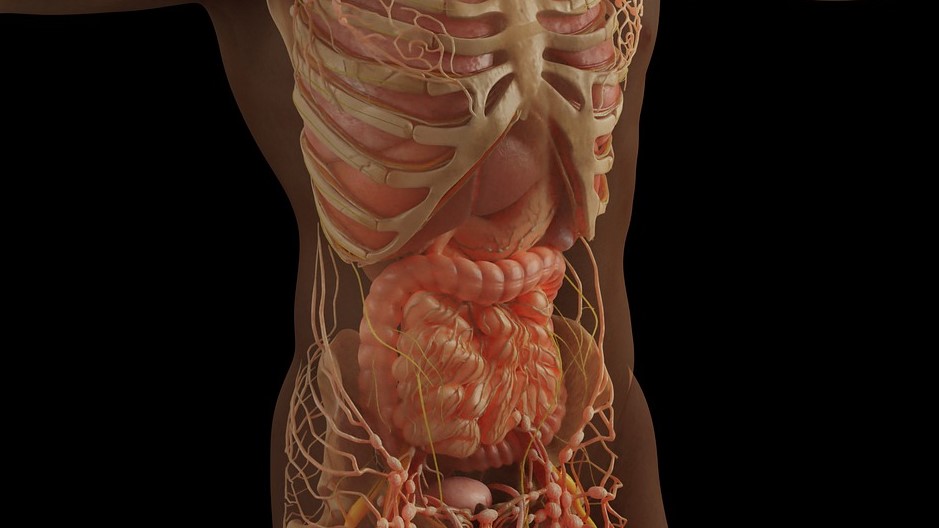
There is a great deal of variation in the anatomy of the gastrointestinal system, with pronounced differences possible between healthy individuals, according to surprising new research published in PeerJ. Differences between males and females were also uncovered.

The finding has implications for understanding the role that the digestive tract’s anatomy can play in affecting human health, as well as providing potential insights into medical diagnoses and the microbial ecosystem of the gut.

“There was research more than a century ago that found variability in the relative lengths of human intestines, but this area has largely been ignored since then,” says Amanda Hale, study co-first author and a PhD candidate at North Carolina State University. “When we began exploring this issue, we were astonished at the extent of the variability we found.”

“If you’re talking to four different people, odds are good that all of them have different guts, in terms of the relative sizes of the organs that make up that system,” says Erin McKenney, corresponding author and an assistant professor of applied ecology at NC State. “For example, the cecum is an organ that’s found at the nexus of the large and small intestine. One person may have a cecum that is only a few centimeters long, while another may have a cecum the size of a coin purse. And we found similar variability for many digestive organs.”

In another striking example, the researchers found that women tend to have longer small intestines than men.

“Because having a longer small intestine helps you extract nutrients from your diet, this finding supports the canalisation hypothesis, which posits that women are better able to survive during periods of stress,” says Hale.

“Given that there is more variation in human gut anatomy than we thought, this could inform our understanding of what is driving a range of health-related issues and how we treat them,” says McKenney. “Basically, now that we know this variability exists, it raises a number of research questions that need to be explored.”

For this study, the researchers measured the digestive organs of 45 people who donated their remains to the Anatomical Gifts Program at the Duke University School of Medicine.

In addition to shedding light on the unexpected variability in human anatomy, this project also led to rediscovering the importance of teaching anatomical variation to medical students.

“It’s particularly important in medical training, because if students are only learning about a ‘normal’ or ‘average’ anatomy, that means they are not going to be familiar with the scope of human variation,” says Roxanne Larsen, co-author of the paper and an associate professor of veterinary and biomedical sciences at the University of Minnesota. “It’s increasingly clear that the medical field is moving toward individualized medicine to improve patient outcomes and overall health and well-being. Garnering experience in understanding anatomical variation can play a critical role in helping future doctors understand the importance of individualised medicine.”

“We’re excited about this discovery and future directions for the work,” McKenney says. “It underscores just how little we know about our own bodies.”

Source: North Carolina State University

An Elusive Relationship Between The Gastrointestinal Immune System and Caffeine

Certain gut microorganisms are thought to contribute to the development of inflammatory conditions such as inflammatory bowel disease (IBD), but the sequence of events leading from microbes to immune cells to disease remains elusive. A new study published in Immunity explores exactly what leads to the generation of Th17 cells, an important subtype of cells in the intestine, and uncovers some of the underappreciated molecular players and events that lead to cell differentiation in the gut. One of those players is the purine metabolite xanthine – high levels of which are found in caffeinated foods such as coffee, tea and chocolate.

“One of the concepts in our field is that microbes are required for Th17 cell differentiation, but our study suggests that there may be exceptions,” said co-lead auhor Jinzhi Duan, PhD, of the Division of Gastroenterology, Hepatology and Endoscopy in the Department of Medicine at Brigham and Women’s Hospital,. “We studied the underlying mechanisms of Th17 cell generation in the gut and found some surprising results that may help us to better understand how and why diseases like IBD may develop.”

While illuminating the steps leading to Th17 cell differentiation, the researchers unexpectedly discovered a role for xanthine in the gut.

“Sometimes in research, we make these serendipitous discoveries – it’s not necessarily something you sought out, but it’s an interesting finding that opens up further areas of inquiry,” said senior author Richard Blumberg, MD, of the Division of Gastroenterology, Hepatology and Endoscopy in the Department of Medicine. “It’s too soon to speculate on whether the amount of xanthine in a cup of coffee leads to helpful or harmful effects in a person’s gut, but it gives us interesting leads to follow up on as we pursue ways to generate a protective response and stronger barrier in the intestine.”

Interleukin-17-producing T helper (Th17) cells are thought to play a key role in the intestine. The cells can help to build a protective barrier in the gut, and when a bacterial or fungal infection occurs, these cells may release signals that cause the body to produce more Th17 cells. But the cells have also been implicated in diseases such as multiple sclerosis, rheumatoid arthritis, psoriasis, and IBD.

Duan, co-lead author Juan Matute, MD, Blumberg and colleagues used several mouse models to study the molecular events that lead to the development of Th17 cells. Surprisingly, they found that Th17 cells could proliferate even in germ-free mice or mice that had been giving antibiotics wiping out bacteria. The team found that endoplasmic reticulum stress in intestinal epithelial cells drove Th17 cell differentiation through purine metabolites, such as xanthine, even in mice that did not carry microbes and with genetic signatures that suggested cells with protective properties.

The authors note that their study was limited to cells in the intestine. It’s possible that crosstalk between cells in the gut and other organs, such as the skin and lung, may have an important influence on outcomes. They also note that their study does not identify what causes Th17 cells to become pathogenic, and that further exploration is needed, including studies that focus on human-IBD Th17 cells.

“While we don’t yet know what’s causing pathogenesis, the tools we have developed here may take us a step closer to understanding what causes disease and what could help resolve or prevent it,” said Blumberg.

Source: Brigham and Women’s Hospital

A High-fat Diet Might be Useful in Expelling Intestinal Worms

Photo by Jonathan Borba on Unsplash

Scientists have discovered that a high-fat diet might actually have a benefit in some cases: it allows the immune system to eliminate a parasitic worm which is a major cause of death and illness in the developing world. Their findings appear in the journal Mucosal Immunology.

Parasitic worms affect up to a billion people, particularly in developing nations with poor sanitation. One of these parasites known as “whipworm” can cause long lasting infections in the large intestine.

Lead author Dr Evelyn Funjika, formerly at Manchester and now at the University of Zambia, said: “Just like the UK, the cheapest diets are often high in fat and at-risk communities to whipworm are increasingly utilising these cheap diets. Therefore, how worm infection and western diets interact is a key unknown for developing nations.

“In order to be able to study how nutrition affects parasite worm infection, we have been using a mouse model, Trichuris muris, closely related to the human whipworm Trichuris trichiura and seeing how a high-fat diet impacts immunity.”

It has been previously shown that immune responses which expel the parasite rely on white blood cells called T-helper 2 cells, specialised for eliminating gastrointestinal parasites.

The findings demonstrate how a high-fat diet, rather than obesity itself, increases a molecule on T-helper cells called ST2 and this allows an increased T-helper 2 response which expels the parasite from the large intestinal lining.

Dr John Worthington from the Department of Biomedical and Life Science at Lancaster University co-led the research.

“We were quite surprised by what we found during this study. High-fat diets are mostly associated with increased pathology during disease. However, in the case of whipworm infection this high fat diet licenses the T-helper cells to make the correct immune response to expel the worm.”

Co-lead Professor Richard Grencis from the University of Manchester said: “Our studies in mice on a standard diet demonstrate that ST2 is not normally triggered when expelling the parasite, but the high-fat diet boosts the levels of ST2 and hence allows expulsion via an alternative pathway.”

Co-lead Professor David Thornton from the University of Manchester added: “It was really fascinating that simply altering the diet completely switched the immune response in the gut from one that fails to expel the parasite, to one that brings about all the correct mechanisms to eliminate it.”

However, Dr Worthington added caution to the findings.

“Before you order that extra take-away, we have previously published that weight loss can aid the expulsion of a different gut parasite worm. So these results may be context specific, but what is really exciting is the demonstration of how diet can profoundly alter the capacity to generate protective immunity and this may give us new clues for treatments for the millions who suffer from intestinal parasitic infections worldwide.”

Source: Lancaster University

Reduced Intestinal Bacterial Diversity in IBS Sufferers

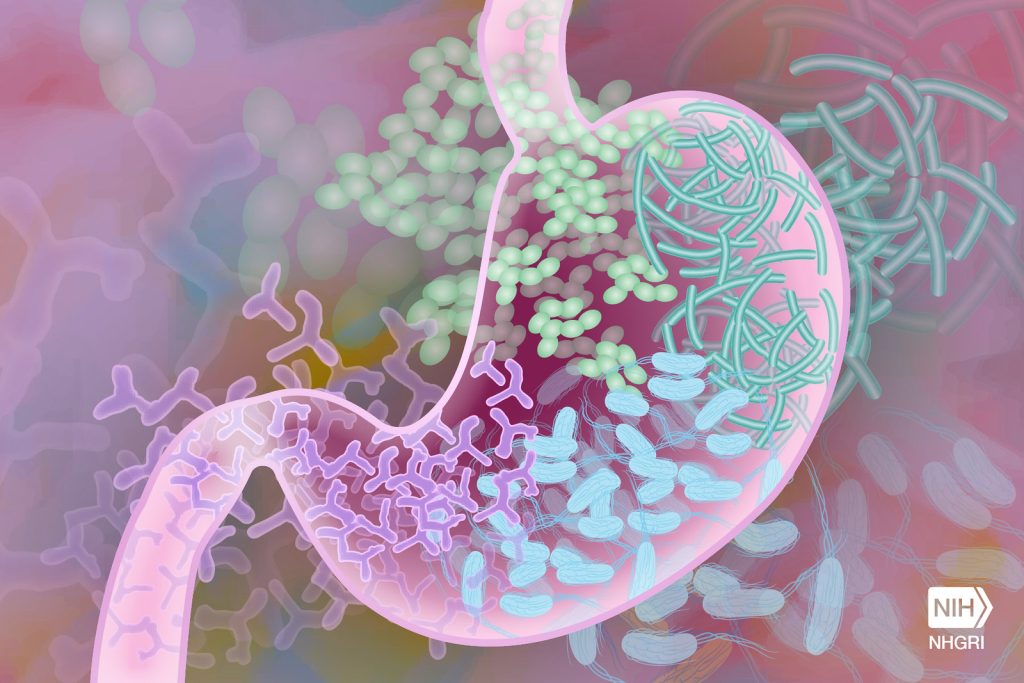
Gut microbiome. Credit: Darryl Leja, NIH

People with irritable bowel syndrome (IBS) have lower bacterial diversity in the intestine than do healthy people, according to research appearing in Microbiology Spectrum. The investigators believe that theirs is the first analysis to find a clear association between IBS and reduced diversity in the microbiota of the gut. The an open-access journal of the American Society for Microbiology.

Normally, “More than 10 000 species of microorganism live in the human intestine,” said corresponding author Jung Ok Shim, MD, PhD, a professor at Korea University College of Medicine. Disruption of the microbiome of the human gastrointestinal tract can trigger IBS. Typically, IBS causes bloating, diarrhoea, and stomach pain or cramps.

Previous studies of gut bacteria in patients with IBS have been controversial, with inconsistent results, due to small sample size and lack of consistent analytical methods used among these studies, said Shim. The investigators combined their own dataset with 9 published, shared datasets, encompassing 576 IBS patients and 487 healthy controls, analysing them with a “unified data processing and analytical method.”

The researchers found that the gut bacterial community is less diverse in IBS patients than in healthy people, said Shim. Additionally, the abundance of 21 bacterial species differed between IBS patients and healthy controls. However, the findings were not statistically significant in the paediatric cohort due to small sample size.

The investigators proved that the disturbed gut bacterial community “is associated with IBS, though this does not mean that the relationship is causal,” said Shim. “Functional studies are needed to prove whether the change in gut micro-organisms contributes to development of IBS.”

Even though IBS is a common disorder, its pathogenesis remains unknown, and as yet there is no effective treatment strategy. “Based on the epidemiological studies of IBS patients, altered gut microbiota was proposed as one of the possible causes of IBS,” the researchers write. “Acute bacterial gastroenteritis can cause chronic, asymptomatic, low-grade intestinal wall inflammation sufficient to alter neuromuscular and epithelial cell function.”

Source: American Society for Microbiology

Unusual Sympathetic Nervous Activity in IBS Patients

Photo by Andrea Piacquadio on Pexels

Using a wearable device to record nerve activity, researchers in Japan have discovered that the sympathetic nervous system of patients with irritable bowel syndrome (IBS) activated a few minutes before defecation, and persisted for a few minutes afterwards. Their results are published in the journal PLoS ONE.

Irritable bowel syndrome (IBS) is a difficult disease to treat, characterised by chronic abdominal pain related to bowel movements, of which there are four types: diarrhoeal, constipation, mixed, and unclassifiable. Patients with IBS report a reduction in quality of life and experiences of social discomfort, as they are forced to restrict their activity, such as work or travel, because of the sudden and unpredictable need to use the toilet. While there have been studies of IBS-related abnormalities in the autonomic nervous system based on 24-hour electrocardiogram measurement, until now none of them examined changes in the autonomic nervous system during bowel movements.

Associate Professor Fumio Tanaka and his research group at the Osaka Metropolitan University Graduate School of Medicine recorded the autonomic nervous system activity of IBS patients and healthy subjects using a wearable device and tracked activities such as defecation and sleep. As a result, they found that unlike healthy subjects, the sympathetic nervous system of IBS patients was activated two minutes before defecation and persisted until 9 minutes after defecation. Furthermore, the activation of the sympathetic nervous system was found to be associated with greater abdominal pain and lower quality of life.

“This research is characterised by the fact that autonomic nervous system functions are measured using a clothing-type wearable device, and that lifestyle events such as defecation and abdominal symptoms are input simultaneously in real time, using a smartphone application originally developed by our group. As a result, autonomic nervous system activity during defecation was accurately evaluated. We hope that further research will improve the quality of life of IBS patients and help elucidate the pathophysiology,” Professor Tanaka concluded.

Source: Osaka Metropolitan University

Graphene Nanomaterial can Affect the Immune System

Gut microbiome. Credit: Darryl Leja, NIH

The nanomaterial graphene oxide – used in everything from electronics to sensors for biomolecules – can indirectly affect the immune system via the gut microbiome, as shown by a study in the journal Nature Nanotechnology.

“This shows that we must factor the gut microbiome into our understanding of how nanomaterials affect the immune system,” says the paper’s corresponding author Bengt Fadeel, professor at Karolinska Institutet. “Our results are important for identifying the potential adverse effects of nanomaterial and mitigating or preventing such effects in new materials.”

Graphene is an extremely thin material, a million times thinner than a human hair. It comprises a single layer of carbon atoms and is stronger than steel yet flexible, transparent, and electrically conductive. This makes it extremely useful in a multitude of applications, including in ‘smart’ fabrics equipped with wearable electronics and as a component of composite materials, to enhance the strength and conductivity of existing materials.

With increasing use of graphene-based nanomaterials comes a need to examine how these new materials affect the body. Nanomaterials are already known to impact on the immune system, and a few studies in recent years have shown that they can also affect the gut microbiome.

The relationship between nanomaterial, gut microbiome and immunity has been the subject of this zebrafish study. The nanomaterial investigated was graphene oxide, which can be described as a relative of graphene that consists of carbon atoms along with atoms of oxygen. Unlike graphene, graphene oxide is soluble in water and of interest to medical research as, for example, a means of delivering drugs in the body.

In the study, the researchers exposed adult zebrafish to graphene oxide via the water and analysed how it affects the composition of the microbiome. They used both normal fish and fish lacking a receptor molecule in their intestinal cells called the aryl hydrocarbon receptor, commonly abbreviated as AhR, a receptor for various endogenous and bacterial metabolites.

AhR affected the gut microbiome

“We were able to show that the composition of the gut microbiome changed when we exposed the fish to graphene oxide, even at a low dose, and that the AhR also affected the gut microbiome,” says the study’s first author Guotao Peng, postdoc researcher at the Institute of Environmental Medicine at Karolinska Institutet.

The researchers have also generated zebrafish larvae that completely lack a natural gut microbiome, which makes it possible to study the effects of individual microbiome components, in this case butyric acid (a fatty acid), which is secreted by certain types of gut bacteria. Butyric acid is known to be able to bind to AhR.

Doing this, the researchers found that the combination of graphene oxide and butyric acid gave rise to so-called type 2 immunity in the fish. The effect turned out to be dependent on the expression of AhR in the intestinal cells.

“This type of immunity is normally seen as a response to parasitic infection. Our interpretation is that the gut immune response can handle graphene oxide in a similar way to how it would handle a parasite,” says Guotao Peng.

Using an advanced method for mapping the immune cells, the researchers were also able to show that a component of the immune system called innate lymphoid cells are found in zebrafish larvae.

“This shows that the zebrafish is a good model for studying the immune system, including the primitive or innate immune system,” says Bengt Fadeel.

Source: Karolinksa Institutet

Even in Remission, IBD is a Risk Factor for Preterm Birth

Photo by Jonathan Borba on Unsplash

Inflammatory bowel disease is a risk factor for giving birth preterm even when in apparent disease remission, according to a study published in the journal eClinicalMedicine. If corroborated, the results may eventually affect recommendations for women with ulcerative colitis wishing to conceive.

Inflammatory bowel disease (IBD) is chronic inflammatory disease with a prevalence of approximately 0.5%. IBD, which includes ulcerative colitis and Crohn’s disease, and – unlike irritable bowel syndrome (IBS) – causes visible damage to the mucosa lining the intestines. IBD is characteristic for its recurrent tendency for symptoms to relapse, followed by periods of remission.

Onset of IBD commonly occurs at age 15–30, so questions about its impact on pregnancy and the foetus are common. IBD has previously been linked to negative birth outcomes, such as preterm birth (< 37 weeks of pregnancy), mainly in women showing signs of active disease.

Also, women without obvious IBD activity often have microscopic inflammation in the intestinal mucosa. Until now, however, it has been unknown whether even microscopic inflammation may be associated with risks in pregnancy.

Higher risk of preterm birth

The present study, shows that microscopic inflammation in IBD, especially ulcerative colitis, is linked to an elevated risk of giving birth prematurely.

Among babies born to women with microscopic inflammation due to IBD, 9.6% were preterm, while 6.5% of children were born preterm to women without microscopic inflammation of IBD. This corresponds to a relative risk increase of 46 percent. Microscopic inflammation was not clearly associated with other adverse pregnancy outcomes, such as growth restriction.

The results are based on register data on women in Sweden, diagnosed with IBD in 1990–2016, in whom information was available on the microscopic appearance of the intestine shortly before pregnancy. The study included 1223 children of women with microscopic IBD inflammation of the intestine and 630 children of women with IBD but with microscopically healed intestinal mucosa.

Through register linkages, data were also retrieved from several national health registers, such as the Swedish Medical Birth Register and the Swedish Quality Register for Inflammatory Bowel Desiease (SWIBREG).

Prospect of new treatment targets

“Our results suggest that IBD treatment aimed at not merely alleviate symptoms of IBD, but also microscopically heal the intestine, can reduce the risk of giving birth preterm,” sayd first author and corresponding author is Karl Mårild, associate professor of paediatrics at Sahlgrenska Academy, University of Gothenburg. “If our results hold up in future studies, they may therefore be the basis for recommendations to confirm microscopic healing before pregnancy, to reduce such risks.”

“Even a modestly increased relative risk of preterm birth is important, given that preterm birth can greatly affect the child’s health in both the short and the long term. Preterm birth is still one of the most common causes of death for children under the age of five in Sweden,” Karl Mårild concludes.

Source: University of Gothenburg

Mapping the Neural Pathways for Vomiting after Eating Infected Food

Photo by Kyle Glenn on Unsplash

The urge to vomit after eating contaminated food is the body’s natural defensive response to get rid of bacterial toxins. However, exactly how the brain initiates the response has remained a mystery. Now, researchers have mapped out the detailed neural pathway of the defensive responses from the gut to the brain in mice. The study, published in the journal Cell, could help scientists develop better anti-nausea medications for cancer patients who undergo chemotherapy.

Many foodborne bacteria produce toxins in the host after ingestion. After sensing their presence, the brain will initiate a series of biological responses, including vomit and nausea, to expel the substances and develop an aversion toward foods that taste or look the same.

“But details on how the signals are transmitted from the gut to the brain were unclear, because scientists couldn’t study the process on mice,” says Peng Cao, the paper’s corresponding author at the National Institute of Biological Sciences in Beijing. Rodents cannot vomit, so scientists have been studying vomit in other animals like dogs and cats, but these animals are not comprehensively studied and thus failed to reveal the mechanism of nausea and vomiting. However, Cao and his team noticed that while mice don’t vomit, they retch – meaning they also experience the urge to vomit without throwing up.

The team found that after receiving Staphylococcal enterotoxin A (SEA), which is a common bacterial toxin produced by Staphylococcus aureus that also leads to foodborne illnesses in humans, mice developed episodes of unusual mouth opening. Mice that received SEA opened their mouths at angles wider than those observed in the control group, where mice received saline water. Moreover, during these episodes, the diaphragm and abdominal muscles of the SEA-treated mice contract simultaneously, a pattern seen in dogs when they are vomiting. During normal breathing, animals’ diaphragm and abdominal muscles contract alternatively.

“The neural mechanism of retching is similar to that of vomiting. In this experiment, we successfully build a paradigm for studying toxin-induced retching in mice, with which we can look into the defensive responses from the brain to toxins at the molecular and cellular levels,” Cao says.

In mice treated with SEA, the team found the toxin in the intestine activates the release of serotonin, a type of neurotransmitter, by the enterochromaffin cells on the lining of the intestinal lumen. The released serotonin binds to the receptors on the vagal sensory neurons located in the intestine, which transmits the signals along the vagus nerves from the gut to a specific type of neurons in the dorsal vagal complex – Tac1+DVC neurons – in the brainstem. When Cao and his team inactivated the Tac1+DVC neurons, SEA-treated mice retched less compared with mice with normal Tac1+DVC neuron activities.

In addition, the team investigated whether chemotherapy drugs, which also induce defensive responses like nausea and vomiting in recipients, activate the same neural pathway. They injected mice with doxorubicin, a common chemotherapy drug. The drug made mice retch, but when the team inactivated their Tac1+ DVC neurons or serotonin synthesis of their enterochromaffin cells, the animals’ retching behaviours were significantly reduced.

Cao says some of the current anti-nausea medications for chemotherapy recipients, such as Granisetron, work by blocking the serotonin receptors. The study helps explain why the drug works.

“With this study, we can now better understand the molecular and cellular mechanisms of nausea and vomiting, which will help us develop better medications,” Cao says.

Next, Cao and his colleagues want to explore how toxins act on enterochromaffin cells. Preliminary research shows that enterochromaffin cells don’t sense the presence of toxins directly. The process likely involves complex immune responses of damaged cells in the intestine.

“In addition to foodborne germs, humans encounter a lot of pathogens, and our body is equipped with similar mechanisms to expel these toxic substances. For example, coughing is our body’s attempt to remove the coronavirus. It’s a new and exciting field of research about how the brain senses the existence of pathogens and initiates responses to get rid of them.” Cao says, adding that future research may reveal new and better targets for drugs, including anti-nausea medicines.

Source: ScienceDaily

Diverticular Disease Linked to Cancers outside the Gastrointestinal System

Anatomy of the gut
Source: Pixabay CC0

In a large-scale study of cancer among 75 000 patients with a diagnosis of diverticular disease and colorectal histopathology, researchers have reported an elevated cancer risk in patients with diverticular disease. Their findings were published in the Journal of the National Cancer Institute.

The data comes from the ESPRESSO cohort, which covers all histopathology reports from Sweden’s 28 pathology departments. Through linkage with the Swedish national patient register, researchers identified patients with diverticular disease. Diverticular disease can present through gastrointestinal bleeding, but also through diverticulitis when patients may have fever, nausea and abdominal pain. Previous research has focused on colorectal cancer development in diverticular disease but less has been know about cancer development elsewhere. The researchers found a 33% increased risk of overall cancer in Swedish patients with diverticular disease.

“This is the first nationwide cohort study to demonstrate that diverticular disease is associated with an increased, long-term risk of overall cancer”, says first-author Wenjie Ma from Massachusetts General Hospital. “Diverticular disease is associated with an increased risk of specific cancers, including liver cancer and lung cancer.”

She also adds that “Given the high prevalence of diverticular disease, our results highlight the need for awareness for cancer, not only for colorectal cancer, in patients with diverticular disease.”

Patients with diverticular disease had significantly increased overall cancer incidence (24.5 vs 18.1 cancer cases per 1000 person-years). After adjusting for covariates, these rates corresponded to 1 extra cancer case in 16 individuals with diverticular disease followed for ten years.

“There has been a lot of research on extraintestinal cancer in other bowel disorders such as inflammatory bowel disease (IBD) and celiac disease, but less is known about diverticular disease”, says senior author Jonas F Ludvigsson, professor at Karolinska Institutet.

“These data suggest that patients with diverticular disease are at increased risk of other cancers than colorectal cancer, but it should also be emphasized that the absolute risk for cancer was moderate”, adds Ludvigsson. “I hope other researchers are inspired by our findings and explore the biological mechanisms underlying the association between diverticular disease and cancer”, he concludes.

Source: Karolinska Institutet

Pain-sensing Neurons Protect the Gut from Damage

Photo by Andrea Piacquadio on Pexels

Neurons that sense pain protect the gut from inflammation and associated tissue damage by regulating the microbial community living in the intestines, according to a study from Weill Cornell Medicine researchers.

The study, published in Cell, found in a preclinical model that pain-sensing neurons in the gut secrete a molecule called substance P, which appears to protect against gut inflammation and related tissue damage by boosting the population of beneficial microbes in the gut. The researchers also found that these pain-sensing nerves are diminished in number, with significant disruptions to their pain-signaling genes, in people who have inflammatory bowel disease (IBD).

“These findings reshape our thinking about chronic inflammatory disease, and open up a whole new approach to therapeutic intervention,” said study senior author Dr David Artis at Weill Cornell Medicine.

The study’s first author, DrWen Zhang, added: “Defining a previously unknown sensory function for these specific neurons in influencing the microbiota adds a new level of understanding to host-microbiota interactions.”

IBD covers two distinct disorders, Crohn’s disease and ulcerative colitis. It is typically treated with drugs that directly target elements of the immune system. Scientists now appreciate that gut-dwelling bacteria and other microbes also help regulate gut inflammation.

As Dr Artis’s laboratory and others have shown in recent years, the nervous system, which is ‘wired’ into most organs, appears to be yet another powerful regulator of the immune system at the body’s barrier surfaces. In the new study, Dr Artis and his team specifically examined pain neurons that innervate the gut.

These gut-innervating pain neurons, whose cell bodies sit in the lower spine, express a surface protein called TRPV1, which serves as a receptor for pain-related signals. TRPV1 can be activated by high heat, acid, and the chili-pepper compound capsaicin, for example – and the brain translates this activation into a sense of burning pain. The researchers found that silencing these TRPV1 receptors in gut nerves, or deleting TRPV1-expressing neurons, led to much worse inflammation and tissue damage in IBD mouse models, whereas activating the receptors had a protective effect.

The investigators observed that the worsened inflammation and tissue damage in TRPV1-blocked mice were associated with changes in the relative populations of different species of gut bacteria. When this altered bacterial population was transplanted into normal mice, it caused the same worsened susceptibility to inflammation and damage. By contrast, broad-spectrum antibiotic treatment could reverse this susceptibility even in TRPV1-blocked mice. This result demonstrated that TRPV1-expressing nerves protect the gut mainly by helping to maintain a healthy gut microbe population.

The scientists found strong evidence that a large part of this microbe-influencing effect of TRPV1-expressing nerves comes from a molecule the nerves secrete called substance P – which they observed could reverse, on its own, most of the harmful effects of blocking TRPV1. Experiments also suggested that the signaling between neurons and microbes was two-way – some bacterial species could activate TRPV1-expressing nerves to get them to produce more substance P.

To confirm the relevance to humans, the researchers examined gut tissue from IBD patients, and found abnormal TRPV1 and substance P gene activity as well as fewer signs of TRPV1 nerves overall.

“These patients had disrupted pain-sensing nerves, which may have contributed to their chronic inflammation,” Dr Zhang said.

Precisely how substance P exerts its effects on the gut microbe population, and how these microbes “talk back,” are questions that the researchers are now trying to answer in ongoing studies. But the results so far suggest that the next generation of anti-inflammatory drugs for IBD and other disorders could be compounds that target the nervous system.

“A lot of current anti-inflammatory drugs work in only some patients, and pharma companies really haven’t known why,” Dr Artis said. “Maybe it’s because, when it comes to chronic inflammation, we’ve been seeing only some of the picture – and now the rest, including the role of the nervous system, is starting to come into focus.”

Source: Weill Cornell Medicine