Category: Gastrointestinal

How High-fat Diets Affect Gut Bacteria and Increase Colorectal Cancer Risk

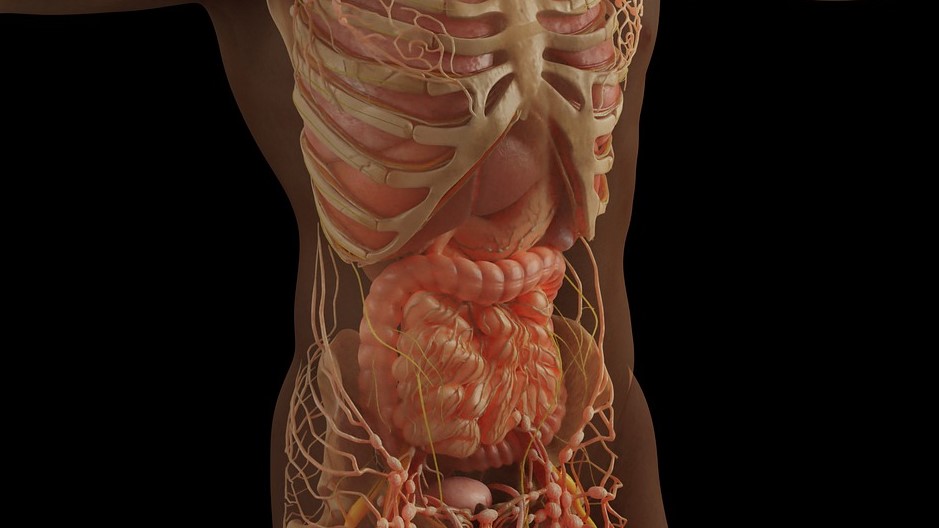
Gut Microbiome. Credit Darryl Leja National Human Genome Research Institute National Institutes Of Health

The increasing rate of obesity and high-fat diets are suspected to be behind the growing rates of colorectal cancers in people aged under 50. Now, in a study published in Cell Reports, researchers at have discovered how high-fat diets can change gut bacteria and alter digestive molecules called bile acids that are modified by those bacteria, predisposing mice to colorectal cancer.

In the study, researchers from the Salk Institute and UC San Diego found increased levels of specific gut bacteria in mice fed high-fat diets. They showed that those gut bacteria alter the composition of the bile acid pool in ways that cause inflammation and affect the replenishment rate of intestinal stem cells replenish.

“The balance of microbes in the gut is shaped by diet, and we are discovering how alterations in the gut microbial population (the gut microbiome) can create problems that lead to cancer,” says co-senior author and Professor Ronald Evans, director of Salk’s Gene Expression Laboratory. “This paves the way toward interventions that decrease cancer risk.”

In 2019, Evans and his colleagues showed in mice how high-fat diets boosted the overall bile acid levels. The shift in bile acids, they found, shut down a key protein in the gut, the Farnesoid X receptor (FXR). and increased the prevalence of cancer.

However, there were still missing links in the story, including how the gut microbiome and bile acids are changed by high-fat diets.

In the new work, Evans’ group teamed up with the labs of Rob Knight and Pieter Dorrestein at UC San Diego to examine the microbiomes and metabolomes (collections of dietary and microbially derived small molecules) in the digestive tracks of animals on high-fat diets. They studied mice genetically more susceptible to colorectal tumours.

The scientists discovered that although mice fed high-fat diets had more bile acids in their guts, it was a less diverse collection with a higher prevalence of certain bile acids that had been changed by gut bacteria. They also showed that these modified bile acids affected the proliferation of stem cells in the intestines. Without frequent replenishment, they accumulate mutations – a key step toward encouraging the growth of cancers, which often arise from these stem cells.

“We are only just beginning to understand these bacterially-conjugated bile acids and their roles in health and disease,” says co-author Michael Downes, a staff scientist at Salk.

There were also striking differences in the microbiomes of the mice on high-fat diets: the collections of gut bacteria in these mice’s digestive tracts were less diverse and contained different bacteria than the microbiomes of mice not on high-fat diets. Two of these bacteria – Ileibacterium valens and Ruminococcus gnavus – were able to produce these modified bile acids.

The scientists were surprised to discover that a high-fat diet actually had a greater impact on the microbiome and modified bile acids than a genetic mutation that increases cancer susceptibility in the animals.

“We’ve pinpointed how high-fat diet influences the gut microbiome and reshapes the bile acids pool, pushing the gut into an inflamed, disease-associated state,” says co-first author Ting Fu, a former postdoctoral fellow in the Evans lab.

The researchers believe high-fat diets change the composition of the microbiome, encouraging the growth of bacteria like I. valens and R. gnavus. In turn, that boosts levels of modified bile acids. In a vicious cycle, those bile acids create a more inflammatory environment that can further change the makeup of gut bacteria.

“We’ve deconstructed why high-fat diets aren’t good for you, and identified specific strains of microbes that flare with high-fat diets,” says Evans, March of Dimes Chair in Molecular and Developmental Biology. “By knowing what the problem is, we have a much better idea of how to prevent and reverse it.”

In the future, the team will study how quickly the microbiome and bile acids change after an animal begins eating a high-fat diet. They also plan to study ways to reverse the cancer-associated effects of a high-fat diet by targeting FXR – the protein that they previously discovered to be associated with bile acid changes.

Source: Salk Institute

Possible Dementia Risk from Long Term Proton Pump Inhibitor Use

Source: Pixabay CC0

People who take proton pump inhibitors for acid reflux four-and-a-half years or more may have a higher risk of dementia compared to people who do not take these medications, according to new research published in Neurology.

Acid reflux is when stomach acid flows into the oesophagus, usually after a meal or when lying down, resulting in heartburn and ulcers. People with frequent acid reflux may develop gastroesophageal reflux disease, or GERD, which can lead to cancer of the oesophagus. Proton pump inhibitors reduce stomach acid by targeting the enzymes in the stomach lining that produce that acid.

“Proton pump inhibitors are a useful tool to help control acid reflux, however long-term use has been linked in previous studies to a higher risk of stroke, bone fractures and chronic kidney disease,” said study author Kamakshi Lakshminarayan, MBBS, PhD, of the University of Minnesota School of Public Health in Minneapolis, and a member of the American Academy of Neurology. “Still, some people take these drugs regularly, so we examined if they are linked to a higher risk of dementia. While we did not find a link with short-term use, we did find a higher risk of dementia associated with long-term use of these drugs.”

The study included 5712 people, aged 45 and up, without dementia at the start of the study. They had an average age of 75.

Researchers determined if participants took acid reflux drugs by reviewing their medications during study visits and during yearly phone calls. Of the participants, 1490 people, or 26%, had taken the drugs. Participants were then divided into four groups based on whether they had taken the drugs and for how long, as follows: people who did not take the drugs; those who took the drugs for up to 2.8 years; those who took them for 2.8 to 4.4 years; and people who took them for more than 4.4 years.

Participants were then followed for a median duration of 5.5 years. During this time, 585 people, or 10%, developed dementia.

Of the 4222 people who did not take the drugs, 415 people developed dementia, or 19 cases per 1000 person-years. Person-years represent both the number of people in the study and the amount of time each person spends in the study. Of the 497 people who took the drugs for more than 4.4 years, 58 people developed dementia, or 24 cases per 1000 person-years.

After adjusting for factors such as age, sex and race, as well as health-related factors such as high blood pressure and diabetes, researchers found people who had been taking acid reflux drugs for more than 4.4 years had a 33% higher risk of developing dementia than people who never took the drugs.

Researchers did not find a higher risk of dementia for people who took the drugs for fewer than 4.4 years.

“More research is needed to confirm our findings and explore reasons for the possible link between long-term proton pump inhibitor use and a higher risk of dementia,” said Lakshminarayan. “While there are various ways to treat acid reflux, such as taking antacids, maintaining a healthy weight, and avoiding late meals and certain foods, different approaches may not work for everyone. It is important that people taking these medications speak with their doctor before making any changes, to discuss the best treatment for them, and because stopping these drugs abruptly may result in worse symptoms.”

A limitation of the study was that participants were asked once a year about medication use, so researchers estimated use between annual check-ins. If participants stopped and restarted acid reflux drugs in between check-ins, estimation of their use may have been inaccurate. The authors were also unable to assess if participants took over the counter acid reflux drugs.

Source: American Academy of Neurology

Study Finds No Evidence of Fungus Link to Pancreatic Cancer

Source: CC0

Four years ago, a report that a common species of fungus might fuel pancreatic cancer offered a promising new view of the deadly disease. But in working to validate the finding, Duke Health researchers have found no such association. In a study published in the journal Nature, the researchers conducted a multi-pronged analysis of data from the earlier study and found no link between the pancreatic microbiome and the development of pancreatic cancer.

“We were intrigued by the original finding, as were many research teams,” said senior author Peter Allen, MD, professor in the Department of Surgery and chief of the Division of Surgical Oncology at Duke University School of Medicine.

“There is a growing body of literature connecting the human microbiome to disease, and this was particularly compelling for pancreatic cancer,” Allen said. “But our findings did not support an association between fungi and the development of pancreatic cancer in humans.”

Allen and colleagues worked to recreate the 2019 findings published in Nature by a different research team. The original study raised hopes that there might be a possible method of preventing pancreatic cancer with the use of antifungals or some other approach to protect from infection.

Focusing on the research team’s original raw sequencing data, the Duke researchers were unable to reproduce the findings. Additional studies, using pancreatic cancer tissue in Duke repositories, also failed to produce the original results.

“We believe our findings highlight the challenges of using low biomass samples for microbiome sequencing studies,” Allen said. “The inclusion of appropriate negative controls and efforts to identify and remove sequencing contaminants is critical to the interpretation of microbiome data.”

Source: Duke University Medical Center

Nanomedicine Stimulates Anti-inflammatory Effects to Ease IBD

Source: CC0

Chronic inflammatory bowel disease (IBD), such as Crohn’s disease and ulcerative colitis, is on the rise worldwide, and current medications have problematic side effects. In the journal Angewandte Chemie, researchers report a new method of treatment, based on nanoparticles which trigger anti-inflammatory effects in the diseased sites in the intestine.

Stomach cramps and severe diarrhoea, often accompanied by significant weight loss, are some of the symptoms repeatedly suffered by patients with IBD, often for weeks at a time. The causes of this condition remain unclear but seem to involve a malfunction of the immune system. A cure is not yet in sight. Current treatments aim to reduce symptoms with anti-inflammatory medications, such as 5-aminosalicylic acid (5-ASA), corticosteroids, and immunomodulators. Their long-term use is not recommended because of their severe side effects, such as a high risk of infection resulting from immunosuppression. A team led by Hee-Seung Lee and Sangyong Jon at the Korea Advanced Institute of Science and Technology (KAIST) has now developed an innovative approach for a medication that can be taken orally and targets the inflamed sites in the gastrointestinal tract, minimizing systemic effects.

The starting point of their approach was the glycocalyx, a carbohydrate-rich layer that coats the cells on the surface of the intestine. Beneficial gut bacteria, which have their own matching glycocalyx, attach to this coating. With diseases from the IBD family, the glycocalyx carbohydrate patterns of inflamed intestinal regions are so altered that pathogenic bacteria can attach and enter the mucous membrane.

The team developed nanoparticles that mimic the glycocalyx pattern. Starting with the five sugar monomers most commonly found in nature, they produced a collection (“substance library”) of different polymer chains that have one, two, three, four, or five of these sugars in random order and composition as side chains. These polymer chains aggregate into nanoparticles. They also attached bilirubin molecules. Bilirubin is a bile pigment that is an antioxidant naturally produced by the body and it has an anti-inflammatory effect.

When administered orally to mice with IBD, some versions of these nanoparticles reduced symptoms significantly better than the drug 5-ASA. Nanoparticles with mannose and N-acetylglucosamine were the most effective. These two sugars increase uptake of the nanoparticles by activated macrophages in the inflamed intestine, and bilirubin very efficiently inhibits the inflammatory activity of these immune cells. The concentration of certain inflammatory cytokines is significantly reduced, the production of anti-inflammatory factors is stimulated, and oxidative stress is reduced. The immunosuppressive effect is limited to the inflamed areas of the intestine, minimising unfavourable systemic side effects.

Source: Wiley

Pathogenic Bacteria Use A Sugar from Intestinal Mucus to Dig Themselves in

Source: CC0

A new study shows the sugar sialic acid, which makes up part of the protective intestinal mucus layer, fuels disease-causing bacteria in the gut. The findings, published in PNAS, suggest a potential treatment target for intestinal bacterial infections and a range of chronic diseases linked to gut bacteria, including inflammatory bowel disease (IBD), celiac disease, irritable bowel syndrome and short bowel syndrome.

The research by researchers at the University of British Columbia (UBC) and BC Children’s Hospital, used a mouse model of gut infections.

“Bacteria need to find a place in our intestines to take hold, establish and expand, and then they need to overcome all the different defences that normally protect our gut,” says Dr Bruce Vallance, a professor in the department of paediatrics at UBC and investigator at BC Children’s Hospital. “In the future, we can potentially target this sugar, or how pathogens sense it, to prevent clinically important disease.”

Inflammatory diseases such as IBD are on the rise in children, who are more susceptible to gut infections because of their immature immune systems. Dr Vallance and his team sought to understand what enables these bacterial pathogens to survive and expand inside our intestines.

For the study, the researchers examined Citrobacter rodentium, an intestinal bacterial pathogen of mice that’s used to model infections with human E. coli. The team discovered that the bacteria have genes involved in sialic acid consumption, and when these genes are removed, the bacteria’s growth is impaired.

Further investigation revealed that upon consuming the sugars, the bacteria produced two special virulence proteins that help the bacteria cross the colonic mucus layer and stick to the underlying epithelial cells. The findings reveal how the bacteria can change over time and actually worsen disease.

“You start off with IBD, your microbes change, they start digging their way into the cells lining your gut, causing more inflammation, and that may be one reason why IBD becomes chronic,” says Dr Vallance. “Specific nutrients such as sialic acid or other sugars might be the Achilles heels for them in terms of things you could target to remove dangerous bacteria from the intestine.”

Dr Vallance and his team are now examining the role other sugars in the gut may play in feeding pathogenic bacteria. They’re also looking for probiotics that could outcompete the dangerous bacteria, stealing the sugars away from them.

They also plan to explore potential interactions between resident and pathogenic bacteria. Pathogenic bacteria can’t access the sugars on their own and thus, some of the normally harmless resident bacteria must serve as accomplices.

“Basically, these accomplices cut the sugar off the mucus, and then either they hand it to the dangerous bacteria or the dangerous bacteria have come up with a way of stealing it from them,” he explains.

A better understanding of these interactions could provide new ways to block pathogenic bacteria, something Dr. Vallance says is urgently needed.

“In the past, our ancestors were constantly assaulted by dangerous bacteria,” says Dr. Vallance. “With the advent of more and more antibiotic resistance in bacteria, these bacterial infections are going to become a growing problem again. Without new antibiotics, we need to come up with novel ways to fight these bacteria, like starving them.”

Source: University of British Columbia

IBD Patients Have an Increased risk of Ischaemic Stroke

Credit: American Heart Association

In a nationwide Swedish study of more than 85 000 patients with biopsy-confirmed inflammatory bowel disease (IBD), researchers saw an increased risk of stroke, especially ischaemic stroke, compared to the general population. The results are published in Neurology.

IBD is a chronic intestinal disease with a relapsing-remitting manner, including Crohn’s disease (CD), ulcerative colitis (UC), and IBD-unclassified. Prior studies have suggested that IBD patients have a greater risk of thromboembolic events, but evidence for long-term risk of stroke remains scarce. A recent postmarketing safety study on tofacitinib, a new drug approved for IBD treatment, found an increased stroke risk.

The researchers, from Karolinska Institutet and Örebro University (Sweden), conducted a cohort study by linking a nationwide histopathology cohort (the ESPRESSO study) to national healthcare registers in Sweden to explore whether patients with a biopsy-confirmed IBD had an increased long-term risk of stroke compared to their IBD-free siblings or the general population.

During an average follow-up of 12 years, 3720 of IBD sufferers had a stroke (32.6/10 000 person years), compared with 15 599 of the IBD-free people (27.7/10 000 person-years). When accounting for other factors, such as heart disease, hypertension and obesity, they found that people with IBD were 13% more likely to have a stroke than those without IBD. The risk stayed elevated even 25 years after IBD diagnosis, equating to one additional stroke case per 93 IBD patients. The excess risk was mainly driven by ischaemic stroke rather than haemorrhagic stroke.

The risk for ischaemic stroke was significantly increased across all IBD subtypes (ie, CD, UC, and IBD-U). Sibling comparison analyses confirmed the main findings, suggesting the excess risk of stroke may be independent of familial factors.

Clinical implications

“Due to the excess risk of stroke in IBD patients, screening and management of traditional stroke risk factors in IBD patients could be more urgent to prevent fatal CVD complications”, says first author Jiangwei Sun, postdoc at the Department of Medical Epidemiology and Biostatistics.

“These findings highlight the need for clinical vigilance about the long-term excess risk of cerebrovascular events in IBD patients”, adds last author Jonas F Ludvigsson, professor at Karolinska Institutet and pediatrician at Örebro University Hospital.

Source: Karolinska Institutet

Would You Treat a Patient’s Ulcerative Colitis with… Hookworms?

Source: CC0

Using parasites to treat disease may be the stuff of mediaeval medicinal horror stories, but for inflammatory bowel disease, it might actually be a worthwhile treatment. In a feasibility study published in Inflammatory Bowel Diseases, researchers from the Malaghan Institute found that hookworms were a safe and long-lasting treatment for participants with ulcerative colitis – paving the way for wider clinical studies.

For a number of years, Malaghan Institute researchers have been investigating therapeutic benefits of human hookworms for patients suffering allergic and inflammatory disease.

“This pilot study is the first controlled evidence in the use of hookworm as a therapy in ulcerative colitis,” says Malaghan Institute clinician and gastroenterologist Dr Tom Mules who led the study alongside Rutherford Clinic gastroenterologist Dr Stephen Inns. “Our study has shown this kind of therapy is well-tolerated, safe and feasible to take into a full-scale trial.”

In this pilot randomised controlled trial, patients currently in remission from ulcerative colitis were infected with a controlled dose of hookworm larvae or given placebo, and followed up over 12 months. Patients would provide regular feedback on any changes to their gut health or discomfort. Samples were collected throughout the year-long infection to test a range of scientific parameters such as gut inflammation, microbiome and immune cell composition.

“We deliberately chose to target patients with ulcerative colitis in remission,” says Dr Mules.

“We believe that the effect of hookworms may not be strong enough to push someone from an active disease state into disease remission. However, once someone is in remission hookworm could keep them there, prevent them from having disease flares and reduce the need to take medication, such as steroids, which suppresses the immune system and has adverse effects.”

Living in remission from an inflammatory disease typically means that patients experience less pain and discomfort associated with active disease. In order to stay in remission patients generally have to take daily medications to prevent flare ups. However, Dr.= Mules explains that there are significant barriers to taking daily medication, particularly when you do not have active symptoms to remind you to take pills morning and night. Importantly, not taking the medication increases the risk of having a flare. Disease flares impact quality of life, can lead to disease complications and need strong medications to bring under control.

“One of the key findings from this study was that a single dose of hookworm can reside in the body for several years, if not longer,” says Dr Mules. “This means that if hookworm is effective at preventing disease flares you can get infected and potentially no longer have to daily medicate. ‘Infect and forget’. The worms just sit there in the background and do their thing. I think that’s where the power of this therapy lies.”

The team needed to confirm safety before they could test their “infect and forget” theory in a full-scale trial.

“We did see that around the 6–8 week mark participants reported mild tummy symptoms, but those had all resolved by week 10–12,” says Dr Mules. “Otherwise, compared to the placebo group there was no significant differences in adverse events.

“The fact that these worms are well tolerated and safe to give to people with inflammatory disease is really important. One of the big safety questions was if the immune response triggered by the hookworm in the early stages of the infection could trigger a flare of ulcerative colitis. We did not see this, again highlighting that this therapy is safe in these patients.”

With no effective cure for severe inflammatory and allergic diseases the idea of using hookworms to manage harmful and aggressive symptoms is something many people have latched onto. There exists a thriving “underground” market of people self-medicating with hookworms, and significant anecdotal evidence indicating they are helpful in treating disease and managing symptoms, says Dr Mules.

“We know that people with inflammatory bowel disease, including ulcerative colitis, already use medically unsupervised hookworms to manage their symptoms and regain some semblance of quality of life, however the evidence needed to support this is lacking. The aim of this study was to provide some solid scientific groundwork, to hopefully one day make this a real, legitimate therapy to help people living with debilitating disease.”

The team now plans larger clinical trials and applying their findings to other diseases.

“The power of our study’s findings is that we can apply them to other diseases as well,” says Dr Mules. “We are in the process of deciding what the best disease target is. It could be ulcerative colitis but there are also early findings demonstrating hookworm therapy could be beneficial to a wide-range of autoimmune, allergic and metabolic diseases.

“We’re extremely grateful to the participants for taking part in this important study which will let us apply hookworm therapy where it will have the biggest impact.”

Source: MedicalXpress

Regular Probiotic Use Could go a Long Way in Preventing Diarrhoea and Illness

Gut Microbiome. Credit Darryl Leja National Human Genome Research Institute National Institutes Of Health

Diarrhoeal disease outbreaks are on the increase in South Africa owing to unsafe or unhygienic water sources, which is being compounded by the effects of loadshedding.Equally, the deadly floods that affected particularly the Eastern Cape and KwaZulu-Natal in April last year damaged an already ailing sewerage and water system, with millions of litres of untreated sewage spilling onto beaches, rivers, harbours and the ocean in and around Durban.2

This has resulted in an increased incidence of gastroenteritis, which is caused by intestinal infection owing to the contamination of food, water or hands.3 Acute-onset vomiting and diarrhoea is second only to respiratory illnesses as a cause of childhood deaths worldwide.3

Diarrhoea accounts for 19% of deaths of under-fives in South Africa and for 46% on the African continent.4 Acute diarrhoea has several risks and complications, and may lead to life-threatening dehydration and electrolyte disturbances.When diarrhoea is not halted, there is a risk of disturbed digestion and absorption of nutrients with nutritional deterioration.3

Guidelines published in the South African Medical Journal (SAMJ) state that acute diarrhoea is predominantly a problem of fluids and feeding – both being heavily dependent on the caregiver’s understanding and reactions.3

It is vital that healthcare practitioners and caregivers understand the ‘what’ and the ‘how’ of oral rehydration therapy (ORT) and re-feeding, and that they are given guidance on the need to seek further help in the event of the following:3

• Ongoing vomiting despite small fluid sips, especially if associated with abdominal distension or pain

• Persisting fever after 24 hours of ORT

• Increasing lethargy and failure to feed

• Deteriorating hydration and failure to pass urine

• Presence of blood in the stools

• Diarrhoea persisting for more than 1 week.

Momeena Omarjee, Consumer Healthcare Country Head: Scientific Affairs, at Sanofi South Africa, outlines an ambitious campaign by Sanofi in partnership with non-profit organisation (NPO), Save the Children, to impact over 2 000 000 lives by 2025, through education on hygiene and nutrition and improved access to water.

“Sanofi is committed to ensuring that no child dies of a preventable disease. Since October 2022, Sanofi has donated 15 water tanks and 14 hand-washing stations to Early Childhood Development centres in KwaZulu-Natal communities in need, to ensure access to clean, drinkable water. This will help to curb the prevalence of diarrhoea and diarrhoea-associated deaths in children under five, which are entirely avoidable,” says Omarjee.

“Children living in poverty-stricken environments are approximately 10 times more likely to die from diarrhoea than their more privileged counterparts.Providing adequate access to clean, drinkable water and quality early childcare and development will impact the lives and health of so many vulnerable children,” says Omarjee.

Several studies have shown that probiotics shorten the duration of diarrhoea and prevent recurrence of other episodes.6 Furthermore, probiotics can prevent diarrhoea from infection in infants with malnutrition.6

The World Gastroenterology Organisation states that oral administration of probiotics shortens the duration of acute diarrheal illness in children by approximately 1 day.7 There is also evidence of efficacy in adults or children who are receiving antibiotic therapy, for prevention of antibiotic-associated diarrhoea.7

“Healthcare professionals should encourage parents to give children a daily, regular probiotic, which could go a long way in preventing diarrhoea and illness,” concludes Omarjee.

References

  1. Ebrahim, N. Western Cape Municipality asks residents to boil water as load shedding hits treatment plants. News24, 16 January 2023, available from: https://www.news24.com/fin24/economy/municipality-voices-concerns-over-water-quality-and-sewage-spills-amid-load-shedding-20230116, accessed 29 May 2023.
  2. Khan, AJ. Water worries hang over Durban months after heavy flooding. The Guardian, 9 January 2023, available from: https://www.theguardian.com/environment/2023/jan/09/water-quality-worries-hang-over-durban-months-after-deadly-flooding, accessed 29 May 2023
  3. Wittenberg, DF. 2012. Management guidelines for acute infective diarrhoea/gastroenteritis in infants. SAMJ, vol. 102, No. 2.
  4. Awotione, O.F., et al. 2016. Systematic review: Diarrhoea in children under five years of age in South Africa (1997-2014). Tropical Medicine and International Health, 21(9), 1060-1070.
  5. Chola, L., et al. 2015. Reducing diarrhoea deaths in South Africa: costs and effects of scaling up essential interventions to prevent and treat diarrhoea in under five children. BMC Public Health, 15, 394.
  6. Solis, B. et al. 2002. Probiotics as a help in children suffering from malnutrition and diarrhoea. European Journal of Clinical Nutrition, 56, S57-59.
  7. World Gastroenterology Organisation. 2017. Global Guidelines: Probiotics and prebiotics, available from: https://www.worldgastroenterology.org/UserFiles/file/guidelines/probiotics-and-prebiotics-english-2017.pdf, accessed 29 May 2023.

Scientists Find that The Sweetener Sucralose Breaks up DNA

Photo by Sharon Mccutcheon on Unsplash

A new study published in the Journal of Toxicology and Environmental Health, Part B, found that a chemical formed during the digestion of widely used sweetener is “genotoxic,” meaning it breaks up DNA. The chemical is also found in trace amounts in the sweetener itself, and the finding raises questions about how the sweetener may contribute to health problems.

At issue is sucralose, a widely used artificial sweetener. Previous work by the same research team established that several fat-soluble compounds are produced in the gut after sucralose ingestion. One of these compounds is sucralose-6-acetate.

“Our new work establishes that sucralose-6-acetate is genotoxic,” says Susan Schiffman, corresponding author of the study and an adjunct professor at North Carolina State University. “We also found that trace amounts of sucralose-6-acetate can be found in off-the-shelf sucralose, even before it is consumed and metabolised.

“To put this in context, the European Food Safety Authority has a threshold of toxicological concern for all genotoxic substances of 0.15 micrograms per person per day,” Schiffman says. “Our work suggests that the trace amounts of sucralose-6-acetate in a single, daily sucralose-sweetened drink exceed that threshold. And that’s not even accounting for the amount of sucralose-6-acetate produced as metabolites after people consume sucralose.”

For the study, researchers conducted a series of in vitro experiments exposing human blood cells to sucralose-6-acetate and monitoring for markers of genotoxicity.

“In short, we found that sucralose-6-acetate is genotoxic, and that it effectively broke up DNA in cells that were exposed to the chemical,” Schiffman says.

The researchers also conducted in vitro tests that exposed human gut tissues to sucralose-6-acetate.

“Other studies have found that sucralose can adversely affect gut health, so we wanted to see what might be happening there,” Schiffman says. “When we exposed sucralose and sucralose-6-acetate to gut epithelial tissues – the tissue that lines your gut wall – we found that both chemicals cause ‘leaky gut.’ Basically, they make the wall of the gut more permeable. The chemicals damage the ‘tight junctions,’ or interfaces, where cells in the gut wall connect to each other.

“A leaky gut is problematic, because it means that things that would normally be flushed out of the body in feces are instead leaking out of the gut and being absorbed into the bloodstream.”

The researchers also looked at the genetic activity of the gut cells to see how they responded to the presence of sucralose-6-acetate.

“We found that gut cells exposed to sucralose-6-acetate had increased activity in genes related to oxidative stress, inflammation and carcinogenicity,” Schiffman says.

“This work raises a host of concerns about the potential health effects associated with sucralose and its metabolites. It’s time to revisit the safety and regulatory status of sucralose, because the evidence is mounting that it carries significant risks. If nothing else, I encourage people to avoid products containing sucralose. It’s something you should not be eating.”

Source: NC State University

Higher Risk of Lymphoma in Patients Suffering from IBD

Source: CC0

Karolinska Institutet researchers have found that the risk of developing lymphoma is slightly elevated in inflammatory bowel disease (IBD) and, in recent years has been on the rise in patients with Crohn’s disease. Publishing in Clinical Gastroenterology and Hepatology, the researchers also observed a risk increase in patients taking modern IBD drugs, which was less strong for those not taking them. Thus, the lymphoma risk could be affected by both the medication and the disease activity itself.

Inflammatory bowel disease (IBD), which includes Crohn’s disease and ulcerative colitis, is a chronic intestinal inflammation that can increase the risk of developing lymph node cancer (lymphoma), a disease that affects the immune system.  

“Previous studies of the lymphoma risk of IBD have been too small to draw reliable conclusions,” says the study’s first author Ola Olén, consultant and docent at the Department of Medicine (Solna), Karolinska Institutet. “The studies have not taken into account of important systematic errors or been representative of today’s IBD patients.”  

The present study included almost 170 000 IBD patients identified in Swedish and Danish national registries between 1969 and 2019. Compared to patients with a matched population without IBD, patients with both Crohn’s disease and ulcerative colitis had a higher risk of lymphoma. The highest risk was in patients with Crohn’s disease, the increase being driven mainly by T-cell lymphoma and aggressive B-cell lymphoma.

“We found an elevated relative risk of different types of lymphoma in both Crohn’s disease and ulcerative colitis, but we need to point out that the absolute risk is very low,” says the study’s last author Jonas F Ludvigsson, consultant and professor at Karolinska Institutet.

“The increase in risk equates to only one extra case of lymphoma in 1000 people with IBD, who were followed for ten years.”

“Both inflammation and treatment play a part”

The risk of lymphoma has increased in patients with Crohn’s disease over the past two decades, which coincides with the increasing use of immunomodulating drugs for IBD. While the highest risk of developing the cancer was observed in patients who had received these drugs, the researchers found that patients who were not on such medication were also at a higher risk of lymphoma. 

“This finding indicates that both the inflammation in itself and its treatment play a part,” says Dr Olén. “Since there’s a lot of talk about the lymphoma risk associated with immunomodulating drugs, it’s important to make it clear that also the disease and the inflammation per se seem to drive the development of lymphoma. One has to take account of this and discuss it when prescribing modern treatments where there might be a concern that they will increase the risk of lymphoma.” 

Dr Olén says the teamaims to use more detailed data to determine whether the disease itself or its treatment is more important in terms of lymphoma risk.

Source: Karolinska Institutet