Category: Cancer

A Practice-changing Treatment for Refractory Metastatic Colon Cancer

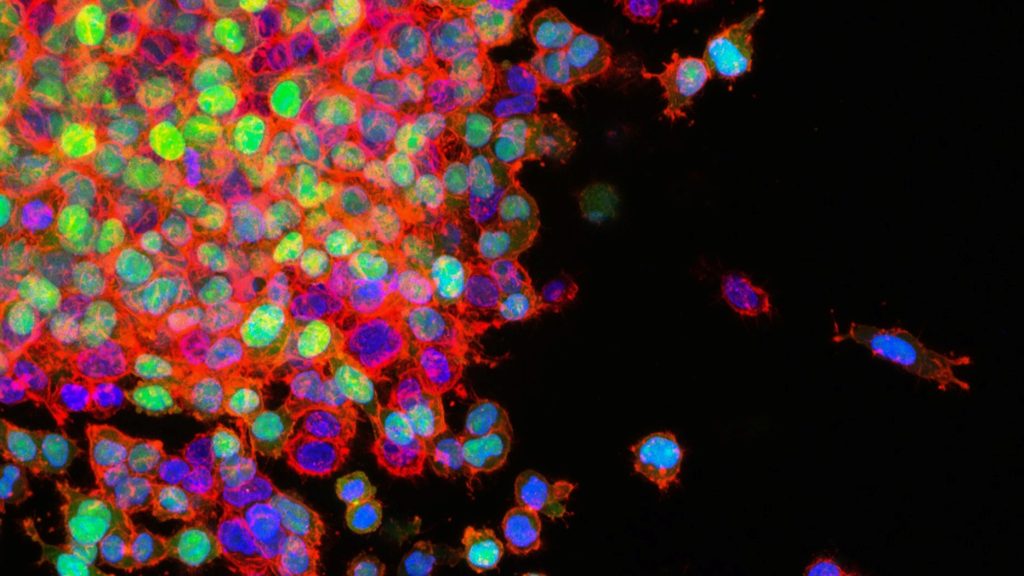
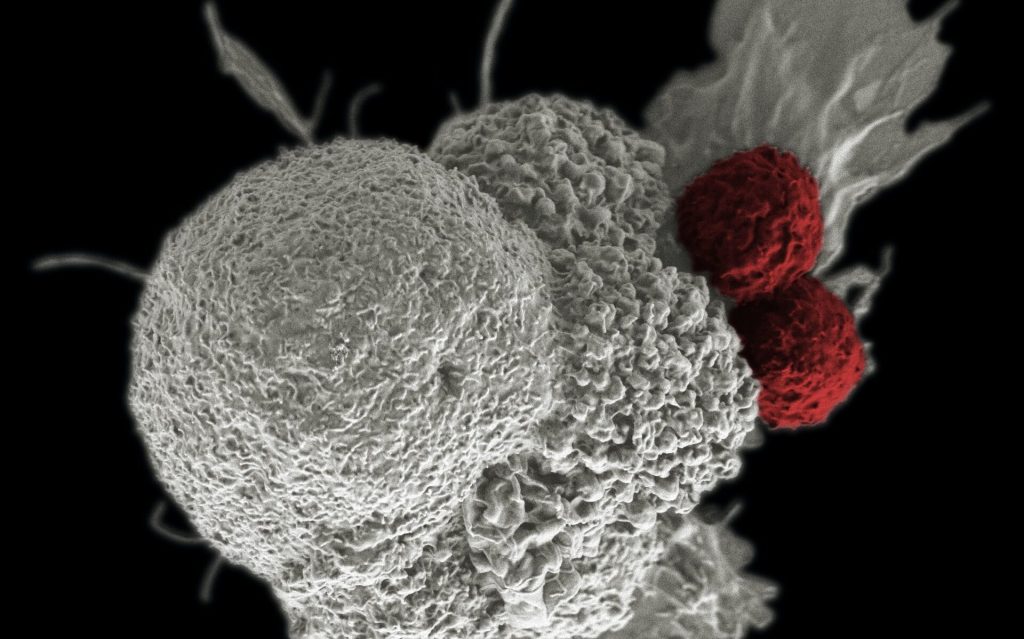
Colon cancer cells
Colon cancer cells. Source: National Cancer Institute on Unsplash

In a phase III clinical trial, fruquintinib achieved improved overall survival (OS) in refractory metastatic colon cancer (mCRC) compared to best supportive care (BSC) alone, according to a randomised trial reported at the European Society for Medical Oncology (ESMO) annual congress.

BSC plus fruquintinib improved median OS to 7.4 months compared to 4.8 months with BSC plus placebo.

Patients with mCRC have few treatment options and a poor prognosis. Regorafenib is currently the only tyrosine kinase inhibitor (TKI) with an indication for mCRC.

The heavily treated patient population had received a median of five prior therapies, including regorafenib in about half of cases, N. Arvind Dasari, MD, of the University of Texas MD Anderson Cancer Center in Houston, presenting the results.

“These results are both clinically and statistically significant and consistent across all prespecified subgroups,” said Dr Dasari. “Fruquintinib was also well tolerated and consistent with a prior established safety profile. Overall, these results are consistent with [a prior trial conducted in China] and support a new practice-changing global oral treatment option for patients with metastatic colorectal cancer, enriching the treatment continuum for these patients.”

Dr Dasari noted that the VEGF pathway is a key mediator of angiogenesis, and fruquintinib is a selective and potent inhibitor of VEGF receptors 1, 2, and 3. In the phase III FRESCO trial conducted in China, fruquintinib resulted in statistically significant improvement in OS and progression-free survival (PFS), and received an approved indication for mCRC in fourth line and beyond.

Dr Dasari reported findings from the FRESCO-2 trial, which was designed to evaluate fruquintinib in a more diverse, multiregional patient population. Investigators enrolled patients with mCRC and a treatment history that included chemotherapy, anti-VEGF therapy, and anti-EGFR therapy. Patients with progression or intolerance to TAS-102, and regorafenib were eligible, as well as patients previously treated with an immune checkpoint inhibitor or a BRAF inhibitor.

Patients randomised 2:1 to BSC plus either fruquintinib or placebo. Treatment continued until disease progression or development of unacceptable toxicity.

The primary endpoint was OS, and the principal statistical assumption was that the control arm would have a median OS of 5.0 months, which would be improved to 6.8 months with fruquintinib.

The trial had 691 patients with a median follow-up of 11.2 months. Almost all of the patients had prior exposure to a VEGF inhibitor, about 40% had received an EGFR inhibitor, about 60% had received TAS-102 or regorafenib, and about 40% had received both. Dr Dasari said the patient population resembled the patients that clinicians see in clinical practice.

The primary analysis showed a 2.6-month improvement in median OS with fruquintinib, which translated into a survival hazard of 0.662.

Treatment with fruquintinib more than doubled the median PFS, from 1.8 months with placebo to 3.7 months, a 68% reduction in the hazard ratio. Seven patients in the fruquintinib arm had objective responses versus none in the placebo arm. The clinical benefit rate (response plus stable disease) was 55.5% with fruquintinib and 16.1% with placebo.

Grade ≥3 treatment-related adverse events occurred in 36.0% of the treatment arm and 11.3% of the placebo arm.

FRESCO-2 was not designed as a head-to-head comparison with regorafenib and was instead designed to validate fruquintinib for mCRC, said ESMO invited discussant Filippo Pietrantonio, MD, of the National Cancer Institute in Milan, Italy. The primary endpoint would have been noninferiority or equivalence. Even so, the trial set a high bar, as almost half the patients were 65 or older, had received multiple prior lines of therapy, and there were limitations on the proportion of patients with prior regorafenib treatment.

“Despite the challenges, FRESCO-2 is a positive trial, so fruquintinib may be a new standard-of-care option in patients with refractory metastatic colorectal cancer,” said Dr Pietrantonio. “This agent significantly prolonged overall survival and progression-free survival independently from prior treatment.”

“Sustained inhibition of angiogenesis is still important in later treatment lines, and fruquintinib provided an additional incremental gain of survival,” he added. “Real world and phase IV data are necessary to further assess the safety of fruquintinib, especially in underrepresented populations, and quality-of-life data are necessary as well.”

Source: MedPage Today
‘Striking’ Colon Cancer Trial Data gets Standing Ovation

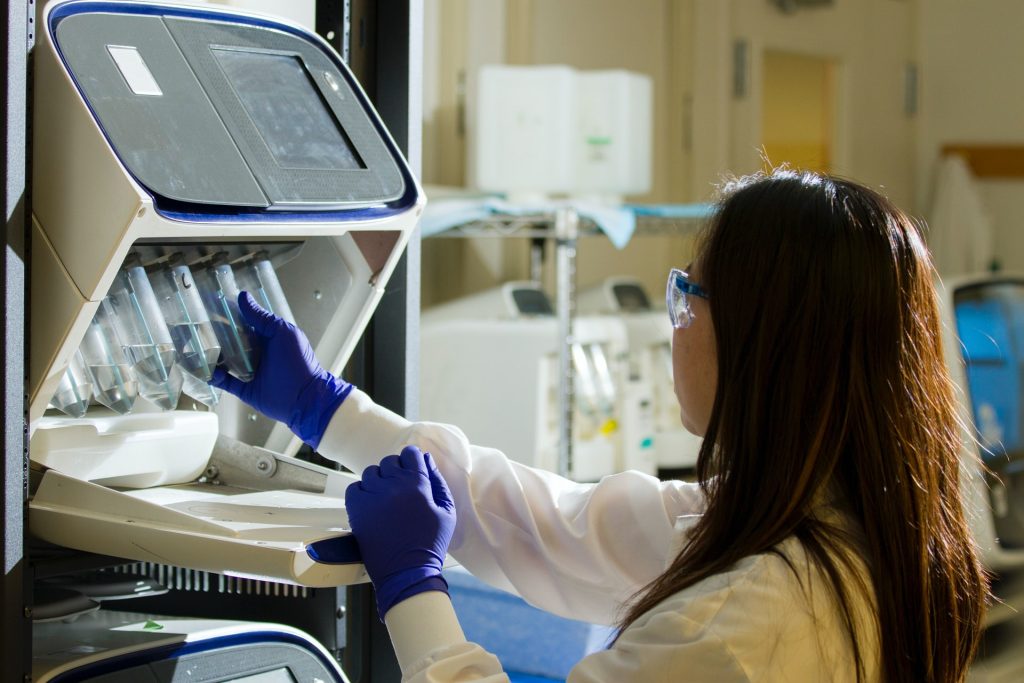
Woman using lab equipment
Source: NCI on Unsplash

In a clinical trial, nearly every one of the 112 patients with mismatch repair-deficient (dMMR) colon cancer achieved a pathologic response with just two cycles of neoadjuvant immunotherapy, prompting a presentation panellist to describe it as “striking data” – though a note of caution was given.

Patients in the NICHE-2 single-arm study received PD-1 plus CTLA-4 blockade – nivolumab plus ipilimumab, and successfully underwent surgical resection, 98% on time, meeting the study’s primary safety endpoint, reported Myriam Chalabi, MD, at the at the European Society for Medical Oncology (ESMO) annual congress.

And with a median follow-up of 13.1 months, the disease-free survival (DFS) rate was 100%, said Dr Chalabi of the Netherlands Cancer Institute in Amsterdam. She pointed out that, by this point, the expected rate for this patient population was about 15%. The primary efficacy endpoint for the trial is DFS at 3 years, with success defined as a rate of 93% (data are expected next year).

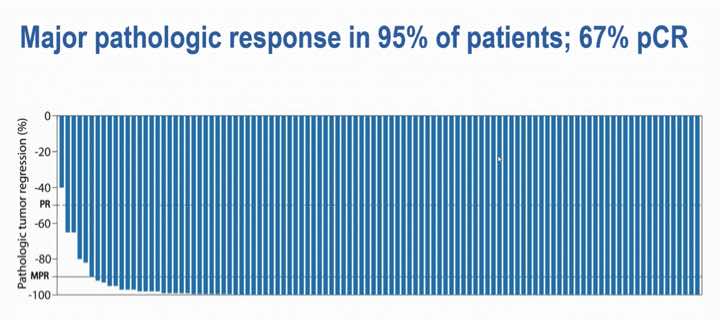
A standing ovation erupted when Dr Chalabi displayed the waterfall plot showing the depth of pathologic response with just four weeks of nivolumab plus ipilimumab.

Credit: NICHE-2 Study

Among the 107 patients evaluable for efficacy, all but one had a pathologic response, 95% had a major pathologic response (MPR), and 67% had a pathologic complete response (pCR), ie no residual viable tumour in both the primary tumour bed and lymph nodes.

“As you can appreciate, the pathologic regression observed was near-complete or complete in almost all patients,” she said.

In contrast, pathologic response rates in the range of 5% to 7% for this population have been shown in prior trials involving neoadjuvant chemotherapy, said Chalabi.

Some 10–15% of colon cancers are classified as dMMR, she explained, which are highly sensitive to immune checkpoint inhibitors, where a number of agents have been approved for the metastatic setting.

The first to comment in Q&A, Alexander Eggermont, MD, PhD, stressed the potential impact of the findings, saying that patients with dMMR tumours scheduled for resection “should be taken off the surgical program.”

“They should be sent to the medical oncologist for the first dose of ipi/nivo,” he said. “We will live the day that they will not undergo surgery anymore after these schedules – that’s the next step.”

A multicentre, single-arm study, NICHE-2 enrolled 112 patients with previously untreated non-metastatic dMMR colon cancer undergoing surgery. The first cycle of neoadjuvant treatment included ipilimumab (1mg/kg) and nivolumab (3mg/kg). The second cycle, given two weeks later, was limited to nivolumab alone. After the first dose, median time to surgery was 5.4 weeks.

The trial defined pathologic response as 50% or less residual viable tumour; MPR was defined as 10% or less residual viable tumour, and included patients with pCRs in the primary tumour but viable tumour in the lymph nodes.

The median age of patients was 60, and 58% were women. About three-fourths had high-risk stage III disease, 13% had low-risk stage III disease, and 13% had stage I/II disease. About half had radiologic high-risk disease (both T4 and N2), said Dr Chalabi, and abdominal wall involvement was common.

When asked whether randomised data would be needed to make this approach standard, Dr Chalabi pointed out the group with T4 tumours.

“I wouldn’t want to randomise those patients,” she said. “Surgeons usually would prefer to have some type of downstaging before continuing on to surgery in order to increase the chances of achieving tumour-free resection margins and also to limit the extent of surgery needed to achieve that.”

The case for randomisation is stronger in earlier disease, she said, but if recurrences can be prevented even in stages where recurrence is more rare, such as stage II tumours (about 10% at 3 years), “we’re curing 10% more patients.”

A little less than a third of patients had Lynch syndrome, and pCRs were more frequent in this subset (78% vs 58% in those with sporadic tumours). Immune-related adverse events (AEs) were reported in 61% of patients, with 4% being grade 3/4.

When the prospect of a NICHE-3 trial came up, Dr Chalabi said that it ideally would have been an international study to validate the approach. However, a subsequent trial is being developed and will likely involve nivolumab plus anti-LAG-3 relatlimab, “which is a shame,” she noted.

“If we do get similar responses with nivolumab and anti-LAG-3, then that may be an avenue to test organ-sparing approaches with that combination in this population,” she added.

Source: MedPage Today

Suffocating Cancer Cells to Quash Metastasis

Lung cancer cells metastasising. Source: National Cancer Institute on Unsplash

Researchers have eliminated cells derived from untreatable metastatic cancer by disrupting the cellular components that are responsible for converting oxygen into chemical energy. The results are published in the Journal of the American Chemical Society.

Treatment of cancer is a a long battle because surviving cancer cells often evolve into aggressive, untreatable forms. Hence, treatment plans often involve multiple drug combinations and/or radiation therapy in order to prevent cancer relapse. To combat the variety of cancer cell types, modern drugs have been developed to target specific biochemical processes that are unique within each cell type.

However, cancer cells are highly adaptive and able to develop mechanisms to avoid the effects of the treatment. “We want to prevent such adaptation by invading the main pillar of cellular life – how cells breathe – that means take up oxygen – and thus produce chemical energy for growth,” explained David Ng, group leader at the Max Planck Institute for Polymer Research (MPI-P).

The research team produced a synthetic drug that travels into cells where it reacts to conditions found inside and triggers a chemical process. This allows the drug’s molecules to bind together and form tiny hairs that are a thousand times thinner than human hair. “These hairs are fluorescent, so you can look at them directly with a microscope as they form,” said first author Zhixuan Zhou, an Alexander von Humboldt fellow.

The scientists monitored the oxygen consumption in different cell types and found that these tiny hairs prevent all of them from converting oxygen into the energy deliver molecule ATP. The process worked even for those cells derived from untreatable metastatic cancer, with the cells dying off within four hours. After some more years of research, the scientists hope that they can develop a new method to treat up-to-now untreatable cancer.

Weil, Ng and colleagues have shown an exciting outcome under controlled laboratory culture and will continue to unravel deeper insights on the basis of how these tiny hairs prevent the conversion of oxygen to chemical energy. With further development, these objects could in the future possibly also be manipulated to control other cellular processes to address other important diseases.

Source: Max Planck Institute for Polymer Research

The ‘Healthy Suntan’ Myth is Alive and Well

Photo by Amy Humphries on Unsplash

A new international study revealed that eight in 10 Europeans believe tans are attractive with almost as many (73%) saying tans are healthy, according to a new study presented at the 31st European Academy of Dermatology and Venereology (EADV) Congress.

This is despite decades of awareness campaigns linking too much sun exposure to skin cancer and ageing in many countries. Latest estimates also presented at EADV 2022 found that about 1.7% of adults in Europe have skin cancer (around 7.3 million people).

Results from a survey, conducted by La Roche-Posay Laboratoires and IPSOS, of 17 000 people from 17 countries, including 6 000 people from the UK, Germany, France, Spain, Italy, and Russia, found the ‘healthy tan’ and other myths about sun safety are still very much alive in Europe and other countries.

Other myths included believing sun protection was not needed in cloudy weather and that you did not need sunscreen if you already had a tan.

People surveyed from non-European countries, including North and South America, Africa, Oceania, and Asia, were slightly less enthusiastic about suntans than Europeans, with 67% saying a tan was attractive and 59% believing a tan was healthy.

Although 92% of Europeans were aware of the skin ageing risks posed by the sun (86% outside of Europe), 84% of them admitted they did not protect themselves all year round (79% outside of Europe).

Lead researcher Prof Thierry Passeron commented on the findings: “This research shows just how entrenched the ‘healthy’ suntan myth is – even in those who have already suffered sun damage or developed skin cancer.”

“We must drive awareness of the damage to skin cells caused by exposure to the sun, which can lead to photoaging and skin cancer. This is particularly important in Europe where sun protection appears most inadequate compared to other countries” added Prof Passeron.

The survey also revealed that only 56% of Europeans know sun protection is useful when the weather is overcast (vs 64% outside of Europe), and 24% thought it was safe to go outside without sun protection when they were already tanned (vs 21% outside of Europe).

Only in 10% of Europeans said they routinely or often used all forms of sun protection, such as applying sunscreen, staying in the shade, wearing a hat and protective clothing all year round, compared to 14% amongst those outside of Europe.

“The public must also understand that they need to protect their skin all year round, even during overcast weather conditions. Once sunscreen has been applied, it must be reapplied every two hours to ensure sufficient protection. Other measures such as wearing sunglasses, a hat, and protective clothing, and seeking shade when it is possible, are also key photoprotection habits”, commented Prof Passeron.

Other study findings include:

  • Just over half of Europeans (51%) said they were likely to wear a hat routinely or often, compared to 57% outside Europe.
  • When it comes to staying in the shade (73%) of Europeans said they did so routinely or often, compared to 80% of those outside Europe.
  • A second analysis by the team found awareness of the dangers of the sun were higher in at-risk* groups of people. But 59% of this group said they could not imagine coming back from a holiday without a tan, compared to 48% of those without a medical history.
  • 62% of Europeans and 52% of non-Europeans applied sunscreen routinely or often, especially on their arms, legs, and chest. But 10% of Europeans said they never used suncream at all, compared to 16% outside Europe. Of those who applied sunscreen in the sun – 34% applied it only once a day, compared to 49% outside Europe.
  • 90% of those in at-risk groups said they were aware of the risks the sun posed to their skin, yet 72% still regarded a tan as healthy, which is higher than those who had no history of skin cancer or other sun-exposure related skin conditions (62%). Additionally, of those who said they applied sunscreen in at-risk groups, only 1 in 4 (26%) applied it every 2 hours or more often than is recommended.

Source: EurekAlert!

Possible Cancer Risk for Children Born from Frozen Embryos

Photo by Pavel Danilyuk

A new study suggests the possibility that children born after use of a fertility procedure known as frozen-thawed embryo transfer may have a slightly higher risk of cancer than children born through other means. The researchers presented their findings in PLOS Medicine.

In assisted reproductive technology (ART) a doctor may immediately transfer a fertilised embryo to the uterus, or, in a practice that is increasing worldwide, the embryo might be frozen and later thawed before implantation. Prior research suggests that children born after frozen-thawed transfer may have higher short-term risk of certain medical issues than children born after fresh embryo transfer. However, potential long-term medical risks have been less clear.

To better understand these risks, Nona Sargisian of the University of Gothenburg, Sweden, and colleagues analysed medical data from nearly 8 million children in Denmark, Finland, Norway, and Sweden. Of these, 171 744 were born after the use of ART, and of these, 22 630 were born after frozen-thawed transfer.

Analysis showed that children born after frozen-thawed embryo transfer were at higher risk of cancer than children born after fresh embryo transfer and those without ART. When analysed as a single group (ie, those born after frozen-thawed transfer and fresh embryo transfer), however, the use of any type of ART did not have an increased risk of cancer. The most common types of cancer seen in this study were leukaemia and tumours of the central nervous system.

The researchers stress caution in interpreting the results due to the low number of cancer cases (48) in children born from frozen-thawed embryo transfer.

Nonetheless, the findings may raise concerns about frozen-thawed embryo transfer. Future research will be needed to confirm a possible link between the procedure and increased risk of cancer, as well as any biological mechanisms that may underlie such risk.

Coauthor Ulla-Britt Wennerholm added, “A higher risk of cancer in children born after frozen-thawed embryo transfer in assisted reproduction, a large study from the Nordic countries found. The individual risk was low, while at a population level it may have an impact due to the huge increase in frozen cycles after assisted reproduction. No increase in cancer was found among children born after assisted reproduction techniques overall.”

Source: EurekAlert!

Neurofeedback Could Help Alleviate ‘Chemo Brain’

Using neurofeedback to restore normal functioning in the brains of cancer patients could potentially alleviate the mental fogginess that many report after treatment, according to a new pilot study published in the Journal of Complementary and Integrative Medicine.

The UCLA study is one of the first to indicate that neurofeedback, or electroencephalogram (EEG) biofeedback, could help address cognitive deficits of cancer patients experiencing ‘chemo brain’, a constellation of symptoms that could include problems with memory, concentration and organisation, as well as other symptoms like trouble sleeping and emotional difficulties. In previous studies, neurofeedback, in which brain waves are trained to operate in optimal frequency patterns, has been shown to help improve cognitive function in patients with cognitive impairments like attention-deficit/hyperactivity disorder, stroke and seizures, as well as helped regulate brain activity in patients with substance use and post-traumatic stress disorders.

“The history of neurofeedback shows that it’s helpful for a whole range of disorders and symptoms. This study was an opportunity for seeing whether neurofeedback is something that could be helpful with chemo brain,” said study leader Stephen Sideroff, a UCLA professor who has used neurofeedback training with patients for over 20 years.

The study by Sideroff and UCLA colleagues David Wellisch and Valerie Yarema included nine female breast cancer patients between the ages of 21 and 65 who had completed chemotherapy at least one year earlier and complained of debilitating symptoms of chemo brain, which brought significant disruptions to their work and personal lives. A clinical nurse practitioner conducted a brief mental status interview with each patient to confirm that they had persistent difficulties with concentration, memory, organization and confusion. The patients selected for the study did not have a current breast cancer diagnosis, a present or recent diagnosis of a major depressive disorder or other mental illness, or used cognitive-altering medications that might confound study results.

Before the neurofeedback training sessions began, the study participants received neurocognitive and psychological tests, as well as a quantitative EEG to measure brain wave frequencies that could be compared to normative data. The pre-training quantitative EEGs shows that each study participant had abnormal brain waive activity compared to healthy adult brains.

The study participants received a series of 18 neurofeedback sessions, scheduled for 30 minutes each over a six-week period. During these sessions, sensors were placed on the scalp and earlobe to monitor brain wave frequencies. Patients were shown a monitor displaying these frequencies in bar graphs, and they were told their goal was to increase or decrease the amplitude of specific frequency ranges to turn each bar green. They received audio and visual feedback when they successfully shifted these amplitudes.

Quantitative EEGs taken after completion of the 18 neurofeedback sessions found that brain wave frequencies had significantly normalised in seven of the nine study participants, and significantly improved in the other two.

Neurocognitive tests also showed substantial improvements in the study participants’ information processing, executive set shifting and sustained visual attention. There was improvement for all in everyday functioning and overall psychological.

Study limitations include a small sample size and lack of a control group, and some were unable to complete the study in the allotted period.

“Our results are more impressive given we were not able to have subjects stick to the schedule,” Prof Sideroff said.

Prof Sideroff said the study results were strong enough to support further research into whether neurofeedback is an effective approach for addressing chemo brain and determining the ideal protocols for conducting neurofeedback training sessions.

Source: University of California – Los Angeles

Living Near Fracking Sites Increases Childhood Leukaemia Risk

Photo by Worksite Ltd on Unsplash

Children living near unconventional oil and gas (UOG) or ‘fracking’ developments at birth had a 2–3 times greater risk of leukaemia diagnoses between 2 and 7 years old, researchers have found.

Their study, published in the journal Environmental Health Perspectives, included nearly 2500 Pennsylvania children, 405 of whom were diagnosed with acute lymphoblastic leukaemia (ALL).

ALL arises from mutations to lymphoid immune cells. Although long-term survival rates are high, survivors may have long-term health risks and psychological issues. Unconventional oil and gas development, more commonly referred to as fracking (short for hydraulic fracturing), is a method for extracting gas and oil from shale rock. The process involves high-pressure injection of water, sand, and chemicals into bedrock to release oil or gas for extraction.

For communities living nearby, UOG development can pose a number of potential threats. As well as air pollution from vehicles and construction, there is also water pollution from hydraulic fracturing or spills of wastewater. Hundreds of chemicals have been reportedly used in UOG injection water or detected in wastewater, some of which are known or suspected carcinogens. The lack of data about this has given rise to concerns over the proximity of UOG to residential areas.

“Unconventional oil and gas development can both use and release chemicals that have been linked to cancer, so the potential for children living near UOG to be exposed to these chemical carcinogens is a major public health concern,” said the study’s senior author, Nicole Deziel, associate professor of epidemiology at the Yale School of Public Health.

“Studies of UOG exposure and cancer are extremely few in number. We set out to conduct a high-quality study to further investigate this potential relationship,” added Cassandra Clark, the study’s first author and a postdoctoral associate at the Yale Cancer Center. “Our results indicate that exposure to UOG may be an important risk factor for ALL, particularly for children exposed in utero.”

Oil and gas-related chemicals exposure could be through drinking water, the researchers found. The watershed, the zone from which a drinking water well serving their home would likely draw water, were compared with the distance from the home to the nearest of those UOG wells. UOG wells falling within the watershed area are expected to be more likely to impact the home’s drinking water supply, they said.

This work adds to a growing body of literature on UOG exposure and children’s health used to inform policy, such as setback distances (the required minimum distance between a private residence or other sensitive location and a UOG well). Current setback distances are the subject of much debate in the United States, with some calling for setback distances to be lengthened to more than 305m and as far as 1000m. The allowable setback in Pennsylvania, where the study was conducted, is 152m.

“Our findings of increased risk of ALL at distances of two kilometres or more from UOG operations, in conjunction with evidence from numerous other studies, suggest that existing setback distances, which may be as little as 150 feet (50m), are insufficiently protective of children’s health,” Clark said. “We hope that studies like ours are taken into account in the ongoing policy discussion around UOG setback distances.”

Source: Yale University

Cancer-associated Fibroblasts Sometimes Aid Certain Drugs

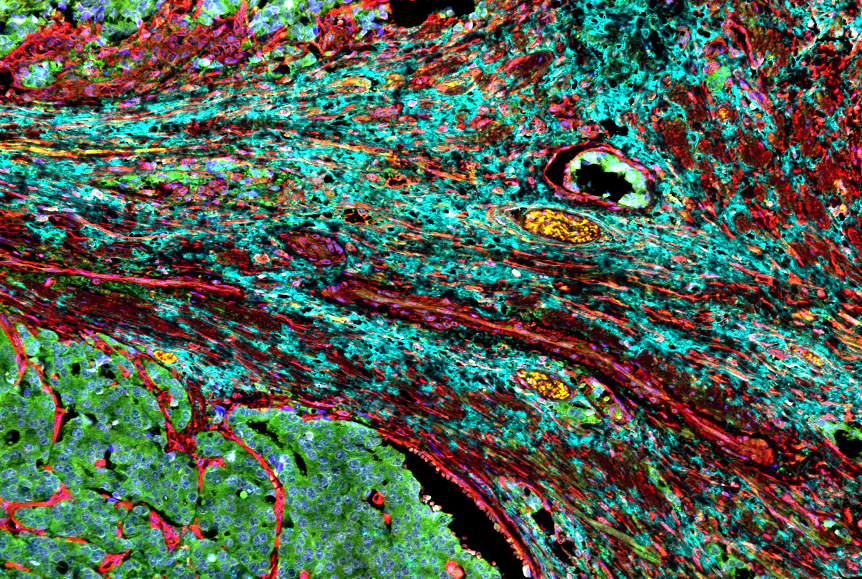
Cancer-associated fibroblasts surrounding a prostate tumour. Credit: Moscat and Diaz Meco labs

Cancer-associated fibroblasts in the tumour environment have typically been linked to tumour progression and therapy resistance, but some studies suggest that these fibroblasts may also sensitise cancer cells to therapy. In a new article published in Science Signaling, researchers shed light on these conflicting studies and demonstrate that cancer associated fibroblasts can promote or inhibit drug sensitivity based on the type of tumour cell and the drug used for treatment.

Through a series of laboratory experiments, the research team from Moffitt Cancer Center determined the impact of cancer associated fibroblasts on drug responses among different non-small cell lung cancer (NSCLC) cell lines. They discovered that the presence of cancer-associated fibroblasts had varying effects on tumour cells based on both the type of NSCLC and the drug used for treatment. For example, the presence of cancer associated fibroblasts induced resistance to two different MEK inhibitors in non-small cell lung cancer cell lines with a mutant KRAS protein. However, cancer associated fibroblasts sensitised NSCLC cell lines with a mutant EGFR protein to EGFR inhibitors. Interestingly, normal lung associated fibroblasts never sensitised cells to drug treatment, suggesting that cancer associated fibroblasts secrete a factor that causes differential responses to drug treatment in a cell-context manner.

The researchers compared cancer associated fibroblasts to normal fibroblasts to identify factors that would produce these disparate effects. They found that cancer associated fibroblasts had alterations in the levels of secreted proteins that are part of the insulin-like growth factor (IGF) signalling pathway, which is involved in cell growth, death and migration. Specifically, cancer-associated fibroblasts secreted higher levels of proteins called IGF binding proteins (IGFBPs), which inhibit IGF signalling, and lower levels of IGFs, which activate IGF signalling. In combination, these alterations result in inhibitory effects on the IGF signalling pathway.

In further analyses, the researchers found that IGFBPs sensitised lung cancer cell lines to EGFR inhibitor treatment, while IGF proteins induced resistance to EGFR inhibitor treatment. They identified that survival signalling in response to EGFR inhibitor treatment was dependent on the proteins IGF1R and FAK, which are both part of the IGFBP signalling pathway. Importantly, they discovered that drugs that blocked the activity of IGF1R and FAK sensitised mutant EGFR lung cancer cells to EGFR inhibitors, suggesting that this combination approach may be effective in the clinic.

“These results highlight tumour suppressive effects competing with otherwise tumour promoting effects of cancer associated fibroblasts and add to the growing evidence that eliminating cancer associated fibroblasts in an undifferentiated way may be detrimental to cancer therapy,” said lead study author Lily Remsing Rix, PhD

“We show that mechanistic understanding not just of cancer associated fibroblast-mediated resistance, but also of their tumour suppressive pathways, can lead to rational design of improved therapeutic approaches that mimic these effects and may delay the onset of drug resistance,” added Uwe Rix, PhD, principal investigator of the study.

Source: H. Lee Moffitt Cancer Center & Research Institute

Durvalumab Plus Radiotherapy Boosts NSCLC Survival Rate

Shown here is a pseudo-colored scanning electron micrograph of an oral squamous cancer cell (white) being attacked by two cytotoxic T cells (red), part of a natural immune response. Photo by National Cancer Institute on Unsplash

Durvalumab with radiotherapy for unresectable locally advanced non-small cell lung cancer (NSCLC) without chemotherapy achieve had a much greater 12-month progression-free survival rate than expected, with tolerable adverse reactions.  This phase II clinical trial was reported at the IASLC 2022 World Conference on Lung Cancer in Vienna.

Immunotherapy plays an important role in NSCLC and combination of radiotherapy and immunotherapy have been reported to have a synergistic effect. Durvalumab after concurrent chemoradiotherapy has been standard of care with unresectable locally advanced NSCLC (stage III/postoperative recurrent NSCLC). But some patients are unable to complete concurrent curative radiation therapy and cannot receive durvalumab.

Dr M. Tachihara of Kobe University Graduate School of Medicine and colleagues developed the DOLPHIN study – the first Phase II study of immunotherapy combined with curative radiotherapy for unresectable locally advanced non-small cell lung cancer. 

The team enrolled 35 adult patients with unresectable locally advanced non-small cell lung cancer with an ECOG performance status (PS) 0-1, PD-L1≥1% (SP263 clone). Of the 35 patients (median age, 72 years), 88.6% were male, 54.3% had ECOG PS 0, 96.1% had a history of smoking, 57.1% had non-squamous histology, and 25.7% were postoperative recurrence.  

Patients received curative radiation therapy (60Gy) plus durvalumab 10 mg/kg every two weeks simultaneously, followed by maintenance with durvalumab for up to 12 months until disease progression (PD) or unacceptable toxicity.

Thirty-four patients were evaluated for safety, and 33 patients for efficacy. The 12-month progression-free survival rate by ICR was 72.1% (90% CI, 59.1-85.1) after a median follow-up of 18.7 months. Confirmed overall response rate was 90.9% (95% CI, 75.7-98.1, ICR-assessed) with complete and partial response rates of 36.4% and 54.5%, respectively. Median progression-free survival was not reached by ICR-assessed, and 24.1 months (95% CI, 16.0-NR) by investigator-assessed. Thirteen patients (39.4%) discontinued durvalumab; six patients due to progression disease and seven due to adverse events (AE). Grade 3/4 adverse events occurred in 47.1%; the most common adverse event of grade 3/4 was lung infection (11.8%) and pneumonitis (11.8%). Grade 5 adverse events of any cause occurred in 2 patients (5.9%), one with lung infection and one with broncho-oesophageal fistula because of tumour progression during follow-up.

“This DOLPHIN study is the first report of immunotherapy combined with curative radiotherapy for unresectable LA-NSCLC. The primary endpoint of 12-months PFS rate was met and much higher than expected value. It suggests that this treatment strategy is promising with tolerable adverse effects and appropriate as a study treatment for phase III trials,” said Dr. Tachihara.

Source: IASLC

Collagen’s Role in Breast Cancer Includes Triggering Metastasis

Breast cancer cells
Breast cancer cells. Image source: National Cancer Institute on Unsplash

Type XII collagen plays a key role in regulating the organisation of the tumour matrix, according to research published in the journal Nature Communications. The study investigators also discovered that high levels of collagen XII can trigger metastasis.

Cancer cells continually interact with the tumour microenvironment one component of which is the extracellular matrix. Collagen is an important part of this tumour microenvironment, but just how it influences tumours has not been understood.

“There’s still a lot we don’t know about the role of the extracellular matrix in cancer metastasis. Our study shows that collagen XII plays an important role in breast cancer progression and metastasis,” said Associate Professor Thomas Cox, senior author of the study.

“Imagine cancer cells as seeds, and the tumour microenvironment as the soil. By studying the soil – the extracellular matrix – we can begin to understand what makes some tumours more aggressive than others, and by extension, begin to develop new ways to treat cancer,” he explained.

The research also suggests that measuring the level of collagen XII in a patient’s tumour biopsy could potentially be used as an additional screening tool to identify aggressive breast cancers with higher rates of metastasis, such as in the triple-negative type of breast cancer. Furthermore, collagen XII might be a possible target for future treatments.

The extracellular matrix is a 3D meshwork of around 300–400 core molecules, including several collagen proteins. This matrix provides structural and functional support to cells and tissues in all parts of the body.

In this study, the researchers catalogued how the tumour matrix changes over time and have generated a comprehensive database of these changes, which has been made freely available to researchers.

The team focused on collagen XII, one of 28 types of collagen in the body. Collagen XII plays an important role in organising other collagens and can have profound effects on the 3D structure of the extracellular matrix.

The researchers studied tumours in mouse models from the earliest pre-clinical stages of cancer, right through to late-stage tumours. They found that as the tumours developed, many matrix molecules changed, and importantly the level of collagen XII was also increased.

“Collagen XII seems to be altering the properties of the tumour and makes it more aggressive,” said first author Michael Papanicolaou. “It changes how collagens are organised to support cancer cells escaping from the tumour and moving to other sites like the lungs.”

The team then genetically manipulated collagen XII production, looking at the effects of metastasis to other organs. They found that as levels of collagen XII increased, so did metastasis. These findings were then confirmed in human tumour biopsies, which showed that high levels of collagen XII are associated with higher metastasis and poorer overall survival rates.

Further research will focus on studying more human samples, and investigating possible therapeutic pathways.

Source: Garvan Institute of Medical Research