Category: Cancer

Towards Larger, More Representative Lung Cancer Clinical Trials

Source: NCI

Filling clinical trials and enrolling sufficiently diverse, representative groups of patients, has long been a challenge, partly due to stringent participation guidelines. In an effort to attain larger and more diverse trial groups, an international team of researchers and policymakers has written new recommendations on how to determine eligibility criteria for lung cancer clinical trials.

The group was led in part by David Gerber, MD, along with representatives from the Food and Drug Administration (FDA), National Cancer Institute, European Medicines Agency, pharmaceutical companies, and the LUNGevity Foundation.

The recommendations, published today in JAMA Oncology, offer the first publicly available outline of upcoming FDA draft guidance on lung cancer clinical trials that are expected to make it easier to include more patients.

“This paper is the public’s first look at the FDA’s proposed changes to how we determine who can participate in a lung cancer clinical trial,” said Professor Gerber in the Hematology/Oncology Division at UTSW. “If these changes are successful, they could make clinical trials for lung cancer as well as other cancers more powerful and more representative.”

Ensuring that people from diverse backgrounds join clinical trials is key to properly evaluating how a new treatment will work among patients of all races and ethnicities. But today, only about 5% of all cancer patients enrol in a clinical trial, and only 11% of cancer clinical trial participants identify as a racial or ethnic minority.

For patients with cancer, participation in clinical trials requires not just a decision to try an experimental treatment, but time and energy spent understanding the trial, enrolling in it, and often attending extra testing or clinic appointments. Many researchers agree that complicated, inconsistent, poorly explained, and overly strict eligibility requirements to join a cancer clinical trial exacerbate this problem and are a key reason for the low number of underrepresented minorities in clinical trials.

“So many clinical trials never finish enrollment, close prematurely, or don’t recruit a population that lets researchers generalise the results,” Dr. Gerber said. “I think there’s widespread recognition that eligibility criteria have become too stringent.”

Addressing this for one cancer subtype, advanced non-small cell lung cancer (NSCLC), – the LUNGevity Foundation convened a roundtable discussion with experts from academia, industry, and regulatory bodies. The team assembled a prioritised list of eligibility categories that should be included in the descriptions of all NSCLC clinical trials and recommended criteria for each category. Some suggestions were more lenient than what has typically been included in previous NSCLC trial eligibility criteria; for instance, the team recommended that most patients with prior or concurrent cancers, most patients with brain metastases, and most patients with mild liver impairment – all of whom would likely have been excluded in the past – still be included in trials.

The team also suggested that these categories be clearly laid out on public websites advertising clinical trials in an easily searchable format.

The FDA will be releasing draft guidance on NSCLC clinical trials in the near future and hold a public comment period before finalising them. Other interdisciplinary teams have already convened to standardise eligibility requirements for clinical trials of other cancer types.

If the new guidelines prove effective, Prof Gerber said that clinical trials will likely be easier to fill and provide more complete and timely data on new cancer interventions.

“If you can involve more patients in clinical trials, you’re more likely to complete those trials quickly. That’s going to lead to new treatments faster,” he said.

Source: UT Southwestern Medical Center

Focus on Urinary Problems Clouds Early Prostate Cancer Detection

Credit: Darryl Leja / National-Human-Genome Research Institute / National Institutes of Health

Diagnoses of early, curable stages of prostate cancer are being missed because national guidelines and media health campaigns in the UK focus on urinary symptoms despite a lack of scientific evidence, according to University of Cambridge researchers.

Prostate cancer is the most common type of cancer in men. And while 78% of men diagnosed with this cancer survive for over ten years, this proportion has barely changed over the past decade in the UK, largely because the disease is detected at a relatively late stage. In England, for example, nearly half of all prostate cancers are picked up at stage three of four (stage four being the latest stage).

Despite no evidence of a link between urinary symptoms and prostate cancer, national guidelines, health advice and public health campaigns continue to promote this link. In a review published in BMC Medicine, Cambridge researchers argue that not only is this unhelpful, but it may even deter men from coming forward for early testing and detection of a potentially treatable cancer.

“When most people think of the symptoms of prostate cancer, they think of problems with peeing or needing to pee more frequently, particularly during the night,” said Vincent Gnanapragasam, Professor of Urology at the University of Cambridge. “This misperception has lasted for decades, despite very little evidence, and it’s potentially preventing us picking up cases at an early stage.”

Prostate enlargement can cause the urinary problems often included in public health messaging, but evidence suggests that this is rarely due to malignant prostate tumours. Rather, research suggests that the prostate is smaller in cases of prostate cancer.  A recent study – the UK PROTECT trial – even went as far as to say that a lack of urinary symptoms may in fact be an indicator of a higher likelihood of cancer.

Screening programmes are one way that cancers are often detected at an early stage, but in the case of prostate cancer, some argue that such programmes risk overwhelming health services and leading to men being treated for relatively benign disease.

Testing for prostate cancer involves a blood test that looks for a protein known as a prostate-specific antigen (PSA) that is made only by the prostate gland; however, it is not always accurate. PSA density is significantly more accurate than PSA alone in predicting a positive biopsy and is used in everyday clinical practice.

The researchers point to evidence that there is a misconception that prostate cancer is always symptomatic: a previous study found that 86% of the public associated prostate cancer with symptoms, but only 1% were aware that it could be asymptomatic.

“We urgently need to recognise that the information currently given to the public risks giving men a false sense of security if they don’t have any urinary symptoms,” said Prof Gnanapragasam.

“We need to emphasise that prostate cancer can be a silent or asymptomatic disease, particularly in its curable stages. Waiting out for urinary symptoms may mean missing opportunities to catch the disease when it’s treatable.

“Men shouldn’t be afraid to speak to their GP about getting tested, and about the value of a PSA test, especially if they have a history of prostate cancer in their family or have other risk factors such as being of Black or mixed Black ethnicity.”

The researchers say they are not advocating for an immediate screening programme, and acknowledge that changes in messaging could mean more men approaching their GPs for a PSA test, potentially resulting in unnecessary investigations and treatment. However, they argue that there are ways to reduce the risk of this happening. These include the use of algorithms to assess an individual’s risk and whether they need to be referred to a specialist, and for those who are referred, MRI scans could help rule out ‘indolent’ (mild) disease or negative findings, reducing the risks of an unnecessary biopsy.

“We’re calling on organisations such as the NHS, as well as patient charities and the media, to review the current public messaging,” said Prof Gnanapragasam.

“If men were aware that just because they have no symptoms doesn’t necessarily mean they are cancer free, then more might take up offers for tests. This could mean more tumours identified at an earlier stage and reduce the numbers of men experiencing late presentation with incurable disease.”

Source: University of Cambridge

CRISPR Editing can Destabilise the Genome, Study Finds

DNA repair
Source: Pixabay/CC0

A new study published in Nature Biotechnology identifies risks in the use of CRISPR gene editing, which is employed in a number of therapies. Looking at its use in T cells, the researchers detected a loss of genetic material in a significant percentage – up to 10% of the treated cells. They explain that such loss can lead to destabilisation of the genome, which might cause cancer.

The study was led by Drs Adi Barzel, Dr Asaf Madi and Dr Uri Ben-David at Tel Aviv University.

Developed about a decade ago, CRISPR cleaves DNA sequences at certain locations in order to delete unwanted segments, or alternately repair or insert beneficial segments. It has already proved impressively effective in treating a range of diseases – cancer, liver diseases, genetic syndromes, and more. In 2020 at the University of Pennsylvania, the first approved clinical trial ever to use CRISPR took T cells from a donor, and expressed an engineered receptor targeting cancer cells, while using CRISPR to destroy genes coding for the original receptor – which otherwise might have caused the T cells to attack cells in the recipient’s body. 

In the present study, the researchers sought to examine whether the potential benefits of CRISPR therapeutics might be offset by risks resulting from the cleavage itself, assuming that broken DNA is not always able to recover.

Dr Ben-David and his research associate Eli Reuveni explained: “The genome in our cells often breaks due to natural causes, but usually it is able to repair itself, with no harm done. Still, sometimes a certain chromosome is unable to bounce back, and large sections, or even the entire chromosome, are lost. Such chromosomal disruptions can destabilise the genome, and we often see this in cancer cells. Thus, CRISPR therapeutics, in which DNA is cleaved intentionally as a means for treating cancer, might, in extreme scenarios, actually promote malignancies.”

To examine the extent of potential damage, the researchers repeated the 2020 Pennsylvania experiment, cleaving the T cells’ genome in exactly the same locations – chromosomes 2, 7, and 14. Using single-cell RNA sequencing, they analysed each cell separately and measured the expression levels of each chromosome in every cell.

They detected a significant loss of genetic material in some of the cells. For example, when chromosome 14 had been cleaved, about 5% of the cells showed little or no expression of this chromosome. When all chromosomes were cleaved simultaneously, the damage increased, with 9%, 10%, and 3% of the cells unable to repair the break in chromosomes 14, 7, and 2 respectively. The three chromosomes did differ, however, in the extent of the damage they sustained. 

Dr Madi and his student Ella Goldschmidt explained: “Single-cell RNA sequencing and computational analyses enabled us to obtain very precise results. We found that the cause for the difference in damage was the exact place of the cleaving on each of the three chromosomes. Altogether, our findings indicate that over 9% of the T-cells genetically edited with the CRISPR technique had lost a significant amount of genetic material. Such loss can lead to destabilisation of the genome, which might promote cancer.”

Based on their findings, the researchers caution that extra care should be taken when using CRISPR therapeutics. They also propose alternative, less risky, methods, for specific medical procedures, and recommend further research into two kinds of potential solutions: reducing the production of damaged cells or identifying damaged cells and removing them before the material is administered to the patient.

Dr Barzel and his PhD student Alessio Nahmad conclude: “Our intention in this study was to shed light on potential risks in the use of CRISPR therapeutics,” adding that as scientists, they “examine all aspects of an issue, both positive and negative, and look for answers.”

Source: EurekAlert!

Cancer Incidence Driven by Insulin Dosage

Image depicting diabetes
Image by Nataliya Vaitkevich on Pexels

A study published in the JAMA Oncology looking at the correlation between daily insulin dose and cancer incidence among patients with type 1 diabetes has found that higher insulin dose is positively associated with cancer incidence and that the association is stronger among those with insulin resistance.

“In patients with type 1 diabetes, our results show that traditional metabolic factors such as obesity (represented by body mass index), sugar control (by Haemoglobin A1c), and blood pressure control do not associate with cancer incidence,” study leader Dr Yuanjie Mao Mao said. “However, cancer incidence was higher for those who took larger dose of insulin. Our results implied that clinicians might need to balance the potential cancer risk when treating patients with type 1 diabetes on a high daily insulin dose or that improving insulin sensitivity may be preferred than simply increasing the insulin dose.”

To conduct the study, Dr Mao collaborated with Wenjun Zhong, PhD, an epidemiologist of Merck Research Labs, to analyse the associations of more than 50 common risk factors in 1303 patients with type 1 diabetes whose data were collected over 28 years. A variety of databases were drawn upon and analysed, including he Diabetes Control and Complications Trial (DCCT.) which was was a controlled clinical trial originating with 1441 patients with type 1 diabetes who were randomised into conventional diabetes therapy or intensive therapy to assess whether reducing hyperglycaemia would decrease the risk of complications of type 1 diabetes.

Mao also found that age and sex are associated with cancer incidence when evaluated separately and that a daily insulin dose posed a higher risk of cancer than age, especially a higher insulin dose. According to the paper, when the daily insulin dose is classified into three groups, low: less than 0.5; medium: greater than or equal to 0.5 or lower than 0.8; and high: greater than or equal to 0.8 units/kg per day, the hazard ratios were significantly higher in the high dose versus the low dose group. Cancer incidence was 2.11, 2.87, and 2.91 per 1000 persons in the low, medium, and high insulin dose groups, respectively.

He went on to explain that specifically, women carry a higher risk than men; however, it was unclear what risk factors may contribute to the higher cancer incidence in type 1 diabetes.

“We know that people with type 1 diabetes have a higher incidence of cancer compared to people without diabetes,” Liz Beverly, Ph.D. co-director of the diabetes institute and professor in the Heritage College, said. “Dr. Mao’s research identifies a potential mechanism to explain this association. His findings will lead to continued research in this area and potential policy changes in cancer screening and insulin dosing recommendations.”

Although previous studies have concluded that patients with diabetes have a higher risk of cancer in general, this is the first study to explore the associated cancer incidence factors in type 1 diabetes. 

“Type 1 diabetes accounts for an estimated five to 10 percent of all diabetes cases, and recent studies in type 1 diabetes also found a higher incidence of certain cancers such as stomach, liver, pancreas, endometrium and kidney cancers in the population compared with the general population,” Mao explained. “Whereas, in type 2 diabetes, increased risk is attributed to metabolic factors such as obesity, chronic inflammation status, and insulin resistance.”

Although the results of the study suggest that the higher the dose of insulin, the higher the cancer incidence, Dr Mao says further investigation is still necessary.

Source: Ohio State University

Changing Order of Breast Cancer Treatments Could Improve Outcomes

Photo by Michelle Leman on Pexels

Changing the order of treatments given to breast cancer patients could reduce side effects resulting from mastectomy and improve outcomes, according to a clinical feasibility trial, published in The Lancet Oncology.

In the study, researchers found that switching the sequence of treatments given to breast cancer patients was safe, without any increase in complications and could lead to patients receiving faster and more effective care compared to current methods.

Thirty-three women with breast cancer requiring a mastectomy and post-mastectomy radiotherapy, were recruited to the primary radiotherapy and deep inferior epigastric perforator flap reconstruction for patients with breast cancer (PRADA) trial between January 2016 and December 2017.  They were also eligible for a breast reconstruction using tissue from another part of their body.

They were given chemotherapy followed by radiotherapy before having a mastectomy and a breast reconstruction. The team found that this approach was feasible and safe.  They also found that side effects were low and that 12 months after surgery patients reported high levels of satisfaction with their breast reconstruction.

Lead author Daniel Leff said: “We believe that, in the long term, this approach will improve patients’ mental and physical wellbeing with higher quality of life scores and satisfaction with their reconstructed breasts compared to current care. It also means that many patients who are currently denied reconstruction due to concerns of further complications due to radiotherapy may be able to get access to this treatment in future.”

Source: Imperial College London

COVID Vaccine Response in Blood Cancer Patients Only after Booster

Patients with blood cancers have an impaired immune system due to their disease and its treatment, putting them at risk of severe COVID infection and a reduced COVID vaccination response. In a recent study published in CANCER, less than half of patients with haematologic malignancies including leukaemia, lymphoma, and multiple myeloma mounted detectable antibodies after initial COVID vaccination, but 56% of ‘nonresponders’ produced antibodies after receiving a booster dose.

For the study, Thomas Ollila, MD, and colleagues retrospectively analysed antibody responses to initial and booster COVID vaccination in 378 patients with hematologic malignancies.

Anti-SARS-CoV-2 antibodies were detected in the blood of 181 patients (48%) after initial vaccination with one of three FDA-authorised or approved COVID vaccines, and patients with active cancer or those recently treated with an immune cell–depleting therapy were least likely to produce these antibodies. Among patients who did not mount an antibody response following initial vaccination, responses were observed after a booster dose in 48 of 85 (56%) patients who were assessed.

By the end of February 2022, 33 patients (8.8%) developed a COVID infection, with three COVID-related deaths (0.8%). Although there was no significant link between post-vaccination antibody response and incidence of COVID infection, no patient with antibody responses died from COVID

Also, no patient who received tixagevimab plus cilgavimab was diagnosed with a COVID infection. Tixagevimab and cilgavimab are antibody therapies that bind to non-overlapping portions of the SARS-CoV-2 spike protein, preventing the virus from binding to and infecting cells. The FDA authorised the combination therapy for emergency use during the COVID pandemic as a way to help prevent COVID infection in certain individuals.

“Our findings build on the wealth of literature showing that patients with hematologic malignancies have an impaired response to COVID vaccination. Importantly, we show that many of these patients who did not respond initially will in fact have a response to booster vaccination,” said Dr Ollila. “Moreover, when we looked at outcomes, we found that deaths from COVID in the patient population we reviewed only occurred in those with undetectable antibodies, and nobody who received prophylactic antibody therapy was diagnosed with COVID. This suggests to us the importance of checking antibody levels in these patients and arranging prophylactic antibody therapy.”

Dr. Ollila encourages providing booster vaccines for patients and prioritising prophylactic antibody therapy when indicated. “This is real world evidence that these actions can save lives,” he said.

Source: Wiley

‘Red Flags’ Uncovered in Alzheimer’s and Cancer Research

Image source: National Cancer Institute

The fields of Alzheimer’s disease and cancer research have both been shaken by recent investigations which have revealed image falsification and plagiarism. These findings call into question specific avenues of research which have received considerable funding.

Neuroscientist Matthew Schrag, a junior professor studying Alzheimer’s, had already ruffled some feathers criticising the FDA approval of the Alzheimer’s drug Aduhelm when he was approached by an attorney to investigate Simufilam, another Alzheimer’s drug under development.

According to Science, he used funding given to him by the attorney to investigate the data behind the drug’s development. The research focuses on amyloid beta (Aβ) plaques, long thought to be the culprit behind Alzheimer’s.

Schrag identified apparently altered or duplicated images in dozens of journal articles, and sent them to the National Institutes of Health (NIH), which had funded tens of millions of dollars. 

The investigation drew him towards a bedrock of modern Alzheimer’s research, a 2006 Nature study by Sylvain Lesné of the University of Minnesota in the laboratory of Karen Ashe, which identified an amyloid beta protein.

Schrag avoids describing the suspicious data as fraud, since that would require unfettered access to the original material. “I focus on what we can see in the published images, and describe them as red flags, not final conclusions,” he said. “The data should speak for itself.”

The work focused on ‘toxic oligomers’, subtypes of Aβ that dissolve in some bodily fluids, a potential Alzheimer’s cause that had gained traction in the early 2000s partly due to their discovery in autopsied Alzheimer’s patients.

Using transgenic mice, the UMN team discovered a previously unknown oligomer species, Aβ*56. They isolated Aβ*56 and injected it into young rats, causing a reduction in cognitive ability.

This discovery, the first to show a direct cause, resulted in an explosion in related research, with related studies receiving $287 million in National Institutes of Health funding in 2021, compared to no funding in 2006.

In concert with molecular biologist Elisabeth Bik, no less than 20 of Lesné’s papers were flagged, 10 of which related to Aβ*56. A finding which some Alzheimer’s experts say calls into question 16 years of amyloid beta research. Some had been suspicious and had failed to replicate the findings, but journals are reluctant to publish research which proves a negative or which contradicts a prominent researcher’s findings.

Cancer research has been dogged by its own crisis with fabricated data, according to an investigative report by Nature. For years, a prominent US cancer-research laboratory run by leading cancer geneticist Carlo Croce at the Ohio State University (OSU) had been dogged by allegations of plagiarism and falsified images. To date 11 papers he has co-authored have been retracted, and 21 have needed corrections.

In 2017, The New York Times first reported on allegations of research misconduct against Croce, when OSU opened inquiries into papers from Croce’s lab. These proceeded to formal investigations, Nature learnt, two of which found multiple instances of research misconduct, including data falsification and plagiarism, by scientists Michela Garofalo and Flavia Pichiorri, in papers they’d authored while in Croce’s laboratory.

Garofalo claimed she did not received proper image manipulation training and Pichiorri said she did not understand plagiarism at the time. They have since moved on from OSU.

OSU declined to charge Croce with misconduct as his involvement did not relate to direct plagiarism or image fabrication, but did note that these cases resulted out of his “poor mentorship and lack of oversight.”

Croce was removed from a number of his positions – for which he attempted to sue – but is still employed by OSU, and many of the papers identified by OSU have not been retracted by their journals.

Can a Banana per Day Keep the Oncologist Away?

Banana
Photo by Mike Dorner on Unsplash

A trial in people with hereditary colon cancer has shown that daily supplements of resistant starch, equivalent to a slightly green banana per day, had a major preventative effect against many cancers. Published in Cancer Prevention Research, the findings showed that, while bowel cancers were unaffected, the supplement reduced cancers in other parts of the body by more than half.

This effect was particularly pronounced for upper gastrointestinal cancers including oesophageal, gastric, biliary tract, pancreatic and duodenum cancers. What is even more remarkable is that the effects lasted for 10 years after the participants stopped taking the supplements.

The CAPP2 trial involved almost 1000 patients with Lynch syndrome from around the world and revealed that a regular dose of resistant starch, also known as fermentable fibre, taken for an average of two years, cut their risk for many cancers.

The present study is a planned double blind 10 year follow-up, supplemented with comprehensive national cancer registry data for up to 20 years in 369 of the participants.

A previous study as part of the same trial and published in The Lancet revealed that aspirin reduced cancer of the large bowel by 50%.

“We found that resistant starch reduces a range of cancers by over 60%. The effect was most obvious in the upper part of the gut,” explained Professor John Mathers at Newcastle University. “This is important as cancers of the upper GI tract are difficult to diagnose and often are not caught early on.

“Resistant starch can be taken as a powder supplement and is found naturally in peas, beans, oats and other starchy foods. The dose used in the trial is equivalent to eating a daily banana; before they become too ripe and soft, the starch in bananas resists breakdown and reaches the bowel where it can change the type of bacteria that live there.

“Resistant starch is a type of carbohydrate that isn’t digested in your small intestine, instead it ferments in your large intestine, feeding beneficial gut bacteria – it acts in effect, like dietary fibre in your digestive system. This type of starch has several health benefits and fewer calories than regular starch. We think that resistant starch may reduce cancer development by changing the bacterial metabolism of bile acids and to reduce those types of bile acids that can damage our DNA and eventually cause cancer. However, this needs further research.”

Professor Sir John Burn, from Newcastle University and Newcastle Hospitals NHS Foundation Trust who ran the trial with Prof Mathers, said: “When we started the studies over 20 years ago, we thought that people with a genetic predisposition to colon cancer could help us to test whether we could reduce the risk of cancer with either aspirin or resistant starch.

“Patients with Lynch syndrome are high risk as they are more likely to develop cancers so finding that aspirin can reduce the risk of large bowel cancers and resistant starch other cancers by half is vitally important.

“Based on our trial, NICE now recommend Aspirin for people at high genetic risk of cancer, the benefits are clear – aspirin and resistant starch work.”

Between 1999 and 2005, nearly 1000 participants began either taking resistant starch in a powder form every day for two years or aspirin or a placebo.

At the end of the treatment stage, there was no overall difference between those who had taken resistant starch or aspirin and those who had not. However, the research team anticipated a longer-term effect and designed the study for further follow-up.

During follow-up, only five new cases of upper GI cancers were diagnosed among the 463 participants who had taken the resistant starch compared with 21 among the 455 who were on the placebo.

The team are now leading the international trial, CaPP3, involving more than 1800 participants with Lynch syndrome to look at whether smaller, safer doses of aspirin can be used to help reduce the cancer risk.

Source: Newcastle University

Metastasis and Atherosclerosis Share an Underlying Mechanism

Source: Wikimedia CC0

Researchers have identified a key signalling molecule for cancer metastasis. one which is already known for its involvement in atherosclerosis, suggesting a possible treatment approach for both diseases simultaneously. The discovery was published in the International Journal of Cancer.

In order to become malignant, metastasising cancer, tumour cells undergo a series of transformations involving interactions with the immune system. Growing evidence exists that in tumour progression to metastasis, inflammation of blood vessel-lining endothelial cells is a key process.

A team of researchers led by Professor Kyoko Hida at Hokkaido University have discovered that, in malignant tumours, endothelial cells accumulate low-density lipoprotein (LDL) and neutrophils. Neutrophils are immune suppressor cells which are known to contribute to tumour progression.

Previous work by the team had revealed that blood vessels in malignant tumorus expressed a high level of proteoglycans, and it is known that cancerous tissue is inflamed – similar to what is seen in atherosclerosis.

The research team showed that metastasising tumors, in contrast to non-metastasising ones, accumulate proteoglycan molecules; these, in turn, attach to and accumulate LDL to the walls of blood vessels, where it becomes oxidised. There are also high levels of its receptor, LOX-1, in the blood vessel-lining endothelial cells of metastasising tumours. This, they found, causes these cells to produce inflammation signals that attract neutrophils. Using a mouse model, they proved that the suppression of LOX-1 can significantly reduce tumour malignancy, and also that LOX-1 overexpression caused an increase in signalling molecules attracting neutrophils.

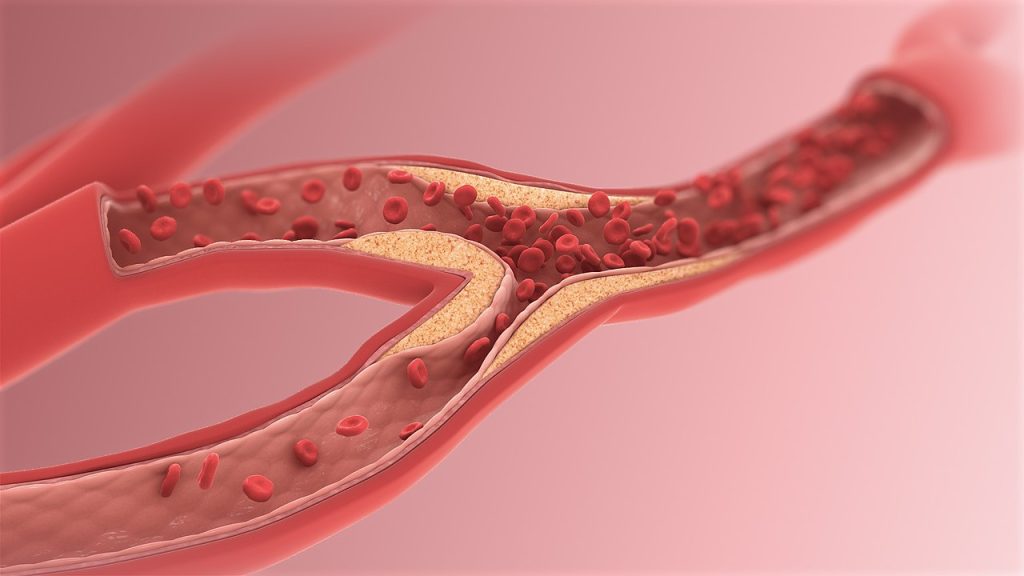
This sequence of interactions observed in malignant tumours is not novel: it occurs in atherosclerosis. “Atherosclerosis and cancer appear to be completely different diseases, but they share several common pathophysiological features in the blood vessels,” said Prof Hida.

Though some questions remain, especially on the mechanism of how neutrophils contribute to cancer malignancy, this study is the first to explicitly prove the mechanistic commonalities between cardiovascular disease and cancer progression and trace the mechanism involving LDL accumulation and LOX-1 expression in in vivo tumour tissue.

“Our present study focused on the importance of LOX-1 in endothelial cells as a common factor between cancer and atherosclerosis,” Prof Hida explained. “The presence of neutrophils in tumours is a telltale sign of tumor progression.”

The study also points to a promising approach for treating and preventing malignant cancer (and cardiovascular disease) by targeting neutrophil recruitment to endothelial cells. Prof Hida concluded: “The number of patients with cancer who die not of cancer, but of cardiovascular events, is increasing. Targeting the LOX-1/oxidised LDL axis might be a promising strategy for the treatment of the two diseases concomitantly.”

Source: Hokkaido University

CVD Risk Greater Than Direct Risk from Hodgkin Lymphoma

Stethoscope
Photo by Hush Naidoo on Unsplash

Although new treatments have improved the survival chances of patients with Hodgkin lymphoma (HL), these therapies can also increase the risk of cardiovascular disease (CVD). A recent study published in CANCER reveals that people with early-stage HL, which affects the lymphatic system, are now at higher risk of dying from CVD than from cancer.

The multicentre study included 15 889 children and adults in the United States who were diagnosed with HL between 1983 and 2015. “We conducted this study because cardiovascular disease may be the most common non-malignant long-term complication and a prevalent cause for non-malignant death following treatment in HL survivors,” said senior author Caiwen Ou, MD, PhD, of Southern Medical University in China.

Prof Ou and colleagues found that among patients with stage I and stage II classic HL, the proportion of CVD mortality exceeded the proportion of classic HL mortality after about 60 and 120 months of follow-up, respectively. The cumulative incidence of CVD mortality also exceeded that of HL and other cancers over time. In recent decades, the mortality risk from classic HL dropped sharply, but CVD mortality risk among patients with classic HL fell slowly or even remained unchanged among some groups.

The analysis also revealed that patients with stage I or stage II classic HL experienced a higher risk of CVD mortality than the general population at almost all follow-up intervals.

“Our results indicate that more effective measures are needed to reduce the risk of cardiovascular disease-related deaths in classic HL survivors,” said co-author Weijing Feng, MD, PhD.

Source: EurekAlert!