Diffuse gliomas are malignant brain tumours that cannot be optimally examined by means of conventional MRI imaging. So-called amino acid PET (positron emission tomography) scans are better able to image the activity and spread of gliomas. An international team of researchers from the RANO Working Group have drawn up the first ever international criteria for the standardised imaging of gliomas using amino acid PET. It has published its results in the journal The Lancet Oncology.
PET uses a radioactive tracer to measure metabolic processes in the body. Amino acid PET is used in the diagnosis of diffuse gliomas, with tracers that work on a protein basis (amino acids) and accumulate in brain tumours.
The Response Assessment in Neuro-Oncology (RANO) Working Group is an international, multidisciplinary consortium founded to develop standardised new response criteria for clinical studies relating to brain tumours.
Under the joint leadership of nuclear physician Nathalie Albert from LMU and oncologist Professor Matthias Preusser from the Medical University of Vienna, the RANO group has developed new criteria for assessing the success of therapies for diffuse gliomas.
Nathalie Albert explains: “PET imaging with radioactively labelled amino acids has proven extremely valuable in neuro-oncology and permits reliable representation of the activity and extension of gliomas. Although amino acid PET has been used for years, it had not been evaluated in a structured manner before now. In contrast to MRI-based diagnostics, there have been no criteria for interpreting these PET images.” According to the researchers, the new criteria allow PET to be used in clinical studies and everyday clinical practice and create a foundation for future research and the comparison of treatments for improved therapies.
New criteria for PET examinations of brain tumours
Diffuse gliomas are malignant brain tumorus that cannot be optimally examined by means of conventional MRI imaging. So-called amino acid PET scans are better able to image the activity and spread of gliomas.
These malignant brain tumours develop out of glial cells and are generally aggressive and difficult to treat.
The RANO group has developed criteria that permit evaluation of the success of treatment using PET. Called PET RANO 1.0, these PET-based criteria open up new possibilities for the standardised assessment of diffuse gliomas.
Including patients as partners for making decisions about their medical treatments is an important aspect of patient-centred care. A new study from England examined choices that patients with breast cancer make when considering where to have surgery for their condition and assessed how policies that offer such choices might affect inequalities in the health care system. The findings are published in CANCER.
For the study, investigators analysed data from the National Health Service (NHS), the publicly funded health care system in the United Kingdom that offers patients with cancer the opportunity to select any hospital providing cancer treatment, and identified all women diagnosed with breast cancer from 2016 to 2018 who had breast-conserving surgery or a mastectomy.
Records showed that 22 622 of 69,153 patients undergoing breast-conserving surgery (32.7%) and 7179 of 23 536 patients undergoing mastectomy (30.5%) bypassed their nearest hospital to receive surgery farther away from home. Women who were younger, without additional medical conditions, of white ethnic background, or lived in rural areas were more likely to travel to more distant hospitals.
Patients were more likely to be treated at hospitals classified as specialist breast reconstruction centres even if they personally were not undergoing breast reconstruction after surgery. Patients who had a mastectomy and immediate breast reconstruction were more likely to travel to hospitals that had surgeons with a strong media reputation for breast cancer surgery, and patients were less likely to travel to hospitals with shorter surgical waiting times. Patients did not seem to make choices based on hospitals’ research activity, quality rating, breast re-operation rates (to remove additional cancer cells that were missed), or status as a multidisciplinary cancer centre (where patients can receive all their care at one location).
The investigators noted that this separation – elderly patients, those with comorbidities, and those from ethnic minority backgrounds receiving care at their local hospital, while others travel to other hospitals and specialist centres – could further drive inequalities in access to quality care.
“As marginalized groups already face barriers to high-quality care, it is important for policy makers to consider measures that mitigate against the risks of increasing inequalities in access and outcomes, by for example providing free transport, accommodation, or even protection against loss of income,” said co-author Lu Han, PhD, of the London School of Hygiene & Tropical Medicine. “Moreover, patients prefer to access information on the quality of breast cancer care of the hospitals in their region at the start of the management pathway when a diagnosis is sought. Such information should be easy to understand and presented in a format that can support the trade-offs that patients have to make.”
Researchers have identified a mechanism behind immunotherapy sometimes causing colitis. They also found a way to deliver immunotherapy’s cancer-killing impact without the unwelcome side effect. The researchers, from the University of Michigan Health Rogel Cancer Center, published their findings in Science.
“This is a good example of how understanding a mechanism helps you to develop an alternative therapy that’s more beneficial. Once we identified the mechanism causing the colitis, we could then develop ways to overcome this problem and prevent colitis while preserving the anti-tumour effect,” said senior study author Gabriel Nunez, MD, professor of pathology at Michigan Medicine.
Immunotherapy is a promising treatment for several types of cancer. But immune checkpoint inhibitors can also cause severe side effects, including colitis. Colitis can cause severe gastrointestinal discomfort, causing some patients to discontinue their cancer treatment because of it.
The problem facing researchers was that while patients were developing colitis, the laboratory mice were not, preventing them from studying the cause of this side effect.
To get past this, the Rogel team, led by first author Bernard C. Lo, PhD, created a new mouse model, injecting microbiota from wild-caught mice into the traditional mouse model.
In this model, the mice did develop colitis after administration of antibodies used for tumour immunotherapy. Now, researchers could trace back the mechanism to see what was causing this reaction.
In fact, colitis developed because of the composition of the gut microbiota, which caused immune T cells to be hyper-activated while regulatory T cells that put the brakes on T cell activation were deleted in the gut. This was happening within a specific domain of the immune checkpoint antibodies.
Researchers then removed that domain, which they found still resulted in a strong anti-tumour response but without inducing colitis.
“Previously, there were some data that suggested the presence of certain bacteria correlated with response to therapy. But it was not proven that microbiota were critical to develop colitis. This work for the first time shows that microbiota are essential to develop colitis from immune checkpoint inhibition,” Nunez said.
To follow up what they saw in mice, researchers reanalysed previously reported data from studies of human cells from patients treated with immune checkpoint antibodies, which reinforced the role of regulatory T cells in inducing colitis.
The Rogel team plans additional studies to further understand the mechanisms causing colitis and seeks clinical partners to move this knowledge to a clinical trial.
Microglia, the brain’s immune cells, can trigger cognitive deficits after radiation exposure and may be a key target for preventing these symptoms, University of Rochester researchers have found. Their work, published in the International Journal of Radiation Oncology Biology Biophysics, builds on previous research showing that after radiation exposure microglia damage synapses, the connections between neurons that are important for cognitive behaviour and memory.
“Cognitive deficits after radiation treatment are a major problem for cancer survivors,” M. Kerry O’Banion, MD, PhD, professor of Neuroscience, member of the Wilmot Cancer Institute, and senior author of the study said.
“This research gives us a possible target to develop therapies to prevent or mitigate against such deficits in people who need brain radiotherapy.”
Using several behavioural tests, researchers investigated the cognitive function of mice before and after radiation exposure.
Female mice performed the same throughout, indicating a resistance to radiation injury but Male mice could not remember or perform certain tasks after radiation exposure.
This cognitive decline correlates with the loss of synapses and evidence of potentially damaging microglial over-reactivity following the treatment.
Researchers then targeted the pathway in microglia important to synapse removal. Mice with these mutant microglia had no cognitive decline following radiation. And others that were given the drug, Leukadherin-1, which is known to block this same pathway, during radiation treatment, also had no cognitive decline.
“This could be the first step in substantially improving a patient’s quality of life and need for greater care,” said O’Banion. “Moving forward, we are particularly interested in understanding the signals that target synapses for removal and the fundamental signaling mechanisms that drive microglia to remove these synapses. We believe that both avenues of research offer additional targets for developing therapies to help individuals receiving brain radiotherapy.”
O’Banion also believes this work may have broader implications because some of these mechanisms are connected to Alzheimer’s and other neurodegenerative diseases.
Immunotherapy in combination with chemotherapy has become an important therapeutic treatment option in some patients with metastatic breast cancer. Which patients will benefit the most, however, remains unclear; current biomarkers such as PD-L1 that are used to predict response are mediocre at best. Vanderbilt researchers led a clinical trial combining atezolizumab, an immunotherapy, in combination with chemotherapy in patients with metastatic triple-negative breast cancer to both evaluate the efficacy of the treatment combination and to understand biomarkers of response to immunotherapy.
Atezolizumab became the first approved immunotherapy for breast cancer when the Food and Drug Administration granted it accelerated approval in 2019, but two years later, its maker voluntarily withdrew the indication after additional data from a follow-up clinical trial failed to corroborate its efficacy. Atezolizumab had been approved for metastatic PD-L1-positive triple-negative breast cancer in combination with the chemotherapy nab-paclitaxel. Results from Vanderbilt’s clinical trial, published in JAMA Oncology, indicate that this immunotherapy does have a clinically meaningful benefit with a different chemotherapy partner and the correlative analyses provide insight to which patients will respond.
The clinical trial combined atezolizumab with carboplatin – a chemotherapy that works differently than nab-paclitaxel. The new combination significantly improved progression-free and overall survival of patients with metastatic triple-negative breast cancer. Atezolizumab with carboplatin lengthened progression-free survival from a median of 2.2 months to 4.1 months. Overall survival increased from a median of 8.6 months for the control group, who received carboplatin alone, to 12.6 months for those who received the combination therapy.
The phase 2 randomized clinical trial was conducted at six cancer centers through the Translational Breast Cancer Research Consortium and involved 106 patients of diverse ethnicities.
“Triple-negative breast cancer is difficult to treat because we don’t have a clear target, and understanding the underlying factors that affect response to a treatment is key. This study is so important because we were able to collect biopsies in all of the participants and really understand factors that affect response,” said Vandana Abramson, MD, the Donna S. Hall Professor in Cancer Research and co-leader of the Breast Cancer Research Program at Vanderbilt-Ingram Cancer Center.
The researchers hypothesised that atezolizumab would have superior efficacy to carboplatin because the chemotherapy is a platinum agent, which causes structural DNA changes and generates neoantigens that may stimulate an immune response. Nab-paclitaxel chemotherapy works differently: it is a microtubule-stabilising agent that stops cancer cell division.
“The tremendous knowledge gained from our multidisciplinary analyses of the patients and their tumours will continue to be important for clinical decision-making. After our first description of the triple-negative breast cancer subtypes over 10 years ago, more recently, we refined the subtypes further into four, which were analysed in this study: two basal-like subtypes, a mesenchymal subtype and a lumen androgen receptor-expressing subtype. When we refined the triple-negative breast cancer subtypes, we revealed an immune-modulatory descriptor or correlation.
“This JAMA Oncology study and others continue to confirm that lymphocytes, as measured by the immune-modulatory correlation, have predictive value for better relapse-free survival for triple-negative patients. Further, this study provides evidence that the luminal androgen receptor subtype is more like oestrogen receptor-positive (or ER+) disease. Prior studies investigating immunotherapy in breast cancers have shown that patients with ER+ disease have less benefit from immunotherapy, and we found that to be the case with patients with luminal androgen-positive tumours in this trial,” said Jennifer Pietenpol, PhD, the study’s corresponding author.
Interestingly, patients with higher body mass indexes and uncontrolled blood glucose levels had greater benefit from atezolizumab with carboplatin. The researchers noted that these patients may have more immune cells upon which anti-PD1/PD-L1 therapies can act. A lower risk of disease progression was also associated with high mutation burden and increased tumour-infiltrating lymphocytes.
“In this study, we observed that patients received benefit with atezolizumab even if the tumours were PD-L1 negative. We also show that, like prior clinical trials in melanoma and renal and lung cancers, tumours with high mutation burdens and the presence of immune cells within or around the tumour receive greater benefit from immunotherapy. This makes sense because each mutation has the potential to be recognised as non-self by the immune system, increasing the probability of immune cells already positioned around the tumour to recognise and target the cancer,” said Brian Lehmann, PhD, Research Associate Professor of Medicine and lead correlative scientist on the study.
“One surprising finding was the trend toward greater benefit for patients with higher body mass indexes and patients with uncontrolled blood glucose at prediabetic and diabetic levels while on the study. Both obesity and diabetes are linked to systemic inflammation, and the increased benefit may be attributed to higher adipose tissue composition in the breast and augmented by metabolic syndrome conditions such as Type 2 diabetes. Further studies are necessary to validate these findings and delineate the effects of blood glucose and obesity on immunotherapy,”
The combination therapy was generally well-tolerated, and toxic effects were consistent with previous reports for atezolizumab. The most common drug complications on the combination arm of the clinical trial were low blood platelet counts, anaemia, lymphocytopenia, nausea, fatigue and increased liver enzymes. The participants identified as 69% white, 19% African American, 10% unknown and 1% Asian.
Glioblastoma is one of the most treatment-resistant cancers, with those diagnosed surviving for less than two years. In a new study in NPJ Genomic Medicine, researchers at the University of Notre Dame have found that a largely understudied cell could offer new insight into how the aggressive, primary brain cancer is able to resist immunotherapy.
“A decade ago, we didn’t even know perivascular fibroblasts existed within the brain, and not just in the lining of the skull,” said senior author Meenal Datta, assistant professor of aerospace and mechanical engineering at Notre Dame.
“My lab’s expertise is examining tumours from an engineering and systems-based approach and looking at the novel mechanical features in rare cancers that may have been understudied or overlooked.”
Using standard bioinformatics and newer AI-based approaches, Datta’s TIME Lab began analysing different genes expressed in the tumour microenvironment related to the extracellular matrix – or the scaffolding cells create to support future cell adhesion, migration, proliferation and differentiation – and other various cell types.
What they found was a surprising, fairly new cell type: perivascular fibroblasts.
These fibroblasts are typically found in the blood vessels of a healthy brain and deposit collagen to maintain the structural integrity and functionality of brain vessels.
“It was a serendipitous discovery,” said first author Maksym Zarodniuk, graduate student in the TIME Lab and the bioengineering doctorate programme.
“We started in a completely different direction and stumbled upon this population of cells by using a combination of both bulk and single-cell RNA sequencing analyses of patient tumours.”
In their data, researchers were able to identify two groups of patients: those with a higher proportion of perivascular fibroblasts and those with significantly less.
They found that brain cancer patients with more perivascular fibroblasts in their tumours were more likely to respond poorly to immunotherapies and have poor survival outcomes.
Further study revealed that perivascular fibroblasts support the creation of an immunosuppressive tumour microenvironment, allowing the cancer to better evade the immune system.
The fibroblasts may also help the cancer resist therapies such as chemotherapy that targets cell division by promoting stem-like cancer cells that rarely divide, which are believed to be a major source of tumour relapse and metastasis.
“Moving forward, we want to do new experiments to confirm what we found in this paper and provide some good ground to start thinking about how to improve response to immunotherapy,” Zarodniuk said.
Because perivascular fibroblasts are a part of a healthy brain’s vasculature, Datta believes that these cells are breaking off and getting close to or infiltrating the glioblastoma tumour.
However, instead of supporting healthy brain function, these fibroblasts are getting reprogrammed and helping the tumour instead.
“Most people think about the brain as being very soft, with soft cells and a soft matrix. But by putting down these fibroblasts and making these very fibrous proteins, it gives us an entirely different perspective on the structure of the brain and how it can be taken advantage of by cancer cells originating in the same organ,” Datta said.
Personalised treatment for the most common form of adult leukaemia helps patients survive for longer and stay in remission, a phase III trial has found. The trial, by the University of Leeds, has been identified as groundbreaking research by the New England Journal of Medicine and the 65th American Society of Hematology (ASH) Annual Meeting and Exposition in San Diego, where the results were presented.
The data shows that the duration of therapy can be individualised for each patient by using regular blood tests to monitor their response. In the trial, this approach resulted in significant improvements in both progression-free and overall survival in patients with previously untreated chronic lymphocytic leukaemia (CLL). The effect was stronger among patients with poorer outcomes to standard treatments, such as those with some genetic mutations.
Adult patients were given a combination of cancer growth blocking drugs over varied durations depending on how rapidly their disease responded.
The trial found that this approach significantly improved progression-free and overall survival compared to the standard treatment for CLL, with more than 19 in 20 patients in remission three years after starting treatment.
The study, named FLAIR, is a phase III randomised controlled trial for untreated CLL, taking place in more than 100 hospitals across the UK.
Lead author Peter Hillmen, Professor of Experimental Haematology in the University of Leeds’ School of Medicine, and Honorary Consultant Haematologist at Leeds Teaching Hospitals NHS Trust, said: “Our findings show that, for this group of patients, the treatment is very effective at tackling their disease and is well tolerated by them. This means that patients on our trial had better outcomes while also enjoying a better quality of life during their treatment. Most patients treated with the new combination have no detectable leukaemia in their blood or bone marrow by the end of treatment which is better than with previous treatments and is very encouraging.”
Dr Iain Foulkes, Executive Director of Research and Innovation at Cancer Research UK, said: “We are delighted to see these results from the FLAIR trial which show the importance and effectiveness of tailoring cancer treatment to the individual patient. Not only this, but the trial has found a way to do so without requiring frequent bone marrow tests which are more invasive and can be painful.
“The collaborative effort that went into this trial – involving researchers, healthcare professionals, funders and dedicated patients and their families – point to a new standard of care which could see real progress made against leukaemia.”
Chronic lymphocytic leukaemia is a type of cancer that affects the blood and bone marrow. It cannot usually be cured but can be managed with treatment. More than nine in 10 people are aged 55 and over when they are diagnosed.
Current treatments include chemotherapy, immunotherapy, or cancer growth blockers.
The FLAIR trial tested cancer growth blockers called Ibrutinib and Venetoclax (I+V), which are usually administered either continuously or for the same fixed duration rather than tailored to each patient’s response. This means that many patients may stop treatment too early, missing the full potential benefit from their therapy or continue therapy for longer than necessary. This could lead to a greater chance of relapse of their leukaemia and/or of treatment side effects.
FLAIR researchers aimed to discover whether it was possible to personalise I+V treatment duration for patients based on regular blood sampling and / or bone marrows, and whether this was as effective or better than standard treatment (FCR).
This regular blood and bone marrow monitoring gave researchers a more up-to-date picture of how patients were responding to I+V, and meant that the duration of I+V treatment could be tailored accordingly to each patient. In addition, it was found that basing the duration of treatment on less invasive, quicker blood samples was just as effective as using bone marrows, which can be painful and sometimes require sedation.
FLAIR was launched in 2014, recruiting 1509 patients with CLL. They were randomised to four treatment groups, each receiving a different treatment.
This part of the FLAIR trial compared two of the groups, placing 260 patients on I+V and 263 on the standard treatment, known as FCR. Almost three quarters were male, which was to be expected as CLL occurs more frequently in males. The average age was 62, and just over a third had advanced disease.
At the end of this stage of the trial, 87 patients had seen their disease progress, 75 of which were on FCR, and 12 on I+V.
To date, 34 of these patients have died during the trial. Of these, 25 were treated with FCR and only nine with I+V.
The patients on I+V underwent blood tests and bone marrows to monitor their response to treatment. The technique used is known as measurable residual disease (MRD) which allows clinicians to see the number of remaining cancer cells. The number of cells may be so small that the patient is asymptomatic. An MRD positive test result means that there are remaining cancer cells.
The research team now hope that this more personalised therapy approach, guided by blood test monitoring will be adopted as a new standard of care for patients needing first line CLL treatment.
Professor Hillmen said: “The results of the FLAIR Trial, led by the Leeds Cancer Research UK Clinical Trials Unit at the University of Leeds, are exceptional and herald a change in the way chronic lymphocytic leukaemia will be treated. FLAIR has been a huge collaborative effort over the last decade by the UK’s leading CLL specialists and by the haematology teams in over 100 hospitals throughout the UK. The participation of patient groups, individual patients and their families were critical to delivering such progress particularly through the challenges of the pandemic.”
The trial was co-ordinated by the Leeds Cancer Research UK Clinical Trials Unit at the University of Leeds. Deputy Director Professor David Cairns said: “The vision of the Leeds Cancer Research UK CTU is to improve the length and quality of survival for cancer patients on a worldwide scale. Our strategy to do this is to ensure that we build evidence to identify the correct treatment, for the correct duration, for the correct patient. FLAIR is a trial well aligned to our strategy, and reflects team science including clinicians, laboratory scientists, methodologists and operational experts working together to deliver important trial results. None of this would be achieved without the selfless commitment of trial participants who contribute their time and data.”
The FLAIR trial was funded by Cancer Research UK, Janssen Research & Development, LLC, and AbbVie Pharmaceutical Research and Development.
Of more than four hundred phase 2 and 3 randomised trials of cancer drugs registered in China between 2016 and 2017, about sixty had suboptimal control arms
More than one-eighth of the randomised trials of cancer drugs seeking regulatory approval in China in recent years used inappropriate controls to test the effectiveness and safety of the drugs, according to a new study published December 12th in the open access journal PLOS Medicineby Professor Xiaodong Guan of Peking University, China, and colleagues.
In randomised trials, patients are assigned to either a control arm, in which they receive the current optimal treatment, or an experimental arm, in which they receive the new drug being tested. However, studies have previously found that control arms in cancer clinical trials (including in the United States) are not supported by relevant guidelines, instead using treatments other than the standard-of-care. Adopting a suboptimal control group may bias a study’s results in favour of the experimental arm, potentially exposing patients to substandard therapy and producing unreliable results of clinical efficacy.
In the new study, researchers analysed the control arms of 453 Phase II/III and Phase III randomised oncology trials authorised by Chinese institutional review boards between 2016 and 2021, supporting investigational new drug applications of these drugs in China.
Overall, 60 trials (13.2%) used suboptimal control arms. Of those suboptimal trials, 35 (58.3%) used comparators that were not recommended by a prior guideline. In total, 18 610 people enrolled in clinical trials (15.1% of the total number in all samples trials) were exposed to suboptimal treatments due to the control arms. Trials using suboptimal controls were more likely to report a positive result for the experimental arm. In addition, the researchers found an overall upward trend in the number of trials using inappropriate control arms.
“Trial sponsors, ethical review boards, and oncologists should make collaborative efforts to protect patients from unnecessary harm and drugs with uncertain clinical benefits over the existing standard of care,” the authors say. “Regulatory agencies should be cautious when reviewing investigational new drug applications whose supporting trial used a suboptimal control.”
The authors add, “This research highlights the necessity to refine the design of randomised trials to generate optimal clinical evidence for new cancer therapies. In November 2021, China issued the Guidance on Clinical Value-Oriented Oncology Drug Research and Development, aiming to promote a better generation of clinically relevant novel oncology drugs in China. We hope our research findings can provide empirical evidence to the stakeholders and draw regulators’ attention to this matter so that the guideline can be delivered in the manner that it set out to be.”
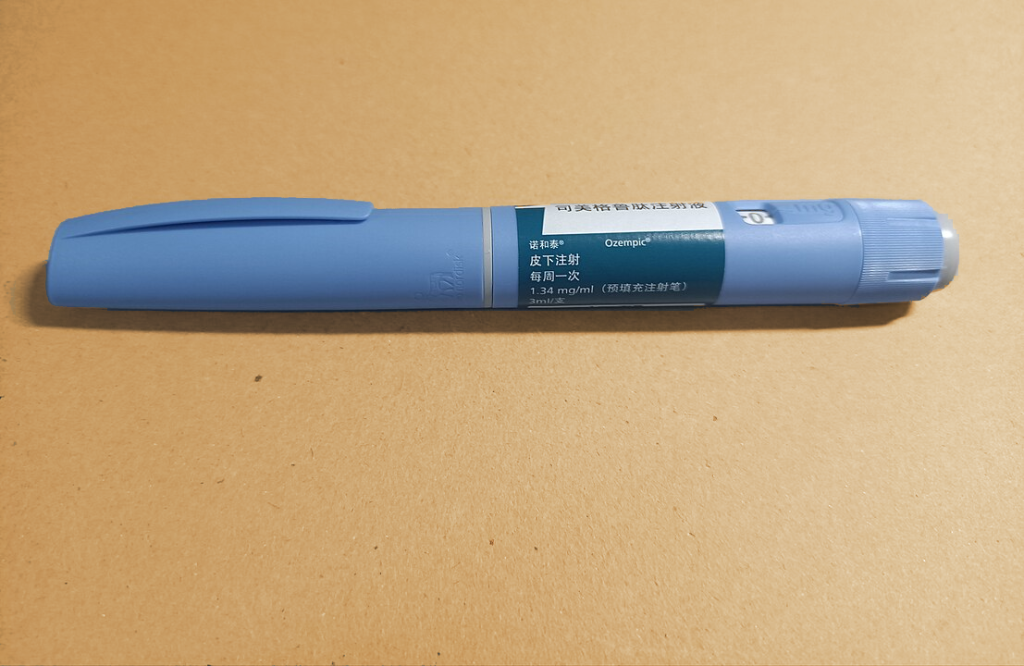
By HualinXMN – Own work, CC BY-SA 4.0, https://commons.wikimedia.org/w/index.php?curid=133759262
A groundbreaking study by researchers at Case Western Reserve University suggests that glucagon-like peptide-1 receptor agonists (GLP-1 RAs), normally used to treat diabees, may also reduce the risk of colorectal cancer (CRC). The findings, published in the journal JAMA Oncology, support the need for clinical trials to determine whether these medications could prevent one of the deadliest types of cancers.
Eventually, the medications may also show promise in warding off other types of cancer associated with obesity and diabetes.
“Our results clearly demonstrate that GLP-1 RAs are significantly more effective than popular anti-diabetic drugs, such as Metformin or insulin, at preventing the development of CRC,” said Nathan Berger, the Hanna-Payne Professor of Experimental Medicine at the Case Western Reserve School of Medicine and the study’s co-lead researcher.
Glucagon-like peptide-1 receptor agonists, or GLP-1 RAs can lower blood-sugar levels, improve insulin sensitivity and help manage weight. They’ve also been shown to reduce the rates of major cardiovascular ailments. Importantly the protective effect of GLP-1 RAs are noted in patients with or without overweight/obesity.
“To our knowledge,” said co-lead researcher Rong Xu, a professor at the School of Medicine, “this is the first indication this popular weight-loss and anti-diabetic class of drugs reduces incidence of CRC, relative to other anti-diabetic agents.”
Berger and Xu are members of the Case Comprehensive Cancer Center.
In the US, the American Cancer Society estimates CRC is the third-leading type of cancer in both sexes, with 153 000 new cases per year. It is also the second-leading cause of cancer mortality with 52 550 deaths per year.
Since GLP-1 RAs have been shown to be effective anti-diabetic and weight-loss agents, the researchers hypothesized they might reduce incidence of CRC.
Using a national database of more than 100 million electronic health records, the researchers conducted a population-based study of more than 1.2 million patients.
These individuals had been treated with anti-diabetic agents from 2005-19; the CWRU team examined the effects of GLP-1 RAs on their incidence of CRC, as compared to those prescribed other anti-diabetic drugs.
Population-based research means matching as many people as possible with the same characteristics, such as sex, race, age, socio-economic determinants of health and other medical conditions, to accurately compare the drug’s effects.
Among 22 572 patients with diabetes treated with insulin, there were 167 cases of CRC. Another 22 572 matched patients treated with GLP-1 RAs saw 94 cases of CRC. Those treated with GLP-1 RAs had a 44% reduction in incidence of CRC.
In a similar comparison of 18 518 patients with diabetes treated with Metformin, compared to 18 518 patients with diabetes treated with GLP-1 RAs, had a 25% reduction in CRC.
“The research is critically important for reducing incidence of CRC in patients with diabetes, with or without overweight and obesity,” Berger said.
Researchers from Mount Sinai report in Nature that they have identified an allergy pathway that, when blocked, unleashes antitumour immunity in mouse models of non-small cell lung cancer (NSCLC).
And in an early parallel study in humans, combining immunotherapy with dupilumab – an Interleukin-4 (IL-4) receptor-blocking antibody widely used for treating allergies and asthma – boosted patients’ immune systems, with one out of the six experiencing significant tumour reduction.
“Immunotherapy using checkpoint blockade has revolutionised treatment for non-small cell lung cancer, the most common form of lung cancer, but currently only about a third of patients respond to it alone, and in most patients, the benefit is temporary,” says senior study author Miriam Merad, MD, PhD, at the Icahn School of Medicine at Mount Sinai.
“A big focus of our program TARGET is to use single cell technology and artificial intelligence to identify molecular immune programs that can dampen tumour immune response to checkpoint blockade.”
Also known as a PD1 inhibitor, checkpoint blockade is a type of cancer immunotherapy that can unleash the cancer-killing activity of T cells.
“Using single cell technologies, we discovered that the immune cells infiltrating lung cancers, as well as other cancers we studied, exhibited characteristics of a ‘type 2’ immune response, which is commonly associated with allergic conditions like eczema and asthma,” says first study author Nelson LaMarche, PhD, a postdoctoral research fellow in the lab of Dr Merad.
“These results led us to explore whether we could repurpose a medication typically used for allergic conditions to ‘rescue’ or enhance tutor response to checkpoint blockade,” says Thomas Marron, MD, PhD, co-senior author of the study.
“Strikingly, we found that IL-4 blockade enhanced lung cancer response to checkpoint blockade in mice and in six lung cancer patients with treatment-resistant disease. In fact, one patient whose lung cancer was growing despite checkpoint blockade had nearly all their cancer disappear after receiving just three doses of the allergy medication, and his cancer remains controlled today, over 17 months later.”
The researchers are encouraged by the initial results but emphasise the need for larger clinical trials to validate the drug’s efficacy in treating NSCLC.
Beyond the clinical trial findings reported in the current Nature paper, the investigators have now expanded the clinical trial, adding dupilumab to checkpoint blockade for a larger group of lung cancer patients, and are starting to investigate its use in early-stage lung cancer as well. Through these trials, they are searching for biomarkers to identify those cancer patients who might benefit from dupilumab treatment.