Category: Cancer

The Quest to Repurpose Existing Drugs for Lung Cancer that Metastasised to the Brain
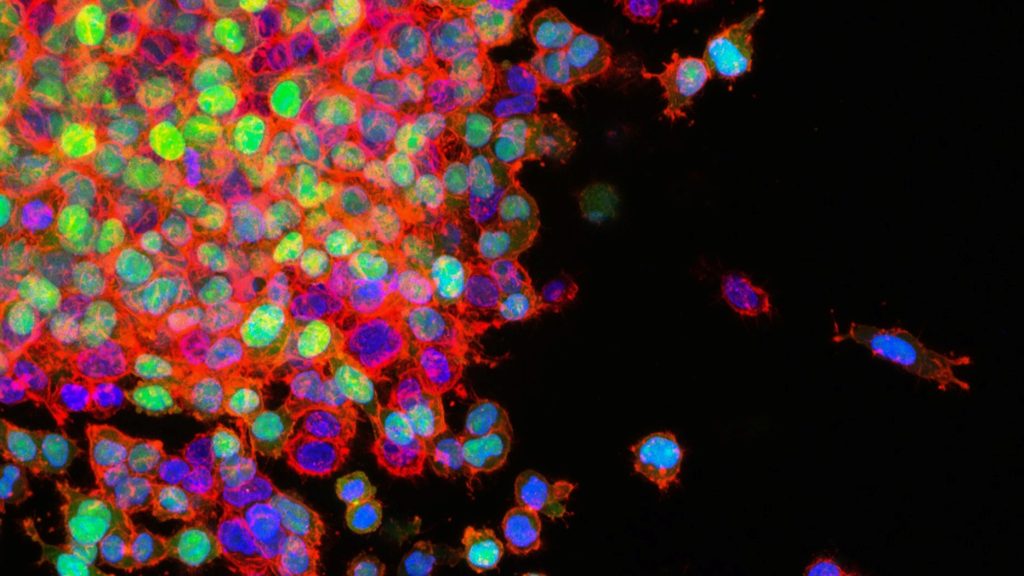
Lung cancer metastasis. Credit: National Cancer Institute

The largest review of papers for brain metastases of lung cancer has found abnormalities in their genetic mutations and for which licensed drugs could be clinically trialled to find out if they could treat the disease. The research led by the University of Bristol and published in Neuro-Oncology Advances also uncovered differences in those mutations between smokers and non-smokers.

Brain metastases most commonly occur from lung and breast cancer, and in the majority of cases are fatal. The genetic mutations in primary lung cancers have been widely studied, but less is known about the changes in the cancer once it has metastasised to the brain.

The research team wanted to find out the genetic changes in brain metastasis from non-small cell lung cancer (NSCLC) and whether there are drugs already available that could potentially be offered to these patients.

The researchers carried out a review from 72 papers of genetic mutations in brain metastasis of NSCLC from 2346 patients’ data on demographics, smoking status, genomic data, matched primary NSCLC, and PD-L1 – a protein found on cancer cells.

The study found the most commonly mutated genes were EGFR, TP53, KRAS, CDKN2A, and STK11.

Common missense mutations – mutations that lead to a single amino acid change in the protein coded by the gene – included EGFR L858R and KRAS G12C

In certain cases the genetic mutations were different in the brain metastasis from the primary lung cancer.

There were also differences in the genetic mutations in smokers versus patients who had never smoked. Brain metastases of smokers versus non-smokers had different missense mutations in TP53 and EGFR, except for L858R and T790M in EGFR, which were seen in both subgroups.

The research team found from the top ten commonly mutated genes which had primary NSCLC data, 37% of the specific mutations assessed were different between primary NSCLC and brain metastases.

The researchers suggest Medicines and Healthcare products Regulatory Agency-approved drugs already licensed could potentially be tested to treat the disease in clinical trials.

The genetic landscape of the different subtypes of NSCLC is well known. TP53 and LRP1B mutations are common to all NSCLC subtypes, but certain subtypes also have specific alterations.

Lung adenocarcinoma is the most common type of lung cancer and has higher frequencies of KRAS, EGFR, KEAP1, STK11, MET, and BRAF somatic mutations – changes that have accumulated in the cancer genome.

Some studies suggested that the genomic landscape of NSCLC in smokers vs non-smokers differ independent of subtype.

One study found EGFR mutations, ROS1 and ALK fusions to be more prevalent in non-smokers, whereas KRAS, TP53, BRAF, JAK2, JAK3 and mismatch repair gene mutations were more commonly mutated in smokers.

Kathreena Kurian, Professor of Neuropathology and Honorary Consultant at North Bristol NHS Trust, Head of the Brain Tumour Research Centre at the University of Bristol and co-author of the paper, said: “Our research recommends that all patients should have their brain metastasis examined for mutations in addition to their primary lung cancer because they may be different.

“This evidence could form the backbone for new clinical trials for patients with brain metastasis in non-small cell lung cancer using drugs that are already available.”

The team suggest the next steps for the research would be to consider whole genome sequencing on brain metastasis to look for other types of mutations, such as, common insertions/deletions for which drugs are already available.

Source: University of Bristol

New Study Finds that Fatty Acid in Beef, Lamb and Dairy Boosts Cancer-fighting T Cells

Photo by Jose Ignacio Pompe on Unsplash

Trans-vaccenic acid (TVA), a long-chain fatty acid found in meat and dairy products from grazing animals such as cows and sheep, improves the ability of CD8+ T cells to infiltrate tumours and kill cancer cells, according to a new study by researchers from the University of Chicago.

The research, published in Nature, also shows that cancer patients with higher levels of TVA circulating in the blood responded better to immunotherapy, suggesting potential as a nutritional complement to conventional cancer therapy. Although trans fatty acids that are industrially produced are known to be harmful to health, natural ones such as TVA are linked to health benefits. But the researchers don’t envision prescribing diets packed with red meat and cheese – rather, TVA would be a supplement.

“There are many studies trying to decipher the link between diet and human health, and it’s very difficult to understand the underlying mechanisms because of the wide variety of foods people eat. But if we focus on just the nutrients and metabolites derived from food, we begin to see how they influence physiology and pathology,” said Jing Chen, PhD, professor of medicine at UChicago and one of the senior authors. “By focusing on nutrients that can activate T cell responses, we found one that actually enhances anti-tumour immunity by activating an important immune pathway.”

Searching for nutrients that activate immune cells

Chen’s lab focuses on understanding how metabolites, nutrients and other molecules circulating in the blood influence the development of cancer and response to cancer treatments. For the new study, they started with a database of around 700 known metabolites that come from food and assembled a ‘blood nutrient’ compound library consisting of 235 bioactive molecules derived from nutrients. They screened the compounds in this new library for their ability to influence anti-tumour immunity by activating CD8+ T cells, which are critical for killing cancerous or virally infected cells.

After the scientists evaluated the top six candidates in both human and mouse cells, they saw that TVA performed the best. TVA is the most abundant trans fatty acid present in human milk, but the body cannot produce it on its own. Only about 20% of TVA is broken down into other byproducts, leaving 80% circulating in the blood. “That means there must be something else it does, so we started working on it more,” Chen said.

Feeding mice a diet enriched with TVA significantly reduced the tumour growth potential of melanoma and colon cancer cells compared to mice fed a control diet. The TVA diet also enhanced the ability of CD8+ T cells to infiltrate tumours.

The team also performed a series of molecular and genetic analyses to understand how TVA was affecting the T cells. These included a new technique for monitoring transcription of single-stranded DNA called kethoxal-assisted single-stranded DNA sequencing, or KAS-seq, developed by Chuan He, PhD, professor of chemistry at UChicago and another senior author of the study. These additional assays, done by both the Chen and He labs, showed that TVA inactivates a receptor on the cell surface called GPR43 which is usually activated by short-chain fatty acids often produced by gut microbiota. TVA overpowers these short-chain fatty acids and activates a cellular signaling process known as the CREB pathway, which is involved in a variety of functions including cellular growth, survival, and differentiation. The team also showed that mouse models where the GPR43 receptor was exclusively removed from CD8+ T cells also lacked their improved tumour fighting ability.

Finally, working with other researchers, the team analysed blood samples taken from patients undergoing CAR-T cell immunotherapy treatment for lymphoma. They saw that patients with higher levels of TVA tended to respond to treatment better than those with lower levels. They also tested leukaemia cell lines and saw that TVA enhanced the ability of an immunotherapy drug to kill leukaemia cells.

TVA as a supplement

The study suggests that TVA could be used as a dietary supplement to help various T cell-based cancer treatments, although Chen points out that it is important to determine the optimised amount of the nutrient itself, not the food source. There is a growing body of evidence about the detrimental health effects of consuming too much red meat and dairy, so this study shouldn’t be taken as an excuse to eat more cheeseburgers and pizza; rather, it indicates that nutrient supplements such as TVA could be used to promote T cell activity. Chen thinks there may be other nutrients that can do the same.

“There is early data showing that other fatty acids from plants signal through a similar receptor, so we believe there is a high possibility that nutrients from plants can do the same thing by activating the CREB pathway as well,” he said.

‘The new research also highlights the promise of this ‘metabolomic’ approach to understanding how the building blocks of diet affect our health. Chen said his team hopes to build a comprehensive library of nutrients circulating in the blood to understand their impact on immunity and other biological processes like aging.

“After millions of years of evolution, there are only a couple hundred metabolites derived from food that end up circulating in the blood, so that means they could have some importance in our biology,” Chen said. “To see that a single nutrient like TVA has a very targeted mechanism on a targeted immune cell type, with a very profound physiological response at the whole organism level — I find that really amazing and intriguing.”

Source: University of Chicago

Ultra-processed Foods Linked to Mouth, Throat and Oesophagus Cancer Risk

Photo by Patrick Fore on Unsplash

Eating more ultra-processed foods (UPFs) may be associated with a higher risk of developing cancers of the upper aerodigestive tract (ie, the mouth, throat and oesophagus), according to a new study in the European Journal of Nutrition. The authors of this study, led by the University of Bristol and the International Agency for Research on Cancer (IARC), say that obesity associated with the consumption of UPFs may not be the only factor to blame.

Several studies have identified an association between UPF consumption and cancer, including a recent study which looked at the association between UPFs and 34 different cancers in the largest cohort study in Europe, the European Prospective Investigation into Cancer and Nutrition (EPIC) cohort, which followed 450 111 adults who for approximately 14 years.

As more evidence emerges about the associations between eating UPFs and adverse health outcomes, researchers from the Bristol Medical School and IARC wanted to explore this further.

Since many UPFs have an unhealthy nutritional profile, the team sought to establish whether the association between UPF consumption and head and neck cancer and oesophageal adenocarcinoma in EPIC could be explained by an increase in body fat.

Results from the team’s analyses showed that eating 10% more UPFs is associated with a 23% higher risk of head and neck cancer and a 24% higher risk of oesophageal adenocarcinoma in EPIC.

Increased body fat only explained a small proportion of the statistical association between UPF consumption and the risk of these upper-aerodigestive tract cancers.

Fernanda Morales-Berstein, a Wellcome Trust PhD student at the University of Bristol and the study’s lead author, explained: “UPFs have been associated with excess weight and increased body fat in several observational studies. This makes sense, as they are generally tasty, convenient and cheap, favouring the consumption of large portions and an excessive number of calories. However, it was interesting that in our study the link between eating UPFs and upper-aerodigestive tract cancer didn’t seem to be greatly explained by body mass index and waist-to-hip ratio.”

The authors suggest that other mechanisms could explain the association.

For example, additives including emulsifiers and artificial sweeteners which have been previously associated with disease risk, and contaminants from food packaging and the manufacturing process, may partly explain the link between UPF consumption and upper-aerodigestive tract cancer in this study.

Fernanda Morales-Berstein and colleagues did caution that the associations between UPF consumption and upper-aerodigestive tract cancers found in the study could be affected by certain types of bias.

This would explain why they found evidence of an association between higher UPF consumption and increased risk of accidental deaths, which is highly unlikely to be causal.

Inge Huybrechts, Team head of the Lifestyle exposures and interventions team at IARC, added: “Cohorts with long-term dietary follow-up intake assessments, considering also contemporary consumption habits, are needed to replicate these study’s findings, as the EPIC dietary data were collected in the 1990s, when the consumption of UPFs was still relatively low. As such associations may potentially be stronger in cohorts including recent dietary follow-up assessments.”

Further research is needed to identify other mechanisms, such as food additives and contaminants, which may explain the links observed.

However, based on the finding that body fat did not greatly explain the link between UPF consumption and upper-aerodigestive tract cancer risk in this study, Fernanda Morales-Berstein, suggested: “Focussing solely on weight loss treatment, such as semaglutide, is unlikely to greatly contribute to the prevention of upper-aerodigestive tract cancers related to eating UPFs.”

Source: University of Bristol

Copper and Ozone are the Secret Ingredients for Cheaper Cancer Drug Production

Photo by National Cancer Institute on Unsplash

Part of the reason cancer is such a devastatingly costly disease to treat is because cancer drugs are often require very expensive, specialised ingredients to produce. But thanks to pathbreaking research by UCLA chemists, led by organic chemistry professor Ohyun Kwon, the price of drug treatments for cancer and other serious illnesses may soon plummet.  

For example, one chemical used in making some anti-cancer drugs costs US$3200 per gram – 50 times more than a gram of gold. The UCLA researchers devised an inexpensive way to produce this drug molecule from a chemical costing just US$3 per gram. They were also able to apply the process to produce many other chemicals used in medicine and agriculture for a fraction of the usual cost.

Their breakthrough, published in the journal Science, involves a process known as “aminodealkenylation.” Using oxygen as a reagent and copper as a catalyst to break the carbon-carbon bonds of many different organic molecules, the researchers replaced these bonds with carbon-nitrogen bonds, converting the molecules into derivatives of ammonia called amines.

Amines interact strongly with molecules in living plants and animals, so they are widely used in pharmaceuticals, as well as in agricultural chemicals. Familiar amines include nicotine, cocaine, morphine and amphetamine, and neurotransmitters like dopamine. Fertilisers, herbicides and pesticides also contain amines.

Industrial production of amines is therefore of great interest, but the raw materials and reagents are often expensive, and the processes can require many complicated steps to complete. Using fewer steps and no expensive ingredients, the process developed at UCLA can produce valuable chemicals at a much lower cost than current methods.

“This has never been done before,” Kwon said. “Traditional metal catalysis uses expensive metals such as platinum, silver, gold and palladium, and other precious metals such as rhodium, ruthenium and iridium. But we are using oxygen and copper, one of the world’s most abundant base metals.”

The new method uses ozone to break the carbon-carbon bond in alkenes (a form of hydrocarbon with double carbon-carbon bonds) and a copper catalyst to couple the broken bond with nitrogen, turning the molecule into an amine. In one example, the researchers produced a c-Jun N-terminal kinase inhibitor – an anti-cancer drug – in just three chemical steps, instead of the 12 or 13 steps previously needed. The cost per gram can thus be reduced from thousands of dollars to just a few dollars.

In another example, the protocol took just one step to convert adenosine – a neurotransmitter and DNA building block that costs less than 10 US cents per gram – into the amine N6-methyladenosine. The amine plays crucial roles in controlling gene expression in cellular, developmental and disease processes, and its production cost has previously been US$103 per gram.

Kwon’s research group was able to modify hormones, pharmaceutical reagents, peptides and nucleosides into other useful amines, showing the new method’s potential to become a standard production technique in drug manufacturing and many other industries.

Source: University of California – Los Angeles

When it Comes to Personalised Cancer Treatments, AI is no Match for Human Doctors

Cancer treatment is growing more complex, but so too are the possibilities. After all, the better a tumour’s biology and genetic features are understood, the more treatment approaches there are. To be able to offer patients personalised therapies tailored to their disease, laborious and time-consuming analysis and interpretation of various data is required. In one of many artificial intelligence (AI)projects at Charité – Universitätsmedizin Berlin and Humboldt-Universität zu Berlin, researchers studied whether generative AI tools such as ChatGPT can help with this step.

The crucial factor in the phenomenon of tumour growth is an imbalance of growth-inducing and growth-inhibiting factors, which can result, for example, from changes in oncogenes.

Precision oncology, a specialised field of personalised medicine, leverages this knowledge by using specific treatments such as low-molecular weight inhibitors and antibodies to target and disable hyperactive oncogenes.

The first step in identifying which genetic mutations are potential targets for treatment is to analyse the genetic makeup of the tumour tissue. The molecular variants of the tumour DNA that are necessary for precision diagnosis and treatment are determined. Then the doctors use this information to craft individual treatment recommendations. In especially complex cases, this requires knowledge from various fields of medicine.

At Charité, this is when the “molecular tumour board” (MTB) meets: Experts from the fields of pathology, molecular pathology, oncology, human genetics, and bioinformatics work together to analyse which treatments seem most promising based on the latest studies.

It is a very involved process, ultimately culminating in a personalised treatment recommendation.

Can artificial intelligence help with treatment decisions?

Dr Damian Rieke, a doctor at Charité, and his colleagues wondered whether AI might be able to help at this juncture.

In a study just recently published in the journal JAMA Network Open, they worked with other researchers to examine the possibilities and limitations of large language models such as ChatGPT in automatically scanning scientific literature with an eye to selecting personalised treatments.

AI ‘not even close’

“We prompted the models to identify personalised treatment options for fictitious cancer patients and then compared the results with the recommendations made by experts,” Rieke explains.

His conclusion: “AI models were able to identify personalised treatment options in principle – but they weren’t even close to the abilities of human experts.”

The team created ten molecular tumour profiles of fictitious patients for the experiment.

A human physician specialist and four large language models were then tasked with identifying a personalised treatment option.

These results were presented to the members of the MTB for assessment, without them knowing where which recommendation came from.

Improved AI models hold promise for future uses

Dr. Manuela Benary, a bioinformatics specialist reported: “There were some surprisingly good treatment options identified by AI in isolated cases. “But large language models perform much worse than human experts.”

Beyond that, data protection, privacy, and reproducibility pose particular challenges in relation to the use of artificial intelligence with real-world patients, she notes.

Still, Rieke is fundamentally optimistic about the potential uses of AI in medicine: “In the study, we also showed that the performance of AI models is continuing to improve as the models advance. This could mean that AI can provide more support for even complex diagnostic and treatment processes in the future – as long as humans are the ones to check the results generated by AI and have the final say about treatment.”

Source: Charité – Universitätsmedizin Berlin

CRISPR-Cas9 Gene Editing may Unleash Cancer Cell Resistance

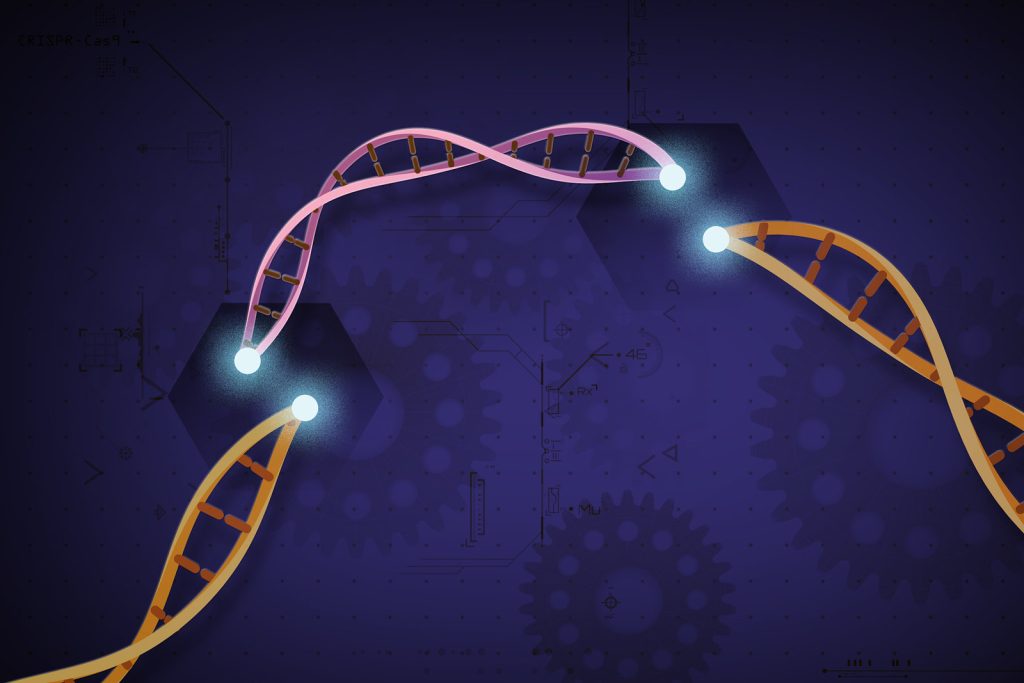
CRISPR-Cas9 is a customisable tool that lets scientists cut and insert small pieces of DNA at precise areas along a DNA strand. This lets scientists study our genes in a specific, targeted way. Credit: Ernesto del Aguila III, National Human Genome Research Institute, NIH

Researchers from the Karolinska Institutet in Sweden have identified potential pitfalls in the use of the gene editing technique CRISPR-Cas9, a gene scissors that is used for cancer treatments. Their findings are published in Life Science Alliance.

The study has identified that a cancer cell line, derived from leukaemia, removes a region that encodes a tumour-suppressing gene and genes that control cell growth.

“We found that this elimination often occurs when cancer cells are exposed to stress, such as when using CRISPR, gene scissors, or other treatments such as antibiotics. The elimination changes gene regulation in a unique way, which in turn affects basic biological processes such as DNA replication, cell cycle regulation, and DNA repair,” says Claudia Kutter, research group leader at the Department of Microbiology, Tumor and Cell Biology (MTC), Karolinska Institutet.

This knowledge is important for researchers, clinicians, and biotechnologists to correctly interpret and apply gene editing results. The study also has clinical relevance, as the observed eliminations are in genes associated with cancer, which has implications for cancer research and treatment.

“Shockingly, this elimination has been unintentionally overlooked by many researchers who modify genes in cancer cells by CRISPR screenings. The elimination also occurred more frequently in patients who have undergone cancer treatment. The treated cancer cells had, due to the elimination, a selective advantage, which is bad for the patient’s long-term survival as these cells remained after the treatment,” says Claudia.

“The study mainly serves as a warning signal, but also opens doors for further research aimed at harnessing the potential of gene editing while minimising unintended consequences,” Claudia concludes.

Source: Karolinska Institutet

Redispensing Unused Cancer Pills could Save Millions

Photo by Stephen Foster on Unsplash

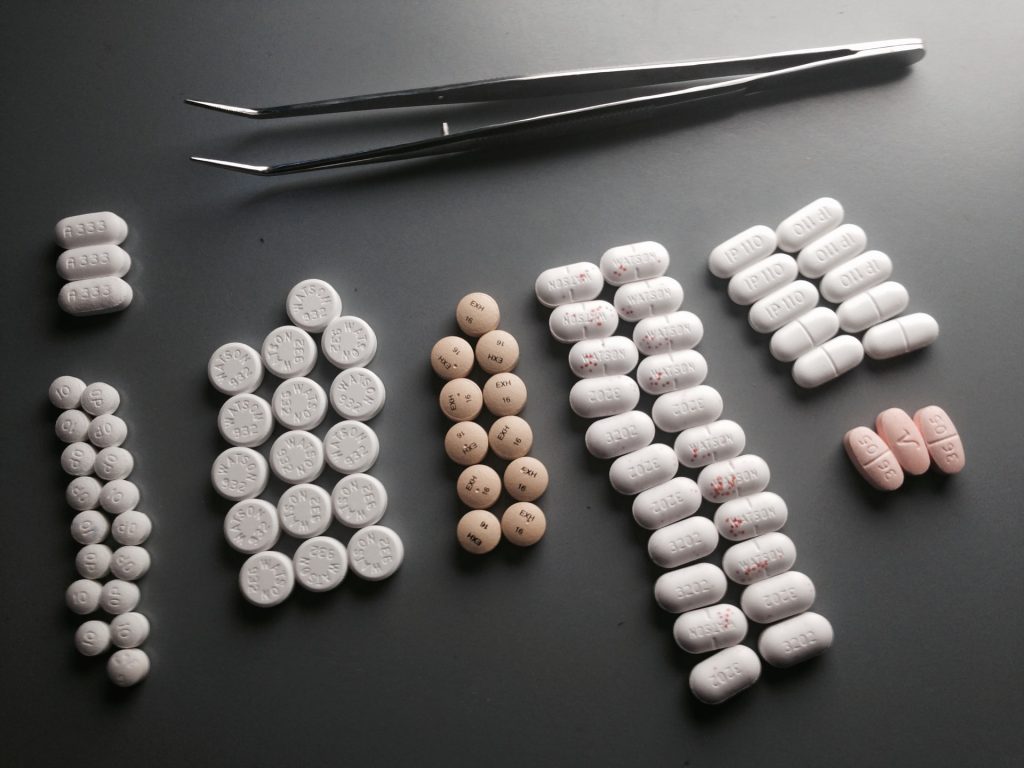
Redispensing cancer drugs reduces both medical costs and environmental impact, according to research from Radboudumc pharmacy published in JAMA Oncology. The annual savings could amount to tens of millions.

Cancer drugs as pills are not always used up by patients. The drugs are mostly expensive and environmentally damaging, both in production and (waste) disposal. In her PhD research, Lisa-Marie Smale of Radboudumc investigated whether these unused drugs can be collected and reissued. Does such an approach ultimately lead to lower environmental impact and costs?

Redispense medication

When redispensing medications, the quality must be guaranteed. Therefore, in this study the medications were packaged separately and fitted with a sensor, which registers whether returned medications were kept within the required temperature. Smale: “If packaging, temperature and expiration date are in order, the returned medications can be redispensed. For two years we investigated this procedure in cooperation with the pharmacies of four Dutch hospitals; Radboudumc, UMC Utrecht, Jeroen Bosch hospital and St Antonius hospital. Over a thousand patients who were taking oral cancer medications at home participated in the study during that period.”

Saving tens of millions

The results look promising. The investment in the method, such as packaging with a temperature sensor, amounts up to 37 euros per patient per year. This is offset by savings of 613 euros. Annually, this results in a net saving per patient of 576 euros. Smale: “In the Netherlands, we can save between 20 and 50 million euros annually with this redispensing of medication. Meanwhile, we have further optimised the process, making a net saving of 655 euros per patient possible. In the Netherlands, we have relatively low drug prices. If you look at the US, where the price of new drugs is over 300 percent higher, in principle much more money can be saved there.”

Large-scale consequence

Of all wasted medicine packaging, two-thirds could be reissued. Project leader Charlotte Bekker of Radboudumc says, “Based on the results, the study will be expanded to 14 hospitals. Again, we are looking at cancer pills. Reissue is only allowed in the context of a scientific study because of European rules. We hope that the approach can eventually be used nationwide, as well as for other drugs.”

Sustainability and social impact also benefit

“This approach is cost-effective for expensive drugs,” Smale says, “but ultimately there are other factors you want to consider, such as sustainability or social impact. Think of the environmental impact you can reduce by not destroying drugs but redispensing them; this can also be beneficial for drugs that are in short supply.”

Broad interest

To the researcher’s knowledge, this study the first to examine drug redispensing with guaranteed quality. The topic is attracting strong interest, not only in the medical community but also beyond. Several parties are committed to make further expansion possible. In addition to the participating hospitals, the Dutch Association of Hospital Pharmacists (NVZA) is also closely involved. And it is part of the Green Deal objectives to make healthcare more sustainable. Smale: “We are happy to work with all parties to address and reduce the cost and environmental impact of wasted medicines.”

Source: Radboud University Medical Center

Study Confirms Link between CT Scans in Young People and Increased Risk of Cancer

Credit: Pixabay CC0

A multinational study of almost one million individuals confirms a strong and clear association between radiation exposure from CT scans in young people and an increased risk of blood cancers. These results, published in Nature Medicine, highlight the importance of continuing to apply strict radiological protection measures, particularly in paediatric populations. 

The benefits of computed tomography (CT) for imaging in patient management (including diagnostic efficacy, treatment planning and disease follow-up) are undisputed. But in recent decades the extensive use of this procedure has raised concerns about the potential cancer risks associated with exposure to ionising radiation, particularly in young patients.

“The exposure associated with CT scans is considered low (less than 100mGy), but it is still higher than for other diagnostic procedures,” says Elisabeth Cardis, Head of the Radiation Group at ISGlobal and senior author of the study. Previous studies have suggested an increased risk of cancer in in children exposed to CT scans, but they had several methodological limitations.

To address these limitations, clinicians, epidemiologists and dosimetrists from nine European countries (Belgium, Denmark, France, Germany, Netherlands, Norway, Spain, Sweden, and UK) came together to conduct a multinational, European-funded study, EPI-CT, coordinated by the International Agency for Research on Cancer (IARC).

“Implementing this large, multinational study was challenging – it involved extracting data from radiology records of 276 hospitals and linking them to population-based registries in nine countries, all while maintaining the confidentiality of the individuals’ data,” says Cardis.

A dose-dependent association

The study analysed data from almost one million people, who underwent at least one CT scan before the age of 22. The dose of radiation delivered to the bone marrow, where blood cells are produced, was estimated for each person. By linking this information to national cancer registries, EPI-CT researchers were able to identify those who developed a blood cancer over time. Individuals were followed for an average of 7.8 years, although for those who had CT scans in the early years of the technology, researchers were able to monitor cancer incidence for more than 20 years after the first scan.

The results show a clear association between the total radiation doses to the bone marrow from CT scans and the risk of developing both myeloid and lymphoid malignancies. A dose of 100mGy approximately tripled the risk of developing a blood cancer. These results suggest that a typical scan today (with an average dose of about 8mGy) increases the risk of developing these malignancies by about 16%. “In terms of absolute risk, this means that, for every 10 000 children who have a CT scan, we can expect to see about 1–2 cases of cancer in the 12 years following the examination,” says first author Magda Bosch de Basea, ISGlobal researcher at the time of the study.

The authors point out that more work is needed to ensure that doses and technical parameters are systematically and adequately collected in the clinics in real time to further improve risk estimates in the future.

Public health implications

Today, more than one million children in Europe undergo CT scans every year. Although radiation doses from CT scans have decreased substantially in recent years, the findings of this study underline the need to raise awareness among the medical community and to continue to apply strict radiation protection measures, especially in the youngest patients. “The procedure must be properly justified – taking into account possible alternatives – and optimised to ensure that doses are kept as low as possible while maintaining good image quality for the diagnosis,” Cardis explains. 

Source:

New Drug Effective for 3 of 4 Trial Patients with Relapsed Blood Cancer

Photo by National Cancer Institute on Unsplash

A new targeted drug, may offer a new treatment option for patients with blood cancers, including chronic lymphocytic leukaemia (CLL) and Non-Hodgkin lymphoma (NHL) whose disease has stopped responding to standard treatments.

In the first clinical trial of this drug in humans, nemtabrutinib was effective in three-fourths of cancer patients tested, without severe side effects. The results of the trial were published in the journal Cancer Discovery.

Haematologist and study lead investigator Jennifer Woyach, MD, notes that about half a dozen drugs are available to treat these B-cell cancers. Although most patients respond to these drugs initially, over time, many patients experience disease progression. The study was done by researchers at The Ohio State University Comprehensive Cancer Center – Arthur G. James Cancer Hospital and Richard J. Solove Research Institute (OSUCCC – James).

“Blood cancers that have relapsed after initial treatments can be difficult to treat, and even with our effective medications, some patients run out of standard treatment options.  In this trial, nemtabrutinib looks very promising for patients whose cancer has progressive after other treatments.” said Woyach, who is co-leader of the Leukemia Research Program at the OSUCCC – James.

How this drug therapy works

When an antigen, such as a virus or bacteria, enters the bloodstream, it triggers a set of signals in B-cells to produce antibodies. In some people, said Woyach, this process goes haywire. Instead of fighting infections, the B-cells begin to divide uncontrollably, resulting in cancer. Drugs against B-cell cancers work by binding to a key enzyme, called Bruton’s tyrosine kinase (BTK). This enzyme is involved in the signaling process. The drugs block the action of the enzyme, and as a result, the abnormal B-cells die.

In many patients, this effect is temporary with available drugs. Over time, the BTK enzyme to which the drugs bind mutates so they can no longer stop its action. Soon, the cancer returns. Nemtabrutinib was designed to bind to BTK even in the presence of common mutations that make other BTK inhibitors stop working. It also binds to a number of proteins besides BTK that are important in B cell cancers. These two properties made this drug very appealing to study in this patient population.

Study methods and results

The researchers tested the new drug on 47 patients who have had at least two prior therapies for their blood cancer. Over half of these patients had relapsed CLL, while the others had NHL. The researchers gave these patients one pill of nemtabrutinib every day, with different doses along the trial. They observed the patients’ response to the drug over time and monitored them for side effects.

The study found more than 75% of the patients with relapsed CLL responded to the drug, at an optimal dose of 65mg. These included patients who had mutations in BTK. Most patients remained cancer free for at least 16 months during the trial. While all patients experienced some side effects – which is common with chemotherapeutic drugs – many of these were minor and manageable, proving that the drug was also very safe.

“The drug is being moved to larger and more definitive trials, where it will be compared against other standard-of-care drugs, and in combination with other active medications,” said Woyach.

The blood cancers investigated in this trial affect B lymphocytes, which is a cell that is responsible for producing antibodies and fighting infections. CLL is the most common leukaemia making up a quarter of leukaemia cases among adults, and NHL accounts for 4% of all cancers in the United States.

Source: Ohio State University

Opinion Piece: Prostate Cancer is One of the Most Common Male Cancers in South Africa – How Would You Deal with a Diagnosis?

Credit: Darryl Leja National Human Genome Research Institute National Institutes Of Health

By James White, Head of Sales and Marketing at Turnberry Management Risk Solutions

According to the National Cancer Registry (NCR) of South Africa, prostate cancer is the most commonly diagnosed cancer among men in South Africa. In 2020, it accounted for more than 22% of all male cancers, with the average age of diagnosis being 65 years old. While prostate cancer is more common among older populations, it can affect men of any age, and although the disease is often treatable, the success of treatment and survival rate depends heavily on an early diagnosis and access to appropriate treatment. The last thing anyone wants to think about after a diagnosis is how they will pay for the treatment, or if they can even afford it, which is why gap cover has become an essential weapon in the fight against cancer.

Key points about prostate cancer

While the exact cause of prostate cancer is unknown, there are several risk factors that increase a man’s likelihood of developing the disease. These include age, family history, and lifestyle factors such as diet and exercise. However, if it is caught early, prostate cancer can often be successfully treated, so it is important for men to get regular check-ups and prostate cancer screenings starting at age 50 (or earlier if they have a family history or other risk factors). Regular screenings can help detect prostate cancer before it has a chance to spread, giving men the best chance of a favourable outcome.

It is also important to know that help and support are available. Prostate cancer can be a difficult diagnosis for men and their families, but there are many resources available for support, including support groups like the Machi Filotimo Cancer Project, as well as online forums, and counselling services. These resources can help men and their families cope with the emotional and practical challenges of a prostate cancer diagnosis and treatment. When it comes to the financial side, it is important to understand your medical aid scheme and plan option, and how treatments will be covered.

Shortfalls and PMB conditions

Prostate cancer is a Prescribed Minimum Benefit (PMB) condition, which means that medical aid schemes in South Africa are required by law to provide cover for diagnosis, treatment, and care, in line with that which is available at a state hospital. However, this does not mean that medical expense shortfalls will not occur. Co-payments may still apply for certain aspects of treatment and making use of a non-Designated Service Provider (DSP) may attract penalties. Depending on the scheme and plan option a patient has, there may also be other limitations on the cover received for cancer treatment.

For example, a PMB will cover the treatments that are available as per the protocols of a state hospital, including surgery, chemotherapy, immunotherapy, radiation, and hormone therapy. There are also next-generation biological cancer drugs that are used to successfully treat prostate cancer while being minimally invasive and having fewer side effects. These drugs, however, are not part of the basket of PMB care, and will be covered according to the cancer benefits of a patient’s medical aid scheme and plan. There is significant potential for shortfalls here, as these drugs are expensive, are not often fully covered, and need to be administered multiple times to be effective.

A significant gap

As with all cancers, early detection saves lives, and the sooner a patient can start to get the treatment they need, the better their prognosis. However, having to think about the financial implications can add strain to an already stressful situation. Having the right gap cover policy can be invaluable in ensuring that you can receive the best treatment, quickly, to give you the highest chance of surviving and thriving after a prostate cancer diagnosis.

At Turnberry, prostate cancer claims make up a significant 17% of all cancer-related claims, and the amounts claimed for are substantial sums of money. In 2022 alone, we paid out several high-value claims related to prostate cancer – a shortfall of R29 530 from a total bill of R84 889.50; a shortfall of R31 496.60 from a bill of R47,244.90; a claim of R54 555.50 from a total charged amount of R84 899.50; a claim of R53 722 from a total bill of R80 583; and a shortfall claim of R26 765.86 from a total bill of R39 392.80. Without gap cover, these patients would have had to fund these shortfalls out of pocket, which could significantly impact their financial wellbeing long after they received a clean bill of health.

Always talk to your broker

Medical aid schemes and the various plan options within the schemes vary in the coverage they provide as well as the way in which their cancer benefits are structured. In addition, different gap cover policies have different coverage options, which means that it is important to talk to your broker or financial advisor to find the best gap cover policy to augment your medical aid cover. Ultimately, gap cover is a small price to pay for the peace of mind it offers, that you will be covered for cancer treatments and that the financial burden of shortfalls will not fall on your shoulders, or on those of your family members either.

About Turnberry Management Risk Solutions

Founded in 2001, Turnberry is a registered financial services provider (FSP no. 36571) that specialises in Accident and Health Insurance, Travel Insurance, and Funeral Cover.

With extensive experience across healthcare and insurance industries in South Africa, Turnberry offers unsurpassed service to Brokers and clients. Turnberry’s gap cover products are available to clients on all medical aid schemes, as they are independently provided and are therefore transferable in the event of a change in the client’s medical aid scheme.

Turnberry is well represented nationally, with its Head Office based in Bedfordview, Johannesburg with Business Development Managers in Cape Town and Durban. The Turnberry Team’s focus on outstanding client service comes from having extensive knowledge and experience in the financial services sector and is underwritten by Lombard Insurance Company Limited. Lombard Insurance Company Limited is an Authorised Financial Services Provider (FSP 1596) and Insurer conducting non-life insurance business.