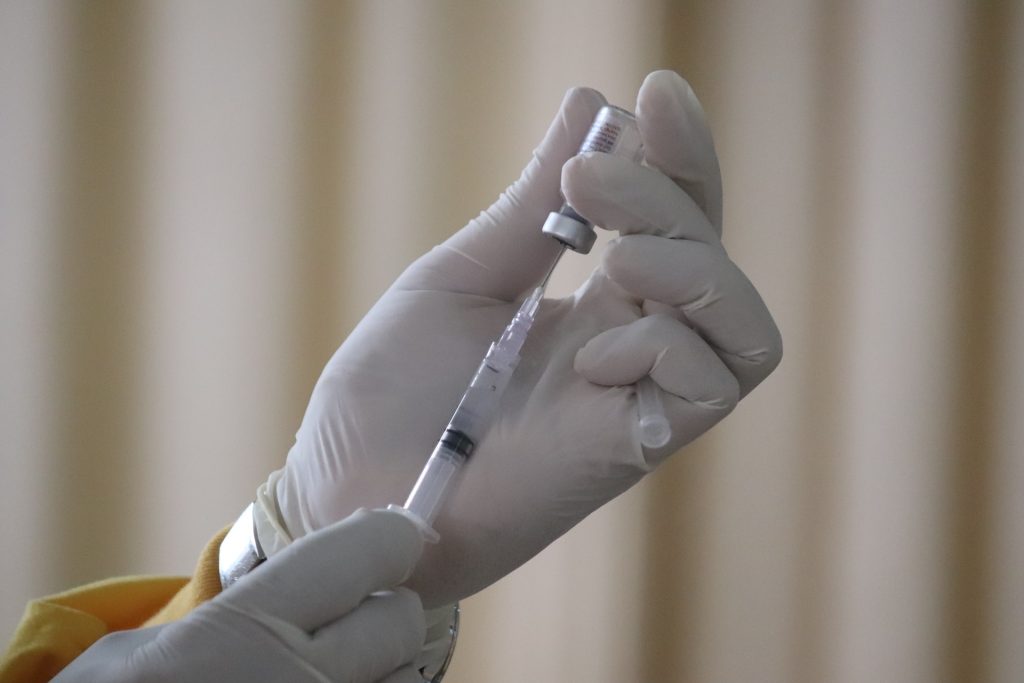
Cambridge scientists have shown that girls and boys show differences in what they pay attention to, even at birth. Since these differences are present so early, it is possible they emerge due to prenatal factors.
It’s nature and nurture, not nature or nurture
Simon Baron-Cohen
The findings suggest that some psychological differences between males and females (such the development of social skills) may be influenced by both prenatal biology as well as later experience.
The study, published today in Biology of Sex Differences, involved testing 130 newborn infants only hours after birth. It builds on previous research by the same lab and uses robust methods to demonstrate the differences.
For years, research has shown that girls, on average, learn to talk earlier and develop social skills faster than boys. Scientists have long debated whether these differences are due to culture or biology. One way to answer this question is to test if sex differences are present soon after birth, before society and culture have influenced a child’s development.
A study from the University of Cambridge published in 2000 found girls at birth on average looked longer at faces, and boys on average looked longer at objects. Since then, scientists in the field called for a replication of this study. However, no research team has attempted this until now, since it is very challenging to carry out research on newborn infants.
In this new study, infants were presented with side-by-side videos containing a social stimulus, namely a human face with natural movement, and a non-social object, namely a set of metallic balls swinging due to gravity and their mechanical properties (a Newton’s cradle).
The team found that, regardless of sex, newborn infants generally preferred to look at the social stimulus. However, on average, female infants spent a greater proportion of the time looking at the social stimulus compared to male infants, while male infants spent a greater proportion of time looking at the non-social stimulus compared to female infants.
Since this is within hours of birth, before much postnatal experience (such as social expectations based on gender) has occurred, it is likely that prenatal biological factors that differ between the sexes during pregnancy (such as hormone levels and genetics) contribute to the observed on-average sex differences.
Yumnah Khan, a PhD student at the Autism Research Centre, University of Cambridge and the lead researcher on the study, said: “Our recent research has also shown that on-average sex differences are present in brain structure at birth and emerge prenatally. This new study tells us that there are not only on-average sex differences in the brain but also in attention and behaviour.”
Professor Sir Simon Baron Cohen, Director of the Autism Research Centre, University of Cambridge, who supervised the study, said: “This study addresses the age-old question of whether nature plays any role at all in shaping sex differences in the human mind and brain. The fact that we observe these differences within hours of birth, before extensive postnatal experience has occurred, suggests that prenatal factors play a role, and that these prenatal factors – sex hormones and/or genes – go on to interact with postnatal experience. In other words, it’s nature and nurture, not nature or nurture.”
The new study used more robust methods compared to the original 2000 study. In particular, it included more controlled experimental testing conditions as well as a more reliable method to monitor infant gaze. Crucially, the researchers who analysed the videos of the baby’s eyes were blind to the baby’s sex and whether the baby was looking at the social or the non-social stimulus, which ensured that they could not bias the results.
Dr Alex Tsompanidis, Assistant Research Professor at the Autism Research Centre and a member of the research team, said: “Sex differences at birth are important as starting points, but we need to remember that they don’t fully determine how children learn and develop in later life. This is because biological and social factors always interact, contributing to the rich diversity of human societies.”
Professor Carrie Allison, Deputy Director of the Autism Research Centre and another member of the research team, said: “The differences we see don’t apply to all male or all female infants, and are only seen when you compare groups of male and female infants, on average. There’s a lot a variation within, and overlap between, each sex. Our future research needs to better understand that variation.”
The team is now interested to find out if these early sex differences contribute to later differences in children’s minds, brains and behaviour. To test this requires a longitudinal (follow-up) study design, which is underway. The researchers hope that by understanding the origins of the earliest sex differences, scientists can better understand neurodiversity and conditions such as autism, which is diagnosed about twice as often in boys than in girls.
This research was supported by the Wellcome Trust, the Simon Foundation Autism Research Initiative (SFARI), and a PhD studentship from Trinity College, Cambridge and the Cambridge Trust. A follow-up study is funded by the K. Lisa Yang Centre for Autism Research at Cambridge, which is part of the Yang Tan Collective.
Reference
Khan, YT, Tsompanidis, A, Hymanson, E, Wickramanayake, S, APEX Consortium, Austin, T, Allison, C, & Baron-Cohen, S. Sex differences in social attention at birth. Biology of Sex Differences; 21 Sept 2026; DOI: 10.1186/s13293-026-00976-9
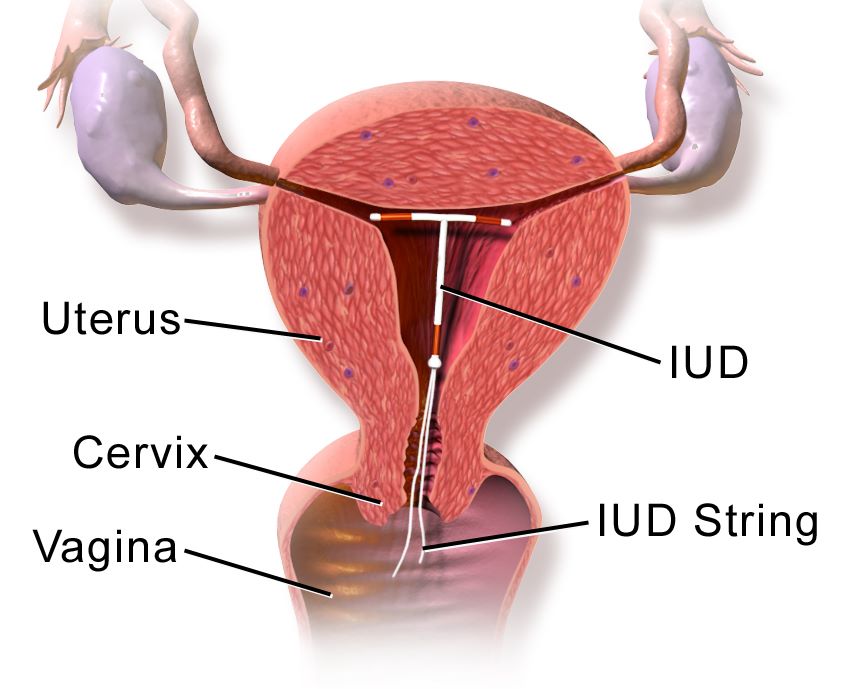
A simple method involving local anaesthesia in the uterus can reduce pain during IUD insertion, according to a new study from the Karolinska Institutet, published in the journal JAMA. The method also increased the proportion of women who found the procedure tolerable. The results may encourage more women to choose an IUD as a method for contraception.
The IUD is an effective and long-acting contraceptive, but fear of pain during insertion make many women choose not to have one inserted. Currently, IUDs are inserted without local anaesthesia or, in some cases, with local anaesthesia administered via an injection into the tissue around the cervix – an injection that could be experienced as painful.
In the new randomised study, researchers investigated whether a small amount of local anaesthetic, introduced into the uterus via a thin plastic catheter a couple of minutes before the procedure, could make the procedure less painful.
The study involved 370 women aged between 18 and 31 who had not previously given birth. The participants were randomly allocated to receive either the local anaesthetic mepivacaine or a saline solution prior to IUD insertion. Neither the participants nor the healthcare staff knew which treatment was being administered.
The results show that pain was reduced in the group receiving active treatment. On a scale from 0 to 100, the average pain score was 43.8 compared with 58.6 in the control group – a reduction of around 15 units. At the same time, the proportion of participants who found the pain tolerable rose from 91.4 to 98.3 per cent.
“We can see that the method not only reduces pain, but also means that more people find the procedure acceptable,” says Helena Kopp Kallner, professor at the Department of Clinical Sciences, Danderyd Hospital, Karolinska Institutet, and senior consultant at the Women’s Clinic at Danderyd Hospital, who is co-last author with Niklas Envall, a postdoctoral researcher at the same department.
The overall experience was also improved. More than half of the women in the treatment group found the procedure easier than expected, compared with around a third in the control group.
An important aspect of the study was that the administration of the anaesthetic itself should also be gentle. The results show that most participants found the administration to be only mildly painful.
“It is a simple method that does not require needles and is easy to use in everyday clinical practice,” says lead author Karin Elgemark, PhD student at the same department.
The researchers point out that the study does not compare the method with other types of pain relief, which is a limitation. This means it is not possible to determine whether the method is more effective than alternative treatments. The results are also based on self-reported pain, which may be influenced by individual experiences.
“Our study shows that the method works when compared with no active treatment, but it also needs to be compared with other pain relief methods,” says Helena Kopp Kallner.
The study was carried out at eleven gynaecological clinics and youth health centres in Sweden. It was funded by the Swedish Research Council. Some of the researchers have reported receiving remuneration for lectures from companies that manufacture intrauterine devices (IUDs), but these organisations played no role in the conduct or analysis of the study.
South Africa’s liver transplantation landscape has changed in the last 20 years. Donald Gordon Medical Centre
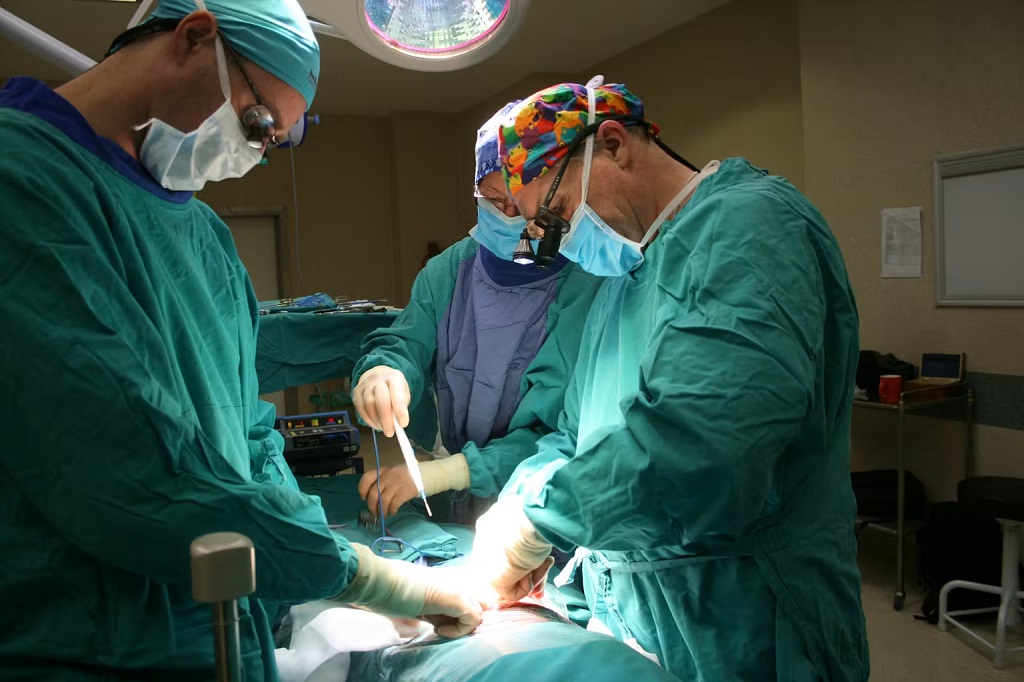
South Africa is no stranger to organ transplants. The world’s first heart transplant was performed in the country in the 1960s. There have been major developments in the decades since then. In the 1980s an organ donor registry was set up and local surgeons have been pushing the boundaries of what is possible. The Wits Donald Gordon Medical Centre recently marked a milestone of completing 1000 liver transplants since initiating its programme in 2004.
The Conversation Africa asked Jerome Loveland, head of transplant surgery at the centre and academic head of transplantation at the University of the Witwatersrand, about the current state – and future – of liver transplantation in the country.
How has the liver transplant landscape in South Africa changed?
In the 1980s, the University of Cape Town started to build a deceased donor liver transplant programme. It became the centre of liver transplantation in South Africa for decades.
When we at the Wits Donald Gordon Medical Centre started our own unit around 2004, it shifted the landscape. Obviously, it’s never smooth, and one of the most limiting factors around transplantation is the availability of deceased donor organs.
Right from the beginning we were looking for ways to optimise the use of the livers that did become available. Very early on we embarked on more complex transplants, like reducing a whole liver into a small piece to put into a child, or dividing a whole liver into two usable pieces where one piece goes to an adult and the other to a child. So “split liver” transplants allowed us to use those livers optimally.
From there, we expanded into living donor transplantation, typically from a parent to a child, and then transplants across the blood group barrier. We were the first in South Africa to perform transplants in patients with acute liver failure. All these key moments have allowed us to optimise the organs available and we’ve become a relatively high-volume centre.
What other developments have changed things?
The most recent game-changer is machine perfusion of the liver. This machine allows us to resuscitate and store donor organs more viably for extended periods of time. We have introduced this technology as the standard of care for our extended criteria donor livers, which include livers from older donors. Donald Gordon is currently the only unit in Africa using this technology.
It allows us to transplant an additional 10% to 15% of livers that we otherwise wouldn’t have used, as we would have most likely discarded them as unsafe to use. With the resuscitative component of machine perfusion, we can now use these livers with confidence.
Most importantly, the machine resuscitates the donor liver so that once it’s put into the recipient it functions much better and much sooner. It avoids what we call early graft dysfunction. It has a whole lot of benefits in terms of avoiding complications in the recipient, and reduces the costs of post-operative care.
We are excited to prove the cost-benefit to funders over the next 10 to 20 transplants.
With all these advancements, what challenges remain?
The availability of deceased donor organs is what drives the waiting list. We’ve got the capacity from a staffing and a hospital perspective to double our transplants per month very easily. We currently do about 50 to 60 liver transplants a year, or one a week.
There are still patients who fall off the waiting list because they get too ill or because they die.
My message for South Africans is to become organ donors when you die. By donating one’s organs you’re saving seven lives, probably more. There are seven recipients of those solid organs that will have a life-changing transplant. The register is run by the Organ Donor Foundation; people can sign up to be donors on their website.
South Africa runs a single waiting list for all transplant recipients, whether from the private or public sector. It’s estimated that more than 4,000 people in the country are waiting for an organ transplant. These patients are all discussed and listed at a collaborative weekly meeting, and deceased donor organs are allocated to the sickest patient on the list.
Has the demand for liver transplants increased over the last 20 years?
Yes. We have broadened our criteria for patients who are eligible for transplantation, such as transplanting for acute liver failure and for certain liver malignancies with strict criteria. These are categories of patients who benefit greatly, but it does add pressure to the system.
I think this increase is driven less by rising lifestyle diseases like obesity or alcohol use, and more by increased awareness. Physicians are better at diagnosing end-stage liver disease and referring patients, and patients themselves are becoming more self-aware. They are asking the right questions and self-referring to the hospital. Before, someone with end-stage disease might have just been palliated until the end, but now patients are seeking out transplantation. That is a very positive development.
Research shows ultrasound stimulation can reduce passive stiffness in the soleus, suggesting potential for non-invasive management of deep muscle stiffness
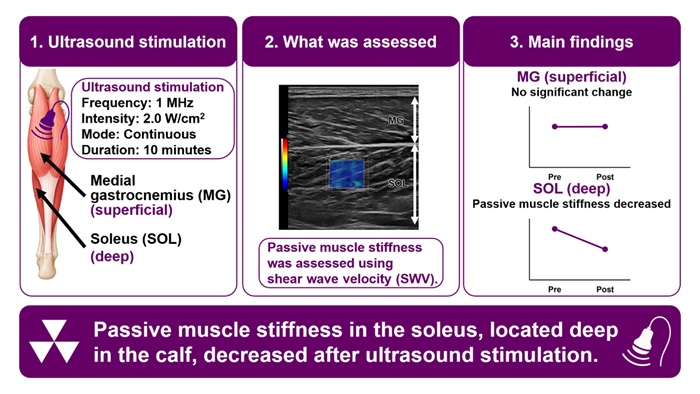
Ultrasound stimulation was applied to the calf for 10 minutes, and passive muscle stiffness was assessed using shear wave velocity. The study compared the superficial medial gastrocnemius (MG) and deeper soleus (SOL) muscles. Passive muscle stiffness decreased in the SOL after ultrasound stimulation, while no significant change was observed in the MG. Image credit: Mr Tomohiro Umeda from Doshisha University, Japan
Passive muscle stiffness is a risk factor for muscle strain injuries. Stretching, heat, and vibration have been evaluated on superficial muscles, but approaches for decreasing stiffness in deeper muscles remain unclear. In a recent study, researchers from Japan showed that 10 minutes of ultrasound stimulation can reduce stiffness in a deep calf muscle called the soleus, hinting at a promising non-invasive strategy for managing deep muscle stiffness, with potential future application in sports injury prevention.
Muscle strain injuries are a common problem in sports, and injuries to the triceps surae, the calf muscle group that includes the gastrocnemius and soleus, can significantly affect athletic performance and return to play. One factor that is thought to influence a muscle’s susceptibility to strain is passive muscle stiffness, which refers to the resistance of a relaxed muscle to being stretched. A recent genetic study has strengthened the idea that stiffer muscles are more prone to injury, suggesting that passive muscle stiffness is an important risk factor. Thus, finding safe and feasible ways to reduce this stiffness might help prevent associated injuries.
Several strategies, including stretching, heat, and vibration, can significantly reduce passive muscle stiffness. However, research on these approaches has focused on muscles located close to the skin. The soleus, one of the main muscles of the triceps surae, sits deep underneath the medial and lateral gastrocnemius, which makes it a difficult target. Ultrasound stimulation is used in sports and rehabilitation and produces both heating and mechanical effects in biological tissue. As lower-frequency ultrasound can penetrate relatively deep into tissue, it raises the question: Could ultrasound actually reduce the stiffness of a deep muscle like the soleus?
To this end, a research team including Ph.D. student Tomohiro Umeda, Professor Tatsuya Hojo, and Professor Taku Wakahara from the Graduate School of Health and Sports Science at Doshisha University, Japan, examined the effects of ultrasound stimulation on calf muscle stiffness in 20 healthy adults. Their work was published in the Journal of Biomechanics.
A randomly selected leg of each participant received 10 minutes of continuous ultrasound stimulation at a frequency of 1 megahertz (MHz) and an intensity of 2.0 W/cm², while the other leg served as an untreated control. The researchers then used shear wave elastography, an imaging technique that measures how quickly mechanical waves travel through tissue, to assess muscle stiffness before and immediately after the ultrasound stimulation. Faster shear waves generally indicate stiffer tissue, so a decrease in shear wave velocity (SWV) was interpreted as a decrease in passive muscle stiffness.
The results showed a clear difference between the soleus and the medial gastrocnemius. SWV, an indicator of passive muscle stiffness, decreased significantly in the soleus after the ultrasound stimulation, while no significant change was observed in the untreated leg. In contrast, no significant change in SWV was observed in the more superficial medial gastrocnemius. Interestingly, participants who initially had stiffer soleus muscles tended to show greater reductions in stiffness following ultrasound stimulation. “Our findings suggest that ultrasound stimulation may have the potential to non-invasively decrease passive stiffness in deep muscles such as the soleus,” remarks Mr Umeda, “In the future, this approach may contribute to the development of conditioning and rehabilitation strategies for the prevention of sports-related muscle injuries.”
The different responses of the soleus and medial gastrocnemius may be related partly to their anatomical locations. The soleus is located about 2.44cm below the skin, whereas the gastrocnemius is much closer to the surface at just about 0.53cm. Moreover, differences in the muscles’ tissue composition may also contribute to their different responses, although the underlying mechanisms remain unclear. “Future research could clarify the optimal ultrasound parameters for different muscles and identify which individuals respond most effectively to ultrasound stimulation. Such knowledge could lead to more individualised conditioning and rehabilitation strategies for athletes,” concludes Mr Umeda.
Overall, the results highlight the potential of ultrasound stimulation as a non-invasive approach for managing stiffness in deep muscles that can be difficult to target with other methods. Further research will be needed to determine whether this approach can be incorporated into individualised conditioning and rehabilitation strategies and ultimately contribute to the prevention of sports-related muscle injuries.
A new analysis published in NEJM Catalyst Innovations in Care Delivery finds that the standard response to growing specialist wait times, hiring more physicians, is unlikely to solve the problem on its own, and may even worsen it. The article, Reducing Specialist Wait Times: What Can We Learn from Highway Traffic Engineers?, draws a direct parallel between specialist scheduling and highway congestion, where adding lanes fails to ease traffic because drivers simply adjust their behavior to take advantage of the new capacity.
Wait times for new specialist appointments in the United States have been rising for two decades. A national survey of six specialties across 15 metropolitan areas found that average wait times reached 31 days in 2025, up 19% since 2022 and 48% since 2004. Longer waits carry real costs for patients, including psychological strain and, in some cases, worsening symptoms that lead to more hospitalizations and emergency department visits.
Key Findings
Examining wait-time and physician-density data across four referral specialties – cardiology, dermatology, obstetrics-gynaecology, and orthopaedic surgery – the authors found positive association between the number of specialists per capita in a metro area and how long patients waited for an appointment.
The authors describe that this pattern mirrors “induced demand” in transportation economics: when road capacity increases, people drive more, quickly eroding any gains in travel time. In specialty care, the analogous dynamic is that more available specialists can lower the threshold at which primary care physicians refer patients, encourage patients to seek specialty care more readily, and lead specialists themselves to manage issues that primary care could otherwise handle. The result, the authors write, is that new specialists’ schedules fill quickly and wait times fail to fall.
Rather than relying primarily on hiring, the authors outline three categories of tactics, adapted from how traffic engineers manage congestion, that health systems can use instead or in tandem:
Expanding care options, such as building guidance into electronic health records so primary care physicians can manage more conditions themselves, expanding physician assistants’ and nurse practitioners’ role in specialty care, and offering virtual group visits to cut wait times.
Adjusting financial incentives, including raising copayments for specialist visits relative to primary care, and reduced out-of-pocket costs for chronic disease care delivered by nurse and other provider teams.
Giving patients better information tools, such as online self-scheduling, which reduces no-show rates and helps keep physician schedules full, and implementation of AI to answer patient questions and flag developing problems before they require a specialist visit.
The authors caution that redesigning specialty care is difficult: seeing long-stable patients is often easier for specialists than taking on new, complex cases, and any redesign has to give specialists the support they need to handle the patients who most need their expertise.
“Our argument is not against hiring more physicians, but for better leveraging the clinicians we have,” the authors write, adding that advanced practice providers in particular are “perpetually overlooked” in care redesign despite their central role on care teams.
About the Research
The analysis was authored by Leemore Dafny of Harvard Kennedy School & Harvard Business School, Sherry Glied of NYU Wagner Graduate School of Public Service, and Thomas H. Lee of NEJM Catalyst. It draws on wait-time and appointment-scheduling data from a national survey of physician offices in six specialties across 15 metropolitan areas, combined with physician density data from the Area Health Resources Files.
South Africa’s HIV & TB Healthcare Worker Hotline service is run by the University of Cape Town’s Medicines Information Centre. (Photo: Unsplash)
By Adiel Ismail for Spotlight
A crucial hotline run for nearly 20 years from the slopes of Devil’s Peak in Cape Town for healthcare workers anywhere in South Africa, from the country’s busiest urban hospitals to far flung resource strained rural clinics, has been suspended due to a lack of funding.
Around two decades ago when Dr Laurel Giddy first started working with people living with HIV, they were already very ill. She remembers five of her patients that she put on antiretroviral treatment dying. She says it was heartbreaking.
“I was just at sea. I felt like I was in the deep ocean, and it was very difficult to get help. There just wasn’t a lot of knowledge going around at the time,” she tells Spotlight. “Getting trapped in an environment where you’re not sure what you’re doing and where people die and you feel unsupported is just demoralising.”
This is the kind of high-stakes situation that the team at the South African National HIV & TB Healthcare Worker Hotline responded to when South Africa’s antiretroviral rollout started gathering steam after the end of state-sponsored AIDS denialism.
And with their help, the milestones at Giddy’s HIV treatment clinic that she help set up at the Knysna Provincial Hospital followed: first 100 people on HIV medicine and a couple of years later, 5 000.
“I’m getting quite emotional, but they helped our programme just fly,” says Giddy.
18 years of national support
The free hotline has to date answered more than 86 000 queries from doctors, nurses and pharmacists in public and private healthcare facilities in all corners of the country. The service is run by the University of Cape Town’s Medicines Information Centre.
“Over 18 years, the hotline has provided trusted, evidence-based clinical support to healthcare workers across South Africa, contributing significantly to patient care and strengthening health system capacity,” Annoesjka Swart, manager of the Medicines Information Centre, tells Spotlight.
But now the phone lines have fallen silent.
“Regrettably, we no longer have the financial resources required to sustain the service, having received no funding support for the hotline since April 2025,” she says. “Although we submitted a bid for a tender that was released on 1 April 2026, to our knowledge the bid has not yet been awarded.”
SA’s troubled twins
The suspension of a free hotline service dedicated to providing clinical advice for the management of HIV and TB is particularly worrying in South Africa where the two diseases remain deeply intertwined public health crises.
South Africa has one of the highest TB incidence rates in the world and the largest HIV epidemic in any single country. TB and HIV is among South Africa’s leading causes of death. Each is estimated to claim over 50 000 lives per year, although there is substantial overlap between the two since TB is the top killer of people with HIV.
The connection between HIV and TB is relatively straightforward. People with untreated HIV infection typically suffer severe damage to their immune systems, which dramatically increases the risk of falling ill with TB and dying of it.
One study showed how usage of the hotline by nurses increased dramatically in its first few years. Such support for nurses is particularly important in the context of the health department’s decision to authorise specially trained nurses to diagnose HIV and prescribe antiretroviral medicines in terms of its NIMART (nurse-initiated Management of Antiretroviral Therapy) programme. NIMART has been lauded as one of the reasons why South Africa’s HIV treatment programme could grow as fast as it did in the 2010s. Prior to NIMART, only medical doctors could prescribe antiretrovirals.
The team behind the hotline has also been involved with research – such as this study on healthcare workers’ knowledge of interactions between a widely used antiretroviral and other medicines.
How the hotline works
Swart explains that queries received by phone, e-mail, WhatsApp and ‘please call me’ go directly to one of the specially trained information pharmacists, who record all the details in a password-protected database. “Details recorded include caller demographics – profession, sector, facility, province – and relevant patient details – antiretroviral therapy history, medical history, laboratory results and other conditions/treatment and the question.”
The pharmacist then researches the query using up-to-date, evidence-based references and, where necessary, consults an expert clinician. “All references used and clinician input is recorded on the database. Most queries are answered on the same day,” says Swart.
As the patient of a healthcare worker who calls the hotline, she says that patient can be assured that the best possible treatment has been discussed with a multi-disciplinary team, where needed, without having to leave their local clinic.
Swart adds that hotline pharmacists have access to many clinical experts, based at the University of Cape Town’s medical school, Groote Schuur Hospital, Red Cross Children’s Hospital and more.
“Up to the end of August 2026, the hotline had answered 86 672 queries,” she says. Over the last five years from 2020 to 2025, Swart says the hotline managed about 380 to 430 HIV/TB queries per month, around 18 to 20 healthcare worker consultations every working day, or an estimated 90 to 100 consultations every week.
Most queries are received from the Western Cape, Eastern Cape, Gauteng, and KwaZulu-Natal. “Over the past 5 years, we’ve seen a steady increase in calls from Mpumalanga – 347 in 2021 to 571 in 2025 – and Limpopo – from 90 in 2021 to 201 in 2025,” she says.
Practical resources
While the primary focus of the hotline is to provide clinical support to healthcare workers across South Africa, Swart says her team also develops and designs easy-to-use posters, booklets and tools based on national guidelines.
There is also an associated SA HIV/TB Hotline app available on Google Play and the Apple App Store. It includes a drug-drug interaction checker allowing healthcare workers to check multiple medicines against all HIV medicines, a step-by-step tool on how to manage skin, renal and liver adverse drug reactions to antiretrovirals and TB medicines, and a dosing tool for prescribing HIV medicines for children. “The app had over 6 000 active South African users between April and June 2026,” says Swart.
She adds that a Facebook page was created in 2016, which posts daily news and a weekly query of the week on Fridays to a following of over 12 500 people.
In one query posted on Facebook, a nurse from the Eastern Cape wanted to know if she should recall a patient earlier than the month she instructed. She initiated the 23-year-old male, who had been diagnosed with HIV three days earlier, onto the single-pill, once-a-day antiretroviral regimen of Tenofovir disoproxil fumarate, Lamivudine, and Dolutegravir. While he was clinically well, results for his CD4 count – the number of blood cells in a cubic millimetre of blood which gives an indication of the health of a person’s immune system – was 179 and he tested positive on a cryptococcal antigen test (CrAg).
The hotline’s experts advised the nurse to recall the client urgently, within 1 to 3 days and was pointed to the country’s guidelines which state that any client with a first or new CrAg-positive result should be called back for an urgent lumbar puncture and clinical assessment for meningitis, regardless of whether symptoms of meningitis are present. (Read Spotlight’s special briefing on cryptococcal meningitis, which is a serious fungal infection causing inflammation of the lining of the brain and one of the top killers of people living with HIV in South Africa.)
Swart says based on knowledge gaps that the pharmacists on the hotline pick up through the queries received, the hotline service has provided weekly WhatsApp-based microlearning sessions to three groups of healthcare workers. Since May 2025, 723 nurses, 915 pharmacists and doctors, and 375 community health workers joined these sessions on a wide spectrum of HIV and TB topics.
“The closure of the hotline will result in the unavailability of free clinical support for healthcare workers across the country managing people living with HIV and TB,” Swart says. “In addition, no posts will be added to the Facebook page, no new posters or tools will be designed, the weekly training has stopped, and the app will be maintained but not expanded.”
The funding conundrum
Swart explains that the hotline service has been funded throughout its existence, and most recently through a service level agreement with the National Department of Health from a Global Fund grant. “Our last Global Fund tranche finished in March 2025, and all documents to renew the contract were previously submitted in May 2024 for a new contract to start on 1 April 2025,” she says.
The Global Fund, established in 2002 to provide funding for HIV, TB and malaria programmes, announced in May last year that it was reducing funding to over 100 countries amidst shortfalls. It has indicated that it’s final grant to South Africa of around US$403 million will be for the period running from April 2031 to March 2034.
Swart says her team was informed in November 2024 that the team in charge of the Global Fund grant at the National Department of Health were planning to implement a tender process and was reassured that the hotline activities will still be supported.
“Several delays then ensued in combination with the global funding cuts across the board in February 2025. In April 2026, the service was put out on tender, and we successfully progressed through Phases 1 and 2 of the evaluation process. Following an invitation to present on 15 May 2026, we have unfortunately not received any further feedback, despite follow-up efforts made in a manner that respects the integrity and confidentiality of the procurement process. There has also been no information that another bidder was successful.”
Swart says the hotline’s activities came under strain in October 2025 when significant cuts in staff time were implemented and emergency funding was used to sustain the service.
“While we have always needed to seek and apply for funding, we have kept the service going and never had to face suspension before. Unfortunately, the massive budgetary constraints can no longer be overcome with emergency and cross funding endeavors,” she says. “It will remain suspended until alternative funding can be secured or the tender is awarded, so that we can reopen the hotline and continue all advisory activities.”
Spotlight sent questions to the National Department of Health, but had not received a response by time of publication.
What it means for healthcare workers
The news of the suspension of the National HIV and TB Healthcare Worker Hotline has prompted widespread concern.
Southern African HIV Clinicians Society CEO Dr Fiona Storie says it has promoted the use of the hotline to their extensive network of healthcare workers throughout the years.
“We believe the hotline provides an integral support service to clinicians in the country. The suspension of the hotline represents a significant loss of a valuable resource that enhances evidence-based HIV and TB management in South Africa.”
Noluthando Swartbooi, an occupational health nurse practitioner at Kwazakhele Clinic in Nelson Mandela Bay, tells Spotlight she has been using the hotline for about four years now. “HIV and TB management continues to require ongoing support, up to date knowledge and at times specialist guidance. Having access to experience through the hotline has been extremely helpful,” she says.
With chronic shortages of healthcare workers in the public sector among other challenges, she says she is worried about the suspension of the service. “The cases we deal with are not straight textbook examples so guidance from experts is beneficial. Suspending the hotline could place a strain on healthcare workers as they may have fewer options of teams that may assist in management of patient cases. This may affect the quality of care provided to patients,” she says.
A clinical pharmacist in Mpumalanga, who has been using the hotline for around five years, says she is daunted because most practitioners she works with don’t keep updated with current national treatment guidelines. She says it falls on her with the help of the hotline to ensure that all patients are taking appropriate treatment and the right doses.
“I do not know who I’ll be seeking help from moving forward, especially for patients that need dose adjustments according to the liver and kidney function tests as well as paediatrics since there’s some TB medication that’s out of stock. Their absence will make my workload even heavier than it already is right now,” she says.
For her part, Swart seems committed to limiting the disruption and finding a way to getting the hotline up and running again.
“While the suspension of services represents a significant and regrettable setback, we remain fully committed to preserving the hotline and are actively exploring funding opportunities that may allow us to resume operations in the future,” she says. “Should funding become available, we will work diligently to restore the service as soon as possible.”
Giddy says she is devastated that the hotline service is on its knees. “They supported us in our sorrows, and they rejoiced in our triumphs with us for years,” she says.
Type 2 diabetes increases the risk of chronic kidney disease, making prevention of kidney failure a key part of treatment. Newer diabetes medications, including GLP-1s and SGLT2 inhibitors, can reduce the risk of kidney disease, but previous studies have included large proportions of patients who already had signs of kidney damage, making it unclear whether the findings applied to patients without kidney damage.
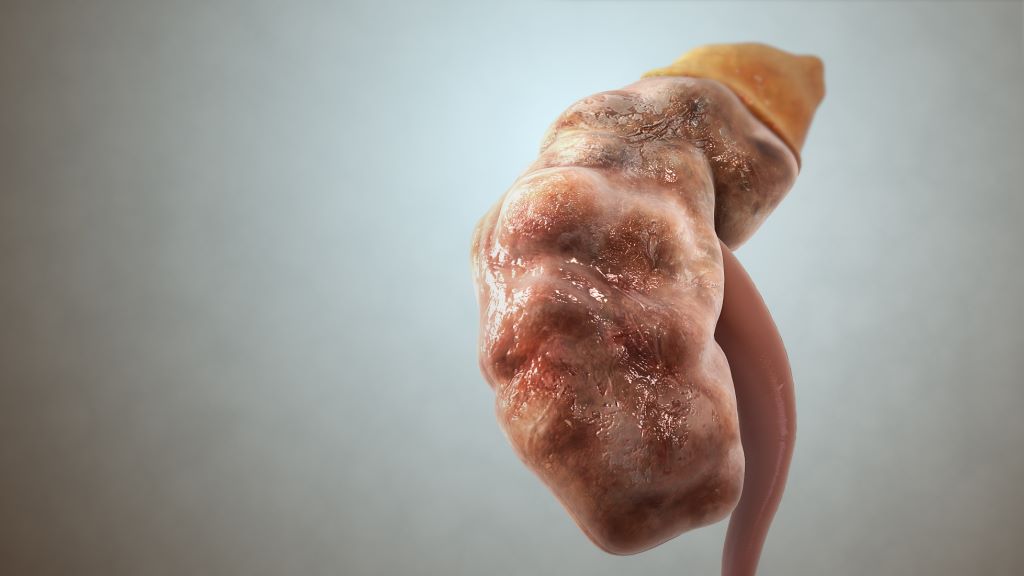
A new study led by Mass General Brigham researchers found that GLP-1 agonists and SGLT2 inhibitors reduced the risk of kidney deterioration in patients with diabetes who had protein in their urine, a sign of kidney damage, before treatment. However, the researchers found little evidence of kidney benefit among patients without protein in their urine. They also showed that sulfonylureas, an older class of diabetes medication, led to faster declines in kidney function in patients with diabetes who didn’t have protein in their urine. Results are published in the BMJ.
“Our study shows that we need to tailor diabetes treatment to the individual patient instead of using a one-size-fits-all approach,” said corresponding author Alexander Turchin, MD, MS, of the Division of Endocrinology in the Mass General Brigham Department of Medicine. “A simple urine test could help doctors assess whether a patient may receive kidney protection from GLP-1 receptor agonists or SGLT2 inhibitors and whether sulfonylureas could pose additional risk.”
Tracking kidney outcomes
The researchers analysed medical record data from 75 455 patients with type 2 diabetes across the U.S., including 13,872 who presented with protein in their urine. They followed the patients for up to five years and compared the risk of developing chronic kidney disease among patients prescribed GLP-1s and SGLT2 inhibitors with those prescribed sulfonylureas or DPP4i. All patients had moderate cardiovascular risk and were receiving metformin as their primary diabetes medication.
Among patients with protein in their urine, GLP-1s and SGLT2 inhibitors were associated with substantially better kidney outcomes than DPP4i. However, GLP-1s and SGLT2 inhibitors did not appear to provide a significant kidney benefit in patients without protein in their urine. Among patients without protein in their urine at baseline, treatment with sulfonylureas was associated with an increased risk of kidney deterioration compared with DPP4i.
Gap for lower-risk patients
Further research is needed to identify therapies to prevent kidney disease in the large population of patients with type 2 diabetes who don’t present with protein in their urine, the researchers say.
“These findings will allow us to individualise medication choices that maximally benefit the patient in front of us rather than for the hypothetical ‘average person,'” said Turchin. “Patients and their doctors should discuss how to balance these different risks and benefits in their individual circumstances when choosing their type 2 diabetes medications.”
New research from the University of St Andrews has found that women are less like than men with the same medical condition to be offered active management such as surgery, a stent or a strong painkiller.
The findings, published in PLOS One, come from a review that sifted 1112 published studies down to those that directly compared the care given to male and female patients. Of the 38 that analysed patient records, 33 reported a significant difference in the treatment men and women received.
Researchers from the University of St Andrews School of Medicine found that almost none of those studies pointed to any guideline recommending different treatment by sex, leaving open whether this reflects sound clinical judgement or unequal care.
Dr Andrew O’Malley, who co-led the study, said: “For clinicians, the findings are a prompt to check whether treatment is being offered on clinical grounds rather than assumption. For example, one study found that when the teams deciding who receives advanced heart failure therapy functioned poorly, women were less likely to be selected. Other work shows doctors more often attribute women’s symptoms to anxiety and make more diagnostic errors with female patients, even when test results are positive.
Dr Miriam Veenhuizen, Honorary Lecturer in the School of Medicine, said: “While the direction of the findings was not a surprise the consistency was. The same pattern appeared in cardiology, surgery, transplant medicine and emergency care, and it survived statistical adjustment in most studies. It’s not entirely clear why this is happening, but it is likely because women were under-represented in clinical trials until recent decades, so many guidelines rest on data from men.”
Dr Veenhuizen added: “What struck us most was the imbalance in attention. Over the same period, 551 studies examined sex inequality affecting doctors and other health professionals. Only 41 examined what happens to patients.”
The researchers now intend to test whether the same patterns appear in the outputs of generative AI systems, which are trained on this literature and on clinical records, and which could entrench these differences at scale if left unchecked.
Many women usually say the same thing during pregnancy: they walk into a room and forget why, misplace their keys or struggle to follow a conversation. This phenomenon, often called ‘pregnancy brain’ or ‘momnesia,’ has long lacked a clear biological explanation.
Now, a new study by researchers at Baylor College of Medicine and collaborating institutions and published in Science Bulletin, identifies a specific brain circuit in an animal model that becomes disrupted under the sustained high oestrogen levels present during pregnancy. The findings offer the first biological explanation of how exposure to high-level circulating oestrogen can temporarily impair memory.
A novel brain circuit links high oestrogen levels with memory problems
“We worked with mouse models designed to mimic the sustained, high blood-oestrogen levels of pregnancy. These models showed that elevated oestrogen caused reversible memory impairment without affecting mood or motivation, suggesting a specific cognitive effect rather than a general change in well-being,” said senior author Dr Zheng Sun, associate professor of medicine – endocrinology, diabetes and metabolism and of molecular and cellular biology at Baylor.
Digging into the underlying biology, the team found that oestrogen receptor alpha, the protein that transmits oestrogen’s signals into cells, is the dominant oestrogen receptor in the brain region called the lateral hypothalamus. Furthermore, this region has abundant GABAergic neurons – brain cells that normally send calming, inhibitory signals to other parts of the brain. Using single-nucleus RNA sequencing, the researchers discovered that high oestrogen levels suppress signaling in these neurons, leading them to fire more frequently. “When we genetically removed oestrogen receptors from these hypothalamic neurons, both oestrogen-induced and pregnancy-induced memory problems in mice were reversed,” said Sun, a member of Baylor’s Dan L Duncan Comprehensive Cancer Center.
The team also found that these overactive hypothalamic neurons project directly into a region of the hippocampus that is a hub for memory formation. Using chemogenetics, a technique that allows researchers to turn specific neurons on or off, the team showed that silencing this hypothalamus-to-hippocampus pathway protected mice from estrogen-induced memory problems, whereas artificially activating the same pathway was sufficient to impair memory on its own, even without elevated estrogen.
Reconciling mixed evidence
Oestrogen’s relationship with memory has puzzled researchers for decades. For instance, hormone replacement therapy after menopause has been linked to cognitive benefits in some studies, while high oestrogen during pregnancy or with oral contraceptive use has been linked to memory complaints in others. The new findings suggest a possible explanation – it may not simply be a matter of ‘more oestrogen is better’ or ‘worse,’ but rather where in the brain that oestrogen acts, and at what levels.
“Low-level, cyclical oestrogen exposure appears to support cognitive function, which is part of why hormone therapy can help postmenopausal women,” said senior author Dr Yanlin He, associate professor at Pennington Biomedical Research Center. “But sustained, high-level oestrogen exposure seems to engage a different pathway altogether, one centred in the hypothalamus rather than the hippocampus itself. That distinction may help reconcile a lot of conflicting data in the field.”
Confirming the link in pregnant women
To determine whether these findings translate to humans, the researchers assessed memory performance in women across different stages of pregnancy. They found task-specific memory impairments that emerged during late pregnancy, and that correlated with circulating oestrogen levels, even after accounting for other factors that might influence cognition. This human data supports the idea that the hormone-driven circuit identified in mice may underlie the memory changes many pregnant women experience.
“Momnesia is real, it has a defined biological basis and is temporary,” said senior author Dr Xianghua Zhuang, professor at the Second Qilu Hospital of Shandong University. “We hope this work helps validate what many women have described anecdotally for years, and gives researchers a concrete target for future study.”
“The memory changes observed in both mice and women were temporary and task-specific, not a sign of broader cognitive decline,” said senior author Dr Xinguo Hou, professor at the Qilu Hospital of Shandong University. “Nonetheless, understanding the underlying circuit could eventually inform how clinicians counsel patients about the cognitive side effects of pregnancy or hormonal contraceptives, and could open avenues for therapies targeting this specific pathway without disrupting oestrogen’s broader, beneficial roles in the body.”
Investigation reignites questions about what steps were taken to safeguard public health from any unintended consequences of the vaccination rollout
Photo by Mufid Majnun on Unsplash
US health officials knowingly relied on a compromised algorithm to detect signals of harm from mRNA covid-19 vaccines and silenced efforts to fix it, finds an investigation published by The BMJ.
The findings are based on government emails released under the Freedom of Information Act and in response to US Senate investigators, as well as exclusive interviews with public health officials and other scientists by investigative journalist David Willman.
Before rolling out covid-19 vaccines in December 2020, the US Centers for Disease Control and Prevention (CDC) assured healthcare professionals and the public that its Vaccine Adverse Event Reporting System (VAERS) could quickly spot any potentially harmful reactions following vaccination.
The CDC planned to use two “data mining” techniques: “proportional reporting ratios” (PRRs) and an “empirical bayesian” method provided by the Food and Drug Administration (FDA), which operated VAERS jointly with the CDC. The two agencies planned to share and discuss results.
But according to a letter by CDC Director Rochelle Walensky, the agency did not perform PRR analyses until 2022, and both CDC and FDA “chose to rely” entirely on FDA’s bayesian method.
The BMJ can reveal that the FDA’s algorithm failed to signal a potential relationship between mRNA covid vaccination and myocarditis (inflammation of the heart muscle), pericarditis (inflammation of the fluid-filled sac around the heart), Bell’s palsy, tinnitus, and other reported disorders owing to a flaw in the detection methodology.
The problem arose because over 90% of initial VAERS reports were for the new mRNA covid vaccines made by Pfizer and Moderna. If both vaccines elevated the risk of an adverse event like myocarditis in roughly equal amounts, however, the “observed” frequency and “expected” frequency would be similar, resulting in no automated alert.
Internal records show that FDA officials were aware of this limitation before and during the pandemic. Government documents also show that CDC officials were informed during rollout of the vaccines.
In early 2021, FDA medical officer Dr Ana Szarfman, working with statistician William DuMouchel, who had developed the bayesian algorithm, warned top officials about the flaw and proposed an updated algorithm that flagged signals. But Szarfman was asked to “cease and desist.” Meanwhile, officials continued to cite the lack of system alerts while reassuring clinicians and the public of the vaccines’ safety.
When the CDC finally ran PRR analyses in 2022, CDC director Walensky said results revealed “no additional unexpected safety signals.” Yet the analyses – examined by The BMJ – show hundreds of adverse events that met the agency’s alert criteria, including myocarditis, pericarditis, Bell’s palsy, and tinnitus, which the FDA’s bayesian method had not triggered.
In October 2023, the FDA’s pharmacovigilance chief acknowledged in an email to colleagues that the agency knew – as the vaccines had rolled out more than two years earlier – of the detection deficiency, but did not respond to requests for comment.
Approached by The BMJ, Szarfman insisted that she had not sought to undermine public support for the covid vaccines. Expressing frustration, she noted, “Very few people understand the statistics. That’s the problem.”
DuMouchel said he could not explain officials’ resistance to switch to the updated method, stating, “I think that they were wrong.” He also regretted that FDA officials rejected Szarfman’s proposed fixes for VAERS, adding, “If they had paid attention to Ana, they would have done better.”