Eminent cardiologist involved in treatment guidelines received £50m from drug research contracts Case shows what’s at stake in the debate around transparency of doctor-industry relations
Source: CC0
A British cardiologist and former president of the European Society of Cardiology (ESC) has been judged by the ESC to have committed severe misconduct after a Danish TV documentary reported that he had been involved in drawing up guidelines for the use of the heart drug ivabradine (Corlanor, Procoralan) while profiting from lucrative contracts with the drug’s maker.
An investigation published by The BMJ describes how between 2006 and 2015, Kim Fox, emeritus professor of clinical cardiology at the National Heart and Lung Institute, Imperial College London, who reportedly served as cardiologist to the late Queen Elizabeth II, and his wife Karen Summers, a former drug industry executive, received more than £50m as co-directors of the UK based contract research organisation Heart Research.
This company was involved in running at least three clinical trials of ivabradine, made by French drug company Servier, that were published in the same period, reports freelance journalist, Laura Spinney.
In 2006, when Fox became president of the ESC, he chaired an ESC taskforce that published a guideline recommending ivabradine as an alternative treatment for angina in patients who couldn’t tolerate beta blockers. Authors were asked to disclose conflicts of interests, but the guideline did not publicly identify what Fox had disclosed.
As outgoing ESC president in 2008, Fox championed the drug publicly though it had failed to meet the primary endpoint in the first of the three trials Heart Research was involved in.
Ivabradine remains approved for angina and heart failure in Europe, and for heart failure in the US, but persistent doubts have been expressed over its efficacy.
It’s rare for alleged conflicts of interest to involve such large sums of money. The case remains unreported in most of Europe and beyond, even though the ESC’s guidelines are influential worldwide.
The Danish documentary, which aired in September 2024, triggered an internal review by the ESC which found that the 2006 guideline recommendations were “appropriate” and reported “no evidence to suggest a bias towards ivabradine.”
But in March 2025, the ESC ethics committee found that Fox “had failed to meet his ethical obligations and considered his behaviour as a severe misconduct.”
Pulmonologist Irène Frachon, described the sums involved in the case as “monstrous” while Rita Redberg, a cardiologist and former editor in chief of JAMA Internal Medicine, said: “It totally goes against the grain of the profession.”
Fox rejected the ethics committee’s findings and resigned his ESC membership, claiming that he had always declared any conflicts of interest and that “he was not prepared to be judged on the basis of rules and regulations described in 2024 retrospectively for activities in 2006 to 2008.”
The ESC admitted to The BMJ that its declarations process was relatively lax in the early 2000s and said that it had been substantially strengthened since. Meanwhile, Servier said that it “strictly complies” with transparency guidelines established by the European Federation of Pharmaceutical Industries and Associations, a trade body.
The Fox story has emerged at a time when some in Europe are pushing for reforms that would end voluntary declaration of conflicts of interest and enshrine greater transparency in law.
For former ESC vice president John Martin, the ESC has not done enough to restore public trust, and the recent revelations risk damaging the doctor-patient relationship while also leaving the volunteers who run the society feeling betrayed. He urged further action. “The ESC board might be seen as tacitly complicit unless there is a thorough public investigation,” he said. “Many questions remain.”
A conversation with Qingyu Chen, PhD, about what medical artificial intelligence learns, what it memorises, and what it takes to use it responsibly.
Qingyu Chen, PhD, and his team set out to study how artificial intelligence language models are adapted for medicine and found that what these models memorise can be both useful and risky. A model may retain valuable medical knowledge, but in a controlled study using real hospital records, the same fine-tuning – the added training that adapts a model to a specific task – that improved diagnostic performance also made it more likely to reproduce material it had seen during training, including sensitive patient information.
The study, published recently in Nature Communications, reflects a question at the center of Chen’s research: How can medical AI become not only more capable but also more reliable and safer? The study was led by its first author, Anran Li, PhD, who conducted the research as a postdoctoral researcher in Yale’s Department of Biomedical Informatics and Data Science.
Chen is an assistant professor of biomedical informatics and data science at Yale School of Medicine, with a secondary appointment in ophthalmology. He leads research on the accuracy and reasoning of medical language models and on multimodal AI-assisted disease diagnosis, which draws on both text and medical images.
The following conversation with Chen discusses what medical AI learns, what it memorises, and what it takes to use it responsibly.
What is your lab’s research focus?
Our lab does two things that are usually treated as separate: We build medical AI, and we study where it fails.
On the building side, we work with two main kinds of information medicine runs on. We develop models that read clinical records and the medical literature, models that analyse medical images to help diagnose disease and predict its course, and systems that combine both, so an AI can weigh a patient’s written history alongside their scans, the way a physician would.
But a model that performs well on a test is not the same as a model you can trust with a patient. So, we also study how these systems fail. They can state falsehoods with complete confidence. They can reach a right answer through faulty reasoning. And, as our recent work shows, they can memorise sensitive information from the data they were trained on.
Our goal is to develop medical AI that is genuinely useful, understand where it breaks down, and produce the evidence needed to know when it can – and cannot – be trusted.
Why work across both text and images?
Because medicine is inherently multimodal. A patient cannot be understood through a single paragraph or a single image. Clinical decisions often require bringing together a patient’s history, laboratory results, medical notes and imaging findings.
Our work spans both sides of that. On the language side, we develop methods to help computers understand clinical records and biomedical literature. On the imaging side, much of our research focuses on medical images and specialties that depend heavily on them—ophthalmology in particular, where we work on diagnosing eye disease and predicting how it will progress. This is also why I hold a secondary appointment in ophthalmology.
Progress here requires more than developing new models. One of the biggest barriers is the limited availability of medical data that is large enough, reliable enough and free for researchers to share.
To help address this, we recently developed MedPMC, a system that has assembled 11 million medical images paired with their accompanying text, drawn from research literature that is openly licensed for reuse—and that is designed to keep growing as new research is published. We’ve made the data, the tools used to assemble it, the tests for measuring performance and the resulting models publicly available so that other institutions can develop, evaluate, reproduce and adapt these systems rather than starting from scratch.
Your team recently published a study in Nature Communications on how AI models ‘memorise’ medical data. What does memorisation mean here?
Memorisation means that a model can recall or reproduce content it encountered during training. If a model has been trained on clinical guidelines, it may reproduce part of a guideline when you give it the opening of that passage. If it has had additional training on a set of medical exam questions, it may produce an answer choice that appeared in that training data – even after we removed that choice from the question.
That is different from simply saying that a model performs well. When a model answers a question correctly, there are several possible explanations. It may have acquired genuine medical knowledge. It may have learned a pattern of reasoning it can apply to problems it hasn’t seen before. Or it may simply recognise the question and reproduce something it previously saw during training. If all we check is whether the final answer is correct, we cannot tell these apart.
So, our goal was to look beyond accuracy and ask a different set of questions: How often does memorisation occur? What types of content get memorised? How much can a model reproduce? Does what it memorised earlier survive further training? And what does all of this mean for using these systems in medicine?
What did you find?
We looked at the main stages a general-purpose model goes through on its way to becoming a medical one.
First, we examined models that had already undergone continued pretraining, in which a general-purpose model is trained further on large collections of medical text, including biomedical literature, clinical guidelines and clinical notes. Second, we evaluated models that had been fine-tuned on the standard question-and-answer datasets that the field uses to test medical models. Third, we conducted a privacy-protected, HIPAA-compliant study using more than 13 000 medical records to fine-tune models for disease diagnosis.
This was done in an isolated and secure computing environment. These records had already been collected in the course of care; the study did not recruit patients or change anyone’s treatment.
Across those settings, we examined both general-purpose models and models trained on medical data, 10 different datasets containing hundreds of thousands of records and thousands of model responses that we manually reviewed.
The patterns differed depending on the training stage. Continued pretraining was more likely to produce long, word-for-word matches to source documents. Fine-tuning produced less long-form copying in some settings, but more memorisation tied to the specific task the model was trained on. For example, after fine-tuning on medical question-and-answer datasets, models reproduced roughly 14% to 21% of the answer choices that had been removed from the question the model was shown.
We also found that memorisation was persistent. Depending on the setting, as much as 87% of what a model memorised during continued pretraining was still present after it had been fine-tuned on a new medical task. Fine-tuning does not necessarily erase what a model previously memorised. It may preserve that content while adding new memorisation specific to the task it was just trained on.
What did the clinical case study show?
The clinical case study showed both the potential benefit and the risk of adapting these models to real-world medical data. Fine-tuning improved diagnostic performance; for one model, the correct diagnosis came up as its first choice 54.8% of the time, up from 48.6%. In some specialties, the gains were larger than that – more than 10 percentage points in areas such as cardiology and nephrology, which deal with heart and kidney conditions.
At the same time, the study showed a real privacy risk. In a controlled test conducted in a secure research setting, we found that the model could sometimes reproduce sensitive information from the records used to train it. This was not something that would happen during patient care, but it shows that privacy risks should be evaluated before models trained on clinical data are shared or deployed.
Is memorisation always harmful?
No. One of the central findings of our study is that memorisation in medicine is not a single behaviour.
We identified three broad types. The first is beneficial memorisation. A model may accurately retain biomedical concepts, clinical guidelines, the medical literature it has read or specific medical knowledge tied to its task. That kind of memory may support factual accuracy and help the model perform medical tasks more effectively.
The second is uninformative memorisation. Models sometimes reproduce document disclaimers, section headings, formatting instructions or other boilerplate language. This adds little medical value and may indicate that the model is learning surface-level patterns rather than deeper medical understanding.
The third is harmful memorisation. This includes reproducing quirks specific to a particular dataset, word-for-word passages from patient notes, protected health information or other sensitive patient content. This form of memorisation may create privacy risks and may also indicate that the model is leaning too heavily on its training data rather than generalising to new cases.
The important question, then, is not simply whether a model memorises; it is what the model memorises, why it memorises it, and whether that memory supports or undermines the medical use it is intended for.
Did anything about the way memorisation develops surprise you?
One thing that stood out: Memorisation did not only show up late, after a model had been trained too long. It began early.
As we trained the models, we tracked their progress and compared three things: how much they were memorising, how well they were learning by the usual measure, and how accurate their diagnoses were. Memorisation began increasing relatively early, even while the standard measures still showed the model improving, and before its diagnoses had reached their peak accuracy.
That means traditional indicators researchers watch during training – such as whether the model keeps improving on held-out data, or the point at which they would normally stop training – are useful but may not be sufficient on their own. A model can appear to be learning effectively according to standard performance measures while simultaneously increasing its retention of training-specific content.
We also found two other patterns. Larger models and longer inputs were generally associated with more memorisation. By contrast, changing common generation settings such as temperature – which controls how varied the model’s answers are – had relatively limited effects. This suggests that memorisation is fundamentally connected to how a model is trained and what data it is exposed to, rather than being something that can simply be solved by adjusting how the model generates its answers after training.
What do you most want readers to take away from this work?
Adapting an AI model to medicine does not simply make it “more medical.” It changes what the model knows, what it remembers and what it may reproduce.
Some of that memory is valuable. We want models to retain accurate medical knowledge and clinical guidance. But we do not want them to rely on meaningless repetition, echo back the answers to test questions or expose sensitive information from patient records.
Trustworthy medical AI therefore requires more than measuring whether a model gets the answer right. We need to understand how it got there, what it retained from training, and whether it will stay safe and reliable when used in a new setting.
Scientists have shown that a naturally occurring virus can dismantle complex bacterial communities responsible for severe gum disease, offering a potential alternative to traditional antibiotics.
In the first study to demonstrate this effect, La Trobe University researchers found the FNU1 virus selectively attacked Fusobacterium polymorphum, a bacterial species that helps other disease-causing bacteria to stick together and thrive.
The virus reduced total bacterial levels by 94 per cent, leaving only about six per cent of the original disease-causing plaque intact.
Despite targeting just one bacterial species, the treatment dramatically reduced the size and density of the plaque, with levels of three other bacteria linked to gum disease falling by more than 85 per cent.
Dr Mwila Kabwe, lead author and Post Doctoral Research Fellow at La Trobe’s Holsworth Biomedical Research Centre, said the findings were important given gum disease affects more than half the world’s population and remains a leading cause of tooth loss.
The research focused on bacteriophages or phages, viruses that infect bacteria but are harmless to humans.
“Current treatments for gum disease don’t directly target the bacterial imbalance that drives the disease, and the dense layers of bacteria that form around teeth can be resistant to antibiotics,” Dr Kabwe said.
“By targeting one of the key bacteria that holds these disease-causing communities together, we were able to destabilise the entire plaque community.
“The findings suggest phages could offer a more precise way to treat gum disease while preserving healthy bacteria.”
While the laboratory findings are promising, further research is needed before phage-based treatments could be used in dental practice.
The study forms part of Dr Kabwe’s early career-research investigating how phages could be used to target harmful bacteria linked to oral disease and other chronic health conditions.
A study by DZNE finds that healthy eating is associated with slower biological aging – and that there is more than one way to eat healthily. The researchers examined ten dietary patterns considered healthy, including the Mediterranean, Nordic, and a plant-based diet, as well as the DASH diet, which is designed to help lower blood pressure. All were linked with slower biological aging, with age-related changes in the DNA serving as markers. These results, based on data from DZNE’s Rhineland Study and confirmed with data from an independent study, are published in the journal Nature Communications.
“Our study suggests that healthy eating goes hand in hand with slower biological aging. The effects are not massive, but they are measurable and relevant for prevention. By slowing the aging process, the risk of age-related diseases such as dementia or cardiovascular disorders can be reduced. Thus, healthy eating contributes to healthy aging,” says Prof. Monique Breteler, Director of Population Health Sciences at DZNE and head of the Rhineland Study. “Importantly, there is probably no single ‘correct’ diet. According to our data, various dietary patterns are associated with slower aging, some more, some less. That is an encouraging finding, because it leaves room to tailor healthy eating to personal and cultural preferences, budget and taste.”
Molecular Aging Measures
For their analysis, the researchers evaluated blood samples and dietary habits from about 7500 women and men: This included 6470 participants of DZNE’s Rhineland Study in Bonn – where the findings were initially made – and 1034 participants of the EPIC-Potsdam Study of the German Institute of Human Nutrition Potsdam-Rehbrücke (DIfE), where the key results were independently confirmed.
From blood, the team determined chemical modifications in the DNA, known as “DNA methylation patterns”, which influence gene activity and thus biological mechanisms. Since these molecular markers change systematically over the course of life, they are considered indicators of biological aging.
“We applied three different approaches, so-called epigenetic clocks, to read biological aging from DNA methylation,” explains Juliana Tavares, a doctoral researcher at DZNE and lead author of the current publication. “To this end, we leveraged state-of-the-art technology, which allowed us to cover about 850 000 sites in the DNA. This is roughly twice as many as in most previous studies.”
Healthy Eating: Different for Everyone
The researchers also matched every participant’s eating habits against the recommendations of each of the ten diets studied. Adherence was quantified and graded using a scoring system based on how closely individuals followed each dietary pattern. “One and the same person could therefore rank high on one diet score and low on another. In other words: People who ate healthily by one standard were often not the same people who ate healthily by another. According to our data, hardly anyone counts as a healthy eater by every standard at once,” says Tavares.
However, across the board, higher diet quality was associated with slower biological aging. This applied to all of the ten diets examined. “While there are measurably differences between the diets, they are modest in absolute terms. It’s the big picture what matters,” says Tavares. “In summary: When it comes to slowing down the aging process, there isn’t just one healthy diet, but indeed a whole repertoire of possible diets with a positive effect.”
One result was particularly noteworthy: the association between diet quality and slower biological aging was most pronounced in smokers, even though smokers were by no means eating healthier than non-smokers. The biological explanation is still open. “Smoking is very harmful to health,” says Tavares, “One explanation for our findings might be that there is just more health benefit to gain for smokers by eating healthy because of the enormous detrimental effects of smoking.”
Shared Biological Pathways
Although each dietary pattern was associated with its own distinct set of DNA methylation sites, the biological mechanisms involved showed substantial overlap. “More than 70 percent of the affected biological pathways were shared across all diets. These involve cell structure, cell signalling and metabolism – processes central to aging and chronic disease. Therefore, it is understandable that the dietary patterns we examined were all linked with a slowing of biological aging,” says Tavares. “A few pathways were diet-specific, and they matched each diet’s main objectives: heart-related pathways were unique to the DASH diet, and pathways related to cognition and memory were unique to the so-called MIND diet, which aims to support brain health. You don’t need a perfect diet – that may be the most practical message here. But moving forward, the diet-specific pathways point to future research on targeted dietary interventions. This could be helpful in designing targeted health recommendations.”
Study found distinct immune changes preceding multiple sclerosis relapse, providing new insight into how Epstein-Barr virus reactivation may trigger an MS attack in people with genetic risk factors
An electron micrograph showing three Epstein-Barr virus (EBV) particles colourised red-orange. Credit: NIAID
A new study illuminates the connection between the Epstein Barr virus (EBV) and multiple sclerosis (MS), pointing to a causal role for reactivation of the virus in triggering MS attacks in people with certain genetic risk factors. In a study of blood samples from more than 100 participants with MS, Mass General Brigham researchers detected increased EBV lytic activity in immune cells up to three months before MS relapse and discovered that these cells also showed elevated expression of genes linked to MS risk. The finding helps explain how a common virus and genetic risk may work together to trigger MS attacks. The work is published in Nature Medicine.
“These findings open a whole new avenue for targeted therapeutics,” said senior author Tanuja Chitnis, MD, director of the Translational Neuroimmunology Research Center and Chief of the Division of Neuroimmunology at Mass General Brigham. “Currently, most MS treatments work by broadly suppressing the immune system. Our results suggest there’s an opportunity to be more precise and develop approaches that target EBV or the immune cells involved in relapse.”
Researchers analysed blood samples from 114 patients with MS and 21 healthy participants in the Comprehensive Longitudinal Investigation of Multiple Sclerosis (CLIMB) study, a decades-long MS cohort based at Brigham and Women’s Hospital, to track immune changes before relapse. The study included samples collected up to 90 days before participants experienced a relapse, allowing researchers to compare the pre-relapse immune state with periods of remission in the same patients.
To identify which immune cells changed the most before a relapse, researchers used single-cell RNA sequencing and other molecular techniques to analyse hundreds of thousands of immune cells. They found that B cells (immune cells that can house dormant EBV) showed some of the strongest changes, activating genes associated with antiviral responses, inflammation and EBV activity. The researchers also observed an increase of ABC-like B cells, a subset of cells linked to viral infections and autoimmune disease. They found that EBV proteins (derived from EBV genes) triggered MS risk genes to be expressed in immune cells prior to relapse, but not during remission or in healthy controls.
If these findings are validated in larger, prospective studies, blood biomarkers of EBV activity could help identify patients at increased risk of relapse, complementing MRI scans and existing blood biomarkers that typically detect disease activity only after inflammation is already underway. The authors note that future studies are needed to determine whether these findings extend to early-stage and progressive forms of MS.
“We believe this work provides foundational insights into the cause of multiple sclerosis,” said Chitnis. “This study puts all the pieces together, showing a timeline of how the reactivated virus interacts with risk genes to unleash inflammation before relapse
A summer intervention programme for autistic children ages 4-6 with no intellectual disability significantly improved their social performance, according to a study by researchers at the Institute for Autism Research (IAR) at the University at Buffalo. It was published in Advances in Neurodevelopmental Disorders.
“Completion of our 5-week summerMAXyc programme was associated with significant social, behavioral and autism symptom benefits for the children,” says Christopher J. Lopata, PsyD, co-author on the study and co-founder/co-director of the IAR with Marcus L. Thomeer, PhD; both are professors of pediatrics in the Jacobs School of Medicine and Biomedical Sciences at UB. “Developing such foundational skills early in development sets the stage for development of more advanced skills later in childhood, adolescence and adulthood, thus leading to better long-term outcomes.”
Thomeer notes that while programmes for autistic children with no intellectual disability ages 4-6 do exist, few provide intensive social programming. This population also tends to engage in significantly fewer group recreational activities in general than their peers without autism, further limiting social development opportunities.
“This constitutes a significant gap in social intervention development and service provision, which prompted our interest in developing such a programme for this population,” he says.
Five weeks, five days a week
The intensive summerMAXyc programme was conducted five-days-a-week over five weeks in the summer. The programme follows a similar model to that of the IAR’s successful, evidence-based summerMAX programme for older children, which has helped improve the social skills of hundreds of children since it began 23 years ago.
In the summerMAXyc programme, each 6-hour day included 8 cycles of 30 minutes each, which began with 10 minutes of instruction in particular skills, such as having a conversation or accepting consequences, followed by a 20-minute cooperative activity.
According to the study, the children found that the programme was fun and helped them learn skills and make new friends. Average child satisfaction was 14.9 out of a possible 15 with parent satisfaction at 69.8 out of a possible 70. Parents reported significant improvement in the children’s social skills, behaviors and autism symptoms.
There is broad consensus that earlier intervention is associated with better outcomes for autistic children. And parents are often the first to recognize the need.
“Parents reach out to us because their child has difficulty navigating the social world,” says Thomeer. “They describe their autistic children as wanting to have friends but not knowing what to do in social situations.”
Families noticed the difference
Over the course of their child’s participation in summerMAXyc, Thomeer says, parents reported that other family members began to notice the child playing with others, not just playing alone. They also noticed that the child now makes eye contact, asks about others, plays games without getting upset and can recognise and understand different emotions.
According to Thomeer, a mother of one of the participants reported that her child not only noticed that she was frustrated about something, but also told her to “squeeze the orange,” a technique the children are taught where they squeeze an imaginary orange and take a deep breath in order to calm themselves down.
One of the study’s major strengths involved the use of objective observers to assess the children’s social performance. According to Lopata, parents are a critical source of information, however there is a risk of bias because they know that their children are in the intervention. Most social skills intervention studies for autistic children rely on parent ratings alone and therefore suffer from this limitation, he adds.
“Our use of masked observers – trained individuals – eliminated that risk because they were unaware that the children received an intervention,” says Lopata.
The authors also note that the intervention was similarly successful in improving the children’s social performance and autism features regardless of the child’s age, IQ level, communication ability or level of diagnostic symptoms.
“There is widespread recognition in the field that no intervention will be effective for all autistic children and there is a significant need to determine which children are most likely to benefit from a specific intervention,” says Lopata. “Answering this question can help ensure that scarce resources are efficiently allocated and that children receiving a given intervention are most likely to benefit.”
The next step is to test the intervention in a large-scale randomised clinical trial with a control group, which would be a first for such a social intervention in this population.
Researchers from the University of Liverpool and the University of Zurich have identified a potential safety consideration involving levetiracetam, one of the world’s most commonly prescribed antiseizure medications.
Some people with epilepsy also have conditions such as atrial fibrillation, an irregular heart rhythm that increases the risk of stroke and requires treatment with direct oral anticoagulants (DOACs), a widely used class of blood-thinning medicines. As a result, an estimated 6% of people with epilepsy receive concomitant treatment with an antiseizure medication and a DOAC.
A study published in JAMA Neurology found that people with epilepsy taking levetiracetam alongside a DOAC, including medicines such as apixaban and rivaroxaban, had almost twice the risk of stroke, heart attack or other serious blood clots compared with patients taking alternative antiseizure medications.
The international study also found that patients taking levetiracetam had a 60% higher risk of death, although there was no significant difference in the risk of major bleeding.
Some antiseizure medications are already known to reduce the effectiveness of blood thinners by increasing the breakdown of medicines in the liver. However, levetiracetam has generally been considered less likely to interact with other drugs and is frequently prescribed for patients requiring anticoagulation.
To investigate whether this assumption was justified, researchers analysed anonymised electronic health records from 165 healthcare organisations within the international TriNetX network. From more than 2.29 million adults with epilepsy, they identified 9529 patients who started an antiseizure medication while taking a DOAC.
Dr Gashirai Mbizvo, Senior Clinical Lecturer in Neurology at the University of Liverpool and Consultant Neurologist at The Walton Centre NHS Foundation Trust, said: “Levetiracetam is often favoured in people taking anticoagulants because it has generally been assumed not to interact significantly with these medications.
“Our findings challenge that assumption and suggest that patients taking levetiracetam alongside direct oral anticoagulants may face a substantially higher risk of serious blood clots and death than those taking alternative antiseizure medications.
“Importantly, this study identifies a safety signal rather than proving that levetiracetam directly causes these outcomes. Patients should not stop or change either their antiseizure medication or anticoagulant without medical advice.”
The researchers found that levetiracetam, which was taken by the majority (57%) of the study population, was associated with almost twice the risk of stroke, heart attack or other thromboembolic events compared with lamotrigine or lacosamide.
The study also confirmed concerns about older enzyme-inducing antiseizure medications, including carbamazepine and phenytoin, which were associated with a 55% higher risk of blood clots and a 38% lower risk of major bleeding, a pattern consistent with reduced anticoagulant effectiveness.
Professor Marian Galovic, from the University of Zurich, said: “This study demonstrates the value of international collaboration in addressing important questions that cannot easily be answered through conventional clinical trials.
“Further research is now needed to replicate these findings and better understand the mechanisms responsible for the increased risks we observed.”
Researchers emphasise that maintaining seizure control remains critically important and that alternative antiseizure medications will not be suitable for every patient.
The Medicines and Healthcare products Regulatory Agency (MHRA) has been notified of the findings.
Findings support efforts to protect US aircrews from cosmic radiation exposure
Photo by Daniel Eledut on Unsplash
Of more than 500 occupations in the United States, flight attendants and pilots have the highest and second-highest proportion of radiation-related cancer deaths, a new study has found.
The results support considering occupational radiation protections for U.S. aircrew members commensurate with their level of exposure, said senior author Anupam Jena, the Joseph P. Newhouse Professor of Health Care Policy in the Blavatnik Institute at Harvard Medical School, and team.
It’s been known that aircrew members receive the largest annual effective dose of ionising radiation of any workforce in the United States, largely due to exposure to cosmic radiation at high altitudes. Members of the profession are also more likely to be diagnosed with certain cancers than the general population. But studies have been limited as to whether this translates to higher rates of cancer mortality.
The new research, published August 17 in JAMA Internal Medicine, studied this question using a larger dataset and more statistical power than were previously available.
The study, led by first author Vishal Patel, HMS clinical fellow in surgery at Brigham and Women’s Hospital, used a single population-based data source – the National Vital Statistics System – rather than individual occupational or cancer cohorts. Patel and colleagues looked at all U.S. death certificates from 2020 to 2024. These records have only recently been linked to the occupation of the decedent. The records yielded data from nearly 13 million decedents across 503 occupations, including 14000 pilots and 7000 flight attendants.
The team applied what’s known as a common adjustment approach, which accounted for several factors other than occupation that may affect mortality. These included age at death, sex, race, ethnicity, educational attainment, and marital status.
The researchers analysed radiation- and non-radiation-related cancers across occupations. They also compared flight crew members to ground-based aviation workers.
Radiation-related cancers analysed here included breast cancer, central nervous system cancers, multiple myeloma, leukaemia (except chronic lymphocytic leukaemia), lymphoma, thyroid cancer, prostate cancer, melanoma, and non-melanoma skin cancers. (The team excluded lung cancer to reduce potential confounding with smoking.)
The team found that pilots and flight attendants had statistically significantly higher rates of death from breast, central nervous system, and prostate cancers and melanoma. Pilots also had a higher rate of leukaemia deaths.
In all, about 6.9% of deaths among flight attendants and 6.7% of deaths among pilots were from radiation-related cancers, according to the analysis. These proportions were higher than for any of the other professions, including nuclear technologists, who are routinely exposed to radiation from non-cosmic sources yet placed 12th on the list, the authors said. Aircraft mechanics and assemblers did not have higher rates than other occupations.
Rates of non-radiation-related cancer deaths among aircrew members were similar to the general U.S. population.
Aircrew accrue an estimated 3 to 6 millisieverts per year of cosmic radiation (depending on flight paths), an order of magnitude above the estimated 0.4 millisieverts received annually by an average air traveller taking 10 cross-country round-trip flights per year, according to the CDC.
The Federal Aviation Administration formally recognises pilots and flight attendants as occupationally exposed to ionizing radiation, but unlike other radiation-exposed workers or aircrew in other countries, U.S. aircrew are not subject to federal dose limits or monitoring requirements.
Chronic stress may be doing far more than affecting South Africans’ mental health – it could be contributing to the country’s growing burden of obesity, diabetes and other metabolic disorders, many of which are also major risk factors for cardiovascular disease (CVD).
While stress is often viewed as an unavoidable part of modern life, mounting scientific evidence suggests that prolonged psychological stress can trigger biological changes that increase the likelihood of developing obesity, type 2 diabetes (T2D) and CVD.
Prof Naidoo, CEO of the Heart and Stroke Foundation SA reminds us that day-to-day stressors has a cumulative effect affecting not just ones’ immune system, but also impacts eating, exercise and other vegetative signs, such as poor sleeping patterns. Ultimately, she says, the cardiovascular system has reduced capacity in the face of cumulative stressors.
This makes the stress-metabolism connection particularly relevant during Heart Awareness Month this September, when attention turns to the factors that can influence long-term heart-health.
The warning comes at a time when many South Africans are battling significant workplace and financial pressures. According to Gallup’s recent 2026 State of the Global Workplace report1, 36% of South African employees reported experiencing stress, while the 2025 Profmed Stress Index found that financial uncertainty and workplace pressure remain among the leading causes of stress among South African professionals.
The two-way relationship between stress and metabolic health (1)
“Most people understand that stress can affect their mood and sleep, but few realise that chronic stress can also disrupt the body’s metabolism,” says Nicole Jennings, spokesperson for Pharma Dynamics.
“When stress becomes chronic, the body remains in a prolonged state of alertness and continues producing elevated levels of cortisol, often referred to as the stress hormone. Over time, this can contribute to increased blood glucose levels, insulin resistance and the accumulation of harmful visceral fat around the abdominal organs in certain individuals.”
Research shows that prolonged activation of the body’s stress-response system may disrupt glucose metabolism, reduce insulin sensitivity and encourage fat storage, all of which are strongly associated with metabolic disease.
“But the relationship goes both ways. Long-term emotional or work-related stress can increase the likelihood of developing these conditions, while metabolic disorders can, in turn, alter the body’s stress-response systems, potentially increasing vulnerability to the effects of stress.
“Because metabolic disorders can disrupt the immune system and affect the brain’s chemical balance, they may intensify how the body reacts to pressure. The result is a vicious cycle where chronic stress contributes to metabolic dysfunction, and metabolic dysfunction may further impair the body’s ability to cope with stress. Prof Naidoo states that chronic stress has a negative effect on our health outcomes in ways that are not often obvious. An example of this is excessive eating during stressful episodes resulting in weight gain which is a potential driver for type 2 diabetes. Overweight and obesity is also, in turn, a driver for raised blood pressure and hypertension.
A growing metabolic health crisis
The concern is particularly relevant for South Africa, where metabolic disorders are becoming increasingly common.
According to the International Diabetes Federation (IDF), approximately 2.3 million South African adults are currently living with diabetes, representing a prevalence rate of 7.2% among adults. The country has the fourth-highest number of adults living with diabetes in Africa.
Obesity, another major risk factor for metabolic disease, remains a significant public health challenge. Approximately one in two South African adults is living with excess weight or obesity, placing millions at increased risk of diabetes, heart disease and other metabolic conditions (2).
“Many people focus on diet and exercise when discussing metabolic health, and rightly so,” says Jennings. “However, stress management is often the missing piece of the puzzle. You can be eating relatively well, but if you’re living in a constant state of stress, your body may still be experiencing metabolic consequences.” There is increasing evidence of the gut-brain connection where research is producing results that show that the type of diet you consume also plays a role in mental health and well-being says Prof Naidoo.
Why workplaces should pay attention
This highlights the important role employers can play in supporting both mental and physical health.
Studies have found that workplace stress is associated with a higher risk of developing metabolic syndrome, a cluster of conditions that includes elevated blood pressure, high blood sugar, excess abdominal fat and abnormal cholesterol levels. Together, these factors can significantly increase the risk of heart disease and stroke.
In South Africa, where economic uncertainty, job insecurity, rising living costs and demanding workloads contribute to stress levels, workplace wellness programmes could provide an important opportunity for prevention.
Small changes can make a big difference
Fortunately, Jennings says the stress-metabolism connection is not inevitable. Regular physical activity, sufficient sleep, a balanced diet, avoiding smoking, moderating alcohol intake and incorporating mindfulness practices – along with strong social support networks – have all been shown to help regulate the body’s stress response and support better metabolic health.
She encourages South Africans to view stress management not only as an essential component of mental health, but as part of a broader approach to protecting metabolic and heart health too.
“Managing stress isn’t a luxury – it’s an important part of preventing chronic disease. By recognising the impact stress has on the body and taking proactive steps to address it, individuals can improve both their mental well-being and long-term metabolic health.”
Prof Naidoo encourages those facing unmanageable stress to seek access to healthcare as there are specialist health care practitioners that are trained for stress management and mental health conditions.
An innovative approach for breast cancer treatment uses localised and non-invasive pulsed electromagnetic fields to reprogram immune cells, turning them from tumour helpers to cancer killers
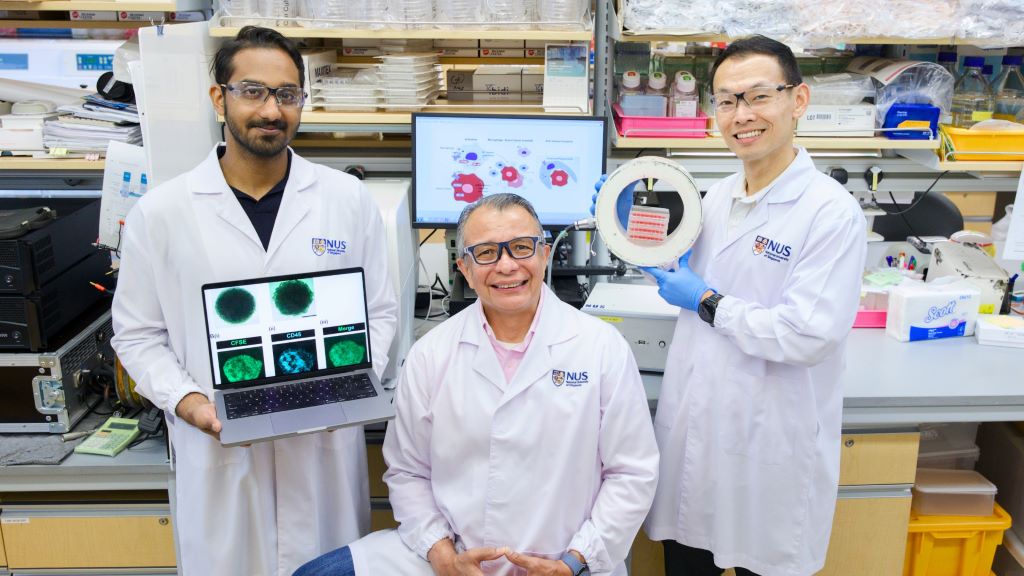
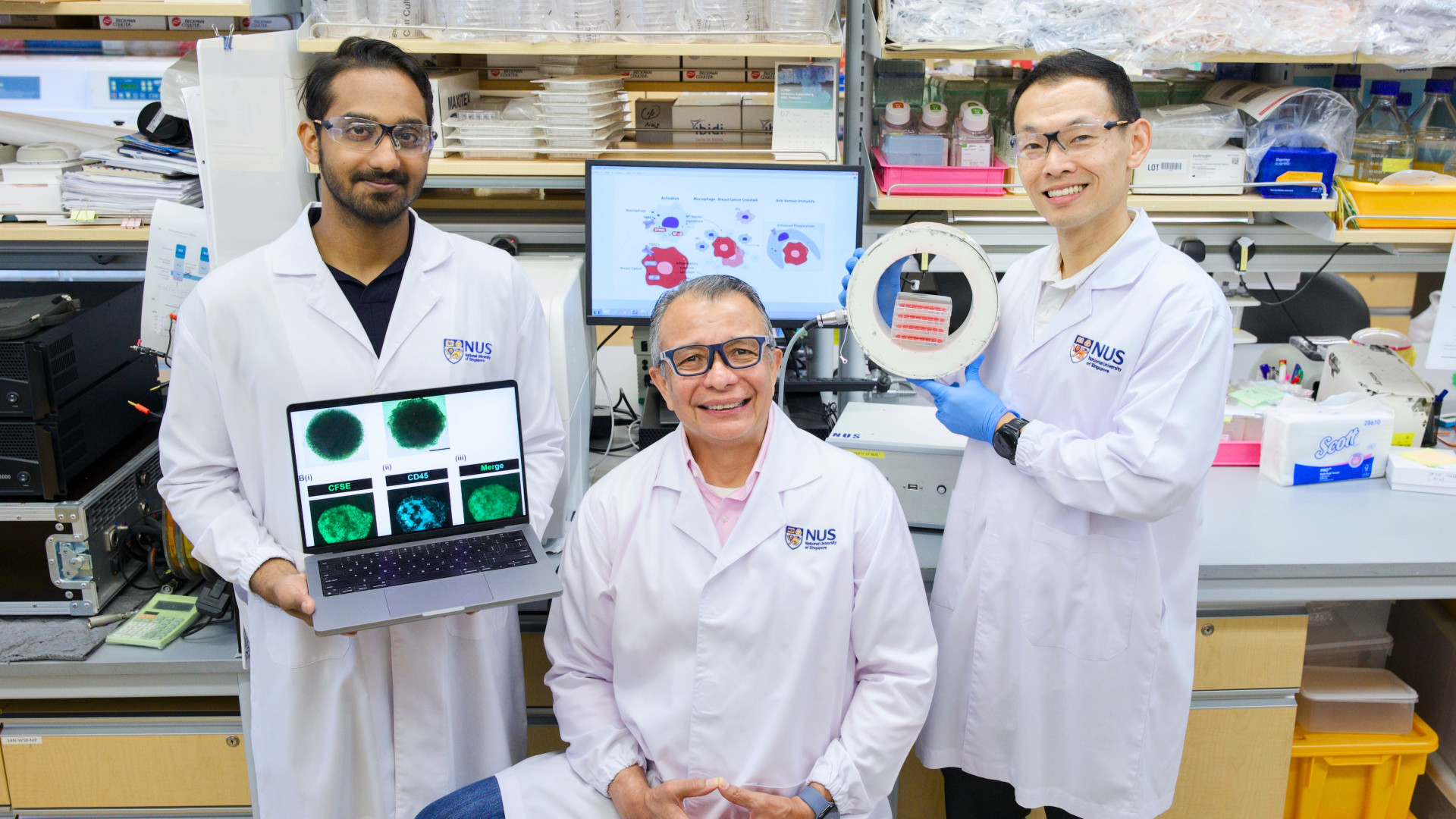
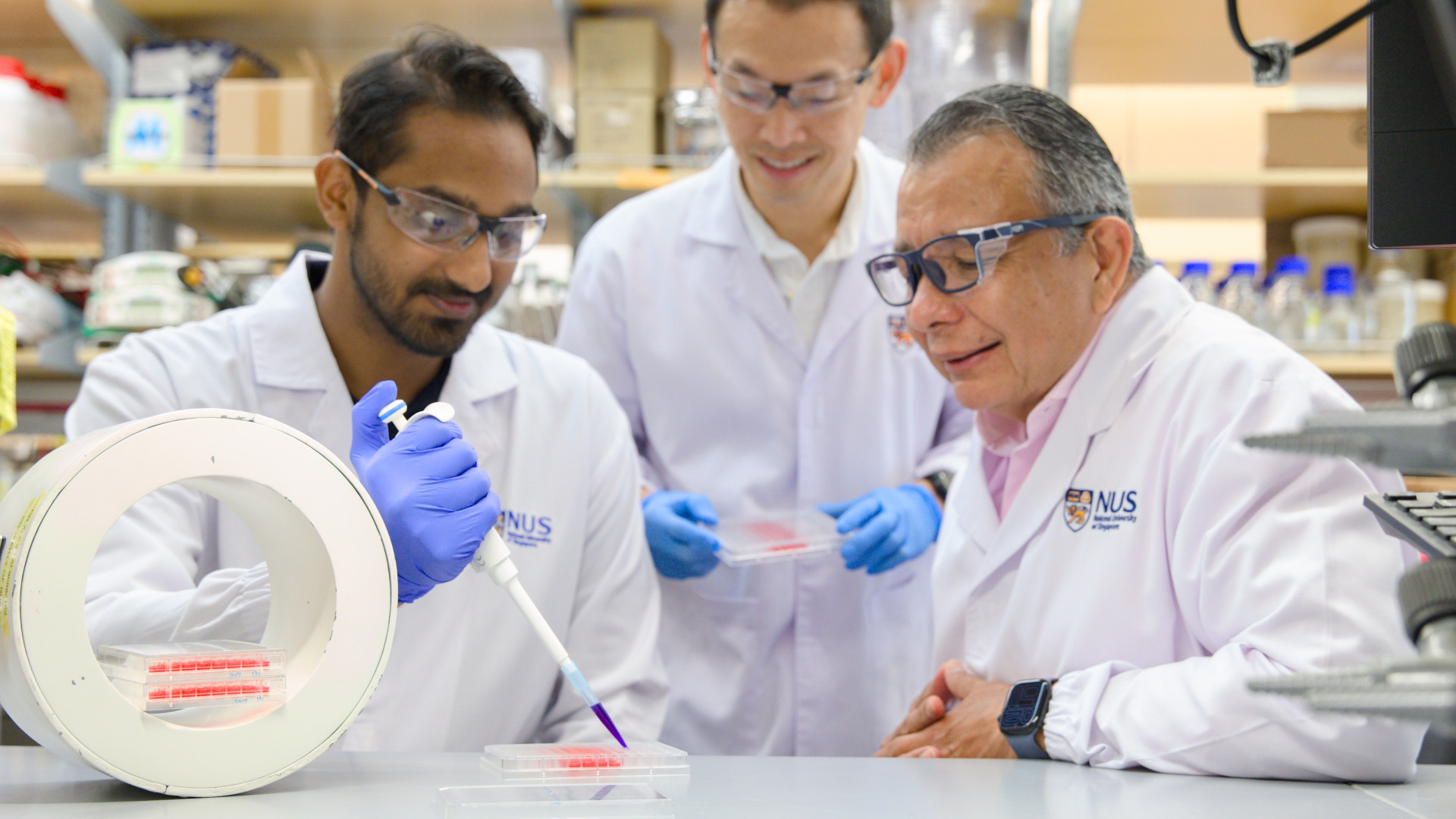
NUS researchers Mr Viresh Krishnan Sukumar (left), Associate Professor Alfredo Franco-Obregón (centre), and Dr Alex Tai (right) showed that the application of brief, intermittent and low intensity magnetic pulses can reprogram immune cells to eradicate breast cancer.
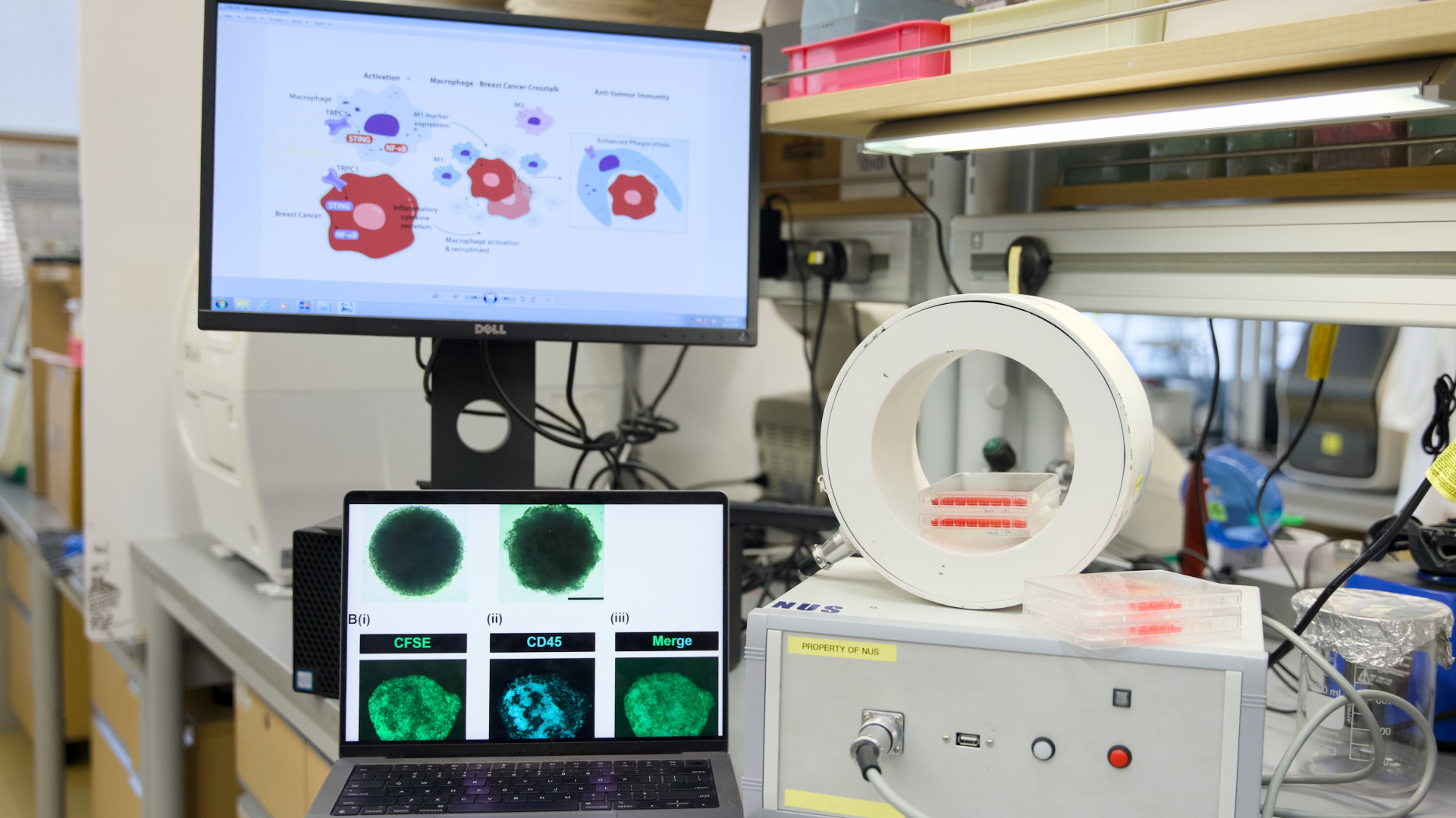
Researchers at the National University of Singapore (NUS) have demonstrated an innovative approach for targeted breast cancer therapy using pulsed electromagnetic fields (PEMFs). The NUS team successfully reprogrammed tumour-associated macrophages (TAMs), a corrupted class of immune cells that typically promote cancer growth, into an active anti-tumour state that attacks and destroys cancer cells.
PEMF therapy applies intermittent, low-intensity magnetic pulses to targeted regions of the body over a short period of time. Assoc Prof Franco-Obregón has previously explored the effect of PEMFs on muscle development and oncology. In their latest study, the NUS team demonstrated that even without chemotherapy, PEMFs completely eradicated tumours in 75 per cent of tested preclinical models after just four 30-minute sessions.
“Our study represents a major advancement in breast cancer treatment by demonstrating the potential of PEMFs as a stand-alone, drug-free therapy, offering a possible future where patients could avoid chemotherapy and its debilitating side effects,” said Assoc Prof Franco-Obregón.
Breast cancer cases are projected to rise by a third, from 2.3 million in 2023 to more than 3.5 million by 2050, while annual deaths may nearly double from 764 000 to nearly 1.4 million. Cancer treatment faces challenges such as tumour heterogeneity, drug resistance, and treatment-related toxicities. Approaches targeting TAMs also faced difficulties such as off-target effects. The growing burden underscores the urgent need for innovative therapies to improve patient outcomes and save lives.
From cancer’s friends to foes
Breast cancer occurs when cells in the breast mutate and grow uncontrollably, forming a solid tumour. These cancer cells recruit and hijack nearby immune cells, corrupting them to protect the tumour, accelerate tumour growth, and encourage the spread of cancer (metastasis). Prominent among these recruited immune cells are TAMs, which are abundant in nearly all solid tumours.
There are two primary types of macrophages, M1 and M2. M1 macrophages are pro-inflammatory – the “soldiers” that eliminate threats like bacteria and viruses. M2 macrophages are anti-inflammatory – the “medics” that orchestrate wound healing and tissue repair once threats are cleared. Cancer cells corrupt most TAMs into adopting the M2 “medic” state, suppressing immune attacks against the tumour while facilitating tumour growth and metastasis.
The key to this macrophage reprogramming lies in a protein called TRPC1 (Transient Receptor Potential Canonical 1), which regulates the M1 state. Crucially, TRPC1 also allows cells to sense and respond to magnetic fields. In their experiments, the NUS team confirmed that a brief 10-minute exposure to PEMFs activated TRPC1 channels on M2-like TAMs, setting off a signalling cascade that converted them to the M1 state – essentially turning TAMs from helpful “medics” to aggressive cancer-killing “soldiers”. These activated TAMs then selectively target cancer cells while sparing healthy tissue. Furthermore, the same magnetic signature disrupts cancer’s ability to hijack TAMs, altering the TAM-cancer communication loop in both directions.
“We have identified a molecular “switch”, the specific cell signalling pathway that allows us to reprogram TAMs. Once reprogrammed, these immune cells actively hunt and devour cancer cells, obliterating the tumour,” said Assoc Prof Franco-Obregón. “With the non-invasive and targeted nature of PEMF therapy, we hope to provide patients an effective and safe alternative treatment, with fewer undesirable side effects.”
The NUS team is optimistic that their PEMF therapy can be a potential complementary treatment for other cancers beyond breast cancer. The PEMF device has successfully completed Phase 1 clinical trials and will soon be embarking on Phase 2 efficacy trials.
Pulses of hope for cancer patients
Assoc Prof Franco-Obregón shared that the same PEMF device used in this study has just successfully completed Phase 1 clinical trials, demonstrating its safety in humans. The team is now seeking partners to conduct Phase 2 efficacy trials to evaluate how well the PEMF treatment works in patients and to further advance its development towards clinical use.
“Since we previously showed that PEMFs selectively increased the uptake of DOX in breast cancer cells, we will be evaluating if our PEMF immunotherapy can work synergistically with chemotherapy for better results,” added Assoc Prof Franco-Obregón. “As the immune cells we reprogram are commonly found in most solid tumours, we are optimistic that our PEMF therapy could potentially be a complementary treatment for other cancers beyond breast cancer.”