Author: ModernMedia

More Research Shows that Yoga May Also Protect Brain Health

Photo by RDNE Stock project

Anyone who has taken a yoga class knows how relaxing it can be to set aside the day’s worries and focus on breathing, gentle movements, healing stretches and guided meditation, even if just for an hour.

A growing body of research suggests the soothing powers of yoga may go further than temporarily easing the day’s stress. Yoga is emerging as a potential prescription to boost brain power, offset cognitive decline and help prevent dementia.

“The evidence behind yoga has really picked up,” said Dr Neha Gothe, an associate professor and director of the PhD in Human Movement and Rehabilitation Sciences programme at Bouvé College of Health Sciences at Northeastern University in Boston. “So far, it points toward the potential for it to protect brain health as we are aging.”

Exercise for an aging brain

Research into the health benefits of yoga – the origins of which trace back to 2500 to 5000 years ago – didn’t begin in earnest until the 2000s, when the practice began to surge in popularity in the US, Gothe said. Since then, yoga practice has been shown to have a positive influence on physical as well as mental health, with studies finding it may benefit cardiovascular function, musculoskeletal conditions and overall mental well-being.

More recently, researchers have turned their attention to yoga’s potential benefits on brain health, an area of growing interest as the population ages and the number of adults developing dementia and cognitive decline rises. In the U.S., about 1 in 5 people 65 and older are living with mild cognitive impairment, and 1 in 7 have some type of dementia. Researchers predict a doubling of new dementia cases in the U.S. over the next several decades.

While there is strong evidence that physical activity can benefit brain health and help slow cognitive decline, aging adults are not always able to reach the recommended 150 minutes of moderate-intensity exercise or 75 minutes of vigorously intense physical activity needed to reap these benefits. Federal guidelines also recommend muscle-strengthening activities at least two days a week.

What the research shows about yoga

Yoga – which combines physical movement with breath work and meditation – may offer a more accessible alternative or supplement to other types of exercise, Gothe said.

Studies have shown yoga may have a positive effect on both brain structure and function. In a 2019 analysis of the evidence, Gothe found yoga could hold promise as a means of offsetting age-related and neurodegenerative declines in several regions of the brain. And in another small study comparing yoga practitioners to age- and sex-matched controls, she found women who practiced yoga regularly had more grey matter – the part of the brain that controls memory, thought and movement – and better working memory than those who didn’t.

In some cases, the ancient practice may even be better for the brain than other types of physical activity. In another small study, Gothe found cancer survivors who practiced yoga for 12 weeks reported greater cognitive improvement than those who engaged in aerobic and stretching-toning exercises.

For people who can’t engage in more vigorous activities, it’s certainly more accessible, Gothe said.

“Yoga is just as good as any other form of physical activity, such as walking or stretching,” she said. “For individuals who may not be able to engage in those activities, especially older adults who have other conditions, such as knee pain or arthritis, yoga is a neat alternative to traditional forms of exercise and is very modifiable to accommodate an individual’s abilities.”

How does yoga help?

An explanation for yoga’s brain health benefits may be the close connection yoga forms between the mind and body.

Gothe and her colleagues found the cognitive benefits of yoga may stem from limiting prolonged exposure to stress and inflammation, improving stress regulation and helping the brain communicate better with the body to work more efficiently.

“We have a lot of evidence at this point telling a cohesive story about a mind-body connection with brain health,” said Dr Helen Lavretsky, a professor of psychiatry in-residence and director of integrative psychiatry at the David Geffen School of Medicine at the University of California, Los Angeles.

Lavretsky has led numerous studies on the cognitive benefits of yoga, looking specifically at Kundalini yoga. This type of yoga blends physical postures with meditation and breathing techniques that focus on relaxation, healing and self-awareness.

In several studies, Lavretsky’s team compared Kundalini yoga to memory enhancement training in postmenopausal women: those who practised yoga experienced greater improvements in memory and cognitive function, including executive function, and were able to better prevent grey matter atrophy.

In a separate analysis of published research, Lavretsky looked more broadly at mind-body practices, including yoga and meditation. The review suggested that these practices improved brain function because they were targeting the area of the brain involved in regulating attention, emotional control, mood and cognition.

“Yoga and other mind-body therapies have an effect on stress reduction and other things that underlie brain health,” Lavretsky said. “Our research shows they are well equipped to reduce inflammation, stress, improve sleep and mental health.”

Making yoga a regular practice

How much and what type of yoga is needed to accrue these benefits remains unclear.

While Lavretsky’s studies involved Kundalini yoga, Gothe said her studies mostly involved Hatha yoga, the most widely practiced form. Both blend physical postures with breathing exercises, while Kundalini incorporates more spiritual and meditation elements.

Most studies involve at least eight weeks of yoga, with hourlong classes at least two or three times a week, Gothe said. But “there are no rigorous dose-response studies. So we don’t know exactly what dose is necessary to get an improvement in cognitive performance.”

Even so, yoga shouldn’t be considered a quick fix, Gothe said. To maintain benefits, it’s important to keep up the practice.

“It is a ‘use it or lose it’ phenomena,” she said. “If you continue practicing, you will continue to see improvement. But if you stop, you go back to square one.”

The good news is it’s never too late to begin accruing those benefits, Lavretsky said. She encourages people to begin at a young age, so they have a tool for stress management whenever it’s needed.

“The benefit of starting earlier is that it becomes a lifelong skill,” she said. “But yoga has benefits no matter what your age is.”

Source: American Heart Association
Three-tailed Lipid Molecule Helps Heart and Brain Cells Survive Ischaemia

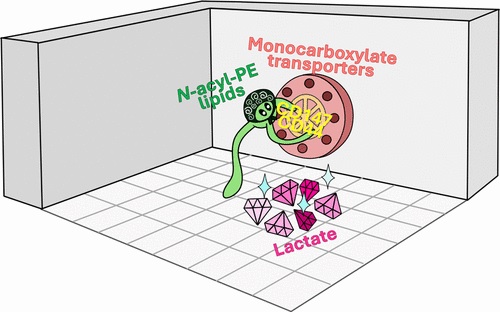
Graphical abstract. Chi et al., Journal of the American Chemical Society 2025.

When starved of oxygen during a heart attack or stroke, cells unleash a flurry of emergency measures to protect themselves and the body. For decades, scientists have observed that the body’s production of a “three-tailed” lipid molecule consistently surges during this trauma but have puzzled over why. Now, Cornell researchers have uncovered its surprising role in cellular survival: protecting against damage when oxygen runs out.

The research shows that the fat molecule, N-acylphosphatidylethanolamine (NAPE), helps cells survive ischaemia by driving lactic acid out of cells. This toxic byproduct builds up during emergency metabolism, and NAPE’s surge appears to be part of the body’s protective response. Though still in an early stage, the findings suggest that boosting or mimicking NAPE could one day help limit tissue damage in heart attack and stroke.

The study, published Sept. 5 in the Journal of the American Chemical Society, was led by graduate student Din-Chi Chiu and Jeremy Baskin, associate professor in the Department of Chemistry and Chemical Biology, and the Weill Institute for Cell and Molecular Biology.

“During heart attack or stroke, when there is an interruption in blood flow, the cells in the affected tissue, whether it is the heart or the brain, have to scramble to be able to continue to produce energy to survive,” Baskin said.

Under normal conditions, cells largely produce energy by a longer and much higher yielding process involving mitochondria.

“However, when energy needs are imminent and oxygen is limited, such as when blood flow is restricted, a metabolic switch occurs to favour glycolysis, which is a quick and dirty way of generating energy,” he said. “But to keep glycolysis going unabated, lactate, or lactic acid, is built up, and because it can be toxic at high levels, cells need to export it to prevent it from building up inside cells to undesirable levels.”

Because NAPE repels water and is short-lived in cells, studying it directly has been nearly impossible. The research team overcame this by designing and synthesising a chemical “look-alike” probe that tagged NAPE’s protein partners under UV light, revealing its interactions.

The researchers observed NAPE latching onto proteins that regulate lactate transport. In particular, it bound to two cell-surface proteins, CD147 and CD44, which control transport proteins that act like gates controlling how lactic acid moves in and out of cells. The team’s experiments showed that when NAPE levels rise, lactate transport ramps up, and blocking those transporters erased the effect.

“The work reframes NAPE as a signaling molecule,” Baskin said. “Our finding that NAPE can stimulate lactate export supports a model in which the role of NAPE in pathological events such as heart attack or stroke is part of a protective response.”

For now, the team is exploring whether different versions of NAPE, with different tail compositions, might fine-tune lactate regulation in unique ways. They are also interested in whether NAPE plays roles in other tissues beyond the heart and brain.

“Future studies in heart and brain tissue will test this hypothesis more directly,” Baskin said. “If confirmed, the work could support the creation of therapies that boost NAPE levels as a way to limit tissue damage in cardiovascular emergencies.”

Source: Cornell University

How an Old Drug Could Help Treat Mitochondrial Diseases

Credit: Pixabay CC0

Oxybutynin is usually prescribed for an unglamorous problem: bladder incontinence. But researchers have discovered a surprising new role for this decades-old drug – one that could open the door to treatments for a devastating class of genetic illnesses known as mitochondrial diseases.

In a paper published Sept. 8 in the American Journal of Physiology-Cell Physiology, a team of Cornell researchers described their finding that the molecule oxybutynin can overcome mitochondrial dysfunction by enhancing cellular glycolysis to improve healthy muscle formation by interacting with a suite of proteins involved in mRNA function. 

“Mitochondria are essential for our body to produce energy,” said Joeva Barrow, assistant professor of nutritional sciences in the College of Human Ecology who led the study. “If mitochondria are damaged and can no longer produce energy, the cells die, the tissues die and, eventually, the person dies.”

Mitochondrial diseases affect about one in every 5000 people and a large proportion of them are children, Barrow said. Patients often experience profound muscle weakness, neurological decline, heart problems and, in the most severe cases, shortened lives. There are no cures and virtually no effective treatments.

“Our approach was to test a series of small molecules that have never been used to treat mitochondrial disease before,” Barrow said. “Previous attempts at small molecules therapy were unsuccessful because of the use of artificial cell systems, but our plan was to use these molecules directly at the source – the muscle stem cells themselves.”

After running a screen of thousands of small molecules, they saw oxybutynin emerge as a clear frontrunner. They found that oxybutynin treatment can help muscle stem cells overcome one of the most severe forms of the condition, Complex III mitochondrial dysfunction. Normally, cells rely on mitochondria to generate ATP, the molecule that powers nearly every biological process. In Complex III disorders, that system grinds down, leaving cells starved.

The researchers tested oxybutynin on mouse and human muscle stem cells, the cells responsible for repairing and growing new muscle. These cells, normally stunted by the disease, began multiplying and forming muscle fibers again when treated with the drug.

The effect didn’t come from fixing the broken mitochondria. Instead, oxybutynin rewires the cellular energetic pathways to perform glycolysis: the quick-burning process of breaking down glucose. That backup system provided just enough energy to revive growth.

Using a high-tech small molecule binding protein analysis method, the team discovered that oxybutynin binds to proteins involved in RNA processing – the machinery that fine-tunes how cells interpret their genetic code. That interaction set off a cascade of changes, including a boost in amino acid and glucose transport into the cells.

In other words, the drug seems to rewire how diseased muscle cells fuel themselves, finding clever ways to survive without fully functioning mitochondria.

The results held true not only for mouse stem cells but also for human ones. Treated muscle stem cells grew stronger, produced more muscle fibres and maintained higher energy levels than untreated controls.

“Translating these findings to children with mitochondrial disease is happening in real time at the Children’s Hospital of Philadelphia with collaboration with Dr Marni Falk,” Barrow said. Dr Marni Falk, is the executive director of the Mitochondrial Medicine Frontier Program at the Children’s Hospital of Philadelphia. “Their team performs biopsies with kids with mitochondrial diseases, and they are currently testing oxybutynin with those cells.”

While this is still far from a clinical therapy – no human patients have yet received oxybutynin for mitochondrial disease – the findings raise hopes that an old, inexpensive drug might be repurposed for a devastating illness. “Oxybutynin already has FDA approval for treatment of bladder disorders” she said. 

For families facing mitochondrial disease, even small advances can be a lifeline. Most patients today rely only on supportive care, managing symptoms without any way to slow or reverse the disease.

If further studies confirm its benefits, oxybutynin could speed its way into trials, bypassing years of costly development, Barrow said.

Source: Cornell University

A Lament for South African Healthcare: There Is Another Way

By Dr Dumisani Bomela, Chief Executive Officer of the Hospital Association of South Africa

There’s an old African idiom: “When elephants fight, the grass suffers.” The “elephants”, however, are two interdependent players in healthcare: the government, which is pushing for the National Health Insurance (NHI), and private healthcare providers and funders, who have long raised serious concerns about the initiative.

At the heart of the dispute is whether a single-fund NHI is constitutional, viable, and sustainable. The legal conflict is shaping up to be unlike anything we have seen in this country.

Dr Dumisani Bomela, CEO of HASA

Some legislators argue that the private healthcare sector opposes reform because it is driven by profit and harbours anti-poor sentiments. But no one in the private healthcare sector is opposed to the objectives of the National Health Insurance. We are in favour of healthcare reform that works. There is a crucial difference.

It is a difference dismissed by those determined that only their view matters. The result is that not only has the country spent nearly two decades in a fruitless debate about the NHI, but it appears that those in charge of the healthcare system have prioritised stagnation over progress. When alternatives could have been explored, expert advice considered, research examined, and insights heard, none were.

Instead, constructive dialogue leading to a positive compromise benefiting patients is perceived as a weakness to be denied and overcome. Perspectives have become so entrenched that mutual understanding seems out of reach. Consequently, energy, effort, and resources will be spent in courts rather than on designing solutions.

Meanwhile, the country’s healthcare users are not getting the attention they deserve. South Africans continue to suffer in under-resourced facilities or struggle to afford medical coverage.

Current legislation and regulation already allow for immediate reforms that could lower healthcare costs and ease pressure on the system and public hospitals. We could complete the reform pathway that would support the affordability of medical aid for millions more South Africans, a move that experts and the Health Market Inquiry have recommended.

Through public–private collaboration and innovation, we can upgrade healthcare infrastructure and develop a stronger base of critical healthcare skills, particularly in nursing, ultimately creating jobs and strengthening the national fiscus. These are realistic and achievable solutions that would deliver real progress in the short term and better position us to move more confidently towards universal healthcare coverage.

Our greatest achievement as a nation has been our ability to unite in times of crisis. We can do it again, but only if all role players are meaningfully involved in healthcare reform – including the private sector – and are willing to listen, consider, and compromise with each other to meet the needs of all healthcare users. To begin with, the government must view private healthcare as a strategic partner, a national asset that can offer significant ideas to resolve the national health delivery crisis. Private healthcare, on the other hand, faces challenges, some of which were identified in the Health Market Inquiry, and others that will undoubtedly be raised in the roundtable debates accompanying the collaborative initiatives crucial to strengthening the system.

If we don’t change course, patients waiting in overcrowded facilities will continue to suffer, and families will continue to struggle to afford care. Dedicated doctors and nurses already working under increasingly difficult conditions will face a darkening future, and the entire system will creak more ominously.

The path to reform does not have to be adversarial. We can redesign healthcare together, combining the strengths of both public and private sectors in the spirit of recognising our shared humanity and interdependence. We can still choose collaboration over confrontation, practical solutions over political battles, and progress over passivity.

But we must act now. Time is running out, and every day spent fighting in courtrooms rather than sitting eye to eye and exchanging ideas is another day that South Africans suffer without the healthcare they deserve. The choice is ours: Will we fight each other, or will we fight together for a healthcare system that serves everyone?

The True Burden of Eczema Goes Beyond the Itch

World Atopic Eczema Day 2025 calls for early intervention, better care, and greater awareness of the hidden toll of atopic dermatitis.

Photo By: Kaboompics.com

On 14 September, people around the world marked World Atopic Eczema Day 2025 under the theme: “Our Skin, Our Journey.” This year’s campaign highlights the lifelong nature of atopic eczema, also known as atopic dermatitis (AD), a disease that usually begins in infancy and can progress to food allergies, asthma and allergic rhinitis.1

“Atopic eczema is more than a skin condition, it is driven by a dysregulated immune system and may have long-term physical and psychological impacts, and creates significant costs for families and healthcare systems,” says Dr Dwayne Koot, pharmacologist and Medical Advisor at Sanofi South Africa.

A disease that begins early

Atopic eczema is one of the most common chronic inflammatory skin diseases, affecting up to 20 percent of children globally.1 It often appears early in life. Around 45 percent of children with atopic eczema develop symptoms before six months of age, 60 percent before one year, and up to 85 percent before five years.For many, atopic eczema is the first step in what researchers call the “atopic march,” the progression from skin barrier dysfunction to food allergies and respiratory diseases.2

Studies show that infants with atopic eczema are six times more likely to develop egg allergy and eleven times more likely to develop peanut allergy than infants without atopic eczema.3 By later childhood, as many as 40 percent of children with atopic eczema develop food allergies.The condition does not stop there. School-age children with early, persistent atopic eczema face higher risks of developing asthma and allergic rhinitis.4

Beyond the skin

Atopic eczema is now recognised as a systemic disease linked to type 2 inflammation.The hallmark symptoms are itching, dry and inflamed skin, recurrent infections and disturbed sleep. These symptoms are not only uncomfortable but also disruptive to daily life.2,5

“Children may struggle at school due to fatigue, and parents often miss work or are unproductive due to sleepless nights, medical appointments or caring for their sick child,” says Dr Koot. “Because atopic eczema is so visible, children often face stigma. Studies show they are more likely to experience anxiety, depression and bullying. Up to one in three children with atopic eczema have anxiety or depression, compared with far fewer children without the disease.”

The economic impact is significant. In South Africa, while direct healthcare costs are relatively low (0,2 percent of healthcare spend), the total burden may be substantial when adding the much higher indirect costs and quality-of-life impacts.6

Why early intervention matters

While research is ongoing, one study found that daily use of emollients from birth to protect the skin barrier may lower the risk of eczema by half for high-risk infants, with no safety concerns.7

Additional research shows that the skin barrier is key in both atopic eczema and food allergies and protecting it early in life may help prevent these conditions.3 While allergen avoidance is still the main approach, new options like immunotherapy and biologics are showing promise.3

Recent findings emphasize that taking early, proactive action with advanced treatments can dramatically improve outcomes for patients, potentially changing the very course of this chronic skin condition.8,9

Traditionally, atopic eczema management has focused on treating symptoms as they arise, especially with topical creams for milder cases.8 However, a deeper understanding of the disease and the development of novel systemic treatments – medications that work throughout the body – reveal a powerful opportunity to intervene much earlier.8 This forward-thinking strategy moves beyond simply reacting to flare-ups; it aims to target the underlying immune imbalance and inflammation that drive eczema from its earliest stages.8

One of the most significant benefits of this early approach is its potential to halt the “atopic march”.This refers to the common progression where atopic eczema, often appearing first in infancy or childhood, is followed by other allergic conditions such as food allergies, allergic rhinitis, or asthma.9 By addressing the skin barrier dysfunction and immune system changes early on, we may be able to prevent or reduce the development of these related allergies.9 Studies suggest that allergic sensitization can occur through an impaired skin barrier, and early treatment of this dysfunction could serve as a preventive strategy for food allergy progression.9

Furthermore, early intervention is key to breaking the relentless “itch-scratch cycle”.Chronic itching, a hallmark of atopic eczema, not only causes immense discomfort but also leads to skin damage and secondary complications like infections. By addressing the root causes of itching, patients can experience comprehensive relief, regain normalcy, and significantly improve their overall quality of life, sleep, and mental well-being by reducing anxiety, depression, and social isolation associated with the disease.8

This proactive strategy also offers the promise of long-term disease control and modification.By tackling inflammation before visible skin lesions fully develop, it can inhibit the escalation of inflammatory responses and disrupt the recurring cycles of flares and remissions. 

“The paradigm shift towards early systemic intervention represents a pivotal moment in atopic eczema care,” says Dr. Koot. “It’s about empowering patients with strategies that offer not just immediate relief, but also the potential for sustained positive outcomes and a better quality of life by addressing the disease at its inception, rather than solely managing its symptoms after they become severe.”

Working together

“World Atopic Eczema Day 2025 is a call to action,” says Dr Koot. “Doctors need to see atopic eczema as a systemic disease that needs more than just symptom relief. Policymakers need to support early treatment, better access to specialist care, affordable medicines, and stronger investment in research and innovation. Families and patient groups play a key role in showing the true impact of atopic eczema and pushing for advanced, targeted therapies.”

The campaign also recognises the importance of community. Social media initiatives such as #AtopicEczemaJourney give patients and families a space to share their stories, connect with others and draw attention to the reality of living with atopic eczema.

“Progress is possible, but it requires commitment from everyone,” says Dr Koot. “Research shows that simple measures, such as protecting infant skin with frequent use of emollients and avoiding triggers, can drastically improve control of atopic eczema. Public health strategies, better access to care, early intervention and investment in new treatments all make a difference. At the same time, society needs to understand that atopic eczema is not only about rashes or itching. It is a systemic, lifelong condition that affects education, careers, relationships and quality of life.”

Drug-resistant C. auris Confirmed to Spread Rapidly in European Hospitals

The latest survey from the European Centre for Disease Prevention and Control (ECDC), the fourth of its kind, confirms that Candidozyma auris (formerly Candida auris) continues to spread quickly across European hospitals, posing a serious threat to patients and healthcare systems. Case numbers are rising, outbreaks are growing in scale, and several countries report ongoing local transmission. The findings highlight the importance of early detection and control of transmission to avoid widespread rapid dissemination.

Candidozyma auris (C. auris) is a fungus that usually spreads within healthcare facilities, is often resistant to antifungal drugs, and can cause severe infections in seriously ill patients. Its ability to persist on different surfaces and medical equipment and to spread between patients makes it particularly challenging to control. Between 2013 and 2023, EU/EEA countries reported over 4 000 cases, with a significant jump to 1 346 cases reported by 18 countries in 2023 alone. Five countries – Spain, Greece, Italy, Romania, and Germany – have accounted for most of the cases over the decade.

C. auris has spread within only a few years – from isolated cases to becoming widespread in some countries. This shows how rapidly it can establish itself in hospitals,” said Dr Diamantis Plachouras, Head of ECDC’s Antimicrobial Resistance and Healthcare-Associated Infections Section. “But this is not inevitable,” he added. “Early detection and rapid, coordinated infection control can still prevent further transmission.”

Recent outbreaks have been reported in Cyprus, France and Germany, while Greece, Italy, Romania and Spain have indicated they can no longer distinguish specific outbreaks due to widespread regional or national dissemination. In several of these countries, sustained local transmission has occurred within only a few years after the first documented case, highlighting a critical window for early interventions to stop its spread.

While some countries have showed positive results in limiting C. auris outbreaks, many are facing key gaps. Despite rising case numbers, only 17 of 36 participating countries currently have a national surveillance system in place for C. auris. Only 15 countries have developed specific national infection prevention and control guidance. Laboratory capacity is comparatively stronger, with 29 countries reporting access to a mycology reference or expert laboratory and 23 offering reference testing for hospitals.

While the number of C. auris infections is clearly rising, without systematic surveillance and mandatory reporting, the true scale of the problem is likely under-reported.

ECDC has regularly assessed the epidemiological situation, laboratory capacity and preparedness for C. auris in four surveys since 2018 and published rapid risk assessments including options for infection prevention and control. This is to support Member States in improving their preparedness and early response capacities to prevent or contain C. auris outbreaks in a timely manner and prevent further transmission.

Source: EurekAlert!

New Research Finds Visceral Fat is Linked to Heart Ageing

Photo by Anna Shvets

Excessive amounts of visceral fat, the hidden fat surrounding organs, is linked with faster ageing of the heart, a new study has found. Ageing is the biggest risk factor for heart disease but why some people age faster than others isn’t fully understood.

The scientists leading the research, which is published in the European Heart Journal, say that visceral body fat could play an important role in accelerating ageing of the heart and blood vessels. This type of fat is known to be harmful to health and this study now links it to faster heart ageing.

Sex differences

The study, led by scientists from the Medical Research Council (MRC) Laboratory of Medical Sciences, also found differences between men and women. They discovered that fat around the hips and thighs could potentially slow heart ageing in women. The scientists analysed data from 21 241 participants in UK Biobank, which includes whole body imaging to map the amount of fat and where it is located in the body. The study was

Determining an individual’s ‘heart age’

The UK Biobank data also includes detailed imaging of the heart and blood vessels. Artificial intelligence (AI) was used to analyse these images to capture signs of organ ageing such as tissues becoming stiff and inflamed. An individual was given a ‘heart age’ which can be compared to their actual age at the time of the scan.

The risks of ‘hidden’ fat

The researchers found that faster heart ageing was linked to having more visceral adipose tissue. Visceral adipose tissue is fat found deep inside the abdomen around organs such as the stomach, intestines, and liver. This type of fat cannot be seen from the outside, and some people can have large amounts of visceral fat despite having a healthy weight.

Premature ageing

The researchers found signs on blood tests that visceral fat is linked to increased inflammation in the body, which is a potential cause of premature ageing. They also found differences between the sexes. Male-type fat distribution, which is fat around the belly and often called ‘apple-shaped’, was particularly predictive of early ageing in men.

The role of hormones

In contrast, a genetic predisposition to female-type fat, primarily fat on the hips and thighs, often called ‘pear-shaped’, was protective against heart ageing in women. The researchers also found a link between higher oestrogen levels in pre-menopausal women and a slowing of heart ageing. They suggested that this could indicate a role for hormones in protecting against heart ageing.

Increasing healthy lifespan

Professor Declan O’Regan, who led the research at the MRC Laboratory of Medical Sciences and Imperial College London, said:

We have known about the apple and pear distinction in body fat, but it hasn’t been clear how it leads to poor health outcomes. Our research shows that ‘bad’ fat, hidden deep around the organs, accelerates ageing of the heart.

But some types of fat could protect against ageing, specifically fat around the hips and thighs in women.

We also showed that body mass index wasn’t a good way of predicting heart age which underscores the importance of knowing where fat is stored in the body and not just total body weight.

The goal of our research is to find ways to increase healthy lifespan. While being active is important, we found that hidden fat could still be harmful even in fit people.

In the future, we plan to investigate how drug therapies, such as GLP-1 inhibitors (for example, Ozempic) could improve not just diabetes and obesity but target the ageing effects of hidden visceral fat.

Source: UK Research Institute

A Keto Diet Might Benefit Females More than Males

Photo by Ronit HaNegby

Could a keto diet affect males differently from females? A study from The University of Texas Health Science at San Antonio (UT Health San Antonio) suggests so, and oestrogen could promote different protections against adverse effects of the diet like the accumulation of cells expressing markers of age, or senescence.

The study, published Aug. 26 in the journal Cell Reports, found that male, but not female, mice on a ketogenic diet showed the accumulation of cells in organs expressing markers of cellular senescence. A keto diet is a popular low-carbohydrate, high-fat regimen that can help some Type 2 diabetes patients control blood sugar and those with epilepsy manage seizures. Cells expressing senescence markers can contribute to age-related declines in overall bodily function.

“These results suggest sex specificity alters the effects of a ketogenic diet, with important clinical implications,” said David Gius, MD, PhD, assistant dean of research and professor with the Department of Radiation Oncology at UT Health San Antonio, associate cancer director for translational research at the institution’s Mays Cancer Center and investigator for its Barshop Institute for Longevity and Aging Studies.

He is lead author of the study, titled, “Divergent sex-specific effects on a ketogenic diet: Male, but not female, mice exhibit oxidative stress and cellular senescence.”

Ketogenic diets induce ketogenesis, the generation of ketone bodies or water-soluble molecules from fat for use as fuel in place of glucose. They have shown benefits in controlling refractory epilepsy and are being investigated as potential therapies for other health conditions.

In the past decades, keto diets also have become popular in North America and Europe for weight loss.

While the diets can improve certain health parameters, evidence from mice and clinical studies suggest the effects may be dependent on multiple variables, including adherence, metabolism and, importantly, sex, suggesting that hormone status may impact response.

Gius says the role of gender in the response to keto diets has been understudied. One reason is that male mice have been used extensively for in vivo basic and translational research because it was assumed that females would give less consistent results due to variability from the oestrous cycle. Recent studies, however, suggest that largely is unfounded.

In the new study, Gius’ team observed a keto-diet-induced increase in cellular senescence only in male mice, except when they were given the female hormone oestrogen. Male mice on a keto diet also exhibited an increase in markers of oxidative stress, which is known to contribute to senescence in cells.

Notably, the researchers found, estrogen or estradiol treatment prevented increases in cell senescence and oxidated stress in male mice on a keto diet, as did several established antioxidants.

They also observed that when females were administered tamoxifen, a “selective oestrogen receptor inhibitor” that blocks the effects of oestrogen, they then exhibited an increase in oxidative stress and cells expressing senescence markers, the same as male mice. “These results strongly suggest that oestrogen is an important variable in the response to a ketogenic diet,” Gius said.

The researchers also found that a high-fat diet – comprising more carbohydrates than a keto diet – also induces cellular senescence in male, but not female, mice.

Source: University of Texas Health Science Center at San Antonio

South African Hunters Chewed the Kanna Plant for Endurance: New Study Tests its Effects on Mouse Brain Chemistry

Sceletium tortuosum – Kougoed. Source: Wikimedia Commons.

Catherine H Kaschula, Stellenbosch University

Sceletium tortuosum is a little succulent plant that grows in the semi-arid Karoo and Namaqualand regions of South Africa. It has a long history of traditional use among the hunter-gatherers of the region.

The plant, known as kanna or kougoed by the San and Khoikhoi people, was mainly chewed or smoked to stay alert and suppress appetite during long hunts. The San were traditionally hunter-gatherers, while the Khoikhoi were pastoralists who herded livestock.

The name kanna (meaning “eland” in the click language of the San), has a symbolic reference to this large antelope, as the “trance animal”, which was called upon during religious and spiritual gatherings. Kougoed is Afrikaans for “something to chew”. The plant can be chewed after being dried and fermented, which is believed to intensify its effects.

The first colonial governor of the Cape colony, Simon van der Stel, in 1685 wrote about kanna in his journal:

They chew mostly a certain plant which they call Canna and which they bruise, roots as well as the stem, between the stones and store and preserve in sewn-up sheepskins.

I’m part of a group of scientists from different disciplines with an interest in this plant and we pooled our expertise to understand its effects on neurochemical concentrations in different parts of the brain.

Our studies were done in mice, so there is caution about establishing effectiveness on humans. Still, the results are striking.

As a chemist with an interest in natural products, I wanted to know which alkaloids in the plant were important in bringing about these effects.

Our latest study explored the effects of Sceletium tortuosum extracts on mouse brain chemistry.

We found that Sceletium increased the levels of certain brain chemicals which may balance mood and reduce stress. These findings lend support to the calming and mood-enhancing use of this plant in traditional medicine.

Plant chemistry

Our study examined how extracts from different chemotypes of Sceletium tortuosum can have different effects on brain chemistry. Chemotypes are groups of the same plant species that differ in the alkaloids they produce. This is because plants often produce alkaloids in response to external cues such as the weather or the presence of a plant-eating animal or pathogen.

Alkaloids are carbon-based compounds produced by plants. They are often toxic or taste bitter, making the plants less appealing or even harmful to the predators or invaders that want to eat or inhabit them. Alkaloids generally have physiological effects of use to humans. Some commonly used ones include caffeine, morphine and quinine.

We harvested two chemotypes of kanna from the Touwsrivier and De Rust regions of South Africa. These areas were chosen because of their interesting and unusual alkaloid profiles. The chemotypes were given to healthy mice as a supplement once a day for one month. The mice were monitored every day for behavioural or unexpected adverse reactions but none were noted.

At the end of the month, the levels of chemicals in the mouse brain were measured. Both the chemotypes were found to cause a marked increase in noradrenaline and a decrease in GABA in all brain regions studied. Both molecules are neurotransmitters that transmit nerve signals in the brain affecting memory, mood, attention and sleep.

This effect on noradrenaline supports kanna’s traditional use as an appetite suppressing drug. Increased noradrenergic stimulation is also the basis of many anti-depressants as well as drugs that improve attention and alertness.

We also found an impact on the brain chemicals serotonin and dopamine which may act together to balance mood and reduce stress. Serotonin affects emotional well-being and mood; dopamine motivates feelings of pleasure and satisfaction. These findings lend support to the calming and mood-enhancing use of this plant in traditional medicine.

Importantly, the control kanna extracts that did not have the interesting alkaloid profiles did not cause any of these chemical changes in the mouse brain.

Most studies on kanna have focused on the alkaloid mesembrine. The two specific chemotypes of kanna harvested from the Touwsrivier and De Rust regions of South Africa do have the mesembrine, but they are also packed with some other lesser-known or “minor” alkaloids. These differences in alkaloids may arise from a combination of geographic, environmental and inherent genetic factors found in a particular subset of plants.

Both the Touwsrivier and De Rust plants contained higher levels of alkaloids called mesembrine alcohols, which are different from mesembrine, and were barely present in the control extract. Another minor alkaloid, known as sceletium A4, was also identified as possibly being important. Mesembrine alcohols and sceletium A4 may be the ones responsible for the activity.

This suggests that the source of the plant, and the area in which it is grown, can influence its potential as a natural treatment for mood disorders and sleep.

What the results tell us

Stress, anxiety and depression pose a risk to the ability to lead a meaningful life. The World Health Organization has reported a 25% increase in anxiety and depression worldwide since the emergence of COVID-19.

Our study showed that the plant extracts had a broad noradrenergic effect in mice. But we have to be careful about making connections between results in mice and in humans. We need to explore the behavioural impact of these extracts in both mice and humans, especially in relation to sleep, alertness and mood.

The results also highlighted that without understanding the complex chemical composition of these plants, we risk overgeneralising their benefits, or worse, using them inappropriately.

Our findings have two implications.

First, they point towards a future of precision phytotherapy (use of plants for medicinal purposes), where natural remedies are tailored not just to individuals but to selecting certain plant chemotypes that produce certain combinations of alkaloids. Manipulating the growing conditions and genetic make-up of plants to optimise for alkaloid content is an age-old art.

Second, they remind us of the enormous, still largely untapped potential of African medicinal plants in global health innovation if we invest in research that honours both indigenous knowledge and scientific rigour.

As the world searches for safer, more sustainable ways to treat mental health conditions, South Africa’s kanna plant may hold secrets worth rediscovering.

Catherine H Kaschula, Senior Lecturer, Stellenbosch University

This article is republished from The Conversation under a Creative Commons license. Read the original article.

‘Glue Gun’ Can 3D Print Bone Grafts Directly onto Fractures

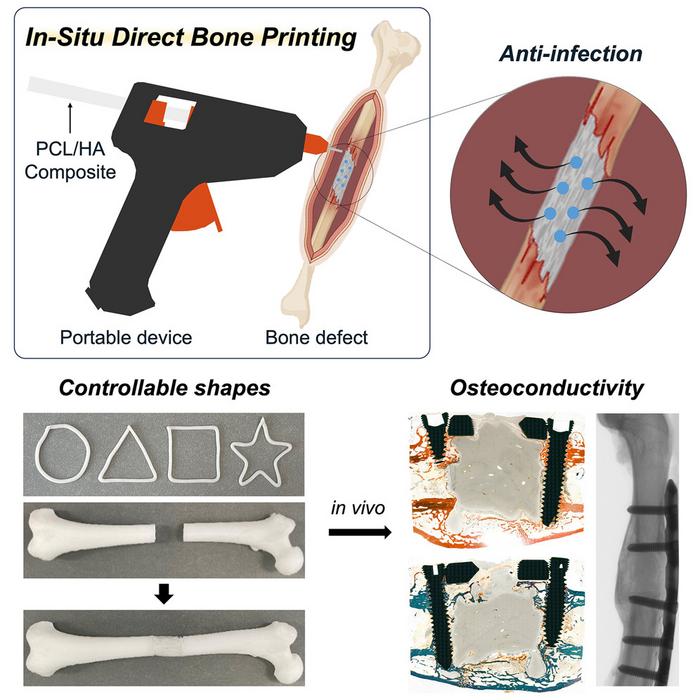
Graphical abstract. Credit: Device / Jeon et al. CC BY-SA

Scientists have developed a tool made from a modified glue gun that can 3D print bone grafts directly onto fractures and defects during surgery. The tool, described September 5th in the Cell Press journal Device, has been tested in rabbits to quickly create complex bone implants without the need for prefabricating in advance. What’s more, the team optimised the 3D-printed grafts for high structural flexibility, release of anti-inflammatory antibiotics, and promotion of natural bone regrowth at the grafting site.

Historically, bone implants have been made of metal, donor bone, or even more recently 3D-printed material. However, in cases involving irregular bone breaks, these implants must be designed and produced prior to surgery to allow for appropriate fitting.

“Our proposed technology offers a distinct approach by developing an in situ printing system that enables a real-time fabrication and application of a scaffold directly at the surgical site,” says Jung Seung Lee, co-author and associate professor of biomedical engineering at Sungkyunkwan University. “This allows for highly accurate anatomical matching even in irregular or complex defects without the need for preoperative preparation such as imaging, modelling, and trimming processes.”

The material fed into the glue gun is a filament comprised of two major components: a feature of natural bone known to promote healing called hydroxyapatite (HA) and a biocompatible thermoplastic called polycaprolactone (PCL). PCL can liquify in temperatures as low as 60°C, which when applied with a heat-modified glue gun, is cool enough to prevent tissue damage during surgical application while being able to conform to the jagged grooves of fractured bone. By adjusting the proportion of HA to PCL within the filament, the team can customise the hardness and strength of the grafts to fit different anatomical needs.

“Because the device is compact and manually operated, the surgeon can adjust the printing direction, angle, and depth during the procedure in real time,” says Lee. “Also, we demonstrated that this process could be completed in a matter of minutes. This highlights a significant advantage in terms of reducing operative time and improving procedural efficiency under real surgical conditions.”

Since infection is a common concern with surgical implants, the researchers incorporated vancomycin and gentamicin, two anti-bacterial compounds, into the filament. In both petri dish culture and liquid medium, the filament scaffold successfully inhibited the growth of E. coli and S. aureas, two common bacteria prone to cause infection post-surgery. Due to physical properties of HA and PCL within the filament, the drugs are released slowly and are able to diffuse directly onto the surgical site over several weeks.

“This localised delivery approach offers meaningful clinical advantages over systemic antibiotic administration by potentially reducing side effects and limiting the development of antibiotic resistance, while still effectively protecting against postoperative infection,” says Lee.

As a proof of concept, the device was tested on severe femoral bone fractures in rabbits. Within 12 weeks after surgery, the team found no signs of infection or necrosis and greater bone regeneration outcomes when compared to rabbits grafted with bone cement – a sealing compound commonly used for treating bone defects.

“The scaffold was designed not only to integrate biologically with surrounding bone tissue but also to gradually degrade over time and be replaced by newly formed bone,” says Lee. “The results showed that the printing group exhibited superior outcomes in key structural parameters such as bone surface area, cortical thickness, and polar moment of inertia, suggesting more effective bone healing and integration.”

Next, the team is setting their sights on optimising the anti-bacterial potential of the scaffold even further and preparing the procedure for human trials.

Source: EurekAlert!