Author: ModernMedia

Volcanic Eruptions Set off a Chain of Events that Brought the Black Death to Europe

Catalan Atlas, 1375. Credit: Bibliothèque Nationale de France, via Wikimedia Commons

Clues contained in tree rings have identified mid-14th-century volcanic activity as the first domino to fall in a sequence that led to the devastation of the Black Death in Europe.

Researchers from the University of Cambridge and the Leibniz Institute for the History and Culture of Eastern Europe (GWZO) in Leipzig have used a combination of climate data and documentary evidence to paint the most complete picture to date of the ‘perfect storm’ that led to the deaths of tens of millions of people, as well as profound demographic, economic, political, cultural and religious change.

Their evidence suggests that a volcanic eruption – or cluster of eruptions – around 1345 caused annual temperatures to drop for consecutive years due to the haze from volcanic ash and gases, which in turn caused crops to fail across the Mediterranean region. To avoid riots or starvation, Italian city-states used their connections to trade with grain producers around the Black Sea.

This climate-driven change in long-distance trade routes helped avoid famine, but in addition to life-saving food, the ships were carrying the deadly bacterium that ultimately caused the Black Death, enabling the first and deadliest wave of the second plague pandemic to gain a foothold in Europe.

This is the first time that it has been possible to obtain high-quality natural and historical proxy data to draw a direct line between climate, agriculture, trade and the origins of the Black Death. The results are reported in the journal Communications Earth & Environment.

The Black Death was one of the largest disasters in human history. Between 1347 and 1353, it killed millions of people across Europe. In some parts of the continent, the mortality rate was close to 60%.

While it is accepted that the disease was caused by the bacterium Yersinia pestis, which originated from wild rodent populations in central Asia and reached Europe via the Black Sea region, it’s still unclear why the Black Death started precisely when it did, where it did, why it was so deadly, and how it spread so quickly.

“This is something I’ve wanted to understand for a long time,” said Professor Ulf Büntgen from Cambridge’s Department of Geography. “What were the drivers of the onset and transmission of the Black Death, and how unusual were they? Why did it happen at this exact time and place in European history? It’s such an interesting question, but it’s one no one can answer alone.”

Büntgen, whose research group uses information stored in tree rings to reconstruct past climate variability, worked with Dr Martin Bauch, a historian of medieval climate and epidemiology from the Leibniz Institute for the History and Culture of Eastern Europe, on the study.

“We looked into the period before the Black Death with regard to food security systems and recurring famines, which was important to put the situation after 1345 in context,” said Bauch. “We wanted to look at the climate, environmental and economic factors together, so we could more fully understand what triggered the onset of the second plague pandemic in Europe.”

Together, they combined high-resolution climate data and written documentary evidence with conceptual reinterpretations of the connections between humans and climate to show that a volcanic eruption – or series of eruptions – around 1345 was likely the first step in a sequence that ultimately led to the Black Death.

The researchers were able to approximate this eruption through information contained in tree rings from the Spanish Pyrenees, where consecutive ‘Blue Rings’ point to unusually cold and wet summers in 1345, 1346 and 1347 across much of southern Europe. While a single cold year is not uncommon, consecutive cold summers are highly unusual. Documentary evidence from the same period notes unusual cloudiness and dark lunar eclipses, which also suggest volcanic activity.

This volcanically forced climatic downturn led to poor harvests, crop failure and famine. However, the Italian maritime republics of Venice, Genoa and Pisa were able to import grain from the Mongols of the Golden Horde around the Sea of Azov in 1347.

“For more than a century, these powerful Italian city-states had established long-distance trade routes across the Mediterranean and the Black Sea, allowing them to activate a highly efficient system to prevent starvation,” said Bauch. “But ultimately, these would inadvertently lead to a far bigger catastrophe.”

The ships that carried grain from the Black Sea most likely also carried fleas infected with Yersinia pestis, as previous research has already pointed out. But why grain was so urgently needed by the Italians has now become much clearer. It is still unknown exactly where this deadly bacterium originated, but ancient DNA has suggested there may have been a natural reservoir in wild gerbils somewhere in central Asia.

Once the plague-infected fleas arrived in 14th-century Mediterranean ports on grain ships, they became a vector for disease transmission, enabling the bacterium to jump from mammalian hosts – mostly rodents, but potentially including domesticated animals – to humans. It rapidly spread across Europe, devastating the population.

“In so many European towns and cities, you can find some evidence of the Black Death, almost 800 years later,” said Büntgen. “Here in Cambridge, for instance, Corpus Christi College was founded by townspeople after the plague devastated the local community. There are similar examples across much of the continent.”

“And yet, we could also demonstrate that many Italian cities, even large ones like Milan and Rome, were most probably not affected by the Black Death, apparently because they did not need to import grain after 1345,” said Bauch. “The climate-famine-grain connection has potential for explaining other plague waves.”

The researchers say the ‘perfect storm’ of climate, agricultural, societal and economic factors after 1345 that led to the Black Death can also be considered an early example of the consequences of globalisation.

“Although the coincidence of factors that contributed to the Black Death seems rare, the probability of zoonotic diseases emerging under climate change and translating into pandemics is likely to increase in a globalised world,” said Büntgen. “This is especially relevant given our recent experiences with Covid-19.”

The researchers say that resilience to future pandemics requires a holistic approach to address a wide spectrum of health threats. Modern risk assessments should incorporate knowledge from historical examples of the interactions between climate, disease and society.

The research was supported in part by the European Research Council, the Czech Science Foundation and the Volkswagen Foundation.

Reference:
Martin Bauch and Ulf Büntgen. ‘
Climate-driven changes in Mediterranean grain trade mitigated famine but introduced the Black Death to medieval Europe.’ Communications Earth and Environment (2025). DOI: 10.1038/s43247-025-02964-0

Republished from University of Cambridge under a Creative Commons licence

Read the original article.

New Scan Could Help Millions with Hard-to-treat High Blood Pressure

A speedy new scan could improve how millions of people with hypertension are treated, suggests a new study

Credit: Pixabay CC0

About a quarter of people with high blood pressure have been estimated to have primary aldosteronism, a problem with their adrenal glands producing too much of the hormone aldosterone, which regulates levels of salt in the body.

This problem is often missed, as the path to diagnosis is complex, involving multiple tests and, to guide treatment, an invasive procedure that is not always reliable.

The new 10-minute scan, developed at University College London and described in a research letter in the New England Journal of Medicine (NEJM), reveals overactivity in adrenal glands that was invisible with conventional tests, showing exactly where too much aldosterone is being made.

This, the researchers say, will make it easier to decide on the best treatment approach – either removal of an adrenal gland that is producing too much aldosterone, or the use of new medications that block aldosterone production, targeting the cause of high blood pressure in many patients.

Professor Bryan Williams, Chair of Medicine at UCL and clinical lead for the study, said: “We have been waiting for a test like this for many decades. This British innovation is going to transform the diagnosis of aldosterone excess as an important and previously hidden cause of hypertension in many of our patients. It offers huge potential to completely change the way we make this diagnosis and enable us to provide better targeted treatment for our patients.”

The over-production of aldosterone, which raises high blood pressure by causing the body to retain too much salt, can result in a condition called primary aldosteronism, which increases the risk of heart disease, stroke and kidney disease. However, many people who do not meet the threshold for this condition are thought to have excess aldosterone raising their blood pressure.

Currently the condition is screened with a blood test and confirmed with a second test*. To decide on treatment, two catheters are inserted in veins on either side of the groin to measure levels of aldosterone on each side of the body. This helps clinicians determine if the problem is only located in one adrenal gland or both – but the test is not always accurate and not often offered as few hospitals have the expertise to perform this complex procedure.

To better detect the condition, researchers at UCL used a PET-CT scan, which creates detailed 3D images of parts of the inside of the body and maps the accumulation of a tiny amount of radioactive tracer injected into a person’s vein.

They built a new tracer compound designed to bind to the aldosterone-producing enzyme, aldosterone synthase. The tracer was highly selectively taken up by the parts of the adrenal gland that were over-producing aldosterone, lighting up these areas on the scan.

In their NEJM research letter, the researchers described how 17 patients were scanned in the world’s first use of this technique at UCLH. The team found the source of over-production of aldosterone in every patient and did not see any side effects.

Professor Williams added: “This is the first time we have been able to visualise this disease. We can see it light up on the scan. The intensity of the signal reflects the level of aldosterone over-production. This might allow us, in future, to more precisely target these over-producing areas.” 

The achievement builds on more than a decade’s work by Professor Erik Arstad (UCL Division of Medicine and UCL Chemistry) and colleagues, who pioneered and patented a new method to make radioactive tracers.

Using this method, they were able to repurpose a drug-like molecule that bound to the aldosterone-producing enzyme for use as a tracer, replacing a single atom with a radioactive version of that atom – meaning this molecule would light up on a PET-CT scan.

Professor Arstad said: “It is very rewarding to be able to bring laboratory innovation into the clinic for the benefit of patients with hard-to-treat hypertension.”

The study was conducted at UCL and UCLH and was funded by the MRC and the NIHR University College London Hospitals Biomedical Research Centre.

The team is now embarking on a phase 2 clinical trial to gather sufficient data for the test to be approved for routine clinical use in the NHS.

In the UK, more than 14 million people are estimated to have high blood pressure (about one in three adults).

*For instance, a salt loading test, where a person increases their intake of salt (sodium), which would be expected to suppress aldosterone levels. If aldosterone levels are still high despite this increase, that confirms a primary hyperaldosteronism diagnosis.

Source: University College London

Experimental Drug Repairs DNA Damage Caused by Disease

Source: Pixabay CC0

Cedars-Sinai scientists have developed an experimental drug that repairs DNA and serves as a prototype for a new class of medications that fix tissue damage caused by heart attack, inflammatory disease or other conditions.

Investigators describe the workings of the drug, called TY1, in a paper published in Science Translational Medicine.

“By probing the mechanisms of stem cell therapy, we discovered a way to heal the body without using stem cells,” said Eduardo Marbán, MD, PhD, executive director of the Smidt Heart Institute at Cedars-Sinai and the study’s senior author. “TY1 is the first exomer – a new class of drugs that address tissue damage in unexpected ways.”

TY1 is a laboratory-made version of an RNA molecule that naturally exists in the body. The research team was able to show that TY1 enhances the action of a gene called TREX1, which helps immune cells clear damaged DNA. In so doing, TY1 repairs damaged tissue.

The development of TY1 has been more than two decades in the making. It started when Marbán’s previous laboratory at Johns Hopkins University developed a technique to isolate progenitor cells from the human heart. Like stem cells, progenitor cells can turn into new healthy tissue, but in a more focused manner than stem cells. Heart progenitor cells promote the regeneration of the heart, for example.

Later, at Marbán’s lab at Cedars-Sinai, Ahmed Ibrahim, PhD, MPH, discovered that these heart progenitor cells send out tiny molecule-filled sacs called exosomes. These sacs are loaded with RNA molecules that help repair and regenerate injured tissue.

Ahmed Ibrahim, PhD, MPH“Exosomes are like envelopes with important information,” said Ibrahim, who is associate professor in the Department of Cardiology in the Smidt Heart Institute and first author of the paper. “We wanted to take apart these coded messages and figure out which molecules were, themselves, therapeutic.”

Scientists genetically sequenced the RNA material inside the exosomes. They found that one RNA molecule was more abundant than the others, hinting it might be involved in tissue healing. The investigators found the natural RNA molecule to be effective in promoting healing after heart attacks in laboratory animals. TY1 is the synthetic, engineered version of that RNA molecule, designed to mimic the structure of approved RNA drugs already in the clinic. TY1 works by increasing the production of immune cells that reverse DNA damage, a process that minimises the formation of scar tissue after a heart attack.

“By enhancing DNA repair, we can heal tissue damage that occurs during a heart attack,” Ibrahim said. “We are particularly excited because TY1 also works in other conditions, including autoimmune diseases that cause the body to mistakenly attack healthy tissue. This is an entirely new mechanism for tissue healing, opening up new options for a variety of disorders.”

The investigators next plan to study TY1 in clinical trials. 

Source: Cedars–Sinai

Boy Given World-first Gene Therapy for Hunter Syndrome Is ‘Thriving’

Ollie Chu with his father, Ricky.

A young boy born with a devastating, rare genetic condition has been given a new lease of life thanks to a team of UCL scientists who manufactured a pioneering gene therapy for him.

Ollie Chu was born with Hunter syndrome – or MPSII – an inherited, life-limiting genetic condition which causes progressive damage to the body and brain.

In the most severe cases, patients with the disease usually die before the age of 20. The effects are sometimes described as a type of childhood dementia.

Due to a faulty gene, before the treatment Ollie was unable to produce an enzyme crucial for keeping cells healthy.

But in a world first, scientists at UCL have altered Ollie’s cells using gene therapy in a bid to halt the disease.

His parents are thrilled at Ollie’s progress which they say they has been “exponential” since his transplant. He is being treated in hospital in Manchester.

Dr Karen Buckland (UCL Great Ormond Street Institute of Child Heath) said: “It’s really heart-warming to hear how well Ollie is doing – his progress is amazing.

“It’s also really, really rewarding for the team here. A lot of hard work has gone into manufacturing this new gene therapy. As well as the core team of five, around 50 staff were involved in total including all the clinical trial co-ordinators, project managers and quality assurance staff.

“It took two years just to check that the manufacturing process worked correctly. We then had to get regulatory approval before we could even begin treating Ollie’s cells.”

Dr Buckland and three other of her UCL Institute of Child Heath colleagues were directly involved with manufacturing his cells: Dr Winston Vetharoy, Edward Morgan and Raymond Nguyen. The fifth member of the team was Agrim Mahajan, from Great Ormond Street Hospital.

Dr Buckland said the project came about because she and colleagues had worked successfully on a previous project with the same Manchester team on a treatment for a similar condition called Mucopolysaccharidosis type III (MPS III) or San Filippo Syndrome.

In 2019 the Manchester team, then led by Professor Brian Bigger, approached Dr Buckland and her team again and asked them to manufacture the treatment for Hunter’s Syndrome.

In 2021 the UCL team began the process of checking the manufacturing process worked correctly.

That process, which is the first outside-of-the-body gene therapy to treat the condition, involves purifying a patient’s white blood cells to retrieve their stem cells, which are then added to a specialist growth medium.

A working copy of the gene is then added to a viral vector, which is used to transport the healthy copy of the gene into the patient’s own stem cells.

The cells are then washed and frozen and stored at -130 degrees C, in a process known as cryopreservation.

The cells are checked using several quality control tests to make sure they’re safe to be given back to the patient.

Having confirmed, in 2022, that the process worked correctly the University of Manchester applied successfully to the UK medicines regulator, the Medicines and Healthcare products Regulatory Agency (MHRA), for approval. They could then use the process on a patient.

Ollie, from California, is the first of five boys around the world to receive the treatment.

The team treating him at Royal Manchester Children’s Hospital (RMCH) sent Dr Buckland and her colleagues some of his white blood cells.

Dr Vetharoy, who led the manufacture of the gene therapy product for Ollie, said: “Every stage of the process required meticulous attention to detail. We needed to maintain absolute control over contamination risks and ensure that all reagents and materials met the highest-quality standards.

“Seeing how well Ollie is thriving after such a short time is incredibly fulfilling for the entire team, and we wish him continued progress and good health in the years to come.”

In November 2024, the UCL manufacturing team made the altered cells for him, using the validated manufacturing process. In February 2025, those altered cells were transplanted into Ollie’s body.

Nine months on, his father, Ricky, says the improvement in his son’s condition is remarkable.

He said: “I don’t want to jinx it, but I feel like it’s gone very, very well. His life is no longer dominated by needles and hospital visits. His speech, agility and cognitive development have all got dramatically better.

“It’s not just a slow, gradual curve as he gets older, it has shot up exponentially since the transplant.”

Currently the only licensed treatment that can help to improve life for children with Hunter syndrome is Elaprase – a weekly enzyme replacement therapy that takes approximately three hours to administer, that children must take for their whole life. 

Dr Buckland and her colleagues manufactured the new gene therapy treatment at the specialist Cell and Gene Therapy Manufacturing Facility in The Zayed Centre for Research (ZCR) into Rare Diseases in Children, a facility jointly run by UCL and GOSH.

The clinical trial at RMCH is being done in collaboration with University of Manchester and the Manchester Centre for Genomic Medicine at Saint Mary’s Hospital.

Source: University College London

Aircraft and Hospital Air Is Cleaner than You Might Think

First study to use worn face masks as a passive tool to monitor indoor air

Photo by Daniel Eledut on Unsplash

According to a new Northwestern University study, the ambient air on aeroplanes and in hospitals mostly contains harmless microbes typically associated with human skin.

In the first study of its kind, scientists used an unexpected sampling tool – used face masks and an aircraft air filter – to uncover the invisible world of microbes floating in our shared air. Their results revealed that the same types of harmless, human-associated bacteria dominate both aeroplane and hospital air.

Across all samples, the team detected 407 distinct microbial species, including common skin bacteria and environmental microbes. While a few potentially pathogenic microbes did appear, they were in extremely low abundance and without signs of active infection.

Not only does the study help illuminate what microbes exist in shared air, but it also demonstrates that face masks and air filters can be repurposed as non-invasive, cost-effective tools to monitor confined, high-traffic environments.

“We realized that we could use face masks as a cheap, easy air-sampling device for personal exposures and general exposures,” said Northwestern’s Erica M. Hartmann, who led the study. “We extracted DNA from those masks and examined the types of bacteria found there. Somewhat unsurprisingly, the bacteria were the types that we would typically associate with indoor air. Indoor air looks like indoor air, which also looks like human skin.”

An expert on indoor microbiomes, Hartmann is an associate professor of civil and environmental engineering at Northwestern’s McCormick School of Engineering.

A second life for used face masks

Hartmann and her team conceived the project in January 2022, amid the COVID-19 pandemic. At the time, travellers became increasingly concerned with how well aircraft cabins filtered and circulated air. Hartmann received a grant to collect aircraft cabin filters to look for evidence of pathogens.

Although Hartmann did procure an aircraft’s high-efficiency particulate air (HEPA) filter, which had been used for more than 8000 flight hours, she quickly realised the project might be impractical.

“At the time, there was a serious concern about Covid transmission on planes,” Hartmann said. “HEPA filters on planes filter the air with incredibly high efficiency, so we thought it would be a great way to capture everything in the air. But these filters are not like the filters in our cars or homes. They cost thousands of dollars and, in order to remove them, workers have to pull the airplane out of service for maintenance. This obviously costs an incredible amount of money, and that was eye opening.”

Searching for another method that passively traps microbes, Hartmann and her team pivoted to a much cheaper and much less disruptive tool: face masks. For the study, volunteers wore face masks on both domestic and international flights. After landing, they put the masks into sterile bags and sent them to Hartmann’s lab. For comparison, Hartmann also collected face masks that volunteers took on flights but never wore.

To understand how indoor environments differ, Hartmann and her team wanted to examine another high-traffic, enclosed environment with heavily filtered air. The team selected hospitals as the second testbed. After wearing a face mask during a shift, hospital workers submitted their masks to Hartmann’s lab.

“As a comparison group, we thought about another population of people who were likely wearing masks anyway,” Hartmann said. “We landed on health care providers.”

The sky is clear

After receiving masks from travellers and health care workers, Hartmann’s team collected DNA from the outsides of masks. They found the air in hospitals and in aircraft contains a diverse but mostly harmless mix of microbes, with only minimal traces of potentially pathogenic species.

In both environments, common human-associated bacteria – especially those found on skin and in indoor air – dominated the samples. Although the abundance of each microbe present was slightly different, the microbial communities from hospitals and aeroplanes were highly similar. The overlap suggests that people themselves – rather than the specific environment – are the main source of airborne microbes in both settings. And those microbes floating around indoor air come from people’s skin, not from illness.

Hartmann’s team also identified a handful of antibiotic resistance genes, linked to major classes of antibiotics. While these genes do not indicate the presence of dangerous microbes in the air, they highlight how widespread antibiotic resistance has become.

Although indoor air might not be as harmful as some people may have feared, Hartmann emphasises that airborne spread is just one way infections can travel. For many common illnesses, other routes – such as direct contact with an infected individual or interacting with high-touch surfaces – are far more important.

“For this study, we solely looked at what’s in the air,” Hartmann said. “Hand hygiene remains an effective way to prevent diseases transmission from surfaces. We were interested in what people are exposed to via air, even if they are washing their hands.”

The study, published in the journal Microbiome, was supported by the Walder Foundation.

Source: Northwestern University

Do Babies Really Need Sunscreen? The Risks of Overuse and Underuse

Photo by Marissa Daeger on Unsplash

When it comes to protecting babies from the sun, many parents wonder if sunscreen is safe and necessary. The truth is, experts advise against using sunscreen on infants under six months old as their skin is thinner and more sensitive, leading to greater absorption of chemicals and a higher risk of irritation and rashes.

Babies under six months have a higher surface-area-to-body-weight ratio, which increases their exposure to sunscreen chemicals. Some chemical ingredients, like oxybenzone, may cause allergic reactions or disrupt hormones. Sunscreen can also impede a baby’s ability to sweat and regulate their body temperature. 

Instead, the best protection for young babies is to keep them out of direct sunlight, dress them in lightweight, long-sleeved clothing, and use hats and shade as natural barriers. 

For babies over six months, a gentle, broad-spectrum baby sunscreen with at least SPF 30 can be safely applied. However, using sunscreen should complement, not replace, other sun safety measures, which are vital – especially in our sunny South African climate! 

Karen Van Rensburg, spokesperson for Sanosan, explains, “Parents often struggle with knowing how much sunscreen to use on their babies. It’s important to understand that while sunscreen is a helpful tool, relying solely on it, especially for very young infants, can be risky. Using physical barriers like shade and protective clothing alongside sunscreen provides the safest approach to sun care for babies.”

To keep babies safe, parents should:

  • Avoid sun exposure during peak hours (10 a.m. to 4 p.m.)
  • Use shade and protective clothing as the first defence.
  • For babies over six months, reapply a suitable sunscreen on a regular basis to maintain protection, especially after going in the water, after drying off or after sweating. 
  • Your baby should not stay in the sun too long even with sunscreen because every sunburn damages the skin and is a serious risk to their health. 

This balanced approach highlights that cautious sunscreen use combined with physical protection methods is key to keeping baby skin healthy and safe from sun damage.

Sanosan Baby Sun Cream SPF 50+ is a top-tier sunscreen designed specifically for delicate baby skin including broad range of UVA+UVB protection SPF 50+. With its pleasant texture, this cream absorbs quickly for easy application and delivers 24 hours of nourishing care, making it suitable for babies, children, and adults alike. With its gentle formula, this sun cream helps maintain skin hydration while protecting against sun damage, allowing for worry-free outdoor playtime. Plus, its microplastic-free, and safe for our oceans!

Why Drugs Targeting Interleukin-17 Don’t Work in Rheumatoid Arthritis

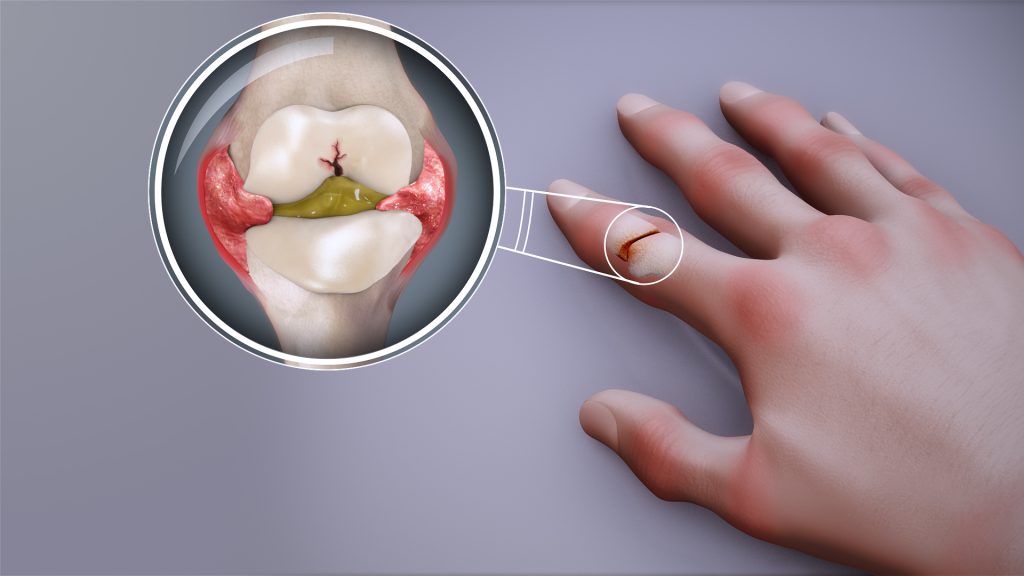
Rheumatoid arthritis. Credit: Scientific Animations CC4.0

Cedars-Sinai investigators may have figured out why certain immunosuppressive treatments don’t work well in rheumatoid arthritisIn a study published in Science Immunology, scientists traced the problem to specific changes that occur in immune cells within the joints as the disease progresses.

The findings could lead to more effective therapies for the incurable autoimmune disease.

“Our discoveries point to the importance of the tissue environment in worsening rheumatoid arthritis and driving resistance to antirheumatic medications,” said Nunzio Bottini, MD, PhD, director of the Kao Autoimmunity Institute at Cedars-Sinai, professor of Medicine and corresponding author of the study.

Rheumatoid arthritis causes chronic inflammation in the joints. In other forms of autoimmune arthritis, inflammation can be relieved by targeting interleukin-17, one of several proteins that can contribute to joint inflammation.

In experiments involving human rheumatoid arthritis tissues and laboratory mice, investigators showed that, over time, the immune cells that produce interleukin-17 gradually stop making it. This finding helps explain why IL-17-targeted treatments do not work well against established rheumatoid arthritis.

“These immune cells can also change in ways that make them more aggressive and able to sustain inflammation even without interleukin-17,” Bottini said.

Changes to the immune cells appear to be driven by synoviocytes – nonimmune cells that produce the lubricating synovial fluid in the joints, according to the study.

Bottini said that the Department of Computational Biomedicine at Cedars-Sinai, particularly the laboratory of Kyoung Jae Won, PhD, played a key role in the study by contributing critical work in spatial biology, an emerging field that studies how cells function within their tissue environments.

The findings carry significant implications for treating rheumatoid arthritis, according to Joyce So, MD, PhD, chief genomics officer at Cedars-Sinai and medical director of the newly established Center for Genomic Medicine at Cedars-Sinai Guerin Children’s.

“This important new insight contributes to shifting the paradigm of how we understand rheumatoid arthritis progression and why IL-17 treatments haven’t worked as well as expected,” So said. “Only with a precise understanding of the biological mechanisms of disease can effective, precision therapies be developed. In the meantime, clinicians can help patients in early or presymptomatic stages make the most of treatments that may lose effectiveness over time.”

Source: Cedars–Sinai

Headache Disorders Affect Nearly One in Every Three People

Photo by Kindel Media

Headache disorders affected almost 3 billion people worldwide in 2023 – nearly one in every three people, a figure unchanged since 1990 – and ranked sixth among causes of health loss, according to new research published in The Lancet Neurology. The analysis is part of the Global Burden of Disease (GBD) 2023 study and estimated health loss from migraine, tension-type headache, and medication-overuse headache from 1990 through 2023.

The study, led by researchers at IHME and the Norwegian University of Science and Technology (NTNU), examined the health loss resulting from headache disorders, and how long people have headache across different ages and sexes. Health loss was measured in years lived with disability (YLDs), which captures the total time people spend living with health conditions that limit daily activities and overall well-being. Drawing on population-based studies worldwide, the analysis provides the most comprehensive picture to date of how headache disorders affect daily life and overall health.

Headache disorders rank among the world’s most disabling conditions, disproportionately affecting women

In 2023, headache disorders accounted for an age-standardised rate of 541.9 YLDs per 100 000 people, ranking sixth among all causes of disability globally. The burden of headache disorders was more than twice as high among women as men, with rates of 739.9 and 346.1 YLDs per 100 000, respectively. Across every age group, women consistently spent more time experiencing headache symptoms than men.

“Our analysis shows that headache disorders have remained unchanged in three decades,” said Yvonne Xu, co-author and research scientist at IHME. “And women experience significantly higher levels of headache-related disability because they have headaches more frequently and for longer durations than men. Recognizing this is essential for improving how we prevent and manage headache disorders worldwide.”

Migraine and medication overuse drive most of the global burden from headache disorders

Although tension-type headache is nearly twice as prevalent as migraine, migraine accounts for about 90% of headache-attributed YLDs. In 2023, migraine alone caused an estimated 40.9 million YLDs globally, with an age-standardised rate of 487.5 YLDs per 100 000. Tension-type headache accounted for 54.4 YLDs per 100 000, showing that migraine, though less common, is far more disabling and drives most of the overall burden of headache disorders. While the highest rates of disability from migraine were seen in North Africa and the Middle East, closely followed by high-income regions such as Europe and North America, the burden remains high worldwide.

Medication-overuse headache, defined as the worsening of an existing headache due to excessive use of medication (e.g., pain medication) mainly used to treat migraine or tension-type headache, further amplifies this burden. While this condition affects relatively few, its impact on population-level disability is substantial because of the high individual burden. For migraine, medication overuse accounted for 22.6% of YLDs in men and 14.1% in women, while for tension-type headache, it contributed 58.9% and 56.1%, respectively. Overall, medication overuse was responsible for more than one-fifth of all headache-related disability globally. 

“Our findings show that a large part of the global headache burden is preventable,” said Andreas Kattem Husøy, lead author and post-doctoral fellow in the Department of Neuromedicine and Movement Science at NTNU and Norwegian Centre for Headache Research (NorHead). “Integrating headache services into primary care, especially in low- and middle-income countries where effective treatments remain scarce, could reduce lost productivity and improve quality of life for hundreds of millions.”

Improved care and education are key to reducing the global burden of headache disorders.

Headache disorders remain one of the most common and disabling health conditions worldwide. The burden is unevenly distributed by sex and further intensified by overuse of pain medication, a preventable cause of long-term pain and disability. Although effective and affordable treatments are available, access to appropriate care and education on safe medication use remain limited in many settings.

The findings highlight an urgent need to strengthen prevention, management, and access to care for headache disorders worldwide. With greater awareness and coordinated action, much of the global burden of headache disorders can be prevented.

Source: Institute for Health Metrics and Evaluation

A Simple Neck Scan Could Detect Men at High Risk of Heart Failure

Right side heart failure. Credit: Scientific Animations CC4.0

A simple neck scan can identify men with double the risk of heart failure, according to a new study led by UCL researchers and funded by the British Heart Foundation and the National Institute for Health and Care Research.

A carotid ultrasound, like the ultrasound for pregnant women, is quick and painless, using a small handheld device moved gently over the neck to scan the arteries underneath.

When around 1600 men over the age of 70 received the scan, it showed the ‘flexibility’ of their carotid arteries – how much they stretch and expand with each heartbeat.

Researchers found that the quarter of men with the least flexible carotid arteries were 2.5 times more likely to develop heart failure than those with the most flexible carotid arteries.

These people could be encouraged by doctors to eat more healthily, do more exercise and take medications, if needed, to help reduce their risk of developing heart failure.

GPs do not currently routinely carry out the cheap and easy scan on healthy patients without symptoms. But, where GP surgeries have the capacity, offering a neck scan to older people to measure the flexibility of their arteries could help them better understand their risk of future heart failure, according to the researchers.

Having relied upon data from the British Regional Heart Study, which began in the 1970s and only involved men, researchers highlight that these findings next need to be looked at in women.

Dr Atinuke Akinmolayan (UCL Primary Care & Population Health), who is now a GP, said: “The carotid ultrasound is a safe, cheap and painless investigation, and our findings suggest it may be able to provide an early warning sign for heart failure.

“More research is needed, especially to see if this works for women, but this is something GPs could look at offering to people over the age of 60, where possible and believed needed.

“A patient who gets an ultrasound result indicating they may be at higher risk of future heart failure could have an important conversation with their doctor about lifestyle changes they could make to lower that risk.”

Doctors tend to scan the two carotid arteries, which run up either side of the neck, when someone has had a stroke or is at risk of a stroke following a transient ischaemic attack, known as a ‘mini-stroke’. A scan can identify carotid artery disease – a build-up of fatty material which can cause a stroke by breaking off and travelling into the brain or by narrowing the arteries and stopping blood reaching the brain.

However, the carotid arteries may be a red flag for heart failure also. This is because, when the carotid arteries become less flexible, they do not expand properly to let blood through. This can raise blood pressure, which forces the heart muscle to work harder. Over time, this can lead to heart failure.

The study, published in the Journal of the American Heart Association, looked at 1631 British men, aged 71 to 92, who had a carotid artery ultrasound between 2010 and 2012 as part of the British Regional Heart Study.

A carotid ultrasound, sometimes called a Doppler scan, takes an average of 15 to 30 minutes for most people, although this can vary.

A small handheld sensor is moved back and forth over the neck, generating sound waves which bounce off the arteries. That provides an echo which changes in frequency when blood flow is reduced in the blood vessels because they are narrowed by built-up fatty material.

The narrowing identified by a carotid scan can then be used to calculate the arteries’ flexibility, after factoring in other measures, including blood pressure. Researchers were able to identify the quarter of men with the least flexible carotid arteries, and the quarter of men whose carotid arteries were most flexible.

They then compared the rates of heart failure in each group  over an average of six years after their neck scans.

Even after considering other causes of heart failure, like age, weight, smoking and whether people had previously suffered a heart attack, the quarter of men with the least flexible carotid arteries had 2.5 times the risk of developing heart failure, compared to the quarter with the most flexible carotid arteries.

In a separate finding, looking at the thickness of people’s carotid arteries rather than their flexibility, the study found that men with thicker carotid arteries were more likely to have a heart attack or die from one.

For every ‘unit’ increase in the thickness of the carotid artery wall – with a unit equalling 0.16 millimetres – the risk of having a heart attack increased by about 29 per cent, even after considering other relevant factors like age and weight.

However the thickness of the carotid arteries was not found to be significantly linked to future heart failure in the study.

There are around 200 000 new cases of heart failure diagnosed every year in the UK.

It occurs when the heart is not pumping blood around the body as well as it should, most commonly when the heart muscle has been damaged – for example, after a heart attack.

Heart failure can cause extreme fatigue, shortness of breath and fainting.

Professor Bryan Williams, chief scientific and medical officer at the British Heart Foundation (BHF), who is also Chair of Medicine at UCL Institute of Cardiovascular Science, said: “The findings of this study are interesting and show that stiffening of arteries is associated with increased risk of heart failure, most likely due to the heart having to work harder against the resistance caused by these stiffer arteries.

“It is an important signal that whenever we detect such changes in the carotid arteries, we should also be thinking of the potential impact on the heart and an increased risk of heart failure – which we have treatment strategies to prevent.”

Source: University College London

Immunotherapy Might Enable Long-Term HIV Control Without Antiretroviral Drugs

This is the first study using a combination of immunotherapies in humans. The results show promise for sustained control of the virus.

Colourised scanning electron micrograph of HIV (yellow) infecting a human T9 cell (blue). Credit: NIH

A new study from UC San Francisco shows it may be possible to control HIV without long-term antiviral treatment – an advance that points the way toward a possible cure for a disease that affects 40 million people around the world.

Treatment with a combination of experimental immunotherapy agents enabled 7 out of 10 participants to keep the virus at low levels for many months after going off antiretroviral therapy (ART).

The results appear on Dec. 1, World AIDS Day, in Nature.

The trial, which relied on a collaboration with nearly a dozen pharmaceutical companies and other partners in HIV research, offers a proof of concept that the approach could work. Although the study was small and did not include a control arm, investigators said the results are extremely encouraging.

“The majority had some evidence of control, which we believe is unprecedented,” said the paper’s co-senior author, Steven Deeks, MD, a professor of Medicine at UCSF who is in the Division of HIV, Infectious Diseases, and Global Medicine at Zuckerberg San Francisco General Hospital. “I do believe we are finally making real progress towards developing a therapy that may allow people to live a healthy life without the need of life-long medications.”

The trial was made possible by the Foundation for AIDS Research (amfAR)’s $20 million, five-year partnership with UCSF to advance AIDS cure research, launched in 2015. It was also supported by the National Institutes of Health (NIH).

Reprogramming the body’s immune system

Antiretroviral therapy (ART) was introduced in the 1990s and turned HIV infection from a death sentence into a chronic disease. But it is not a cure, and the virus stays in the body ready to reawaken as soon as someone stops taking ART.

The study was designed to test whether a triple combination of immunotherapies could reprogram the body’s immune system to control the virus after going off ART. Most of the participants had started ART soon after they acquired HIV, which helped preserve their immune response.

First, participants received a therapeutic vaccine to encourage their T cells to go after the latent HIV in their bodies. Then, they received an antibody cocktail to reduce the amount of HIV in the body. Finally, they were given another round of anti-HIV antibodies before being taken off ART.

Typically, when a person with HIV stops HIV medicines, the virus starts to rebound in about two weeks and then skyrockets. This time, only three of the 10 patients experienced the typical rapid rebound. Six maintained low levels of the virus for months, and one did not rebound at all.

The pouncing cat analogy

The investigators then examined the immune responses of those who controlled the virus to see how they did it.

“It turns out the controllers had T cells that were able to expand dramatically once they ran into the virus,” said Rachel Rutishauser, MD, PhD, an associate professor in UCSF’s Division of Experimental Medicine and co-senior author of the paper. “It’s like they were hanging out waiting for their target, kind of like a cat getting ready to pounce on a mouse.”

The treatment would need to be simplified and proved effective in much larger studies before it could replace standard HIV treatment.

“This is not the end game,” said Michael Peluso, MD, an assistant professor in UCSF’s Department of Medicine and the study’s first author. “But it proves we can push progress on a challenge we often frame as unsolvable.”

Source: University of California – San Francisco