Author: ModernMedia

The Effect of Physical Fitness on Mortality is Overestimated

Photo by Ketut Subiyanto on Unsplash

Many observational studies have shown that people who exercise more and have good cardiorespiratory fitness early in life are at lower risk of premature death from causes such as cancer and cardiovascular disease. But a new study published in the European Journal of Preventive Cardiology suggests that the association between physical fitness and a reduced risk of mortality may be misleading.

“We found that people with high fitness levels in late adolescence had a lower risk of dying prematurely, for example from cardiovascular disease, compared to those with low fitness levels. But when we looked at their risk of dying in random accidents, we found an almost similarly strong association. This suggests that people with high and low fitness levels may differ in other important ways, which is something that previous studies have not fully taken into account,” says Marcel Ballin, associated researcher in epidemiology and lead author of the study.

Conscription data from over 1 million men

In the study, the researchers leveraged data from 1.1 million Swedish men who were conscripted for military service between the years 1972 and 1995. The men, who were on average 18 years old at the time of conscription, were divided into five groups based on their fitness level at the time. They were then followed until their 60s or until they died. With access to the National Cause of Death Register, the researchers were able to see their cause of death. They subsequently used different methods to study the association between fitness level in late adolescence and premature death.

The researchers started with a traditional analysis of mortality from cardiovascular disease, cancer and from all causes, as in previous observational studies. They adjusted their statistical models for factors such as BMI, age at conscription, year of conscription, and parents’ income and education level. The results showed that the group with the highest fitness level had a 58% lower risk of dying from cardiovascular disease, a 31% lower risk of dying from cancer, and a 53% lower risk of dying from all causes, compared with the group with the lowest fitness level.

Very similar risk of dying in random accidents

Next, the researchers examined how fitness was associated with the risk of dying in random accidents such as car accidents, drownings and homicides. They chose random accidents because they assumed that there ought to be no association between the men’s fitness in late adolescence and the risk of dying in random accidents. This method is called negative control outcome analysis and involves testing the validity of your results for a primary outcome by comparing them with an outcome where no association ought to be found. If, however, an association is found, it may indicate that the groups studied are not actually comparable, and that the study suffers from what is typically referred to as confounding. The researchers found that men with the highest fitness levels had a 53% lower risk of dying in random accidents. Yet, it is unlikely that the men’s fitness would have such a big effect on their risk of dying in random accidents.

These results were also confirmed when the researchers used the sibling comparison design. Using this method, the researchers compared the risk of premature death between siblings with different fitness levels to control for all the factors that the siblings share such as behaviours, environmental factors, and some genetic factors.

“It surprised us that the association with accidental mortality reflected the other associations, even after we controlled for all the factors that siblings share. This underlines how strong the assumptions are that you make in observational studies, since it appears to be very difficult to create comparable groups. The consequences may be that you overestimate the magnitudes of the effects you find,” says Marcel Ballin.

Picture confirmed in other studies

The study is one of the largest of its kind in which researchers used negative control outcomes to investigate whether the associations between fitness and mortality are in fact valid. The results in this study are also supported by other research.

“That the effects of good cardiorespiratory fitness may be overstated might sound controversial to some, but the fact is that if you look at the results from studies others than traditional observational studies, a more nuanced picture does emerge. A number of twin studies for example have found similar results. Some genetic studies also suggest that there are genes that affect both the propensity to be physically active or have a good fitness level, and the risk of developing diseases such as cardiovascular disease.”

Important to base interventions on correct estimates

Marcel Ballin also argues that there are many different reasons for promoting physical activity. However, large-scale interventions or policy changes intended to apply to the entire population must be based on reliable estimates – otherwise there is a risk of expecting effects that have in fact been overestimated.

“Our results should not be interpreted as if physical activity and exercise are ineffective or that you should not try to promote it. But to create a more nuanced understanding of how big the effects of fitness actually are on different outcomes, we need to use several different methods. If we just ask the question in the same way, we will always get the same answer. It’s only when we get the same answer to a question that we have asked in slightly different ways that we can be sure that the findings are accurate,” says Marcel Ballin.

Source: Uppsala University

Loss of Lung Capacity Starts Between the Ages of 20 and 25

Photo by Ketut Subiyanto on Pexels

A study led by the Barcelona Institute for Global Health (ISGlobal), a centre supported by ”la Caixa” Foundation, in collaboration with the Clínic-IDIBAPS, has shown for the first time, how lung capacity evolves from childhood to old age. The findings, published in The Lancet Respiratory Medicine, provide a new basic framework for assessing lung health.

Until now, it was thought that lung function increased until it peaked at around 20–25 years of age, after which it stabilised. It was also thought that in later adulthood, lung function begins to decline as the lungs age. However, this model was based on studies that did not cover the whole life course.

In contrast, the current study used an “accelerated cohort design”, meaning data from several cohort studies were combined to cover the desired age range. “We included more than 30 000 individuals aged 4 to 82 years from eight population-based cohort studies in Europe and Australia,” explains Judith Garcia-Aymerich, first author of the study and co-director of the ISGlobal programme on Environment and Health over the Life Course. Lung function and lung capacity parameters were assessed using forced spirometry, a test in which the patient exhales all the air as quickly as possible after taking a deep breath. Data on active smoking and asthma diagnosis were also collected.

Two growth phases and an early decline

The study showed that lung function develops in two distinct phases: a first phase of rapid growth during childhood and a second phase of slower growth until peak lung function is reached. Lung function was assessed using two parameters: forced expiratory volume in one second (FEV1), which measures the amount of air expelled in the first second of a forced breath after a deep inhalation; and forced vital capacity (FVC), which is the maximum amount of air a person can breathe out without a time limit after a deep inhalation. 

In women, FEV1 peaks around the age of 20, while in men it peaks around the age of 23. Surprisingly, the study found no evidence of a stable phase following this peak. “Previous models suggested a plateau phase until the age of 40, but our data show that lung function starts to decline much earlier than previously thought, immediately after the peak,” explains Garcia-Aymerich.

Source: Barcelona Institute for Global Health (ISGlobal)

Could the Brain be Targeted to Treat Type 2 Diabetes?

Source: CC0

Successfully treating type 2 diabetes may involve focusing on brain neurons, rather than simply concentrating on obesity or insulin resistance, according to a study published in the Journal of Clinical Investigation.  

For several years, researchers have known that hyperactivity of a subset of neurons located in the hypothalamus, called AgRP neurons, is common in mice with diabetes. 

“These neurons are playing an outsized role in hyperglycaemia and type 2 diabetes,” said UW Medicine endocrinologist Dr Michael Schwartz, corresponding author of the paper.

To determine if these neurons contribute to elevated blood sugar in diabetic mice, researchers employed a widely used viral genetics approach to make AgRP neurons express tetanus toxin, which prevents the neurons from communicating with other neurons. 

Unexpectedly, this intervention normalised high blood sugar for months, despite having no effect on body weight or food consumption.   

Conventional wisdom is that diabetes, particularly type 2 diabetes, stems from a combination of genetic predisposition and lifestyle factors, including obesity, lack of physical activity and poor diet. This mix of factors leads to insulin resistance or insufficient insulin production.  

Until now, scientists have traditionally thought the brain doesn’t play a role in type 2 diabetes, according to Schwartz. 

The paper challenges this and is a “departure from the conventional wisdom of what causes diabetes,” he said. 

The new findings align with studies published by the same scientists showing that injection of a peptide called FGF1 directly into the brain also causes diabetes remission in mice. This effect was subsequently shown to involve sustained inhibition of AgRP neurons.

Together, the data suggest that, while these neurons are important for controlling blood sugar in diabetes, they don’t play a major role in causing obesity in these mice, the researchers noted in their report.  

In other words, targeting these neurons may not reverse obesity, even as it causes diabetes to go into remission, Schwartz explained. 

More research is needed on how to regulate activity in these neurons, and how they become hyperactive in the first place, he said. Once these questions are answered, Schwartz said that a therapeutic approach might then be developed to calm them down. 

This approach could represent a shift in how clinicians understand and treat this chronic disease, Schwartz said.  He noted, for instance, that semaglutide and other new drugs used to treat type 2 diabetes are also able to inhibit AgRP neurons.  

The extent to which this effect contributes to the antidiabetic action of these drugs is unknown. Further research might help scientists to better understand the role of AgRP neurons in how the body normally controls blood sugar, and to ultimately translate these findings into human clinical trials, he added.  

Source: University of Washington School of Medicine/UW Medicine

New Auditory Brainstem Implant Shows Early Promise

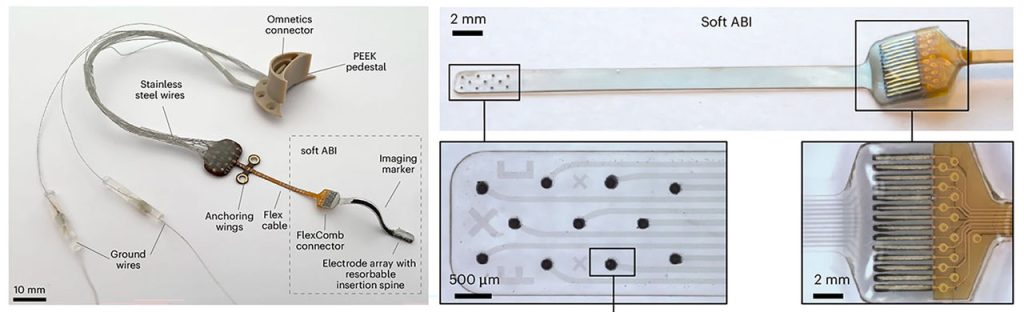
A new study co-led by Mass General Brigham researchers points to a promising new type of auditory brainstem implant (ABI) that could benefit people who are deaf due to Neurofibromatosis type 2 (NF2) and other severe inner ear abnormalities that prevent them from receiving cochlear implants. With further tests and trials, researchers hope it will provide a more effective treatment alternative than what is currently used.

In the new research, published in Nature Biomedical Engineering, scientists at Mass Eye and Ear, a member of the Mass General Brigham healthcare system, collaborated with scientists at the École Polytechnique Fédérale de Lausanne (EPFL) in Geneva, Switzerland, to report on a new class of soft, flexible ABIs that were designed to address the limitations of those currently used. These implants bypass damaged auditory structures and directly stimulate the brainstem’s sound-processing region to restore auditory function.

The new ABI was borne out of a decade-long collaboration between Mass Eye and Ear and EPFL scientists. It features an elastic, multilayer construct that includes ultra-thin platinum electrodes and silicone, a novel design that allows it to conform closely to the brainstem’s curved surface.

Conventional ABIs that are sometimes used in patients with NF2 rely on stiff electrodes that struggle to conform to the curved surface of the cochlear nucleus in the brainstem. That limits their effectiveness to modest benefits, typically providing only basic sound awareness to aid lip reading. The design can also cause side effects like discomfort that discourages long-term use.

The novel, soft electrode design was developed using advanced thin-film processing techniques, allowing for closer contact and more precise stimulation. In preclinical tests conducted in Switzerland, two macaques received the implants and underwent several months of behavioural testing. Results showed the animals could consistently distinguish between different patterns of stimulation – which indicated high-resolution auditory perception, a promising sign for eventual human use.

“While cochlear implants are life-changing for many, there remains a group of patients for whom current technology falls short,” said study co-senior author Daniel J. Lee, MD, FACS, Ansin Foundation Chair in Otolaryngology at Mass Eye and Ear. “Our research lays the groundwork for a future auditory brainstem implant that could improve hearing outcomes and reduce side effects in patients who are deaf and do not benefit from the cochlear implant.”

Source: Mass Eye and Ear

South African Study Identifies Two New Breast Cancer Genes in Black Women

Genetic factors contribute to some 30% of breast cancer cases in SA, necessitating investment in genomic research in African contexts.

Photo by National Cancer Institute

A seminal genetic study published in Nature Communications has discovered two genetic variants linked to breast cancer in black South African women, deepening knowledge about the genetic basis for this disease in African populations.

The genome-wide association study (GWAS) of breast cancer is the first to have been done in African women living on the continent.

A GWAS is a powerful research method that scans the entire DNA of many people to find genetic differences associated with a specific disease or trait.

In this case, the scientists at the Sydney Brenner Institute for Molecular Bioscience (SBIMB) scanned for breast cancer and found consistent genetic patterns in black South African women.

The SBIMB researchers discovered genetic signals around the gene RAB27A, a member of the RAS oncogene family, and USP22, a gene which is highly active in breast cancer cells and associated with a poor health prognosis.

“These genes have not been associated with the disease before, which is an important advance in understanding breast cancer risk and biology in women of African ancestry,” says Dr Mahtaab Hayat, the lead author of the study.

The two new genetic variants were identified in black South African women with breast cancer enrolled in the Johannesburg Cancer Study, compared to women without cancer in the Africa Wits-INDEPTH Partnership for Genomic Research (AWI-Gen) study.

Until now, most breast cancer genetics research has focused on European and Asian populations, with studies of African ancestry limited primarily to African- American women, who largely descend from West African populations.

A tool that estimates lifetime cancer risk based on DNA, the polygenic risk score (PRS), performed poorly in distinguishing South African women with breast cancer from those without.

“This is because most PRSs were developed in European populations, and their inaccuracy in African populations highlights the urgent need for ancestry-specific tools in cancer risk prediction,” says Dr Jean-Tristan Brandenburg, also in the SBIMB and a lead author.

Breast cancer is the second most common cancer in South Africa and the most common cancer in women globally, with genetic factors contributing to about 30% of cases. “Our study makes a compelling case for investing in genomic research rooted in African contexts,” notes Hayat.

The potential for precision medicine

If further studies confirm these findings, the USP22 and RAB27A genes could be specific targets for new drugs. “We could potentially target harmful cancer cells while sparing healthy tissue, which is ideally what we want when administering cancer treatment,” says Distinguished Professor at the SBIMB, Chris Mathew, and a lead project investigator.

Furthermore, if a specific gene is associated with poorer survival, it can be used as a biomarker to identify more aggressive cancers and help predict which patients may need more intensive treatment and monitoring.

Understanding the genetic architecture of complex diseases helps scientists figure out the biological processes leading to these conditions and find drug targets and treatments for groups of individuals with similar disease risk profiles.

Genomic diversity in Africa is unparalleled

African populations have more genetic variation than any other population in the world, but they have been significantly underrepresented in genomic research. This means that the global understanding of disease risk, and the tools and treatment developed from it, is limited.

“The study reveals that more people can benefit from genetic discoveries. It proves that new risk factors are still out there, waiting to be found,” says Hayat.

Source: University of the Witwatersrand

Protein Clues in the Hunt for the Cause of Frontotemporal Dementia

Photo by Bill Oxford on Unsplash

Dementia usually affects older people, so when it occurs in middle age, it can be hard to recognise. The most common form is frontotemporal dementia (FTD), which is often mistaken for depression, schizophrenia, or Parkinson’s disease before the correct diagnosis is reached.

Now, as part of an NIH-funded study, researchers at UC San Francisco have found some clues about how FTD develops that could lead to new diagnostics and get more patients into clinical trials. The findings appear in Nature Aging on May 16.

The team measured more than 4000 proteins found in spinal tap fluid from 116 FTD patients and compared them to those from 39 of their healthy relatives. All 116 patients had inherited forms of FTD, enabling researchers to study the disease in living people with confirmed diagnosis, something that isn’t possible in non-inherited FTD cases, which can only be confirmed after death.

The composition of the proteins that changed in FTD suggest that these patients have problems with RNA regulation along with defects that affect connections in their brains. These proteins, researchers think, could be the first specific markers for FTD that emerge as the disease develops in middle age.

FTD is the most common form of dementia for people under 60. Because it occurs in younger people, it is often misdiagnosed as depression, early-onset Alzheimer’s, Parkinson’s, or a psychiatric condition. It takes an average of 3.6 years for patients to get an accurate diagnosis. There is no cure, and there are no treatments to slow or stop disease progression. It is distinct from Alzheimer’s in 3 major ways:

  • FTD features a gradual decline in behavior, language, or movement, but memory is intact.
  • It usually strikes younger people, between 45 and 65 years of age, and is less likely to strike after 65.
  • It’s less common, affecting 60 000 people in the U.S. (Alzheimer’s affects 6.7 million Americans).

“FTD affects people in the prime of their lives, stripping them of their independence,” said Rowan Saloner, PhD, professor in the UCSF Memory and Aging Center and corresponding author of the paper. “But there’s no definitive way to diagnose it in living patients, unlike other dementias like Alzheimer’s disease.”

“If we’re able to identify FTD early on, perhaps using some of the proteins we’ve identified, we can direct patients to the right resources, get them into the right therapeutic trials, and, ultimately, we hope, provide them with precision treatments.”

Source: University of California – San Francisco

Hope for Severe Burns Patients with New Skin Substitutes

A dermal matrix – one of the latest advancements to regenerate skin after severe burns.

Severe burns remain one of the most challenging injuries to treat, causing high disease and death rates worldwide, but Australian researchers have flagged some promising new approaches that could save lives and dramatically improve patient recovery.

In a comprehensive review published in Advanced Therapeuticsresearchers from the University of South Australia (UniSA), University of Adelaide and Royal Adelaide Hospital (RAH) explore the latest advancements in dermal substitutes – biochemicals used to replace damaged skin – with a particular focus on combating infection and enhancing tissue regeneration following catastrophic burns.

The researchers say that despite decades of progress, traditional treatments such as skin grafting often fail to provide adequate healing and infection control, leading to prolonged hospital stays and soaring healthcare costs.

According to the lead authors Dr Zlatko Kopecki and Dr Bronwyn Dearman, the urgency to develop safer, more effective solutions has never been greater.

“Infections are a major cause of complications and mortality in burn patients,” says Dr Kopecki, a Research Fellow at UniSA’s Future Industries Institute.

“We must innovate beyond conventional methods and develop therapies that regenerate tissue while actively preventing infections.”

Each year, approximately 2423 Australians are admitted to hospital with burn-related injuries, 74% of whom require surgery, including a skin graft. Globally, 180 000 people die from burns each year, and approximately 10 million are hospitalised, costing healthcare systems $112 billion worldwide.

The review highlights that while many commercial skin substitutes exist, very few offer integrated antimicrobial protection – a critical factor given the vulnerability of burn wounds to bacterial invasion and sepsis.

The paper discusses emerging technologies such as Kerecis, a novel fish skin graft with inherent antimicrobial properties, and NovoSorb BTM, a synthetic biodegradable matrix that resists bacterial colonisation without relying on antibiotics.

Both products represent a new generation of dermal substitutes with enhanced potential to protect and heal complex burns.

Kerecis comes from wild Atlantic cod, caught from a sustainable fish stock in pristine Icelandic waters and processed using renewable energy. It stands out for retaining natural omega-3 fatty acids, which have strong antimicrobial effects and promote wound healing.

Meanwhile, NovoSorb BTM’s unique polyurethane matrix offers structural resilience even in infected wounds, providing a vital scaffold for tissue regeneration.

“These materials demonstrate a shift towards multifunctional therapies that combine structural support with infection resistance,” says Dr Dearman, Principal Medical Scientist for the Skin Engineering Laboratory at the RAH and an Adjunct Lecturer at the University of Adelaide.

“Such innovations are crucial, particularly as antibiotic-resistant infections continue to rise globally,” she says.

The review calls for the next wave of research to integrate active antimicrobial agents directly into 3D dermal scaffolds that support cell growth, reducing the reliance on antibiotics and temporary dressings.

Beyond infection control, the research points to scarless healing as the future frontier of burn care.

By combining smart biomaterials with cell-based therapies, scientists aim to regenerate skin that restores its full function – an outcome that could revolutionise the recovery for millions of burn survivors worldwide.

Source: University of South Australia

Why Are Urban Children More Prone to Allergies?

Study finds unique immune cell linked to risk

Photo by Andrea Piacquadio on Unsplash

A previously uncharacterised subset of immune cells may play a critical role in the development of allergic diseases and explain differences between urban and rural populations. The finding, published in the journal Allergy, provides new insight into how the immune system is shaped in early life – and why urban children are more prone to allergies than children from rural areas.

Led by researchers from the University of Rochester Medical Center (URMC) Department of Pediatrics, including MD/PhD student Catherine Pizzarello and senior author Kirsi Järvinen-Seppo, MD, PhD, the study uncovered a unique subpopulation of T cells known as helper 2 (Th2) cells with distinct molecular characteristics.

T-cells are the foundational immune cells that fight off infections, but there is evidence that this specific subtype is recognizing certain foods as allergenic and attacking them, according to Jarvinen-Seppo.

“These pro-allergic T cells are more inflammatory than anything previously described in this context,” said Järvinen-Seppo, chief of Pediatric Allergy and Immunology at UR Medicine Golisano Children’s Hospital. “They were found more frequently in urban infants who later developed allergies, suggesting they may be a predictive biomarker or even a mechanistic driver of allergic disease.”

The study compared blood samples from urban infants with those from infants in a farming community, specifically the Old Order Mennonites (OOM) of New York’s Finger Lakes region – known for their low rates of allergies. Researchers found that while urban infants had higher levels of the aggressive Th2 cells, OOM infants had more regulatory T cells that help keep the immune system in balance and reduce the likelihood of allergic responses.

While additional research is needed to identify a possible cause, Jarvinen-Seppo speculates that differences in the development of the gut microbiome between the two populations, and more exposure to “healthy” bacteria in rural children, may be a factor.

“The farming environment, which is rich in microbial exposure, appears to support the development of a more tolerant immune system. Meanwhile, the urban environment may promote the emergence of immune cells that are primed for allergic inflammation,” said Jarvinen-Seppo.

The work is part of a broader, NIH-funded investigation into how early-life exposures influence long-term immune outcomes. In 2023, Järvinen-Seppo’s team received a $7 million grant from the National Institute of Allergy and Infectious Diseases (NIAID) to study environmental, microbiome, and immune differences between OOM and urban infants. The goal is to continue this foundational work to uncover protective factors that could be translated into preventive therapies, including probiotics or microbiome-supporting interventions.

“If we can identify the conditions for this disparity between the different T cell subpopulations, we can potentially find solutions in allergic disease development,” Järvinen-Seppo said.

Source: University of Rochester Medical Center

‘Sweet Spot’ for Focused Ultrasound Provides Relief from Essential Tremor

A surgical lesion site is highlighted in orange following MR-guided focused ultrasound treatment. Structural brain connections associated with optimal tremor response or side effects, as identified in the present study, are depicted in various colors. The background features an ultra-high resolution MRI image acquired at Massachusetts General Hospital. Image courtesy of Andreas Horn, Mass General Brigham.

Essential tremor, a common neurological movement disorder, causes uncontrollable shaking, most often in the hands, but it can also occur in the arms, legs, head, voice, or torso. Essential tremor impacts an estimated 1% of the worldwide population and around 5% of people over 60.

Investigators from Mass General Brigham identified a specific subregion of the brain’s thalamus that, when included during magnetic resonance-guided focused ultrasound (MRgFUS) treatment, can result in optimal and significant tremor improvements while reducing side effects. Their results are published in Science Advances.

“This one-time, noninvasive treatment can have immediate, long-lasting and lifechanging effects for patients and was pioneered here at Brigham and Women’s Hospital 30 years ago,” said co-senior author G. Rees Cosgrove, MD, FRCSC, director of functional neurosurgery at Brigham and Women’s Hospital. “The results of this study will help make the procedure even more safe and effective than it already is and will help other centres around the world improve their outcomes.”

MRgFUS treatment of essential tremor creates a small, permanent lesion in a specific nucleus in the thalamus that is thought to be part of the brain circuit mediating the disorder and disrupts the tremor-causing activity. The research team analysed data from 351 thalamotomy patients that were treated across three international hospitals, the largest cohort assessed to date, to identify the optimal location for this procedure and better understand its impacts on clinical improvements and side effects.

The study identified a set of optimal sites and brain connections to target, as well as locations and connections to avoid that lead to side effects. The team then tested whether this ‘sweet spot’ could be used as a model to predict the outcomes in a cohort of patients treated with the same procedure at another centre, which proved true. The more the ‘sweet spot’ was lesioned, the better the outcome was in all patients’ one-year, post-procedure comparison data. According to the researchers, when thalamotomy patients have good tremor control at one year, it is typically sustained over multiple years.

“Seeing how this procedure can make such a huge impact on patients’ lives is what motivated me to pursue this research,” said lead author Melissa Chua, MD, a senior resident in the Brigham’s Department of Neurosurgery. “It is very exciting to have such robust validation and to be moving toward this treatment becoming even more precise and personalized in the future.”

Next, the team plans to further analyse patient data for a more detailed picture of the evolution of this technology and how patient outcomes have improved, to fully understand the parameters that go into achieving long-term tremor control and minimise side effects.

“It is incredible when you can provide a patient with relief from these tremors,” Cosgrove said. “It is like a gift when patients who have not been able to sing, speak in public, write, or even drink from a cup for years can once again do so – we see it in case after case.”

Source: Mass General Brigham

Could a Transient Ischaemic Attack Leave Lasting Fatigue?

Photo by Karolina Grabowska on Pexels

A transient ischaemic attack (TIA) is typically defined as a temporary blockage of blood flow to the brain that causes symptoms that go away within a day, but a new study finds that people who have this type of stroke may also have prolonged fatigue lasting up to one year. The study is published in Neurology®, the medical journal of the American Academy of Neurology (AAN).

The study does not prove that TIAs, also known as mini-strokes, cause lasting fatigue; it only shows an association. “People with a transient ischaemic attack can have symptoms such as face drooping, arm weakness or slurred speech and these resolve within a day,” said study author Boris Modrau, MD, PhD, of Aalborg University Hospital in Denmark. “However, some have reported continued challenges including reduced quality of life, thinking problems, depression, anxiety and fatigue. Our study found that for some people, fatigue was a common symptom that lasted up to one year after the transient ischaemic attack.”

The study involved 354 people with an average age of 70 who had a mini-stroke. They were followed for a year.

Participants completed questionnaires about their level of fatigue within the first two weeks of the mini-stroke and again at three, six, and 12 months later. One questionnaire looked at five different types of fatigue, including overall tiredness, physical tiredness, reduced activity, reduced motivation and mental fatigue. Scores ranged from four to 20 with higher scores indicating more fatigue. Participants had an average score of 12.3 at the start of the study. At three months, the average score decreased slightly to 11.9, at six months to 11.4 and at twelve months to 11.1.

Researchers looked at how many participants experienced fatigue as defined as a score of 12 or higher. Of the participants, 61% experienced fatigue two weeks after the mini-stroke and 54% experienced fatigue at each of the three other testing time periods at three, six and 12 months.

Participants also had brain scans. Researchers found that the presence of a blot clot on a scan was equal between people with long term fatigue and those without it, so this did not explain the reason for the level of fatigue.

Researchers did find that previous anxiety or depression was twice as common in those participants who reported lasting fatigue.

“Long-term fatigue was common in our group of study participants, and we found if people experience fatigue within two weeks after leaving the hospital, it is likely they will continue to have fatigue for up to a year,” said Modrau. “For future studies, people diagnosed with a transient ischaemic attack should be followed in the weeks and months that follow to be assessed for lingering fatigue. This could help us better understand who might struggle with fatigue long-term and require further care.”

A limitation of the study was that while participants were asked to complete the questionnaires themselves, it is possible some responses may have been completed with assistance from relatives or caretakers and this may have influenced responses, including those around fatigue.

Source: American Academy of Neurology