Author: ModernMedia

‘Sweet Spot’ for Focused Ultrasound Provides Relief from Essential Tremor

A surgical lesion site is highlighted in orange following MR-guided focused ultrasound treatment. Structural brain connections associated with optimal tremor response or side effects, as identified in the present study, are depicted in various colors. The background features an ultra-high resolution MRI image acquired at Massachusetts General Hospital. Image courtesy of Andreas Horn, Mass General Brigham.

Essential tremor, a common neurological movement disorder, causes uncontrollable shaking, most often in the hands, but it can also occur in the arms, legs, head, voice, or torso. Essential tremor impacts an estimated 1% of the worldwide population and around 5% of people over 60.

Investigators from Mass General Brigham identified a specific subregion of the brain’s thalamus that, when included during magnetic resonance-guided focused ultrasound (MRgFUS) treatment, can result in optimal and significant tremor improvements while reducing side effects. Their results are published in Science Advances.

“This one-time, noninvasive treatment can have immediate, long-lasting and lifechanging effects for patients and was pioneered here at Brigham and Women’s Hospital 30 years ago,” said co-senior author G. Rees Cosgrove, MD, FRCSC, director of functional neurosurgery at Brigham and Women’s Hospital. “The results of this study will help make the procedure even more safe and effective than it already is and will help other centres around the world improve their outcomes.”

MRgFUS treatment of essential tremor creates a small, permanent lesion in a specific nucleus in the thalamus that is thought to be part of the brain circuit mediating the disorder and disrupts the tremor-causing activity. The research team analysed data from 351 thalamotomy patients that were treated across three international hospitals, the largest cohort assessed to date, to identify the optimal location for this procedure and better understand its impacts on clinical improvements and side effects.

The study identified a set of optimal sites and brain connections to target, as well as locations and connections to avoid that lead to side effects. The team then tested whether this ‘sweet spot’ could be used as a model to predict the outcomes in a cohort of patients treated with the same procedure at another centre, which proved true. The more the ‘sweet spot’ was lesioned, the better the outcome was in all patients’ one-year, post-procedure comparison data. According to the researchers, when thalamotomy patients have good tremor control at one year, it is typically sustained over multiple years.

“Seeing how this procedure can make such a huge impact on patients’ lives is what motivated me to pursue this research,” said lead author Melissa Chua, MD, a senior resident in the Brigham’s Department of Neurosurgery. “It is very exciting to have such robust validation and to be moving toward this treatment becoming even more precise and personalized in the future.”

Next, the team plans to further analyse patient data for a more detailed picture of the evolution of this technology and how patient outcomes have improved, to fully understand the parameters that go into achieving long-term tremor control and minimise side effects.

“It is incredible when you can provide a patient with relief from these tremors,” Cosgrove said. “It is like a gift when patients who have not been able to sing, speak in public, write, or even drink from a cup for years can once again do so – we see it in case after case.”

Source: Mass General Brigham

Could a Transient Ischaemic Attack Leave Lasting Fatigue?

Photo by Karolina Grabowska on Pexels

A transient ischaemic attack (TIA) is typically defined as a temporary blockage of blood flow to the brain that causes symptoms that go away within a day, but a new study finds that people who have this type of stroke may also have prolonged fatigue lasting up to one year. The study is published in Neurology®, the medical journal of the American Academy of Neurology (AAN).

The study does not prove that TIAs, also known as mini-strokes, cause lasting fatigue; it only shows an association. “People with a transient ischaemic attack can have symptoms such as face drooping, arm weakness or slurred speech and these resolve within a day,” said study author Boris Modrau, MD, PhD, of Aalborg University Hospital in Denmark. “However, some have reported continued challenges including reduced quality of life, thinking problems, depression, anxiety and fatigue. Our study found that for some people, fatigue was a common symptom that lasted up to one year after the transient ischaemic attack.”

The study involved 354 people with an average age of 70 who had a mini-stroke. They were followed for a year.

Participants completed questionnaires about their level of fatigue within the first two weeks of the mini-stroke and again at three, six, and 12 months later. One questionnaire looked at five different types of fatigue, including overall tiredness, physical tiredness, reduced activity, reduced motivation and mental fatigue. Scores ranged from four to 20 with higher scores indicating more fatigue. Participants had an average score of 12.3 at the start of the study. At three months, the average score decreased slightly to 11.9, at six months to 11.4 and at twelve months to 11.1.

Researchers looked at how many participants experienced fatigue as defined as a score of 12 or higher. Of the participants, 61% experienced fatigue two weeks after the mini-stroke and 54% experienced fatigue at each of the three other testing time periods at three, six and 12 months.

Participants also had brain scans. Researchers found that the presence of a blot clot on a scan was equal between people with long term fatigue and those without it, so this did not explain the reason for the level of fatigue.

Researchers did find that previous anxiety or depression was twice as common in those participants who reported lasting fatigue.

“Long-term fatigue was common in our group of study participants, and we found if people experience fatigue within two weeks after leaving the hospital, it is likely they will continue to have fatigue for up to a year,” said Modrau. “For future studies, people diagnosed with a transient ischaemic attack should be followed in the weeks and months that follow to be assessed for lingering fatigue. This could help us better understand who might struggle with fatigue long-term and require further care.”

A limitation of the study was that while participants were asked to complete the questionnaires themselves, it is possible some responses may have been completed with assistance from relatives or caretakers and this may have influenced responses, including those around fatigue.

Source: American Academy of Neurology

Medical Imaging Experts can Outsmart Optical Illusions

Photo by Anna Shvets

Medical imaging experts are adept at solving common optical illusions, according to research from four UK universities, including the University of East Anglia. The correct analysis of medical images from scans, such as MRI, is critical for diagnosing cancer and many other conditions.

A new study published in Scientific Reports shows that people who do this professionally are also more accurate at judging the size of objects in common optical illusions.

In other words, medical imaging experts also literally see better in everyday life!

The research is also the first to show that people can be trained to do better at solving visual illusions, which was previously thought to be near-impossible.

Senior researcher Dr Martin Doherty, from UEA’s School of Psychology, said: “Optical illusions are designed to fool the brain. They can be a bit of fun, but they also help researchers shed light on how our brains works.

“We wanted to better understand whether people who are very experienced and skilled in visual recognition, do better at solving optical illusions.”

Participants were shown a series of visual illusions that made it hard to correctly judge the size of two similar objects – and asked to identify the larger one.

The object size differences varied, giving the research team an estimate of how much participants’ judgements were affected by the illusions.

They tested 44 radiographers and radiologists and compared their scores with a control group of 107 non-experts.

First author Dr Radoslaw Wincza, from the School of Medicine and Dentistry at University of Central Lancashire, said: “Many illusions are effective even if you know it is an illusion, and until now it was generally believed you could not train yourself to avoid the illusory effects.

“But this research suggests that training aimed at accurately perceiving objects in medical images has the effect of making experts less susceptible to visual illusions.

“This is the first time that it’s been shown that people can be trained to do better at solving visual illusions. And they could perhaps even be used for training medical image analysts in future.

“This is particularly important, given that 60 to 80 per cent of diagnostic errors are perceptual in nature,” he added.

Source: University of East Anglia

The Hidden Connection Between Herpes and Alzheimer’s

A new study has uncovered a surprising link between Alzheimer’s disease and Herpes Simplex Virus-1 (HSV-1).

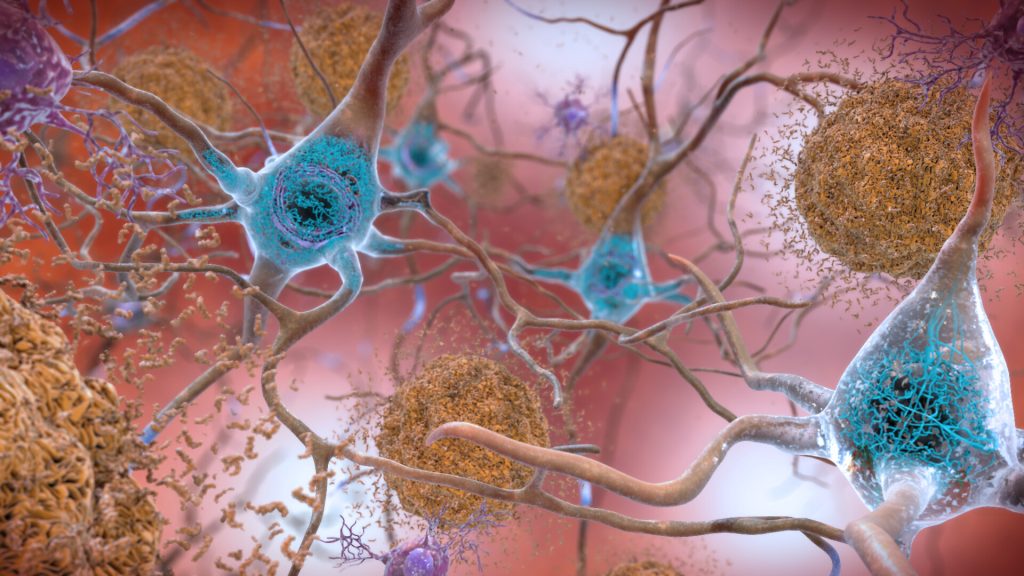
Neurons in the brain of an Alzheimer’s patient, with plaques caused by tau proteins. Credit: NIH

A new study led by Dr Or Shemesh at the Hebrew University of Jerusalem has uncovered a surprising connection between Alzheimer’s disease and the Herpes Simplex Virus-1 (HSV-1). The research team used advanced techniques to identify 19 HSV-1-related proteins in the brains of people with Alzheimer’s, across all stages of the disease. This discovery, published in Cell Reports, strengthens the growing evidence that infections like HSV-1 might play a role in the development and progression of Alzheimer’s.

One key finding was the increased activity of a herpesvirus protein called ICP27, which became more prominent as the disease advanced. This protein was found to occupy the same space as tau, a brain protein that becomes harmful when it undergoes changes in Alzheimer’s disease, but it did not appear near amyloid plaques, another hallmark of the illness. This suggests that HSV-1 may directly affect tau and contribute to the changes seen in Alzheimer’s.

The team’s experiments with human brain organoids derived from stem cells revealed that HSV-1 infection can increase tau modifications at specific sites linked to Alzheimer’s disease.

Remarkably, these modifications seem to help protect brain cells early on by reducing the amount of virus and preventing cell death. However, as the disease progresses, these same processes may contribute to the brain damage associated with Alzheimer’s. The study also highlighted the role of Alzheimer’s pathologies as part of the brain’s natural immune system in this process, focusing on a pathway called cGAS-STING, which influences tau changes.

Dr Shemesh explained, “Our research shows how HSV-1 interacts with the brain and influences the pathologies of Alzheimer’s disease. Early on, the changes in tau may protect brain cells by limiting the virus, but as the disease advances, these same changes could lead to more harm and accelerate neurodegeneration.”

This study provides new insights into how infections and the brain’s immune response may be involved in Alzheimer’s disease. It suggests that targeting viral activity or modifying the immune system’s response could offer new treatment possibilities. While more research is needed to fully understand these processes, these findings open the door to innovative ways to slow or stop the progression of this devastating disease.

The research paper titled “Anti-Herpetic Tau Preserves Neurons vis the cGAS-STING-TBK1 Pathway in Alzheimer’s Disease” is now available in Cell Reports and can be accessed at https://www.cell.com/cell-reports/fulltext/S2211-1247(24)01460-8 

Source: The Hebrew University of Jerusalem

Under Different Anaesthetics, Same Result: Unconsciousness by Shifting Brainwave Phase

MIT study finds that an easily measurable brain wave shift may be a universal marker of unconsciousness under anaesthesia

Photo by Anna Shvets on Pexels

At the level of molecules and cells, ketamine and dexmedetomidine work very differently, but in the operating room, they do the same exact thing: anaesthetise the patient. By demonstrating how these distinct drugs achieve the same result, a new study in animals by neuroscientists at The Picower Institute for Learning and Memory at MIT identifies a potential signature of unconsciousness that is readily measurable to improve anaesthesiology care.

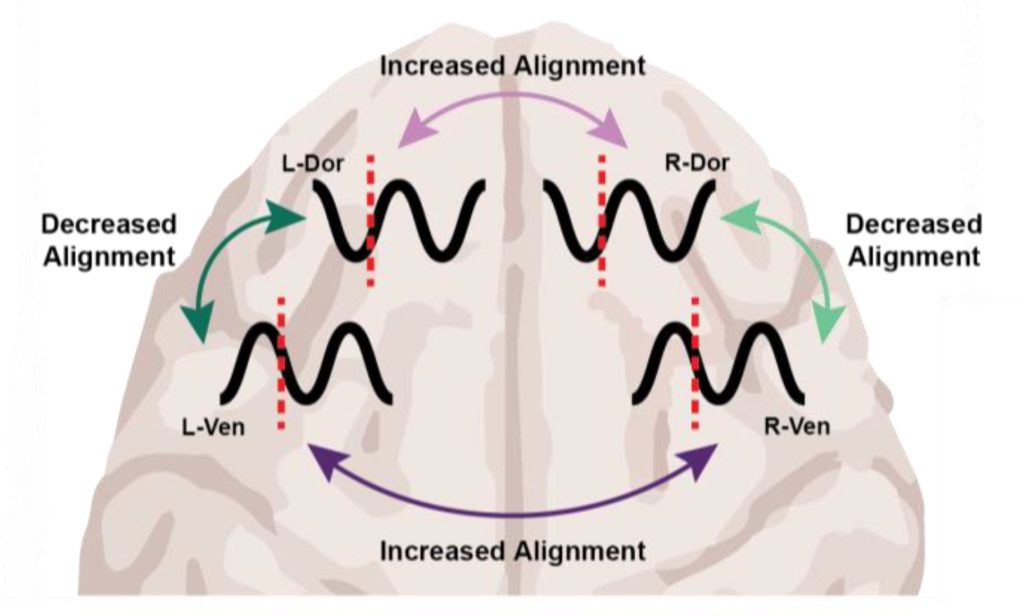
What the two drugs have in common, the researchers discovered, is the way they push around brain waves, which are produced by the collective electrical activity of neurons. When brain waves are in phase, meaning the peaks and valleys of the waves are aligned, local groups of neurons in the brain’s cortex can share information to produce conscious cognitive functions such as attention, perception and reasoning, said Picower Professor Earl K. Miller, senior author of the new study in Cell Reports. When brain waves fall out of phase, local communications, and therefore functions, fall apart, producing unconsciousness.

The finding, led by graduate student Alexandra Bardon, not only adds to scientists’ understanding of the dividing line between consciousness and unconsciousness, Miller said, but also could provide a common new measure for anesthesiologists who use a variety of different anesthetics to maintain patients on the proper side of that line during surgery.

“If you look at the way phase is shifted in our recordings, you can barely tell which drug it was,” said Miller, a faculty member in The Picower Institute and MIT’s Department of Brain and Cognitive Sciences. “That’s valuable for medical practice.  Plus if unconsciousness has a universal signature, it could also reveal the mechanisms that generate consciousness.”

A figure from the paper summarises the main findings. Under either ketamine or dexmedetomidine general anaesthesia, brain waves become shifted out of phase within a hemisphere and more into phase across hemispheres.

If more anesthetic drugs are also shown to affect phase in the same way, then anaesthesiologists might be able to use brain wave phase alignment as a reliable marker of unconsciousness as they titrate doses of anesthetic drugs, Miller said, regardless of which particular mix of drugs they are using. That insight could aid efforts to build closed-loop systems that can aid anaesthesiologists by constantly adjusting drug dose based on brain wave measurements of the patient’s unconsciousness.

Miller has been collaborating with study co-author Emery N. Brown, an anaesthesiologist and Professor of Computational Neuroscience and Medical Engineering, on building such a system. In a recent clinical trial with colleagues in Japan, Brown demonstrated that monitoring brain wave power signals using EEG enabled an anaesthesiologist to use much less sevoflurane during surgery with young children. The reduced doses proved safe and were associated with many improved clinical outcomes, including a reduced incidence of post-operative delirium.

Phase findings

Neuroscientists studying anaesthesia have rarely paid attention to phase, but in the new study, Bardon, Brown and Miller’s team made a point of it as they anaesthetised two animals.

After the animals lost consciousness, the measurements indicated a substantial increase in “phase locking,” especially at low frequencies. Phase locking means that the relative differences in phase remained more stable. But what caught the researchers’ attention were the differences that became locked in: Within each hemisphere, regardless of which anesthetic they used, brain wave phase became misaligned between the dorsolateral and ventrolateral regions of the prefrontal cortex.

Surprisingly, brain wave phase across hemispheres became more aligned, not less. But Miller notes that case is still a big shift from the conscious state, in which brain hemispheres are typically not aligned well, so the finding is a further indication that major changes of phase alignment, albeit in different ways at different distances, are a correlate of unconsciousness compared to wakefulness.

“The increase in interhemispheric alignment of activity by anesthetics seems to reverse the pattern observed in the awake, cognitively engaged brain,” the Bardon and Miller team wrote in Cell Reports.

Determined by distance

Distance proved to be a major factor in determining the change in phase alignment. Even across the 2.5 millimetres of a single electrode array, low-frequency waves moved 20-30 degrees out of alignment. Across the 20 or so millimetres between arrays in the upper (dorsolateral) and lower (ventrolateral) regions within a hemisphere, that would mean a roughly 180-degree shift in phase alignment, which is a complete offset of the waves.

The dependence on distance is consistent with the idea of waves traveling across the cortex, Miller said. Indeed in a 2022 study, Miller and Brown’s labs showed that the anaesthetic propofol induced a powerful low-frequency traveling wave that swept straight across the cortex, overwhelming higher-frequency straight and rotating waves.

The new results raise many opportunities for follow-up studies, Miller said. Does propofol also produce this signature of changed phase alignment? What role do travelling waves play in the phenomenon? And given that sleep is also characterised by increased power in slow wave frequencies, but is definitely not the same state as anaesthesia-induced unconsciousness, could phase alignment explain the difference?

Source: Picower Institute

Alzheimer’s Drug Lecanemab Well Tolerated in Real-world Use

Side effects of lecanemab are manageable, study finds

Created with Gencraft. CC4.0

The Food and Drug Administration’s approval in 2023 of lecanemab – a novel Alzheimer’s therapy shown in clinical trials to modestly slow disease progression – was met with enthusiasm by many in the field as it represented the first medication of its kind able to influence the disease. But side effects of brain swelling and bleeding emerged during clinical trials that have left some patients and physicians hesitant about the treatment. [Especially considering its $26 500 per year cost – Ed.]

Medications can have somewhat different effects once they are released into the real world with broader demographics. Researchers at Washington University School of Medicine in St. Louis set out to study the adverse events associated with lecanemab treatment in their clinic patients and found that significant adverse events were rare and manageable.

Consistent with the results from carefully controlled clinical trials, researchers found that only 1% of patients experienced severe side effects that required hospitalisation. Patients in the earliest stage of Alzheimer’s with very mild symptoms experienced the lowest risk of complications, the researchers found, helping to inform patients and clinicians as they navigate discussions about the treatment’s risks.

The retrospective study, published in JAMA Neurology, focused on 234 patients with very mild or mild Alzheimer’s disease who received lecanemab infusions in the Memory Diagnostic Center at WashU Medicine, a clinic that specialises in treating patients with dementia.

“This new class of medications for early symptomatic Alzheimer’s is the only approved treatment that influences disease progression,” said Barbara Joy Snider, MD, PhD, a professor of neurology and co-senior author on the study. “But fear surrounding the drug’s potential side effects can lead to treatment delays. Our study shows that WashU Medicine’s outpatient clinic has the infrastructure and expertise to safely administer and care for patients on lecanemab, including the few who may experience severe side effects, leading the way for more clinics to safely administer the drug to patients.”

Lecanemab is an antibody therapy that clears amyloid plaque proteins, extending independent living by 10 months, according to a recent study led by WashU Medicine researchers. Because amyloid accumulation is the first step in the disease, doctors recommend the drug for people in the early stage of Alzheimer’s, with very mild or mild symptoms. The researchers found that only 1.8% of patients with very mild Alzheimer’s symptoms developed any adverse symptoms from treatment compared with 27% of patients with mild Alzheimer’s.

“Patients with the very mildest symptoms of Alzheimer’s will likely have the greatest benefit and the least risk of adverse events from treatment,” said Snider, who led clinical trials for lecanemab at WashU Medicine. “Hesitation and avoidance can lead patients to delay treatment, which in turn increase the risk of side effects. We hope the results help reframe the conversations between physicians and patients about the medication’s risks.”

Hesitation around lecanemab stems from a side effect known as amyloid-related imaging abnormalities, or ARIA. The abnormalities, which typically only affect a very small area of the brain, appear on brain scans and indicate swelling or bleeding. In clinical trials of lecanemab, 12.6% of participants experienced ARIA and most cases were asymptomatic and resolved without intervention. A small percentage (2.8%) experienced symptoms such as headaches, confusion, nausea and dizziness. Occasional deaths have been linked to lecanemab in an estimated 0.2% of patients treated.

The Memory Diagnostic Center began treating patients with lecanemab in 2023 after the drug received full FDA approval. Patients receive the medication via infusions every two weeks in infusion centers. As part of each patient’s care, WashU Medicine doctors regularly gather sophisticated imaging to monitor the brain, which can detect bleeding and swelling with great sensitivity. Lecanemab is discontinued in patients with symptoms from ARIA or significant ARIA without symptoms, and the rare patients with severe ARIA are treated with steroids in the hospital.

In looking back on their patients’ outcomes, the authors found the extent of side effects aligned with those of the trials – most of the clinic’s cases of ARIA were asymptomatic and only discovered on sensitive brain scans used to monitor brain changes. Of the 11 patients who experienced symptoms from ARIA, the effects largely resolved within a few months and no patients died.

“Most patients on lecanemab tolerate the drug well,” said Suzanne Schindler, MD, PhD, an associate professor of neurology and a co-senior author of the study. “This report may help patients and providers better understand the risks of treatment, which are lower in patients with very mild symptoms of Alzheimer’s.”

Source: WashU Medicine

Researchers Map 7000-year-old Genetic Mutation that Protects Against HIV

Modern HIV medicine is based on a common genetic mutation. Now, researchers have traced where and when the mutation arose – and how it protected our ancestors from ancient diseases.

Photo by Sangharsh Lohakare on Unsplash

What do a millennia-old human from the Black Sea region and modern HIV medicine have in common? Quite a lot, it turns out, according to new research from the University of Copenhagen.

18–25% of the Danish population carries a genetic mutation that can make them resistant or even immune to HIV. This knowledge is used to develop modern treatments for the virus.

Until now, it was unknown where, when, or why the mutation occurred. But by using advanced DNA technology, researchers have now solved this genetic mystery.

“It turns out that the variant arose in one individual who lived in an area near the Black Sea between 6700 and 9000 years ago,” says Professor Simon Rasmussen from the Novo Nordisk Foundation Center for Basic Metabolic Research (CBMR) at the University of Copenhagen, corresponding author of a new study mapping the mutation. He adds:

“HIV is a relatively new disease – less than 100 years old – so it’s almost coincidental and very fascinating that a genetic variation that arose thousands of years ago also protects against a modern virus like HIV.”

Analyzed 900 skeletons

To determine where and when the mutation arose, researchers first mapped it by analysing the genetic material of 2000 living people worldwide. They then developed a new AI-based method to identify the mutation in ancient DNA from old bones.

The researchers examined data from over 900 skeletons dating from the early Stone Age to the Viking Age.

“By looking at this large dataset, we can determine where and when the mutation arose. For a period, the mutation is completely absent, but then it suddenly appears and spreads incredibly quickly. When we combine this with our knowledge of human migration at the time, we can also pinpoint the region where the mutation originated,” explains first author Kirstine Ravn, senior researcher at CBMR.

Thus, the researchers were able to locate the mutation in a person from the Black Sea region up to 9000 years ago – an individual from whom all carriers of the mutation descend.

Immune weakening was beneficial back then

But why do so many Danes carry a millennia-old genetic mutation that protects against a disease that didn’t exist back then?

The researchers believe the mutation arose and spread rapidly because it gave our ancestors an advantage:

“People with this mutation were better at surviving, likely because it dampened the immune system during a time when humans were exposed to new pathogens,” explains Leonardo Cobuccio, co-first author and postdoc at CBMR. He and Kirstine Ravn elaborate:

“What’s fascinating is that the variation disrupts an immune gene. It sounds negative, but it was likely beneficial. An overly aggressive immune system can be deadly – think of allergic reactions or severe cases of viral infections like COVID-19, where the immune system often causes the damage that kills patients. As humans transitioned from hunter-gatherers to living closely together in agricultural societies, the pressure from infectious diseases increased, and a more balanced immune system may have been advantageous.”

Source: University of Copenhagen – The Faculty of Health and Medical Sciences

CAR-T Cell Therapy Causes ‘Brain Fog,’ Study Shows

Killer T cells about to destroy a cancer cell. Credit: NIH

After treatment with CAR-T cells, immune cells engineered to attack cancer, patients sometimes tell their doctors they feel like they have “brain fog,” or forgetfulness and difficulty concentrating.

A new Stanford Medicine-led study shows that CAR-T cell therapy causes mild cognitive impairments, independent of other cancer treatments, and that this happens via the same cellular mechanism as cognitive impairment from two other causes: chemotherapy and respiratory infections such as flu and COVID-19. The study, conducted mostly in mice, which was published in Cell, also identifies strategies for reversing the problem.

Medications that ameliorate brain fog will enable better recovery from cancer immunotherapies, the researchers said.

“CAR-T cell therapy is enormously promising,” said senior author, Michelle Monje, MD, PhD, professor in paediatric neuro-oncology. “We need to understand all its possible long-term effects, including this newly recognised syndrome of immunotherapy-related cognitive impairment, so we can develop therapeutic approaches to fix it.”

The study’s lead authors are Anna Geraghty, PhD, senior staff scientist in the Monje lab, and MD/PhD student Lehi Acosta-Alvarez.

Cognitive impairment after CAR-T cell therapy is typically mild; patients are not developing dementia, for instance. But it is frustrating and may not resolve on its own, Monje said. In mice, her team reversed the impairment using compounds similar to existing medications or medications in clinical development – meaning a treatment could be available relatively quickly, she said.

“We’re deeply interested in how cancer therapies affect cognition because it affects patients’ quality of life,” Monje said. “And this is especially important for kids because their brains are still developing.”

Investigating brain fog

CAR-T cell therapy was approved in the US for acute lymphoblastic leukaemia in 2017. The treatment involves removing some of the patient’s own immune cells, known as T cells, and engineering them to attack targets on cancer cells. The modified T cells are returned to the patient’s body, where they recognise and destroy cancer.

In addition to leukaemia, CAR-T cells are now used to treat other blood cancers, including multiple myeloma and some kinds of lymphoma, and they are being tested in clinical trials for various solid tumours. Monje and her colleagues have an ongoing trial of CAR-T cells for deadly brain stem and spinal cord tumours in children, which is beginning to show success.

Although patients report brain fog after CAR-T cell therapy, studies to measure how much cognitive impairment the therapy causes are only just emerging.

The research team wanted to get a comprehensive understanding of the situations in which CAR-T cell therapy might cause cognitive impairment. They studied mice that had tumours induced in the brain, blood, skin and bone. The researchers wanted to understand the influence on cognition of CAR-T cell treatment in combination with the tumours’ location (originating in, spreading to or staying outside the brain), as well as the degree to which the engineered cells evoked additional, accompanying immune responses. Before and after CAR-T cell treatment, the researchers used standard cognitive tests on the mice, measuring how mice responded to a novel object and navigated a simple maze.

CAR-T therapy caused mild cognitive impairment in mice with cancers originating in, metastasizing to and located completely outside the brain. The only mice tested that did not develop cognitive impairment after CAR-T treatment were those that had bone cancer that causes minimal additional inflammation beyond the cancer-fighting activity of the CAR-T cells.

“This is the first study to demonstrate that immunotherapy on its own is sufficient to cause lasting cognitive symptoms,” Monje said. “It’s also the first paper to uncover the mechanisms. We found the exact same pathophysiology we’ve seen in brain fog syndromes that occur after chemotherapy, radiation, and mild respiratory COVID-19 or influenza.”

The researchers demonstrated that the brain’s immune cells, called microglia, are key players in the problem. First, the microglia become activated by the body’s immune response. The activated, “annoyed” microglia produce inflammatory immune molecules known as cytokines and chemokines, which in turn have widespread effects throughout the brain. They are particularly harmful for oligodendrocytes, the brain cells responsible for making myelin, the fatty substance that insulates nerve fibres and helps nerves transmit signals more efficiently. Reduction in the nerves’ insulation translates into cognitive impairment.

Examining tissue samples

The scientists also analysed samples of brain tissue from human subjects who participated in the team’s ongoing clinical trial of CAR-T cells for spinal cord and brain stem tumours. Using post-mortem tissue samples, the researchers confirmed that microglia and oligodendrocytes appear dysregulated in the same way the team had observed in mice after CAR-T therapy.

In mice, the research team tested strategies to resolve the cognitive problems. They gave a compound that depleted microglia in the brains of the mice for a two-week period. After that transient depletion, the microglia  returned in the brain in a normal, non-reactive state. The mice were no longer cognitively impaired.

The researchers also gave the mice a medication that enters the brain and interferes with signals from damaging chemokines, blocking a specific receptor for these molecules.

“That alone rescued cognition,” Monje said, adding that the researchers are now exploring how to safely translate the two strategies – transiently depleting microglia or interrupting chemokine signals – in people who have had CAR-T cell therapy.

“This research further illustrates that there is a unifying principle underpinning brain fog syndromes,” said Monje, a member of the Stanford Cancer Institute. “And this particular study is so exciting because not only have we identified the cells central to this pathophysiology, we’ve found a molecular target we can investigate to treat it.”

Source: Stanford Medicine

Privacy and Safety Highest in New Survey of Parental Concerns About Screen Time

Photo by Emily Wade on Unsplash

As kids spend more time on screens, a new national survey conducted by Ipsos on behalf of The Kids Mental Health Foundation, founded by Nationwide Children’s Hospital, identifies parents’ greatest fears for their children around screen time.

The top three fears parents have around their child and screen time are: privacy and safety concerns (47%), exposure to misinformation (36%) and not socialising in person (34%). Fewer parents ranked concerns around body image and schoolwork high on their list.

“My biggest concerns with screens are making sure that my kids don’t get exposed to things before I’m ready for them to and making sure that people aren’t trying to contact them,” said Xia Chekwa, a mom of three kids in Columbus, Ohio. “They’re aware that not everywhere is a safe place, not everything is a safe thing to watch.”

Eight in 10 parents say they actively do something to manage the screen time of kids. Parents who set screen-time boundaries say setting time limits works the best (58%), followed by encouraging offline hobbies (53%) and using parental control apps (34%).

“When it comes to screen time, we can’t expect kids to set their own limits and boundaries. because this technology is made to keep us using it,” said Ariana Hoet, PhD, executive clinical director of The Kids Mental Health Foundation and a paediatric psychologist at Nationwide Children’s. “As parents, we have to pay attention to how much they are using technology – what they are consuming on it, what are they doing with it, and who are they interacting with through various platforms of games or social media.”

The Kids Mental Health Foundation offers free, evidence-informed resources to help parents understand how to set healthy screen time boundaries and understand how phones, tablets, computers and more impact the mental health and well-being of kids.

Dr Hoet says having conversations with kids about technology and screen time is key.

Sit with them, watch how they use it, ask them questions, be engaged,” said Dr. Hoet. “And not only does that help your child feel like, oh, you’re interested in me and what I’m doing, but it helps you learn as the parent or caregiver.”

Chekwa believes having a social media plan and setting healthy boundaries with technology now will help her oldest daughter in the future.

“Eventually, there’s going to come a time when we’re not there,” said Chekwa. “And we want to make sure that she knows, and she can decipher and use her intuition for herself and not just because mom and dad said so.”

Survey methodology

This survey was conducted online within the United States by Ipsos on the KnowledgePanel® from April 4 to 6, 2025. This poll is based on a nationally representative probability sample of 1085 adult parents of children under the age of 18. The margin of sampling error is plus or minus 3.2 percentage points at the 95% confidence level, for results based on the entire sample of adults. The margin of sampling error takes into account the design effect, which was 1.14.

Source: Nationwide Children’s Hospital

Lack of Sleep can Increase the Risk of Cardiovascular Disease

Photo by Andrea Piacquadio

Even a few nights with insufficient sleep promote molecular mechanisms linked to a greater risk of heart problems. This has been shown in a new study in which the researchers investigated how sleep deprivation affects biomarkers (in this case, proteins) associated with cardiovascular disease. The Uppsala University-led study is published in the journal Biomarker Research.

“Unfortunately, nearly half of all Swedes regularly experience disturbed sleep, and this is particularly common among shift workers. That is why we wanted to try to identify mechanisms that affect how lack of sleep can increase the risk of cardiovascular disease. Ultimately, the purpose was to identify opportunities to address these problems,” says Jonathan Cedernaes, physician and docent at Uppsala University, who led the study.

A chronic lack of sleep is a growing public health problem and in large population studies it has been linked to an increased risk of heart attack, stroke and atrial fibrillation. Heart health is influenced by several lifestyle factors, including sleep, diet and exercise. In order to separate out the effects of sleep, a number of conditions were controlled in the laboratory environment such as diet and physical activity.

How the study was conducted

The authors studied 16 healthy young men of normal weight. They all had healthy sleep habits. The participants spent time in a sleep laboratory where their meals and activity levels were strictly controlled in two sessions. In one session, participants got a normal amount of sleep for three consecutive nights, while during the other session, they got only about four hours of sleep each night. During both sessions, morning and evening blood samples were taken, and following high-intensity exercise lasting 30 minutes.

Inflammatory proteins increased after sleep loss

The researchers measured the levels of around 90 proteins in the blood and were able to see that the levels of many of these that are associated with increased inflammation rose when the participants were sleep-deprived. Many of these proteins have already been linked to an increased risk of cardiovascular disease such as heart failure and coronary artery disease.

“Many of the larger studies that have been done on the link between sleep deprivation and the risk of cardiovascular diseases have generally focused on slightly older individuals who already have an increased risk of such diseases. That is why it was interesting that the levels of these proteins increased in the same way in younger and previously perfectly healthy individuals after only a few nights of sleep deprivation. This means that it’s important to emphasise the importance of sleep for cardiovascular health even early in life,” says Jonathan Cedernaes.

The effects of exercise can be affected by lack of sleep

Physical exercise generated a slightly different response after lack of sleep. However, a number of key proteins increased equally, whether the person was sleep-deprived or not. Thus, proteins that can be linked to the positive effects of exercise increased, even if the person had too little sleep. The researchers have previously shown that exercise in the presence of sleep deprivation can result in a slightly increased load on the heart’s muscle cells.

“With this study, we have improved our understanding of what role the amount of sleep we get plays in cardiovascular health. It’s important to point out that studies have also shown that physical exercise can offset at least some of the negative effects that poor sleep can cause. But it’s also important to note that exercise cannot replace the essential functions of sleep,” says Jonathan Cedernaes.

Hopefully help to develop better guidelines

“Further research is needed to investigate how these effects might differ in women, older individuals, patients with heart disease, or those with different sleep patterns. Our ongoing research will hopefully help to develop better guidelines on how sleep, exercise and other lifestyle factors can be harnessed to better prevent cardiovascular diseases,” says Jonathan Cedernaes.

Source: Uppsala University