Kidney damage is a serious complication affecting individuals with lupus, an autoimmune disease where immune B cells malfunction and produce antibodies that attack the body’s own cells, tissues, and organs.
B cells, when they make autoantibodies, have been blamed for the illness, prompting the development of several FDA-approved medications that target them. However, lupus nephritis is inevitable in more than half of patients with lupus and B cell depletion is often ineffective therapeutically.
Now, in a study published April 20 in Immunity, Yale scientists have found that the kidney damage culprit is actually a specific T cell – the CD8 T cell.
“People have been, to some extent, ignoring CD8 T cells because of their focus on B cells and the production of autoantibodies,” says lead author Jafar Al Souz, an MD-PhD student in the lab of Joseph Craft, MD, Paul B. Beeson Professor of Medicine (Rheumatology) and professor of immunobiology at Yale School of Medicine. “But we need to think more deeply about why current therapies fail in some patients.”
T cells drive kidney damage in lupus
Previous work in the Craft Lab has shown that blocking T cells’ activity in mouse models of lupus could spare the animals from kidney injuries. That result prompted Al Souz to look closer at this subset of the immune cells.
“What I saw was that these T cells in the sick kidney had a killer phenotype; they were very activated with the potential to cause kidney damage,” he says. Nearly all of these cells were CD8 T cells – also known as cytotoxic T lymphocytes – which are generally tasked with identifying and killing pathogens. That they are aggravated in the kidneys of mouse models of lupus shows that the cells see the kidney as a foreign invader that needs to be destroyed, Al Souz says.
He also found that when the CD8 T cells were depleted, the kidney function was maintained.
Using single-cell multiomics, a high-resolution technique to simultaneously measure the various molecular characteristics of a cell, analysing simultaneous RNA production, gene regulation, and T cell identity, the researchers pinned down the origin of the CD8 T cells to the renal lymph nodes.
“What gave us the biggest clue was that the CD8 T cells in the kidney had very strong overlap with the cells in renal lymph nodes,” Al Souz says. T cells normally undergo rapid proliferation, where one T cell multiplies and generates identical offspring that target the same antigen proteins. “We know that once a T cell is activated in renal lymph nodes, it will leave, go to the circulation and then enter kidneys. So, the fact that we saw identical T cells in renal lymph nodes, circulation, kidneys tells us that the lymph nodes were actually the site of origin.”
What is unique about these CD8 T cells is their capacity to self-renew like stem cells, a discovery that sheds light on a long-held mystery of why it’s hard to stop treatment in patients with lupus. “Constant therapy is needed because these CD8 T cells in the lymph nodes continually supply the kidney with T cells that can damage the organ,” says Craft, who is also the director of the Colton Center for Autoimmunity at Yale.
Targeting T cells for treatment
To draw parallels in humans, the researchers used single-cell RNA sequencing to analyse biopsies from 156 patients with lupus nephritis and 30 healthy individuals. Just as they found in mice, the researchers identified kidney-infiltrating CD8 T cells with the stem-like property in the patients. Unlike in healthy individuals, there was a significantly higher proportion of CD8 T cells that were always active and ready to cause damage in the patients’ kidneys.
“Generally, CD8 T cells are good at pumping the brakes and limiting damage potential upon chronic activation. But we found that in lupus, even when molecules that should stop these T cells from damaging healthy cells are present, it didn’t make the T cells lose function and the capacity for kidney injury,” Al Souz says.
The tendency for T cells to attack a person’s own cells is a typical autoimmune response. For example, in type 1 diabetes – an organ-specific autoimmune disease – T cells mistakenly recognise pancreatic beta cells as foreign and destroy them, thereby stopping insulin production. In cancer and chronic diseases, the ability for T cells to replenish could be beneficial, leading to the elimination of pathogens and tumours. However, the role of T cells in systemic autoimmune diseases like lupus has not been fully described.
“Our results show that there’s more to it than what we understand,” Al Souz says.
By identifying the real culprit, the researchers hope that future treatment of lupus nephritis will be more targeted. “The first step is knowing that it’s abnormal in the first place,” Craft says. “Now, we can think about strategies to lower the number of active CD8 T cells back to the normal range.”
If you scroll through social media for long enough, you’ll probably find videos claiming that listening to songs tuned to “A 432Hz” can provide an amazing sense of calmness or healing.
It’s even claimed that listening to music tuned to this frequency can align your internal frequencies to those of the universe. It’s an alluring idea – that simply listening to music tuned in a specific way could improve your health.
But does it have any scientific basis?
An ancient idea
Firstly, what does it even mean if songs are tuned to A 432Hz?
Hertz (or Hz) is a measurement of frequency, or the number of times sound waves vibrate per second. Sounds are transmitted as waves through the air which hit our eardrums to create the sensation of hearing. The more quickly those sound waves are vibrating, the higher the pitch of the note.
In standard concert tuning, the note A above middle C is tuned to 440Hz. A 432Hz tuning simply means the pitch of that A and all the other notes in the music are tuned a little lower than normal.
Some argue 432Hz is closer to natural harmonic frequencies than 440Hz and that using this tuning is therefore better for wellbeing.
The idea that sounds or music can heal or even align us with the cosmos is not new. Long before social media, the ancient Greeks linked sound to the frequencies of the universe. Pythagoras proposed musical notes were governed by simple numerical ratios, the same ratios he believed underpinned the cosmos itself.
Later, medieval and Renaissance thinkers built on these ideas with the concept of “music of the spheres” – the idea that sound could be used to align us with the vibrations of the planets in a kind of cosmic harmony that influenced human emotions and wellbeing.
No magical effect
Although the concept of cosmic alignment is intriguing, there’s little scientific support for the idea that specific frequencies have any magical effect on wellbeing.
In one study from 2019, researchers played movie soundtracks tuned to 440 Hz to participants on one day and to 432 Hz on another day, finding that after listening to the 432 Hz tunings participants had slightly decreased heart rate and blood pressure. However, the study was limited by a very small sample and non-randomisation of participants, making it difficult to separate true frequency effects from expectancy or general relaxation responses.
Modern research suggests the effects of sound or music on wellbeing are less about any single special frequency, and more about how we perceive and interpret sound.
Some have theorised the use of frequencies that correspond to specific brainwave patterns such as delta waves (0.5–4Hz, associated with deep sleep), or alpha waves (8–12Hz, associated with relaxed wakefulness), can make the brain synchronise to those frequencies and achieve a relaxed state.
However, research in support of this theory is inconclusive. One study from 2017 found no changes in electrical activity in the brain after hearing such frequencies presented as binaural beats.
Binaural beats themselves are another form of sound that many claim can have miraculous effects on wellbeing. When two slightly different frequencies are played separately into each ear, the brain perceives a rhythmic pulse at a rate equal to the difference between the two frequencies. This is called a binaural beat.
There is some evidence that our physiological systems (such as breathing and heart rate) synchronise to any beat that we hear. This can help lower our levels of arousal or alertness.
That’s why most of us tend to be attracted to slower, calmer sounding music when we want to relax, for example, since the slower beat helps slow our breathing and heart rate and make us feel sleepier or calmer.
Focusing on your own response
Does that mean binaural beats have any special therapeutic effect? Not really.
A recent study found binaural beats can increase relaxation and alter brain activity. But crucially, similar effects were also observed with other types of moving or spatialised sounds. The authors concluded the benefits were likely driven by general auditory features rather than the binaural beats themselves.
It all comes down to individual preferences and perceptions. For example, binaural beats are frequently associated with meditation or mantras. And it could be this association which enhances the supposed wellbeing effects of binaural beats for some people.
Similarly with music tuned to A 432Hz.
Our brains tend to interpret sounds as expressions of emotional states. When humans are relaxed, our voices are usually lower in pitch than when we are excited or agitated.
Thus, notes of a lower pitch are sometimes perceived as more relaxing than notes that are higher pitched. Again, this doesn’t mean there is anything special or magical about 432Hz tunings – just that for many people, lower pitched notes seem calmer. The same effect could be achieved by listening to other music or frequencies with a lower pitch.
So while 432Hz might sound soothing to some ears, it’s not a shortcut to cosmic alignment. Rather than thinking about the numbers, focus on really becoming aware of your own response. Notice how different sounds make you feel, what slows your breathing, eases your body, or lifts your mood.
When it comes to wellbeing, what works is what works for you.
A team of scientists from the University of the Sunshine Coast in Australia and around the world has developed a promising way to reduce the risks from biodegradable medical implants.
The implants are coated in bioactive peptides, which are small, naturally occurring protein fragments that can support health and wellbeing.
The new coating combines advanced metal processing with biomolecular science to improve compatibility with the body, reduce inflammation and boost antibacterial activity, enabling the implant to degrade safely as the bone heals.
Associate Professor Tianfang Wang said the technology could be most beneficial for orthopaedic implants such as plates, screws and pins used to repair fractures, as well as certain dental implants.
“Our ultimate goal is to create self-absorbing implants that support healing then naturally disappear once no longer needed. This would reduce the physical and emotional burden associated with implant removal, giving patients greater confidence and comfort in their recovery.
“It may also be suitable for cardiovascular stents or other devices where antibacterial protection and immune compatibility is essential in the critical early stages after implant,” he said.
Traditionally, metallic implants are made from stainless steel or titanium and remain permanently in the body or sometimes require surgical removal after healing, which can cause pain, anxiety, and added costs.
Magnesium alloys are among a new generation of degradable implant materials currently being developed based on naturally occurring trace elements in the body and designed to degrade naturally over time in unison with healing, so that they don’t require removal.
“While the magnesium alloys are biodegradable, these implants may still need to be removed if they degrade too rapidly, or cause infection,” said Professor Xiaosong Liu, the lead Chinese collaborator from the First People’s Hospital of Foshan.
“Degradable, biocompatible magnesium implants with built-in antibacterial activity could eliminate these issues, reducing patient distress, surgical risks, and healthcare costs while promoting more sustainable medical practices,” said AMM materials scientist Dr Hejie Li.
Associate Professor Damon Kent, leader of AMM, said the next step is to move the alloy to production for early pre-clinical trials, while exploring partnerships with biomedical companies to support the scale-up.
“We are also exploring use of the coatings on other suitable metals and 3D metal printing options. There are a lot of possibilities,” he said.
UniSC Deputy Vice-Chancellor (Research and Innovation) Professor Ross Young said the innovation was the latest in a growing body of world-class translational research and impact at the University, particularly in the health and medical space.
“Expert researchers at UniSC continue to deliver new insights into cancer, chronic diseases, mental wellbeing such as PTSD and youth mental health, healthy ageing, nutrition and sports science,” Professor Young said.
“Coupled with our commitment to introducing a Medical Program, UniSC is truly establishing its position on the world stage for its leadership and expertise in human health.”
#InsideTheBox is a column by Dr Andy Gray, a pharmaceutical sciences expert at the University of KwaZulu-Natal and Co-Director of the WHO Collaborating Centre on Pharmaceutical Policy and Evidence Based Practice. (Photo: Supplied)
8th May 2026 | Andy Gray
We can generally trust that the medicines we buy at pharmacies contain what they are supposed to and that they were manufactured according to good quality standards. In his latest column, Dr Andy Gray zooms in on the regulatory scaffolding that enables this trust.
One of the health-related Sustainable Development Goal targets is to achieve “universal health coverage, including financial risk protection, access to quality essential health-care services and access to safe, effective, quality and affordable essential medicines and vaccines for all”. The word “quality” appears twice in that target description, as a requirement for the healthcare services delivered, and as an essential element of the medicines and vaccines made available.
‘Quality cannot be tested into a product’
There is a truism in the pharmaceutical industry that quality cannot be tested into a product. Instead, quality is assured by the implementation of a pharmaceutical quality system, referred to as current Good Manufacturing Practice (cGMP).
The primary legal enablement is provided by the Medicines and Related Substances Act, 1965. Section 1(3) of the Act states: “In determining whether or not the registration or availability of a medicine is in the public interest, regard shall be had only to the safety, quality and therapeutic efficacy thereof in relation to its effect on the health of man or any animal, as the case may be.” Evidence for safety and therapeutic efficacy is provided by well-conducted clinical trials. There is a difference, however, between registered medicines and complementary medicines. The latter require a warning on their labels stating: “This unregistered medicine has not been evaluated by the SAHPRA for its quality, safety or intended use”. Complementary medicine manufacturers are being progressively brought in line with GMP.
Evidence of quality is not reliant only on retrospective data, on tests conducted on the medicines used in the clinical trials, and the design of the dosage form to be sold, but also on the means to ensure that every batch made will deliver the same results. By requiring that every manufacturer of a medicine is licensed by the South African Health Products Regulatory Authority (SAHPRA), the Authority can ensure compliance with GMP. The ultimate sanction for not meeting GMP standards is withdrawal of licensure and therefore an immediate stop to all manufacturing activities.
New guidelines
SAHPRA updated its GMP guidelines in April 2026. The guideline defines GMP as “a set of principles and procedures that, when followed, ensure that medicines and related substances are of high quality, safety and efficacy”, and as a “system that ensures medical products are consistently produced and controlled according to quality standards”. Echoing the truism, it states that GMP is “designed to minimise the risks involved in any pharmaceutical production that cannot be eliminated through testing the final product”.
GMP requires the manufacturer to provide detailed description of the systems to be implemented to document every step in the manufacturing process and the control measures in place to ensure quality. These step-by-step descriptions have to cover every component included in the medicine and its packaging, the premises and equipment used, as well as the training and accreditation of the staff involved in the production process. A risk-based approach is used, for example differentiating between sterile and non-sterile production processes. Quality control testing during the production process is critically important.
GMP places a lot of emphasis on the capability of key personnel, but also the way in which authority and responsibility is assigned, accepted and documented, and how each person fits into the management decision-making process. For example, SAHPRA’s GMP guidelines differentiate between the Head of Quality Control, who “should have the authority to establish, verify and implement all quality control procedures such as authority over quality decisions, oversight of testing and results, approval of quality control documentation, laboratory management, validation and method control”, and the Head of Quality Assurance, who “should be part of the decision-making process in all matters that affect the quality of products including development, laboratory, storage, distribution, vendors and third-party contractors”. All staff engaged in production have to be trained on the principles of GMP and the specific duties assigned to them. Continuing training is required, with documented training programmes, training records, and checks to confirm that procedures are being followed.
What if medicines are made outside of SA?
That all sounds straightforward, if the manufacturer is located in South Africa and can easily be accessed by a SAHPRA GMP inspector. However, the majority of medicines consumed in South Africa are imported, and even those that are made locally mostly rely on imported active pharmaceutical ingredients or drug substances.
Although there is provision for exceptions, medicines imported into South Africa have to be subjected to post-importation identification and assay (testing of what it contains) by a local, accredited laboratory, or samples have to be returned to the manufacturer or an overseas testing laboratory.
SAHPRA is a member of two key organisations that are advancing harmonisation of regulatory standards. The International Council for Harmonisation of Technical Requirements for Pharmaceuticals for Human Use (ICH) publishes extensive quality guidelines. ICH Q10, for instance, describes the requirements for a Pharmaceutical Quality System.
SAHPRA is also a member of the Pharmaceutical Inspection Co-operation Scheme (PIC/S), which aims to pursue the “development, implementation and maintenance of harmonised GMP standards and quality systems of inspectorates”. Apart from its work on harmonising GMP standards, PIC/S enables the training of GMP inspectors and the voluntary sharing of GMP inspection reports. PIC/S membership requires an assessment of a regulator’s inspectorate systems and procedures, so provides a quality check at that level. South African GMP adopted the PIC/S GMP guide in 2006, updating that status in 2017.
SAHPRA’s GMP inspectors are not confined to working only within the boundaries of the country. They also inspect pharmaceutical production plants in other countries and work together with the WHO prequalification programme to extend their reach. That said, even the best-resourced regulatory authorities are struggling to cover a globalised pharmaceutical industry, with many facilities located in China and India. A recent commentary in the New England Journal of Medicine pointed out how few foreign plants making generic medicines had been inspected by the Food and Drug Administration, and the problems they encountered when conducting inspections, calling for improved post-marketing surveillance.
The public, patients and health professionals can therefore make a reasonable assumption that medicines produced in a cGMP-compliant production facility meet the required quality standards. However, that is insufficient on its own. Mature regulators are also required to have effective post-marketing vigilance systems in place. Apart from adverse event reporting, these systems should also enable the reporting of quality problems with medicines.
Substandard or falsified medicines
Effective surveillance of the pharmaceutical market assists in the identification of substandard or falsified (SF) medicines. The necessary control measures also have to be in place to enable recalls and the destruction of identified SF medicines.
The WHO Global Benchmarking Tool (GBT) requires evidence that “Legal provisions and regulations authorize market surveillance and control activities which include product sampling from different points of the supply chain.” SAHPRA does not operate its own testing laboratory, but contracts with a WHO -prequalified facility at North-West University. Proactive sampling of medicines from all points in the distribution chain needs to be strengthened, as part of the National Action Plan to combat SF medicines.
Despite the existence of a Global Surveillance and Monitoring System for SF medical products (both medicines and devices), quantifying the scale of the problem remains challenging. Medical product alerts have been issued in every WHO region, affecting every type of medical product, not only generic medicines. They have been identified in countries with well-resourced, mature regulatory systems and in countries that lack such capacity. Nonetheless, transparent reporting of problems identified, corrective actions taken and regulatory interventions can help to build confidence that quality assurance systems are not only working, but are seen to be working. Quality should not have to be assumed without assurance that effective systems are in place and appropriately monitored.
*Dr Gray is a Senior Lecturer at the University of KwaZulu-Natal and Co-Director of the WHO Collaborating Centre on Pharmaceutical Policy and Evidence Based Practice. This is part of a series of columns he is writing for Spotlight.
Disclosure: Gray serves on three technical advisory committees at the South African Health Products Regulatory Authority.
Note: Spotlight aims to deepen public understanding of important health issues by publishing a variety of views on its opinion pages. The views expressed in this article are not necessarily shared by the Spotlight editors.
MS (multiple sclerosis) is the most common chronic neurological disease among young adults globally, with no drugs capable of repairing nerve damage caused by the destruction of the myelin sheath. A doctoral thesis opens up a new avenue by demonstrating the effectiveness of two different drug molecules in initiating the regrowth of a protective layer surrounding neurons.
Researchers have long sought ways to initiate remyelination, a process where the destroyed myelin sheath grows back and the neurons recover. However, all drug candidates trialled so far have failed. The problem is that, particularly in the later stages of MS, the disease creates in the central nervous system local tissue conditions that inhibit remyelination.
In the first approach, a drug molecule targets a stress mechanism intrinsic to brain cells. In areas damaged by MS, this stress response is constantly in overdrive, effectively preventing tissue-repairing cells from doing their job. When the mechanism was blocked using the new drug molecule, remyelination was significantly enhanced and accelerated in brain tissue with MS-like damage. The study was published in the Molecular Therapy journal in February.
The second approach focuses on scar tissue formed around affected areas, which serves as a physical barrier to neural regeneration. By affecting the composition of this scar tissue with the second drug molecule, this approach also succeeded in promoting neuronal recovery. An article focusing on this approach was published in the Neuropharmacology journal.
Surprisingly, these two drugs based on entirely different mechanisms led to very similar results: significant remyelination and reduced neuroinflammation in disease models, that is, animal and cell tests modelling the tissue pathology of MS.
First drug that boosts remyelination requires further research
For the time being, the results were achieved in laboratory animals and cell models. The more complex tissue conditions of human MS make it necessary to investigate the efficacy of the drug molecules in humans. One challenge for drugs targeting the brain is the blood-brain barrier, which blocks many substances from entering the brain. The researchers nevertheless demonstrated that both molecules effectively reach the central nervous system in laboratory animals.
“The goal is to enable the molecules we have developed to reach clinical trials, which could one day produce the first drugs that enhance remyelination in MS. In the meantime, our findings can help in investigating the pathogenic mechanisms of MS that inhibit remyelination,” Koppinen says.
The thesis is also available in electronic form through the Helda repository.
Lyra Southern Africa’s latest behavioural health data reveals a steady year‑on‑year rise in addictive behaviours among South African employees, reflecting how prolonged stress is reshaping the ways people cope, escape and self‑manage emotional pressure.
Drawn from a five‑year analysis of Employee Wellness Programme trends, the data shows total addictive behaviour cases increasing from 1.79 percent of all cases in 2021 to 2.85 percent in 2025. While this may appear modest when viewed only as a percentage point shift, it in fact represents close to 60 percent growth over the period. Clinicians caution that this scale of increase reflects a material change in coping patterns, unfolding alongside heightened financial, social and psychological strain.
“This is not about sudden spikes or isolated events,” says Dubekile Mugumbate, Business Intelligence and Consulting Manager at Lyra Southern Africa. “It’s about stress that has become part of everyday life, and the coping strategies people reach for when that stress doesn’t let up.”
Lyra’s clinicians note that addictive behaviours rarely appear in isolation. They are often intertwined with anxiety, burnout, relationship strain and overwhelming life pressure. In the current climate, marked by economic uncertainty, rising living costs and ongoing instability at both household and societal levels, more people are turning to behaviours that offer short‑term relief or distraction.
Alcohol remains the most prevalent addictive behaviour across all five years, showing consistent year‑on‑year growth. Alcohol‑related cases have nearly doubled over the period, rising from just over 1 percent of all cases in 2021 to slightly above 2 percent in 2025. Clinicians describe this as a familiar pattern in high‑stress environments, where alcohol becomes an accessible and socially acceptable form of escape from relentless pressure. “When pressure is constant, people reach for what’s available and what works quickly to ‘numb the pain’,” Mugumbate explains.
Drug‑related cases present a different picture. While still significant, drug use and misuse shows a gradual decline as a proportion of addictive behaviour cases over the same period. This does not signal reduced risk, but rather changing access and preference as people gravitate toward behaviours that feel easier to hide or justify in daily life.
Gambling shows one of the sharpest increases. Though starting from a low base, gambling‑related cases more than quadrupled in the data set between 2021 and 2025. Clinicians link this rise to the normalisation of online betting platforms, instant gratification mechanics and the false sense of control gambling can offer to people feeling powerless in other areas of their lives.
Pornography use and sex‑related addictions remain smaller categories overall, but they continue to surface consistently year after year. These behaviours are often framed by employees not as addiction at first, but as stress relief, boredom management or emotional escape. Over time, however, they frequently intersect with shame, relationship breakdown and emotional withdrawal.
Internet and social media addiction, while still representing a smaller proportion of cases, shows renewed growth in 2025 after earlier fluctuations. Lyra clinicians note that constant digital engagement offers immediate distraction, connection and numbing, particularly during periods of uncertainty, loneliness or emotional overload.
Generational insights reveal important differences in how addictive behaviours manifest. Gen Y continues to represent the largest share of cases across all five years. This group consistently accounts for around a third of addictive behaviour presentations, reflecting the compounded pressures of mid‑career responsibility, financial obligation, dependants and expectation overload. For many, escapist behaviours become a way to briefly step away from relentless demand.
“For many Gen Y employees, the load never really comes off,” says Mugumbate. “Escapist behaviours can become the only space where the system pauses, even briefly.”
Gen Z follows closely behind, with a notable dip and resurgence over the period. Clinicians working with younger employees describe a generation navigating early career insecurity, limited disposable income and high exposure to digital environments that reward compulsive engagement.
Gen X shows steady growth year on year, particularly in the later years of the data. Here, addictive behaviours often emerge alongside cumulative burnout, long‑term stress and emotional fatigue rather than risk‑taking alone.
Gen Alpha presentations remain small but concerning. Drug use and pornography are more pronounced within this group than might be expected, highlighting early exposure, digital accessibility and the role of unmonitored online spaces. Clinicians stress the importance of early intervention as these patterns form at younger ages.
Baby Boomers make up a small proportion of cases but tend to present later and with more entrenched patterns. When addictive behaviours do surface in this group, they often intersect with grief, retirement‑related identity loss, health challenges or financial anxiety.
Across all generations, the common thread is escapism. Each behaviour offers momentary relief from stress, whether through numbing, distraction, stimulation or perceived control. In a high‑stress environment, those short breaks can become coping habits, and habits can harden into dependency.
“The rise we’re seeing in addictive behaviours is closely linked to the sustained pressure South Africans have been living under for several years now,” says Mugumbate. “When stress becomes chronic, people don’t always look for long‑term solutions. They look for immediate relief, and that’s where these behaviours come in.”
She adds that organisations often underestimate how closely stress, mental health and addictive behaviours are connected in the workplace.
“Addictive behaviour is rarely about the behaviour alone it’s a signal that something deeper is going unmet. In the current environment, many employees feel overwhelmed, financially stretched and emotionally depleted. Employers who want to protect productivity and wellbeing need to understand that prevention, early support and open conversation are far more effective than waiting until patterns become entrenched.”
As economic pressure, uncertainty and emotional fatigue continue to define daily life for many South Africans, the data suggests that addictive behaviours will remain a growing risk where people are left to cope alone. Organisations that recognise these patterns and invest in accessible, stigma‑free support play a critical role in helping employees find healthier ways to manage the weight they are carrying.
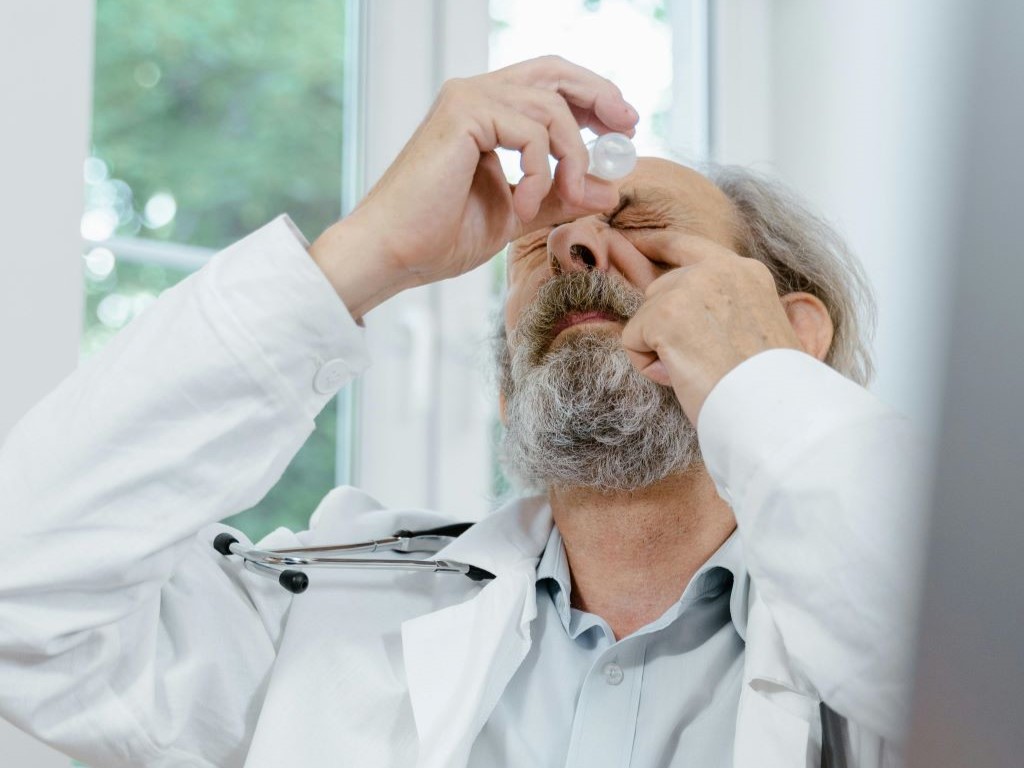
Groundbreaking research from the University of Houston shows that a single low-dose atropine eye drop can produce daylong effects in managing myopia, or nearsightedness.
Professor of Optometry Lisa Ostrin and postdoctoral researcher Barsha Lal are reporting that even one drop in the eye of low-dose atropine (0.01%–0.1%) produces clear changes in pupil size and focusing ability that persist for at least 24 hours. Importantly, they also found that the drop shows no short-term structural effects on the eye, with only temporary changes in blood flow inside the retina.
Ostrin’s latest research is published in the journal Eye and Vision. It adds to a growing body of vision research from David Berntsen, Golden-Golden Professor of Optometry at the University of Houston, who is co-leading a clinical trial to delay the development of myopia in children by using the atropine drops.
Low concentration atropine is widely prescribed to slow myopia progression in children, yet its short-term retinal and choroidal effects remain incompletely understood. Ostrin’s new study evaluated short-term effects of a range of low atropine concentrations on the length of the eye, the blood vessels in the retina and the thickness of the retina and choroid, which sits just behind the retina. These are important measurements because longer eye length is associated with myopia and as it gets longer, the retina and choroid are stretched.
“These findings indicate that a single instillation of atropine does not alter axial length or retinal or choroidal thickness over 24 hours but may transiently affect superficial retinal perfusion in a time-dependent manner,” said Ostrin.
In the double-masked, randomised study, twenty healthy adults received a single instillation of either a placebo or atropine in the right eye during five separate sessions. Researchers then checked the eye structure, thickness, and length in the central retina both one-hour and 24-hours later.
“Characterising these short-term effects is important for a better understanding of the physiological responses to atropine in clinical and research settings,” said Ostrin who previously published research results of a study investigating the short-term effects of a range of low-dose atropine concentrations on the pupils of young adults. In that study, she found similar results with a single drop of atropine inducing significant changes in the pupils.
Together, the studies indicate that atropine induces early functional and vascular effects in the eye, in the absence of structural change.
“By linking objective ocular responses with subjective visual experience, this work advances our understanding of how atropine works and supports more precise, evidence-based, and individualised approaches to myopia management,” said Ostrin.
South Africa is facing an alarming increase in non-communicable diseases and related mortality. According to Statistics South Africa, deaths due to non-communicable diseases such as type 2 diabetes and hypertension increased by over 58% between 1997 and 2018.
The crisis of overweight and obesity in the country adds to the risk of these diseases. Nearly 40% of the adult population is overweight. Although physical activity can help prevent and manage many non-communicable diseases, 47% of adults do not engage in any physical activity. Most people struggle to meet the World Health Organization’s recommended 150-300 minutes of moderate-intensity aerobic physical activity per week.
A significant part of the challenge is that people have adopted an “all or nothing” approach to physical activity. The perception is that one has to participate in structured workouts, such as gym sessions, running, or cycling.
Instead, research has shown that even brief, low-intensity movements can yield measurable physical and mental health benefits. Even everyday tasks count. New evidence shows that short movement bouts of less than five minutes can have positive health implications.
As researchers in exercise science and sports medicine we have observed that physical activity is particularly low in South Africa. Only 19.8% of adults meet the WHO’s guideline, against the global average of 73%.
Our study of 62 office-based workers at the University of the Witwatersrand also showed the short-term health impact of height-adjustable, sit-to-stand desks. Our intervention reduced prolonged sitting and slightly improved indicators such as body mass index and blood pressure. Given South Africa’s high burden of obesity and sedentary lifestyles among office workers, these improvements are encouraging and support global health messaging that even modest increases in daily movement can positively influence health.
These findings were the springboard for the “Mzansi, what’s your move?” campaign at the university. We want to encourage staff and students to move more by showing how simple actions add up to physical activity. The campaign is supported by a series of comics and murals on campuses.
Here, we highlight some of the actions that we used in our campaign to encourage everyone to get moving. These are daily tasks that may seem mundane but count as physical activity, while reflecting people’s realities.
Housework
Many people do not consider housework a form of physical activity. But tasks like sweeping, mopping or vacuuming require sustained movement and engage multiple muscle groups.
Scrubbing floors, washing windows and cleaning bathrooms involve movements such as squatting and stretching. Working in the garden can strengthen muscles too.
As part of our campaign, we’ve developed comic strips that highlight movements that can be done at home and in the community. We emphasise how all family members can move in ways that fit their lifestyles and physical abilities.
Active commuting
Walking or cycling to work or school contribute significantly to daily physical activity. Studies have shown that active commuting is associated with lower body fat, reduced blood pressure, and improved mental well-being.
Including movement into daily travel routines is a practical way to accumulate physical activity without setting time aside. Walking briskly to a train station, cycling a few kilometres to work, or taking a longer walking route to drop off children at school accumulates over time. Even seemingly small changes, such as getting off the bus one stop early or taking the stairs instead of the elevator, produce measurable health benefits over weeks and months.
However, achieving the full benefits of active commuting is complex and it relies on cities building and maintaining road infrastructure. In South Africa, safety is a legitimate concern for all road users. A 2024 Statistics South Africa report shows that more pedestrians than car occupants died in road crashes in 2007, 2013, and 2019. Another safety concern relates to the country’s high crime rates. People may be reluctant to walk, even in their own neighbourhoods.
These challenges are not insurmountable. For starters, people should consider people moving in groups, joining walking and running clubs.
Beyond what individuals can do, municipalities can do something about green spaces. This includes ensuring that parks are safe to walk in and are clean. Broken pavements and bicycle lanes need to be maintained in all neighbourhoods.
Incidental movements
Incidental movements refer to small bouts of activity that occur throughout the day. Integrating these movements into everyday life can yield significant health benefits, especially in office contexts, where many people sit for extended periods. Employers can try nudging staff, for example to use the stairs instead of elevators, with simple posters or painted footprints. Another way to encourage physical activity is to centralise shared equipment (printers, bins, water stations) so that staff walk short distances.
Micro-breaks also provide opportunities for informal movements. Stretching during meetings or after long sitting periods, standing discussions instead of seated ones, and walking meetings for small groups all contribute to the physical activity of employees.
In 2024, we investigated the short-term impact of physical activity interventions such as high-intensity interval training and moderate-intensity continuous training on 43 labourers at the University of the Witwatersrand. The number of participants in this study was small, but the findings show that our intervention reduced indicators such as waist circumference, body mass index, blood glucose and blood pressure, and improved physical fitness.
Way forward
People don’t need a gym membership or a strict workout schedule to get moving. Simple, everyday activities all add up to meaningful physical activity. Small movements help to reduce the risks of chronic diseases, strengthen muscles, boost mental wellbeing, and counteract the harmful effects of prolonged sitting.
These “movement snacks” make exercise accessible, manageable and sustainable, particularly for people who find structured workouts intimidating or time-consuming.
Researchers at Karolinska Institutet and KTH Royal Institute of Technology have developed an improved method for creating insulin-producing cells from human stem cells. The results, published in Stem Cell Reports, demonstrate that these cells effectively regulate blood sugar levels in laboratory tests and can reverse diabetes in mice.
Type 1 diabetes occurs when the immune system destroys insulin-producing cells in the pancreas, meaning the body can no longer absorb glucose from the blood and regulate blood sugar levels. One possible treatment is to replace these cells with new ones. However, previous methods of producing such cells from stem cells have often yielded mixed results.
“We have developed a method that reliably produces high-quality insulin-producing cells from multiple human stem cell lines. This opens up opportunities for future patient-specific cell therapies, which could reduce immune rejection,” says Per-Olof Berggren, professor at the Department of Molecular Medicine and Surgery, Karolinska Institutet, and corresponding author alongside Siqin Wu, researcher at Spiber Technologies AB (formerly at Karolinska Institutet).
Optimised cell production
The optimised production process yields more mature and purer insulin-producing cells than previous methods. In a laboratory setting, the cells were able to secrete insulin and responded strongly to glucose. When the researchers transplanted these cells into diabetic mice, the animals gradually regained the ability to regulate their blood sugar. The transplantation was performed in the anterior chamber of the eye.
“This is a technique we use to monitor the development and function of the cells over time in a minimally invasive way,” explains Per-Olof Berggren. “We observed that the cells gradually matured after transplantation, retaining their ability to regulate blood sugar for several months, which demonstrates their potential for future treatments.”
Stem cell therapy for type 1 diabetes is already being tested in several clinical trials. However, a challenge with previous methods is that the stem cells often develop into a combination of the desired and undesired cell types, increasing the risk of complications. Another challenge is that the insulin-producing cells created are often not mature enough to respond well to glucose.
Solving previous problems
By adjusting the culture steps and allowing the cells to form three-dimensional clusters themselves, many unwanted cell types are eliminated and the cells gain a better ability to respond to glucose, according to the researchers.
“This could solve several of the problems that have previously hindered the development of stem cell-based treatments for type 1 diabetes. Building on this, we will work towards clinical translation aiming at treating type 1 diabetes,” says Fredrik Lanner, professor at the Department of Clinical Science, Intervention and Technology, Karolinska Institutet, and last author of the paper.
Non-concussive head impacts correlated with changes to the gut microbiome on following days, in pilot study tracking six US collegiate football players over one season
Non-concussive head impacts – hits to the head that don’t cause clinically detectable symptoms – are correlated with subsequent changes to the gut microbiome in a small sample of US collegiate football players, according to a new study published May 6, 2026, in the open-access journal PLOS One by Ahmet Ay and Kenneth Douglas Belanger of Colgate University, USA, and colleagues.
Non-concussive head impacts are common in American football, with players experiencing between 100 and 1000 across a season. While research has shown that full concussions can disrupt the gut microbiome – which regulates inflammation and the neuroimmune system – whether sub-concussive hits might produce similar effects had not been investigated.
In the new study, researchers tracked six NCAA Division I American football players across a competition season, beginning during preseason training. Their on-field activity profiles were monitored using GPS units and head impacts were tracked using a helmet-based sensor system; 226 faecal samples were analysed for their microbiome composition; and participants completed lifestyle questionnaires after each sample collection.
The researchers found that microbial diversity changed within two to three days after a substantial head impact. Specifically, certain bacteria – including the order Coriobacteriales, the family Prevotellaceae, and the genus Prevotella – tended to decrease in abundance while the genus Ruminococcus increased. In previous studies, these changes have correlated with brain injury and inflammation.
The athletes’ gut microbiomes also changed significantly over the course of the season, with mathematical modelling suggesting that the cumulative effects of non-concussive head impacts was likely associated with this shift, even after accounting for 15 potentially confounding factors including diet changes, exercise intensity, sleep, and stress.
The study is limited by its small sample size and lack of a control group, with its design meaning findings could only establish correlation but not causation. However, the authors conclude that even sub-symptomatic head impacts might affect the gut microbiome, both in the immediate aftermath of injury and over a longer time course in athletes who experience multiple impacts.
Ken Belanger adds: “As far as we are aware, this is the first study to examine connections between head impacts and the composition of the gut microbiome – the complex community of bacteria and other organisms within the digestive system.”
“Our results provide evidence that even head impacts that do not result in a concussion or other reported symptoms may influence the microbes present within the gut, both in the short- and longer-term. Determining what causes these changes and whether they have a positive or negative influence on recovery from head injury will require further investigation.”
“Our research highlights the importance of thinking integratively about the interactions between the gut and the brain. We are only beginning to scratch the surface in our understanding of how these complex organs and organ systems communicate with and affect each other.”
Aziz Zafar adds: “After having only heard of the complicated interplay between neuronal inflammation and the gut microbiome, I found it to be such an exciting scientific experience to explore that interplay in the context of head impacts.”
Zachary Pelland adds: “It has been an amazing privilege to work so deeply on a personally and scientifically meaningful project which could not have happened without immeasurable support across academic departments, athletics, administration, and alumni at Colgate University.”