The warnings against sunburn are well known: avoid direct sunlight between 12 noon and 3pm, seek out shade and put on sunscreen and a hat. It is also taught that sunburn results from damage to DNA. But that is not the full truth, according the researchers behind a new study conducted at the University of Copenhagen and Nanyang Technological University, Singapore (NTU Singapore).
“Sunburn damages the DNA, leading to cell death and inflammation. So the textbooks say. But in this study we were surprised to learn that this is a result of damage to the RNA, not the DNA that causes the acute effects of sunburn,” says Assistant Professor Anna Constance Vind, who is one of the researchers responsible for the new study.
RNA is a more transient molecule than DNA. A type of RNA, known as messenger RNA (mRNA), functions as the intermediate ‘messenger’ that carries information from DNA to make proteins – the basic building blocks of cellular components.
“DNA damage is serious as the mutations will get passed down to progenies of the cells, RNA damage happens all the time and does not cause permanent mutations. Therefore, we used to believe that the RNA is less important, as long as the DNA is intact. But in fact, damages to the RNA are the first to trigger a response to UV radiation,” Anna Constance Vind explains.
The new study was conducted on mice as well as human skin cells, and the objective was to describe the impact of UV radiation on the skin and what causes these damages. The researchers found the same skin response to UV radiation exists in both mice and human cells.
A built-in surveillance system for RNA damage
mRNA damage triggers a response in ribosomes (protein complexes that “read” the mRNA to synthesise protein), orchestrated by a protein known as ZAK-alpha – the so-called ribotoxic stress response – the new study shows. The response can be described as a surveillance system within the cells, which registers the RNA damage, leading to inflammatory signalling and recruitment of immune cells, which then leads to inflammation of the skin.
“We found that the first thing the cells respond to after being exposed to UV radiation is damage to the RNA, and that this is what triggers cell death and inflammation of the skin. In mice exposed to UV radiation we found responses such as inflammation and cell death, but when we removed the ZAK gene, these responses disappeared, which means that ZAK plays a key role in the skin’s response to UV-induced damage,” says Professor Simon Bekker-Jensen from the Department of Cellular and Molecular Medicine, who is one of the other researchers responsible for the study. He adds:
“So you could say that everything depends on this one response, which monitors all protein translations occurring. The cells respond to the RNA damage, realising that something is wrong, and this is what leads to cell death.”
Faster and more effective response
The result of the study changes our understanding of sunburn and the skin’s defence mechanisms: that RNA damage triggers a faster and more effective response, protecting the skin from further damage.
“The fact that the DNA does not control the skin’s initial response to UV radiation, but that something else does and that it does so more effectively and more quickly, is quite the paradigm shift,” says Anna Constance Vind.
We need to understand the function of RNA damage, as it may in the long term change our entire approach to prevention and treatment of sunburn.
“Many inflammatory skin diseases are worsened by sun exposure. Thus, understanding how our skin responds at the cellular level to UV damage opens the door to innovative treatments for certain chronic skin conditions,” says co-author Dr Franklin Zhong, Nanyang Assistant Professor at NTU’s Lee Kong Chian School of Medicine.
“This new knowledge turns things upside down. I think most people associate sunburn with DNA damage; it is established knowledge. But now we need to rewrite the textbooks, and it will affect future research on the effects of UV radiation on the skin,” Simon Bekker-Jensen concludes.
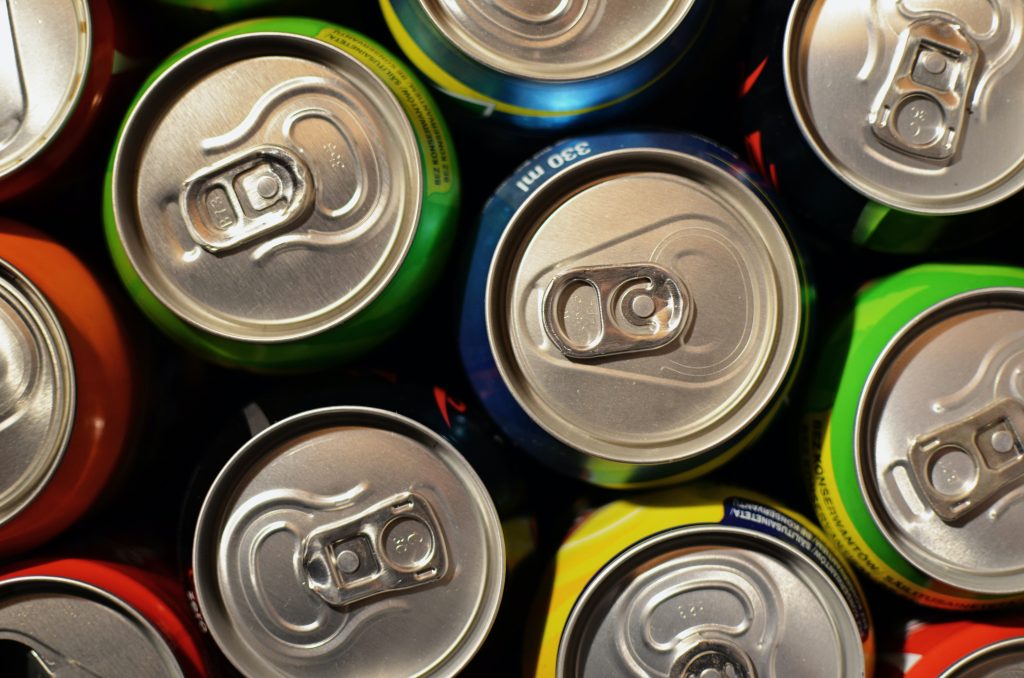
A new study from researchers at Tufts University, which appears in Nature Medicine, estimates that 2.2 million new cases of type 2 diabetes and 1.2 million new cases of cardiovascular disease occur each year globally due to consumption of sugar-sweetened beverages.
In developing countries, the case count is particularly sobering. In Sub-Saharan Africa, the study found that sugar-sweetened beverages contributed to more than 21% of all new diabetes cases. In Latin America and the Caribbean, they contributed to nearly 24% of new diabetes cases and more than 11% of new cases of cardiovascular disease.
Colombia, Mexico, and South Africa are countries that have been particularly hard hit. More than 48% of all new diabetes cases in Colombia were attributable to consumption of sugary drinks. Nearly one third of all new diabetes cases in Mexico were linked to sugary drink consumption. In South Africa, 27.6% of new diabetes cases and 14.6% of cardiovascular disease cases were attributable to sugary drink consumption.
Sugary beverages are rapidly digested, causing a spike in blood sugar levels with little nutritional value. Regular consumption over time leads to weight gain, insulin resistance, and a host of metabolic issues tied to type 2 diabetes and heart disease, two of the world’s leading causes of death.
“Sugar-sweetened beverages are heavily marketed and sold in low- and middle-income nations. Not only are these communities consuming harmful products, but they are also often less well equipped to deal with the long-term health consequences,” says Dariush Mozaffarian, senior author on the paper and director of the Food is Medicine Institute at the Friedman School.
As countries develop and incomes rise, sugary drinks become more accessible and desirable, the authors say. Men are more likely than women to suffer the consequences of sugary drink consumption, as are younger adults compared to their older counterparts, the researchers say.
“We need urgent, evidence-based interventions to curb consumption of sugar-sweetened beverages globally, before even more lives are shortened by their effects on diabetes and heart disease,” says Laura Lara-Castor, NG24, first author on the paper who earned her PhD at the Friedman School and is now at the University of Washington.
The study’s authors call for a multi-pronged approach, including public health campaigns, regulation of sugary drink advertising, and taxes on sugar-sweetened beverages. Some countries have already taken steps in this direction. Mexico, which has one of the highest per capita rates of sugary drink consumption in the world, introduced a tax on the beverages in 2014. Early evidence suggests that the tax has been effective in reducing consumption, particularly among lower-income individuals.
“Much more needs to be done, especially in countries in Latin America and Africa where consumption is high and the health consequence severe,” says Mozaffarian. “As a species, we need to address sugar-sweetened beverage consumption.”
A novel drug holds promise for treating Duchenne muscular dystrophy (DMD), a rare genetic disorder that causes severe muscle degeneration.
McGill University researchers have discovered that an experimental compound called K884 can boost the natural repair abilities of muscle stem cells. Current treatments can slow muscle damage, but don’t address the root problem.
DMD affects about one in 5000 boys worldwide, often leading to wheelchair dependence by the teenage years and life-threatening complications in early adulthood.
“By strengthening muscle repair rather than just slowing degeneration, therapies that stimulate muscle stem cell function have the potential to improve quality of life for DMD patients. It may help restore muscle function and, ultimately, offer greater independence,” said senior author Natasha Chang, Assistant Professor in McGill’s Department of Biochemistry.
Building stronger muscles from stem cells
Biotechnology company Kanyr Pharma originally developed the drug for cancer and metabolic diseases, but it has not yet been approved for any specific use. This preclinical study marks the first time the drug has been tested in DMD cells.
The researchers put DMD-affected muscle stem cells from humans and mice under the microscope to see how they responded to the drug. They observed that experimental drug blocks specific enzymes, allowing muscle stem cells to develop into functional muscle tissue.
“What makes K884 particularly promising is its precision. It targets DMD-affected cells without affecting healthy muscle stem cells,” said Chang.
Unlike gene therapy, which targets specific genetic mutations and isn’t suitable for all patients, K884 works at the cellular level, restoring muscle repair regardless of the mutation causing the disease. This makes it a potential treatment option for all DMD patients, she added.
A new understanding of DMD
The findings, published in Life Science Alliance, add to a growing body of evidence that challenges previous assumptions about DMD’s root cause.
“This disease has historically been seen as a muscle problem caused by a missing protein called dystrophin,” said Chang. “But new research, including our own, shows that restoring stem cell function is just as critical for repairing muscle.”
The team plans to keep testing the drug, focusing on its safety and long-term effects, while also exploring other related compounds, some of which are already involved in early human trials.
There may be a link between hearing impairment and an increased risk of developing Parkinson’s according to research led by Lancaster University. This is one of the first studies to examine whether sensory impairments, such as hearing loss, might increase the risk for Parkinson’s or serve as an early warning sign.
Researchers analysed data from the UK Biobank, a biomedical database containing data from half a million participants across the UK. They looked at data from 159,395 individuals who had previously undergone a hearing test measuring their ability to detect speech in noisy environments and had no history of Parkinson’s at the time of the assessment.
Over an average follow-up period of 14.24 years, 810 participants were subsequently diagnosed with Parkinson’s disease. The analysis revealed a 57% increased risk of Parkinson’s for every 10-decibel increase in baseline hearing impairment.
Dr Megan Readman, ESRC Post Doctoral Research Fellow from Lancaster University’s Department of Psychology, led the study.
She said: “These findings are incredibly important; first, this is one of the first studies to look at how hearing impairments may increase risk for Parkinson’s or be an early warning sign of Parkinson’s.
“Secondly, as our findings suggest, hearing loss is intricately related to Parkinson’s so it may be beneficial for auditory functioning and the management of auditory impairment to be considered at the time of diagnosis and follow-up care.”
However, Dr Readman stressed that it is not clear if the link between Parkinson’s and hearing loss is causal or if there is simply a correlation.
“We do not know whether hearing loss can cause Parkinson’s, or if there is a common underlying cause for both conditions.”
The other authors included Yang Wang and Fang Wan, Sally Linkenauger, Trevor Crawford and Christopher Plack plus Ian Fairman who has Parkinson’s and hearing impairment.
Professor Plack said: “It is increasingly clear that hearing loss is not an isolated condition but is associated with several other disorders. Understanding these links is vital if we are to provide effective patient care, improving independence and quality of life for the individuals concerned.”
By identifying factors that might contribute to its onset, such as hearing impairment, researchers hope to pave the way for new strategies in prevention and care.
Dr Readman said: “Our findings suggest hearing impairment is intricately related to Parkinson’s and underscore the potential benefits of addressing auditory function in Parkinson’s diagnosis and follow-up care.”
Professor Trevor Crawford said: “This important study is the latest discovery in a decade-long series of research on neurodegenerative disorders, conducted by our team at Lancaster University in collaboration with colleagues across the UK.”
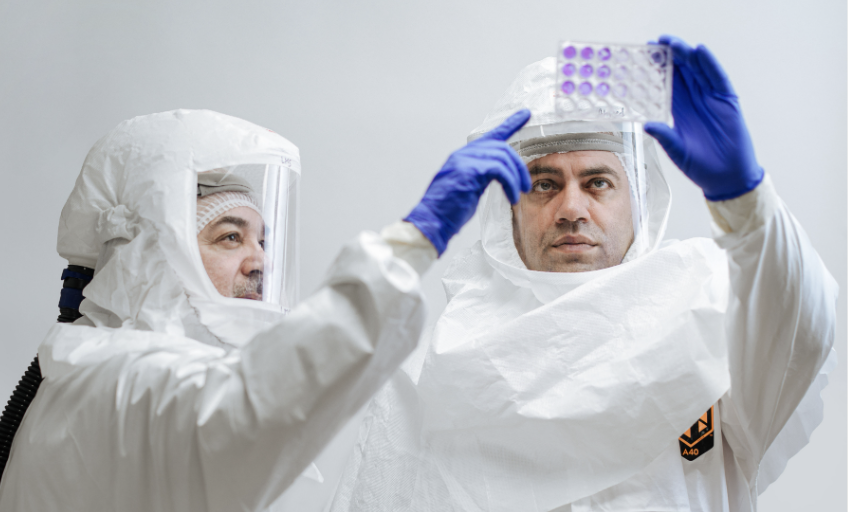
Professor Luis Martinez-Sobrido, Ph.D., (left) and Staff Scientist Ahmed Mostafa Elsayed, PhD, (right) review test results for the presence of bird flu while wearing protective equipment required for biosafety level-3 laboratories.
One of the earliest strains of bird flu isolated from a human in Texas shows a unique constellation of mutations that enable it to more easily replicate in human cells and cause more severe disease in mice compared to a strain found in dairy cattle, researchers from Texas Biomedical Research Institute (Texas Biomed) report in Emerging Microbes & Infections.
The finding highlights a key concern about the H5N1 strains of bird flu currently circulating in the U.S.: the speed at which the virus can mutate when introduced to a new host.
Naturally found in wild birds and lethal in chickens, H5N1 has spread to a wide variety of mammals and began infecting dairy cows for the first time in spring 2024. As of early 2025, the outbreak had spread through herds across multiple states in the U.S. and infected dozens of people, mostly farm workers. So far, most people infected experience mild illness and eye inflammation and the virus is not spreading between people. The first H5N1 death in the U.S. was reported in January 2025 following exposure to infected chickens.
“The clock is ticking for the virus to evolve to more easily infect and potentially transmit from human to human, which would be a concern,” said Texas Biomed Professor Luis Martinez-Sobrido, PhD, whose lab specialises in influenza viruses and has been studying H5N1 since the outbreak began last year. The team has developed specialised tools and animal models to test prophylactic vaccines and therapeutic antivirals.
Human vs bovine
In the recent study, they compared H5N1 strains isolated from a human patient and from dairy cattle in Texas.
“There are nine mutations in the human strain that were not present in the bovine strain, which suggests they occurred after human infection,” Dr Martinez-Sobrido said.
In mouse studies, they found that compared to the bovine strain, the human strain replicated more efficiently, caused more severe disease and was found in much higher quantities in brain tissue. They also tested several FDA-approved antiviral medications to see if they were effective against both virus strains in cells.
“Fortunately, the mutations did not affect the susceptibility to FDA-approved antivirals,” said Staff Scientist Ahmed Mostafa Elsayed, PhD, first author of the study.
Antivirals will be a key line of defence should a pandemic occur before vaccines are widely available, Dr Martinez-Sobrido said. This is especially true since humans have no preexisting immunity against H5N1 and seasonal flu vaccines appear to offer very limited protection, according to a separate study conducted in collaboration with Aitor Nogales, PhD, at the Center for Animal Health Research in Spain.
Dr Elsayed shows the host species of the four types of influenza viruses: A, B, C and D. Avian influenza is part of the influenza A group and has infected a wide range of species. Influenza A and B are responsible for seasonal flu in humans.
Next steps and recommendations
Texas Biomed is now exploring the human H5N1 mutations individually to determine which are responsible for increased pathogenicity and virulence. The team wants to figure out what allows H5N1 to infect such a wide range of mammal species; why H5N1 causes mild disease in cows but is lethal in cats; and why infections via cows are less harmful to people than infections from chickens.
In a third paper, Dr Elsayed and collaborators analysed the history of H5N1 in dairy cattle for the journal mBio and called for a One Health approach to protect both animals and people.
“A key priority will be to eradicate bird flu from dairy cows to minimise risk of mutations and transmission to people and other species,” Dr Elsayed said. “Steps that can be taken now include thorough decontamination of milking equipment and more stringent quarantine requirements, which will help eliminate the virus more quickly in cows.”
People who eat more red meat, especially processed red meat like bacon, sausage and bologna, are more likely to have a higher risk of cognitive decline and dementia when compared to those who eat very little red meat, according to a study published in the January 15, 2025, online issue of Neurology®, the medical journal of the American Academy of Neurology.
“Red meat is high in saturated fat and has been shown in previous studies to increase the risk of type 2 diabetes and heart disease, which are both linked to reduced brain health,” said study author Dong Wang, MD, ScD, of Brigham and Women’s Hospital in Boston. “Our study found processed red meat may increase the risk of cognitive decline and dementia, but the good news is that it also found that replacing it with healthier alternatives, like nuts, fish and poultry, may reduce a person’s risk.”
To examine the risk of dementia, researchers included a group of 133 771 people (65.4% female) with an average age of 49 who did not have dementia at the start of the study. They were followed up to 43 years. Of this group, 11 173 people developed dementia.
Participants completed a food diary every two to four years, listing what they ate and how often.
Researchers defined processed red meat as bacon, hot dogs, sausages, salami, bologna and other processed meat products. They defined unprocessed red meat as beef, pork, lamb and hamburger. A serving of red meat is three ounces (85gm), about the size of a deck of cards.
For processed red meat, they divided participants into three groups. The low group ate an average of fewer than 0.10 servings per day; the medium group ate between 0.10 and 0.24 servings per day; and the high group, 0.25 or more servings per day.
After adjusting for factors such as age, sex and other risk factors for cognitive decline, researchers found that participants in the high group had a 13% higher risk of developing dementia compared to those in the low group.
For unprocessed red meat, researchers compared people who ate an average of less than one half serving per day to people who ate one or more servings per day and did not find a difference in dementia risk.
To measure subjective cognitive decline, researchers looked at a different group of 43,966 participants with an average age of 78. Subjective cognitive decline is when a person reports memory and thinking problems before any decline is large enough to show up on standard tests.
The subjective cognitive decline group took surveys rating their own memory and thinking skills twice during the study.
After adjusting for factors such as age, sex and other risk factors for cognitive decline, researchers found that participants who ate an average of 0.25 servings or more per day of processed red meat had a 14% higher risk of subjective cognitive decline compared to those who ate an average of fewer than 0.10 servings per day.
They also found people who ate one or more servings of unprocessed red meat per day had a 16% higher risk of subjective cognitive decline compared to people who ate less than a half serving per day.
To measure objective cognitive function, researchers looked at a different group of 17 458 female participants with an average age of 74. Objective cognitive function is how well your brain works to remember, think and solve problems.
This group took memory and thinking tests four times during the study.
After adjusting for factors such as age, sex and other risk factors for cognitive decline, researchers found that eating higher processed red meat was associated with faster brain aging in global cognition with 1.61 years with each additional serving per day and in verbal memory with 1.69 years with each additional serving per day.
Finally, researchers found that replacing one serving per day of processed red meat with one serving per day of nuts and legumes was associated with a 19% lower risk of dementia and 1.37 fewer years of cognitive aging. Making the same substitution for fish was associated with a 28% lower risk of dementia and replacing with chicken was associated with a 16% lower risk of dementia.
“Reducing how much red meat a person eats and replacing it with other protein sources and plant-based options could be included in dietary guidelines to promote cognitive health,” said Wang. “More research is needed to assess our findings in more diverse groups.”
A limitation of the study was that it primarily looked at white health care professionals, so the results might not be the same for other race, ethnic and non-binary sex and gender populations.
A bundle of extremely fine electrode fibres in the brain (microscope image). (Image: Yasar TB et al. Nature Communications 2024, modified)
Researchers at ETH Zurich have developed ultra-flexible brain probes that accurately record brain activity without causing tissue damage. This technology, described in Nature Communications, opens up new avenues for the treatment of a range of neurological and neuropsychiatric disorders.
Neurostimulators, also known as brain pacemakers, send electrical impulses to specific areas of the brain via special electrodes. It is estimated that some 200 000 people worldwide are now benefiting from this technology, including those who suffer from Parkinson’s disease or from pathological muscle spasms. According to Mehmet Fatih Yanik, Professor of Neurotechnology at ETH Zurich, further research will greatly expand the potential applications: instead of using them exclusively to stimulate the brain, the electrodes can also be used to precisely record brain activity and analyse it for anomalies associated with neurological or psychiatric disorders. In a second step, it would be conceivable in future to treat these anomalies and disorders using electrical impulses.
To this end, Yanik and his team have now developed a new type of electrode that enables more detailed and more precise recordings of brain activity over an extended period of time. These electrodes are made of bundles of extremely fine and flexible fibres of electrically conductive gold encapsulated in a polymer. Thanks to a process developed by the ETH Zurich researchers, these bundles can be inserted into the brain very slowly, which is why they do not cause any detectable damage to brain tissue.
This sets the new electrodes apart from rival technologies. Of these, perhaps the best known in the public sphere is the one from Neuralink, an Elon Musk company. In all such systems, including Neuralink’s, the electrodes are considerably wider. “The wider the probe, even if it is flexible, the greater the risk of damage to brain tissue,” Yanik explains. “Our electrodes are so fine that they can be threaded past the long processes that extend from the nerve cells in the brain. They are only around as thick as the nerve-cell processes themselves.”
The tentacle electrodes (right) shown alongside three current technologies using thicker electrodes or an electrode mesh. (Yasar TB et al. Nature Communications 2024, modified)
The research team tested the new electrodes on the brains of rats using four bundles, each made up of 64 fibres. In principle, as Yanik explains, up to several hundred electrode fibres could be used to investigate the activity of an even greater number of brain cells. In the study, the electrodes were connected to a small recording device attached to the head of each rat, thereby enabling them to move freely.
No influence on brain activity
In the experiments, the research team was able to confirm that the probes are biocompatible and that they do not influence brain function. Because the electrodes are very close to the nerve cells, the signal quality is very good compared to other methods.
At the same time, the probes are suitable for long-term monitoring activities, with researchers recording signals from the same cells in the brains of animals for the entire duration of a ten-month experiment. Examinations showed that no brain-tissue damage occurred during this time. A further advantage is that the bundles can branch out in different directions, meaning that they can reach multiple brain areas.
Human testing to begin soon
In the study, the researcher used the new electrodes to track and analyse nerve-cell activity in various areas of the brains of rats over a period of several months. They were able to determine that nerve cells in different regions were “co-activated”. Scientists believe that this large-scale, synchronous interaction of brain cells plays a key role in the processing of complex information and memory formation. “The technology is of high interest for basic research that investigates these functions and their impairments in neurological and psychiatric disorders,” Yanik explains.
The group has teamed up with fellow researchers at the University College London in order to test diagnostic use of the new electrodes in the human brain. Specifically, the project involves epilepsy sufferers who do not respond to drug therapy. In such cases, neurosurgeons may remove a small part of the brain where the seizures originate. The idea is to use the group’s method to precisely localise the affected area of the brain prior to tissue removal.
Brain-machine interfaces
There are also plans to use the new electrodes to stimulate brain cells in humans. “This could aid the development of more effective therapies for people with neurological and psychiatric disorders”, says Yanik. In disorders such as depression, schizophrenia or OCD, there is often impairments in specific regions of the brain, which leads to problems in evaluation of information and decision making. Using the new electrodes, it might be possible to detect the pathological signals generated by the neural networks in the brain in advance, and then stimulate the brain in a way that would alleviate such disorders. Yanik also thinks that this technology may give rise to brain-machine interfaces for people with brain injuries. In such cases, the electrodes might be used to read their intentions and thereby, for example, to control prosthetics or a voice-output system.
“Lipocartilage” is a type of supportive skeletal tissue, that consists of densely packed, bubble-like cells containing fat. This image shows a scan of mouse ear lipocartilage stained with a green fluorescent dye. Charlie Dunlop School of Biological Sciences
An international research team led by the University of California, Irvine has discovered a new type of skeletal tissue that offers great potential for advancing regenerative medicine and tissue engineering.
Most cartilage relies on an external extracellular matrix for strength, but “lipocartilage,” which is found in the ears, nose and throat of mammals, is uniquely packed with fat-filled cells called “lipochondrocytes” that provide super-stable internal support, enabling the tissue to remain soft and springy – similar to bubbled packaging material.
The study, published in the journal Science, describes how lipocartilage cells create and maintain their own lipid reservoirs, remaining constant in size. Unlike ordinary adipocyte fat cells, lipochondrocytes never shrink or expand in response to food availability.
“Lipocartilage’s resilience and stability provide a compliant, elastic quality that’s perfect for flexible body parts such as earlobes or the tip of the nose, opening exciting possibilities in regenerative medicine and tissue engineering, particularly for facial defects or injuries,” said corresponding author Maksim Plikus, UC Irvine professor of developmental and cell biology. “Currently, cartilage reconstruction often requires harvesting tissue from the patient’s rib – a painful and invasive procedure. In the future, patient-specific lipochondrocytes could be derived from stem cells, purified and used to manufacture living cartilage tailored to individual needs. With the help of 3D printing, these engineered tissues could be shaped to fit precisely, offering new solutions for treating birth defects, trauma and various cartilage diseases.”
Dr Franz Leydig first recognised lipochondrocytes in 1854, when he noted the presence of fat droplets in the cartilage of rat ears, a finding that was largely forgotten until now. With modern biochemical tools and advanced imaging methods, UC Irvine researchers comprehensively characterised lipocartilage’s molecular biology, metabolism and structural role in skeletal tissues.
They also uncovered the genetic process that suppresses the activity of enzymes that break down fats and reduce the absorption of new fat molecules, effectively locking lipochondrocytes’s lipid reserves in place. When stripped of its lipids, the lipocartilage becomes stiff and brittle, highlighting the importance of its fat-filled cells in maintaining the tissue’s combination of durability and flexibility. In addition, the team noted that in some mammals, such as bats, lipochondrocytes assemble into intricate shapes, like parallel ridges in their oversized ears, which may enhance hearing acuity by modulating sound waves.
“The discovery of the unique lipid biology of lipocartilage challenges long-standing assumptions in biomechanics and opens doors to countless research opportunities,” said the study’s lead author, Raul Ramos, a postdoctoral researcher in the Plikus laboratory for developmental and regenerative biology. “Future directions include gaining an understanding of how lipochondrocytes maintain their stability over time and the molecular programs that govern their form and function, as well as insights into the mechanisms of cellular aging. Our findings underscore the versatility of lipids beyond metabolism and suggest new ways to harness their properties in tissue engineering and medicine.”
AI image made with Gencraft using Quicknews’ prompts.
Quicknews takes a look at some of the big events and concerns that defined healthcare 2024, and looks into its crystal ball identify to new trends and emerging opportunities from various news and opinion pieces. There’s a lot going on right now: the battle to make universal healthcare a reality for South Africans, growing noncommunicable diseases and new technologies and treatments – plus some hope in the fight against HIV and certain other diseases.
1. The uncertainty over NHI will continue
For South Africa, the biggest event in healthcare was the signing into law of the National Health Insurance (NHI) by President Ramaphosa in May 2024, right before the elections. This occurred in the face of stiff opposition from many healthcare associations. It has since been bogged down in legal battles, with a section governing the Certificate of Need to practice recently struck down by the High Court as it infringed on at least six constitutional rights.
Much uncertainty around the NHI has been expressed by various organisation such as the Health Funders Association (HFA). Potential pitfalls and also benefits and opportunities have been highlighted. But the biggest obstacle of all is the sheer cost of the project, estimated at some R1.3 trillion. This would need massive tax increases to fund it – an unworkable solution which would see an extra R37 000 in payroll tax. Modest economic growth of around 1.5% is expected for South Africa in 2025, but is nowhere near creating enough surplus wealth to match the national healthcare of a country like Japan. And yet, amidst all the uncertainty, the healthcare sector is expected to do well in 2025.
Whether the Government of National Unity (GNU) will be able to hammer out a workable path forward for NHI remains an open question, with various parties at loggerheads over its implementation. Public–private partnerships are preferred by the DA and groups such as Solidarity, but whether the fragile GNU will last long enough for a compromise remains anybody’s guess.
It is reported that latest NHI proposal from the ANC includes forcing medical aid schemes to lower their prices by competing with government – although Health Minister Aaron Motsoaledi has dismissed these reports. In any case, medical aid schemes are already increasing their rates as healthcare costs continue to rise in what is an inexorable global trend – fuelled in large part by ageing populations and increases in noncommunicable diseases.
Further on the horizon, there are a host of experimental drugs undergoing testing for obesity treatment, according to a review published in Nature. While GLP-1 remains a target for many new drugs, others focus on gut hormones involved in appetite: GIP-1, glucagon, PYY and amylin. There are 5 new drugs in Phase 3 trials, expected variously to finish between 2025 and 2027, 10 drugs in Phase 2 clinical trials and 18 in Phase 1. Some are also finding applications beside obesity. The GLP-1 agonist survodutide, for example have received FDA approval not for obesity but for liver fibrosis.
With steadily increasing rates of overweight/obesity and disorders associated with them, this will continue to be a prominent research area. In the US, where the health costs of poor diet match what consumers spend on groceries, ‘food as medicine’ has become a major buzzword as companies strive to deliver healthy nutritional solutions. Retailers are providing much of the push, and South Africa is no exception. Medical aid scheme benefits are giving way to initiatives such as Pick n Pay’s Live Well Club, which simply offers triple Smart Shopper points to members who sign up.
Another promising approach to the obesity fight is precision medicine, which factors in many data about the patient to identify the best interventions. This could include detailed study of energy balance regulation, helping to select the right antiobesity medication based on actionable behavioural and phsyiologic traits. Genotyping, multi-omics, and big data analysis are growing fields that might also uncover additional signatures or phenotypes better responsive to certain interventions.
3. AI tools become the norm
Wearable health monitoring technology has gone from the lab to commonly available consumer products. Continued innovation in this field will lead to cheaper, more accurate devices with greater functionality. Smart rings, microneedle patches and even health monitoring using Bluetooth earphones such as Apple’s Airpods show how these devices are becoming smaller and more discrete. But health insurance schemes remain unconvinced as to their benefits.
After making a huge splash in 2024 as it rapidly evolved, AI technology is now maturing and entering a consolidation phase. Already, its use has become commonplace in many areas: the image at the top of the article is AI-generated, although it took a few attempts with the doctors exhibiting polydactyly and AI choosing to write “20215” instead of “2025”. An emerging area is to use AI in patient phenotyping (classifying patients based on biological, behavioural, or genetic attributes) and digital twins (virtual simulations of individual patients), enabling precision medicine. Digital twins for example, can serve as a “placebo” in a trial of a new treatment, as is being investigated in ALS research.
Rather than replacing human doctors, it is likely that AI’s key application is reducing lowering workforce costs, a major component of healthcare costs. Chatbots, for example, could engage with patients and help them navigate the healthcare system. Other AI application include tools to speed up and improve diagnosis, eg in radiology, and aiding communication within the healthcare system by helping come up with and structure notes.
4. Emerging solutions to labour shortages
Given the long lead times to recruit and train healthcare workers, 2025 will not likely see any change to the massive shortages of all positions from nurses to specialists.
At the same time, public healthcare has seen freezes on hiring resulting in the paradoxical situation of unemployed junior doctors in a country desperately in need of more doctors – 800 at the start of 2024 were without posts. The DA has tabled a Bill to amend the Health Professions Act at would allow private healthcare to recruit interns and those doing community service. Critics have pointed out that it would exacerbate the existing public–private healthcare gap.
But there are some welcome developments: thanks to a five-year plan from the Department of Health, family physicians in SA are finally going to get their chance to shine and address many problems in healthcare delivery. These ‘super generalists’ are equipped with a four-year specialisation and are set to take up roles as clinical managers, leading multi-disciplinary district hospital teams.
Less obvious is where the country will be able to secure enough nurses to meet its needs. The main challenge is that nurses, especially specialist nurses, are ageing – and it’s not clear where their replacements are coming from. In the next 15 years, some 48% of the country’s nurses are set to retire. Coupled with that is the general consensus that the new nursing training curriculum is a flop: the old one, from 1987 to 2020, produced nurses with well-rounded skills, says Simon Hlungwani, president of the Democratic Nursing Organisation of South Africa (Denosa). There’s also a skills bottleneck: institutions like Baragwanath used to cater for 300 students at a time, now they are only approved to handle 80. The drive for recruitment will also have to be accompanied by some serious educational reform to get back on track.
5. Progress against many diseases
Sub-Saharan Africa continues to drive declines in new HIV infections. Lifetime odds of getting HIV have fallen by 60% since the 1995 peak. It also saw the largest decrease in population without a suppressed level of HIV (PUV), from 19.7 million people in 2003 to 11.3 million people in 2021. While there is a slowing in the increase of population living with HIV, it is predicted to peak by 2039 at 44.4 million people globally. But the UNAIDS HIV targets for 2030 are unlikely to be met.
As human papillomavirus (HPV) vaccination programmes continue, cervical cancer deaths in young women are plummeting, a trend which is certain to continue.
A ‘new’ respiratory virus currently circulating in China will fortunately not be the next COVID. Unlike SARS-CoV-2, human metapneumovirus (HMPV) has been around for decades, and only causes a few days of mild illness, with bed rest and fluids as the primary treatment. The virus has limited pandemic potential, according to experts.
In a world where wellness sometimes feels like a circus act, Virgin Active South Africa conducted a survey at the end of 2024, revealing the most baffling wellness trends of the year*. With over 750 South Africans weighing in, it turns out that we’re not just stretching our bodies – our minds are doing some serious gymnastics trying to keep up with the latest fads. And let’s face it, some of these trends seem to have been invented after a few too many kombucha shots.
The wackiest trends that baffle the masses
First up on the bewildering list is the infamous perineum sunning, also known as “bum sunbathing,” which left 360 respondents scratching their heads (and maybe their backsides) and wondering how to apply sunblock to those hard to reach places. Following closely is Ozempic, a medicine for adults with type 2 diabetes and which has now become popular as a weight-loss medication amongst those without diabetes. 298 people found this more confusing than a goat at a dog park. Not far behind are crystal healing (267 baffled souls), the carnivore diet (280 confused veggie enthusiasts), and the adorable yet perplexing goat and puppy yoga (259, because who wouldn’t want a furry friend in downward dog?).
In fact, when asked which of these trends they would consider trying, only three brave souls expressed interest in perineum sunbathing. Clearly, South Africans would rather stick to the basics like intermittent fasting (144) and a good old 30-day ab challenge (131).
After all, who needs sun-kissed cheeks when you’ve got abs to show off?
So why try the strange?
When it comes to experimenting with these quirky trends, 276 respondents said they just wanted ‘a new way to improve my health and wellbeing’. Because, let’s face it, who wouldn’t want to feel healthier while sunning their bum? It’s the perfect combination of self-care and “I’m just gonna do me!”.
Social Media takes the number one podium position as ‘The Wellness Wild West’
With South Africans encountering between 1 to 5 wellness-related posts a day, it’s no wonder that confusion reigns supreme. A staggering 64.6% of respondents have never bought supplements based on influencer recommendations, proving that we’re more sceptical than starry-eyed when it comes to social media endorsements – despite the fact we’ve all been tempted to try that R5000 juice cleanse we read about on GOOP that comes with one of THOSE candles from Gwyneth Paltrow (I said what I said!).
“While social media can be a great source of motivation, it’s also a breeding ground for mixed messages,” says Leandre Kark, Head of Brand Marketing & Communications at Virgin Active. “We often see advice that’s contradicting, leaving people unsure about what really works.”
So, should we drink green juice or make friends with crystals? (Hint: Both are good for your soul, however the extent to which they’re good depends on your belief in them. Well, that’s the case for crystals. Just don’t rely on them as substitutes for nutrition or mental health.)
When it comes to wellness, South Africans prefer to keep it real
When asked why they might try a quirky trend, those 276 respondents looking for a way to improve their health reflect a broader societal shift: South Africans are open to experimentation but remain discerning about what aligns with their personal health goals. After all, there’s no ‘one size fits all’ in wellness – unless you’re talking about a yoga mat, in which case, that’s actually very size-specific (a standard mat is about 70 cm wide and 173 to 183 cm long, you’re welcome).
Macro trends shaping South African wellness
The survey results also tap into larger wellness dynamics in South Africa:
Rising anxiety and stress levels: South Africa’s stress index ranks among the highest globally, making mental health solutions essential for many.
Economic pressures: With affordability in mind, consumers are increasingly selective about health-related spending, prioritising value over gimmicks (and who can blame them?).
Sustainability and the earth matter: Trends like crystal healing reflect a desire for connection with nature, even if its effectiveness is a bit… shady (pun intended).
Virgin Active believes these insights are crucial to shaping its role in helping South Africans navigate wellness trends while staying grounded in practices that deliver real results – and maybe, just maybe, finding a few new ones that don’t involve sunburnt bums.
Kark continues, “True wellness is rooted in balance, not in the latest trend. We tend to become obsessed with quick fixes and outlandish fads, rather than focusing on investing in a long-term journey towards better health. Sustainable habits such as regular exercise, mindful eating, and mental well-being are the foundation of lasting vitality. It requires an investment of time and energy rather that getting swept up in fleeting trends that promise quick-fixes. Instead, invest in a long-term, holistic plan of moderation and consistency, to nurture your body, mind, and spirit.”
Is every man and his bum going to trend again in 2025? Only time will tell
While the wellness world may be filled with head-scratchers, it’s comforting to know that Virgin Active remains committed to providing effective strategies that prioritise real health over fleeting fads. Whether you’re considering goat yoga or just squeezing in an extra workout, remember: wellness is about what works for you, not what’s trending on TikTok! (Though we’ll admit, a goat in downward dog definitely adds to the experience – but sadly, it’s not offered at Virgin Active clubs… yet. And we’re not kidding – see what we did there?)
For more information on the classes available at Virgin Active, head to the class tab on the website, and check out the website for other updates or drop by your nearest club.**
*Note: #NoGoatsWereHarmedInThisStudy
**Note: By “club,” we mean Virgin Active… although, who’s to say what happens post-workout?