Year: 2023

Unravelling the Mystery of How Statins Protect Blood Vessels
Source: CC0

Using new genetic tools to study statins in human cells and mice, researchers have uncovered how these drugs protect the cells that line blood vessels. Published in Nature Cardiovascular Research, the findings provide new insight into statins’ curiously wide-ranging benefits, for conditions ranging from arteriosclerosis to diabetes, that have long been observed in the clinic.

“The study gives us an understanding, at a very deep mechanistic level, of why statins have such a positive effect outside of reducing LDL [low-density lipoprotein],” said professor of medicine Joseph Wu, MD, PhD, the study’s senior author. “Given how many people take statins, I think the implications are pretty profound.”

Developed in the 1980s from compounds found in mould and fungi, statins target an enzyme that regulates cholesterol production in the liver. But clinical trials have shown that they also seem to safeguard against cardiovascular disease beyond their ability to lower cholesterol.

Heart failure patients who take statins, for example, are less likely to suffer a second heart attack. They have also been shown to prevent the clogging of arteries, reduce inflammation and even lower cancer risk. Yet these underlying mechanisms are poorly understood.

“Statins were invented to lower cholesterol by targeting the liver. But we didn’t know the targets or the pathways in the cardiovascular system,” said Chun Liu, PhD, an instructor at the Stanford Cardiovascular Institute and co-lead author.

Mesenchymal cells are poor substitutes

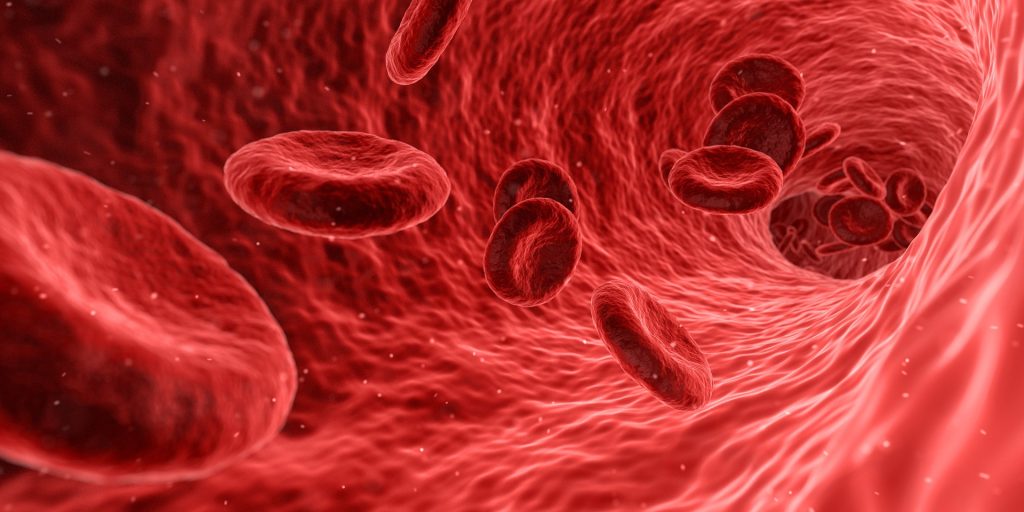
To take a closer look at statins’ effect on blood vessels, Liu and colleagues tested a common statin, simvastatin, on lab-grown human endothelial cells derived from induced pluripotent stem cells. Endothelial cells make up the lining of blood vessels, but in many diseases they transform into a different cell type, known as mesenchymal cells, which are poor substitutes.

“Mesenchymal cells are less functional and make tissues stiffer so they cannot relax or contract correctly,” Liu said.

The researchers suspected that statins could reduce this harmful transition. Indeed, endothelial cells treated with simvastatin in a dish formed more capillary-like tubes, a sign of their enhanced ability to grow into new blood vessels.

RNA sequencing of the treated cells offered few clues. The researchers saw some changes in gene expression, but they “didn’t find anything interesting,” Liu said.

It was not until they employed a newer technique called ATAC-seq that the role of statins became apparent. ATAC-seq reveals what happens at the epigenetic level, meaning the changes to gene expression that do not involve changes to the genetic sequence.

They found that the changes in gene expression stemmed from the way strings of DNA are packaged inside the cell nucleus. DNA exists in our cells not as loose strands but as a series of tight spools around proteins, together known as chromatin. Whether particular DNA sequences are exposed or hidden in these spools determines how much they are expressed.

“When we adopted the ATAC-seq technology, we were quite surprised to find a really robust epigenetic change of the chromatin,” Liu said.

ATAC-seq revealed that simvastatin-treated cells had closed chromatin structures that reduced the expression of genes that cause the endothelial-to-mesenchymal transition. Working backward, the researchers found that simvastatin prevents a protein known as YAP from entering the nucleus and opening chromatin.

The YAP protein is known to play important roles in development, such as regulating the size of our organs, but also has been implicated in the abnormal cell growth seen in cancer.

A look at diabetes

To see the drug in context, the researchers tested simvastatin on diabetic mice. Diabetes causes subtle changes to blood vessels that mimic the damage commonly seen in people who are prescribed statins — older patients who do not have a cardiovascular condition, Liu said. 

They found that after eight weeks on simvastatin, the diabetic mice had significantly improved vascular function, with arteries that more easily relaxed and contracted.

“If we can understand the mechanism, we can fine-tune this drug to be more specific to rescuing vascular function,” Liu said.

The findings also provide a more detailed picture of the vascular disease process, which could help doctors identify and treat early signs of vascular damage.

Autoimmune Disorders Now Affect Roughly One in Ten Individuals

Photo by Jacek Dylag on Unsplash

A population-based study of 22 million people in the UK estimates that around one in ten individuals in the UK now live with an autoimmune disorder. The findings, published in The Lancet, also highlight important socioeconomic, seasonal and regional differences for several autoimmune disorders, providing new clues as to what factors may be involved in these conditions.

There are more than 80 known autoimmune diseases, including conditions like rheumatoid arthritis, type 1 diabetes and multiple sclerosis, some of which have been increasing in the last few decades.

This has raised the question whether overall incidence of autoimmune disorders is on the rise and what factors are involved, such as environmental factors or behavioural changes in society. The exact causes of autoimmune diseases remain largely unknown, including how much can be attributed to a genetic predisposition to disease and how much is down to exposure to environmental factors.

The study used anonymised electronic health data from 22 million individuals in the UK to investigate 19 of the most common autoimmune diseases. The authors examined whether incidence of autoimmune diseases is rising over time, who is most affected by these conditions and how different autoimmune diseases may co-exist with each other.

They found that the 19 autoimmune diseases studied affect around 10% of the population. This is higher than previous estimates, which ranged from 3–9% and often relied on smaller sample sizes and included fewer autoimmune conditions. The analysis also highlighted a higher incidence in women (13%) than men (7%).

The research discovered evidence of socioeconomic, seasonal and regional disparities for several autoimmune disorders, suggesting that these conditions are unlikely to be caused by genetic differences alone. This observation may point to the involvement of potentially modifiable risk factors such as smoking, obesity or stress. It was also found that in some cases a person with one autoimmune disease is more likely to develop a second, compared to someone without an autoimmune disease.

Dr Nathalie Conrad at the University of Oxford said: “We observed that some autoimmune diseases tended to co-occur with one another more commonly than would be expected by chance or increased surveillance alone. This could mean that some autoimmune diseases share common risk factors, such as genetic predispositions or environmental triggers. This was particularly visible among rheumatic diseases and among endocrine diseases. But this phenomenon was not generalised across all autoimmune diseases. Multiple sclerosis, for example, stood out as having low rates of co-occurrence with other autoimmune diseases, suggesting a distinct pathophysiology.”

These findings reveal novel patterns that will inform the design of further research into the possible common causes of different autoimmune diseases.

Professor Geraldine Cambridge at UCL Medicine said: “Our study highlights the considerable burden that autoimmune diseases place upon individuals and the wider population. Disentangling the commonalities and differences within this large and varied set of conditions is a complex task. There is a crucial need, therefore, to increase research efforts aimed at understanding the underlying causes of these conditions, which will support the development of targeted interventions to reduce the contribution of environmental and social risk factors.”

Source: University College London

Brain Transmission Speeds Increase Until Middle Age

Source: CC0

It has been believed speed of information transmitted among regions of the brain stabilised during early adolescence. A study in Nature Neuroscience has instead found that transmission speeds continue to increase into early adulthood, which may explain the emergence of mental health problems over this period. In fact, transmission speeds increase until around age 40, reaching a speed twice that of a 4-year old child.

As mental health problems such as anxiety, depression and bipolar disorders can emerge in late adolescence and early adulthood, a better understanding of brain development may lead to new treatments.

“A fundamental understanding of the developmental trajectory of brain circuitry may help identify sensitive periods of development when doctors could offer therapies to their patients,” says senior author Dora Hermes, PhD, a biomedical engineer at Mayo Clinic.

Called the human connectome, the structural system of neural pathways in the brain or nervous system develops as people age. But how structural changes affect the speed of neuronal signalling has not been well described.

“Just as transit time for a truck would depend on the structure of the road, so does the transmission speed of signals among brain areas depend on the structure of neural pathways,” Dr Hermes explains. “The human connectome matures during development and aging, and can be affected by disease. All these processes may affect the speed of information flow in the brain.” In the study, Dr Hermes and colleagues stimulated pairs of electrodes with a brief electrical pulse to measure the time it took signals to travel among brain regions in 74 research participants between the ages of 4 and 51. The intracranial measurements were done in a small population of patients who had electrodes implanted for epilepsy monitoring at University Medical Center Utrecht, Netherlands.

The response delays in connected brain regions showed that transmission speeds in the human brain increase throughout childhood and even into early adulthood. They plateau around 30 to 40 years of age.

The team’s data indicate that adult transmission speeds were about two times faster compared to those typically found in children. Transmission speeds also were typically faster in 30- or 40-year-old subjects compared to teenagers.

Brain transmission speed is measured in milliseconds, a unit of time equal to one-thousandth of a second. For example, the researchers measured the neuronal speed of a 4-year-old patient at 45 milliseconds for a signal to travel from the frontal to parietal regions of the brain. In a 38-year-old patient, the same pathway was measured at 20 milliseconds. For comparison, the blink of an eye takes about 100 to 400 milliseconds.

The researchers are working to characterise electrical stimulation-driven connectivity in the human brain. One of the next steps is to better understand how transmission speeds change with neurological diseases. They are collaborating with paediatric neurosurgeons and neurologists to understand how diseases change transmission speeds compared to what would be considered within the normal range for a certain age group.

Source: Mayo Clinic

Opinion: Why I Became a Nurse and What’s Needed to Fix Nursing in SA

Photo by Hush Naidoo on Unsplash

By René Sparks for Spotlight

Today we celebrate Nurses as we do every year on 12 May. The International Council of Nurses proclaimed this year’s slogan as ‘Our Nurses, Our Future’, but what is the future of nurses in South Africa?

During the height of the COVID pandemic, we saw a huge campaign launched by the World Health Organization, uplifting the stature of nurses and midwives and showcasing them as the backbone of health systems at a global level. In the South African context, the story goes that they will also be central to the health system once National Health Insurance is implemented yet there are many red flags raised as we continue the planning discussions in preparation for this change with little to no answers about that future.

“I will never be a nurse”

By the time my mother had to decide on a career, nursing was one of those professions that provided stability and security to black and coloured women during Apartheid. You had two choices – become a nurse or a teacher. That’s how my mother began her nursing journey, but she was so passionate about it so that it would probably have been her choice, regardless.

Her passion was not what spurred me on to become a nurse, though. I looked at her long hours and tireless devotion to her community and the mental health fraternity and literally uttered the words, “I will never be a nurse”. Then I met a young staff nurse during a youth weekend away. She was so proud of her profession. She just oozed pride, and at that moment, I went from a potential engineering student to a nursing student.

My father was livid. He could not comprehend why his only daughter would observe the work hours of her mother and still choose to become a nurse. But in many ways, I believe nursing chose me. Once I made the decision, I never looked back. I remember being mocked and berated for my choice in social circles, but feeling a deep connection to this calling.

I have not entered it blindly though. I was aware of my privilege and the weight of caring for people at their most vulnerable. The experiences I have made while holding the hand of someone taking their last breath, supporting a mother delivering a stillborn baby, to engaging with my first person living with HIV, or watching someone slip away after a huge battle with cancer have been deeply embedded in my consciousness. I do not believe these experiences to be without life-altering potential and believe it has shaped me into the healthcare worker I am today.

Threats to nurse autonomy

It is often believed that nurses are the handmaiden to the doctor and we should not think but do. Those sayings were so wrong, but even today, the inferiority of the quality of nurse training, lack of supervision, and only very limited mentoring all threaten the autonomy of the nurse.

Nurses, despite having a day and even a week dedicated to celebrating them, are still, for the most part, underpaid, overworked, and professionally stunted. By stunted I am referring to the lack of mandatory continuous professional development and upskilling. Somehow, as the backbone of primary healthcare, they are often unable to take time out for much-needed training.

One often hears of nurses being rude and impatient. Though some may very well display these horrible traits, for the most part, people have entered this profession to improve healthcare services to individuals, families, and communities at large. In my 21 years of experience, the issue is hugely exacerbated by the healthcare system, which does not support nurses. The hours are long and gruelling – exacerbated by staff shortages in facilities. The environment is hostile, the workload unequal, and the pay shoddy. Many nurses find themselves moonlighting to make ends meet.

Advocate for us

Though not an excuse for unprofessional behaviour, I do want activists and health advocates to fight for better working conditions, upskilling opportunities, and a larger health workforce in our public health sector.

The mental health of our clients and communities appears topical at the moment, but what about the nurse? The trauma of loss, observation of patient suffering, and abuse by many of the actors in the health space can take its toll on the mental health and well-being of our nurses, too. When we plan for the public, we must remember to include the healthcare workers and their health and well-being.

This is even more critical now as we embark on establishing the National Health Insurance (NHI) system.

As NHI looms, the threat that nurses will be ill-equipped to render quality healthcare services is a glaring reality. The South African Nursing Council (SANC) notes that 47% of the nurses on its database are older than 50 years of age. This narrative of aging nursing personnel started years ago and if we had a proactive plan to address this, South Africa may in fact have had some fighting chance to implement NHI smoothly.

In a damning article published in February, the Democratic Nursing Organisation of South Africa (DENOSA) highlighted that the South African public health sector has a deficit of 27 000 nurses and yet there are 5 000 nurses currently unemployed. How can this be acceptable? It further noted that the South African government has placed certain nursing specialities on a scarce skills list in the hope of recruiting from other countries instead of planning to upskill and uplift domestically.

Part of me wants to speak about accountability, collaboration, and change management, but the other part bleeds for nurses as the workload and responsibilities increase and the work environment becomes more hostile. All this makes it hard to see the silver lining.

I do, however, believe that if the South African Nursing Council and National Department of Health actually engage the people on the ground, those at the coal face, those with expertise, and review their current implementation plans, they will see the same glaring gaps that we see every day.

There must be a call to action for all nursing leadership, nursing activists, nurses, and nursing education establishments to collectively take a stand and demand that we revise our current approach to the nursing curriculum and work on making nursing more appealing to the youth. This could be one step in the right direction.

When I qualified as a nurse, it was a four-year course. The nursing degree I completed included Community Nursing, Psychiatric Nursing, General Nursing, and Midwifery, and although I might not practise it all, I am able to fall back on that knowledge during client or patient engagements. Now it is a five-year course with one qualification with the nurse trained as a generalist. The fear is how does that serve our communities? We need midwifery, for example, to do NIMART (initiate people on HIV treatment) and you need community nurses to be working in primary healthcare, If you come out with one general qualification – how exactly will this pan out?

We need a rethink of how we train nurses and how we can strengthen the curriculum so that we can get nurses who can address HIV and all issues in primary healthcare. In my programme – HIV testing, for example, nurses don’t get trained on HIV testing. It is just monkey see, monkey do and unfortunately, that doesn’t translate into quality service.

Very often nursing practice is see one, do one, and then you’re the expert. I’m arguing that these things must be part of the curriculum. For example, why must a nurse come out of nursing school and then only learn IMCI (Integrated Management of Childhood Illness) Why is IMCI not being done practically in the facility and the theory in class, as part of the curriculum?

Nurses, today, are expected to know everything, which is impossible but we are not upskilling them and making sure the curriculum is so robust that it addresses all disease profiles and our communities’ healthcare needs. We are talking about integrative and holistic healthcare so we cannot be only training nurses in one way. There is a malalignment of what our communities need and what nursing schools are churning out.

We must fix that.

We need an urgent change in the curriculum of nurses to ensure we can support the needs of the health system and communities,  build great leadership for the future, and ensure quality health services for all.

* Sparks is a nurse, health equity advocate, and Tekano and Aspen New Voices Fellow with 21 years’ experience working across South Africa with a focus on ensuring equitable and just access to quality healthcare for all. She is also a Quote This Women + Voice of the Year Award Winner.

Republished from Spotlight under a Creative Commons 4.0 Licence.

Source: Spotlight

COVID Vaccination Protection Wanes Faster in People with Obesity

Antibodies by Pikisuperstar on Freepix

According to new research from the Universities of Cambridge and Edinburgh, COVID vaccination protection in people with severe obesity wanes faster than in people of normal weight. The study suggests that people with obesity are likely to need more frequent booster doses to maintain their immunity.

Previous studies on COVID vaccines have suggested that antibody levels may be lower in vaccinated people who have obesity and that they may remain at higher risk of severe disease than vaccinated people with normal weight. The reasons for this have, however, remained unclear.

This study, published in the journal Nature Medicine, shows that the ability of antibodies to neutralise the virus (their ‘neutralisation capacity’) declines faster in vaccinated people who have obesity. The findings have important implications for vaccine prioritisation policies around the world.

During the pandemic, people with obesity were more likely to be hospitalised, require ventilators and to die from COVID. In this study, supported by the NIHR Bioresource and funded by UKRI, the researchers set out to investigate how far two of the most extensively used vaccines protect people with obesity compared to those with a normal weight, over time.

A team from the University of Edinburgh looked at real-time data tracking the health of 3.5 million people in the Scottish population as part of the EAVE II study. They looked at hospitalisation and mortality from COVID in adults who received two doses of COVID vaccine (either Pfizer-BioNTech or AstraZeneca).

They found that people with severe obesity (a BMI > 40kg/m2) had a 76% higher risk of severe COVID outcomes, compared to those with a normal BMI. A modest increase in risk was also seen in people with obesity (30-39.9kg/m2), which affects a quarter of the UK population, and those who were underweight. ‘Break-through infections’ after the second vaccine dose also led to hospitalisation and death sooner (from 10 weeks) among people with severe obesity, and among people with obesity (after 15 weeks), than among individuals with normal weight (after 20 weeks).

University of Edinburg leader Prof Sir Aziz Sheikh said: “Our findings demonstrate that protection gained through COVID vaccination drops off faster for people with severe obesity than those with a normal body mass index. Using large-scale data assets such as the EAVE II Platform in Scotland have enabled us to generate important and timely insights that enable improvements to the delivery of COVID vaccine schedules in a post-pandemic UK.”

The University of Cambridge team studied people with severe obesity attending the Obesity clinic at Addenbrooke’s Hospital in Cambridge, and compared the number and function of immune cells in their blood to those of people of normal weight.

They studied people six months after their second vaccine dose and then looked at the response to a third ‘booster’ vaccine dose over time. The Cambridge researchers found that six months after a second vaccine dose, people with severe obesity had similar levels of antibodies to the COVID virus as those with a normal weight – but those antibodies were less effecctive.

The antibodies’ neutralisation capacity was reduced in 55% of individuals with severe obesity were found to have unquantifiable or undetectable ‘neutralising capacity’ compared to 12% of people with normal BMI.

“This study further emphasises that obesity alters the vaccine response and also impacts on the risk of infection,” said first author Dr Agatha van der Klaauw. “We urgently need to understand how to restore immune function and minimise these health risks.”

The researchers found that antibodies produced by people with severe obesity were less effective at neutralising the SARS-CoV-2 virus, potentially because the antibodies were not able to bind to the virus with the same strength.

When given a third (booster) dose of a COVID vaccine, neutralisation capacity was restored in both the normal weight and severely obese groups. But the researchers found that immunity again declined more rapidly in people with severe obesity, putting them at greater risk of infection with time.

Strong Link Between Polycyclic Aromatic Hydrocarbons and Rheumatoid Arthritis Risk

Photo by Kouji Tsuru on Pexels

Exposure to polycyclic aromatic hydrocarbons (PAH), formed from burning various substances such as coal, wood or tobacco, or from grilled meat, is strongly linked to a person’s risk of developing rheumatoid arthritis, suggests research published in the open access journal BMJ Open.

These chemicals also seem to account for most of smoking’s impact on risk of the disease, the findings indicate. Growing evidence links several environmental toxicants with various long term conditions. But few studies have looked at their association with inflammatory conditions, such as rheumatoid arthritis, which is thought to arise from an interplay between genes, sex, and age, and environmental factors, including smoking, nutrition, and lifestyle.

To try and shed some light on the potential role of environmental exposure on rheumatoid arthritis risk, the researchers drew on responses to the nationally representative US National Health and Nutrition Examination Survey (NHANES) between 2007 and 2016.

NHANES evaluates a wide variety of toxicants, including PAH; chemicals used in the manufacture of plastics and various consumer products (PHTHTEs); and volatile organic compounds (VOCs), derived from paints, cleaning agents, and pesticides, among other things; along with data related to health, nutrition, behaviours and the environment.

The study included 21 987 adults, 1418 of whom had rheumatoid arthritis and 20 569 of whom didn’t. Blood and urine samples were taken to measure the total amount of PAH (7090 participants), PHTHTEs (7024), and VOCs (7129) in the body.

The odds of rheumatoid arthritis were highest among those in the top 25% of bodily PAH levels, irrespective of whether or not they were former or current smokers.

After accounting for potentially influential factors, including dietary fibre intake, physical activity, smoking, household income, educational attainment, age, sex, and weight (BMI), only one PAH, 1-hydroxynaphthalene, was strongly associated with higher odds (80%) of the disease.

PHTHTE and VOC metabolites weren’t associated with heightened risk after accounting for potentially influential factors.

Somewhat surprisingly, however, smoking wasn’t associated with heightened rheumatoid arthritis risk either, after accounting for PAH levels in the body. 

And further analysis to separate out the influences of PAH and smoking showed that bodily PAH level accounted for 90% of the total effect of smoking on rheumatoid arthritis risk.

This is an observational study, and as such, can’t determine cause. And the researchers acknowledge various limitations to their findings, including that measurements of environmental toxicants in fat (adipose) tissue weren’t available.

Nor did they measure heavy metal levels which have previously been linked to rheumatoid arthritis risk. Cigarettes are a major source of the heavy metal cadmium.

But they write: “To our knowledge, this is the first study to demonstrate that PAH not only underlie the majority of the relationship between smoking and [rheumatoid arthritis], but also independently contribute to [it]. 

“This is important as PAH are ubiquitous in the environment, derived from various sources, and are mechanistically linked by the aryl hydrocarbon receptor to the underlying pathophysiology of [rheumatoid arthritis].”

They add: “While PAH levels tend to be higher in adults who smoke…other sources of PAH exposure include indoor environments, motor vehicle exhaust, natural gas, smoke from wood or coal burning fires, fumes from asphalt roads, and consuming grilled or charred foods.

“This is pertinent as households of lower socioeconomic status generally experience poorer indoor air quality and may reside in urban areas next to major roadways or in high traffic areas.” These people may therefore be particularly vulnerable, they suggest.

Source: The BMJ

In the ICU, Artificial Intelligence Beats Humans

Image created using an AI art program, Craiyon, with the prompt “An AI monitoring a patient in an ICU ward”.

In the future, artificial intelligence will play an important role in medicine. In diagnostics, successful tests have already been performed with AI, such as accurately categorising images according to whether they show pathological changes or not. But training an AI run in real time to examine the time-varying conditions of patients in an ICU and to calculate treatment suggestions has remained a challenge. Now, University of Vienna Researchers report in the Journal of Clinical Medicine that they have accomplished such a feat.

With the help of extensive data from ICUs of various hospitals, an AI was developed that provides suggestions for the treatment of people who require intensive care due to sepsis. Analyses show that AI already surpasses the quality of human decisions making it important to also discuss the legal aspects of such methods.

Making optimal use of existing data

“In an intensive care unit, a lot of different data is collected around the clock. The patients are constantly monitored medically. We wanted to investigate whether these data could be used even better than before,” says Prof Clemens Heitzinger from the Institute for Analysis and Scientific Computing at TU Wien (Vienna).

Medical staff make their decisions on the basis of well-founded rules. Most of the time, they know very well which parameters they have to take into account in order to provide the best care. But now, a computer can easily take many more parameters than a human into account – sometimes leading to even better decisions.

The computer as planning agent

“In our project, we used a form of machine learning called reinforcement learning,” says Clemens Heitzinger. “This is not just about simple categorisation – for example, separating a large number of images into those that show a tumour and those that do not – but about a temporally changing progression, about the development that a certain patient is likely to go through. Mathematically, this is something quite different. There has been little research in this regard in the medical field.”

The computer becomes an agent that makes its own decisions: if the patient is well, the computer is “rewarded”. If the condition deteriorates or death occurs, the computer is “punished”. The computer programme has the task of maximising its virtual “reward” by taking actions. In this way, extensive medical data can be used to automatically determine a strategy which achieves a particularly high probability of success.

Already better than a human

“Sepsis is one of the most common causes of death in intensive care medicine and poses an enormous challenge for doctors and hospitals, as early detection and treatment is crucial for patient survival,” says Prof Oliver Kimberger from the Medical University of Vienna. “So far, there have been few medical breakthroughs in this field, which makes the search for new treatments and approaches all the more urgent. For this reason, it is particularly interesting to investigate the extent to which artificial intelligence can contribute to improve medical care here. Using machine learning models and other AI technologies are an opportunity to improve the diagnosis and treatment of sepsis, ultimately increasing the chances of patient survival.”

Analysis shows that AI capabilities are already outperforming humans: “Cure rates are now higher with an AI strategy than with purely human decisions. In one of our studies, the cure rate in terms of 90-day mortality was increased by about 3% to about 88%,” says Clemens Heitzinger.

Of course, this does not mean that one should leave medical decisions in an ICU to the computer alone. But the artificial intelligence may run along as an additional device at the bedside – and the medical staff can consult it and compare their own assessment with the AI’s suggestions. Such AIs can also be highly useful in education.

Discussion about legal issues is necessary

“However, this raises important questions, especially legal ones,” says Clemens Heitzinger. “One probably thinks of the question who will be held liable for any mistakes made by the artificial intelligence first. But there is also the converse problem: what if the artificial intelligence had made the right decision, but the human chose a different treatment option and the patient suffered harm as a result?” Does the doctor then face the accusation that it would have been better to trust the artificial intelligence because it comes with a huge wealth of experience? Or should it be the human’s right to ignore the computer’s advice at all times?

“The research project shows: artificial intelligence can already be used successfully in clinical practice with today’s technology – but a discussion about the social framework and clear legal rules are still urgently needed,” Clemens Heitzinger is convinced.

Source: EurekAlert!

Frequent YouTube Use Tied to Loneliness and Mental Health Problems

Photo by Steinar Engeland on Unsplash

Frequent users of YouTube have higher levels of loneliness, anxiety, and depression according to researchers from the Australian Institute for Suicide Research and Prevention (AISRAP). Published online in MDPI, their study found that the most severely impacted were those under age 29, or who regularly watched content about other people’s lives.

Lead author Dr Luke Balcombe said the development of parasocial relationships between content creators and followers could be cause for concern, however some neutral or positive instances of creators developing closer relationships with their followers also occurred.

“These online ‘relationships’ can fill a gap for people who, for example, have social anxiety, however it can exacerbate their issues when they don’t engage in face-to-face interactions, which are especially important in developmental years,” he said.

“We recommend individuals limit their time on YouTube and seek out other forms of social interaction to combat loneliness and promote positive mental health.”

Dr Balcombe said the amount of time spent on YouTube was often a concern for parents, who struggled to monitor their children’s use of the platform for educational or other purposes.

In the study, two hours per day of YouTube consumption was classed as high frequency use and over five hours a day as saturated use.

In addition, the study determined more needed to be done to prevent suicide-related content being suggested to users by YouTube algorithms. 

While ideally, people shouldn’t be able to search for these topics and be exposed to methods, the YouTube algorithm does push recommendations or suggestions based on previous searches, which can send users further down a disturbing ‘rabbit hole’. 

Users can report this type of content, but sometimes it may not be reported, or it could be there for a few days or weeks and with the sheer volume of content passing through, it’s almost impossible for YouTube’s algorithms to stop all of it.

If a piece of content is flagged as possibly containing suicide or self-harm topics, YouTube then provides a warning and asks the user if they want to play the video.

“With vulnerable children and adolescents who engage in high frequency use, there could be value in monitoring and intervention through artificial intelligence,” Dr Balcombe said.

“We’ve explored human–computer interaction issues and proposed a concept for an independent-of-YouTube algorithmic recommendation system which will steer users toward verified positive mental health content or promotions.

“YouTube is increasingly used for mental health purposes, mainly for information seeking or sharing and many digital mental health approaches are being tried with varying levels of merit, but with over 10,000 mental health apps currently available, it can be really overwhelming knowing which ones to use, or even which ones to recommend from a practitioner point of view.

“There is a gap for verified mental health or suicide tools based on a mix of AI-based machine learning, risk modelling and suitably qualified human decisions, but by getting mental health and suicide experts together to verify information from AI, digital mental health interventions could be a very promising solution to support increasing unmet mental health needs.”  

Source: EurekAlert!

New Guidance Advises Stopping Antibiotics after Incision Closure

Antibiotics administered before and during surgery should be discontinued immediately after a patient’s incision is closed, according to updated recommendations for preventing surgical site infections.

Experts found no evidence that continuing antibiotics after a patient’s incision has been closed, even if it has drains, prevents surgical site infections. Continuing antibiotics does increase the patient’s risk of C. difficile infection, which causes severe diarrhoea, and antimicrobial resistance.

Strategies to Prevent Surgical Site Infections in Acute Care Hospitals: 2022 Update, published in the journal Infection Control and Healthcare Epidemiology, provides evidence-based strategies for preventing infections for all types of surgeries from top experts from five medical organisations led by the Society for Healthcare Epidemiology of America.

“Many surgical site infections are preventable,” said Michael S. Calderwood, MD, MPH, lead author on the updated guidelines. “Ensuring that healthcare personnel know, utilise, and educate others on evidence-based prevention practices is essential to keeping patients safe during and after their surgeries.”

Surgical site infections are among the most common and costly healthcare-associated infections, occurring in approximately 1% to 3% of patients undergoing inpatient surgery. Patients with surgical site infections are up to 11 times more likely to die compared to patients without such infections.

Other recommendations:

  • Obtain a full allergy history from patients who self-report penicillin allergy. Many patients with a self-reported penicillin allergy can safely receive cefazolin, a cousin to penicillin, rather than alternate antibiotics that are less effective against surgical infections.
  • For high-risk procedures, especially orthopaedic and cardiothoracic surgeries, decolonise patients with an anti-staphylococcal agent in the pre-operative setting. Decolonization, which was elevated to an essential practice in this guidance, can reduce post-operative S. aureus infections.
  • For patients with an elevated blood glucose level, monitor and maintain post-operative blood glucose levels between 110 and 150mg/dL regardless of diabetes status. Higher glucose levels in the post-operative setting are associated with higher infection rates. However, more intensive post-operative blood glucose control targeting levels below 110mg/dL has been associated with a risk of significantly lowering the blood glucose level and increasing the risk of stroke or death.
  • Use antimicrobial prophylaxis before elective colorectal surgery. Mechanical bowel preparation without use of oral antimicrobial agents has been associated with significantly higher rates of surgical site infection and anastomotic leakage. The use of parenteral and oral antibiotics prior to elective colorectal surgery is now considered an essential practice.
  • Consider negative-pressure dressings, especially for abdominal surgery or joint arthroplasty patients. Placing negative-pressure dressings over closed incisions was identified as a new option because evidence has shown these dressings reduce surgical site infections in certain patients. Negative pressure dressings are thought to work by reducing fluid accumulation around the wound.

Additional topics covered in the update include specific risk factors for surgical site infections, surveillance methods, infrastructure requirements, use of antiseptic wound lavage, and sterile reprocessing in the operating room, among other guidance.    

Hospitals may consider these additional approaches when seeking to further improve outcomes after they have fully implemented the list of essential practices. The document classifies tissue oxygenation, antimicrobial powder, and gentamicin-collagen sponges as unresolved issues according to current evidence.  

Source: Society for Healthcare Epidemiology of America

Functional MRI is Now Able to Read People’s Minds

Photo by Mart Production on Pexels

In a study in Nature, researchers reported being able to identify words and phrases in volunteers undergoing fMRI imaging reasonable accuracy. The process is non-invasive, unlike implanted electrodes, but requires hours of preparation and scanning.

This technology would be a significant breakthrough for people suffering debilitating conditions that prevent them from speaking or otherwise communicating. Previously, decoding language required the use of extensive electrode implants.

The participants, two male and one female, listened to recordings of radio shows. This was used to train a language model which was based on an early version of ChatGPT. By looking at the brain’s responses, the language model was able to capture the gist of what the participants were thinking, sometimes replicating exact words or entire phrases.

Marked safe from ‘Big Brother’… for now

At this stage, the technology used requires the subject to cooperate, the researchers wrote, allaying concerns over any malicious use of this technology to tap into people’s private thoughts. Testing the decoding model on people who it hadn’t been trained on produced unintelligible results, as was the case when the trained participants put up resistance.

While the technology cannot be used for nefarious mind-reading, the march of progress means that one day such concerns will become real.

Nita Farahany, JD, PhD, of Duke University in Durham, North Carolina, told MedPage Today that the technology could one day be used against people. “This research illustrates the rapid advances being made toward an age of much greater brain transparency, where even continuous language and semantic meaning can be decoded from the brain.

“While people can employ effective countermeasures to prevent decoding their brains using fMRI, as brain wearables become widespread that may not be an effective way to protect us from interception, manipulation, or even punishment for our thoughts.”

While lugging around a massive MRI machine would be a challenge for future thought police, smaller, more portable means of measuring brain activity remotely. Senior author Alexander Huth, PhD, of the University of Texas at Austin, says that one such technology could be functional near-infrared spectroscopy (fNIRS).

“fNIRS measures where there’s more or less blood flow in the brain at different points in time, which, it turns out, is exactly the same kind of signal that fMRI is measuring,” Huth said. “So, our exact kind of approach should translate to fNIRS,” but the resolution with fNIRS would be lower.