Year: 2022

Major Review Urges Tackling of Weight Stigma in Healthcare

Obesity
Image source: Pixabay CC0

Weight stigma is a negative bias known to limit both access to health services and treatments. A joint international consensus statement was recently published in Nature, aiming to end weight stigma in healthcare globally.

Researchers conducted a large review of over 3700 studies to evaluate weight stigma reduction strategies in healthcare practice and healthcare education, with a view to provide recommendations for interventions, learning, and research. The findings, published in Obesity Reviews, indicate that there is a need to move away from a weight-centric approach to healthcare.

Lead author, Dr Anastasia Kalea said: “Sadly healthcare, including general practice, is one of the most common settings for weight stigmatisation and we know this acts as a barrier to the services and treatments that can help people manage weight.

“A common misconception among medics and others, is that obesity is caused by factors within a person’s control, focusing on diet and exercise without recognition of, for instance, social and environmental determinants.

“In this review, it was clear more needs to be done to educate healthcare professionals and medical students on the complex range of factors regulating body weight, and to address weight stigma, explicitly emphasising its prevalence, origins, and impact.”

Researchers undertook a systematic review of 3773 international research articles. This included 25 weight stigma interventional initiatives, comprising a total of 3554 participants.

Weight-inclusive approaches to education in healthcare were identified as effective in challenging stereotypes and improving attitudes. They identified stigma reduction strategies in healthcare, which included ethics seminars discussing patient experiences, embedding virtual story-telling of patient case studies, or empathy evoking activities in the curriculum, such as following a calorie restricted diet or participation in clinical encounters with patients living with overweight and obesity. However, other methods such as video presentations and short lectures were not equally effective in improving attitudes in the long term.

Researchers are now calling on medical schools in both the UK and globally to ensure effective and sustained weight-inclusive teaching is embedded in medical doctor training and is added to the continuing professional development of clinicians.

Dr Kalea said: “Weight stigma needs to be addressed early on and continuously throughout healthcare education and practice, by teaching the genetic and socioenvironmental determinants of weight, by discussing the sources, impact and recognising the implications of stigma on treatment. We need to move away from a solely weight-centric approach to healthcare to a health-focussed weight-inclusive one. And it is equally important to assess the effects of weight stigma in epidemiological research.”

The urgency of tackling the obesity and overweight has been brought to the fore by evidence of the link to an increased risk from COVID.

Dr Kalea added: “Stigma reduction interventions are a current research priority. Improving the ways we educate healthcare professionals early on is a starting point, keeping the focus on our patients; we need to communicate better, listen carefully to our patients needs and let these inform our teaching and research agendas.”

Weight stigma is also known to cause ‘internalised weight bias’ (IWB), which is when a person applies negative societal or cultural beliefs about body weight to themselves. This can lead to psychological distress, depression, anxiety, low self-esteem and often leads to decreased health motivation and maladaptive coping such as avoidance of timely healthcare, social isolation, reduced physical activity and disordered eating behaviours.

Weight stigma has also been shown to increase risk of developing obesity, and healthcare is one of the most common contexts where weight stigmatisation occurs. Physicians have been reported as the second most common source of weight stigma and discrimination.

Source: University College London

Horses Work ‘Magic’ for Children with Disabilities

Children with disabilities enjoy free riding lessons at the South African Riding for the Disabled Association in Durban. Photo: Nokulunga Majola

GroundUp reports on the South African Riding for the Disabled Association, which provides 50 rides a week for children with disabilities near Durban.

“You make the world of difference one day of the week in the lives of the Browns Pre-Primary children, and for this I thank you,” Browns School teacher Fiona Muhl tells the volunteers at the South African Riding for the Disabled Association (SARDA) in Durban.

Based in Assagay on the outskirts of Durban, SARDA has been offering free therapeutic horse-riding lessons since 2007 for children with disabilities. They see about 50 children a week, aged five to 16.

From the minute the children arrive at the Ridgetop Equestrian Centre to the moment they leave, their day is filled with thrills. Children giggle on their horses in the riding arena as volunteers play with them and teach them riding.

Each child is allocated a suitable pony. Once they are all mounted, the lesson begins. There are obstacle courses and various activities, such as throwing a ball into a hoop, to encourage coordination, flexibility and cognitive development.

A SARDA volunteer said one child is still completely non-verbal at school, but laughed right through a riding session and at the end gave a cowboy style “Yeehaw”. What is happening at the riding school is magic, she said.

Susan Warrington, a volunteer at SARDA, said it is one of the most rewarding things she has ever done. “The joy on their faces, the often first words an autistic child speaks, and knowing that these little souls had a good day is the reason we do this,” said Warrington.

Libby Durk, chairperson of SARDA Durban, said children come from Browns School in Pinetown, Ethembeni School in Inchanga, West Park School in Malvern and the Open Air School in Glenwood.

The riding school depends on donor funding.

“We currently lease six ponies from Ridgetop Equestrian Centre and also pay a lease for the use of the property. Other costs include vet fees, farrier fees, dentist fees, insurance, cost of equipment, training days for volunteers, and training and therapy of our horses,” said Durk.

Three volunteers are also needed per child in addition to the instructor of the day – two side walkers and a leader for the horse.

“Our ponies are an integral part of our programme and require special training to become a therapeutic riding pony. The cost of keeping and caring for the horses is our main expense,” said Durk.

Written by Nokulunga Majola

Republished from GroundUp under a Creative Commons Attribution-NoDerivatives 4.0 International License.

Source: GroundUp

Falling Victim to Fraud Has a Lasting Impact on Men’s Blood Pressure

A new study published in the Journal of the American Geriatrics Society suggests that experiencing financial exploitation, fraudulent schemes, and scams may raise a person’s blood pressure, especially in later life. A key difference in the findings was that fraud victimisation was linked with elevated blood pressure in men, but not in women.

Instead of focusing on subjective measures of health after fraud vicitimisation, this study included objective measures of physical health, specifically, systolic and diastolic blood pressure, pulse pressure, and mean arterial pressure. Chronic elevation of these measures are known to contribute to end organ damage including stroke, cardiovascular disease morbidity, and mortality. 

The study participants consisted of 1200 older adults from the Rush Memory and Aging Project. During up to 11 years of annual observations, participants were asked about fraud victimisation and underwent serial blood pressure measurements.

In men, blood pressure elevations were observed after they had been the victims of fraud. Those elevations, compounded over time, could indicate future poor health. The rise in blood pressure persisted for years after the fraud had taken place, especially in old age.

“These findings show that fraud victimisation has important public health consequences and underscore the need for efforts to prevent exploitation,” said lead author Melissa Lamar, PhD, of Rush University Medical Center.

Source: Wiley

Durvalumab Plus Radiotherapy Boosts NSCLC Survival Rate

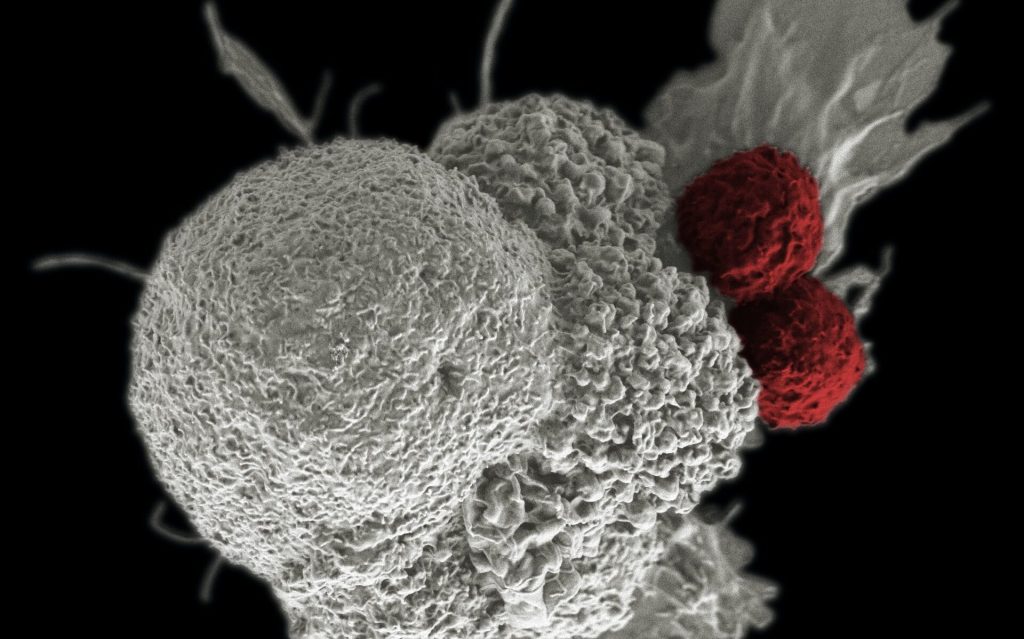
Shown here is a pseudo-colored scanning electron micrograph of an oral squamous cancer cell (white) being attacked by two cytotoxic T cells (red), part of a natural immune response. Photo by National Cancer Institute on Unsplash

Durvalumab with radiotherapy for unresectable locally advanced non-small cell lung cancer (NSCLC) without chemotherapy achieve had a much greater 12-month progression-free survival rate than expected, with tolerable adverse reactions.  This phase II clinical trial was reported at the IASLC 2022 World Conference on Lung Cancer in Vienna.

Immunotherapy plays an important role in NSCLC and combination of radiotherapy and immunotherapy have been reported to have a synergistic effect. Durvalumab after concurrent chemoradiotherapy has been standard of care with unresectable locally advanced NSCLC (stage III/postoperative recurrent NSCLC). But some patients are unable to complete concurrent curative radiation therapy and cannot receive durvalumab.

Dr M. Tachihara of Kobe University Graduate School of Medicine and colleagues developed the DOLPHIN study – the first Phase II study of immunotherapy combined with curative radiotherapy for unresectable locally advanced non-small cell lung cancer. 

The team enrolled 35 adult patients with unresectable locally advanced non-small cell lung cancer with an ECOG performance status (PS) 0-1, PD-L1≥1% (SP263 clone). Of the 35 patients (median age, 72 years), 88.6% were male, 54.3% had ECOG PS 0, 96.1% had a history of smoking, 57.1% had non-squamous histology, and 25.7% were postoperative recurrence.  

Patients received curative radiation therapy (60Gy) plus durvalumab 10 mg/kg every two weeks simultaneously, followed by maintenance with durvalumab for up to 12 months until disease progression (PD) or unacceptable toxicity.

Thirty-four patients were evaluated for safety, and 33 patients for efficacy. The 12-month progression-free survival rate by ICR was 72.1% (90% CI, 59.1-85.1) after a median follow-up of 18.7 months. Confirmed overall response rate was 90.9% (95% CI, 75.7-98.1, ICR-assessed) with complete and partial response rates of 36.4% and 54.5%, respectively. Median progression-free survival was not reached by ICR-assessed, and 24.1 months (95% CI, 16.0-NR) by investigator-assessed. Thirteen patients (39.4%) discontinued durvalumab; six patients due to progression disease and seven due to adverse events (AE). Grade 3/4 adverse events occurred in 47.1%; the most common adverse event of grade 3/4 was lung infection (11.8%) and pneumonitis (11.8%). Grade 5 adverse events of any cause occurred in 2 patients (5.9%), one with lung infection and one with broncho-oesophageal fistula because of tumour progression during follow-up.

“This DOLPHIN study is the first report of immunotherapy combined with curative radiotherapy for unresectable LA-NSCLC. The primary endpoint of 12-months PFS rate was met and much higher than expected value. It suggests that this treatment strategy is promising with tolerable adverse effects and appropriate as a study treatment for phase III trials,” said Dr. Tachihara.

Source: IASLC

Chronic Inflammation Link to Low Vitamin D Explains Some Controversies

Vitamin D pills
Photo by Michele Blackwell on Unsplash

New genetic research shows a direct link between low vitamin D levels and high levels of inflammation, providing an important biomarker to identify people at higher risk of or severity of chronic illnesses with an inflammatory component, such as type 2 diabetes. The findings, published in the International Journal of Epidemiology, also helps to settle some of the controversies surrounding the ‘sunshine vitamin’.

The study drew on genetic data for 294 970 participants in the UK Biobank, using Mendelian randomisation to show the association between vitamin D and C-reactive protein levels, an indicator of inflammation.

University of South Australia’s Dr Ang Zhou, the study’s lead researcher, said that the findings suggest that boosting vitamin D in people with a deficiency may reduce chronic inflammation.

“This study examined vitamin D and C-reactive proteins and found a one-way relationship between low levels of vitamin D and high levels of C-reactive protein, expressed as inflammation.

“Boosting vitamin D in people with deficiencies may reduce chronic inflammation, helping them avoid a number of related diseases.”

The study also raises the possibility that having adequate vitamin D concentrations may mitigate complications arising from obesity and reduce the risk or severity of chronic illnesses with an inflammatory component, such as CVDs, diabetes, and autoimmune diseases.

Senior investigator and Director of UniSA’s Australian Centre for Precision Health, Professor Elina Hyppönen, said that these results offer an explanation for some of the controversies in reported associations with vitamin D.

“We have repeatedly seen evidence for health benefits for increasing vitamin D concentrations in individuals with very low levels, while for others, there appears to be little to no benefit.” Prof Hyppönen said.

“These findings highlight the importance of avoiding clinical vitamin D deficiency, and provide further evidence for the wide-ranging effects of hormonal vitamin D.”

Source: University of South Australia

Collagen’s Role in Breast Cancer Includes Triggering Metastasis

Breast cancer cells
Breast cancer cells. Image source: National Cancer Institute on Unsplash

Type XII collagen plays a key role in regulating the organisation of the tumour matrix, according to research published in the journal Nature Communications. The study investigators also discovered that high levels of collagen XII can trigger metastasis.

Cancer cells continually interact with the tumour microenvironment one component of which is the extracellular matrix. Collagen is an important part of this tumour microenvironment, but just how it influences tumours has not been understood.

“There’s still a lot we don’t know about the role of the extracellular matrix in cancer metastasis. Our study shows that collagen XII plays an important role in breast cancer progression and metastasis,” said Associate Professor Thomas Cox, senior author of the study.

“Imagine cancer cells as seeds, and the tumour microenvironment as the soil. By studying the soil – the extracellular matrix – we can begin to understand what makes some tumours more aggressive than others, and by extension, begin to develop new ways to treat cancer,” he explained.

The research also suggests that measuring the level of collagen XII in a patient’s tumour biopsy could potentially be used as an additional screening tool to identify aggressive breast cancers with higher rates of metastasis, such as in the triple-negative type of breast cancer. Furthermore, collagen XII might be a possible target for future treatments.

The extracellular matrix is a 3D meshwork of around 300–400 core molecules, including several collagen proteins. This matrix provides structural and functional support to cells and tissues in all parts of the body.

In this study, the researchers catalogued how the tumour matrix changes over time and have generated a comprehensive database of these changes, which has been made freely available to researchers.

The team focused on collagen XII, one of 28 types of collagen in the body. Collagen XII plays an important role in organising other collagens and can have profound effects on the 3D structure of the extracellular matrix.

The researchers studied tumours in mouse models from the earliest pre-clinical stages of cancer, right through to late-stage tumours. They found that as the tumours developed, many matrix molecules changed, and importantly the level of collagen XII was also increased.

“Collagen XII seems to be altering the properties of the tumour and makes it more aggressive,” said first author Michael Papanicolaou. “It changes how collagens are organised to support cancer cells escaping from the tumour and moving to other sites like the lungs.”

The team then genetically manipulated collagen XII production, looking at the effects of metastasis to other organs. They found that as levels of collagen XII increased, so did metastasis. These findings were then confirmed in human tumour biopsies, which showed that high levels of collagen XII are associated with higher metastasis and poorer overall survival rates.

Further research will focus on studying more human samples, and investigating possible therapeutic pathways.

Source: Garvan Institute of Medical Research

Aspirin and Antiplatelets after Coronary Artery Grafts are a Double-edged Sword

Source: Wikimedia Commons CC0

A new analysis published in JAMA shows that a combination of aspirin and another antiplatelet agent can prevent clotting after coronary artery bypass grafts but also increases the risk of potentially dangerous bleeding. This double-edged finding from investigators suggests physicians should carefully weigh the use of these medications after this procedure.

A Weill Cornell Medicine and NewYork-Presbyterian team led by Dr Mario Gaudino, a coronary artery bypass surgeon, examined data from 1668 grafts in which surgeons use a saphenous vein graft to circumvent blocked coronary arteries. It is common for blood clots to form within the grafted vein, for which patients are typically given aspirin. Some evidence suggests that aspirin along with a prescription strength antiplatelet agent such as ticagrelor can more effectively prevent this clotting.

“We found that, yes, this dual therapy significantly reduces the risk that the grafts will fail. However, for the first time, we have shown that this approach also carries a significant risk of clinically important bleeding,” said Dr Gaudino. “So, the benefit comes at a price.”

Taken together, these results indicate physicians should base their decisions on patients’ individual circumstances and avoid using this approach for those with conditions that put them at risk of bleeding, he said.

In more than 90% of coronary artery bypass grafts, surgeons take a graft from one of the patient’s saphenous veins, which return blood up the leg. However, within a year, up to a quarter of these grafts become obstructed.

While studies have examined the benefit of aspirin and ticagrelor, known as dual antiplatelet therapy (DAPT), these studies were small and had conflicting conclusions. The team contacted researchers on four such trials to obtain access to their raw data. They aggregated the data and effectively created a much larger study capable of generating more robust conclusions.

They found a failure rate of approximately 11% in patients who received a combination of aspirin and ticagrelor, while blockages occurred in 20% of grafts when patients received only aspirin. However, compared to aspirin alone, DAPT brought on more bleeding events that, while generally not life threatening, required medical attention.

In these previous trials, patients received DAPT for a full year. However, most graft failure occurs in the first few months after surgery. Dr Gaudino plans a further test of aspirin and ticagrelor over one to three months to see if a shortened course offers the same benefit with less risk of bleeding.

Source: Weill Cornell Medicine

Body Posture, Stomach Motility Affect Oral Pill Bioavailability

Photo by danilo.alvesd on Unsplash

While oral administration of a pill or capsule is a simple and cheap route, it is also the most complex way for the human body to absorb an active pharmaceutical ingredient, due to the stomach environment’s influence on bioavailability. Using highly detailed computer simulations, researchers have now found that stomach motility and posture (leaning right, left or backwards) significantly affect bioavailability.

The rate of dissolution and gastric emptying of the dissolved active pharmaceutical ingredient (API) into the duodenum is modulated by gastric motility, physical properties of the pill, and the contents of the stomach. This results in varying rates of pill dissolution and nonuniform emptying of the drug into the duodenum and, occasionally, gastric dumping in the case of modified-release dosage. Current in vitro procedures for assessing dissolution of oral drugs do not simulate this process well.

In Physics of Fluids, researchers used a biomimetic computer simulation based on the realistic anatomy and morphology of the stomach (a ‘StomachSim’) to investigate and quantify the effect of body posture and stomach motility on drug bioavailability over the first few minutes of absoprtion.

 The simulations show that changes in posture can potentially have a significant (up to 83%) effect on the emptying rate of the API into the duodenum. A 45 degree lean to the left greatly reduced the amount of active ingredient per cycle released into the duodenum, while a lean to the right dramatically increased it over the upright case.

Similarly, the researchers found that a reduction in antral contractility associated with gastroparesis significantly reduced the dissolution of the pill as well as emptying of the API into the duodenum. The simulations show that for an equivalent motility index, the reduction in gastric emptying due to neuropathic gastroparesis is larger by a factor of about five compared to myopathic gastroparesis.

“Oral administration is surprisingly complex despite being the most common choice for drug administration,” said co-author Rajat Mittal. “When the pill reaches the stomach, the motion of the stomach walls and the flow of contents inside determine the rate at which it dissolves. The properties of the pill and the stomach contents also play a major role.

“However, current experimental or clinical procedures for assessing the dissolution of oral drugs are limited in their ability to study this, which makes it a challenge to understand how the dissolution is affected in different stomach disorders, such as gastroparesis, which slows down the emptying of the stomach.”

Together, these issues pose several challenges for the design of drug delivery.

“In this work, we demonstrate a novel computer simulation platform that offers the potential for overcoming these limitations,” said Mittal. “Our models can generate biorelevant data on drug dissolution that can provide useful and unique insights into the complex physiological processes behind the oral administration of pills.”

The researchers note that the simulation required a lot of computational time, only capturing the first few minutes of the process, and are working on faster methods to capture differences over the period of an hour.

Source: American Institute of Physics

Towards Larger, More Representative Lung Cancer Clinical Trials

Source: NCI

Filling clinical trials and enrolling sufficiently diverse, representative groups of patients, has long been a challenge, partly due to stringent participation guidelines. In an effort to attain larger and more diverse trial groups, an international team of researchers and policymakers has written new recommendations on how to determine eligibility criteria for lung cancer clinical trials.

The group was led in part by David Gerber, MD, along with representatives from the Food and Drug Administration (FDA), National Cancer Institute, European Medicines Agency, pharmaceutical companies, and the LUNGevity Foundation.

The recommendations, published today in JAMA Oncology, offer the first publicly available outline of upcoming FDA draft guidance on lung cancer clinical trials that are expected to make it easier to include more patients.

“This paper is the public’s first look at the FDA’s proposed changes to how we determine who can participate in a lung cancer clinical trial,” said Professor Gerber in the Hematology/Oncology Division at UTSW. “If these changes are successful, they could make clinical trials for lung cancer as well as other cancers more powerful and more representative.”

Ensuring that people from diverse backgrounds join clinical trials is key to properly evaluating how a new treatment will work among patients of all races and ethnicities. But today, only about 5% of all cancer patients enrol in a clinical trial, and only 11% of cancer clinical trial participants identify as a racial or ethnic minority.

For patients with cancer, participation in clinical trials requires not just a decision to try an experimental treatment, but time and energy spent understanding the trial, enrolling in it, and often attending extra testing or clinic appointments. Many researchers agree that complicated, inconsistent, poorly explained, and overly strict eligibility requirements to join a cancer clinical trial exacerbate this problem and are a key reason for the low number of underrepresented minorities in clinical trials.

“So many clinical trials never finish enrollment, close prematurely, or don’t recruit a population that lets researchers generalise the results,” Dr. Gerber said. “I think there’s widespread recognition that eligibility criteria have become too stringent.”

Addressing this for one cancer subtype, advanced non-small cell lung cancer (NSCLC), – the LUNGevity Foundation convened a roundtable discussion with experts from academia, industry, and regulatory bodies. The team assembled a prioritised list of eligibility categories that should be included in the descriptions of all NSCLC clinical trials and recommended criteria for each category. Some suggestions were more lenient than what has typically been included in previous NSCLC trial eligibility criteria; for instance, the team recommended that most patients with prior or concurrent cancers, most patients with brain metastases, and most patients with mild liver impairment – all of whom would likely have been excluded in the past – still be included in trials.

The team also suggested that these categories be clearly laid out on public websites advertising clinical trials in an easily searchable format.

The FDA will be releasing draft guidance on NSCLC clinical trials in the near future and hold a public comment period before finalising them. Other interdisciplinary teams have already convened to standardise eligibility requirements for clinical trials of other cancer types.

If the new guidelines prove effective, Prof Gerber said that clinical trials will likely be easier to fill and provide more complete and timely data on new cancer interventions.

“If you can involve more patients in clinical trials, you’re more likely to complete those trials quickly. That’s going to lead to new treatments faster,” he said.

Source: UT Southwestern Medical Center

Mouse Study Examines the Possible Addiction Risks of Ketamine

Mouse
Photo by Kanasi on Unsplash

The commonly used anaesthetic ketamine, which is also increasingly prescribed for the relief of depression symptoms, has created concern over whether it poses an addiction risk.

University of Geneva (UNIGE) researchers found that ketamine triggers an increase in dopamine in mice’s brains, and that it also inhibits a specific receptor that precludes the progression to addiction. These results can be found in the journal Nature.

For the past ten years or so, ketamine has also been prescribed to treat the depressive symptoms of people who are resistant to conventional treatments. Its action has the advantage of a swift onset, acting within hours of the first dose, whereas traditional antidepressants take several weeks to act. Although its prescription is increasing for this type of treatment, this substance is still widely debated within the scientific community.

”Some people believe that ketamine presents a strong addictive risk if taken for a long time, others do not. The whole point of our research was to try to provide some answers,” explained Professor Christian Lüscher.

Brief reward system stimulation
The UNIGE researchers allowed mice to self-administer doses of ketamine. ”The drugs intensely stimulate the reward system in the brain, which leads to an increase in dopamine levels. The first step was to observe whether this mechanism was also at work when taking ketamine,” explained Yue Li, a Postdoctoral Scholar in the Department of Basic Neuroscience at the UNIGE Faculty of Medicine.

The scientists found that dopamine levels increased with each dose and induced a positive reinforcement in the mice, which motivated them to repeat the self-administration. ”However, unlike cocaine, for example, we found that the dopamine level fell very quickly after taking the drug,” said Dr Li.

A drug that leaves no ‘mark’
Probing the mechanism behind this phenomenon, the researchers discovered that ketamine triggered an increase in dopamine by inhibiting a molecule called NMDA receptor in the reward centre of the rodent brain. Dopamine then binds to another receptor (called the D2 receptor), which acts as a rapid brake on the increase in dopamine. The researchers also confirmed that the action of the NMDA receptor is necessary to modify the communication between the nerve cells that underlie the behavioural change leading to addiction. Ketamine’s inhibition of the NMDA receptor makes this modification impossible.

”The consequence of this dual action of ketamine is that it does not induce the synaptic plasticity that addictive drugs do and that persists in the brain after the substance has worn off. It is this memorization of the product in the reward system – absent in the case of ketamine – that drives the repetition of consumption,” explained Prof Lüscher. “Therefore, the addictive risk of ketamine appears to be zero in rodents. Is this also the case in humans? Could this risk vary according to the individual? Our study provides a solid framework for debating access to its therapeutic use,” concludes Christian Lüscher.

Source: Université de Genève