Year: 2022

Long COVID Resulted in Long-term Increase in Health Service Use
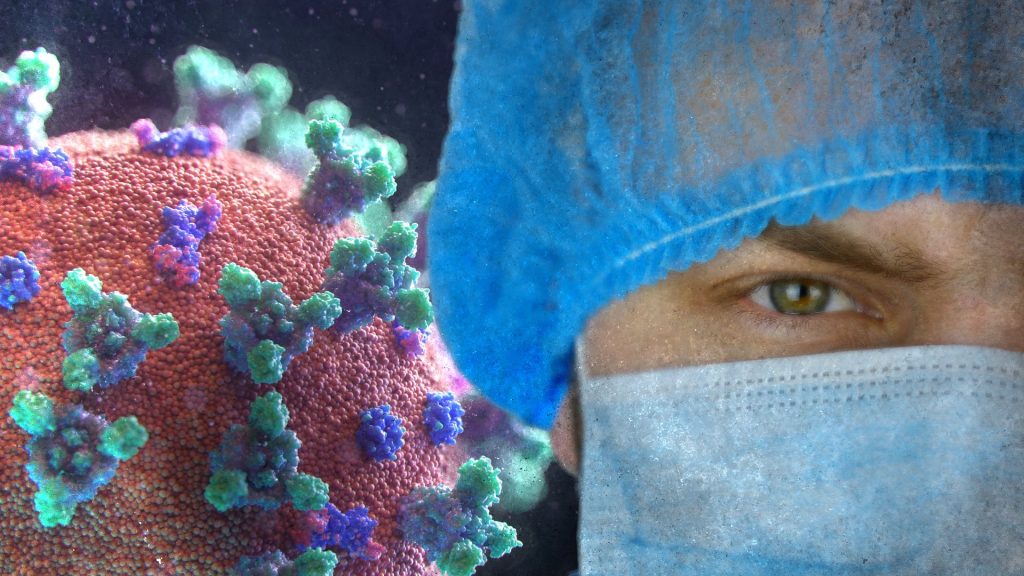
Image by Quicknews

A US study published in JAMA Network Open found that COVID was associated with a 4% increase in use of health care services across that country over the six months after initial infection.

Long COVID is known to affect some COVID patients long after symptoms of the acute infection had subsided. The typical clinical symptoms in long COVID are tiredness, dyspnoea, fatigue, brain fogginess, autonomic dysfunction, headache, persistent loss of smell or taste, cough, depression, low-grade fevers, palpitations, dizziness, muscle pain, and joint pains. This study showed that the greatest increase in encounters for these patients was in virtual visits, followed by emergency department visits.

“This study showed us that, in terms of the number of follow-up visits, a substantial amount of health care utilisation occurs in the six months following the acute stage of SARS-CoV-2 infection, which highlights the potential for COVID to exert an ongoing demand  on health care organisations,” said epidemiologist Sara Y. Tartof, PhD, one of the study’s lead authors. “A 4% increase in encounters applied across a large population is a large number of visits associated with substantial cost. The absolute number is big. In this case, it was over 27 000 extra encounters among the eight health care organisations included in this study.”

Dr Tartof added: “On a broader scale, this study will help health care organisations develop their long-term strategic plans to meet patients’ needs following COVID infection.”

This study included patients of all ages from eight large integrated health care organizations across the US who completed a COVID diagnostic test between March 1 and November 1, 2020. Patients were matched on age, sex, race, ethnicity, site, and date of COVID test, and were followed for 6 months. The final matched study group consisted of 127 859 patients who tested positive for COVID-19 with an equal number testing negative.

  • Overall coronavirus infection was associated with a 4% increase in health care use over six months, predominantly for virtual encounters, followed by emergency department visits.
  • COVID-associated health care encounters for 18 conditions remained elevated 6 months from the acute stage of illness, with the largest increase in COVID-related utilisation including:
    • lingering COVID
    • alopecia, also known as hair loss
    • bronchitis
    • pulmonary embolism or deep vein thrombosis
    • difficulty breathing
  • In total, extra health care use associated with the effects of COVID infection consisted of 212.9 additional encounters per 1000 patients with COVID.
  • The study is one of the largest and most comprehensive studies of post-COVID utilisation among children under age 17.
  • COVID-positive children experienced increased health care use over six months for pulmonary embolism or deep vein thrombosis; irregular heartbeat; difficulty breathing; and ear, nose, and throat disorders.

“With complete data from all care settings across large integrated health care organisations, this study represents one of the largest and most comprehensive studies of post-COVID conditions to date,” said epidemiologist Debbie Malden, DPhil, another lead author.

Source: Kaiser Permanente

Regenerating Muscles for Better Rotator Cuff Repair

Photo by Harlie Raethel on Unsplash

Researchers have pioneered a technique way to regenerate muscle that could help encourage muscle growth in damaged rotator cuff muscles and aid in their repair. Their findings are available to read online in the Proceedings of the National Academy of Sciences.

Tears of the major tendons in the shoulder joint, commonly called the rotator cuff, are common injuries in adults. Improved rotator cuff repairs are now possible with surgical advances, though failure rates with surgery can still be high.  Now, a team of researchers from the UConn School of Medicine led by surgeon, engineer and scientist Dr Cato T. Laurencin reported that a graphene/polymer matrix embedded into shoulder muscle can prevent re-tear injuries.

“Most repairs focus on the tendon,” and how to reattach it to the bone most effectively, Laurencin says. “But the real problem is that the muscle degenerates and accumulates fat. With a tear, the muscle shrinks, and the body grows fat in that area instead. When the tendon and muscle are finally reattached surgically to the shoulder bone, the weakened muscle can’t handle normal stresses and the area can be re-injured again.

The researchers developed a polymer mesh infused with nanoplatelets of graphene. When they used it to repair the shoulders of rats who had chronic rotator cuff tears with muscle atrophy, the muscle grew back. When they tried growing muscle on the mesh in a petri dish in the lab, they found the material seemed to encourage the growth of myotubes, precursors of muscle, and discourage the formation of fat.

“This is really a potential breakthrough treatment for tears of the rotator cuff. It addresses the real problem: muscle degeneration and fat accumulation,” Dr Laurencin said.

The next step in their work is studying the matrix in a large animal. The team looks forward to developing the technology in humans.

Source: University of Connecticut

Intraosseous Morphine Reduces Pain after Knee Replacement Surgery

Knee pain
Source: CC0

In knee replacement patients, injecting a combination of morphine and the antibiotic vancomycin into the tibia of their knee joint resulted in less pain post-surgery compared to those who received the infusion without morphine during surgery. The findings were published in The Journal of Arthroplasty.

“Despite many technological advances, controlling pain after total knee arthroplasty can be challenging; most patients experience considerable pain and discomfort, especially in the first couple of weeks into their recovery,” explained Kwan “Kevin” Park, MD, orthopaedic surgeon at Houston Methodist. “Intraosseous infusion, which involves injecting medication directly into the bone marrow, allows us to control pain pre-emptively so that patients don’t have to take as much pain medicine later on.”

Total knee replacement is the recommended treatment to alleviate chronic pain caused by damage to the knee joint from arthritis or injury.

Despite the high frequency and favourable outcomes of the surgical procedure, the manipulation of soft tissue and resurfacing damaged bones during knee replacement cause pain in the early postoperative periods.

“Twenty years ago, patients would remain in the hospital for several days after their surgery and receive extremely high-dose narcotics to help with their postoperative pain,” Dr Park said. “But there has been a paradigm shift; patients are often discharged the same day after knee replacement surgery, and we use multimodal pain management techniques that work much better for pain control and require fewer narcotics.”

These multimodal regimens, he added, often include a combination of medications, such as nonsteroidal anti-inflammatory drugs, opioids and neurogenic agents that act on the nervous system, administered both pre-emptively and after the surgery. However, opioid medications, although very effective in managing pain, have known side effects, like constipation and nausea, and some individuals are allergic to opiates. Opioid medication can be highly addictive, as well. Furthermore, a consensus on the optimal preoperative protocol to mitigate pain is lacking.

Previously, the researchers demonstrated that injecting the antibiotic vancomycin directly into the tibia before surgery helped in reducing infection by reaching a higher concentration of the drug in the knee. Motivated by this success, they investigated whether adding morphine into the tibial bone with a standard antibiotic solution could improve postoperative pain management.

For the study, the team included 48 patients needing total knee replacement surgery. Of these patients, half were randomised to receive vancomycin and morphine injected directly into the bone marrow, using an infusion device that was inserted into the tibial tubercle region, and the remainder were only administered vancomycin as controls. Post-surgery, the researchers monitored patient-reported pain, nausea and opioid use for up to 14 days after surgery. Serum levels of morphine and interleukin-6 were measured in all study participants for 10 hours after the operation.

Analysis showed that the vancomycin and morphine group had lower pain scores after their knee replacements compared to the controls. This was effective up to two weeks after surgery. Further, these patients also reported having less pain for several days even though they had similar interleukin-6 inflammatory marker levels as the control group. Taken together, although the patients who received pain medication infused directly into the tibia during surgery had comparable inflammation, these patients were taking less pain medication post-surgery.

Dr Park noted that this infusion of opiates directly into the bone marrow during surgery could potentially even facilitate a swifter recovery of the knee joint.

“By infusing pain medication intraosseously we’re able to reduce postoperative pain for up to two weeks, reduce the number of pain pills patients need and even possibly improve the function of the knee over time,” he said. “Our technique also can improve the multimodal pain management protocol we have been using for knee replacement over the years.” 

Source: Houston Methodist

A Breakthrough Tinnitus Therapy – on a Smartphone

Photo by Dylann Hendricks | 딜란 on Unsplash

After 20 years searching for a cure for tinnitus, for which there is no pharmacological treatment, there are ‘encouraging results’ from a clinical trial of a smartphone app therapy, the results of which have been published in Frontiers in Neurology.

The study randomised 61 patients to one of two treatments, the prototype of the new ‘digital polytherapeutic’ or a popular self-help app producing white noise. On average, the group with the polytherapeutic (31 people) showed clinically significant improvements at 12 weeks, while the other group (30 people) did not.

“This is more significant than some of our earlier work and is likely to have a direct impact on future treatment of tinnitus,” said Associate Professor in Audiology at the Universirt of Auckland, Dr Grant Searchfield.

Key to the new treatment is an initial assessment by an audiologist who develops the personalised treatment plan, combining a range of digital tools, based on the individual’s experience of tinnitus.

“Earlier trials have found white noise, goal-based counselling, goal-oriented games and other technology-based therapies are effective for some people some of the time,” says Dr Searchfield.

“This is quicker and more effective, taking 12 weeks rather than 12 months for more individuals to gain some control.”

“What this therapy does is essentially rewire the brain in a way that de-emphasises the sound of the tinnitus to a background noise that has no meaning or relevance to the listener,” Dr Searchfield says.

Audiology research fellow Dr Phil Sanders says the results are exciting and he found running the trial personally rewarding.

“Sixty-five percent of participants reported an improvement. For some people, it was life-changing – where tinnitus was taking over their lives and attention.”

Some people didn’t notice an improvement and their feedback will inform further personalisation, Dr Sanders noted.

Tinnitus is a phantom noise and its causes are complex. It has so far defied successful treatment.

While most people experience tinnitus, or ringing in the ears at least on occasions, around five percent experience it to a distressing degree. Impacts can include trouble sleeping, difficulty carrying out daily tasks and depression.

Dr Searchfield says seeing his patients’ distress and having no effective treatment to offer inspired his research. “I wanted to make a difference.”

The next step will be to refine the prototype and proceed to larger local and international trials with a view to FDA approval.

The researchers hope the app will be clinically available in around six months.

Source: University of Auckland

Researchers Uncover Major Contributor to Alzheimer’s Disease

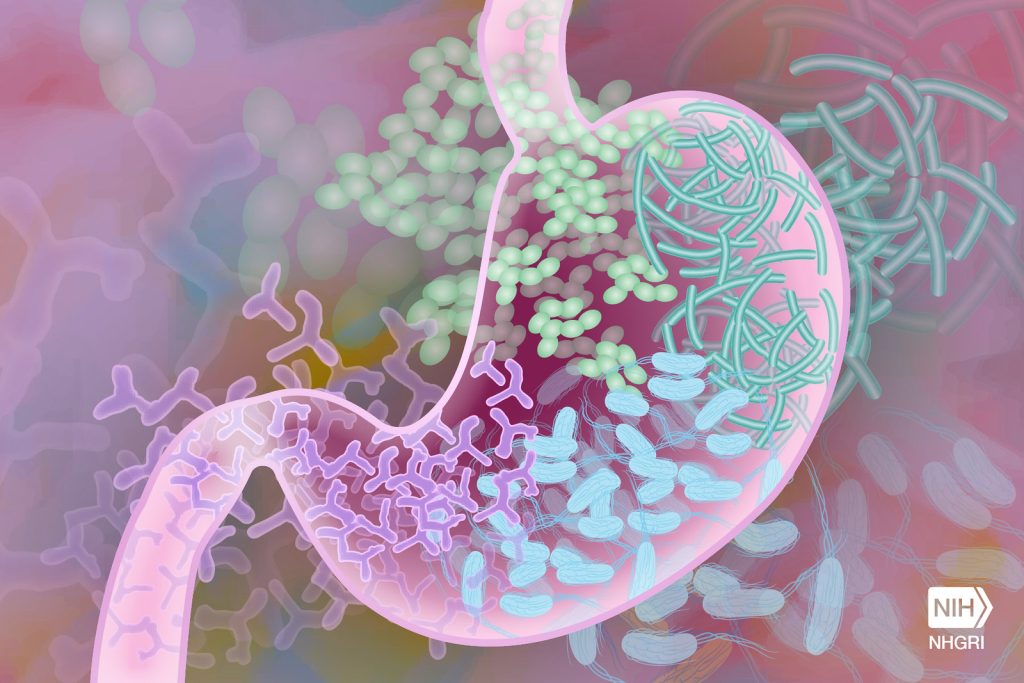
Gut microbiome. Credit: Darryl Leja, NIH

Research reports for the first time a pathway that begins in the gut and ends with a potent pro-inflammatory toxin in brain cells contributing to the development of Alzheimer’s disease (AD). Results are published in Frontiers in Neurology, where the researchers also report a simple way to counter the process.

The researchers, led by Drs Yuhai Zhao and Walter J Lukiw, found evidence that a molecule containing a very potent microbial-generated neurotoxin (lipopolysaccharide or LPS) derived from the Gram-negative bacteria Bacteroides fragilis in the human gastrointestinal (GI) tract generates a neurotoxin known as BF-LPS.

“LPSs in general are probably the most potent microbial-derived pro-inflammatory neurotoxic glycolipids known,” explained Dr Lukiw. “Many laboratories, including our own, have detected different forms of LPS within neurons of the Alzheimer’s disease-affected human brain.”

The researchers detailed the pathway of BF-LPS from the gut to the brain and its mechanisms of action once there. BF-LPS leaks out of the GI tract, crosses the blood brain barrier via the circulatory system, and accesses brain compartments. Then it increases inflammation in brain cells and inhibits neuron-specific neurofilament light (NF-L,) a protein that supports cell integrity. A deficit of this protein leads to progressive neuronal cell atrophy, and ultimately cell death, as is observed in AD-affected neurons. They also report that adequate intake of dietary fibber can head off the process.

The novel features of this newly described pathological pathway are threefold. The AD-stimulating pathway begins in the gut microbiome and therefore is very “locally sourced” and active throughout our lives. The highly potent neurotoxin BF-LPS is a natural by-product of gut-based microbial metabolism. Bacteroides fragilis abundance in the microbiome, which is the source of the neurotoxin BF-LPS, can be regulated by dietary fiber intake.

“Put another way, dietary-based approaches to balance the microorganisms in the microbiome may be an attractive means to modify the abundance, speciation, and complexity of enterotoxigenic forms of AD-relevant microbes and their potential for the pathological discharge of highly neurotoxic microbial-derived secretions that include BF-LPS and other forms of LPS,” Dr Lukiw explained.

The researchers conclude that an improved understanding of the interaction between the Gut–Brain axis and the gut microbiome and Alzheimer’s disease has considerable potential to lead to new diagnostic and therapeutic strategies in the clinical management of Alzheimer’s disease and other lethal, progressive, and age-related neurodegenerative disorders.

Source: Louisiana State University Health Sciences Center

Clinical Trial Finds Dry Cupping Relieves Chronic Back Pain

Photo by RODNAE Productions

In the Journal of Acupuncture and Meridian Studies, researchers report that combining ear acupuncture with dry cupping to treat chronic back pain, and showed that it can provide effective relief over acupuncture alone.

Dating back to ancient times, cupping therapy is a technique that uses cups placed over the skin to create negative pressure through suction. In 400 BC, Herodotus listed wet and dry cupping as a treatment for many ailments, including maldigestion, lack of appetite, and headaches. Ear acupuncture, also known as ‘battlefield acupuncture’ has also been modernised by the US military as a simple treatment method in challenging environments.

The open-label, randomised, parallel-group controlled clinical trial recruited 198 adults with chronic back pain. The people were randomised to receive only ear acupuncture as the control group or receive ear acupuncture along with dry cupping as the experimental group.

Interventions were performed in five sessions, once a week, lasting five weeks. Evaluations were performed before the first session, after the last session, and seven days after the second evaluation, using the Brief Pain Inventory to assess the impact of pain on daily activities and the World Health Organization Quality of Life-BREF (WHOQOL-BREF) to assess the quality of life.

Between the initial and final sessions, there were significant changes in daily activities , activity, work, mood, relationships, sleep, and in the physical, psychological and social relationships domains for both the control and experimental groups. Improved perception of quality of life and satisfaction with health were observed for the participants in the experimental group.

Source: Keck School of Medicine USC

The 100 Year Old Doctor Who Won’t Hang Up His Stethoscope

Credit: “What’s Next” Documentary

At 100, Dr Howard Tucker holds the Guinness world record for being the world’s oldest practising doctor. Though he has only just stopped seeing patients, he still teaches medical residents at St. Vincent Charity Medical Center in Ohio, USA.

Having practised medicine for 75 years, the secret is to keep going, he said. “I look upon retirement as the enemy of longevity,” Dr Tucker told TODAY over a video call. He has a computer and smartphone, and is determined to keep up with technology.

“I think that to retire, one can face potential shrivelling up and ending in a nursing home. It’s fun staying alive and working…  It’s delightful work. Every day I learn something new.”

Born on July 10, 1922 and graduating from medical school in 1947, Dr Tucker got the “gift of COVID” from one of his relatives at his 100th birthday last month, but recovered quickly and felt fine. He even broke is neck while skiing in the late 1980s, though he “came out of it totally intact”.

At age 67 he passed the Ohio Bar Exam because he was interested in law.

Tucker shared some of his longevity advice with TODAY:

“Heredity and family history of longevity is a healthy start. However, it must be supported by moderation of nutrition, alcohol, and happiness,” Dr Tucker explained in his Guinness World Records entry.

Longevity runs in his family: his mother lived to 84 and his father to 96, and he has avoided the diseases of ageing such as heart disease and dementia. In addition, Dr Tucker never smokes but drinks alcohol occasionally, and eats in moderation. He has exercised his entire life – though he is now banned from skiing. The day after his 100th birthday, he threw the opening pitch for a baseball game.

His advice is to not retire , and stay active. Though there are jobs which people can’t or don’t wat to do anymore as they age, people should at least take up a hobby or do communal work to provide a daily stimulus for the brain.

The other challenge is to keep learning. As well as earning his law degree, he stayed current with technology, for which he credits his grandson, Austin, who is also making a documentary about the centenarian’s life. He also keeps up with his field of neurology, which he follows with excitement.

Finally, Dr Tucker said that you have to cultivate happiness. “You have to be happy in your job and in your domestic life,” he said.

Source: Today

Small Trial Suggests that Dupilumab is Effective in Severe COVID

Photo by Mufid Majnun on Unsplash

Dupilumab, a monoclonal antibody that suppresses interleukin-13 can improve survival rates for patients with moderate to severe COVID, according to the results of a small clinical trial published in the Open Forum of Infectious Diseases.

Dupilumab is most often prescribed for skin conditions such as atopic dermatitis, asthma, and sinus congestion and swelling. The treatment also proved safe in the small study, as expected, because dupilumab is already a safe and effective allergy medicine.

The small trial, designed and led by Dr Jennifer Sasson, found that dupilumab improved patient survival at 60 days and reduced the number of patients who needed intensive care. Almost 90% of patients who received dupilumab in the randomised trial were alive at 60 days, compared with 76% of patients who did not.

“Our clinical trial suggests that treatment with the anti-allergy medicine dupilumab may decrease deaths due to COVID,” said Dr Sasson, of the University of Virginia School of Medicine. “A large multi-institution study to validate these preliminary results is being designed. If successful, this multi-site trial will open a new window to treatment of COVID and potentially other viral pneumonias.”

Cytokine levels inspire trial

The researchers were inspired to launch the trial after discovering that COVID patients were at significantly greater risk of needing a ventilator if their blood contained high levels of the cytokine interleukin-13. Dupilumab, which received FDA approval in 2017, works by blocking the effects of IL-13 and reducing inflammation.

To see if dupilumab could improve the body’s immune response to COVID, Sasson and her collaborators enrolled 40 patients with moderate to severe cases in a clinical trial. The trial was double-blinded, meaning neither the patients nor the doctors knew whether the patient was receiving the antibody or a placebo. Both groups of trial participants otherwise received standard care.

After 28 days, no difference was seen between the two groups in ventilator-free survival or in adverse events. But by 60 days, there were only two deaths among the patients receiving dupilumab and five deaths among those receiving placebo. 

Among the patients who were not already in the intensive care unit when they joined the trial, three receiving dupilumab were ultimately admitted to the ICU, compared to six receiving placebo.

Source: University of Virginia

Increase in Excessively Hot Nights Will Raise Mortality Rate

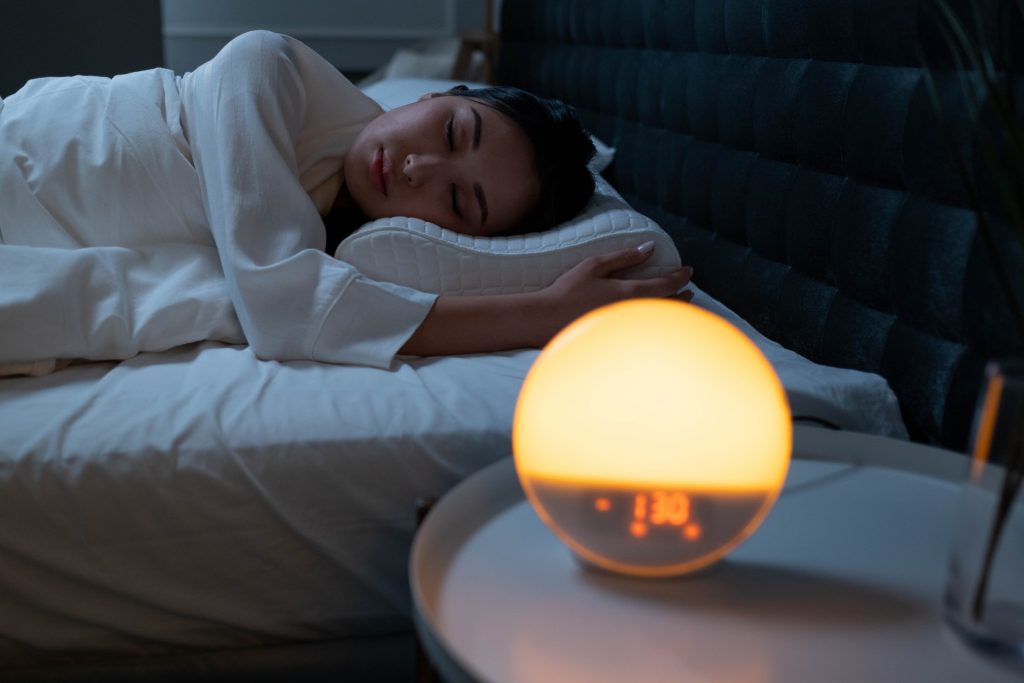
Sleeping woman
Photo by Cottonbro on Pexels

With the number of excessively hot nights expected to double due to climate change, it is predicted that their associated mortality rate will rise by up to 60% by the end of the century, according to the latest research published in published in The Lancet Planetary Health.

Ambient heat during the night may interrupt the normal physiology of sleep, leading to immune system damage and a higher risk of cardiovascular disease, chronic illnesses, inflammation and mental health conditions. The average intensity of hot night events will nearly double by 2090, from 20.4℃ to 39.7℃ across 28 cities from east Asia, increasing the burden of disease due to excessive heat that disrupts normal sleeping patterns.

This is the first study to estimate the impact of hotter nights on climate change-related mortality risk. The findings show that the burden of mortality could be significantly higher than estimated by average daily temperature increase, suggesting that warming from climate change could have a troubling impact, even under restrictions from the Paris Climate Agreement.

“The risks of increasing temperature at night were frequently neglected,” said study co-author Yuqiang Zhang, PhD, a climate scientist in the Department of Environmental Sciences and Engineering at the Gillings School. “However, in our study, we found that the occurrences of hot night excess are projected to occur more rapidly than the daily mean temperature changes. The frequency and mean intensity of hot nights would increase more than 30% and 60% by the 2100s, respectively, compared with less than 20% increase for the daily mean temperature.”

The team estimated the mortality due to excess heat in 28 cities in China, South Korea and Japan between 1980 and 2015 and applied it to two climate change modelling scenarios that aligned with carbon-reduction scenarios adapted by the respective national governments.

Through this model, the team was able to estimate that between 2016 and 2100, the risk of death from excessively hot nights would increase nearly six-fold. This prediction is much higher than the mortality risk from daily average warming suggested by climate change models.

“From our study, we highlight that, in assessing the disease burden due to non-optimum temperature, governments and local policymakers should consider the extra health impacts of the disproportional intra-day temperature variations. A more complete health risk assessment of future climate change can help policymakers for better resource allocation and priority setting,” said Haidong Kan, PhD, who is a professor at Fudan University in China and the study’s corresponding author.

In this study, the authors also found that regional differences in temperature accounted for many of the variances in nighttime temperature, and areas with the lowest average temperature were projected to have the largest warming potential.

“To combat the health risk raised by the temperature increases from climate change, we should design efficient ways to help people adapt,” said Dr Zhang. “Locally, heat during the night should be taken into account when designing the future heatwave warning system, especially for vulnerable populations and low-income communities who may not be able to afford the additional expense of air conditioning. Also, stronger mitigation strategies, including global collaborations, should be considered to reduce future impacts of warming.”

Since the study only included 28 cities from three countries, Dr Zhang said that “extrapolation of these results to the whole East Asia region or other regions should be cautious. Currently, based on these findings, authors are trying to extend the analysis to a global dataset. Then we could have a global picture of the deadly nighttime heat on health under climate change scenarios.”

Source: University of North Carolina at Chapel Hill

Infant BCG Vaccination Only Protects up to Five Years of Age

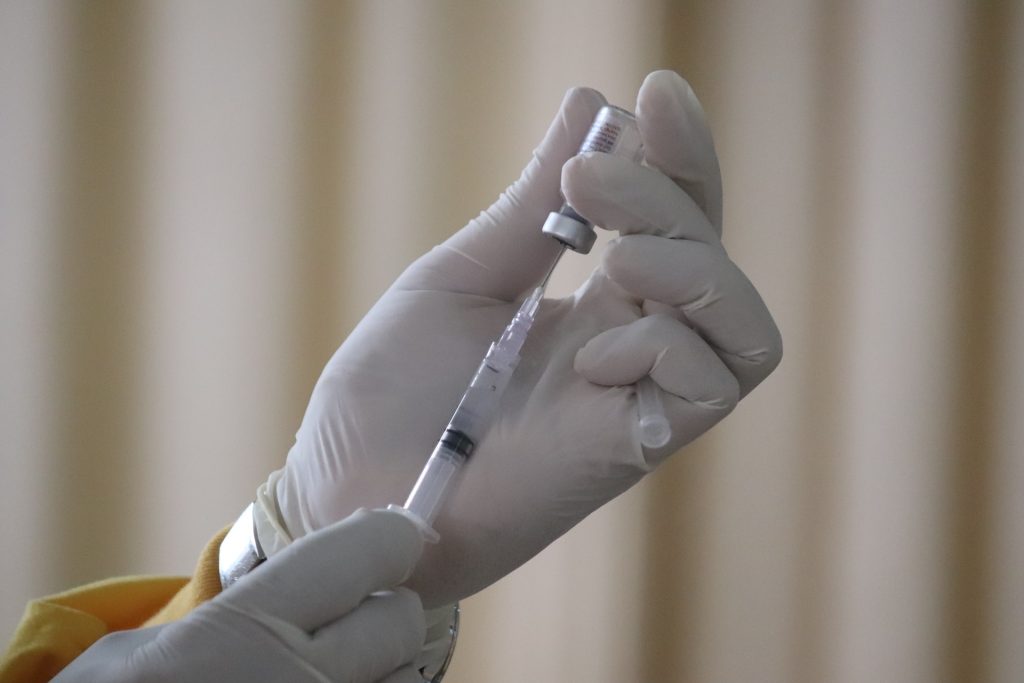
Syringe withdrawing from vaccine vial
Photo by Mufid Majnun

A study has found that the Bacillus Calmette-Guérin (BCG) vaccine, when administered in infancy, only protects against tuberculosis (TB) in children under five years of age. The findings, published in The Lancet Global Health, showed that the vaccine provided no protection among adolescents or adults in the study.

Despite the age and widespread use of the BCG vaccine, debate continues on how effective it is in preventing TB, and the duration of immunity after it is administered in infancy. And as experts study and propose new TB vaccines to supplement the BCG vaccine, an important consideration is the age at which these new vaccines should be administered to high-risk populations.

Gathered from 20 years of recent studies, this analysis provides new insight and clarity on these issues.

These results suggest that protectiveness from the BCG vaccine may begin to wane as children get older and, thus, children over 10 years old and adults should receive a booster BCG vaccine for immunity against TB beyond childhood. Unfortunately, a BCG booster has limited efficacy, so new vaccines are needed.

“Unlike many of the mRNA COVID vaccines, which we know are highly effective, there is widespread debate on the BCG vaccine’s effectiveness and duration of protection, as well as whether the vaccine only works in selective settings,” explained study lead author Leonardo Martinez, assistant professor of epidemiology at Boston University School of Public Health. “Our findings indicate that BCG vaccination is effective at preventing tuberculosis in young children. Since tuberculosis in children is a highly debilitating and severe disease, BCG vaccination should continue to be used.”

However, since the results show that the vaccine was ineffective in adolescents and adults, “boosting immunoprotection is needed for older populations,” Asst Prof Martinez said. “Novel vaccines are urgently needed to supplement BCG vaccination in high-burden settings.”

Most studies on this subject were done over 50 years ago, with varying results, and primarily in settings with a relatively low burden of the disease. This new analysis presents data over the past 10 years, from high-burden settings in 17 countries, including South Africa, China, Vietnam, Indonesia, Uganda, The Gambia, and Brazil.

For the study, Asst Prof Martinez and colleagues analysed individual-level data from 26 longitudinal studies that included nearly 70 000 participants exposed to TB from 1998 to 2018. The researchers examined the impact of BCG vaccination for all TB disease, as well as specifically for pulmonary and extrapulmonary TB. The analysis examined variability across the studies, including the use of skin and blood TB infection tests, and accounted for potentially confounding factors such as HIV, exposure status, and history of prior TB, amongst others.

Among all children under 5 years old, BCG vaccination was 37% effective. The researchers did not find conclusive evidence that the vaccine was protective among children over 10 or among adults. When focusing only on pulmonary TB, BCG vaccination was 19% effective, however this effect was also only among young children.

The researchers stress that substantial investment in TB vaccine development is critical to controlling global TB.

“We urgently need vaccines that are effective against tuberculosis in adults,” said study co-author C. Robert Horsburgh, professor of epidemiology. “There are a number of promising TB vaccine candidates under study and we hope that one or more of them will prove effective.”

Source: Boston University