Year: 2022

Propofol and Physician Anaesthesiologists Speed Up Endoscopy

Photo by Anna Shvets on Pexels

Using a physician anaesthesiologist-led model administering fast-acting propofol increases patient access to care, compared to previous models which used nurse-administered sedation for gastrointestinal (GI) endoscopy procedures, according to work done by the University of Colorado Hospital.

“The Anaesthesia Care Team model allows us to optimise patient flow and utilise faster-acting medications, resulting in shorter total case lengths and reduced post-anaesthesia care unit (PACU) length of stay for upper and lower GI endoscopic procedures, compared to a model where nurses provided sedation,” said Dr Adeel A. Faruki, senior author of the study. “This allows for scheduling more patients in fewer rooms in the GI suite per day and increases patient access to care.”

Most anaesthesia care in the US is delivered either by a physician anaesthesiologist or a non-physician anaesthesia practitioner supervised by a physician anaesthesiologist within the Anaesthesia Care Team model. This model and physician-led anaesthesia care is seen as the gold standard for ensuring patient safety and the best outcomes.

The University of Colorado Hospital previously used a model where GI procedural nurses provided sedation under supervision from gastroenterologists for cases that did not require general anesthesia (called the GI luminal unit). The hospital transitioned to the Anaesthesia Care Team model for all GI cases July 1, 2021.

In the study, researchers compared GI cases performed under the previous nurse-provided sedation model to those performed under the Anaesthesia Care Team model. They found it took less time to start the procedure (sedation start to scope-in time) when deep sedation with propofol (MAC) was provided by the Anaesthesia Care Team than when nurses administered sedation with fentanyl, midazolam and diphenhydramine. That change, along with a redesigned patient flow, provided the opportunity to increase daily GI procedural volume by 25%, while using the same number of procedural suites, Dr Faruki said.

Propofol is a fast-acting and effective medication with a higher-risk-profile, which physician anesthesiologists have the skills and training to deliver and monitor. “Propofol can result in very deep levels of sedation in a short period of time and, therefore, at most institutions, is restricted for use by anesthesia providers,” said Andrew Mariotti, lead author of the study and M.D. candidate at the University of Colorado. “Unlike GI procedural nurses, the Anesthesia Care Team has the training and expertise to perform advanced airway and cardiovascular interventions if an emergency arises.”

The researchers analysed the sedation-to-scope-in time of 5640 endoscopy patients, comparing 4,606 who received nurse-administered sedation for GI procedures, to 1034 who had MAC. The time was reduced by 2 to 2-1/2 minutes per case with MAC. Extrapolating to the typical cases performed at their hospital over a year (more than 2600 cases), the authors said the time savings equates to more than 5300 minutes, or 90 hours.

Sincerecovery also is faster with propofol, there were time savings in the PACU of 7 minutes for upper GI endoscopies and 2 minutes in lower-GI cases. The researchers also found patients reported being less groggy.

GI endoscopies account for about two-thirds of all endoscopies in the US. The time savings for Anesthesia Care Team-administered MAC sedation likely would apply to non-GI procedures as well, the authors noted.

This research is presented at the American Society of Anesthesiologists’ ADVANCE 2022, the Anesthesiology Business Event.

Source: EurekAlert!

Operating Room Availability Planning Helped Cushion Staff Shortages

Photo by Jafar Ahmed on Unsplash

Decreasing operating room (OR) availability by 15% helped a hospital address a 30% staff shortage caused by the COVID pandemic, while surgeons were largely satisfied with the arrangements, according to a study by UPMC Presbyterian Hospital.

“The Great Resignation has disproportionately impacted health care to near-crisis levels and we were able to address ongoing staff shortages by methodically decreasing available surgical times,” said Dr Kimberly Cantees, clinical director of anaesthesiology and perioperative services at UPMC Presbyterian Hospital. “By using a phased approach, including daily meetings to address scheduling issues, we were able to prioritise essential surgeries and care for patients with the greatest need.”

UPMC is a comprehensive quaternary care regional and national referral centre for many surgical specialties. The hospital implemented a five-phased approach for the study, which started in May 2021, to ensure that it could maintain provision of essential surgical care when its surgical technologist and OR nurse vacancy rate reached 30%. The phases went as follows:

  • Phase I (May 2021): Restricted OR availability for surgeries that were less time- sensitive and moved some to other hospitals and surgery centers in the UPMC system; decreased OR availability for surgeons with highly elective cases (eg, sports orthopedic procedures, select hand surgery cases, some plastic surgery) and moved a small amount of surgical work to the bedside in the intensive care unit.
  • Phase II (July 2021): Formed a multidisciplinary surgical services capacity committee that met daily to ensure the staffing matched the surgical schedule for the subsequent two weeks. Values for surgical care were identified and cases such as transplant and cancer surgeries were prioritised.
  • Phase III (Oct. 2021): Reduced OR time availability by 15% when surgeries could be scheduled and extended the deadline for standard scheduling guidelines from three days to five days before surgery.
  • Phase IV (Nov. 2021): Instituted additional reduction of OR scheduling to meet continued staff shortages and reduced available OR time for all surgical services by an additional 10%. Surgeons with two ORs had their time reduced for all services, except for the care of trauma patients.
  • Phase V (Jan. 2022): Implemented UPMC system-wide review of surgical case prioritisation and opened more ORs for booking, which allowed greater flexibility for performing surgeries depending on staffing availability.

Over the course of the phased approach, the available ORs were decreased from 36 to 31 (15%). This has been adequate to address the 30% reduction in surgical services staff, Dr Cantees explained. The approach also helped the hospital to cope with staffing shortages during the Omicron surge.

Dr Cantees said there was minimal pushback from surgeons to the phased approach, mostly thanks to clear communication of both the staffing hurdles, as well as established surgical priorities. Communication occurs between members of the multidisciplinary surgical services capacity committee and individual surgeons.

The study was presented at the American Society of Anesthesiologists’ ADVANCE 2022, the Anesthesiology Business Event.

Source: EurekAlert!

Uncovering the Mechanical Basis for Abdominal Aortic Aneurysm

Source: Mat Napo on Unsplash

A new study reveals the mechanical basis underlying abdominal aortic aneurysm (AAA), a complex and life-threatening vascular disease with high incidence worldwide.

Known as the ‘silent killer’, most AAAs are asymptomatic, often undetected until rupture, and involve a poorly understood set of mechanical and biochemical events. Studies have shown that AAA is associated with both vascular inflammation and increased stiffness. That the latter happens with ageing partly explains why AAA is almost only ever seen in people over 65.

Evidence suggests that abnormal acclimation of vascular smooth muscle cells (VSMC) to biomechanical disturbances, such as increased circumferential stress in hypertension, can lead to the development of AAA. However, not much is known about the molecular drivers of altered mechanobiological behaviors of VSMC. Understanding these might provide promising targetable signals that could repress AAA progression and limit rupture incidents.

Now, researchers have demonstrated mechanobiological changes in VSMC and identified a key ion channel that is involved in the development of AAA. In a new study, in Nature Communications, they describe how VSMC gradually adopts a solid-like state by upregulating cytoskeleton crosslinker, α-actinin2, which powers the mechanosensitive ion channel Piezo1.

“Our team applied biomechanical engineering to study aneurysm pathology,” explained study leader Professor Weiqiang Chen. “In contrast to the extensive study of aorta wall properties, we explored how a cell’s mechanical sensitivity, or ‘mechanosensation’ to mechanical stimuli presents an innovative perspective in revealing disease pathogenesis and progression mechanisms.”

Measuring misshapen VSMC with a novel ultrasound tweezers system and a single-cell RNA sequencing technique, the researchers identified Piezo1, which critically regulates VSMC mechanical sensitivity. Inhibiting Piezo1 in mice prevented them from developing AAA, by relieving pathological vascular remodeling. The researchers concluded that deviations of mechanosensation behaviours of VSMC is detrimental for AAA, and Piezo1 could be responsible for mechanically fatigued aorta in AAA. This could lead to new mechano-medical approaches to treating this devastating cardiovascular disease.

Source: EurekAlert!

Having Better Conversations about Post-stroke Prognosis

Photo by cottonbro from Pexels

Though conversations with stroke survivors and their loved ones about possible lasting impairment can be traumatic, they might also be therapeutic, according to research from The University of Queensland, published in the American Journal of Speech-Language Pathology.

PhD candidate Bonnie Cheng from UQ’s School of Health and Rehabilitation Sciences said that prognosis conversations can trigger mixed emotions of hope and grief, so knowing  how people would prefer for them to happen is important.

“When stroke is encountered for the first time, it’s hard to know what’s important and relevant to ask about, especially during that time of crisis immediately after such a serious health event,” Ms Cheng said.

“During this time, there’s also an immense sense of gratitude for the survival of their loved one that seems to stop significant others from asking for more information.

“Conversations about prognosis and lasting impairments, like speech difficulties, need to be an ongoing dialogue between health professionals, the patient, and their support network.

“It’s important for these conversations to be based on a mutual understanding of what improvements are personally meaningful to the patient and their significant others.”

Aphasia is a common condition after a stroke, diagnosed in one-in-three people after a stroke.

The researchers interviewed people who identified as a significant other of someone with aphasia between three and 12 months after stroke, including spouses, close friends, adult children and parents of someone with aphasia.

“In the interviews, we talked in-depth about their experience of finding out about the prognosis for aphasia, the impact these experiences had on them, and how they would want to get information about prognosis in a perfect world,” Ms Cheng said.

“What we found was significant others need to be included in prognosis conversations so that they too can be informed and supported, alongside the patient.

“The prognosis of aphasia is a sensitive issue to address because it often involves having to adjust to long-term difficulties and changes.

“Recovery needs to be looked at holistically in terms of everyday activities that affect the individual, rather than just scores on a language impairment test.

“Even though we can’t yet ‘cure’ aphasia, this research brings us one step closer to talking about recovery in a way that’s as informative and as compassionate as possible, so that people living with aphasia can be supported to live successfully with the condition.”

Source: University of Queensland

A New Understanding of the Fundamental Order of the Abdomen

Source: Pixabay

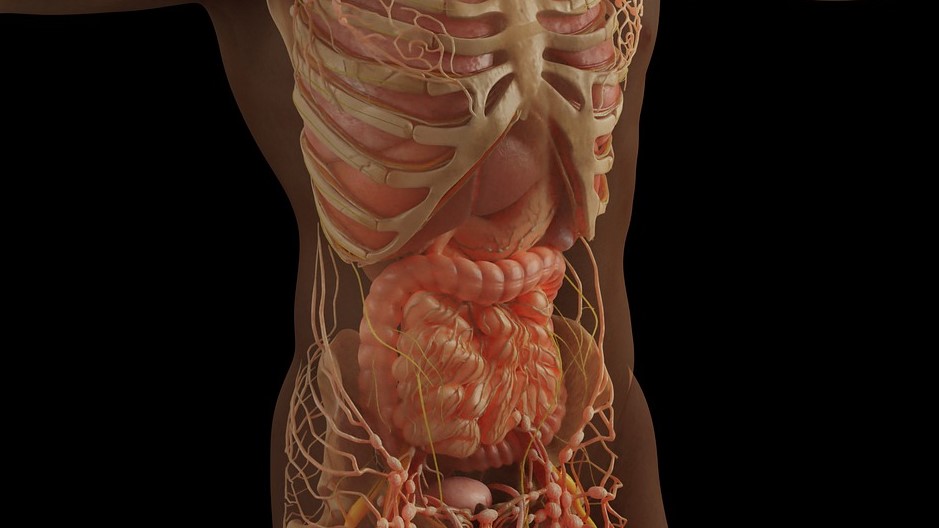
In a research paper published in Communications Biology, researchers from the University of Limerick have detailed the development and structure of the mesentery. In doing this, they uncovered a new order by which all contents of the abdomen are organised or arranged – or the “fundamental order of the abdomen”, where organs are in one of two compartments.

Professor Calvin Coffey, Foundation Chair of Surgery at UL’s School of Medicine in Ireland, whose major discovery led to the reclassification of the mesentery as a new organ in 2016, has published new research on the makeup and structure of the abdomen.

The importance of these findings on the mesentery and the impact these have on our understanding of the abdomen have been further explained in a review article just published in the Lancet Gastroenterology and Hepatology.

Prof Coffey explained that his team have been looking at the development and structure of the mesentery since 2016.

“We showed how the mesentery is a single and continuous organ in and on which all abdominal digestive organs develop and then remain connected to throughout life,” he explained.

“These findings revealed a simplicity in the abdomen that was not apparent in conventional descriptions of anatomy.”

The international team of researchers used cutting edge techniques to clarify how the mesentery develops and the shape it has in adults.

Their work revealed that the organisation of the abdomen has a remarkably simple design.

“The abdomen is not the dauntingly complex collection of separate organs it was previously thought to be,” said Prof Coffey.

“Instead, all digestive organs are neatly packaged and arranged by the mesentery into a single digestive engine. That simplicity lay hidden until clarification of the nature of the mesentery.”

The model itself was described by the team in the most recent edition of Gray’s Anatomy. The supportive evidence was published in Communications Biology and the clinical importance was explained in the review in The Lancet Gastroenterology and Hepatology.

“The most important finding here was the discovery of the fundamental order of the abdomen. At the foundation level, all contents of the abdomen are simply organised into one of two compartments,” explained Prof Coffey.

“The fundamental order of any structure is of considerable importance, in particular when it comes to diagnosing patients with illness and treating their disease. The fundamental order is the foundation from which all science launches and clinical practice is based.

“The organisational simplicity of the abdomen now immediately explains the behaviours of viral and bacterial infections, cancer, inflammatory bowel disease, obesity, diabetes and many others,” he added.

Improvements in surgery have been made to surgery by a better understanding of the mesentery and its functions, and the new research builds on those advances. There are also exciting areas for future investigation, according to Prof Coffey.

“Patients are already benefiting from what we now call mesenteric-based approaches to the diagnosis and treatment of most abdominal conditions. The Mesenteric Model of Abdominal Anatomy – or the description of the order of the abdomen – is being incorporated into numerous reference curricula at this moment,” he said.

“Regarding the future, it is being argued that we are seeing a paradigmatic shift from old to new order. Already, intriguing questions are emerging that we can call ‘legitimate or admissible’ in the strictest scientific sense. Science can approach numerous questions in a new light.  Clinicians can design diagnostic and treatment approaches based on a new foundation,” Prof Coffey concluded.

Source: EurekAlert!

US Sees Surge in Hypertension Hospitalisations

Photo by Camilo Jimenez on Unsplash

The number of people hospitalised for a hypertensive crisis in the US more than doubled from 2002 to 2014, according to researchers from Cedars-Sinai Medical Center. Possible causes included socioeconomic factors such as reduced access to healthcare.

A hypertensive crisis is an acute, marked elevation in blood pressure that is associated with signs of target-organ damage. This increase in hypertensive crises happened at a time when some studies reported overall progress in blood pressure control and a decline in related cardiovascular events in the US. The findings are published in the Journal of the American Heart Association.

“Although more people have been able to manage their blood pressure over the last few years, we’re not seeing this improvement translate into fewer hospitalisations for hypertensive crisis,” said first author Joseph E. Ebinger, MD, a clinical cardiologist and director of clinical analytics at the Smidt Heart Institute

Dr Ebinger said there could be a number of explanations for the incrrease. More people may be unable to afford hypertension medications or are taking inadequate doses of these drugs. Socioeconomic factors may also make it difficult for people to avoid unhealthy behaviours that can contribute to hypertension, such as smoking, as well as having limited access to health care and other concerns.

“We need more research to understand why this is happening and how clinicians can help patients stay out of the hospital,” Dr Ebinger said.

For their study, the investigators used data from the National Inpatient Sample, which is a publicly available database. The data include a subset of all hospitalisations across the US, providing a picture of nationwide trends. They found that annual hospitalisations for hypertensive crises more than doubled over a 13-year period. Hospitalisations related to hypertensive crises accounted for 0.17% of all admissions for men in 2002 but 0.39% in 2014, and represented 0.16% of all admissions for women in 2002 but 0.34% in 2014.

The mortality risk for hypertensive crisis, however, did decrease slightly overall during the studied time period. Women died at the same rate as men, even though they had fewer health issues than men who also were hospitalised for a hypertensive crisis.

“These findings raise the question: Are there sex-specific biologic mechanisms that place women at greater risk for dying during a hypertensive crisis?” said senior study author Susan Cheng, MD, MPH, director of the Institute for Research on Healthy Aging in the Department of Cardiology at the Smidt Heart Institute. “By understanding these processes, we could prevent more deaths among women,” she added.

Source: Cedars-Sinai Medical Center

Mediclinic and Discovery Sound Warnings over NHI Bill

Photo by Markus Winkler on Unsplash

Private hospital group Mediclinic has warned that the government’s proposed National Health Insurance (NHI) system will threaten public health in South Africa, and bring about the destruction of private healthcare and medical aid cover.

The NHI Bill is currently undergoing a public consultation process, with a number of healthcare, civil society and political groups presenting on why the new system should or should not be introduced.

The Bill as it stands will have a direct impact on access to healthcare services in South Africa. Mediclinic notes that there are insufficient resources to implement it; private-sector hospitals will be curtailed; and medical aids will be eroded.

The financial and human resources necessary to effectively implement the NHI scheme is a legitimate concern, Mediclinic said. It pointed out South Africa’s low doctor- and nurse-to-population ratios are low compared to peer countries.

“Everyone’s right of access to health care services would be threatened if the existing health care delivery system is uprooted and the NHI scheme envisaged in the Bill cannot be effectively implemented,” it said.

Private healthcare is an integral part of the healthcare system with everything from hospital beds to staff at risk if replaced by the NHI.

The Bill’s key components threaten the private hospital sector, with the contracting and reimbursement frameworks proposed in it unable to accommodate private hospital participation.

Additionally, the NHI Fund will create a monopoly by acting as the single purchaser of health care services in South Africa, capable of harming the competition and eroding private sector resources.

Medical scheme provider Discovery said that current private health care funding amounts to R212 billion, some 44% of the total healthcare spend. If the government were to finance this through direct taxation, this would equate to 4.1% of GDP, an unfeasible amount.

Mediclinic also warned that medical aid in South Africa would be significantly eroded under the NHI, meaning only the bare basics for South Africans needing medical care, and expensive treatments being unavailable. It gave the example of a patient with chronic renal failure receiving haemodialysis treatment currently covered by a medical scheme, and showed that the patient would be placed on a long waiting list for this life-saving treatment since it was covered (but not properly funded) by the NHI.

Source: BusinessTech

Solar-powered Oxygen System Saves Lives in Somalia

A newly installed solar-powered medical oxygen system at a hospital in central Somalia is proving effective in saving lives, Somali and World Health Organization doctors told Voice of America.

The innovative solar oxygen system, the first of its kind in the country, was installed at Hanaano hospital, in the central town of Dhusamareb a year ago. Doctors say the system is having an impact and helping save the lives of very young patients.

“This innovation is giving us promise and hopes,” says Dr Mamunur Rahman Malik, WHO Somalia Representative.

According to Dr Malik, 171 patients received oxygen at the hospital from the solar-powered system from February to October 2021. Of these, only three patients died, and five others were referred to other hospitals.

Every year some 15 000 to 20 000 deaths occur in Somalia among children under five years of age due to pneumonia, said Dr Malik, making it the deadliest disease among under-fives.

The director of Hanaano hospital, Dr Mohamed Abdi, said the innovation is making a difference.

“It has helped a lot, it has saved more than a hundred people who received the service,” he said to VOA Somali.

“It was a problem for the children under one year and the children who are born six months to get enough oxygen. Now we are not worried about oxygen availability if the electricity goes out because there are the oxygen concentrators.”

One patient was Abdiaziz Omar Abdi, admitted to the hospital on January 16 with severe pneumonia and was struggling to breathe normally. The oxygen rate in his body had dropped to 60%, Dr Abdi said. Doctors immediately put him on oxygen along with ampicillin and dexamethasone medications. When discharged three days later, he was breathing normally. His oxygen was up to 90%.

Dr Malik said the oxygen is being used to treat a wide range of medical conditions – asphyxia, pneumonia, injuries, trauma, and road traffic accidents.

“We have seen in other countries that use of solar-powered medical oxygen (if applied in a timely manner) can save up to 35% of deaths from childhood pneumonia,” he said, adding that it could save the lives of at least 7000 children who die “needlessly” due to pneumonia.

The initiative to install solar-powered bio-medical equipment at Hanaano hospital emerged during the height of COVID in 2020, at a time when people were dying due to respiratory problems. Hospitals were unable to keep up with case loads and the cost of a cylinder of oxygen rose to between $400 to $600, and only 20% of health facilities had any kind of access to oxygen, said Dr Malik.

“If you look at the current situation, as of today Somalia needs close to 3000 or 4000 cubic metres of oxygen per day. So, oxygen was the biggest need in all the hospitals.”

Solar power can also be used for medical refrigerators, and their use is becoming widespread in Africa.

Source: Voice of America

Robot Performs Surgery Without Human Assistance

Photo by Tara Winstead from Pexels

In a significant step toward fully automated surgery on humans, a robot has performed laparoscopic surgery on the soft tissue of a pig without human guidance. 

Designed by a team of Johns Hopkins University researchers, the Smart Tissue Autonomous Robot (STAR) is described in Science Robotics.

“Our findings show that we can automate one of the most intricate and delicate tasks in surgery: the reconnection of two ends of an intestine. The STAR performed the procedure in four animals and it produced significantly better results than humans performing the same procedure,” said senior author Axel Krieger, PhD, an assistant professor at John Hopkins University.

The robot excelled at intestinal anastomosis, which connects the two ends of an intestine. It is a procedure that requires a high level of repetitive motion and precision and is arguably the most challenging step in gastrointestinal surgery, requiring a surgeon to accurately and consistently suture. A slight hand tremor or misplaced stitch can result in a leak with potentially catastrophic complications for the patient.

The team developed a vision-guided system designed specifically to suture soft tissue. Their current iteration advances a 2016 model that repaired a pig’s intestines accurately, but required a large incision to access the intestine and more guidance from humans.

The team equipped the STAR with new features for enhanced autonomy and improved surgical precision, including specialised suturing tools and state-of-the art imaging systems that provide more accurate visualisations of the surgical field.

Soft-tissue surgery is especially hard for robots because of its unpredictability, forcing them to be able to adapt quickly to handle unexpected obstacles, Dr Krieger said. STAR features a novel control system that can adjust the surgical plan in real time, just as a human surgeon would.

As the medical field moves towards more laparoscopic approaches for surgeries, it will be important to have an automated robotic system designed for such procedures to assist, Dr Krieger said.

“Robotic anastomosis is one way to ensure that surgical tasks that require high precision and repeatability can be performed with more accuracy and precision in every patient independent of surgeon skill,” Dr Krieger said.

“We hypothesise that this will result in a democratised surgical approach to patient care with more predictable and consistent patient outcomes.”

Source: John Hopkins University

In Chronic Disease, Psychiatric Comorbidity Doubles Mortality Risk

Photo by Sydney Sims on Unsplash

The risk of all-cause mortality among patients with chronic, non-communicable diseases is more than doubled if they also have a psychiatric comorbidity, according to a new study published in PLOS Medicine.

Non-communicable diseases such as diabetes and heart disease are a global public health challenge accounting for an estimated 40 million excess deaths annually. Researchers drew on Swedish health data for 1 million patients born between 1932 and 1995 who had diagnoses of chronic lung disease, cardiovascular disease, and diabetes. More than a quarter of the people in the analysis also had a co-occurring psychiatric disorder during their lives.

Within 5 years of diagnosis, 7% of the people included in the study had died from any cause and 0.3% had died from suicide. Comorbid psychiatric disorders were associated with higher all-cause mortality (15.4% to 21.1%) when compared to those without such conditions (5.5% to 9.1%). When compared with an unaffected sibling to account for familial risk factors, patients with psychiatric comorbidity remained consistently associated with elevated rates of premature mortality and suicide (7.2–8.9 times higher). Different psychiatric diagnoses affected mortality risks; in those with comorbid substance use disorder it was 8.3–9.9 times compared to unaffected siblings, and by 5.3–7.4 times in those with comorbid depression.

“Improving assessment, treatment, and follow-up of people with comorbid psychiatric disorders may reduce the risk of mortality in people with chronic non-communicable diseases,” the authors concluded.

Source: EurekAlert!