Year: 2022

Body Fat Linked to Risk of Reduced Cognitive Function

Photo by Andres Ayrton from Pexels

A new study published in JAMA Network Open has found that greater body fat is a risk factor for reduced cognitive function, such as processing speed, in adults.

Even when accounting for cardiovascular risk factors or vascular brain injury, the association between body fat and lower cognitive scores persisted. This suggests other, currently unknown, mechanisms linking excess body fat to reduced cognitive function.

For the study, 9166 participants were measured by bioelectrical impedance analysis to assess their total body fat. In addition, 6733 underwent magnetic resonance imaging (MRI) to measure abdominal fat packed around the organs known as visceral fat, and the MRI measured vascular brain injury, including silent brain infarctions and high white matter hyperintensities. Cardiovascular risk factors were measured using health and lifestyle questions and physical measures, and cognitive assessment was measured by the Digital Symbol Substitution Test and the Montreal Cognitive Assessment.

Lead author Sonia Anand, lead author, professor of medicine of McMaster University said: “Our results suggest that strategies to prevent or reduce having too much body fat may preserve cognitive function.”

She added that “the effect of increased body fat persisted even after adjusting for its effect on increasing cardiovascular risk factors like diabetes and high blood pressure, as well as vascular brain injury, which should prompt researchers to investigate which other pathways may link excess fat to reduced cognitive function.”

Co-author Eric Smith, associate professor of clinical neurosciences at the University of Calgary, said that “preserving cognitive function is one of the best ways to prevent dementia in old age. This study suggests that one of the ways that good nutrition and physical activity prevent dementia may be by maintaining a healthy weight and body fat percentage.”

Participants had no existing cardiovascular diseases, and ranged in age from 30 to 75, with an average age of about 58 and 56% were women. Most were White European origin, with about 16% other ethnic backgrounds. 

Source: McMaster University
Meat, Gut Bacteria and Multiple Sclerosis

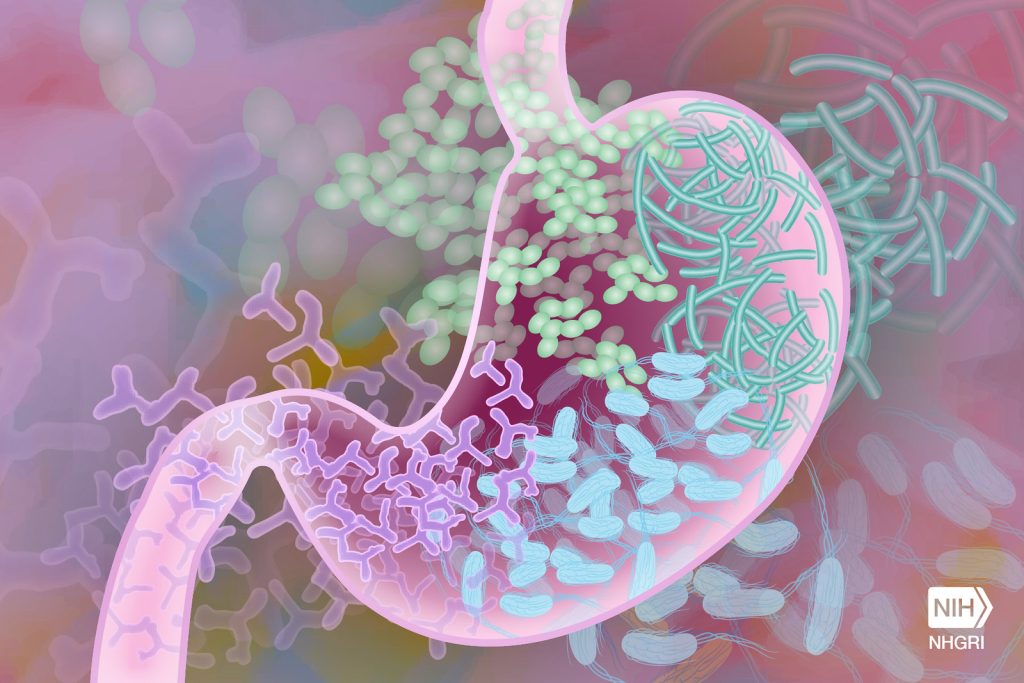
Gut microbiome. Credit: Darryl Leja, NIH

There appears to be a link between eating meat, gut bacteria and multiple sclerosis, according to new research published in EBioMedicine. The study teased out subtle connections that could lead to a better understanding of the causes of the disease.

The autoimmune disease multiple sclerosis (MS) is more prevalent in specific regions, particularly the northern mid-latitudes, suggesting that geography is somehow linked to the disease, perhaps involving diet. However, the exact relationships between diet, immune response, and MS has been a mystery. What exactly triggers the body to attack the myelin sheaths in MS in the first place is unknown.

Growing evidence suggests that bacteria might play a role. Gut bacteria affect the immune system, and diet affects the gut. Researchers studied the gut microbiome, immune systems, diet, and blood metabolites in 25 MS patients and 24 healthy controls to look for any subtle but important correlations.

“We found a number of gut bacteria associated with MS and severity of disability of MS patients,” said Dr Yanjiao Zhou. “We also found increased autoimmune markers and signature metabolites in MS. But what is really interesting is how these systems connect with each other, and how diet is involved in these connections. Using multi-OMICS approaches, we try to close the loop and show the associations between multiple systems.”

Meat eating was the strongest link in their analysis, where higher meat consumption saw a decrease in the population of Bacteroides thetaiotaomicron, a bacteria associated with digesting carbohydrates from vegetables.

Higher meat consumption, seen in the MS patients, was also linked to an increase in T-helper 17 cells in the immune system, and an increase in S-adenosyl-L-methionine (SAM) in their blood.

Meat eating was not a predictor of MS. But the evidence suggested that, in MS, something causes gut bacteria to disassociate with the immune system, leading to heightened T-helper 17 cells and autoimmune attacks on the nervous system. And it tends to be associated with eating meat.

Future research aims to recruit more volunteers, including those with more severe MS. Eventually they hope to understand more of the cause-and-effect between diet, bacterial ecosystems in the gut, and immune response, and potentially help prevent or mitigate MS symptoms in people suffering from the disease.

Source: University of Connecticut

Effects of Fathers’ Prenatal Alcohol Exposure Manifests in Offspring

Source: Pixabay

Researchers have discovered that males exposed to alcohol in utero later pass on those effects to their offspring during foetal development, through reduced placental efficiency. The study appears in FASEB Journal.

Dr Michael Golding, an associate professor at Texas A&M University has spent years investigating the father’s role, with regard to drugs and alcohol, in foetal development. Studies have shown that males pass down more than just their genetics, Dr Golding said, but exactly how that process works and the its consequences are still largely unknown.

“When you look at the data from throughout human history, there’s clear evidence that there’s something beyond just genetics being inherited from the male,” Dr Golding said. “So, if that data is solid, we’ve got to start looking more at male behaviour.

“Say you had a parent who was exposed to starvation – they could pass on what you might call a ‘thriftiness,’ where their kids can derive more nutrition from less food,” he said. “That could be a positive if they grow up in a similar environment, or they could grow up in a time when starvation isn’t an issue and they might be more prone to obesity or metabolic syndromes. That kind of data is clearly present in clinical data from humans.”

Epigenetics, which is Dr Golding’s area of study of how things beyond genes, such as behaviour and environment, affect development is called. One of the big questions in the search for answers on how male prenatal behaviour can impact foetal growth has been the way these epigenetic factors manifest.

The team has shown that prenatal exposure to alcohol in males can manifest in the placenta: in mice, offspring of fathers exposed to alcohol have a number of placenta-related difficulties, including increased foetal growth restriction, enlarged placentas, and decreased placental efficiency.

“The placenta supplies nutrients to the growing foetus, so foetal growth restriction can be attributed to a less efficient placenta. This is why placental efficiency is such an important metric; it tells us how many grams of foetus are produced per gram of placenta,” said Thomas, a graduate student at Texas A&M. “With paternal alcohol exposure, placentas become overgrown as they try to compensate for their inefficiency in delivering nutrients to the foetus.”

However,while these increases happened frequently in male offspring, the frequency varied greatly based on the mother; however, the same increases were far less frequent in female offspring. Dr Golding thinks that although information is passed from the father, the mother’s genetics and the offspring’s sex are also involved.

“This is a novel observation because it says that there’s some complexity here,” Dr Golding said. “Yes, men can pass things on to their offspring beyond just genetics, but the mom’s genetics can interpret those epigenetic factors differently, and that ultimately changes the way that the placenta behaves.”

These results don’t draw a clear line in how drinking in human males prior to conception impacts foetal development, but they continue to at least point to it being a question that needs to be explored. 

Dr Golding is hoping that more questions will be asked about male prenatal behaviour so that there’s more data from which to work.

“The thing that I want to ultimately change is this stigma surrounding the development of birth defects,” Dr Golding said. “There’s information coming through in sperm that is going to impact the offspring but is not tied to the genetic code; it’s in your epigenetic code, and this is highly susceptible to environmental exposures, so the birth defects that we see might not be the mother’s fault; they might be the father’s or both, equally.”

Source: Texas A&M University

SA Doctors Report SARS-CoV-2 Mutations in a Patient with HIV

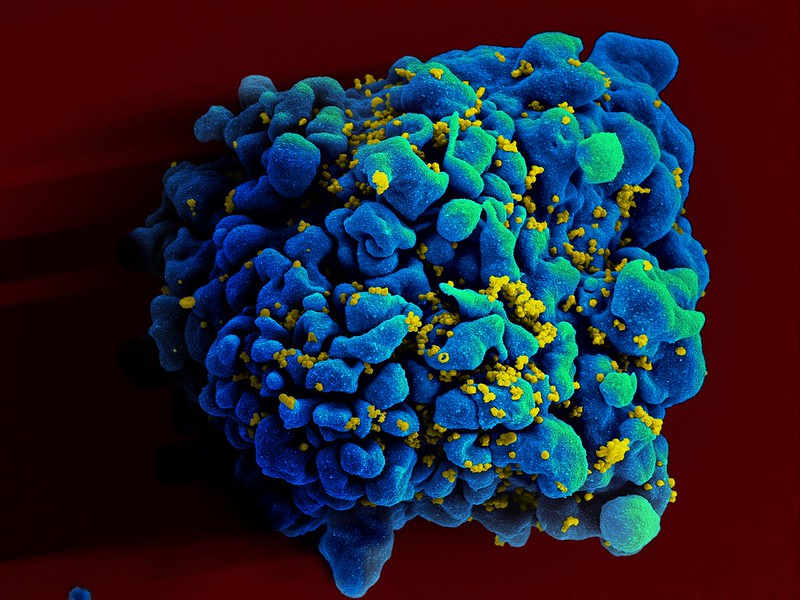
HIV Infecting a T9 Cell. Credit: NIH

In an article awaiting peer review, doctors in South Africa report on the case of a 22-year-old female with uncontrolled advanced HIV infection and a SARS-CoV-2 infection that lasted 9 months, during which time the virus accumulated more than 20 additional mutations. Antiretroviral therapy suppressed HIV and cleared the coronavirus within 6–9 weeks. 

One hypothesis for novel variants is that they arise in severely immunocompromised individuals. Being unable to clear the virus because of a weakened immune response results in a persistent infection, letting mutations accumulate – some of which may allow immune evasion. In one case, SARS-CoV-2 in a female leukaemia patient developed seven mutations over three months of infection.

The authors describe a case of persistent SARS-CoV-2 infection, lasting for at least 9 months, in a severely immunocompromised woman with HIV that had challenges with adherence to antiretroviral therapy.

In mid-September 2021, a female in her 20s was admitted to a tertiary hospital in Cape Town with a one-week history of sore throat, malaise, poor appetite and dysphagia. The patient was infected with HIV at birth. In January 2021, her antiretroviral therapy (ART) regimen had been changed to tenofovir, emtricitabine and efavirenz, but she had difficulty adhering. In August 2021 she moved from rural KwaZulu-Natal to Cape Town. She stated that she had not received a COVID vaccination.

“On physical examination, the patient was wasted but had no palpable lymph nodes,” the authors report. “She was awake and lucid, with no focal neurological deficits. She was not in respiratory distress with an oxygen saturation of 98% on room air. The cardiovascular and abdominal examinations, renal function, white cell count and liver enzymes were without abnormalities. Her CD4 count was 9 cells/μL and her plasma HIV viral load 4.60 log10 viral RNA copies/mL, indicating advanced HIV infection, poorly controlled by ART.

“During a prolonged hospital stay the patient experienced multiple complications requiring treatment. Following adherence counselling, antiretroviral therapy was reinitiated with a new regimen of tenofovir/efavirenz/dolutegravir a week after admission.” 

The patient tested positive for COVID on 25 September 2021, with genomic sequencing indicating the Beta variant. However, in October, the patient later revealed that she had tested positive for COVID in January 2021. On 25 November 2021, the patient’s HIV viral load was <50 copies/ml and a PCR test was negative for COVID. While there was no CD4 count performed, suppressed HIV replication and clearance of the SARS-CoV-2 infection suggest her immune system had recovered to some degree.

Phylogenetic analysis showed that the samples indicated an ongoing infection instead of re-infections. During the 9 months of infection, the virus acquired at least 10 mutations in the spike glycoprotein and 11 other mutations over and above the lineage-defining mutations for Beta.

The authors consider it unlikely that the novel variant described spread into the general population, and stress that it does not prove that any of the other novel variants originated from an immunocompromised host in this fashion.

Increased vigilance is warranted to benefit affected individuals and prevent the emergence of novel SARS-CoV-2 variants. They ascribed the detection of the case to good connections between sequencing laboratories, routine diagnostic laboratories and frontline clinicians.

The authors concluded that their experience “reinforces previous reports that effective ART is the key to controlling such events. Once HIV replication is brought under control and immune reconstitution commences, rapid clearance of SARS-CoV-2 is achieved, probably even before full immune reconstitution occurs. This underscores the broader point that gaps in the HIV care cascade need to be closed which will benefit other conditions and public health problems, too, including COVID.”

Promising Zika Vaccine Protects Foetus in Animal Trial

Mosquito
Photo by Егор Камелев on Unsplash

US researchers have shown that a Zika virus vaccine candidate is effective at preventing the Zika virus passing from mother to foetus in preclinical animal studies, according to a new study published in npj Vaccines.

“The vaccine has been shown to be safe for non-pregnant humans, but of course we need to know if it is safe and effective for the people at greatest risk: pregnant women and their fetuses,” said first author In-Jeong Kim, PhD, a viral immunologist at Trudeau Institute. “Our proof-of-concept studies conducted at Trudeau and Texas Biomed show very promising results that the vaccine given before pregnancy will provide high levels of protection for mothers and babies.”

The 2015–2016 Zika outbreak in Brazil and other countries in the Americas caused a surge in miscarriages and a constellation of birth defects, called Congenital Zika Syndrome, including abnormally small heads and neuro-developmental disorders.

“It’s important to test vaccines before the next large outbreak, because there will be another,” said senior author Jean Patterson, PhD, a virologist at Texas Biomed. “Zika is part of a family of viruses known to go through cycles. These viruses tend to spread rapidly through naïve populations that have never been exposed to the virus before, then infections drop down for years because most people have been exposed. As more and more people are born, there is a new group of naïve individuals in which the virus can once again wreak havoc. We want to help break that cycle.”

The purified, inactivated Zika vaccine (ZPIV) candidate was been tested in non-pregnant animals, showing it effectively clears the virus from blood. In Phase 1 human trials, it has been shown to be safe and elicit a protective immune response.

However for ethical and safety reasons, it is not possible to test whether the vaccine protects women and their foetuses from both infection and severe malformations, so animal models are used as a substitute.

Researchers tested the vaccine in pregnant mice and marmosets, respectively. The mouse studies, led by Dr Kim and Marcia Blackman, PhD, a viral immunologist at Trudeau, showed the vaccine prevented around 80% of foetal malformations, and neutralising antibodies were detected in foetal blood samples eight days after infection.

“We were able to detect maternal antibodies in the fetus during pregnancy and the results suggest the antibodies play a critical role in protecting fetuses from Zika virus,” Dr Kim said.

Marmosets are more sensitive to Zika infection than other nonhuman primates; previous research showed foetuses were aborted within two weeks of maternal infection.

In this study, four marmosets were immunised with the ZPIV vaccine and then exposed to Zika virus after they became pregnant. Only 1 of 12 offspring tested positive for Zika virus, demonstrating more than 90% effectiveness.

“Because the animals became pregnant at different times, our study was able to show the vaccine confers protection for at least 18 months after vaccination, which is important for showing long-lasting immunity,” Dr Patterson said.

The researchers are already testing what happens when the vaccine is administered during pregnancy.

“These studies add evidence that the Zika vaccine WRAIR developed not only protects animals against Zika virus infection, but also the congenital defects that mimic what has been observed in people,” says Kayvon Modjarrad, MD, PhD, who leads the US Army Zika vaccine programme. “Together with the early phase clinical trials, we believe these data lend even more support that this vaccine platform is a viable approach for countering the persistent threat of Zika.”

Source: Texas Biomedical Research Institute

Netcare Seeking a Buyer for Bougainville Hospital

Credit: Netcare

Netcare is looking for a buyer for its 60-bed Netcare Bougainville Hospital in Pretoria West, which first opened its doors in 1997.

Commenting on the development, Johan Smal, regional director of Netcare’s North East region said that unless a suitable buyer was found, the hospital would close its doors on 30 April 2022.

In outlining the reasons for the closure of the facility, Smal said that Netcare’s hospital division continually conducted strategic reviews of its asset portfolio in which Netcare Bougainville Hospital was identified as an under-performing facility for a sustained period.

“The hospital’s under-performance has prevailed from before COVID and this was further exacerbated by the adverse effects of the pandemic, in the past 24 months. These and other circumstances have rendered it uneconomical to retain Netcare Bougainville Hospital in the current business environment.”

“We have been in consultation with staff, doctors and facility management to notify them that the hospital may have to close. In addition the Department of Health, unions and other key stakeholders have been kept firmly updated on developments,” he added.

Sydney Masalla, general manager of Netcare Bougainville Hospital has confirmed that there are at present only three resident specialists on site at the hospital who also work at other facilities.

“In addition we have only 37 active staff members with whom we are in discussion regarding viable alternative employment options.”

Smal concluded by thanking patients, doctors, staff as well as healthcare service providers for their support through the years stating that they were an integral part of the history of Netcare Bougainville Hospital and the greater South African landscape.

“I am confident that we will continue working together, as we have in the past, in other Netcare facilities – this is therefore not farewell,” he concluded.

GLP-1: The Missing Link of Diabetes and Hypertension

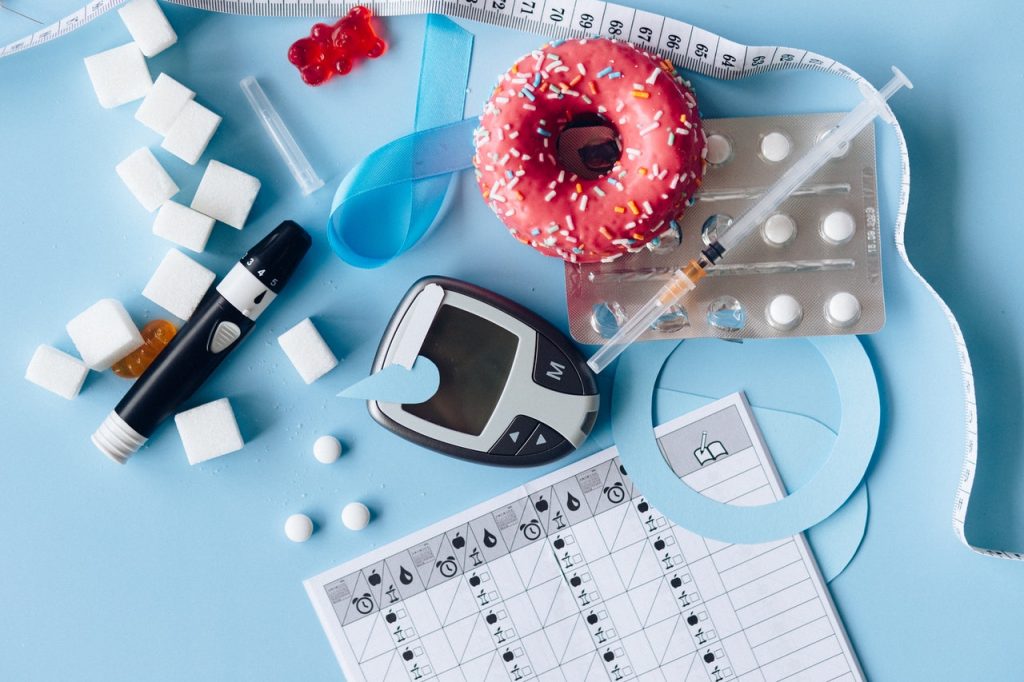
Image by Nataliya Vaitkevich on Pexels

An international team of researchers has finally cracked the puzzle of why so many patients with hypertension also have diabetes. Their discovery has shown that glucagon-like peptide-1 (GLP-1) couples the body’s control of blood glucose and blood pressure.

Senior Author Professor Julian Paton at the University of Auckland, said: “We’ve known for a long time that hypertension and diabetes are inextricably linked and have finally discovered the reason, which will now inform new treatment strategies.”

The study is published online in Circulation Research.

It has long been known that GLP-1 is released from the wall of the gut after eating and acts to stimulate insulin from the pancreas to control blood sugar levels.  However, the researchers found that GLP-1 also stimulates the carotid body, a chemoreceptor located in the neck.

Researchers used RNA sequencing to read all the messages of the expressed genes in the carotid body in rats with and without high blood pressure. This led to the finding that the receptor that senses GLP-1 is located in the carotid body, but less so in hypertensive rats.

David Murphy, Professor of Experimental Medicine from Bristol Medical School: Translational Health Sciences (THS) and senior author, explained: “Locating the link required genetic profiling and multiple steps of validation.  We never expected to see GLP-1 come up on the radar, so this is very exciting and opens many new opportunities.”

Professor Paton added: “The carotid body is the convergent point where GLP-1 acts to control both blood sugar and blood pressure simultaneously; this is coordinated by the nervous system which is instructed by the carotid body.”

Even when on medication, many patients with hypertension and/or diabetes are at high risk of life-threatening cardiovascular disease. This is because most medications only treat symptoms and not causes of high blood pressure and high sugar.

Professor Rod Jackson, an epidemiologist from the University of Auckland, said: “We’ve known that blood pressure is notoriously difficult to control in patients with high blood sugar, so these findings are really important because by giving GLP-1 we might be able to reduce both sugar and pressure together, and these two factors are major contributors to cardiovascular risk.”

Lead author Audrys Pauža, PhD student in the Bristol Medical School, added: “The prevalence of diabetes and hypertension is increasing throughout the world, and there is an urgent need to address this.

“Drugs targeting the GLP-1 receptor are already approved for use in humans and widely used to treat diabetes. Besides helping to lower blood sugar these drugs also reduce blood pressure, however, the mechanism of this effect wasn’t well understood.

“This research revealed that these drugs may actually work on the carotid bodies to enact their anti-hypertensive effect. Leading from this work, we are already planning translational studies in humans to bring this discovery into practice so that patients most at risk can receive the best treatment available.”

The research has also revealed many novel targets for ongoing functional studies that the team hope will lead to studies in human hypertensive and diabetic patients.

Source: University of Bristol

Bleeding from Full-dose Anticoagulants in COVID ICU Patients

Photo by Mufid Majnun on Unsplash

COVID patients in intensive care units (ICU) receiving full-dose anticoagulants are significantly more likely to experience heavy bleeding than patients prescribed a smaller yet equally effective dose, according to a recent study.

The research, which compared the safety and effectiveness of blood clot treatment strategies for more than 150 critically ill COVID patients at two hospitals, found that almost all patients who experienced significant bleeding were on mechanically ventilation and receiving full-dose anticoagulants.

The results, published last month in Hospital Pharmacy, may inform treatment guidelines for blood clots in hospitalised COVID patients, who are at an increased risk for both blood clots and severe bleeding. Previous reports have found that 17% of hospitalised COVID patients experience blood clots, said first author Maya Chilbert, PharmD, clinical assistant professor in the UB School of Pharmacy and Pharmaceutical Sciences.

“A wide variety of practice exists when it comes to approaching blood clots in hospitalized patients with COVID, and there is little data to suggest improved outcomes using one strategy versus another,” said Chilbert. “Caution should be used in mechanically ventilated patients with COVID when selecting a regimen to treat blood clots, and the decision to use full-dose blood thinners should be based on a compelling indication rather than lab markers alone.”

The study analysed the outcome of blood clot treatments and the rate of bleeding events for more than 150 patients with COVID-19 who received either of two blood thinner regimens: a full-dose based on patient levels of D-dimer, and the other a smaller but higher-than-standard dosage.

Patients’ average age was 58, and all experienced elevated levels of D-dimer, fibrinogen, and prothrombin time.

Significant bleeding events were experienced by almost 14% of patients receiving full-dose anticoagulants, compared to only 3% of patients who received a higher-than-standard dosage. All patients who experienced bleeding events were on mechanical ventilation. No difference was reported in the regimens’ effectiveness at treating blood clots.
Further investigation is needed to determine the optimal strategy for treating blood clots and bleeding in hospitalised COVID patients, said Asst Prof Chilbert.

Source: University at Buffalo

National Treasury Proposes e-Cigarette Tax

Photo by Toan Nguyen on Unsplash

The National Treasury is proposing to impose a tax on both the non-nicotine and nicotine solutions in e-cigarettes (EC), and is asking for public comment by 7 February 2022.

The National Treasury published a draft discussion paper in December 2021 on the proposed taxation of e-cigarettes (ECs). The National Treasury defines e-cigarettes as battery powered devices that do not burn or use tobacco leaves but vaporise e-liquid solutions for inhalation.

In its discussion paper, the Treasury notes the uncertainty of e-cigarettes’ health risks, so it seeks stakeholder engagement on its proposal for the taxation of ECs.

The National Treasury proposes to introduce a specific excise tax on both the non-nicotine and nicotine solutions used in ECs and intends to use its existing policy guidelines applicable to other excisable products to do so. For example, traditional tobacco products are subject to excise duties at a rate of 40% of the price of the most popular brand in each tobacco category. 

For EC users, that would mean paying R2.03 per mL of EC solution nicotine-containing nicotine and R0.87 per mL of nicotine-free EC solution, if the draft proposals are accepted and become legislation. It is also proposed that EC products with a higher nicotine content will attract a higher duty rate.
Certain stakeholders may question that the Treasury’s proposed EC tax extends to nicotine-free liquids, as it does not necessarily support the government’s stated policy intention of reducing the consumption of tobacco products. The use of ECs as a means of quitting tobacco products is well established, with a Cochrane review showing that nicotine-containing ECs resulted in increased odds of quitting than nicotine-free ECs. 
It could also generate a knock-on illicit trade in e-cigarettes, as has  already happened in the tobacco sector.

Manufacturers and importers who would be taxed on ECs will need stringent certifications by accredited laboratories, which use either South African National Accreditation or International Laboratory Accreditation Cooperation (ILAC) approved methodologies.  Where such certifications are not available, a penalty rate of duty is being proposed.

Comments on the draft discussion document are due by 7 February 2022.

Source: Webber Wentzel

Nitazoxanide Flops in South African COVID Trial

Photo by Artem Podrez on Pexels

Interim analysis of a South African clinical trial has revealed that nitazoxanide, an oral antiparasitic agent with antiviral properties, was ineffective in improving outcomes in ambulatory patients with mild-to-moderate COVID.

Funded by the South African Medical Research Council (SAMRC), the study was performed at four sites in South Africa. The primary goal of the trial was to evaluate the effectiveness of nitazoxanide (1g twice daily for 7 days) in reducing the progression from mild to severe COVID in ambulatory patients. Progression to severe disease was defined as hospitalisation or death. The trial underwent an interim analysis at 67% of the recruitment target (290 participants), and the data was reviewed by an independent data and safety monitoring board (DSMB). Following the interim analysis, the DSMB recommended halting recruitment of the trial on the grounds of futility.

No significant difference was seen in serious adverse events, which included all causes of hospitalisation and death, between the nitazoxanide and the placebo groups [12/144 (8.3%) vs 10/146 (6.8%)]. Hospitalisation and death specifically due to COVID showed the same pattern [7/144 (4.9%) vs 8/146 (5.5%)].

Principal investigator Prof Keertan Dheda from the University of Cape Town (UCT) and the London School of Hygiene and Tropical Medicine, said that the results of the trial, although disappointing, contributes to the growing body of evidence, clarifying what works and what doesn’t for the treatment of COVID. Thus, clarifying what does not work is as important as finding effective therapies so that clinically useful management algorithms can be developed.

Nitazoxanide is a low-cost broad-spectrum antiviral drug with an extensive safety record. Originally developed as antiparasitic, it seemed promising against SARS-CoV-2 in the lab but the real world test did not show any benefit. It is still possible that nitazoxanide may be of benefit at higher doses (greater than the dose used in the trial, which was already twice the normal dose), however this will most likely cause an increase in intolerable gastrointestinal side effects. “The next step will be to focus on formally publishing the data in a peer reviewed journal and to evaluate secondary objectives of the study, including assessing the efficacy of nitazoxanide in reducing the duration of illness, reducing SARS-CoV-2 viral load, and its efficacy, if any, in preventing COVID in close contacts,” said Prof Dheda.

Prof Dheda concluded that nitazoxanide could have a less than 30% benefit which may be detectable in a larger study. However, it is questionable whether such an effect size is clinically relevant given the number needed to treat to prevent disease progression, adverse events, cost and that other therapies have emerged (eg paxlovid) with an efficacy benefit of greater than 80%.

SAMRC President and CEO, Prof Glenda Gray said although the study did not meet its primary endpoint, the results are an important addition into the scientific repository. “COVID and HIV in their very nature are unique and complex viruses which have posed unprecedented challenges for vaccine development, globally – however, the knowledge gained from this trial will help us advance our pursuit of effective therapies and vaccines for both COVID and HIV alike,” said Prof Gray.

Prof Gray, who also has led numerous trials in search of effective HIV and COVID vaccines, said COVID poses substantial challenges for those living with HIV which evades the immune system. “Until an effective vaccine has been found, all people living with HIV should take all recommended preventive measures to minimise their exposure to COVID,” concluded Prof Gray.

Source: South African Medical Research Council