Researchers found similar oral bacterial compositions among patients with early rheumatoid arthritis and those at risk of developing the disease, compared with healthy individuals who were not at risk.
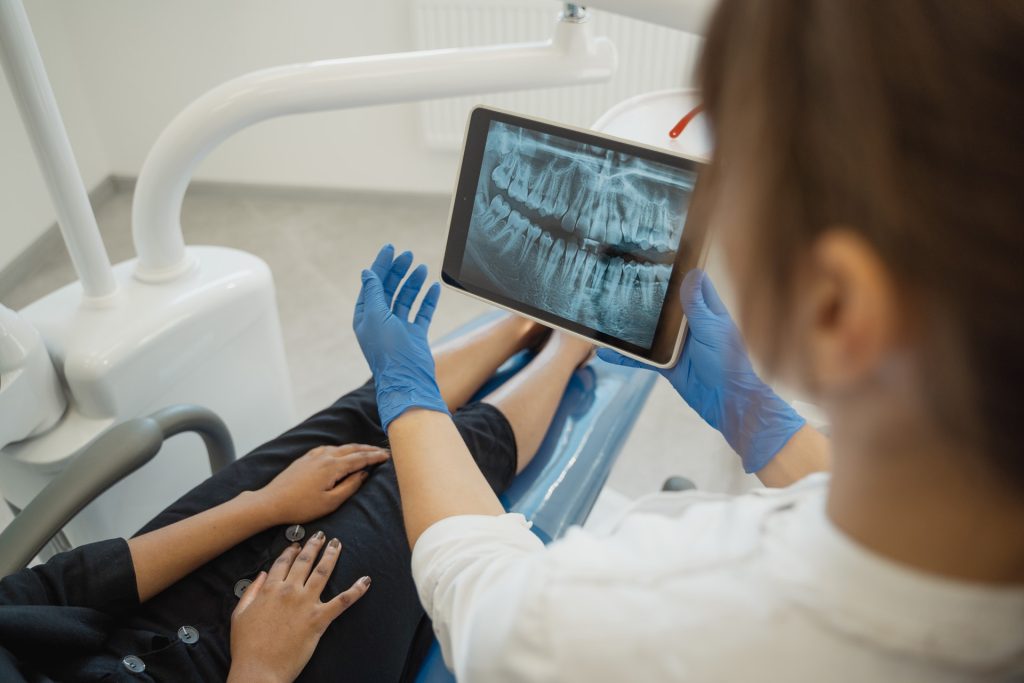
The oral cavity is host to approximately 800 identified species of bacteria. The periodontum, ie the tissue surrounding the tooth, can become inflamed because of a complex interaction of bacterial infection and the body’s response, modified by behavioural factors such as smoking, result in periodontal disease. Periodontal disease has been shown to be caused by certain diseases and medical conditions, and may also cause them. Periodontitis is prevalent among rheumatoid arthritis patients.
The researchers recruited three groups of 50 participants each: early rheumatoid arthritis patients, at‐risk individuals, and healthy controls. They were given periodontal examinations and assessed for bleeding on probing, pocket probing depth, and periodontal inflamed surface area. The microbial composition of subgingival dental plaque, saliva, and tongue coating was assessed using 16S rDNA amplicon sequencing, and compared between groups.
They found that patients and at-risk individuals had an increased relative abundance of potentially pro- inflammatory bacteria in the mouth, suggestive of a possible relationship between oral microbes and rheumatoid arthritis.
“Prevotella and Veillonella–both gram-negative anaerobes–were at higher relative abundance in saliva, and Veillonella was also at higher relative abundance in tongue coating, of both early rheumatoid arthritis patients and at-risk individuals compared to healthy controls,” the authors wrote.
The findings were published in Arthritis & Rheumatology.
Journal information: Kroese, J. M., et al. (2021) The oral microbiome in early rheumatoid arthritis patients and individuals at risk differs from healthy controls. Arthritis & Rheumatology. doi.org/10.1002/art.41780.
‘Vaccine shedding’ is the new disinformation being circulated among anti-vaxxers.
When a school in Florida, US announced that it wouldn’t allow vaccinated teachers in its classrooms, its founder said “vaccine shedding” was her main concern.
Paediatrician Nicole Baldwin, MD, said the anti-vaxx community is buzzing with this latest bit of disinformation.
“It’s amazing, and sad, what people will believe,” Dr Baldwin told MedPage Today.
This piece of disinformation follows that vaccinated people can somehow shed the spike protein, supposedly causing menstrual cycle irregularities, miscarriages, and sterility in women, merely by being in proximity.
“This is a new low, from the delusional wing of the anti-vaxx cult,” said Zubin Damania, MD, aka ZDoggMD, in a video he recently posted to bust vaccine shedding myths.
Damania explained that the misinformation arises from a previous claim that syncytin, a protein involved in placental formation, has some structural similarity SARS-CoV-2 spike protein, and so vaccination would interfere with women’s reproductive systems. Numerous fact checks have shown that vaccines don’t target the protein.
On injection, mRNA and viral vector vaccines prompt cells to make the spike protein, but it’s usually cleared in 24 to 48 hours, leaving little opportunity for “shedding,” even if it was possible, which it isn’t, underscored Dr Damania.
He pointed out another logical fallacy: “Why, then, wouldn’t natural spike protein do the same thing? Wouldn’t you be more scared of natural coronavirus infection? Oh, but it’s ‘natural.'”
There are legitimate questions about and research on whether the coronavirus itself and vaccines affect women’s menstrual cycles, he added. Since the beginning of the pandemic, women who’ve had COVID reported changes to their menstrual cycle, and Dr Damania said that researchers are examining reports of menstrual cycle changes after vaccination.
Regarding the potential relationship to vaccination, “we don’t understand, first, if it’s true, and if it were true, what is the mechanism?” he said. “Anything that causes stress, inflammation, and an immune response may have an effect on the menstrual cycle. […] Could it be that the vaccine causes a temporary change in menses? Sure, it’s possible, and it’s being looked at.”
Pioneering new research has charted the unique genetic profile of the skeleton’s ‘master regulator’ cells, known as osteocytes.
The study led by the Garvan Institute of Medical Research was published in Nature Communications. The study describes the genes that are switched on or off in osteocytes, a multifunctional type of bone cell that regulates how bone material is grown or broken down in order to maintain healthy skeletons.
“This new information provides a kind of genetic shortlist we can look to when diagnosing bone diseases that have a genetic component,” said the study’s first author Dr Scott Youlten, Research Officer in the Bone Biology Lab. “Identifying this unique genetic pattern will also help us find new therapies for bone disease and better understand the impacts of current therapies on the skeleton.”
Far from static, the skeleton is a highly dynamic structure that is constantly remodelled throughout a person’s life. Though osteocytes are the most common cell type in bone, they have been hard to study as they are embedded within the skeleton’s hard mineral structure.
Osteocytes form a network inside bones on a scale and complexity which mirrors the neurons in the brain (42 billion osteocytes with over 23 trillion connections between them), which monitors bone health and responds to ageing and damage by signalling other cells to either add more bone or break down old bone. Osteoporosis, rare genetic skeletal disorders and other bone diseases arise from an imbalance in these processes.
To understand what genes are involved in controlling bone build-up or breakdown, the researchers isolated bone samples from different skeletal sites of experimental models in order to measure the average gene activity in osteocytes. In so doing, they found an osteocyte ‘signature’ of 1239 genes that are switched on. Of these genes, 77% had no previously known role in the skeleton, and many were completely novel and unique to osteocytes.
“Many of the genes we saw enriched in osteocytes are also found in neurons, which is interesting given these cells share similar physical characteristics and may suggest they are more closely related than we previously thought,” explained Dr Youlten.
Comparing the osteocyte signature genes with human genetic association studies of osteoporosis could identify new genes that may be associated with susceptibility to this common skeleton disease. Additionally, a number of these osteocyte genes were also shown to be responsible for rare bone diseases.
“Mapping the osteocyte transcriptome could help clinicians and researchers more easily establish whether a rare bone disease has a genetic cause, by looking through the ‘shortlist’ of genes known to play an active role in controlling the skeleton,” said Dr Youlten.
Co-senior author Professor Peter Croucher, Deputy Director of the Garvan Institute and Head of the Bone Biology Lab, said that “the osteocyte transcriptome map gives researchers a picture of the whole landscape of genes that are switched on in osteocytes for the first time, rather than just a small glimpse”.
“The majority of genes that we’ve found to be active within osteocytes had no previously known role in bones. This discovery will help us understand what controls the skeleton, which genes are important in rare and common skeletal diseases and help us identify new treatments that can stop development of bone disease and also restore lost bone.”
India postponed exams for trainee doctors and nurses on Monday, freeing them up to fight the world’s biggest surge in COVID infections, as the health system buckles under the weight of new cases, and a lack of beds and oxygen.
The total number of infections so far rose to just short of 20 million, propelled by a 12th straight day of more than 300 000 new cases.
Actual numbers in India could be five to 10 times higher than those reported, according to medical exports.
Hospitals have been overloaded, oxygen has run short, and morgues and crematoriums have struggled with the number of corpses. “Every time we have to struggle to get our quota of our oxygen cylinders,” said BH Narayan Rao, a district official in the southern town of Chamarajanagar, where 24 COVID patients died, some suspected from lack of oxygen.
“It’s a day-to-day fight,” added Rao, describing the struggle for supplies.
In many cases, volunteer groups have come to the rescue. Outside a temple in India’s capital, New Delhi, Sikh volunteers provided oxygen to patients lying on benches inside makeshift tents, hooked up to a giant cylinder. A new patient would come in every 20 minutes.
“No one should die because of a lack of oxygen. It’s a small thing otherwise, but nowadays, it is the one thing every one needs,” Gurpreet Singh Rummy, who runs the service, told Reuters.
Offering a glimmer of hope, the country’s health ministry said that positive cases relative to the number of tests fell on Monday for the first time since at least April 15, and modelling shows that the virus could peak on Wednesday.
While 11 states and regions have put movement curbs in place to stem transmissions, Prime Minister Narendra Modi’s government, widely criticised for allowing the crisis to spin out of control, is reluctant to announce a national lockdown, concerned about the economic impact.
“In my opinion, only a national stay at home order and declaring medical emergency will help to address the current healthcare needs,” Bhramar Mukherjee, an epidemiologist with the University of Michigan, said on Twitter.
As medical facilities near collapse, the government postponed an exam for doctors and nurses to free up some to join in the COVID fight, it said in a statement.
Prime Minister Modi has provoked criticism for not acting earlier to limit the spread and for allowing millions of people, mostly without masks, to attend religious festivals and political rallies during March and April.
In early March, a forum of government scientific advisers warned officials of a new and more contagious variant of the coronavirus taking hold, five of its members told Reuters.
Four of the scientists said in spite of the warning, the federal government did not try and impose strict curbs.
Meanwhile, in response to India’s crisis, aid has poured in. On Sunday, the UK government said it will send another 1000 ventilators to India.
Several nations have shut their borders to Indian arrival as the Indian COVID variant has now reached at least 17 countries including the UK, Iran and Switzerland.
Although long hours in the lab are standard, some young cancer researchers have told BBC’s Radio 1 Newsbeat that, in order to continue their work, the pandemic is forcing them to work longer, harder days with no pay.
Many relished the easing of COVID rules in the UK at the beginning of the summer months. However Dr Alba Rodriguez-Meira, 28, said that those sunny weeks were like an “extended lockdown”.
At the time, labs had been shut for nearly four months and Dr Rodriguez-Meira worked more than 90 hours a week – equivalent to 13 hours a day, 7 days a week – to catch up her leukaemia research at the University of Oxford.
“That was fine during the first month but it becomes a bit disruptive in terms of life quality if you try to do it for much longer,” Dr Rodriguez-Meira said.
Her weekly hours are slowly returning to her usual 60 a week – but she’s still feeling the pressure.
“I’ve lost a lot of productivity – sometimes I think I’ve not been as happy or as passionate as I used to be.
“Working under these circumstances has made me lose a bit of that. And I am sometimes so, so, absolutely tired.”
Social distancing rules mean that even though labs have reopened, not everyone can be there at the same time.
This is affecting the work of PhD student Laurien van de Weijer, 24, who is studying meningioma, a kind of tumour which makes up over a third of primary central nervous system tumours.
An important experiment she was running at her lab at the University of Plymouth over Easter weekend in April failed because she could not get in to provide nutrients to the tumour cells, which subsequently died. She is apprehensive about the 18 months she has left to finish her doctorate.
“I’ll be so overloaded… because I lost lots of time in the early stage, I really have to catch up, so I probably will do crazy hours.
“I really don’t look forward to being in the lab in the middle of the night.”
Laurien is also concerned that the longer she takes to get her research done, “the longer there won’t be any good drugs” for people with meningiomas.
The Institute of Cancer Research (ICR) says the COVID pandemic will add on an extra two years to the lag time between new treatments being discovered and cancer patients being able to use them.
“We don’t have the luxury of time – that’s the truth – to wait for two extra years,” says Amani Liaquat, 23, who has an aggressive cancerous brain tumour known as a glioblastoma multiforme, and according to doctors has between 12 and 18 months to live.
Amani is now trying a new drug called ONC201 which is still in trials, after chemotherapy and radiotherapy have both failed to shrink the tumour
Amani says she “can’t really put into words” how grateful she is to researchers going into labs during the pandemic, “risking their own health to try and help others”.
“The fact that people are still out there, trying their best in such difficult circumstances is really important,” she says.
Spurred on by stories like Amani’s, some groups of so-called “wet lab” researchers, whose work is experiment-heavy, have come up with shifts that allow them in to labs while observing social distancing.
It’s often after midnight when Beshara Sheehan begins her cycle home from the ICR lab in Sutton, south London.
Beshara Sheehan, 28, whose research is on improving prostate cancer therapy, works a lot of late shifts, often cycling home at midnight. She finds it “difficult to switch off” from work, having to still communicate with on-shift colleagues..
Fiona Want, 25, works at the same site as Beshara, albeit in a different research team, but prefers early morning shifts over late ones.
“It took a bit of getting used to having that real jumble of routine,” said Fiona, who has walked half her day at the lab and half at home.
Her research is on bladder cancer, and works up to 55 hours a week, 10 hours more than pre-COVID. She is driven on by the death of her fiance’s dad from cancer at the end of last year.
“That’s been a real source of motivation for me to keep working hard and a reminder that everyone’s life is, in some way, impacted by cancer,” she said.
“It is so important that we don’t let research slow down and keep pushing forward with discoveries that ultimately save lives.”
Scientists have taken a step closer to understanding how some rare people’s immune systems can suppress HIV.
The innate immune response mounts a fast-acting, general response against pathogens or supports the adaptive immune response, made up of antibodies and T cells that learn to fight specific pathogens after infection or vaccination
In recent years, researchers discovered that some components of the innate immune response can, under certain conditions, also be trained in response to infectious pathogens, such as HIV.
In a study recently published in the Journal of Clinical Investigation, it was shown that elite controllers, a rare subset of people whose immune system can control HIV without the use of drugs, have myeloid dendritic cells, part of the innate immune response, that display traits of a trained innate immune cell.
“Using RNA-sequencing technology, we were able to identify one long-noncoding RNA called MIR4435-2HG that was present at a higher level in elite controllers’ myeloid dendritic cells, which have enhanced immune and metabolic states,” explained Xu Yu, MD, a Core Member of the Ragon Institute of MGH, MIT and Harvard. “Our research shows that MIR4435-2HG might be an important driver of this enhanced state, indicating a trained response.”
Myeloid dendritic cells’ main role is the support of T cells, which are key to the elite controllers’ ability to control HIV infection. Since MIR4435-2HG was found to be higher only in the cells of elite controllers, Dr Yu explained, it may be part of a learned immune response to infection with HIV. Myeloid dendritic cells with elevated MIR4435-2HG also had greater levels of a protein known as RPTOR, which drives metabolism. Because of this boosted metabolism, the myeloid dendritic cells may better support the T cells controlling the HIV infection.
“We used a novel sequencing technology, called CUT&RUN, to study the DNA of these cells,” says postdoctoral fellow Ciputra Hartana, MD, Ph.D., the paper’s first author. “It allowed us to study epigenetic modifications like MIR4435-2HG, which are molecules that bind to the DNA and change how, or if, the DNA is read by the cell’s machinery.”
The team found that MIR4435-2HG’s mechanism could function by attaching to the DNA near the location of the RPTOR gene. The bound MIR4435-2HG would then prompt cellular machinery to synthesise more RPTOR protein, from the instructions in the RPTOR gene. This kind of epigenetic modification, a ‘trained’ response to HIV infection, would keep the myeloid dendritic cells in a state of heightened metabolism, providing long-term support to the T cells battling the virus.
“Myeloid dendritic cells are very rare immune cells, accounting for only 0.1-0.3% of cells found in human blood,” said Dr Yu. “We were fortunate and thankful to have access to hundreds of millions of blood cells from the many study participants who have donated their blood to support our HIV research. These donations were key to making this discovery.”
A core component of HIV cure research is to figure out exactly how elite controllers’ immune systems can keep HIV under control. By understanding how elite controllers keep the deadly virus in check, scientists could develop treatments to enable other people living with HIV to replicate the same immune response. This would take away the need for daily medication to control the virus, achieving what is known as a ‘functional cure’.
Journal information: Ciputra Adijaya Hartana et al, Long noncoding RNA MIR4435-2HG enhances metabolic function of myeloid dendritic cells from HIV-1 elite controllers, Journal of Clinical Investigation (2021). DOI: 10.1172/JCI146136
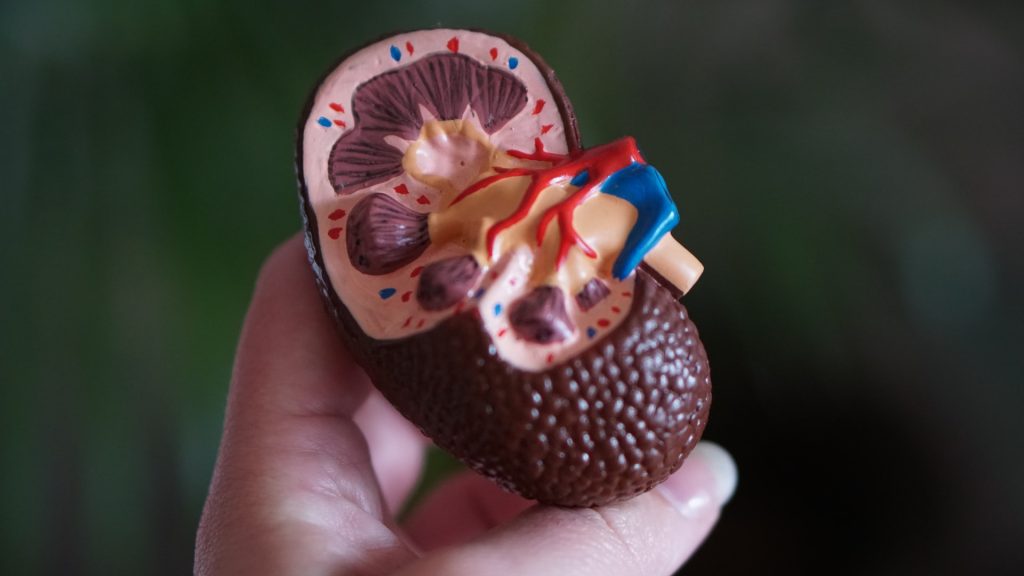
University of South Australia (UniSA) researchers have discovered that a certain enzyme may help to curb chronic kidney disease, which affects nearly 10% of the world’s population.
This enzyme, known as NEDD4-2, is critical for kidney health, said UniSA Centre for Cancer Biology scientist Dr Jantina Manning.
Chronic kidney disease (CKD) is defined as the presence of kidney damage or reduced filtration rate, persisting for three months or more. It is a state of progressive loss of kidney function ultimately resulting in the need for dialysis or transplantation.
Dr Manning and her colleagues, including Professor Sharad Kumar, Chair of the UniSA Centre for Cancer Biology, have shown in an animal study that there is a link between a high salt diet, low levels of NEDD4-2 and advanced kidney disease.
While a high salt diet can worsen some forms of kidney disease, it was not previously known that NEDD4-2 is involved in promoting this salt-induced kidney damage.
“We now know that both a high sodium diet and low NEDD4-2 levels promote renal disease progression, even in the absence of high blood pressure, which normally goes hand in hand with increased sodium,” says Dr. Manning.
The NEDD4-2 enzyme regulates the pathway required for sodium reabsorption in the kidneys to ensure correct levels of salt are maintained. If this enzyme is reduced or inhibited, increased salt absorption can result in kidney damage.
Even if people are on a low salt diet, they can get kidney damage if their levels of NEDD4-2 are low due to genetic causes.
Prof Kumar said the goal is to eventually to develop a drug that can raise NEDD4-2 levels in people who have CKD.
“We are now testing different strategies to make sure this protein is maintained at a normal level all the time for overall kidney health,” Prof Kumar said. “In diabetic nephropathy—a common cause of kidney disease—levels of NEDD4-2 are severely reduced. This is the case even when salt is not a factor.”
The study also revealed one other unexpected finding: that kidney disease induced by high salt diets is not always the result of high blood pressure.
“In a lot of cases, kidney disease is exacerbated by hypertension, so we wanted to investigate that link in our study. In fact, we found the complete opposite—that a high salt diet caused excessive water loss and low blood pressure. This is significant because it means that kidney disease can also happen in people who don’t have high blood pressure,” Dr Manning said.
A Lancet paper from 2020 estimated that about 700 million people—about 10% of the world’s population—suffer from chronic kidney disease, and has seen a 29% increase in the past 30 years. This massive surge in CKD is mainly due to the global obesity epidemic. Overweight and obesity lead to diabetes, one of the leading causes of CKD, along with high blood pressure. Between 1980 and 2014 there was a 300% increase in diabetes, according to World Health Organization statistics. This makes it one of the top 10 causes of death worldwide.
“Obesity and lifestyle are two main factors driving chronic kidney disease but there are other things at play as well,” said Dr Manning. “Acute kidney injuries, drugs taken for other conditions, high blood pressure and a genetic predisposition can also cause it.”
Journal information: Jantina A. Manning et al. The ubiquitin ligase NEDD4-2/NEDD4L regulates both sodium homeostasis and fibrotic signaling to prevent end-stage renal disease, Cell Death & Disease (2021). DOI: 10.1038/s41419-021-03688-7
Small folds in DNA structure have been implicated in breast cancer and other diseases have been elusive until a team of researchers developed a “chemical nose” to seek them out.
In the journal Nature Chemistry, chemists at UC Riverside describe the development and testing of a “chemical nose” enabling them to “smell” unusual folds in DNA.
“If a DNA sequence is folded, it could prevent the transcription of a gene linked to that particular piece of DNA,” explained study author and UCR chemistry professor Wenwan Zhong. “In other words, this could have a positive effect by silencing a gene with the potential to cause cancer or promote tumors.”
DNA folding could also have a negative effect, however.
“DNA folds could potentially keep viral proteins from being produced to minimize immune response,” Prof Zhong said.
To date, scientists have been unable to easily determine the effects of DNA folding on living organisms, as they lacked the proper tools to study them. In order to create one that can study the tiny structures, TUCR organic chemistry professor Richard Hooley and colleagues modified an existing concept that has previously been used to detect other things, such as chemical components in different vintages of wine.
The chemical system could be configured to seek out any kind of molecule, but it could not detect DNA in the way it was currently used. The addition of nonstandard components Prof Hooley’s group enabled the nose to sniff out its DNA target.
“Humans detect smells by inhaling air containing odor molecules that bind to multiple receptors inside the nose,” explained Prof Hooley. “Our system is comparable because we have multiple receptors able to interact with the DNA folds we’re looking for.”
The chemical nose consists of three parts: host molecules, fluorescent guest molecules, and DNA, which is the target. The guest molecules glow when the sought-after folds are present in a sample.
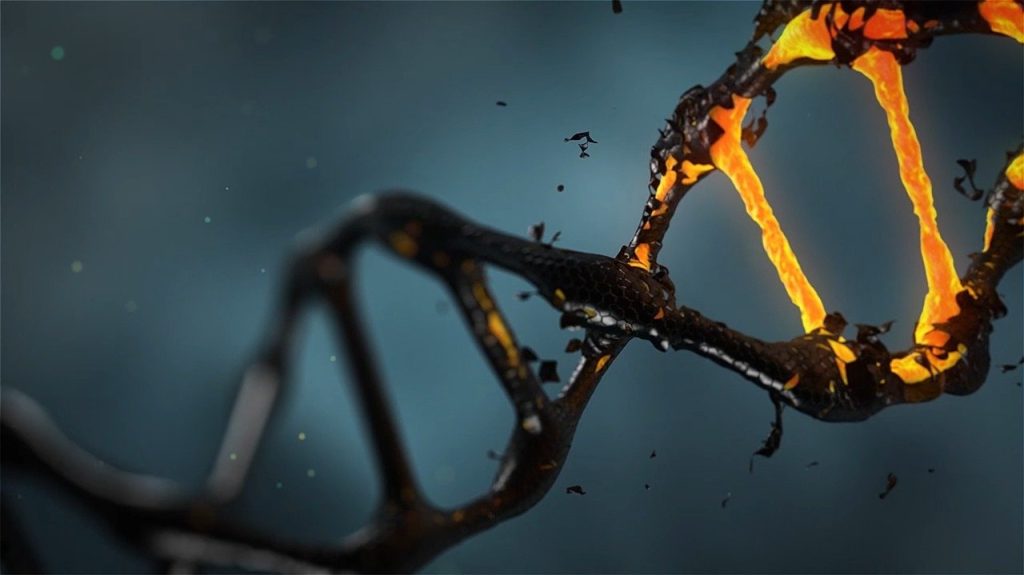
DNA is made of four nucleic acids: guanine, adenine, cytosine and thymine which are combined into the familiar double helix of DMA. Sections that are rich in guanine sometimes fold differently and create what’s called a G-quadruplex.
The parts of the genome that make these quadruplex structures are extremely complex, though the researchers have found that their folds are known to regulate gene expression, and aid in maintaining cell health.
The researchers sought to demonstrate that they could detect a single type of quadruplex composed of four guanines. Prof Zhong said that having accomplished this, the research team will try to build on their success.
“Now we think we can do more,” she said. “There are other three-dimensional structures in DNA, and we want to understand those as well.”
For their next step, the researchers will examine how effects that damage DNA influence the ways they fold. In addition, they also plan to study RNA folding since RNA is also important for cellular functioning.
“RNA has even more complex structures than DNA, and is more difficult to analyze, but understanding its structure has great potential for disease research,” Prof Zhong said.
A study by Yale researchers has shown that the genetics of the foetus and placenta drive developmental abnormalities, including those that lead to pregnancy loss and autism.
In the US, a birth defect is diagnosed in about 3% of children born every year, according to the Centers for Disease Control and Prevention. Birth defects also occur in most cases of pregnancy loss, and also result in many deaths in the first year of life. The causes are thought to be a complex interplay of environmental and biological factors.
“Mothers often feel that they are responsible for these defects,” explained senior author Dr Harvey Kliman, Research Scientist at the Department of Obstetrics, Gynecology & Reproductive Services, Yale School of Medicine. “But it’s not their fault. This new research points to the genetics of these children as being the most important cause.”
Dr Kliman and his team examined placental data for nearly 50 sets of identical and non-identical twins. They discovered identical twins had similar numbers of abnormal cell growths called trophoblast inclusions (TIs), which are markers for a number of developmental abnormalities, while non-identical twins showed a markedly different TI count.
While identical twins share the same DNA, non-identical twins only share half of their DNA. Identical twins were found to often have the same number of TIs or were within one of having the same TI count. Non-identical twins had TI counts that differed by four or five on average.
“This work suggests that developmental abnormalities are much more likely to be due to the genetics of the child, and not the mother’s fault,” Dr Kliman explained.
The findings were reported in the journal Placenta.
First author Julia Katz, a former Yale undergraduate and now medical student at Hofstra University, provided the inspiration for the study.
Katz and her brother, Jesse, who was born underweight and with several congenital abnormalities, are non-identical twins. “I had a lot of guilt, growing up, about why my twin had certain conditions that I didn’t,” Katz explained. “I think mothers also tend to blame themselves.”
After a lecture, Katz approached Dr Kliman and asked him what causes babies to be born undersized, a conversation which led to a discussion about developmental abnormalities and Katz’s desire to find out more about her and her twin’s genetics — including looking at her own placental slides from birth.
It also led Dr Kliman, Katz, and co-author Parker Holzer, a graduate student in the Yale Department of Statistics and Data Science, to conduct the new study.
“Julia’s need to resolve this burden is what propelled our study,” Dr Kliman said. “Hopefully, this finding will help many other people, as well.”
“This experience has shown me that if you have a question, ask it,” Katz added. “And if you don’t get an answer, try to answer it yourself.”
Journal information: Katz, J., et al. (2021) Genetics, not the uterine environment, drive the formation of trophoblast inclusions: Insights from a twin study. Placenta. doi.org/10.1016/j.placenta.2021.04.010.
A phase I trial showed that stereotactic body radiotherapy (SBRT) proved safe for treating cancer patients with multiple metastases. However, some late adverse effects underscored the need for long-term follow-up.
SBRT is a new radiotherapy treatment method that delivers high doses of ionising radiation to tumours with great precision, minimising damage to other parts of the body while killing tumour cells.
Increasingly used by clinicians, SBRT can improve survival in cancer patients with multiple metastases, explained first author Steve Chmura, MD, PhD, of University of Chicago Medicine, and colleagues, but there is little evidence as to its safety in this application.
“Existing data include mostly treatment of 1 or 2 metastases separated widely from each other and use of differing radiation doses, toxicity reporting, image guidance, and normal tissue constraints,” they wrote. “Given the critical need, NRG Oncology NRG-BR001 trial sought to determine the safety of delivering curative-intent SBRT to patients with 3 to 4 metastases or 2 metastases within close proximity to each other.”
Patients in the study had metastatic breast, prostate, or non-small-cell lung carcinoma (NSCLC). Each metastasis was assigned to a metastatic location based on the potential for toxicity.
Dose-limiting toxicity (DLT; side effects severe enough to discontinue treatment) was the primary study outcome, defined as specific AEs of grades 3 to 5 related to SBRT within 180 days of treatment. Dose levels were considered to be safe if DLTs were seen in no more than one of six patients per location with metastases.
Of the evaluable 35 patients, 12 (34.3%) had breast cancer, 10 NSCLC (28.6%), and 13 (37.1%) prostate cancer, with a median of three metastases per patient.
DLT analysis WAS based on six evaluable patients in all of the metastatic locations save the liver (five evaluable patients). The authors reported there were no protocol-specified DLTs in any of the seven metastatic locations within 180 days of the initiation of treatment.
There were 50 grade 3 or 4 AEs reported in 18 patients, and eight were deemed to be linked to the treatment. Of those eight, six (including bone pain, pulmonary fibrosis, bronchial fistula, bronchial stenosis, spinal fracture, and humeral fracture) were reported in six patients over 180 days from the start of the treatment. No treatment-related deaths occurred, according to the authors.
The authors suggested that, with the number of late AEs reported in this trial, patients should be monitored closely for late toxic effects.
“Given the potential for ablative radiotherapy to improve outcomes of patients with oligometastatic cancer, the finding that SBRT is safe when delivered to 3 to 4 metastases or 2 metastases in close proximity to one another is important, and serves as the foundation for ongoing randomized trials,” wrote the authors. They noted that these include studies such as the phase II/III NCI-sponsored NRG-BR002 trial.
Journal information: Chmura S, et al “Evaluation of safety of stereotactic body radiotherapy for the treatment of patients with multiple metastases” JAMA Oncol 2021; DOI: 10.1001/jamaoncol.2021.0687.