Tag: periodontitis

Omega-3 and Low-dose Aspirin Similar to Antibiotics’ Effect Against Severe Periodontitis

Study shows that combining the two compounds with conventional treatment may be a promising alternative, reducing the need for antibiotics.
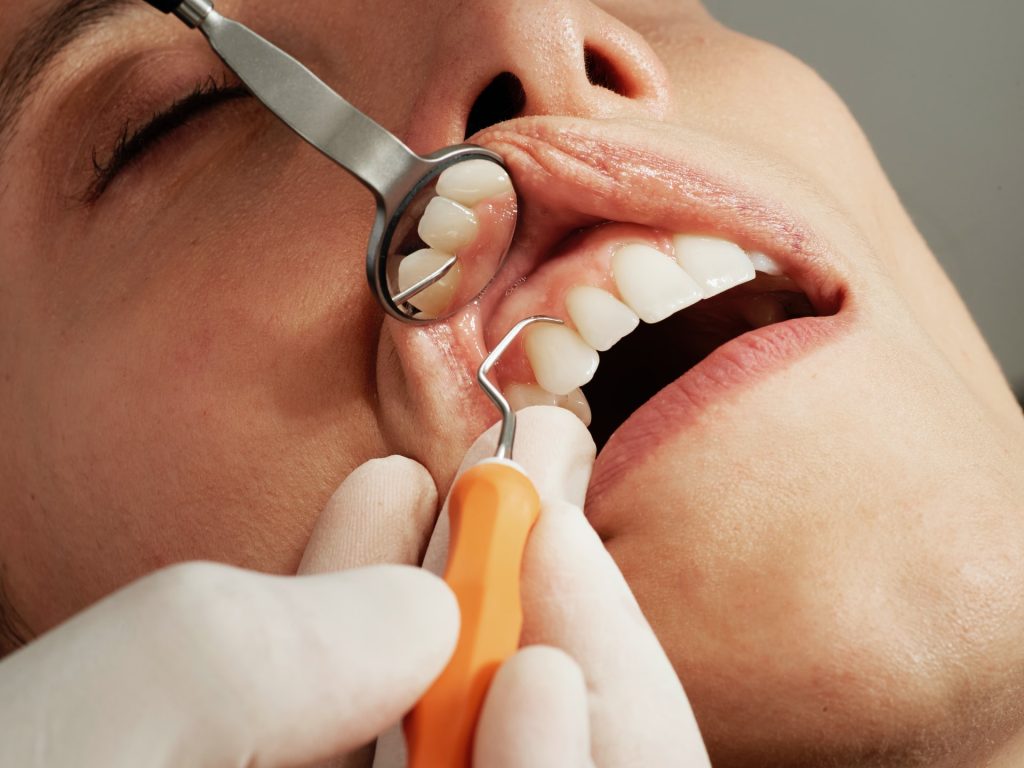
Photo by Caroline Lm on Unsplash

By Fernanda Bassette  |  Agência FAPESP – A combination of omega-3 and low-dose acetylsalicylic acid (ASA) produced results comparable to antibiotics in treating severe periodontitis. This conclusion is based on a study conducted by researchers affiliated with Albert Einstein Israelite Hospital, Guarulhos University (UNG), the University of Taubaté (UNITAU), and the Ribeirão Preto School of Dentistry at USP (FORP-USP) in Brazil, as well as Harvard University in the United States. The findings were published in May in the Journal of Periodontology and suggest a promising therapeutic alternative for some patients by reducing the need for antibiotics. These findings are particularly relevant in the context of growing global concern about bacterial resistance.

Supported by FAPESP (projects 20/05874-2 and 20/05875-9), the study followed 109 patients with advanced periodontitis over the course of one year. Advanced periodontitis is a chronic inflammatory disease caused by the accumulation of bacteria beneath the gums, affecting the tissues that support the teeth. If left untreated, it can lead to tooth mobility, bone loss, and even tooth loss. 

“Patients with severe disease have very deep pockets, which act as reservoirs for bacteria associated with the disease. It’s a very challenging condition to treat,” says dental surgeon Nídia Cristina Castro dos Santos, the first author of the study and a professor and researcher at Einstein. 

For the study, participants were randomly assigned to one of four groups. All underwent subgingival instrumentation – popularly known as scaling – which is considered the standard treatment for periodontitis. However, they received different complementary therapies.

The control group received placebos of the antibiotics, omega-3, and ASA in capsules identical to those used for the active treatments. A second group received a combination of the antibiotics metronidazole and amoxicillin, considered the therapy with the strongest scientific evidence for severe cases of the disease, administered three times a day for 14 days. The third group took three grams per day of omega-3, in addition to a daily dose of aspirin for six months. The fourth group received a combination of the two strategies simultaneously: antibiotics for two weeks and the omega-3 and ASA protocol for six months. Participants were reevaluated after three, six, and twelve months.

By the end of the follow-up period, about 58% of patients who were treated with antibiotics had met the researchers’ established clinical goal of having no more than four remaining deep periodontal pockets. Among those who received omega-3 and ASA, the percentage was virtually the same: 57.7%. In contrast, in the group that received only scaling and a placebo, the rate was 23.1%. Combining the two strategies, antibiotics and supplementation, didn’t provide any additional benefits.

“The use of antibiotics isn’t considered the gold standard of treatment. Although metronidazole and amoxicillin yield good results in the most severe cases, their use should be evaluated on a case-by-case basis due to risks related to bacterial resistance and possible adverse effects,” says Castro dos Santos. 

These results reinforce a line of research that has been underway for some time. In a previous study also supported by FAPESP and published in the journal Scientific Reports, the researchers observed that omega-3 supplementation reduced inflammation and bone loss caused by periodontal disease in rats, especially when combined with physical exercise. Although the study was conducted in an animal model, it already indicated the nutrient’s potential in inflammatory processes related to oral health (read more at agencia.fapesp.br/54990). 

According to Castro, omega-3 differs from traditional anti-inflammatory drugs in that it contributes to the production of molecules involved in the natural resolution of inflammation and tissue repair, rather than blocking certain inflammatory pathways. Low-dose ASA, on the other hand, was used because it enhances the formation of these mediators. The researchers hypothesised that this strategy would help the body better control the chronic inflammatory process characteristic of periodontitis.

“We imagined that the combination of antibiotics and omega-3 would be most effective in controlling periodontitis in these patients. We also believed that the results for the group that used omega-3 with ASA would be slightly lower than those for the antibiotic group. The result was surprising because the two therapies performed very similarly, paving the way for it to become a treatment option for these patients,” says Castro.

Another finding that caught the researchers’ attention was the persistence of the observed benefits. Even six months after supplementation ended, patients continued to show results similar to those recorded at the end of treatment. According to Castro, this suggests that modulating the inflammatory response may produce lasting effects, although the mechanisms involved are still being investigated.

For dental surgeon Magda Feres, the lead author of the study and a full professor at the Harvard School of Dental Medicine and the Graduate Program in Dentistry at UNG, the results suggest that modulating the inflammatory response may represent a viable alternative for selected patients. “The combination of omega-3 and low-dose aspirin achieved clinical benefits comparable to those of the metronidazole and amoxicillin protocol, opening up a real alternative for those who can’t take antibiotics, especially patients with allergies or intolerance to these medications,” she says.

The researcher adds that the results are especially significant in light of growing concerns about antibiotic resistance, which is considered one of the main threats to global public health. “Demonstrating that it’s possible to treat severe periodontitis by modulating the body’s own response is new and relevant information that helps preserve antibiotics for when they are truly indispensable,” says Feres.

However, the authors emphasise that the results do not imply an immediate change in clinical practice. The study was conducted on patients without significant systemic or oral diseases. Further research is needed to confirm the findings in different populations and to identify which groups can truly benefit from each approach.

According to Feres, some of the answers may come from microbiological analyses currently underway. These analyses are investigating how these therapies influence the composition of bacteria in periodontal pockets. Preliminary data suggest a reduction in disease-associated species and an increase in microorganisms related to gum health. “It’s an important step forward, but not the end of the story. Therefore, the message is one of cautious optimism: we have a promising, scientifically plausible alternative to antibiotics in select cases. Routine replacement will require more evidence,” she concludes.

The article “Immunomodulators, associated or not with systemic antibiotics, to treat periodontitis: A 1-year multicenter, placebo-controlled, double-blind, randomized clinical trial” can be read at aap.onlinelibrary.wiley.com/doi/10.1002/jper.70081.

Source: FAPESP

Vaping Device Use Tied to Increased Risk of Developing Cavities

Photo by Chiara summer on Unsplash

Research published in The Journal of the American Dental Association found patients who said they used vaping devices were more likely to have a higher risk of developing cavities. The findings of this study on the association between vaping and risk of caries serve as an alert that this once seemingly harmless habit may be very detrimental, says Karina Irusa, assistant professor of comprehensive care at Tuftst University and lead author on the paper.

Over the last few years, public awareness has increased about the dangers of vaping to systemic health, particularly after the use of vaping devices was tied to lung disease. Some dental research has shown ties between e-cigarette use and increased markers for gum disease, and, separately, damage to the tooth’s enamel, its outer shell. But relatively little emphasis has been placed on the intersection between e-cigarette use and oral health, even by dentists, says Irusa.

Irusa says that the finding may be just a hint of the damage vaping causes to the mouth. “The extent of the effects on dental health, specifically on dental decay, are still relatively unknown,” she says. “At this point, I’m just trying to raise awareness,” among both dentists and patients.

This study, Irusa says, is the first known specifically to investigate the association of vaping and e-cigarettes with the increased risk for getting cavities. She and her colleagues analysed data from more than 13 000 patients older than 16 who were treated at Tufts dental clinics from 2019–2022.

Irusa found a significant difference in dental caries risk levels between the e-cigarette/vaping group and the control group. Some 79% of the vaping patients were categorised as having high-caries risk, compared to just about 60% of the control group. The vaping patients were not asked whether they used devices that contained nicotine or THC, although nicotine is more common.

“It’s important to understand this is preliminary data,” Irusa says. “This is not 100% conclusive, but people do need to be aware of what we’re seeing.” Further studies need to be done, and Irusa wants to take a closer look at how vaping affects the microbiology of saliva.

One reason why e-cigarette use could contribute to a high risk of cavities is the sugary content and viscosity of vaping liquid, which, when aerosolised and then inhaled through the mouth, sticks to the teeth. (A 2018 study published in the journal PLOS One likened the properties of sweet-flavoured e-cigarettes to gummy candies and acidic drinks.) Vaping aerosols have been shown to change the oral microbiome making it more hospitable to decay-causing bacteria. It’s also been observed that vaping seems to encourage decay in areas where it usually doesn’t occur – such as the bottom edges of front teeth. “It takes an aesthetic toll,” Irusa says.

The Tufts researchers recommend that dentists should routinely ask about e-cigarette use as part of a patient’s medical history, including paediatric dentists who see adolescents. According to the FDA/CDC, 7.6% of middle- and high-school students said they used e-cigarettes in 2021.

The researchers also suggest patients who use e-cigarettes should be considered for a “more rigorous caries management protocol,” which could include prescription-strength fluoride toothpaste and fluoride rinse, in-office fluoride applications, and checkups more often than twice a year.

“It takes a lot of investment of time and money to manage dental caries, depending on how bad it gets,” Irusa says. “Once you’ve started the habit, even if you get fillings, as long as you continue, you’re still at risk of secondary caries. It’s a vicious cycle that will not stop.”

Source: Tufts University

Investigating Vaping’s Impact on Gum Disease

Photo by Chiara summer on Unsplash

A series of new studies investigates how e-cigarettes alter oral health and may be contributing to gum disease. The latest, published in mBio, finds that e-cigarette users have a distinctive oral microbiome that is less healthy than nonsmokers but potentially healthier than cigarette smokers, and measures worsening gum disease over time.

“To our knowledge, this is the first longitudinal study of oral health and e-cigarette use. We are now beginning to understand how e-cigarettes and the chemicals they contain are changing the oral microbiome and disrupting the balance of bacteria,” said co-lead researcher Prof Deepak Saxena.

While cigarette smoking is known to increase gum disease risk, much less is known about the impact of e-cigarette use on oral health, especially in the long term.

The researchers studied the oral health of 84 adults from three groups: cigarette smokers, e-cigarette users, and people who have never smoked. Gum disease was assessed through two dental exams six months apart, during which plaque samples were taken to analyse the bacteria present.

Gum health changes
All participants had some gum disease at the start of the study, with cigarette smokers having the most severe disease, followed by e-cigarette users. After six months, the researchers observed that gum disease had worsened in some participants in each group, including several e-cigarette users.

Clinical attachment loss is a key indicator of gum disease, measured by gum ligament and tissue separating from a tooth’s surface, leading the gum to recede and form pockets. These pockets are bacterial breeding grounds and can lead to worsening gum disease. In a study of the same participants published in Frontiers in Oral Health, the research team found that clinical attachment loss was significantly worse only in the e-cigarette smokers after six months.

A unique microbiome
Analysis of the bacteria in plaque samples showed that e-cigarette users had a different oral microbiome than smokers and nonsmokers, in line with their earlier results.

While all groups shared roughly a fifth of the types of bacteria, the bacterial makeup for e-cigarette users had strikingly more in common with cigarette smokers than nonsmokers. Several types of bacteria, including Selenomonas, Leptotrichia, and Saccharibacteria, were abundant in both smokers and vapers compared to nonsmokers. Several other bacteria – including Fusobacterium and Bacteroidales, linked to gum disease – were particularly dominant in the mouths of e-cigarette users.

When plaque samples were gathered and analysed in the six-month follow-up, the researchers found greater diversity in bacteria for all groups studied, yet each group maintained its own distinct microbiome.

“Vaping appears to be driving unique patterns in bacteria and influencing the growth of some bacteria in a manner akin to cigarette smoking, but with its own profile and risks to oral health,” said Fangxi Xu, study co-first author.

An altered immune response
The researchers found that the distinct microbiome in e-cigarette users was correlated with clinical measures of gum disease and changes to the host immune environment. In particular, vaping was associated with different levels of cytokines. Certain cytokines are linked to an imbalance in oral bacteria and can worsen gum disease by making people prone to inflammation and infection.

TNFα, a cytokine that causes inflammation, was significantly elevated among e-cigarette users. In contrast, cytokines IL-4 and IL-1β were lower among e-cigarette users; because IL-4 tends to be reduced in people with gum disease and increases after treatment, it suggests that certain bacteria in the mouths of e-cigarette users are worsening inflammation.

The researchers concluded that the distinct oral microbiome of e-cigarette users elicits altered immune responses, which along with clinical markers for gum disease illustrate how vaping presents its own challenge to oral health.

“E-cigarette use is a relatively new human habit,” said Scott Thomas, study co-first author. “Unlike smoking, which has been studied extensively for decades, we know little about the health consequences of e-cigarette use and are just starting to understand how the unique microbiome promoted by vaping impacts oral health and disease.”

Source: New York University

Ozone Therapy in a Complex Periodontal Inflammation Case

Image by Caroline LM on Unsplash

A new treatment approach for tissue inflammation around the dental root and root canal has been implemented, which uses ozone therapy. When used in a complex clinical case, the method helped save a patient’s tooth. 

Inflammation of the dental pulp and the periodontium, if not localised only on the inside or the outside but affects both areas, can be extremely difficult to completely cure a tooth. Such cases are difficult to diagnose, therefore, professional literature contains only a few descriptions of them, and there are no general treatment recommendations. Some dentists prefer to focus on the internal canals first, while others suggest treating the pulp and the periodontium simultaneously. A dentist from RUDN University implemented a single protocol for comprehensive pulp and periodontium treatment.

Explaining the problem, RUDN Associate Professor Maria Makeeva, PhD, said: “Inflammation of periodontal tissues often leads to tooth loss. In some cases, a lost tooth cannot be replaced with an implant, because the consequences of the infection worsen the implantation prognosis. Therefore, keeping the tooth is a more desirable outcome in this scenario.”

As described in described in Clinical, Cosmetic and Investigational Dentistry, the new approach was carried out in a patient (aged 44) with significant inflammation of the right mandibular canine. The patient was initially diagnosed with periodontium inflammation; the tooth was loose, and a flow of pus was seen. The first steps were typical for a periodontal inflammation treatment protocol: the patient was administered an antibiotic and then was instructed to rinse the tooth with chlorhexidine. The dentist also scaled the tooth. After that, the patient remained under observation for six months. Although the bleeding and pyorrhoea stopped, the dentist discovered tissue injury around the root of the tooth, which had caused bone destruction. It turned out that one narrow area had an 8mm deep periodontal pocket, and that the initial inflammation transferred to the internal tissues of the tooth.

A periodontologist and an endodontist together implemented a comprehensive treatment approach. After removing the dead pulp from the dental canals, which were then dried and treated with ozone for 24 seconds for better disinfection. After a week of dressing, the treatment was repeated, and the cavity was covered with a permanent filling made of a light-cured composite material. After cleaning, the periodontal pocket was rinsed, dried, and treated with ozone for 18 seconds. A recall examination in six months showed no inflammation of the tooth. Additionally, the bone tissue was recovering, and the periodontal pocket reduced to 4mm.

“Simultaneous inflammation of the pulp and periodontium tissues is very difficult to treat. It can be caused by several types of pathogens at the same time that migrate between tissues and worsen the prognosis. Our experience shows that such an infected tooth can be saved, but it requires close collaboration of a periodontologist and an endodontist, as well as a patient’s complete compliance with oral hygiene recommendations. One should also take into consideration possible bacterial resistance to antibiotics and therefore use additional antibacterial treatment, such as ozone,” explained Dr Makeeva.

Source: News-Medical.Net

Obesity Found to Fuel Periodontal Disease

Source: Unsplash

Chronic inflammation resulting from obesity may trigger osteoclast production and bone tissue breakdown, including the alveolar bone that holds teeth in place, according to a new animal model study.

The study, reported in the Journal of Dental Research, found that excessive inflammation caused by obesity raises the number of myeloid-derived suppressor cells (MDSC), a group of immune cells that increase during illness to regulate immune function. MDSCs, which originate in the bone marrow, develop into a range of different cell types, including osteoclasts.

Bone loss is a major symptom of periodontal disease which may ultimately lead to tooth loss. Periodontal disease affects more than 47% of adults 30 years and older, according to the Centers for Disease Control and Prevention.

“Although there is a clear relationship between the degree of obesity and periodontal disease, the mechanisms that underpin the links between these conditions were not completely understood,” said Keith Kirkwood, DDS, PhD, professor of oral biology in the UB School of Dental Medicine.

“This research promotes the concept that MDSC expansion during obesity to become osteoclasts during periodontitis is tied to increased alveolar bone destruction. Taken together, this data supports the view that obesity raises the risk of periodontal bone loss,” said Kyuhwan Kwack, PhD, postdoctoral associate in the UB Department of Oral Biology.

In the study, two groups of mice were fed different diets over the course of 16 weeks: one group a low-fat diet that derived 10% of energy from fat, the other group a high-fat diet getting 45% of energy from fat.

The high-fat diet group developed obesity, had more inflammation and a greater increase of MDSCs in the bone marrow and spleen compared to the low-fat diet group. The high-fat diet group also developed a significantly larger number of osteoclasts and lost more alveolar bone, which holds teeth in place.

Additionally, in the group fed a high-fat diet, the expression was significantly elevated for 27 genes tied to osteoclast formation.
The findings may help reveal the mechanisms behind other chronic inflammatory, bone-related diseases that develop concurrently with obesity, such as arthritis and osteoporosis, Prof Kirkwood said.

Source: University at Buffalo

Periodontitis Linked to Risk of Cardiovascular Disease

Source: Unsplash CC0

A new study has found that periodontitis is associated with an increased risk of cardiovascular disease: the more severe the periodontitis, the higher the risk. Those who had a previous heart attack showed an even stronger association.

Study author Dr Giulia Ferrannini of the Karolinska Institute said: “Our study suggests that dental screening programmes including regular check-ups and education on proper dental hygiene may help to prevent first and subsequent heart events.”

Periodontitis, a disease of the tissue surrounding the tooth structure, has been associated with a number of diseases. The Swedish PAROKRANK (Periodontitis and its Relation to Coronary Artery Disease) study previously demonstrated that there was a significantly higher prevalence of periodontitis in first time heart attack patients compared to their healthy peers.

In this long-term follow-up of PAROKRANK, participants investigated whether the periodontitis, both in heart attack patients and their healthy peers, was related to an increased risk of new cardiovascular events over time.

The analysis included 1587 participants aged an average of 62 years. Participants underwent a dental examination between 2010 and 2014: 985 were classified as healthy, 489 had moderate periodontitis, and 113 had severe periodontitis. Participants were followed up for the occurrence of cardiovascular events and death. The primary endpoint was a composite of all-cause death, non-fatal heart attack or stroke, or severe heart failure. Follow-up data were collected until the end of 2018 from Swedish national death and patient registries.

Over an average 6.2 years of follow-up, there were 205 primary endpoint events. In the overall cohort, participants with periodontitis at baseline had 49% higher odds of the primary endpoint compared to those with healthy gums, increasing with periodontitis severity.
Assessing heart attack patients and healthy controls separately, graded relationship between gum disease severity and the primary endpoint was significant only for the patients group.

Dr Ferrannini said: “The risk of experiencing a cardiovascular event during follow-up was higher in participants with periodontitis, increasing in parallel with the severity. This was particularly apparent in patients who had already experienced a myocardial infarction.”

She added: “We postulate that the damage of periodontal tissues in people with gum disease may facilitate the transfer of germs into the bloodstream. This could accelerate harmful changes to the blood vessels and/or enhance systemic inflammation that is harmful to the vessels.”

“It is important to underline that the quality of care in Sweden is high, as confirmed by the overall low number of total events during follow-up. Despite this, gum disease was linked with an elevated likelihood of cardiovascular disease or death,” Dr Ferrannini concluded.

Source: European Society of Cardiology

Bacteria in the Mouth Linked to Arthritis

A dentists shows her patient some dental X-rays. Photo by Tima Miroshnichenko from Pexels

Researchers found similar oral bacterial compositions among patients with early rheumatoid arthritis and those at risk of developing the disease, compared with healthy individuals who were not at risk.

The oral cavity is host to approximately 800 identified species of bacteria. The periodontum, ie the tissue surrounding the tooth, can become inflamed because of a complex interaction of bacterial infection and the body’s response, modified by behavioural factors such as smoking, result in periodontal disease. Periodontal disease has been shown to be caused by certain diseases and medical conditions, and may also cause them. Periodontitis is prevalent among rheumatoid arthritis patients. 

The researchers recruited three groups of 50 participants each: early rheumatoid arthritis patients, at‐risk individuals, and healthy controls. They were given periodontal examinations and assessed for bleeding on probing, pocket probing depth, and periodontal inflamed surface area. The microbial composition of subgingival dental plaque, saliva, and tongue coating was assessed using 16S rDNA amplicon sequencing, and compared between groups.

They found that patients and at-risk individuals had an increased relative abundance of potentially pro- inflammatory bacteria in the mouth, suggestive of a possible relationship between oral microbes and rheumatoid arthritis.

“Prevotella and Veillonella–both gram-negative anaerobes–were at higher relative abundance in saliva, and Veillonella was also at higher relative abundance in tongue coating, of both early rheumatoid arthritis patients and at-risk individuals compared to healthy controls,” the authors wrote.

The findings were published in Arthritis & Rheumatology.  

Source: News-Medical.Net

Journal information: Kroese, J. M., et al. (2021) The oral microbiome in early rheumatoid arthritis patients and individuals at risk differs from healthy controls. Arthritis & Rheumatology. doi.org/10.1002/art.41780.

Treating Periodontitis can Reduce Risks of Certain Other Diseases

A steadily growing body of evidence points to a two-way connection between oral health and systemic disease.

Periodontitis, the inflammation and disease of tissues surrounding the teeth, is already known to be a result of type 2 diabetes, but there is research to suggest that it may also cause diabetes—as well as certain other diseases.

“What happens in your body impacts your mouth, and that in turn impacts your body. It’s truly a cycle of life,” said Professor Purnima Kumar of The Ohio State University. “What is more dynamic than the gateway to your body – the mouth?” she continued. “It’s so ignored when you think about it, and it’s the most forward-facing part of your body that interfaces with the environment, and it’s connected to this entire tubing system. And yet we study everything but the mouth.”

The link between oral health and type 2 diabetes was first established in the 1990s, and Prof Kumar has led many investigations into this area. She was lead author in a study published last year that investigated the oral microbiomes of people with and without type 2 diabetes, and the effects of nonsurgical periodontitis treatment.

“Our studies have led up to the conclusion that people with diabetes have a different microbiome from people who are not diabetic,” Prof Kumar said. “We know that changing the bacteria in your mouth and restoring them back to what your body knows as healthy and friendly bacteria actually improves your glycemic control.”

The rough picture that has emerged is that oral bacteria are aerobic, but even small changes such as a few days of not brushing teeth can trigger a cascade that results in the bacteria shifting to an anaerobic, fermentative state producing toxins and byproducts. It becomes, as Prof Kumar puts it, “a septic tank” that stimulates the immune system and causes an inflammatory state, producing signalling products that bacteria then feed on.

“Then this community – it’s an ecosystem – shifts. Organisms that can break down protein start growing more, and organisms that can breathe in an oxygen-starved environment grow. The bacterial profile and, more importantly, the function of the immune system changes,” she explained.

The inflammation causes pores to open in the lining of the mouth, allowing the bacteria entry to the body.

“The body is producing inflammation in response to these bacteria, and those inflammatory products are also moving to the bloodstream, so now you’re getting hammered twice. Your body is trying to protect you and turning against itself,” Prof Kumar said. “And these pathogens are having a field day, crossing boundaries they were never supposed to cross.”

Though the relationship between oral health and certain disease is a complex one, Prof Kumar said prevention was exceedingly simple. Daily brushing and flossing with twice-yearly dentist visits for cleaning were sufficient.

Source: News-Medical.Net

Journal information: Kumar, P. S., et al. (2020) Subgingival Host-Microbial Interactions in Hyperglycemic Individuals. Journal of Dental Research. doi.org/10.1177/0022034520906842. 

New Study Reveals T-Cell Role in Periodontitis and Bone Loss

There are mechanisms involved in diseases of bone loss, such as periodontitis that are still not well understood, but an unexpected behaviour of a type of T-cell may shed new light on the matter.

Looking at periodontal disease in mice, scientists found that regulatory T (Treg) cells start behaving unexpectedly. They lose their ability to regulate bone loss and begin to promote inflammation instead.

“That is important because, in many therapies analyzed in in-vivo models, researchers usually check if the number of regulatory T cells has increased. But they should check if these cells are indeed functioning,” said lead author Dr Carla Alvarez, a postdoctoral researcher at the Forsyth Institute.

In periodontal disease, bone loss occurs because the immune system responds disproportionately, destroying tissue through inflammation. The Treg cells normally suppress the immune system but lose the ability to do so during periodontal disease.

Understanding this falls into the field of osteoimmunology, which is about understanding the interaction of bone metabolism and the immune system. “This is an interesting mechanism highlighting how the bone loss is taking place in periodontal disease,” said Dr Alpdogan Kantarci, at Forsyth and co-author of the paper.

A potential treatment for periodontal disease would involve reactivating the Treg cell’s immunosuppression function, but this is a complex, nonlinear task complicated by the fact that periodontal disease is initiated by oral microbes.

“The relationship between immune response and bone is not so straightforward,” said Alvarez. “There are multiple components. You have to imagine a complex network of signaling and cells that participate.”
The researchers’ next step is to examine the process in humans.

Source:Medical Xpress

Journal information: Alvarez, C., Suliman, S., Almarhoumi, R. et al. Regulatory T cell phenotype and anti-osteoclastogenic function in experimental periodontitis. Sci Rep 10, 19018 (2020). doi.org/10.1038/s41598-020-76038-w