Year: 2021

‘Absolutely Amazing’ Results of Baby’s Surgery in the Womb

Baby's hand holding on to an adult's finger. Image by RitaE from Pixabay

When her mother learned of her condition while still pregnant with her, baby Mila became one of dozens of babies with spina bifida who have been treated in the womb with a revolutionary procedure, according to the Great Ormond Street Hospital (GOSH) for Children in London.

Spina bifida is a congenital malformation which occurs in the 4th week post-fertilisation where the embryonic neural tube fails to close, leaving the spinal column split (bifid) and open, exposing the spinal cord. Below the level of the damage on exposed spinal cord, there can be motor and sensory neurological deficit. Orthopaedic abnormalities such as clubfoot are possible. Additionally, the higher up the damage is on the spine, the higher the mortality rate. 

Helena, a mother from the UK who had become pregnant after six IVF attempts, at 20 weeks discovered her baby had spina bifida. A scan showed a huge open lesion on her baby’s lumbar sacral region, exposing her spinal cord. But Helena was aware of pioneering open foetal surgery carried out by the NHS following a diagnosis with a previous pregnancy, and was determined to apply for it.

“I knew if I didn’t get the operation the quality of her life would be very different,” Helena told BBC News.

“It was a very large lesion on her back and half of her spine was exposed. They said that it was likely she will be paralysed, incontinent and will need a shunt to drain the fluid from her brain later on.”

A US study, as reported previously on QuickNews, showed that the benefits of foetal repair surgery continued into later childhood, with those having had foetal repair being six times more likely to go to the toilet unaided than those who had surgery after birth, and were 70% more likely to walk unaided, and twice as likely to walk without braces. They were also more likely to use self-care skills such as brushing teeth and using a fork.  

“The procedure is complex, time-sensitive and not without its risks, but the significant and life-changing impact on babies … and their families, cannot be overstated,” explained Dr Dominic Thompson, lead neurosurgeon at GOSH. “This makes all the difference to the quality of their lives.”

Twenty-five clinicians from GOSH and University College London Hospitals, as well as University Hospitals Leuven in Belgium, were involved in Helena’s surgery, according to BBC News.

The procedure generally involves administering an anaesthetic to the mother, which passes to the foetus through the placenta, and then cutting through the abdomen and uterus to reach the foetus’s spine. Neurosurgeons then take off any skin attached to the exposed spinal cord and place the cord inside the spinal canal before stitching the tissues closed.

In her 23rd week of pregnancy, she received surgery at a specialist hospital in Belgium, and three months later, she gave birth to her daughter Mila at University College London Hospital. According to GOSH, some excess fluid still remains on the newborn’s brain, but Mila is showing signs of healthy development.

“She can move her legs, and she’s got feeling to her toes so it’s absolutely amazing,” Helena told BBC News. “I’m just so grateful to the surgeons who’ve done this operation because her life would look very different without it.” Including Mila, the team has performed the same operation on 32 babies since January 2020.

“We’re very excited about the next phase of the prenatal surgery for babies with spina bifida, including less invasive approaches,” Dr. Paolo De Coppi, part of the fetal surgical team for spina bifida, said in the statement.

“As with any new approach, we first need to fully understand the benefits and risks involved to mother and baby,” De Coppi noted. “While we look to make these future procedures as safe as possible, what is clear is that prenatal surgery for patients with spina bifida leads to better outcomes.”

Source: Live Science

A Daily Cup of Leafy Vegetables Can Slash Heart Disease Risk

Eating just one cup of nitrate-rich vegetables each day can significantly reduce the risk of heart disease by up to 26%, according to research from New Edith Cowan University (ECU).

The study sought to find out whether people eating a diet with higher quantities of nitrate-rich vegetables, such as leafy greens and beetroot, had lowered blood pressure, and it also examined whether these same people were less likely to have a heart disease diagnosis in later years.

Cardiovascular diseases are a leading cause of deaths around the world, attributed to some 13 million deaths in 2010 and making up one in every four deaths.

The study examined the diets of over 50 000 people in Denmark, who took part in the Danish Diet, Cancer, and Health Study over a 23-year period. People who consumed the greatest amounts of nitrate-rich vegetables had about a 2.5 mmHg lower systolic blood pressure, and their risk of heart disease was 12 to 26% lower.

The results were published in the European Journal of Epidemiology. It is a collaboration between Edith Cowan University, the Danish Cancer Society and The University of Western Australia.  

Lead researcher Dr Catherine Bondonno from ECU’s Institute for Nutrition Research said that it was a priority to identify diets that prevent heart disease.

“Our results have shown that by simply eating one cup of raw (or half a cup of cooked) nitrate-rich vegetables each day, people may be able to significantly reduce their risk of cardiovascular disease,” Dr Bondonno said.

“The greatest reduction in risk was for peripheral artery disease (26 percent), a type of heart disease characterized by the narrowing of blood vessels of the legs, however we also found people had a lower risk of heart attacks, strokes and heart failure.”

The study found that only one cup of nitrate-rich vegetables was needed for optimum results, and it didn’t seem that there were any more benefits from eating more.

“People don’t need to be taking supplements to boost their nitrate levels because the study showed that one cup of leafy green vegetables each day is enough to reap the benefits for heart disease,” Dr Bondonno said. “We did not see further benefits in people who ate higher levels of nitrate rich vegetables.”

Dr Bondonno added that some shortcuts such as adding a cup of spinach when making a banana or berry smoothie could be an easy way to include more daily leafy greens.

“Blending leafy greens is fine, but don’t juice them. Juicing vegetables removes the pulp and fiber,” Dr Bondonno said.

The research adds to a growing body of evidence linking vegetables generally and leafy greens specifically with improved cardiovascular health and muscle strength.

Source: Medical Xpress

Journal information: Catherine P. Bondonno et al, Vegetable nitrate intake, blood pressure and incident cardiovascular disease: Danish Diet, Cancer, and Health Study, European Journal of Epidemiology (2021). DOI: 10.1007/s10654-021-00747-3

Vaccine-related Fainting Down to Anxiety, CDC Says

A brief bout of anxiety was likely the cause of possible COVID vaccine-linked symptoms that people experienced, said researchers with the US Centers for Disease Control and Prevention say.

Several reports emerged in early April that people in at least five different vaccination sites in the US, all in different states, experienced symptoms almost immediately after receiving a vaccination jab. 

These symptoms, all from people who received the Johnson & Johnson vaccine, were largely reported as being fainting, dizziness, lightheadedness, and rapid breathing. These incidents resulted in four of these sites being temporarily shut down, with pledges to investigate being made by both the CDC and local health officials.

The CDC investigation examined 64 cases documented across five vaccination sites between April 7 and 9, and interviewed providers who were at the sites when the events took place. Real-world safety data collected through the Vaccine Adverse Event Reporting System was also looked at.

While some people went to the hospital afterwards, none of the symptoms were deemed to be serious in severity, and most symptoms improved within 15 minutes. A total of 17 people experienced fainting, while more than half reported feeling lightheaded and dizzy and about a third experienced nausea and/or vomiting. Thirteen patients had also told staff members beforehand of past fainting due to a fear of needles or vaccines.

The CDC’s report on the investigation and its findings were published Friday in its Morbidity and Mortality Weekly Report (MMWR).

Fainting and similar short-term symptoms occasionally occurs following vaccination, and measures to reduce them are being investigated. In the CDC’s investigation of these cases and safety data doesn’t point to any other cause of these symptoms besides simple anxiety. In their report, the authors observed that these incidents took place before the more recent reports of a rare blood clotting condition possibly linked to the Johnson & Johnson vaccine were made known to the public. Use of the J&J vaccine has since resumed in many countries, with a warning of the risks.

Since the J&J vaccine is administered in a single dose, it’s possible that people who are more likely to be anxious about vaccines would also opt for it more often, which could then account for the higher incidence of vaccine-related fainting associated with the shot. Another possibility is that early media coverage of the first incidents on April 7 (or physically seeing someone faint) further increased people’s anxiety. However, it was widely reported that one of the first members of the public to take the Pfizer vaccine last December — a nurse — fainted right after. But the nurse pointed out at the time that she had a history of fainting.

The authors of the report summed it up in saying, “the stress of an ongoing pandemic might also increase anxiety surrounding covid-19 vaccination.”

Of course, fainting and these other symptoms can still be a scary experience, no matter the cause. And just because anxiety may be the root cause of these cases, that doesn’t mean there isn’t a real risk worth caring about. 

Since fainting is still an upsetting experience no matter the cause and the risk of it should not be dismissed, so the authors recommend that people are routinely monitored after vaccination for at least 15 minutes. This is not only the chance that fainting may occur but other rare symptoms that could appear post-vaccination, such as a strong allergic reaction.

Source: Gizmodo

Study Finds High Levels of ‘Forever Chemicals’ in Firefighters’ Bodies

A new study has shown that volunteer firefighters have higher levels of ‘forever chemicals‘, per- and polyfluoroalkyl substances (PFAS), in their bodies than the general population.

Volunteer firefighters—who comprise more than 65 percent of the U.S. fire service—monitored their exposure to PFAS. PFAS are synthetic organic substances with diverse structures, properties, uses, bioaccumulation potentials and toxicities. These chemicals do not break down easily and accumulate in human bodies and in the environment and are found in common items food packaging, electronics and carpeting. PFAS have been associated with a number health conditions that affect firefighters, including cardiovascular disease, and increasingly to cancer.

“The primary cause of line-of duty death among firefighters are heart attacks. They also get and die from many types of cancer more often than other people,” said lead author Judith Graber, an associate professor at Rutgers School of Public Health and a faculty member at the Environmental and Occupational Health Sciences Institute. “More than 95 percent of the U.S. population have these chemicals to some degree in their bodies, but firefighters have heightened exposure to PFAS through their protective gear and fire suppression foam and the burning materials they encounter that release particles, which can be inhaled or settle on gear and skin.”

The study surveyed 135 members of a volunteer fire department in New Jersey on their lifestyle and cancer risk factors. It compared traces of nine PFAS chemicals in their blood against the levels recorded in a 5000-strong nationally representative sample used by the CDC as a reference for the general population. Although over 4000 PFAS chemicals exist, the study looked at the nine chemicals commonly seen in the general population that the CDC has also tracked for the greatest length of time.

Two of thosee chemicals—perfluorododecanoic acid (PFDoA) and perfluorodecanoic acid (PFDA)—were found to be higher in volunteer firefighters. “Notably, we found PFDoA levels in 80 percent of the firefighters, but little in the general public,” Prof Graber said.

The number of years of firefighting was linked to higher levels of the chemicals; the average participant had 20 years of experience. Since they are constantly on call, volunteer firefighters may potentially have more years of firefighting-related exposures than their career counterparts, Graber said.

“The number one risk of a firefighter is being protected from the fire. The chemicals used in fire suppression foam and the protective clothing firefighters use came out 40 years ago when people thought they were safe, and they work well for what they are intended to do,” Prof Graber explained. “Further research is needed to better understand the sources of these chemicals and to design effective foam and protective clothing that do not use these chemicals.”

Source: Medical Xpress

Journal information: Judith M. Graber et al, Prevalence and Predictors of Per- and Polyfluoroalkyl Substances (PFAS) Serum Levels among Members of a Suburban US Volunteer Fire Department, International Journal of Environmental Research and Public Health (2021). DOI: 10.3390/ijerph18073730

Physician’s Personal Brush with Opioid Addiction

For Kevin Lamb, MD,  the opioid crisis became real to him in 2009. 

Once, he said, he had spoken at a leadership forum on opioid abuse, about the role of hospital systems in addressing it. Thinking over what to say, he “realized there was very little I could add. The crisis is epidemic, and hospitals are ill-prepared to do anything proactive. It is that overwhelming.” But leading medical missions made him realise that the rest of the world has overwhelming needs too, which only become real once they are experienced firsthand.

Since transparency is so important, he decided to share his own story.

“This is my story of how close I came to going down that perilous path that is opioid addiction (or any addiction for that matter). I was fortunate that I stopped before I went too far down that path. Unfortunately, too many are unable to stop and continue the downward spiral toward that deep, dark pit called despair and its brother hopelessness. If this could happen to me, it could happen to anyone. If my story prevents even one of you from experiencing this, then the trepidation I feel sharing this will be worth it.”

His story began following his first back surgery in 2009 for an acutely herniated disc that occurred while leading a medical mission in Eastern Europe, which he said was the worst pain he had ever experienced, leaving him with a weak, numb right leg. Having to be carried to bed, living in very basic conditions, with no running water and power interruptions, he feared his condition would force him to be evacuated, although he was able to regain neurologic function for a short while, finishing the mission. 

He went in for surgery two days after getting home. He received Oxycontin with a refill, which at the time was common practice, and it eased the pain and had a calming effect, he said. Before the trip, he had experienced a lot of stress, and now being on medical leave he enjoyed the feeling of relief that it gave.

However, as the pills started to run out, he felt embarrassed at the thought of having to request a refill, at being thought of as an addict. But after he used the last pill, withdrawal symptoms kicked in — restlessness, abdominal cramping, diarrhea. “Though relatively mild, it frightened me. I never imagined I could become physically and mentally dependent. I thought this only happened to people who were ‘weak’ or lacked ‘self-discipline’. I was wrong,” he recalled.

He said that besides “scary and humbling”, it was also “surreal… “If it could happen to me, it could happen to anyone!” he warned. The reality is that many in the medical profession are at risk, the pressures of the profession can mean that substance abuse is an easy escape with devastating consequences.

He concluded, hoping that by sharing his story he could make a difference. “My fervent desire is that it will make this crisis more personal and thus more real to you. Only then can you better know the enemy you face and how best to defeat it.”

Source: KevinMD

Too Much Salt can Disrupt the Immune System

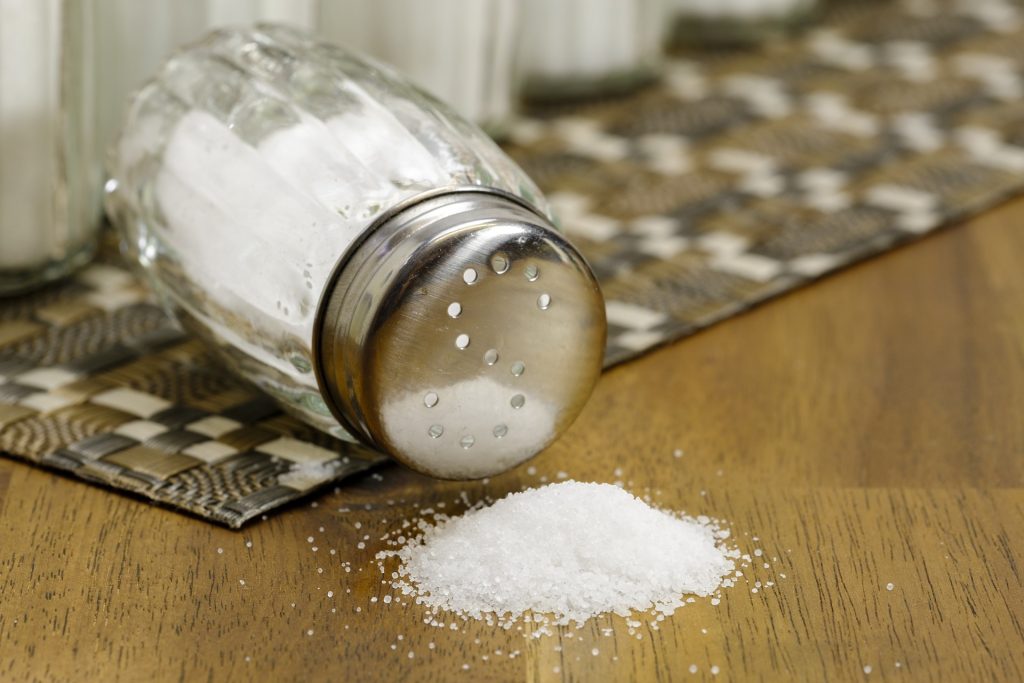
Salt shaker spilling table salt. Image by Bruno /Germany from Pixabay

Researchers have found that, besides raising blood pressure, too much salt can disrupt the immune system by affecting their energy balance in immune calls and weakening them.

Back in 2015, the researchers had found that raised sodium concentrations in the blood affect both the activation and the function of patrolling monocytes — the precursors to macrophages.

“But we didn’t know exactly what was happening in the cells,” said Dr Sabrina Geisberger of the Berlin Institute for Medical Systems Biology (BIMSB) at the Max Delbrück Center for Molecular Medicine in the Helmholtz Association (MDC). She is lead author of the study of an international research team led by MDC scientists together with colleagues from University of Regensburg and from Flanders Institute for Biotechnology (VIB) /Hasselt University in Belgium.

The researchers began in the lab by measuring the metabolism immune cells exposed to high salt concentrations.

Changes appeared after just three hours. “It disrupts the respiratory chain, causing the cells to produce less ATP and consume less oxygen,” explained Prof Geisberger. ATP (adenosine triphosphate) powers all cells, providing energy for the ‘chemical work’—synthesising proteins and other molecules—needed for muscle power and metabolic regulation. ATP is produced in the mitochondria, the cell’s ‘power plant,’ using a complex series of biochemical reactions known as the respiratory chain. “Salt very specifically inhibits complex II in the respiratory chain.”

Consequences include the monocytes maturing differently due to a lack of energy. “The phagocytes, whose task is to identify and eliminate pathogens in the body, were able to fight off infections more effectively. But this could also promote inflammation, which might increase cardiovascular risk,” explained Professor Dominik Müller of the Experimental and Clinical Research Center (ECRC). Salt was shown to affect the functioning of human phagocytes in the same way.

Researchers at the ECRC then conducted a study in which healthy male participants six grammes of salt in tablet form to their usual diet every day for 14 days. In another clinical study, the researchers investigated a familiar scenario: eating a pizza from an Italian restaurant. After analysing the monocytes in the participants’ blood, they saw that the mitochondrial  dampening effect doesn’t just happen after an extended time with high salt intake—it also happens after a single pizza. The pizza experiment showed that the effect was fairly short. After eight hours, the effect was barely measurable.

“That’s a good thing. If it had been a prolonged disturbance, we’d be worried about the cells not getting enough energy for a long time,” commented Prof Müller. Mitochondrial activity is therefore not permanently stalled. However, the risk remains if a person eats very salty foods throughout the day. The pizza, incidentally, contained ten grammes of salt. Nutrition experts recommend that adults limit their daily intake to five or six grammes at most. The calculation includes the salt that is hidden in processed foods.

“The fundamental finding of our study is that a molecule as small as the sodium ion can be extremely efficient at inhibiting an enzyme that plays a crucial role in the respiratory chain,” said biochemist and metabolomics expert Dr Stefan Kempa of BIMSB. “When these ions flood into the mitochondria—and they do this under a variety of physiological conditions—they regulate the central part of the electron transport chain.” It therefore seems to be a fundamental regulatory mechanism in cells.

The next step is determining whether salt influences this mechanism in other cell types. Prof Kleinewietfeld believes that this is extremely likely because mitochondria aren’t just present in immune cells; they exist in every cell of the body, save for red blood cells.

Though the way in which different cell types regulate sodium influx into the mitochondria is still not properly understood, the study confirms that overconsumption of salt is unhealthy. “Of course the first thing you think of is the cardiovascular risk. But multiple studies have shown that salt can affect immune cells in a variety of ways. If such an important cellular mechanism is disrupted for a long period, it could have a negative impact—and could potentially drive inflammatory diseases of the blood vessels or joints, or autoimmune diseases,” said Professor Markus Kleinewietfeld of Hasselt University and VIB.

Source: Medical Xpress

More information: Sabrina Geisberger et al, Salt Transiently Inhibits Mitochondrial Energetics in Mononuclear Phagocytes, Circulation (2021). DOI: 10.1161/CIRCULATIONAHA.120.052788

Mitochondria Dump DNA into Cells, Triggering Inflammation

Researchers have discovered that when building blocks for DNA in cells are in short supply, mitochondria— the powerhouses of cells — release their own DNA, triggering an inflammatory response. Targeting this process can now open up new avenues of treatment into ageing-related diseases.

Mitochondria, the producers of energy for cells, , have their own genetic material: mitochondrial DNA. In certain situations, however, mitochondria are known to release their DNA into the interior of the cell, provoking a reaction from the cell’s own immune system. Some cardiac and neurodegenerative diseases as well as the ageing process are associated with the mitochondrial genome.

To find out when mitochondria release their DNA, the researchers have focused on the mitochondrial protein YME1L. “In cells lacking YME1L, we observed the release of mitochondrial DNA into the cell interior and a related immune response in the cells,” explained Thomas MacVicar, one of the study’s two first authors.  
“If the cells lack YME1L, there is a deficiency of DNA building blocks inside the cell,” he continued. “This deficiency triggers the release of mitochondrial DNA, which in turn causes an inflammatory response in the cell: the cell stimulates similar inflammatory reactions as it does during a bacterial or viral infection. If we add DNA building blocks to the cells from the outside, that also stops the inflammation.”

This newly discovered link between cellular inflammatory response and the metabolism of DNA building blocks could have far-reaching consequences, MacVicar explained. “Some viral inhibitors stop the production of certain DNA building blocks, thereby triggering an inflammatory response. The release of mitochondrial DNA could be a crucial factor in this, contributing to the effect of these inhibitors,” he said. 
Mitochondrial DNA is associated with a number of ageing-associated inflammatory diseases, including cardiac and neurodegenerative diseases, as well as obesity and cancer. The authors hope that new therapeutic opportunities in such diseases can be created by modulating the metabolism of DNA building blocks.

Source: Medical Xpress

Journal information: Hans-Georg Sprenger et al, Cellular pyrimidine imbalance triggers mitochondrial DNA–dependent innate immunity, Nature Metabolism (2021). DOI: 10.1038/s42255-021-00385-9

New Treatment may Regenerate Liver Scarring

Japanese researchers have come up with a new approach that could revolutionise the treatment and prevention of liver disease damage and possibly regenerate liver scarring.

This novel strategy involves small extracellular vesicles (sEVs), which are lipid-enclosed particles that are naturally released from a cell. The ones used in this study derived from interferon-γ (IFN-γ) pre-conditioned MSCs (γ-sEVs).

Cirrhosis (scarring of the liver) and other chronic liver diseases result in up to 2 million deaths reported annually around the world, these in turn account for approximately 3.5% of annual deaths globally. As the only treatment for clinically advanced cirrhosis liver transplantation, targeted therapies for modulating fibrosis and aiding tissue regeneration.  The ability to control fibrosis–the growth of fibrous tissue in response to damage– is often lost in livers under advanced cirrhosis.  The research builds upon this.

One of the most popular approaches is cell therapy, where mesenchymal stromal cells (MSCs) and macrophages have shown the potential to reduce liver fibrosis. MSCs are able to transform into a number of different cells. They are cost-effective, being available not only from bone marrow, but also from medical waste such as umbilical cord tissue, adipose (fatty) tissue, and dental pulp.

Apart from the ease of availability, MSCs can also be lab-grown. MSCs don’t replace tissue but instead have been shown to be medical signaling cells that indirectly produce cytokines, chemokines, growth factors, and exosomes that are crucial for repairing and regenerating damaged tissue.

Previous research showed that MSCs have anti-inflammatory, anti-fibrotic, and anti-oxidative effects through these humoural factors. MSCs also have lower potential for provoking an immune response and therefore rejection, enabling their use in both within the same individual and another.

In a series of experimental mice studies, researchers pre-conditioned fat extracellular vesicles with interferon gamma (IFN-γ), an important immune system signaller. They showed that this increases the number of anti-inflammatory macrophages, which are the key players in tissue repair, reducing fibrosis and promoting tissue regeneration.

They reported that both MSCs derived from fatty tissue (AD-MSC-sEVs) and AD-MSC-γ-sEVs can boost macrophage motility and phagocytic activity. In addition, they also show that AD-MSC-γ- sEVs can effectively control inflammation and fibrosis in mice with cirrhosis.

They found thatAD-MSC-derived sEVs can affect the shape and function of macrophages, effectively recruiting them into damaged areas to initiate tissue repair.

In an interview, researcher Dr Atsunori Tsuchiya at Niigata University, explained that, “Both mesenchymal stromal cells and macrophages are reported to have therapeutic effects for liver cirrhosis, however relationship of both cells and mechanisms of action was not clear. We challenged this problem.”

He continued, “We found the important fact that extracellular vesicles from interferon-γ can induce the tissue repair macrophages, which can regress fibrosis and promote liver regeneration effectively.” 

Dr Suguru Takeuchi, another of the researchers at Niigata University, concurred: “In our previous study, we reported that intravenous administration of mesenchymal stromal cells migrated to the lung, can work as ‘conducting cells’ and affect to macrophages ‘working cells’ in the liver.

“In this study we first elucidated that extracellular vesicles from mesenchymal stromal cells are key molecules to affect the macrophages.”

This study, which complements macrophage therapy, holds potential as a strategy for treating liver diseases using small extracellular vesicles pre-conditioned with IFN-γ. However, further development is needed, as well as uncovering the mechanisms by which they increase Treg cell count.

“Our results showed that modified extracellular vesicles can become a new therapeutic strategy for liver cirrhosis,” said Professor Shuji Terai, Niigata University.

Source: News-Medical.Net

Journal information: Takeuchi, S., et al. (2021) Small extracellular vesicles derived from interferon-γ pre-conditioned mesenchymal stromal cells effectively treat liver fibrosis. npj Regenerative Medicine. oi.org/10.1038/s41536-021-00132-4.

Loneliness in Middle-aged Men Tied to Cancer Risk

Older man sitting alone on beach. Photo by Engin Akyurt from Pexels

A recent study by the University of Eastern Finland shows that loneliness among middle-aged men is associated with an increased risk of cancer.

Cancer is the second leading cause of death around the world, and in high-income countries it has become the main cause. Recent scientific evidence demonstrates that stress plays a positive role in cancer initiation, progression and cancer metastasis, as well as a negative role for anti-tumor immune function and therapy response.

“It has been estimated, on the basis of studies carried out in recent years, that loneliness could be as significant a health risk as smoking or overweight. Our findings support the idea that attention should be paid to this issue,” said project researcher Siiri-Liisi Kraav from the University of Eastern Finland.

The study was launched in the 1980s with middle-aged men from eastern Finland participating. To avoid reverse causality, individuals who already had a cancer diagnosis or received a cancer diagnosis within two years after the baseline data collection were excluded from the analysis. The  2570 eligible participants had their health and mortality monitored on the basis of register data through to the present. Follow-up lasted an average of 20.44 years, and the average age of cancer diagnosis was 69.96 years.
Factors accounted for included age, socio-economic status, lifestyle, sleep quality, depression symptoms, body mass index, heart disease and other risk factors.

During the follow-up, 649 men (25% of participants) developed cancer, and 283 men (11%) died of cancer. Loneliness was associated with a roughlt 10% increased cancer risk. In addition, cancer mortality was higher in cancer patients who were unmarried, widowed or divorced at baseline.
Based on these results, the researchers recommended that consideration of loneliness and social relationships should be an important part of comprehensive health care and disease prevention. The findings were published in Psychiatry Research.

“Awareness of the health effects of loneliness is constantly increasing. Therefore, it is important to examine, in more detail, the mechanisms by which loneliness causes adverse health effects. This information would enable us to better alleviate loneliness and the harm caused by it, as well as to find optimal ways to target preventive measures,” concluded Kraav.

Source: University of Eastern Finland

Journal information: Kraav, S., Lehto, S.M., Kauhanen, J., Hantunen, S., Tolmunen, T., 2021. Loneliness and social isolation increase cancer incidence in a cohort of Finnish middle-aged men. A longitudinal study. Psychiatry Research: https://doi.org/10.1016/j.psychres.2021.113868

Study Explores the Circadian Rhythm Control Centre

Woman sleeping with an alarm clock on bedside. Photo by cottonbro from Pexels

Researchers in Japan have offered new insights into how the brain’s circadian rhythm control centre regulates behaviour.

Circadian rhythms are a force in the background that shapes many human behaviours such feeling tired and falling asleep, as well as influencing our health. Michihiro Mieda and his team at Kanazawa University in Japan are researching just how the brain’s circadian rhythm control centre regulates behaviour.

The control centre, known as the superchiasmatic nucleus, or SCN, contains many types of neurons that transmit signals using the molecule GABA, but little is known about how each type contributes to our bodily rhythms. In this most recent study, the researchers focused on GABA neurons that produce arginine vasopressin, a hormone that regulates kidney function and blood pressure in the body, and which the team recently showed is also involved in the regulation of the interval of rhythms produced by the SCN.

To examine the function of these neurons separate to all others, the researchers first deleted a gene in mice which was needed for GABA signaling between neurons, but only in vasopressin-producing SCN neurons. “We removed a gene that codes for a protein that allows GABA to be packaged before it is sent to other neurons,” explained Mieda. “Without packaging, none of the vasopressin neurons could send out any GABA signals.”

Thus, these neurons could not use GABA to communicate with the rest of the SCN anymore. The mice showed longer periods of activity, beginning activity earlier and ending activity later than control mice, a simple enough result. It might seem that losing the packaging gene in the neurons disrupted the molecular clock signal but the result was not so simple. Closer examination deepened the mystery as the molecular clock seemed to progress unhindered.
Using calcium imaging, the researchers examined the clock rhythms within the vasopressin neurons. They found that while the rhythm of activity matched the timing of behaviour in control mice, this relationship was disturbed in the mice with missing GABA transmission in the vasopressin neurons. The rhythm of SCN output, ie SCN neuronal electrical activity, in the modified mice had the same irregular rhythm as their behaviour.

“Our study shows that GABA signaling from vasopressin neurons in the suprachiasmatic nucleus help fix behavioral timing within the constraints of the molecular clock,” concluded Mieda.

Source: News-Medical.Net

Journal reference: Maejima, T., et al. (2021) GABA from vasopressin neurons regulates the time at which suprachiasmatic nucleus molecular clocks enable circadian behavior. PNAS. doi.org/10.1073/pnas.2010168118.