Year: 2021

Using a Gaming Console can Improve Stroke Patient Rehabilitation

Photo by Tima Miroshnichenko from Pexels

A study by the Faculty of Physiotherapy of the University of Valencia (UV) has shown that a physiotherapy programme using the Nintendo Wii console improves the functionality, balance and daily activities of patients who have suffered a cerebrovascular accident or stroke.
Wii research group

The study found that when the Wii is added to conventional physiotherapy techniques, the benefits are significant in stroke patients. Besides improvements in functionality and balance, the physiotherapy programme using the Wii also helps to improve daily activities.

The use of game consoles in medicine has focused on aspects such as helping build motor skills and pain management with virtual reality immersion. They are relatively cheap and available, and simple to use. One study looked at using a Microsoft Xbox to help rehabilitation of patients with Parkinson’s disease.

Previous research had already shown that the Wii can help normal treatments in restoring functionality in some chronic diseases. However, until now, there was little evidence of its use in people who had suffered strokes. “Before conducting the study we realised that not much research had been done with stroke patients, so we wanted to know if console games could promote mobility, balance and the day-to-day life of people with this pathology”, explained Elena Marqués, one of the researchers and professor of Physiotherapy at the UV.

The study recruited 29 participants into two groups, one using the Wii and conventional techniques, and the other performing traditional physiotherapy exercises. “The sample is relatively large considering it is comprised by patients who suffered strokes, as because they have many physical limitations, their treatment is usually much more individualised than that of other pathologies”, said the author.

These video games allow therapists to design rehabilitation programs that improve the principles of brain plasticity. An additional advantage is that the console provides real-time feedback on performance and progress, which can increase patient motivation, fun, and treatment adherence. “It should be taken into account that some patients have not performed any exercise before, regardless of the pathology they have, so being presented as a game can be an incentive”, said Prof Marqués.

She pointed out that other benefits include the Wii being easy to use, relatively affordable and, most importantly, can be used individually and at home, without needing to visit a rehab centre. This is particularly useful with COVID lockdowns.

This is one of the first studies using consoles as a therapeutic option, but it can be extended to patients with other pathologies, “because it allows you to work the balance with the console table, both in the chronic phase and in the subacute phase”, said Marqués.

Strengthening mirror neurons

Many Wii games use the remote control, but the console also offers a balance table that detects weight transfer by reflecting it in an avatar on the screen, letting the patient observe his/her own movements and generate positive feedback.

Thus, when the person observes his/her movements, the plasticity changes that depend on the use of sensory areas belonging to the mirror neuron system are strengthened. This exemplifies, among other factors, the improvements the Wii can provide in such patients. This feedback could result in a strengthening of the learning mechanisms of different motor and sensory activities and ultimately improving quality of life.

Source: Asociación RUVID

Training Humans to Spot Abnormalities in 50 Milliseconds

Photo by Kony Xyzx from Pexels

After looking for just one-twentieth of a second, experts in camouflage breaking can accurately detect not only that something is hidden in a scene, but precisely identify the camouflaged target, with great potential in medical diagnostic settings as well for the military.

Medical College of Georgia neuroscientist Dr Jay Hegdé and his colleagues developed a relatively rapid method for training civilian novices to become expert camouflage breakers, a skill that even allowed them to sense that something was amiss even when there was no specific target to identify.

Experienced radiologists also have this intuitive sense, detecting subtle changes in mammograms, sometimes years before there is a detectable lesion. One of the main goals of radiology education is training novices to develop advanced or ‘expert’ search methods to improve their recognition of abnormalities, While artificial intelligence may significantly improve diagnosis, there is also the potential to improve the skills of humans. 

The researchers behind the camouflage breaking technique wanted to know if trainees could detect the actual camouflaged target or just sense that something is out of place, an issue that is highly significant in real world circumstances.

They already knew that they could train most nonmilitary individuals with good vision to break camouflage in as little as an hour daily for two weeks, which could benefit the military.

“The potential for rapid training of novices in the camouflage-breaking paradigm is very promising as it highlights the potential for application to a wide variety of detection and localisation tasks,” said Dr Frederick Gregory, programme manager, US Army Combat Capabilities Development Command Army Research Laboratory. “Results in experts highlight an opportunity to extend the training to real world visual search and visualisation problems that would be of prime importance for the Army to solve.“

This sort of enhanced ability to spot something amiss could have great applications in medical diagnosis and in search and rescue situations, to name a few.

For this study, six adult volunteers with normal or corrected-to-normal vision were trained to break camouflage using Hegdé’s deep-learning method, but received no specific  training on how to pinpoint the target. Participants viewed digitally synthesised camouflage scenes such as foliage or fruit and each scene had a 50-50 chance of containing no target versus a camouflaged target like a human head or a novel, 3D digital image. Similar to how computer scientists ‘trained’ self-driving cars, the idea is to get viewers to get to know the lay of the land that is their focus. “If it turns out there is something that doesn’t belong there, you can tell,” he said.

Trainees could then either look at the image for 50 milliseconds or as long as they wanted, then proceed to the next step where they quickly viewed a random field of pixels, that work like a visual palate cleanser, before acknowledging whether the camouflage image contained a target then using a mouse to show where the target was. “You have to work from memory to say where it was,” he notes.

When the participants could look at the image for as long as they wanted, the reported target location was not much different from when they only had 50 milliseconds — which is not a lot of time for their eyes to move around, Dr Hegdé said.

Again, participants had no subsequent training on identifying precisely where the target was. Yet even without that specific training, they could do both equally well. “This was not a given,” Dr Hegdé noted.

In a second experiment with seven different individuals they used a much-abbreviated training process, which basically ensured participants knew which buttons to push when, using a clearly more pronounced ‘pop-out’ target with scenarios like a black O-shaped target among a crowd of black C shapes. Both the longer and shorter viewing times yielded similar results to the more extensively trained camouflage-breakers both in accuracy and reaction time.

Camouflage is used extensively by the military, from deserts to jungles, with the visual texture changing to blend with the natural environment. “You often are recognised by your outline, and you use these patterns to break up your outline, so the person trying to break your camouflage doesn’t know where you leave off and the background begins,” he said. Animals have also used camouflage for millions of years to evade predators, or to sneak up on prey.

Context is another important factor for recognition, he pointed out, giving the example of not recognising a person whose face you have seen several times when you see them in a different setting. His current Army-funded studies aim to further explore the importance of context, and the ramifications of ‘camouflage breaking’ in identifying medical problems.

He noted that even with his training, some people are inherently better at breaking camouflage than others (he is really bad at it, he admitted) and the reason why is a goal for future research.

Source: Augusta University

A New Bacterium Might Help Treat Type 2 Diabetes and Obesity

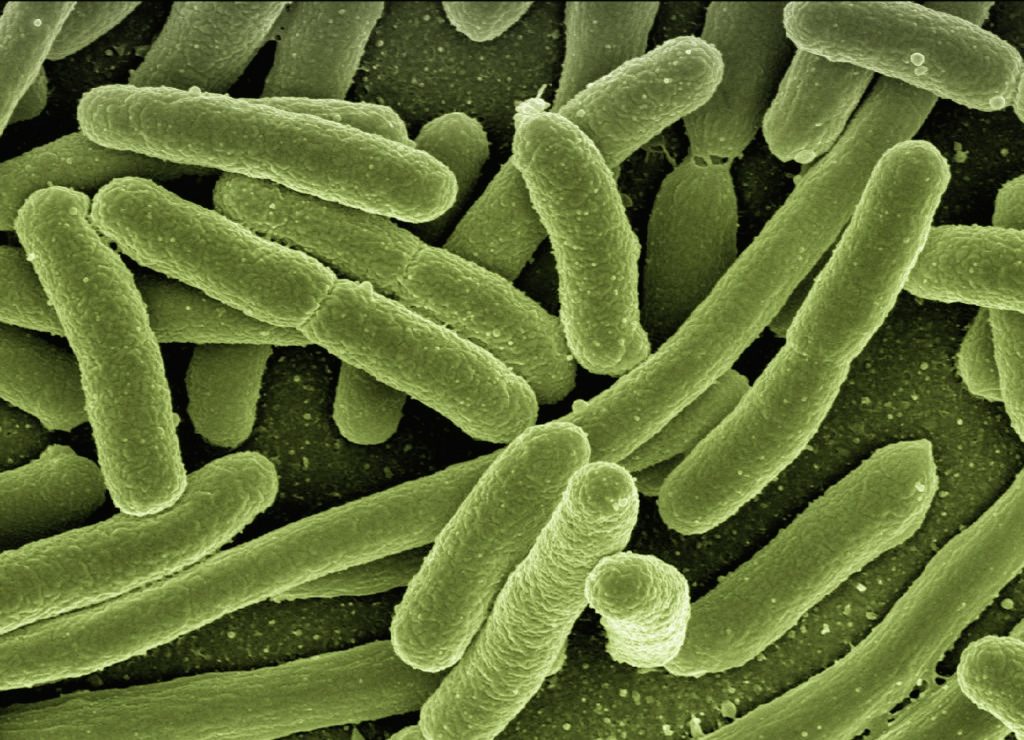
E. Coli bacteria. Image by CDC

A newly discovered bacterium has been shown to have a possible link to type 2 diabetes and obesity, and may yield pathways to possible treatments.

It began when Patrice Cani, FNRS researcher at University of Louvain (UCLouvain), and his team repeatedly observed that a certain bacterium, Subdoligranulum, is usually lacking in obese and diabetic people, while it is systematically present in healthy people. Based on this, they decided to examine this family of bacteria.

Currently only one cultivated strain of this family is available in the world (the only known member of a large family) and was not the strain that was seen to be decreased in obese and diabetic people. This is not unusual: nearly 70% of bacteria in the intestine have not yet been identified — this is called the dark matter of the intestine.

In 2015, the team then set out to isolate the bacterium themselves in order to learn about its action on the human body, knowing that it is only present in healthy people. To find a second member of the family, the scientists spent two years searching, isolating and cultivating nearly 600 intestinal bacteria. 

All of this was in vain. Instead, the UCLouvain team uncovered a bacterium of a new, previously unknown kind. They named it Dysosmobacter welbionis: Dysosmo (“which smells bad”, in Greek), bacter (bacterium) is the bacterium which stinks, “Because, when you grow it, it has a slight odour,” they explained. Welbionis for WELBIO, the organisation in the Walloon region which funded this research.

The bacterium is peculiar for a number of reasons, including the fact that it produces butyrate. Though many other bacteria produce this colon cancer-promoting molecule, for example by strengthening the intestinal barrier and boost immunity. But the team also discovered that Dysosmobacter welbionis was less present in people with type 2 diabetes.

By analysing the microbiota from 12 000 faecal samples gathered from around the world, the UCLouvain scientists observed that the bacteria is present in 70% of the population. As to why such a widely prevalent bacteria was never discovered before, the answer likely lies in the improved cultivation techniques developed by the UCLouvain team.

The UCLouvain team including doctoral student Emilie Moens de Hase and post-doctoral fellow Tiphaine Le Roy then tested the action of Dysosmobacter welbionis in mice. The Results? The bacteria increased the number of mitochondria (a kind of power plants within cells that burns fat), thereby lowering sugar levels and weight, in addition to having strong anti-inflammatory effects. All these effects are very promising for type 2 diabetic and obese subjects and resemble those of Akkermansia, a beneficial bacterium that is at the heart of the research in Patrice Cani’s lab.

They also observed that the bacteria’s effects are not limited to the gut: Scientists have found that certain molecules produced by Dysosmobacter migrate around the body and have distant actions as well. This could explain the effects the bacteria have on the fat tissues, and also opens the doors for a possible impact on other diseases such as cancer. This is currently being investigated by the team.

The next step is to test the action of Dysosmobacter welbionis coupled with that of Akkermansia, in order to see if their association has cumulative effect on health, while always keeping in mind the fight against type 2 diabetes, inflammatory diseases, obesity and cancer. “That’s the fun of research: you dig for dinosaur bones and you end up finding a treasure,” Patrice Cani enthused.

Source: Université catholique de Louvain

Journal reference: Roy, T. L., et al. (2021) Dysosmobacter welbionis is a newly isolated human commensal bacterium preventing diet-induced obesity and metabolic disorders in mice. Gut. doi.org/10.1136/GUTJNL-2020-323778.

Lifestyle Changes Shown to Reduce Risk of Dementia

Photo by Ketut Subiyanto from Pexels

After almost two decades, a new drug for Alzheimer’s disease has been approved in the US. However, some experts say it doesn’t really work — only treating amyloid plaques which are thought to cause the disease — and worry that it may cost a lot.

The amount of attention around this news reflects the importance of preventing dementia, with its devastating toll on families and patients. But millions of adults could lower their chances of needing such a drug by taking preventative measures.

That’s why a national panel of experts including the University of Michigan’s Deborah Levine, MD, MPH, recently published a guide for primary care providers on this topic as an official Scientific Statement from the American Heart Association.

People dread Alzheimer’s disease, she said. Helping people understand that they can prevent or slow future dementia by taking specific steps now could motivate them to increase their healthy behaviours for a positive effect.

The first step is to recognise that dementia risk is higher among people with seven major modifiable risk factors.

These are: depression, hypertension, physical inactivity, diabetes, obesity, hyperlipidaemia, poor diet, smoking, social isolation, excessive alcohol use, sleep disorders and hearing loss. Addressing each of these factors can, to varying extents, help reduce the risk of developing dementia, a fact backed by decades of research.

The second step is using medication, lifestyle change and other interventions to help patients reduce their dementia risk.

“Dementia is not inevitable,” said Dr Levine, a primary care provider at the University of Michigan Health, part of Michigan Medicine. “Evidence is growing that people can better maintain brain health and prevent dementia by following healthy behaviours and controlling vascular risk factors.”

These strategies can help preserve cognitive function and lower risk for heart attacks and strokes, said Dr Levine, who heads the Cognitive Health Services Research Program and sees patients at the Frankel Cardiovascular Center.

“We need to address the significant disparities that lead women, Black, Hispanic and less-educated Americans to have a much higher risk of dementia,” said Levine, a member of the U-M Institute for Healthcare Policy and Innovation.

She added that it’s never too late in life to start working on cognitive risk factor control.

“We have no treatments that will halt dementia – so it’s important to protect your brain health.”

Source: University of Michigan

Why the Origin of COVID Matters

Photo by Artem Podrez from Pexels

As interest mounts in the ‘lab leak’ hypothesis for the origin of SARS-CoV-2, more scientists are starting to take it seriously, especially because of the important implications of its actual origins.

MedPage Today reported that many experts it approached for the story were hesitant to speculate on its exact implications, they agreed that further research into its origins is important to ward off future pandemics.

A natural origin’s implications

Back in 2007, scientists who were studying coronaviruses warned: “The presence of a large reservoir of SARS-CoV–like viruses in horseshoe bats… is a time bomb. The possibility of the re-emergence of SARS and other novel viruses… should not be ignored.”

On May 26 2021, in the midst of the greatest disaster the world has faced since World War II, US President Joe Biden gave US intelligence 90 days to reach a “definitive conclusion” on the origins of SARS-CoV-2.

Vincent Racaniello, PhD, professor of microbiology and immunology at Columbia University, said finding an answer is unlikely within Biden’s deadline. After all, it took 14 years to find the ancestor of the first SARS virus in wildlife.

For Prof Racaniello, this renewed concern underscores the need for better surveillance of viruses in wildlife.

“All human viruses begin in nature. There’s an overwhelming preponderance of data that shows that, so it makes sense to look in nature when we’re looking for the source of new viruses,” Prof Racaniello told MedPage Today.

As a result of human population pressure, more viruses are spilling over into humans from nature. Examples of this include Ebola, SARS-1, MERS, and bird and swine flu. Because of the evolutionary closeness of mammals and humans, they are major pathogen sources. Rodents and bats (accounting for 20% of mammals), as well as various species of birds are good places to look. However our surveillance of wildlife is spotty, so we have “very little” understanding of the viruses these types of animals harbour, and which ones could be threats to humans, Prof Racaniello warned.

“We need to do more wildlife sampling, to find out what’s out there and what’s potentially a threat,” he said. “More investment in this could have prevented the trillions of dollars that we’ve spent to take care of this pandemic.”

A lab leak’s implications

On the other hand, Richard Ebright, PhD, a molecular biologist and professor of chemistry and chemical biology at Rutgers University in New Jersey, believes the real issue lies in addressing the potential for future pandemics that could originate from lab accidents, a discussion that “needs to begin now.”

“Irrespective of whether COVID originated in a natural accident or a lab accident, the risk of a future pandemic originating in a lab accident is real,” he told MedPage Today.

Prof Ebright explained that, in the US and other countries, only voluntary biosafety guidelines exist, and these are about preventing accidental release of pathogens. While the US has legal regulations against several pathogens that could be used as biological weapons, there are no biosecurity regulations for other pathogens. In most of the world, no biosecurity regulations exist for pathogens other than smallpox, not even voluntary ones, Prof Ebright said.

In 2017, the US implemented a bio-risk policy requiring a risk-benefit analysis before federal funding can be approved for high-risk research, such as ‘gain of function’ research that could be used to increase a pathogen’s transmissibility or pathogenicity to better understand and control it, Prof Ebright said. But this bio-risk policy has been essentially ignored by federal agencies, and the other countries with bio-risk policies only apply it to smallpox.

“Discussion now, especially among policy makers and the public, needs to turn to the inadequacy of biosafety, biosecurity, and biorisk-assessment standards worldwide, and to the essentially complete absence of biosafety regulation worldwide,” he said.

The return of the lab leak hypothesis

While evidence is largely circumstantial, the basic idea is that a laboratory at the Wuhan Institute of Virology had been experimenting on a virus called RaTG13 (a coronavirus closely related to SARS-CoV-2, which infects horseshoe bats), and genetically manipulating other horseshoe bat viruses collected around China. It is thought that one of these laboratory viruses could have infected a staffer at the institute, who then transmitted it to the broader public, Dr Ebright explained.

Following the WHO’s March 30 SARS-CoV-2 origins investigation report, there was a sudden about-face and the lab leak theory began to be taken seriously. Though investigators classified a laboratory origin as “extremely unlikely”, they said the conclusion was reached on the evidence made available.

Even the Director-General of the WHO, Dr Tedros Ghebreyesus, said at the time that he did not believe the assessment of a laboratory origin was “extensive enough,” that this hypothesis “requires further investigation,” and that “this report is a very important beginning, but it is not the end.”

“At this point in time, all scientific data related to the genome sequence of SARS-CoV-2 and the epidemiology of COVID are equally consistent with a natural-accident origin or a laboratory-accident origin,” Ebright said.

While the WHO report does not propose a follow-up study for laboratory origins, it acknowledges that both “follow-up of new evidence” and “regular administrative and internal review of high-level biosafety laboratories worldwide” is needed.

Source: MedPage Today

An Easy to Swallow Detection Method for Oesophageal Cancer

Image by Natural Herbs Clinic from Pixabay

In the UK, a “game-changer” method to sample cells for the detection of oesophageal cancer is being trialled in a mobile unit.

The cytosponge, a pill containing a sampling sponge, was developed at the and collects cells which are tested at a laboratory. Details on its development were published in The Lancet. In a previous trial with more than 13 000 participants receiving either the cytosponge or usual care from a GP, the odds of detecting oesophageal cancer were ten times higher than with usual care.

It is hoped the test will be much more efficient and quicker than the current detection method, requiring an endoscopy in hospital.

Prof Rebecca Fitzgerald from the University of Cambridge, which developed the test, said it was “really simple and straightforward”.

Early signs of cancer of the oesophagus are often mistaken for heartburn. It is the sixth most common cause of death from cancer worldwide.

A mobile unit will perform the test at GP surgeries at different locations around the UK.

Prof Fitzgerald, who specialises in cancer prevention, said the cytosponge “can diagnose cancer of the oesophagus really early”.

“Usually you would have to go to the hospital and get an endoscopy, with all that entails, and our idea was could you make something that was so simple you could go to a mobile unit or GP surgery,” Prof Fitzgerald said.

“The simplicity is the absolute key of this – we know the power of diagnosis is in the cells you collect.”

She added that due to COVID, “some endoscopy has been completely on hold so you might have to wait months” for the procedure, where a long, thin tube with a camera is sent down the patient’s mouth and throat.

Prof Fitzgerald explained: “You swallow the capsule on a string with water and it will go down to the top of the stomach.

“The capsule will dissolve in five to seven minutes, and as it dissolves out pops a sponge which has been compressed in that capsule. The nurse simply pulls the sponge out with the string and it will collect about a million cells on its way out.

“We put that sponge into a preservative, send it to the laboratory where it is tested to see whether there are Barrett cells or not and whether the cells look like they are turning to pre-cancer. Then we can let the patient know and if there is anything to worry about they can have an endoscopy and treatment.”

The procedure takes about 10 minutes to perform in total.

Source: BBC News

UTI Bacteria Traced to Meat Production

A Portuguese study has found that bacteria in urinary tract infections (UTI) can be traced back to meat through the production chain where it was prepared.

UTIs are caused by both Gram-negative and Gram-positive bacteria, as well as by certain fungi. Staphylococcus saprophyticus is a major cause of UTI in young women, reaching 20% prevalence. Understanding the epidemiology of this microorganism can help identify its origin, distribution, causes, and risk factors. Researchers from ITQB NOVA led by Maria Miragaia showed that Staphylococcus saprophyticus can originate in food, specifically in the meat-production chain. Their findings were published in the journal Emerging Infectious Diseases.

Pork is the most popular meat type in Europe. S. saprophyticus can be a contaminant of that meat, and it is also found in the environment, the gut and rectal flora of pigs, and in the human gastrointestinal tract, vagina, and perineum.

The researchers used a combination of phenotypic, genomic, and pan-genome wide association approaches, which enabled them to identify two different lineages (G and S) of S. saprophyticus. Lineage G is of food origin and transmitted to humans by contact with food products, and lineage S is of human origin. Both cause disease and may be transmitted directly or indirectly between persons within the community, with an extensive geographic distribution possible.

To find out if these bacteria causing UTIs could be related to the ones found in pork, the research group looked at S. saprophyticus from a slaughterhouse and compared them to those causing human UTIs. The team analysed bacteria collected from UTIs worldwide over two decades, and from UTIs and pork meat production chain in Portugal.

The results showed that bacteria found in the slaughterhouse (equipment, meat, colonisation of workers) were similar to human UTI bacteria and had the same antibiotic resistance profile.

Although S. saprophyticus colonisation rate in pigs was extremely low (1%), 35% of slaughterhouse samples were contaminated. The presence of an antiseptic resistance gene (qacA) by all the lineage G bacteria could be part of the explanation for the ineffective cleaning procedures that were used. 
S. saprophyticus strains of animal origin (lineage G) enters the slaughterhouse through food animals, persist on the equipment, disseminate and contaminate the meat processing chain and humans. Human colonisation is a crucial step for the later occurrence of UTI,” explained first author Opeyemi Lawal.

The researchers also studied genomic data of bacteria collected from patients attending three hospitals in the Lisbon area, and found that the transmission of these pathogenic bacteria from both lineages (G and S) occurs between persons within the community. Making use of this deep-structured analysis, researchers were also able to identify putative new virulence factors for this unexplored bacterium. The team will continue to search for reservoirs of this bacterium in humans and animals, and to study the mechanisms of S. saprophyticus dissemination and disease to inform strategies against  this pathogen. 

“This a clear example of how food manipulation can impact in human health, and how important it is to educate consumers regarding good individual hygiene practices to avoid spreading of infectious diseases“, said Maria Miragaia, head of the Bacterial Evolution and Molecular Epidemiology Lab. 

“This adds to the list of bacteria that are transmitted to humans through contact with animals and animal-derived food. But the exact mechanisms associated to the conversion from a coloniser to an infectious agent remains to be clarified”, added Henrik Westh from the Copenhagen University Hospital – Amager and Hvidovre, University of Copenhagen (Denmark).

Source: ITQB NOVA

Meet the Two Women in the Running for SA’s Top Medical Job

Photo by Markus Winkler on Unsplash

Health Minister Dr Zweli Mkhize is in hot water over alleged procurement fraud for a R150 million COVID contract, and is widely expected to step down shortly.

President Cyril Ramaphosa is reportedly weighing up two candidates to replace Dr Mkhize as health minister.

The candidates are the former Gauteng health MEC Dr Gwen Ramokgopa, (who took over following the Life Esidimeni tragedy) and Dr Nkosazana Dlamini-Zuma, who, as Health Minister saw the overhaul of the country’s apartheid-era healthcare systems.

As an anti-Apartheid activist, Dr Ramokgopa held various leadership positions. She qualified as a medical doctor (MBChB) in 1989 and obtained her Master’s in Public Health (MPH) in 2007. She worked as a Medical Officer at the Dr George Mukhari (then Ga-Rankuwa) Hospital until 1992.

Having served once as the Gauteng health MEC in 1999,  Dr Ramokgopa took on the role deputy health minister from 2010 to 2014. She succeeded Qedani Mahlangu as Gauteng health MEC following the shameful Life Esidimeni tragedy involving the deaths of at least 94 mental health patients released from private mental healthcare facilities to 27 unlicensed facilities. In a  statement, she vowed to tackle waste and corruption.

Dr Nkosazana Dlamini-Zuma completed her MBChB at the University of Bristol in 1978, and took part in underground ANC activities. During Mandela’s presidency, she was appointed Minister of Health, and courted controversy by voicing support for Virodene, an ‘HIV cure’ which attracted heavy criticism and which was never approved.

She then served as Minister of Foreign Affairs from 1999 to 2009, and then Minister of Home Affairs to 2012, where she turned around a department mired by mismanagement. Despite stubborn resistance from French-speaking nations, she was elected the African Union’s (AU) Chairperson from 2012 to 2017 and was praised for focusing on gender issues. After this, she began vying for the ANC presidency as an MP. In 2019, she was appointed Minister of Cooperative Governance and Traditional Affairs.

During South Africa’s lockdown, she memorably rose to internet fame for using “zol” to refer to cannabis when giving reasons for the tobacco ban.

New Insights into How Kidney Cancer Cells Respond to Treatment

Photo by National Cancer Institute on Unsplash

Researchers from the University of Michigan Rogel Cancer Center have uncovered clues as to why kidney cancers respond so differently to treatment, opening up new tailored treatment options.

Not all kidney cancers behave the same, and some have wildly differing responses to immunotherapy or other treatments – resulting in wildly different outcomes for patients.

By sequencing the RNA of individual cells within multiple benign and cancerous kidney tumors, the researchers have identified the cells from which different subtypes of kidney cancer originate, the pathways involved and how the tumor microenvironment impacts cancer development and response to treatment.

The findings, published in PNAS, could help researchers better understand renal cell carcinoma development and guide oncologists in optimising therapies for each patient.

“Single cell RNA sequencing was key to allowing us to monitor gene expression patterns in each individual cell, revealing the mechanisms at play within the tumour microenvironment that can predict overall survival,” says study author Arul Chinnaiyan, MD, PhD, director of the Michigan Center for Translational Pathology and SP Hicks Professor of Pathology at Michigan Medicine.

Researchers produced gene expression atlases for normal kidney and renal cell carcinoma samples. They predicted the putative cell of origin for more than 10 subtypes of renal cell cancer. Their analysis also uncovered pathways and interactions within the tumour microenvironment that predicted if the tumour would respond to immunotherapy. These findings could help develop biomarkers to guide kidney cancer treatment.

“By understanding the cell type where a cancer originates, it may allow us to target more precise treatments for that cancer type as well as better understand response to therapy,” Dr Chinnaiyan said.

Source: University of Michigan

Journal information: “Single-cell analyses of renal cell cancers reveal insights into tumor microenvironment, cell of origin, and therapy response,” PNAS. DOI: 10.1073/pnas.2103240118

New Measurement of Heart Function Could Benefit High-risk Heart Patients

A new measurement of heart function developed at UVA Health could improve survival for people with heart failure by identifying high-risk patients who require tailored treatments, according to a new study.

The study is the first to show a survival benefit from wireless pressure monitoring sensors implanted in the pulmonary arteries. Pulmonary artery proportional pulse pressure, or PAPP, is a new measure of heart function that can identify patients at very high risk of hospitalisation or death from systolic heart failure or pulmonary hypertension (high blood pressure in the heart and lungs).

Previous work showed that patients with low PAPPs were at much higher risk than those with higher PAPPs, so the researchers tested whether these benefits were maintained in patients undergoing implantation of pressure sensors that continuously monitor pressure in the pulmonary artery.

“We found that PAPP is a very good measure of how stiff or compliant the pulmonary arteries are. The stiffness of the pulmonary arteries determines how much resistance the right side of the heart has overcome to pump blood effectively to the lungs,” said Sula Mazimba, MD, MPH, a heart failure expert at UVA Health and the School of Medicine. “The importance of this simple measure is that it can identify patients that are at greatest risk of dying or being hospitalised. This allows us to tailor more aggressive treatments.”

Heart failure causes more than 1 million hospital admissions each year, and approximately half of patients die within five years of diagnosis.

The new study evaluated the benefits of PAPP monitoring in patients with systolic heart failure, where the left ventricle is weak, as well as those with pulmonary hypertension.

To find out if PAPP monitoring could predict outcomes in these patients, Dr Mazimba and colleagues analysed data from 550 participants in the CHAMPION clinical trial, whose participants were randomised to receive an implantable, wireless heart monitor called the CardioMEMS HF System.

They found that participants with a below-average PAPP had a significantly higher risk of hospitalisation or death compared with those with higher PAPPs. Furthermore, the monitoring  reduced the risk of death for those with low PAPPs by 46% annually during two to three years of follow-up.

“The implications of this study are highly significant,” said co-investigator Kenneth Bilchick, MD, MS, a cardiologist at UVA Health. “We now have identified a specific group of patients who appear to have a marked improvement in survival with implantation of these pulmonary artery wireless monitors. As a result, the findings of the study could maximise the impact of this technology for a large number of potential candidate patients. This is an excellent example of how secondary analyses of clinical databases maintained by the National Institutes of Health can result in novel and personalised approaches to patient care.”

The researchers say further study is necessary to gauge the full potential of PAPP monitoring to improve care for patients with heart failure, but early results were encouraging.

“In the past, the function of the right chamber of the heart was often ignored and considered to be inconsequential to the overall performance of the heart, but we are now learning that this is not the case,” Dr Mazimba said. “Having tools that signal when the right side of the heart is under strain may aid clinicians to adopt timely tailored treatments for heart-failure patients.”

Source: UVA Health