
Tag: tuberculosis

TB Treatment can be Cut to Two Months for Some, Finds Landmark Study

By Elri Voigt

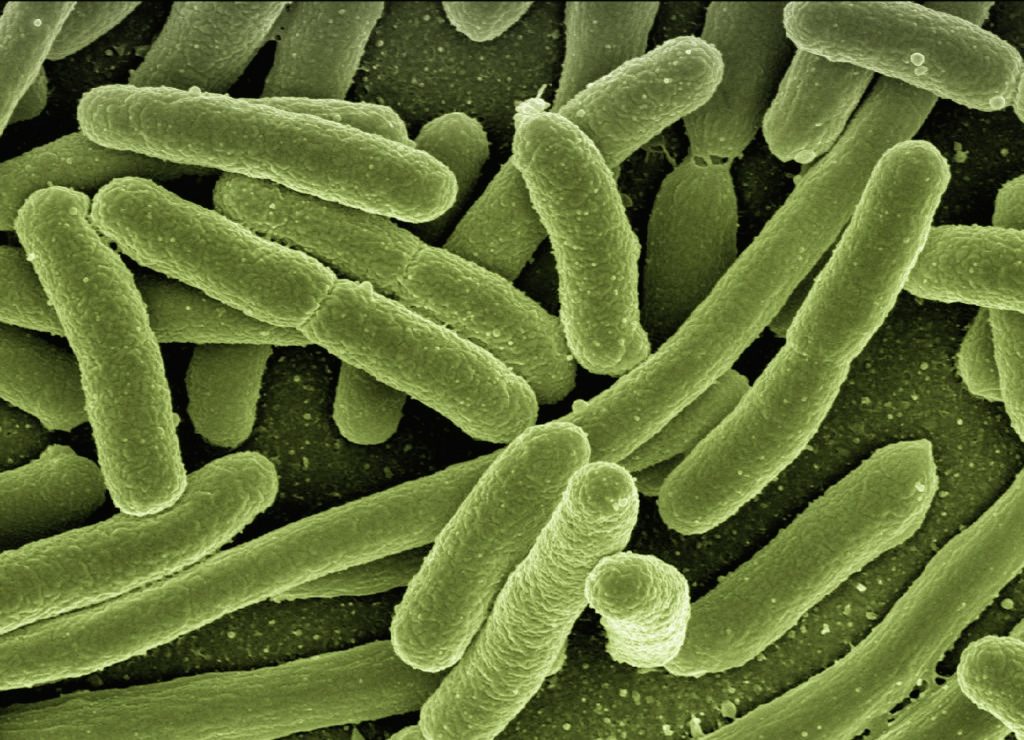
Tuberculosis bacteria
Tuberculosis bacteria. Credit: CDC

Some cases of tuberculosis (TB) can be successfully treated in as little as two months – a third of the current standard of six months in South Africa and most other countries. This is according to early findings from the landmark TRUNCATE TB trial presented at last week’s Union World Conference on Lung Health.

Nick Paton, a professor of Infectious Diseases at the National University of Singapore and the chief investigator of the TRUNCATE trial, explains that the standard six-month treatment for drug-susceptible TB (DS-TB) is actually overtreating a lot of people who have the disease. The reason for the six-month mark for TB treatment is that a minority of TB patients need the long treatment regimen to avoid relapse, but the majority would be cured before the six-month mark.

Essentially, it’s a blunt, but generally, effective instrument used to protect a minority of TB patients.

The TRUNCATE trial set out to see if a two-month (eight weeks) novel combination of TB regimens would be feasible when compared to the standard six-month (24 weeks) treatment regimen. According to Paton, trial participants in the experimental arms of the study were initially given eight weeks of treatment, with the option of extending treatment to 10 to 12 weeks if they had persistent clinical disease after the eight-week treatment. If there was still active TB after that, participants were switched to the standard six-month treatment.

https://twitter.com/catherineeberry/status/1590290599369879553?s=20&t=OhVaVQBQb9CQ_JDfcFTbdQ

Study participants were monitored regularly through follow-up visits, which included TB symptom screening once a month and sputum smear tests every one to three months.

“The core [of the strategy] is it’s a very short period of initial treatment, plus you then do the monitoring and pick up people [who relapsed] early,” Paton says.

A total of 674 trial participants were recruited from March 2018 to March 2022 across 18 sites in Thailand, Indonesia, the Philippines, Uganda, and India. Four patients withdrew from the trial and 10 participants died during the trial.

Paton tells Spotlight that the overall death rate was low and there was no difference in the death rate between the standard treatment arm and the TRUNCATE strategy arms. The causes of death were mixed, he adds, and often the precise cause was unknown

For the final results, 660 participants were evaluated at week 96. In other words, about two years of follow-up occurred.

Encouraging results

Paton explains that the trial used the TRUNCATE strategy, which initially involved using four treatment arms containing a novel combination of TB drugs and comparing the results to a control arm consisting of the standard six-month treatment. Later, two TRUNCATE strategy arms were selected to complete the latter half of the study. He notes that it was a pragmatic decision to stop two of the arms, to ensure better data.

“You do substantially cut down the amount of time on treatment overall.”

Professor Nick Paton, chief investigator of the TRUNCATE trial.

In the first of the two remaining experimental arms, 184 study participants received a regimen consisting of high-dose rifampicin (35mg per kg, reduced to 20mg per kg as a precaution following a liver injury-related death), isoniazid, pyrazinamide, ethambutol, and linezolid (600mg). In the second, 189 study participants received a regimen consisting of bedaquiline (400mg/d for two weeks then 200mg three times a week), isoniazid, pyrazinamide, ethambutol, and linezolid (600mg). The standard treatment arm had 181 participants.

In the standard treatment arm, 98% completed treatment and 3% had to be re-treated before week 96.

In the TRUNCATE strategy arms, overall, 91% completed the eight-week treatment and stopped treatment by week 12. 17%, (ranging from 13 to 23% by arm) had re-treatment, and 2% of participants did not complete initial treatment due to withdrawing from the trial, death, or defaulting on treatment.

A comparison of the two experimental TRUNCATE arms with the standard treatment arm showed that the TRUNCATE arm with bedaquiline and linezolid was non-inferior to the standard treatment arm, while the high dose rifampicin and linezolid arm fell just short of meeting the non-inferiority criteria. Efficacy was calculated based on the proportion of unsatisfactory outcomes at week 96. Unsatisfactory outcomes were classified as death, still having active TB, or still being on TB treatment at week 96.

“The idea was that if we added those [unsatisfactory outcomes] up and that was the same in the standard treatment arm as the TRUNCATE strategy arm then that shows that this strategy in principle, can work,” Paton tells Spotlight.

The mean total days on treatment were reduced in the TRUNCATE strategy arms when compared to the standard treatment arm, which was 180 days. For high-dose rifampicin-linezolid, the average total days on treatment was 106 days, and in the bedaquiline-linezolid arm, it was 85 days.

“So, clearly the net effect is to decrease the average time on treatment,” Paton says. “You do substantially cut down the amount of time on treatment overall.”

He adds that the proportion of participants that had Grade 3 or 4 adverse events, serious adverse events, or who died did not differ between the standard treatment arm and the TRUNCATE strategy arm. The proportion of participants with respiratory disability at week 96 also did not differ.

The only cases of acquired drug resistance were two cases observed in the bedaquiline and linezolid arm. This is a frequency of 1.1% according to Paton. One of these participants missed several treatment doses, while the other did not miss any doses. Both were successfully re-treated.

Initially, they wanted to enroll participants who were co-infected with HIV in the later stages of the trial, but none could be enrolled in time, so currently there is no data on how well it works in people living with HIV who also have TB, says Paton.

“The trial has shown that alternatives to systematically over-treating the large majority of people with TB can be successful. This is an important new research direction which has the promise to improve outcomes for patients and programmes,” Paton says. “The strategy may be refined in future to improve outcomes using alternative drug regimens or alternative approaches to monitoring. Ongoing analysis from the trial will further enhance our understanding.”

PK and safety data

At last week’s conference, Christopher Cousins, project leader of the TRUNCATE trial presented the first level of pharmacokinetic (PK) analysis from the trial. The PK results were taken from week eight of the study.

AUC for the high-dose rifampicin was four to six times higher than in the standard dose and exceeded the proposed efficacy targets in the majority of patients.

After fasting overnight, participants took an observed dose of their medication at the trial site and had blood sampling done over a 12-hour period. The data is based on 96 participants in the two experimental arms.

He says the AUC (which represents total drug exposure over time – AUC = area under the curve) for the high-dose rifampicin was four to six times higher than in the standard dose and exceeded the proposed efficacy targets in the majority of patients. This supports the hypothesis that high-dose rifampicin would enhance treatment sterilisation in the eight-week regimen.

The data also showed what seems to be a drug-drug interaction between rifampicin and linezolid, but this didn’t appear to be significant enough to abolish anti-mycobacterial efficacy.

According to Cousins, the bedaquiline concentrations at the end of week eight in the bedaquiline and linezolid arm were comparable to the concentrations seen after 24 weeks of treatment for drug-resistant TB (currently both bedaquiline and linezolid are part of the standard treatment for DR-TB, but not for DS-TB).

When asked how well monitoring participants in the TRUNCATE arms after they stopped treatment was able to detect those who still had active TB disease, Paton tells Spotlight that further analysis of the sputum smears samples will be able to tell us more. The trial used a relatively low-technology approach where a symptom screening and a sputum smear test were used to determine if a participant still had active TB and needed to be re-treated.

“We need to run additional biomarkers, interrogate the data set in more detail to figure out who was cured, who wasn’t cured, over what duration and how well do these other things [sputum smear test and symptom screening] pick it [TB] up,” he says.

He adds that this was a starting point, “but we are likely to be able to do better if we use some of the new biomarker technologies for monitoring”.

Implications of findings

“These results are very exciting as proof of concept – they show it’s possible to shorten treatment for drug-sensitive TB even further,” says Lindsay McKenna, TB Project Co-Director at New York-based Treatment Action Group (TAG). “But we need to optimise the regimen and study this treatment strategy in broader populations, including people living with HIV – none were enrolled in the study – and [in] programme contexts,” she says.

“There are other trials that are being planned that look to proactively (for example, at time of treatment initiation) determine who might benefit from shorter versus longer treatment based on available indicators or risk factors known to be correlated with treatment outcomes, such as disease severity, BMI, and HIV status (called a stratified medicine approach), and to tailor the duration of treatment accordingly,” she adds. “If the latter stratified medicine approach is proven, it will be very interesting to see how these two approaches compare and are viewed by programmes and affected communities.”

Feasibility of shortened regimens

Nerissa Donato the site co-investigator for the Truncate TB trial from the Lung Centre in the Philippines outlined the feasibility and acceptability of the TRUNCATE strategy at last week’s conference. This was based on participant questionnaires, clinician surveys, description data from the trial, and observations from Donato.

“The TRUNCATE strategies were acceptable and feasible in the context of the clinical trial. It can be successfully implemented provided that it is supported by the NTP (national treatment programme) and embraced by trained clinicians,” she says.

She explains the main challenges to implementing the strategy were patients’ concerns about potential side effects and the greater pill burden, but after some discussion participants were comfortable with the regimen due to the possibility of a much shorter treatment regimen. The close following up of participants and follow-up visits required was different from the normal procedure of treating for six months and being discharged from care. But she says participants were generally happy to come back for the follow-up visits.

Clinicians who participated were initially sceptical of whether the regimen was safe and would work but after the trial, they had a more positive view, according to Donato.

She says that in order to implement the strategy in the real world, it would need to be adopted by the NTPs, which will likely require more data on cost-effectiveness.

Need better treatment approaches and regimens

Paton tells Spotlight that somewhere between the two extremes of overtreating TB patients and personalised medicine as seen in high-income countries, there can lie a better treatment option for TB patients. An approach that is less monolithic and instead based on reacting to individual patient needs and responses.

“We need to look at how do we personalise it [TB treatment], but in a way that’s not so high tech so it becomes impossible for programmes,” he says.  “At least if you’re monitoring [patients] you’ve got a safety net. If you get it wrong, you just make sure you pick the person up early and re-treat and there shouldn’t be serious harm from that.”

Additional data from the trial will be released in the coming months.

Republished from Spotlight under a Creative Commons 4.0 Licence.

Read the original article here.
Infant BCG Vaccination Only Protects up to Five Years of Age

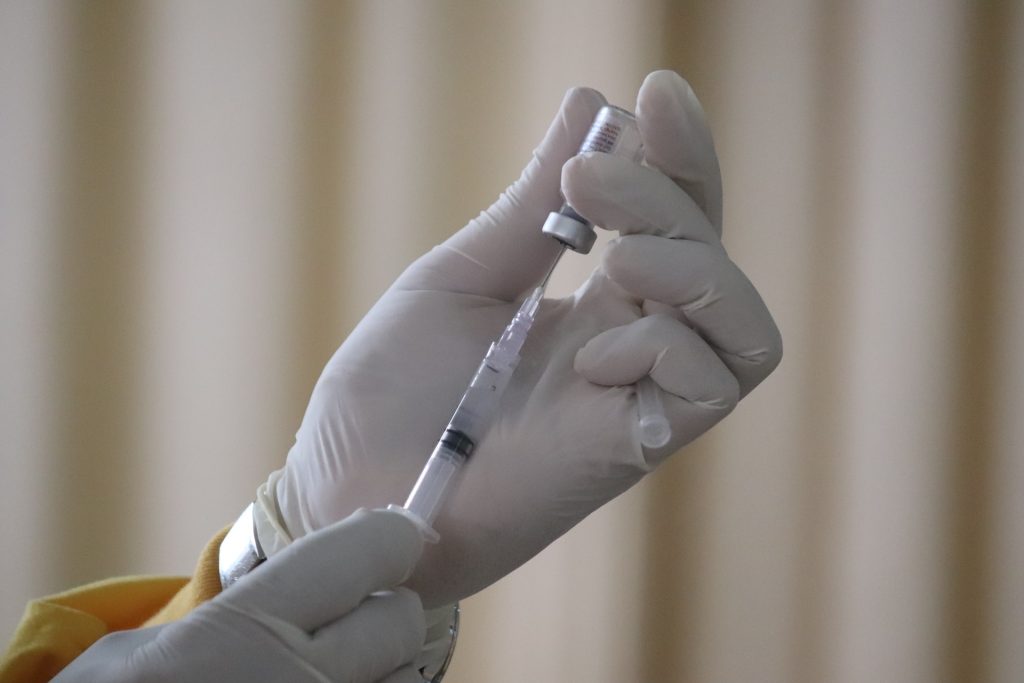
Syringe withdrawing from vaccine vial
Photo by Mufid Majnun

A study has found that the Bacillus Calmette-Guérin (BCG) vaccine, when administered in infancy, only protects against tuberculosis (TB) in children under five years of age. The findings, published in The Lancet Global Health, showed that the vaccine provided no protection among adolescents or adults in the study.

Despite the age and widespread use of the BCG vaccine, debate continues on how effective it is in preventing TB, and the duration of immunity after it is administered in infancy. And as experts study and propose new TB vaccines to supplement the BCG vaccine, an important consideration is the age at which these new vaccines should be administered to high-risk populations.

Gathered from 20 years of recent studies, this analysis provides new insight and clarity on these issues.

These results suggest that protectiveness from the BCG vaccine may begin to wane as children get older and, thus, children over 10 years old and adults should receive a booster BCG vaccine for immunity against TB beyond childhood. Unfortunately, a BCG booster has limited efficacy, so new vaccines are needed.

“Unlike many of the mRNA COVID vaccines, which we know are highly effective, there is widespread debate on the BCG vaccine’s effectiveness and duration of protection, as well as whether the vaccine only works in selective settings,” explained study lead author Leonardo Martinez, assistant professor of epidemiology at Boston University School of Public Health. “Our findings indicate that BCG vaccination is effective at preventing tuberculosis in young children. Since tuberculosis in children is a highly debilitating and severe disease, BCG vaccination should continue to be used.”

However, since the results show that the vaccine was ineffective in adolescents and adults, “boosting immunoprotection is needed for older populations,” Asst Prof Martinez said. “Novel vaccines are urgently needed to supplement BCG vaccination in high-burden settings.”

Most studies on this subject were done over 50 years ago, with varying results, and primarily in settings with a relatively low burden of the disease. This new analysis presents data over the past 10 years, from high-burden settings in 17 countries, including South Africa, China, Vietnam, Indonesia, Uganda, The Gambia, and Brazil.

For the study, Asst Prof Martinez and colleagues analysed individual-level data from 26 longitudinal studies that included nearly 70 000 participants exposed to TB from 1998 to 2018. The researchers examined the impact of BCG vaccination for all TB disease, as well as specifically for pulmonary and extrapulmonary TB. The analysis examined variability across the studies, including the use of skin and blood TB infection tests, and accounted for potentially confounding factors such as HIV, exposure status, and history of prior TB, amongst others.

Among all children under 5 years old, BCG vaccination was 37% effective. The researchers did not find conclusive evidence that the vaccine was protective among children over 10 or among adults. When focusing only on pulmonary TB, BCG vaccination was 19% effective, however this effect was also only among young children.

The researchers stress that substantial investment in TB vaccine development is critical to controlling global TB.

“We urgently need vaccines that are effective against tuberculosis in adults,” said study co-author C. Robert Horsburgh, professor of epidemiology. “There are a number of promising TB vaccine candidates under study and we hope that one or more of them will prove effective.”

Source: Boston University

New Tuberculosis Vaccine Passes Safety Hurdle in SA Trial

Tuberculosis bacteria
Tuberculosis bacteria. Credit: CDC

The only vaccine currently available against tuberculosis, Bacillus Calmette Guérin (BCG), is not equally effective against all types of tuberculosis. A clinical trial in South Africa has now shown that the new vaccine candidate VPM1002, decades in development, is equally safe for newborns with and without HIV exposure and has fewer side effects compared to BCG.

First used 100 years ago, the BCG vaccine against the disease contains attenuated pathogens of cattle tuberculosis. “We know that BCG can prevent so-called tuberculous meningitis and miliary tuberculosis in infants with a 75 to 86 percent effectiveness rate. But this is not the case for the most common form of the disease, pulmonary tuberculosis, in all age groups. Here, BCG is only insufficiently effective,” explained Max Planck researcher Stefan H.E. Kaufmann, who developed the vaccine with his team.

Since the 1990s, the infection biologist and his team have been working on an improved next-generation vaccine, called VPM1002. To achieve this, the researchers genetically modified the attenuated BCG vaccine strain so that immune cells can better recognise the pathogens. “We developed VPM1002 in no small part to combine increased safety with improved efficacy for immunocompromised children,” Kaufmann said.

Vaccine candidate VPM1002 is safe

The group of immunocompromised children includes, for example, HIV-exposed infants born to HIV-positive mothers. In a clinical trial in South Africa, researchers compared VPM1002 with BCG in HIV-exposed and non-HIV-exposed newborns. The study examined both the safety and the immunogenicity associated with the formation of immune cells and immunostimulatory proteins. The study, published in Lancet Infectious Diseases, concluded that VPM1002 is safe in both HIV-exposed and non-HIV-exposed newborns, has fewer side effects than BCG, and elicits a similar immune response.

In the randomised phase II double-blind study in South Africa, 416 eligible newborns were randomly selected and vaccinated before day 12 of life. 312 of them received VPM1002, and 104 received the BCG vaccine. As the study showed, VPM1002 triggered fewer vaccine-related adverse reactions than BCG. This was true for reactions occurring at the injection site, such as scarring and abscess formation, as well as enlargement of lymph nodes. This finding is important because local and regional reactions after vaccination are among the limitations of the BCG vaccine, Kaufmann points out.

Newborns with or without HIV exposure showed similar immunogenicity with both vaccines, though starting at six weeks of age, the BCG-triggered immune response was greater than in even younger infants.

Phase III study investigates protection

“Studies such as those described here examine a vaccine’s immunogenicity, but not its protection. For the latter, we have already developed a larger phase III clinical trial and have successfully enrolled mothers with their newborns to participate. Now the clock is ticking,” Kaufmann said. He expects initial results showing whether VPM1002 can provide comparable or better protection than existing BCG vaccines in about three years. In addition, VPM1002 vaccine is currently in two other phase III clinical trials in India for protection against tuberculosis, which expected to be completed in 2023 and 2024.

Source: Max-Planck-Gesellschaft

BCG Vaccine Activates Immune System in Newborns

Syringe
Source: Raghavendra V Konkathi on Unsplash

In the century since it was first used in humans, the Bacille Calmette-Guérin (BCG) vaccine against tuberculosis has become one of the world’s most widely used vaccines. Administered in countries with endemic TB, it has surprisingly been found to protect newborns and young infants against multiple bacterial and viral infections unrelated to TB. Some evidence even suggests that it can reduce severity of COVID. Now, a new study in Cell Reports sheds light on the mechanisms behind its extra protective effects.

Surprisingly little is known about how BCG exerts its many side benefits. To better understand its mechanism of action, researchers collected and comprehensively profile blood samples from newborns vaccinated with BCG, using a powerful ‘big data’ approach analysing lipid and metabolite biomarkers.

Their study found that the BCG vaccine induces specific changes in metabolites and lipids that correlate with innate immune system responses. The findings provide clues toward making other vaccines more effective in vulnerable populations with distinct immune systems, such as newborns.

First author Dr Joann Diray Arce and her colleagues started off with blood samples from low-birthweight newborns in Guinea Bissau who were enrolled in a randomised clinical trial to receive BCG either at birth or after a delay of six weeks. Blood samples were taken at four weeks for both groups (after BCG was given to the first group, and before it was given to the second group).

The researchers comprehensively profiled the impact of BCG immunisation on the newborns’ blood plasma. They found that BCG vaccines given at birth changed metabolite and lipid profiles in newborns’ blood plasma in a pattern distinct from those in the delayed-vaccine group. The changes were associated with changes in cytokine production, a key feature of innate immunity.

The researchers had parallel findings when they tested BCG in cord blood samples from a cohort of Boston newborns and samples from a separate study of newborns in The Gambia and Papua New Guinea.

“We now have some lipid and metabolic biomarkers of vaccine protection that we can test and manipulate in mouse models,” said Dr Arce. “We studied three different BCG formulations and showed that they converge on similar pathways of interest. Reshaping of the metabolome by BCG may contribute to the molecular mechanisms of a newborn’s immune response.”

“A growing number of studies show that BCG vaccine protects against unrelated infections,” said Ofer Levy, MD, PhD, the study’s senior investigator. “It’s critical that we learn from BCG to better understand how to protect newborns. BCG is an ‘old school’ vaccine – it’s made from a live, weakened germ – but live vaccines like BCG seem to activate the immune system in a very different way in early life, providing broad protection against a range of bacterial and viral infections. There’s much work ahead to better understand that and use that information to build better vaccines for infants.”

Source: Boston Children’s Hospital via News-Medical.Net

Boosting the BCG Vaccine by Blocking IL-10

Vaccine injection
Image source: NCI on Unsplash

Briefly blocking interleukin-10 (IL-10) when administering the BCG vaccine for tuberculosis vastly improves long-term protection in mice, researchers reported in the Journal of Immunology. The finding, if it continues to hold true in nonhuman primates and clinical trials, has the potential to save millions of lives.

“We are very excited that we can reverse BCG’s waning effectiveness by combining it with a host-directed therapy into one dose, which makes it very practical for the clinic,” said senior author Joanne Turner, PhD.

The study builds on research showing the effect of IL-10 on TB, which normally helps dampen excessive inflammation during infection, but Dr Turner’s previous work showed that IL-10 overall actually drives infection.

The researchers combined the BCG vaccine with an antibody that blocks IL-10 activity for about one week. Since the antibody targets the host, not the pathogen, that makes it a “host-directed therapy.” They gave the mixture to mice in one shot, waited six weeks to ensure the IL-10 blocker was no longer present and the BCG protection had been generated, and then exposed the mice to TB. Those mice controlled TB infection for nearly a year, which is significant for mice with normal lifespans of about two years. In contrast, mice given only the BCG vaccine lost control of TB infection within two months and had significant inflammation and damage in the lungs. Notably, the mice given the vaccine/IL-10 blocker had higher levels of various long-term memory immune cells, which are critical for ongoing TB control.

“This shows that the early development of an immune response is key for controlling TB infection in the long run, and that IL-10 inhibits the development of that long-term immunity,” Dr Turner said. “But by briefly blocking IL-10 at the same time as giving the vaccine, it allows the vaccine and immune system to do their jobs, creating those long-lasting memory immune cells.”

The researchers plan to move to nonhuman primates and then human clinical trials if those are successful. The team is optimistic, especially since the BCG vaccine is already in widespread use and the IL-10 blocker is being tested against other diseases.

Source: Texas Biomedical Research Institute

Signs of Antibiotic ‘Pre-resistance’ Identified for the First Time

Drug-resistant, Mycobacterium tuberculosis bacteria, the pathogen responsible for causing the disease tuberculosis (TB). A 3D computer-generated image. Credit: CDC

In a first of its kind study, researchers have spotted signs of antibiotic ‘pre-resistance’ in bacteria for the first time, indicating that they have the potential to develop drug resistance in the future.

The findings, published in Nature Communications, will allow doctors in the future to select the best treatments for bacterial infections.

Mycobacterium tuberculosis (TB) was the second leading infectious cause of death after COVID in 2020, killing 1.5m people. It can be cured if treated with the right antibiotics, but treatment is lengthy and many people most at risk lack access to adequate healthcare. Drug-resistant TB can develop when people do not finish their full course of treatment, or when drugs are not available or are of poor quality.

Multi-drug resistant TB represents a huge, unsustainable burden and totally drug resistant strains have been detected in a handful of countries. As health systems struggle to cope with the pandemic, progress on TB treatment globally has slowed.

To better understand TB for developing new drugs, this study has identified for the first time how to pre-empt drug resistance mutations before they have occurred. Dubbed ‘pre-resistance’ when a pathogen has a greater inherent risk of developing resistance to drugs in the future.

By analysing thousands of bacterial genomes, the study has potential application to other infectious diseases and paves the way towards personalised pathogen ‘genomic therapy’ – which chooses drugs according to the pathogen, preventing drug resistance.

The culmination of 17 years’ work, the study built up a TB bacterial ‘family tree’  from 3135 different tuberculosis samples. Computational analysis identified the ancestral genetic code of bacteria that then went on to develop drug resistance. The team identified the key changes associated with the development of resistance by looking through the ‘branches’ of the family tree to see which had the most potential for developing drug resistance.

Variations in the TB genome predicted that a particular branch would likely become drug resistant, and then validated their findings in an independent global TB data set.

Dr Grandjean, senior author of the study, said: “We’re running out of options in antibiotics and the options we have are often toxic – we have to get smarter at using what we have to prevent drug resistance.

“This is the first example of showing that we can get ahead of drug resistance. That will allow us in the future to use the pathogen genome to select the best treatments.”

Source: EurekAlert!

Diabetes Linked to Tuberculosis Risk

Scanning electron micrograph of Mycobacterium tuberculosis bacteria, which cause tuberculosis. Credit: National Institute of Allergy and Infectious Diseases, National Institutes of Health

Diabetes status may play a role in the risk for developing tuberculosis, suggests a new study reported in JAMA Network Open.

Diabetes and tuberculosis are two major problems for South Africa; an estimated 15% of the population 25 and over have type 2 diabetes, and the burden of tuberculosis was 774 per 100k population in 2012.

In the population-based study from Korea, adults with diabetes had a 48% greater risk for developing tuberculosis compared with adults without diabetes.

This increased tuberculosis risk also appeared to be tied to the duration of diabetes, with risk increasing the longer the person had diabetes:

  • New-onset diabetes: aHR 1.32 (95% CI 1.23-1.42)
  • Diabetes duration less than 5 years: aHR 1.45 (95% CI 1.36-1.54)
  • Diabetes duration 5 or more years: aHR 1.57 (95% CI 1.48-1.66)

The tuberculosis risk also seemed to be dependent on blood glucose levels. Individuals with impaired fasting glucose only, that is, blood glucose levels of 100-125 mg/dL but no diabetes diagnosis, did not appear to have an elevated risk of contracting tuberculosis.

However, those with new-onset diabetes in the highest decile of fasting blood glucose levels (202 mg/dL or higher) had a 79% greater risk for tuberculosis than those with lower glucose levels (fasting plasma glucose of 126-128 mg/dL).

The researchers noted that a previous study looking at this association found about a 2.2-fold increased risk of tuberculosis in patients with diabetes, including those with a fasting plasma glucose level over 130 mg/dL.

“Diabetes appears to be associated with increased risk of lower respiratory tract infection, including TB [tuberculosis], and to have a profound adverse effect on TB treatment outcomes,” the researchers explained. “Even though TB is more associated with other immunosuppressive states, such as human immunodeficiency virus infection, because of the greater numbers, diabetes remains an important factor associated with TB incidence at the population level.”

For the cohort study, the researchers drew upon data from the Korean National Health Insurance System database. Only patients without a history of tuberculosis were included. Besides a history of tuberculosis, other exclusion criteria included diagnoses of anaemia, cancer, and end-stage renal disease.

Individuals who had diabetes the longest tended to be older, have obesity, and possess more comorbidities like chronic kidney disease, chronic obstructive pulmonary disease, ischaemic heart disease, stroke, and dyslipidaemia.

During a median follow-up of about 8 years, 0.6% of the cohort were identified.

A study limitation was that fasting plasma glucose levels were only monitored once at baseline, and that changes in glucose level after treatment was over were not taken into consideration.

“Nevertheless, it is likely that patients whose diabetes status progressed as a result of poor glucose control during the follow-up duration would have a higher risk of TB,” the researchers wrote.

The link with tuberculosis was stronger in male patients, they noted: “The exact mechanism for this phenomenon is not fully explainable — testosterone could be a reason.”

Source: MedPage Today

High Burden of Uncontrolled Disease in KwaZulu-Natal

Photo by Hush Naidoo on Unsplash

A comprehensive health-screening program has found a high burden of poorly controlled or uncontrolled disease KwaZulu-Natal, along with a high incidence of undiagnosed diseases.

The study, published in The Lancet Global Health, found that four out of five women over 30 had a chronic health condition, and that the HIV-negative population and older people had the highest burden of undiagnosed or poorly controlled non-communicable diseases such as diabetes and hypertension. The study was conducted at the Africa Health Research Institute (AHRI).

Study co-leader Emily Wong, MD, at AHRI in Durban, said: “The data will give AHRI researchers and the Department of Health critical indicators for where the most urgent interventions are needed,” Dr Wong said. “The research was done before COVID, but it has highlighted the urgency of diagnosing and treating people with non-communicable diseases — given that people with uncontrolled diabetes and hypertension are at higher risk of getting very ill with COVID.” 

HIV-associated tuberculosis infections are particularly prevalent in Durban. Dr Wong of the University of Alabama works there to understand the impact of HIV infection on tuberculosis pathogenesis, immunity and epidemiology. In sub-Saharan Africa, 15 years of intense public health efforts that increased access to antiretroviral therapy has resulted in decreased AIDS mortality and raised life expectancy. As a result, there is an increasing priority to address other causes of disease, including tuberculosis and non-communicable diseases.

Over 18 months, health workers screened 17 118 people aged 15 years and older via mobile camps within 1 kilometre of each participant’s home in the uMkhanyakude district. They found high and overlapping burdens of HIV, tuberculosis, diabetes and hypertension among men and women.

While the HIV cases were largely well diagnosed and treated, some demographic groups  still had high rates of undiagnosed and untreated HIV, such as men in their 20s and 30s. In contrast, the majority of people with tuberculosis, diabetes or hypertension were either undiagnosed or not well controlled. Of particular concern was the high rates of undiagnosed and asymptomatic tuberculosis discovered, as it remains one of the leading causes of death in South Africa.

“Our findings suggest that the massive efforts of the past 15 years to test and treat for HIV have done very well for that one disease,” Dr Wong said. “But in that process, we may have neglected some of the other important diseases that are highly prevalent.”

The mobile camps screened for diabetes, high blood pressure, nutritional status (obesity and malnutrition), and tobacco and alcohol use, as well as HIV and tuberculosis. The tuberculosis screening component included high-quality digital chest X-rays and sputum tests for people who reported symptoms or had abnormal X-rays. Clinical information was combined with 20 years of population data from AHRI’s health and demographic surveillance research. Using a sophisticated data system combined with artificial intelligence to interpret the chest X-rays, AHRI’s clinical team examined the information in real time, referring people to the public health system as needed.

The study found that: 

  • Half of the participants had at least one active disease, and 12 percent had two or more diseases. Diabetes and hypertension incidences were 8.5 percent and 23 percent, respectively.
  • One-third of the people were living with HIV, but this was mostly well diagnosed and treated. A particularly high burden of HIV, high blood pressure and diabetes was seen in women.
  • For tuberculosis, 1.4 percent of the people had active disease, and 22 percent had lifetime disease. About 80 percent of the undiagnosed tuberculosis was asymptomatic, with higher rates of active tuberculosis seen in men.
  • Several disease patterns varied by geographical location — eg, the highest HIV burden was seen near main roads, while higher rates of tuberculosis and non-communicable diseases were seen in more remote areas.

Source: University of Alabama at Birmingham

Journal information: Wong, E. B., et al. (2021) Convergence of infectious and non-communicable disease epidemics in rural South Africa: a cross-sectional, population-based multimorbidity study. The Lancet Global Health. doi.org/10.1016/S2214-109X(21)00176-5.

New Way to Compare Effectiveness of Tuberculosis Treatments

E. Coli bacteria. Image by CDC

A new study published in Nature Communications provides an important new basis for comparing the varying effectiveness of tuberculosis treatments.

Tuberculosis is a ancient disease caused by the bacterium Mycobacterium tuberculosis (Mtb) and aside from the COVID pandemic, is still the leading infectious cause of death globally, killing 1.2 million people each year. The availability of a new way to evaluate treatments can save lives.

In the study, the researchers aimed to provide a new perspective on assessing the effectiveness of tuberculosis drugs.

“A key roadblock that holds back new tuberculosis treatments is our current inability to accurately measure how effectively different treatments shorten the time needed to cure tuberculosis,” said lead author Nicholas Walter, MD, Ph.D., associate professor at the University of Colorado Anschutz Medical Campus. “Without improved tools to measure and compare the effectiveness of drug treatments, the evaluation and roll-out of new combination drug treatments will continue to proceed slowly.”

“In the past, the effectiveness of tuberculosis treatment has been judged by estimating the burden of the pathogen M. tuberculosis as enumerated via culture based approaches. This historical method correlates poorly with what we care about most, which is whether tuberculosis patients are durably cured,” added co-first author Gregory Robertson, PhD, assistant professor at Colorado State University.

By Vossman - Own work, CC BY-SA 3.0, https://commons.wikimedia.org/w/index.php?curid=6865434
Structure and shape of the E.coli 70S ribosome. The large 50S ribosomal subunit (red) and small 30S ribosomal subunit (blue) are shown with a 200 Ångstrom (20 nm) scale bar.

The researchers measured the extent to which drugs interrupt the synthesis of ribosomal RNA, which is needed for the protein-making machinery of the bacterium. They found that drugs and drug regimens that treat tuberculosis faster inhibit Mtb rRNA synthesis more than less potent drugs and regimens. Their resulting new measure, called the rRNA synthesis (RS) Ratio is a useful molecular metric of drug activity based on a key microbial physiologic property rather than a simple measure of reducing bacterial burden.

“The RS Ratio gives us a readout of drug effect that opens a new era in understanding antibiotics. Measuring a key physiologic property of pathogens provides an innovative way of thinking beyond conventional measures of bacterial burden,” said senior author Martin Voskuil, PhD, associate professor at the University of Colorado Anschutz Medical Campus.

“The RS Ratio can enable more intelligent design and evaluation of candidate drug combination regimens, accelerating the development of treatments that can cure tuberculosis faster. This has crucial implications for combatting the global tuberculosis epidemic,” addrf co-author Payam Nahid, MD, MPH, professor and director of the University of California San Francisco Center for Tuberculosis.

Source: Medical Xpress

TB Vaccine Shown to Protect Against Common Infections

The tuberculosis (TB) vaccine Bacillus Calmette-Guerin (BCG) could protect newborns against a variety of common infections, such as upper respiratory tract infections, chest infections, and diarrhoea, according to a new study from the London School of Hygiene and Tropical Medicine (LSHTM).

It has been known that BCG protects against diseases other than TB, offering protection against non-tuberculous mycobacteria infection like leprosy and Buruli ulcer. It is also used in the treatment of superficial carcinoma of the bladder.

However, this is the first research to rigorously investigate the full range. The results suggest that vaccinating all babies with BCG on their day of birth could save lives by reducing neonatal infections in areas with high rates of infectious disease.

The study involved a randomised control trial of 560 newborns in Uganda, who were monitored for a range of illnesses. After six weeks, infection rates from any disease were 25% lower in the group that received the vaccine at birth, compared to the group that had not yet received the vaccination. The most protected appeared to be vulnerable groups such as low birth weight babies, and boys. Importantly, BCG appeared to protect against even severe infections.

Sarah Prentice, the lead author from LSHTM, said: “Nearly a million babies die every year of common infections so we urgently need better ways to protect them. Our research suggests that ensuring that BCG is given at birth could make a big difference in low-income countries, potentially saving many lives.”

The newborns were randomly assigned to receive BCG either at birth or at six weeks of age. They were followed-up by doctors, blinded to the intervention, for 10 weeks, who looked for any type of illness or infection.

The research team then compared how often infants in the two groups presented to doctors with infections of any kind, except TB, to see whether having BCG made a difference. They also took blood samples from both groups, to look at differences in their innate immune system, the body’s first line of defense against infections.

Infants vaccinated with BCG at birth presented to doctors with any kind of infection 25% less often than infants who had not. BCG seemed to protect against all kinds of infections, such as common colds, chest infections, and skin infections.

After the delayed group had been vaccinated, the rates of infection were identical between the two groups: the delayed group’s immunity ‘brought up to speed’ when they received BCG.

Study co-author Prof Hazel Dockrell, LSHTM, said: “It’s very exciting to think that BCG vaccination might help keep newborns safe against other dangerous infections, in addition to providing protection against TB. Although BCG is recommended at birth in many countries, it is often delayed due to logistical difficulties. Ensuring that the vaccine is given on day one, in areas with high rates of infectious disease, could have a major impact on infections and deaths in the newborn period.”

Though the study could not definitely determine whether the BCG vaccine was responsible for the lowered rate of infections, there is nonetheless great interest in applying the vaccine as a protection for novel disease outbreaks, such as COVID or Ebola, before a specific vaccine can be developed.

Dr Prentice said, “Since the findings show that BCG seems to offer wider protection against a range of infections, our study also raises hopes it might be useful in protecting the general population against COVID-19 and future pandemics – though we will need to see the results of other, more specific studies to know for sure.”

Source: News-Medical.Net

Journal information: Prentice, S., et al. (2021) BCG-induced non-specific effects on heterologous infectious disease in Ugandan neonates: an investigator-blind randomised controlled trial. The Lancet Infectious Diseases. doi.org/10.1016/S1473-3099(20)30653-8.