

Tag: tuberculosis

New TB Drug Shows Promise, but Experimental Vaccine Disappoints

By Elri Voigt for Spotlight

Tuberculosis bacteria. Credit: CDC

While three new tuberculosis (TB) medicines have been registered in South Africa over the last decade, TB treatment still comes with several side effects and requires taking multiple different medicines, typically for six or more months. The search for better TB medicines got a boost last week with the presentation of promising findings from a study conducted in South Africa on an experimental drug called quabodepistat. Elri Voigt reports on this and other TB studies presented at a conference in Denver, Colorado.

Arguably, the biggest TB news at the Conference on Retroviruses and Opportunistic Infections (CROI) this year was that the experimental new TB drug quabodepistat performed well in a phase 2b/c clinical trial. This means the drug can now proceed to a pivotal phase 3 trial (medicines are typically approved by regulators only after positive results in phase 3 trials).

The interim study results presented at CROI indicated that quabodepistat in combination with bedaquiline and delamanid and given for four months to people with drug susceptible TB is safe and efficacious, when compared to the six-month standard of care regimen. The standard of care regimen, currently used in South Africa’s public sector, consists of the drugs rifampicin, isoniazid, ethambutol, and pyrazinamide.

Participants were split into four study arms to either receive 10mg, 30mg or 90mg of quabodepistat (along with delamanid and bedaquline) once a day for four months or the standard of care regimen for six months. In the quabodepistat arms, a total of 98 study participants completed treatment, compared to 19 in the standard of care arm.

Taken together, 96% of participants in the quabodepistat arms had sputum culture conversion compared to 91% in the standard of care arm. Sputum culture conversion means TB was no longer detected in sputum samples that people coughed up when those samples were grown in the lab.

The study was conducted at several sites in South Africa and was funded by the Japanese pharmaceutical company Otsuka.

‘Furthest along’

Lindsay McKenna, the TB Project Co-Director at Treatment Action Group (TAG – a New York-based NGO), explained to Spotlight that quabodepistat is a new drug with a new mechanism of action for inhibiting TB’s cell wall synthesis. Essentially, this means that the drug interferes with the TB bacteria’s cell wall structure.

While there are a few new drugs that work the same way, quabodepistat is the furthest along.

“It’s the first in a new class of TB drugs to reach this stage since bedaquiline and delamanid were in phase 2b over ten years ago,” McKenna said.

There is however still some way to go before we will know if quabodepistat is bound for wider use than just in clinical trials. “We need to see data on clinical outcomes first,” McKenna told Spotlight, adding that quabodepistat is also being assessed in another ongoing phase 2b/c clinical trial.

“Remember that we have only seen sputum culture conversion results. Follow up is ongoing and so we will learn more when we see the proportion of participants with favorable outcomes (for example relapse free cure) 12 months post randomisation,” she said. “In the meantime, I think Otsuka should immediately begin working to start up a pre-approval access programme to enable people with unmet needs to access quabodepistat.”

Safety signals

Dr Simbarashe Takuva, Associate Director of Clinical Development at Otsuka Novel Products GmbH (an affiliate of Otsuka), who presented the results on behalf of the study team, said that overall, the quabodepistat regimen was well tolerated and considered safe.

In terms of side effects, the adverse events reported were generally described as mild or moderate, but there were some concerning signals. Grade 3 adverse events stood at 15% in the quabodepistat 10mg arm, 12% in the 30mg arm, 11% in the 90mg arm and 5% in the standard of care arm. Grade 3 adverse events are typically serious enough to prevent someone from working.

Takuva said that there were no serious adverse events (which we understand to mean grade 4/life threatening adverse events) related to the study drugs. There were also no treatment discontinuations related to the drugs. There was a single death in the study, a 25-year-old man who had met all study eligibility criteria but got sicker during the study. The study drugs were halted and standard of care drugs were given instead but the participant later died in hospital.

The researchers also looked for signs that quabodepistat might adversely affect the liver and the heart, but no safety signals related to the drugs were seen in either the liver (hepatoxicity) or the heart (cardiotoxicity).

“The data presented didn’t raise concerns about any treatment related cardio- or hepatotoxicity signals, however, it was a relatively small study, and the inclusion criteria were conservative,” McKenna commented on these findings.

One snag is that the results presented at CROI did not provide a clear answer regarding which of the three quabodepistat dosages in the study is preferable. Based on the clinical data, Takuva said it is difficult to determine which dose is best to use. He did however point out that additional work is being done looking at Pharmacokinetic and Pharmacodynamic data  which will hopefully help provide more information on the ideal dose.

“Follow up on this study is ongoing. We await the final results of our phase 2 trial toward the end of the year,” he told Spotlight.

No study participants with HIV

One big limitation of these results is that the study did not enroll any people living with HIV. According to Takuva, the study had a strict exclusion criterion for the CD4 count of enrolling anyone living with HIV. A person’s CD4 count is a measure of the state of one’s immune system – higher counts are better.

Initially, the CD4 count cut off for the study was set at above 500 cells/mm3, then was amended to 350 cells/mm3 and finally it was dropped to above 250 cells/mm3 but by that time it was too late to enroll anyone living with HIV.

“The interim results are encouraging. However, I was really surprised and disappointed that they weren’t able to enroll any people living with HIV in the trial,” McKenna told Spotlight.

When asked about this, Takuva told Spotlight that the protocol did include the provision to recruit people living with HIV, but it was not feasible to include any. However, people living with HIV will be considered as important to include in any phase 3 trials going forward.

“As with all studies, we need to balance patient safety and the goal of the study outcome. In this instance, despite our best efforts, recruitment of people living with HIV was not feasible, though as we consider the possibility of a phase 3 trial, people living with HIV will remain a population that we consider important to include as far as possible in the phase 3 trial,” he said.

Treating DR-TB in people living with HIV

In contrast to the lack of people with HIV in the quabodepistat study, research was also presented at CROI looking specifically at how people living with HIV did in the landmark endTB trial. Other results from endTB were previously reported and the trial is widely considered one of a hand full of key trials transforming the treatment of drug-resistant forms of TB. The researchers found that two nine-month regimens studied in endTB did particularly well in people living with HIV. Such findings are of particular importance in a country like South Africa where many people who fall ill with TB are also living with HIV. (For those interested in the details, the two regimens were bedaquiline/linezolid/moxifloxacin/pyrazinamide and bedaquiline/clofazimine/linezolid/levofloxacin/pyrazinamide)

Some disappointments
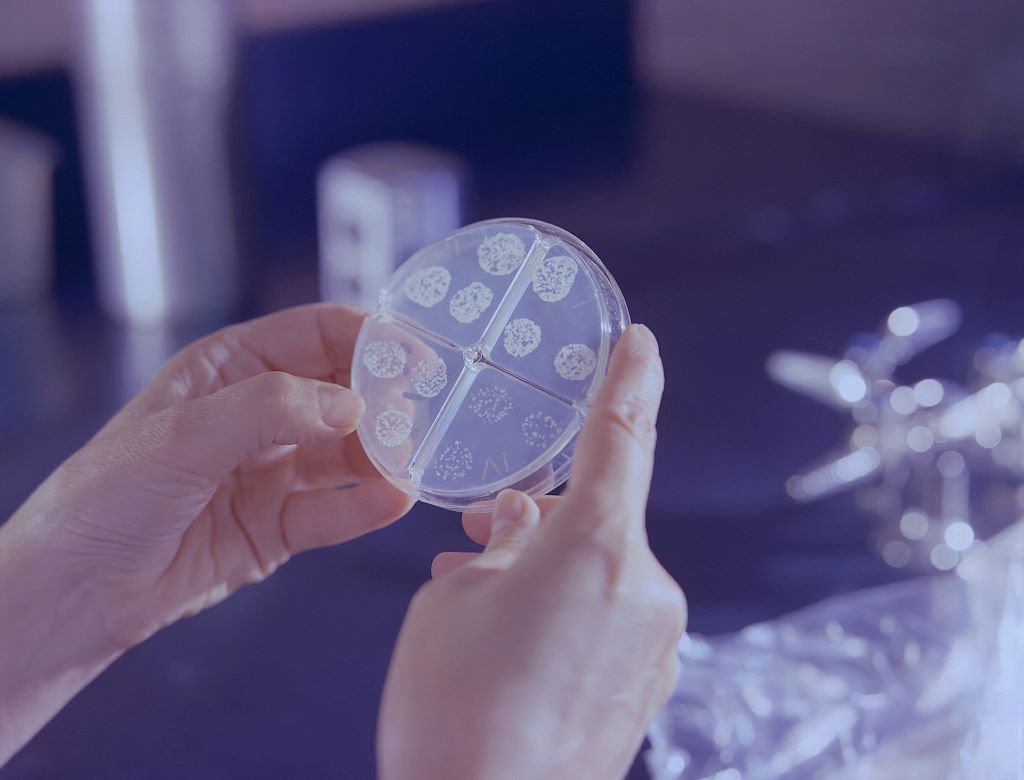
Mycobacterium tuberculosis drug susceptibility test. Photo by CDC on Unsplash

In a disappointing development, researchers presenting at CROI reported that a study testing a three-month regimen for the treatment of drug-susceptible TB was stopped early after an interim review found the regimen had poor efficacy compared to the six-month standard of care. The regimen contained the drugs clofazimine and rifapentine, among others. It means that for now the shortest regimen for treating drug-susceptible TB validated in a clinical trial remains a four-month regimen containing the medicines rifapentine and moxifloxacin, among others. That four-month regimen is not yet in wide use, even though findings confirming its safety and efficacy were reported in 2020.

We also received some bad news on an experimental TB vaccine called H56:IC31. The idea of H56:IC31 was to vaccinate people who were just cured of TB to prevent the TB from coming back – people whose TB is deemed to be cured are known to have an increased risk of falling ill with TB again. Despite promising signs in earlier studies, the vaccine failed to reduce TB recurrence in a phase 2 clinical trial of over 800 people. Much of this study was conducted at sites in South Africa.

TB treatment’s impact on mental and physical health

Another interesting study conducted in South Africa and presented at CROI looked at the changes in mental and physical health that people ill with TB experience before and after treatment. It found that the quality of life and physical fitness of participants was reduced at the start of TB treatment but did improve by the end of TB treatment.

The researchers looked at 200 study participants split between South Africa, Zambia, Malawi, Mozambique and Zimbabwe. Their mental and physical health was assessed when they started TB treatment through a standardised short form quality of life survey, depression assessed through a patient health questionnaire and their physical health was tested using a six-minute walk test. Participants were assessed again when treatment was completed, and data was compared to see what changed between the start and end of TB treatment.

Overall, participant’s physical quality of life increased by 39% by the end of TB treatment, mental quality of life increased by 19%, ability to do a six-minute walk increased by 15% and depression scores decreased by 26%.

Long-acting therapies for TB

Long-acting therapies have been making waves for some time in HIV treatment and a long-acting injection and ring are currently being offered in pilot projects in South Africa. Two studies of long-acting therapies in mice presented at CROI show that there is at least some movement in this area as well when it comes to TB. Such long-acting therapies have particular potential for TB preventive therapy – with for example what is now a three-month course of pills being administered as a single long-acting injection.

One study found that a long-acting injectable form of the drug rifapentine had similar efficacy to a one-month course of preventive therapy in pill form, while another had similarly promising findings for an injection using a long-acting formulation of a diarylquinoline (a class of TB drugs that include bedaquiline). It is anticipated these early proof of concept mouse studies will be followed by studies in humans.

Republished from Spotlight under a Creative Commons licence.

Source: Spotlight
Understanding How T Cells Target Tuberculosis will Enhance Vaccines and Therapies

Tuberculosis bacteria. Credit: CDC

La Jolla Institute for Immunology (LJI) is working to guide the development of new tuberculosis vaccines and drug therapies. Now a team of LJI scientists has uncovered important clues to how human T cells combat Mycobacterium tuberculosis, the bacterium that causes TB. Their findings were published recently in Nature Communications.

“This research gives us a better understanding of T cell responses to different stages in tuberculosis infection and helps us figure out is there are additional diagnostic targets, vaccine targets, or drug candidates to help people with the disease,” says LJI Research Assistant Professor Cecilia Lindestam Arlehamn, PhD, who led the new research in collaboration with LJI Professors Bjoern Peters, PhD, and Alessandro Sette, Dr.Biol.Sci.

The urgent need for TB research

According to the World Health Organization, more than 1.3 million people died of TB in 2022, making it the second-leading infectious cause-of-death after COVID. “TB is a huge problem in many countries,” says Lindestam Arlehamn.

Currently, a vaccine called bacille Calmette-Guerin (BCG) protects against some severe cases of TB. Unfortunately, BCG doesn’t consistently prevent cases of pulmonary TB, which can also be deadly.

Although there are drug treatments for TB, more and more cases around the world have proven drug resistant.

To help stop TB, Lindestam Arlehamn and her colleagues are learning from T cells. Instead of targeting an entire pathogen, T cells look for specific markers, called peptides sequences, that belong to the pathogen.

When a T cell recognises a certain part of a pathogen’s peptide sequence, that area is termed an “epitope.”

Uncovering T cell epitopes gives scientists vital information on how vaccines and drug treatments might take aim at the same epitopes to stop a pathogen.

T cells take aim at a range of TB epitopes

For the new study, the researchers worked with samples from patients who were mid-treatment for active TB. These samples came from study participants in Peru, Sri Lanka, and Moldova.

By looking at T cells in patients from three different continents, the researchers hoped to capture a wide diversity of genetics and environmental factors that can affect immune system activity.

In their analysis, the LJI team uncovered 137 unique T cell epitopes. They found that 16% of these epitopes were targeted by T cells found in two or more patients. The immune system appeared to be working hard to zoom in on these epitopes.

Going forward, Lindestam Arlehamn’s laboratory will investigate which of these epitopes may be promising targets for future TB vaccines and drug therapies.

A step toward better diagnostics

The new study is also a step toward catching TB cases before they turn deadly.

Because Mycobacterium tuberculosis is an airborne bacteria, a person can be exposed without ever realizing it. Once exposed, many people go months or years without any symptoms.

This inactive, or “latent,” TB can turn into active TB if a person’s immune system weakens, for example, during pregnancy or due to an infection such as HIV.

For the new study, the researchers also compared samples from active TB patients with samples from healthy individuals.

The scientists uncovered key differences in T cell reactivity between the two groups.

“For the first time, we could distinguish people with active TB versus those that have been exposed to TB – or unexposed individuals,” says Lindestam Arlehamn.

Lindestam Arlehamn says it may be possible to develop diagnostics that detect this tell-tale T cell reactivity that marks a person’s shift from latent to active TB. “Can we use this peptide pool to look for high-risk individuals and try and follow them over time?” she says.

Source: La Jolla Institute for Immunology

Treating Tuberculosis when Antibiotics Become Ineffective

Tuberculosis bacteria. Credit: CDC

An international research team has found a number of substances with a dual effect against tuberculosis (TB): They make the bacteria causing the disease less pathogenic for human immune cells whilst boosting the activity of conventional antibiotics. They published their findings in the journal Cell Chemical Biology.

Infectious disease specialist Dr Jan Rybniker and colleagues have identified new, antibiotic molecules that target Mycobacterium tuberculosis and make it less pathogenic for humans.

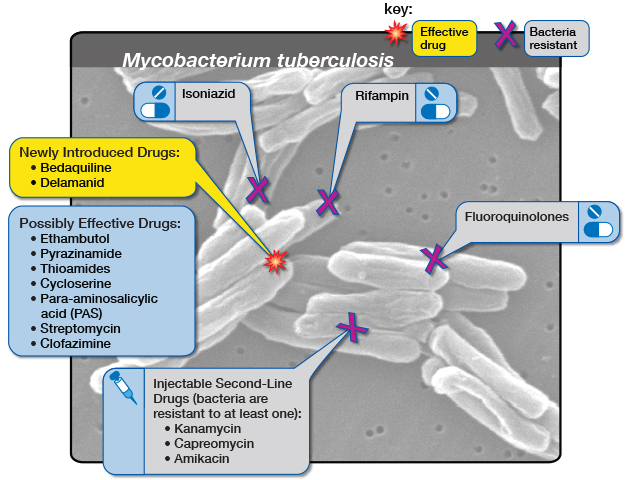
Diagram by the United States-based National Institute of Allergy and Infectious Diseases showing the medicine options for drug-resistant tuberculosis. (Via Flickr, CC BY 2.0 Deed)

In addition, some of the discovered substances may allow for a renewed treatment of tuberculosis with available medications – including strains of the bacterium that have already developed drug resistance.

Although treatable with antibiotics, it still ranks among the infectious diseases that claim the most lives worldwide: According to the World Health Organization (WHO), only COVID was deadlier than TB in 2022. The disease also caused almost twice as many deaths as HIV/AIDS. More than 10 million people continue to contract TB every year, mainly due to insufficient access to medical treatment in many countries.

Limited targets

Multidrug-resistant tuberculosis is emerging especially in eastern Europe and Asia. That is of particular concern to researchers because like all bacteria that infect humans, Mycobacterium tuberculosis possesses only a limited number of targets for conventional antibiotics.

That makes it increasingly difficult to discover new antibiotic substances in research laboratories.

Working together with colleagues from the Institute Pasteur in Lille, France, and the German Center for Infection Research (DZIF), the researchers at University Hospital Cologne have now identified an alternative treatment strategy for the bacterium.

The team utilized host-cell-based high-throughput methods to test the ability of molecules to stem the multiplication of bacteria in human immune cells: From a total of 10,000 molecules, this procedure allowed them to isolate a handful whose properties they scrutinized more closely in the course of the study.

Two-pronged attack

Ultimately, the researchers identified virulence blockers that utilise target structures that are fundamentally distinct from those targeted by classical antibiotics.

“These molecules probably lead to significantly less selective pressure on the bacterium, and thus to less resistance,” said Jan Rybniker, who heads the Translational Research Unit for Infectious Diseases at the Center for Molecular Medicine Cologne (CMMC) and initiated the study.

In deciphering the exact mechanism of action, the researchers also discovered that some of the newly identified chemical substances are dual-active molecules.

Thus, they not only attack the pathogen’s virulence factors, but also enhance the activity of monooxygenases — enzymes required for the activation of the conventional antibiotic ethionamide.

Ethionamide is a drug that has been used for many decades to treat TB. It is a so-called prodrug, a substance that needs to be enzymatically activated in the bacterium to kill it. Therefore, the discovered molecules act as prodrug boosters, providing another alternative approach to the development of conventional antibiotics.

In cooperation with the research team led by Professor Alain Baulard at Lille, the precise molecular mechanism of this booster effect was deciphered.

Thus, in combination with these new active substances, drugs that are already in use against tuberculosis might continue to be employed effectively in the future.

The discovery offers several attractive starting points for the development of novel and urgently needed agents against tuberculosis.

“Moreover, our work is an interesting example of the diversity of pharmacologically active substances. The activity spectrum of these molecules can be modified by the smallest chemical modifications,” Rybniker added.

However, according to the scientists it is still a long way to the application of the findings in humans, requiring numerous adjustments of the substances in the laboratory.

Source: University of Cologne

Antibiotic Slashes Risk of Drug-resistant TB in Kids, Finds Major SA Study

Tuberculosis bacteria. Credit: CDC

By Elri Voigt for Spotlight

For decades, the standard way to prevent people who were exposed to tuberculosis (TB) from falling ill with the disease was to offer them a medicine called isoniazid, taken daily for six or more months. That changed in the last decade with the development of new preventive therapy regimens that are taken for four, three, or even just one month.

One complexity, however, is that both isoniazid and the new regimens are much better at preventing normal drug-sensitive TB than they are at preventing drug-resistant forms of TB. This is not surprising. As explained by Paediatric Infectious Disease doctor and Professor of Global Child Health at Imperial College London, Dr James Seddon, the two drugs that have mainly been used to prevent drug-susceptible TB are isoniazid and rifampicin (rifampicin’s sister drug rifapentine is also used). Now, by definition, he explains multidrug-resistant (MDR) TB is resistant to both these drugs so it’s unlikely to have any impact.

The situation is particularly tricky when it comes to children. In a 2020 statement the World Health Organization (WHO) says that it estimated that worldwide between 25 000 and 32 000 children develop MDR-TB each year, and mainly acquire it through transmission from close contact with an adult or adolescent who has MDR-TB. According to Seddon, while there is some emerging observational evidence on the use of drugs other than isoniazid and rifampicin to prevent MDR-TB, there has been no clinically tested regimen to give to children following MDR-TB exposure.

Now, much anticipated results from a phase three trial has shown that a single antibiotic pill, given daily for six months, is safe and effective to use in children who have been exposed to MDR-TB.

Results from TB CHAMP

The trial, called TB-CHAMP, looked at the efficacy and safety of using the antibiotic levofloxacin to prevent TB in children exposed to MDR-TB. Top-line findings from the study was presented last week at the Union World Lung Conference held in Paris, France.

“The paediatric population is probably the most neglected of all the populations affected by MDR-TB,” Dr Anneke Hesseling, Director of the Paediatric TB Research Programme at Stellenbosch University, told the conference. “Fewer than 20% who develop MDR-TB disease are actually diagnosed and treated, and so to find more cases and prevent more cases is really, really critical…So prevention is really key, and the TB-CHAMP trial is really a phase three efficacy trial looking at levofloxacin to prevent new cases of TB in children and also looking at the safety of levofloxacin.”

Hesseling, who is the Principal Investigator of the study, says that TB-CHAMP is the first trial to provide clinical data on what drug might be used to prevent TB in children who have been exposed to MDR-TB. It was conducted at five sites across South Africa, all with high MDR-TB burdens. The study was led by Stellenbosch University and the Desmund Tutu TB Centre. The findings have not yet been published in a peer-reviewed journal.

922 children were randomised to receive either levofloxacin or a placebo for six months. 453 children got levofloxacin and 469 got the placebo. The primary efficacy data featured data from 916 of those children, with 451 in the levofloxacin arm and 465 in the placebo arm.

Hesseling says that only children who were exposed to an adult in their household with confirmed MDR-TB were included in the study. At first children below the age of five were recruited, regardless of their TB infection status. Later children between the ages of five and 17 were included, but they had to either have a TB infection or be living with HIV. The majority of the children, 90%, were younger than five years. TB infection was confirmed with a blood test.

By 48 weeks, Hesseling says five children in the levofloxacin arm versus 12 in the placebo arm developed TB, which amounts to an incidence rate of 1.1% in the levofloxacin arm, and 2.6% in the placebo arm.

Implication of results

“While TB preventive therapy (TPT) has long been recommended and available for young child contacts of people with drug-susceptible TB, there has not been sufficient evidence to make strong recommendations for treatment that could prevent DR-TB. Therefore, the TB-CHAMP findings are critically important for a number of reasons,” says Professor Guy Marks, President and Interim Executive Director, International Union Against Tuberculosis and Lung Disease (The Union).

“The study provides the first high-quality evidence that DR-TB can be prevented in children by using six months of daily levofloxacin, and that this is a safe medication. Furthermore, this will encourage more community-based contact screening, which will also lead to early detection of children and contacts of all ages who already have disease, and initiate treatment,” he adds.

“The impact [of the TB-CHAMP results] is potentially tremendous as it would prevent DR TB among child contacts. DR TB is more complex to treat and cure and often children are marginalised, so this study puts the spotlight on an effective way to protect children. This is not just about the life and health of the child but the social, economic and mental health implications for the caregiver and the entire family,” says Dr Priashni Subrayen, Technical Director for TB at The Aurum Institute.

Seddon, who is also one of the Co-PIs for the study, tells Spotlight that it was important to establish the safety of levofloxacin since it belongs to a class of drugs called the fluoroquinolones, which were thought to have terrible side effects when used in children.

Results from TB-CHAMP show that this is not the case.

The side effects were mild, and the regimen was well tolerated, according to Hesseling, with only eight children having a grade one or higher adverse event in the levofloxacin arm compared to four in the placebo arm. Two deaths were reported, one in each study arm, but were unrelated to the study. Overall, six children in the levofloxacin arm discontinued treatment or left the study early.

Researchers from TB-CHAMP collaborated with researchers from the V-QUIN trial – a phase three study that looked at levofloxacin as TB prevention in adults in Vietnam – in order to combine their data which allowed them to show data for levofloxacin across different age groups. Seddon explains: “They’ve applied a novel analytic approach, which uses a Bayesian, or probabilistic, framework, where we take the results of TB-CHAMP and we say well, if we actually use some of the information from V-QUIN to inform the TB-CHAMP results, we can make that a slightly more confident estimate,” he says.

The combined results, according to Hesseling were able to also show that levofloxacin reduced the risk of TB by about 60% across the age spectrum but with a tighter confidence interval, indicating a more precise estimate of the effect.

Seddon tells Spotlight that the combined data showed that there were no serious adverse events, but the adult population experienced more grade one and grade two side effects than the children, but these went away either over time or when the drug was stopped. The side effects included inflammation in the joints and tendons, which is a known side effect of this class of drug.

Not a silver bullet

While the findings could be a game-changer and potentially inform MDR-TB prevention guidelines, particularly in children, the regimen is by no means a silver bullet. Seddon says that while the regimen was safe, when participants were asked whether they liked the medicine, more people said they didn’t like it in the levofloxacin group versus the placebo. Another downside is that the pill was an adult formulation and thus needed to be cut and/or crushed for the kids to swallow.

Seddon explains that the WHO, who have been provided with the data from both studies and expected to meet in early December, would need to consider a variety of factors before deciding what to recommend about the use of levofloxacin for prevention. That includes the fact that you need to treat a lot of children for six months who might not have TB despite being exposed in order to prevent a few cases.

“You have to weigh up the benefits versus the risks and the risks are low, but it is still giving a drug for six months to children and most of them don’t need it. But the consequences of getting MDR-TB are so bad that we really want to prevent that,” he says.

There is also the question around what effect using a broad antibiotic as preventive treatment will have on the microbiome of children and how this might drive resistance to the fluoroquinolones. Seddon says stool samples were collected from the study participants to determine how the drug affected a child’s microbiome and the potential for driving resistance. These data will also be provided to the WHO.

“I think that the evidence base is now very strong on the basis of these two trials. I think you can really say the issue of whether levofloxacin prevents MDR-TB, we’ve put that to bed,” he says. “Are there going to be other studies? Yes. I think that this is not over, levofloxacin is not the perfect drug for preventive therapy.”

Marks adds to this saying: “An important next step for TPT in DR-TB contacts will be studies that evaluate regimens that are shorter than six months – a long time to take medication every day, which can often be challenging. Effective and safe shorter regimens are now being used for child contacts of drug-susceptible TB and we hope the same progress can be made for contacts of DR-TB.”

As Marks has already stated, currently there are no strong recommendations for MDR-TB prevention by the WHO.  In the 2020 TB prevention guidelines, it recommends that the preventative treatment for MDR-TB should be either a fluroquinolone or other second-line agent. It does however caution that these recommendations are based on low-quality evidence. Because of this, it recommends that the preventative treatment for MDR-TB should be individualised, and it be based on the drug resistance profile of the presumed contact. The drugs levofloxacin and moxifloxacin- both fluoroquinolones – may be used unless resistance is suspected. For levofloxacin a dosing schedule for both adults and children are proposed in the document.

Subrayen says that in South Africa the 2019 guidelines for the management of Rifampicin Resistant-TB (RR-TB) does indicate the use of levofloxacin as prevention treatment. The guidelines state that for prevention treatment a fluoroquinolone-based, multidrug regimen is preferred (either levofloxacin and high-dose isoniazid or levofloxacin, high-dose isoniazid and ethambutol). And if exposed to fluoroquinolone-resistant RR-TB, then high-dose isoniazid could be given. Delamanid could be considered as a potential option in very select cases. A training manual published this year by the Department of Health suggests that levofloxacin can be given on its own – but also stresses that the evidence base is weak, something that TB-CHAMP has presumably now changed.

Future of TPT

Seddon says that in a perfect world the ideal TB preventive regimen would be a so-called Pan regimen that could be given for a short period of time, to someone who has been exposed to TB and it works regardless of whether they had been exposed to drug-susceptible or drug-resistant TB.

“There are studies planned to use other drugs for prevention. There’s a study planned to use bedaquiline for a month or two and potentially using injectables that you just have to give once every couple of weeks. So, I think although this [levofloxacin] is a good option now, and it’s probably the best option we have now, this is not perfect,” Seddon says.

The study Seddon is referring to is the BREACH-TB study, a phase three trial that will look at whether a one-month treatment regimen of oral bedaquiline could prevent all forms of tuberculosis. It would be given to people exposed to both drug-resistant and drug-susceptible TB, and in people with HIV infection, including pregnant women and children.

Responding to questions from Spotlight earlier this year when this study was announced in the press, Sonya Krishnan, Assistant Professor of Medicine at Johns Hopkins University and Eric Nuermberger, Professor of Medicine at Johns Hopkins University, said that they anticipate recruiting between 1600 and 2 00 people to take part in the study – they expect around 400 to 500 of these will be people living with HIV. They also said that the control arm will receive the current standard of care in the country rather than placebo.

When asked whether any South African study sites will be included in the clinical trial, they said, “We very much plan to partner with study sites in South Africa. South Africa has a long-standing history of research excellence in TB.”

“A shorter regimen that fights both drug-resistant and drug-susceptible TB would be a game-changer for those living with TB and get us closer to our shared goal of ending the epidemic by 2030,” said Dr. Atul Gawande, USAID assistant administrator for Global Health, in a statement on the study. “This clinical trial will lay the foundation for a remarkable innovation in our fight against TB: a single-dose, long-acting injectable medicine.”

Indeed, if the science and development pans out as Gawande suggests it might, the future of TB preventive therapy might well be an entire course of therapy delivered through a single injection rather than a month or more of pills. As indicated in an article in the journal Clinical Infectious Diseases, work is already underway on the development of bedaquline, isoniazid, and rifapentine long-acting injections – though the research is for now still only in mice.

‘Communities need to be involved’

Hesseling raises the point that when treating or preventing TB, more than just the latest research advancement is needed to improve TB outcomes.

“For me treatment follows diagnosis, actually strengthening healthcare services, making communities more aware and creating demand for kids accessing diagnosis, preventive treatment and appropriate treatment, is actually where it starts,” she says. “So tools are amazing, but we actually need to have strong, effective healthcare services and knowledgeable, empowered communities.”

Seddon adds to this saying that results like those from TB-CHAMP are “a bit irrelevant if it is all kind of top down, paternalistic coming from the researchers, coming from the health system”.

“We really need to generate a community demand for this, where individuals living in communities where this is a problem are calling for this and getting angry about this and demanding it in a way that I think we’ve achieved very well with the HIV community,” he says. “It’s all well and good doing the science and then even better to get it [levofloxacin] into a guideline, but until there’s real demand for from the end user, I think it’s only going to have a certain amount of reach.”

Note: The terms DR-TB and MDR-TB are used somewhat interchangeably – Spotlight uses DR-TB to refer to drug-resistant forms of TB in general and MDR-TB to refer specifically to TB that is resistant to isoniazid and rifampicin.

Republished from Spotlight under a Creative Commons Licence.

Source: Spotlight

Life-saving TB Drug is Now Cheaper in South Africa – But Not as Cheap as It can be

Diagram by the United States-based National Institute of Allergy and Infectious Diseases showing the medicine options for drug-resistant tuberculosis. (Via Flickr, CC BY 2.0 Deed)

By Daniel Steyn for GroundUp

The South African government and pharmaceutical company Johnson & Johnson (J&J) have agreed to a lower price for bedaquiline, a medicine used to treat drug-resistant tuberculosis (DR-TB) in South Africa.

This comes off the back of mounting pressure from activists and amid an ongoing investigation by the Competition Commission, looking into J&J’s pricing of the drug.

An estimated 14 000 people in South Africa fell ill with DR-TB in 2019. Bedaquiline is one of the main drugs used to treat DR-TB. Before bedaquiline became available, treatment for DR-TB would consist of up to two years of injections with serious side effects. The bedaquiline-containing regimen has no injectables, far fewer side effects and is typically six months. 

Bedaquiline has been provided by the South African government since 2018.

In July, J&J agreed to sell bedaquiline to lower and middle-income countries through the Stop TB Partnership’s Global Drug Facility for $130 (R2470) per six-month regime, but South Africa does not make use of this facility due to national procurement policies.

Instead, about the same time that J&J made this announcement, the National Health Department agreed to pay J&J R5500 for the drug.

The Competition Commission announced in September that it will be investigating Johnson & Johnson’s pricing of the drug. The commission assisted the Department of Health in renegotiating the price, says department spokesperson Foster Mohale.

This week the department sent out a circular indicating that it will be paying R3,148 for bedaquiline.

Bedaquiline is prescribed to 7000 to 8000 people a year, Mohale told GroundUp. Mohale says the new price amounts to a 40% saving on bedaquiline for the next two years.

Candice Sehoma, Access Campaign Advocacy Advisor for Medicines Sans Frontiere (MSF), told GroundUp that the “momentous” cost saving is a “big achievement”. Sehoma says it is a sign that the global campaign to ensure accessible and affordable treatment for TB is yielding results.

MSF has estimated that bedaquiline could be manufactured and sold for profit for as little as $102 (R1940).

Fatima Hassan, director of the Health Justice Initiative, says that while the price drop is a victory, it is important to ensure that this does not happen again.

“The significant price reduction emphasises why price scrutiny is significant,” Hassan told GroundUp.

Alleged “evergreening”

J&J’s patent for bedaquiline expired in July 2023, but J&J had already applied for a new patent for a slightly different version of bedaquiline, which was granted. This meant their patent protection continued in South Africa after the original patent expired.

This amounts to “evergreening”, says Hassan. Evergreening, as explained in this article in The Conversation, “is achieved by seeking extra patents on variations of the original drug – new forms of release, new dosages, new combinations or variations, or new forms”.

The Competition Commission will be looking into J&J’s alleged “evergreening” as part of its investigation.

After making its agreement with the Global Drug Facility, J&J has announced it will not be enforcing the new patent – a move that will allow generic versions of the product to enter the market and further lower the price.

GroundUp sent questions to J&J but received no response.

Republished from GroundUp under a Creative Commons Attribution-NoDerivatives 4.0 International License.

Source: GroundUp

Interview: “The Only Good TB Bacillus is a Dead One”, Says UCT’s Prof Valerie Mizrahi

By Biénne Huisman for Spotlight

Professor Valerie Mizrahi, a world-leading tuberculosis researcher and director of the Institute of Infectious Disease and Molecular Medicine at the University of Cape Town, is retiring at the end of the year. PHOTO: Nasief Manie/Spotlight

World-leading tuberculosis researcher Professor Valerie Mizrahi was 35 when her mother Etty started losing weight and coughing furiously. After healthcare professionals in Johannesburg failed to accurately diagnose her, it was a doctor in Plettenberg Bay who told Etty: “The good news is you don’t have lung cancer, the bad news is that you have tuberculosis (TB).”

At the time, Mizrahi’s two infant daughters – aged one and three years old – had been spending much time with their granny. And so Mizrahi found herself crushing TB prevention tablets into her children’s porridge with honey.

Etty was treated at the then-Rietfontein Hospital, the precursor to Sizwe Tropical Diseases Hospital in Johannesburg. “My mom got very ill,” recalls Mizrahi. “She almost died of TB. And then 10 years later, she had to have a lobe from one of her lungs removed because she was one of those unfortunate people who got post-TB fibrosis.”

This was the early 1990s. Mizrahi was then with the South African Institute for Medical Research (SAIMR) linked to the University of the Witwatersrand, where she established the Molecular Biology Unit. She had identified TB as a lurking problem in South Africa, particularly in mines and in hospitals, calling it “a worthy foe ripe with opportunity for scientific investigation” – a problem she felt not enough people were talking about. It had been a pivotal moment when TB entered her own home, one that she says galvanised her thinking.

“It was a dramatic eye-opener for me as a basic scientist,” she says. “It was traumatic because of the time it happened in my career. Our family suddenly being thrust into the world of TB control. We had all these questions like we didn’t know where my mum got it, was her TB drug-susceptible, and why it would take so long to find this out. I got to see first-hand how difficult it was to get answers…”

Born in 1958 to Etty and Morris in Harare, Zimbabwe, Mizrahi studied at the University of Cape Town (UCT), forging an unusual career path, veering from mathematics and chemistry to biochemistry, genetics, and microbiology. In a male-dominated field, she became one of the first in South Africa to interrogate TB at a basic science level – that is to say, research aimed at advancing our understanding of the basic science of how TB bacteria survive, replicate, and resist attempts to kill it.

‘the only good TB bacillus is a dead one’

Discussing TB, Mizrahi’s passion is effervescent, her every second sentence punctuated with “okay”. These underscore her statements – subtle pauses allowing for her preceding words to sink in.

Source: CC0

…there’s a reason why TB has persisted for so long. The bacillus is pretty hard to kill. It’s built like Fort Knox.

Prof Valerie Mizrahi

A particular interest for Mizrahi is developing antibiotics “that can kill this bacterium stone cold dead”.

“To me, the only good TB bacillus is a dead one,” she says. “But there’s a reason why TB has persisted for so long. The bacillus is pretty hard to kill. It’s built like Fort Knox. So it’s a monumental challenge. We don’t know where all the bacteria are residing. We know that TB in an infected lung is sitting in really difficult places, hard places for drugs to get to. This notion of going after the bacillus with drugs and just slamming it is a tough problem. Not insurmountable, but there’s a lot of research that needs to be done.”

TB can be cured, but treatment typically takes at least six months and involves taking at least four different antibiotics, with side effects ranging from minor to serious. In addition to research on new antibiotics, there are also several experimental TB vaccines currently in late-phase studies. The only TB vaccine we have was developed more than a century ago and only has some moderate efficacy in kids.

The IDM

Since 2011 Mizrahi has served as director of the Institute of Infectious Disease and Molecular Medicine (IDM) – the University of Cape Town’s (UCT) largest cross-faculty research unit with over 800 affiliated staff and grants running into hundreds of millions of rands.

Mizrahi’s glass-encased office looks directly onto Table Mountain and hospital bend – where, at the time of our interview, N2 traffic out of Cape Town is already at a standstill. Behind her desk, Mizrahi quips. “Yes, this is the most beautiful office at UCT, everyone agrees…” Below, students can be seen milling about on the health sciences campus.

Last year in its Best Global Universities 2022-2023 survey, online portal US News ranked UCT as 24th best university in the world for studying infectious diseases. Mizrahi is ambivalent about the IDM taking credit for this accolade. She notes that this success is founded on problems of a “confounding and overwhelming” scope, with many diseases being proxies for poverty and inequality in South Africa.

The IDM’s focus includes TB, HIV/AIDS, COVID-19, other infectious diseases like sexually transmitted infections, and non-communicable diseases such as preventable cancers, cardiovascular, and psychiatric disorders.

Reflecting on the IDM, she says they have accrued a “research ecosystem – a concentration of expertise, something resembling critical mass” – bringing together specialists across the basic, clinical, and public health sciences, in one place.

“We’ve got Groote Schuur Hospital across the road,” she says. “We have geneticists and biochemists, virologists, and immunologists. There’s a clinician across the corridor from me, bioinformaticians, and microscopists downstairs. If you are the kind of researcher who revels in asking questions and finding people who can answer them, then this is the place for you.”

Going forward, multi-disciplinary research is what excites her. “HIV and TB have been so dominant in the narrative of this country. But now when you look at the figures and the data, we are dealing with a huge burden of non-communicable disease on top of infectious diseases,” she says. “The key question moving forward is how not to think in silos.”

Polymaths and dilettantes

This, she says, takes humility.

“To do this, one has to be very humble. You need to know what you don’t know. People who work really well in interdisciplinary spaces are those who understand the limits of their own specialist knowledge, and the need to listen to where another person is coming from.”

She distinguishes between polymaths and dilettantes. “You have to be careful not to be a dilettante, who knows a little about a lot. Research can be very superficial in that way. So I have my antenna out all the time to distinguish between polymaths, who really are people who know a lot about a lot, and dilettantes who know a little about a lot. And well, in this institute we have a lot of polymaths, brilliant researchers who move across disciplines, very interesting people to work with.”

With a string of awards and an A1-rating from South Africa’s National Research Foundation, earlier this year, Mizrahi was elected a fellow of the Royal Society, the United Kingdom’s National Academy of Sciences. However, she recalls humbling moments along the way – like the time she flew to London seven months pregnant with her second child, for her first-ever interview with the Wellcome Trust committee to secure funding. “I was so confident, but I was ill-prepared,” she says. “They savaged me! I tried to frame it not as a failure but as a learning experience.”

Passing the baton

At the end of this year, Mizrahi will pass on the baton when she retires. Of her achievements, she is proudest of young scholars she has helped to shape. “Their legacies will last much longer than a few more citations of a publication,” she says.

Mizrahi notes more and more women leaders in her field. For example, recently, while delivering a talk at the Weizmann Institute in Israel, she noticed chemist and Nobel laureate Ada Yonath in the room. “Talk about a role model; I was almost in tears.”

Studying at UCT, Mizrahi’s own mentors had mostly been men – something she didn’t even notice, she says, as male professors treated her no different. What did cut her was racial segregation at the time, prompting a political awakening and stints leaving South Africa to work in the United States. First as a postdoctoral fellow at Pennsylvania State University and then at drug company, SmithKline & French in Philadelphia.

Her own background makes her sensitive to marginalised groups, she says. Her grandparents were Sephardi Jews who fled Rhodes Island, today part of Greece, ten years before World War II, to find refuge in Zimbabwe.

Having just read former UCT vice-chancellor Max Price’s book Statues and Storms: Leading a University Through Change, she says, “It took me back to some very difficult times. It’s harrowing and brave and made me realise that even though I was here in the midst of it [#feesmustfall and #rhodesmustfall protests], a senior person of the university, how little I really knew of what was going on. It really is a lesson in crisis leadership.”

 There’s no control experiment to life, you can’t go back and redo it.

Mizrahi lives in Sea Point with her one daughter. Her other daughter is based in Vancouver. Here, she likes to park her car at the end of the week, walking around – “either listening to a New York Times podcast or a beautiful piece of music and that’s when I think.”

She describes herself as an introvert who needs personal time to stay sane. She is deeply thoughtful about her roots, wondering about a sense of belonging. “As white people in Africa, I think this is part of the reckoning we go through. I truly identify as being African. Arriving at Johannesburg, just breathing in the air, it feels like home.”

Looking back, Mizrahi notes her mother as a major influence in her life. “Not a highly educated woman. But the wisest, smartest person I know.” Etty still lives in Johannesburg while Morris has passed away. To this day, Etty thinks of herself as a proud TB survivor, says Mizrahi.

On her retirement, the scholar says, “Now it’s about opening up opportunities for others, writing a few papers, and contributing to the TB drug discovery space.”

“I’ve done the best I can,” she says, “I don’t believe in having regrets…  There’s no control experiment to life, you can’t go back and redo it. But I don’t know that I could have done it any differently.”

Republished from Spotlight under a Creative Commons Licence.

Source: Spotlight

Funding Secured for Massive TB Vaccine Trial

Tuberculosis bacteria. Credit: CDC

By Marcus Low for Spotlight

A massive and much-anticipated phase 3 trial of an experimental tuberculosis (TB) vaccine is set to proceed after funding for it has been secured from two large philanthropies. Wellcome and the Bill & Melinda Gates Foundation (BMGF) Wednesday announced they’d be investing a combined $550 million into the trial – around $150 million from Wellcome and the remaining from the Bill & Melinda Gates Medical Research Institute, a nonprofit subsidiary of the BMGF.

The vaccine, called M72/AS01E or just M72, made headlines in September 2018 when it was found to offer 54% protection against pulmonary TB disease in a phase 2B trial. That trial, of around 3 300 people, was conducted in South Africa, Zambia, and Kenya. Final results from that study were published in the New England Journal of Medicine in 2019 – efficacy in these final results was down to around 50%.

Medicines and vaccines are typically only brought to market once safety and efficacy have been confirmed in a large phase 3 trial. In this case, the phase 3 trial is set to have around eight times as many participants as the phase 2B trial.

26 000 study participants

“Conducted in collaboration with an international consortium of TB clinical investigators, the trial will enrol approximately 26 000 people, including people living with HIV and without TB infection, at more than 50 trial sites in Africa and Southeast Asia,” Wellcome and BMGF said in a statement announcing the trial.

They said the trial will “assess the candidate vaccine’s efficacy at preventing progression from latent TB infection to pulmonary TB”. In an online media conference on Wednesday Trevor Mundel, President for Global Health at BMGF, clarified that while most study participants will be people with latent TB infection, 4 000 people without TB infection would also be recruited. This is because establishing evidence of the vaccine’s safety in people without latent TB infection will be important if the vaccine is to be rolled out in areas with high background rates of TB without first having to test everyone for latent infection. “You’d want to be comfortable with vaccinating everyone in the community,” he said, “So we need to have that safety data in the uninfected as well in order to be able to have that usage, which will be the easiest way to use the vaccine at the end of the day.”

Mundel said that the study is scheduled to start early in 2024 and that it is expected to last for four to six years. Exactly how long the study will take will depend largely on how long it takes for 150 study participants to develop active TB – the number required for the study to have sufficient statistical power. By comparison, recruitment for the phase 2B trial started in 2014 and the first findings from that study were published in 2018.

According to the statement, additional details about the trial design and participants will be announced in the coming months.

Given that the phase 2B trial was partially conducted in South Africa and the country has substantial TB clinical trial capacity, it is almost certain that some of the 50 trial sites will be in South Africa – although know specific trial sites have yet been announced.

As pointed out in the statement, the only TB vaccine in use today, bacille Calmette-Guerin (BCG), was first given to people in 1921. It helps protect babies and young children against severe systemic forms of TB but offers limited protection against pulmonary TB among adolescents and adults. If the findings from the phase 3 trial of M72 are positive, m72 will become the first new TB vaccine in over a hundred years to be proven safe and effective.

According to the most recent figures from the World Health Organization (WHO), around 304 000 people fell ill with TB in South Africa in 2021. While TB rates are declining, they are declining relatively slowly and according to the most recent WHO World TB Report, a major technological breakthrough such as a new vaccine will be needed if ambitious TB control targets are to be met.

Announcement welcomed

“We’ve waited a long time for this study, so are happy to see the Bill & Melinda Gates Foundation and Wellcome taking up this important task,” said Patrick Agbassi, chair of the Global TB Community Advisory Board, in a comment included in the Wellcome/BMGF statement. “The question now becomes how we can enroll 26 000 people most quickly and ensure that all populations at risk of TB will ultimately be able to benefit from access to what could be the first new TB vaccine in over 100 years. A robust community engagement programme will be key, as will taking on studying this vaccine in younger adolescents, pregnant women, people with prior history of TB, and other key groups often underrepresented or left out entirely of TB trials and the benefits of scientific progress.”

Mark Harrington, executive director of New York-based advocacy organisation Treatment Action Group (TAG) said, “TAG welcomes this historic investment in TB vaccine development by Wellcome and the Bill & Melinda Gates Foundation. A Phase III clinical trial of the M72/AS01E TB vaccine candidate is a long-awaited milestone. We hope this funding commitment sparks governments and other funders to substantially increase investments in the TB vaccine pipeline, which contains a number of promising candidates in addition to M72/AS01E but faces a dire financial shortfall.”

“This Phase III trial,” Harrington said, “will take several years to complete. We encourage the Gates Foundation, Wellcome, GSK, country governments, and other partners to use this time to lay the groundwork for eventual vaccine adoption by ensuring the availability, affordability, and acceptability of M72/AS01E should it prove safe and effective.”

Initial development of M72 was driven by the pharmaceutical company GSK with support from several governments, philanthropies, and research organisations. The vaccine contains the M72 recombinant fusion protein, which the Wellcome/BMGF statement explains is derived from two Mycobacterium tuberculosis antigens (Mtb32A and Mtb39A) combined with the GSK proprietary Adjuvant System AS01E. According to the statement, GSK will continue to provide the adjuvant for the vaccine’s further development and potential launch.

NOTES: (1) The BMGF is mentioned in this article. Spotlight receives funding from the BMGF, but is editorially independent – an independence that the editors guard jealously. Spotlight is a member of the South African Press Council. (2) A representative of the Global TB Community Advisory Board is quoted in this article. Spotlight editor Marcus Low was previously a member of the Global TB Community Advisory Board.

Reproduced from Spotlight under a Creative Commons 4.0 Licence.

Source: Spotlight

Khayelitsha Trial Shows Single-dose Dolutegravir May Suffice in HIV-associated Tuberculosis

Tuberculosis bacteria. Credit: CDC

In the RADIANT-TB randomised controlled trial carried out in Khayelitsha, researchers found that tuberculosis (TB) patients with HIV taking a double dose of dolutegravir had similar viral suppression to those taking a single dose plus placebo. The findings, published in The Lancet HIV, suggest that a only once-daily dolutegravir is feasible in patients with HIV-associated tuberculosis.

WHO’s preferred first-line antiretroviral therapy (ART) regimen for adults and adolescents with HIV is dolutegravir, combined with tenofovir and lamivudine or emtricitabine. A disadvantage of dolutegravir is substantial drug–drug interaction with rifampicin, which is important as tuberculosis is the most common cause of hospitalisation and mortality among people living with HIV.

The drug–drug interaction between rifampicin and dolutegravir can be overcome by supplemental dolutegravir dosing, but is a challenge in resource-constrained settings. The researchers sought to investigate whether virological outcomes with standard-dose dolutegravir-based ART are acceptable in people with HIV on rifampicin-based antituberculosis therapy.

RADIANT-TB was a phase 2b, randomised, double-blind, non-comparative, placebo-controlled trial in Khayelitsha, Cape Town, South Africa. Participants were aged over 18 years, with plasma HIV-1 RNA >1000 copies/mL, CD4 count > 100 cells/μL, ART-naive or first-line ART interrupted, and on rifampicin-based antituberculosis therapy for less than three months. Participants were assigned (1:1) to receive either tenofovir disoproxil fumarate, lamivudine, and dolutegravir plus supplemental 50mg dolutegravir 12h later or the same drugs but with placebo in place of the supplemental dolutegravir. Participants received standard antituberculosis therapy (rifampicin, isoniazid, pyrazinamide, and ethambutol for the first two months followed by isoniazid and rifampicin for four months). The primary outcome was the proportion of participants with virological suppression (HIV-1 RNA <50 copies/mL) at week 24 analysed in the modified intention-to-treat population.

No treatment-related dolutegravir resistance emerged in the trial, and though not significant, an increase in insomnia was noted in the supplemental dolutegravir arm. In terms of future research, it is questionable whether a phase 3 trial would be needed given the significant time required for a policy change. Limitations included the study not being powered to compare efficacy.

The authors concluded, “Our findings suggest that twice-daily dolutegravir dosing might be unnecessary in people with HIV-associated tuberculosis. More evidence, from cohort studies or possibly a phase 3 trial, might be necessary to change policy on the need for a supplemental dolutegravir dose with rifampicin-based antituberculosis therapy.”

Tuberculosis Weakens HIV Antibody Response in Those with HIV

Tuberculosis bacteria. Credit: CDC

According to new research findings published in iScience, people living with HIV with a history of pulmonary tuberculosis had broader and more potent HIV antibody responses and differences in HIV sequences predicted to be antibody-resistant as compared to those without tuberculosis. The study suggests that concomitant tuberculosis disease has a significant impact on HIV immune responses and the viruses circulating in people living with HIV.

Tuberculosis infects more than 2 billion people in the world, and although tuberculosis is the most common co-infection in people living with HIV, previous studies have not examined how tuberculosis impacts HIV immune responses and virus characteristics.

This study suggest that tuberculosis may impact the efficacy of antibody based prevention and therapeutic strategies. Vaccines to elicit antibodies and antibodies are also being investigated as a means to treat and cure HIV. Higher prevalence of antibody resistant strains along with tuberculosis disease implies that these antibody-based interventions are more likely to in fail in these individuals.

“Tuberculosis is extremely common, especially in regions of the world with high levels of ongoing HIV transmission, and impacts both the immune responses and the characteristics of the circulating virus in people living with HIV so it is imperative we understand the relationship between the two,” said Manish Sagar, MD, an internist at Boston Medical Center and Professor of Medicine at Boston University Chobanian & Avedisian School of Medicine. “These studies have implications for HIV vaccines and antibody based HIV therapeutics.”

Researchers worked closely with investigators in Uganda and at the AIDS Clinical Trial Group (ACTG) to collect samples from people newly diagnosed with HIV that either did or did not have tuberculosis. From these individuals, they examined samples collected prior to and about 6 months after the start of HIV medications. Researchers compared antibodies, plasma inflammatory markers, and HIV sequences in the baseline and in treatment samples.

Tuberculosis disease is associated with higher prevalence of the some antibody-resistant HIV. High ongoing HIV transmission in areas of the world with frequent tuberculosis disease suggest that a potential vaccine that elicits broad and potent antibodies may not work because these geographic regions are more likely to have antibody resistant strains.

This has implications for HIV vaccine strategies as they aim to generate antibodies that can block the virus after exposure. Generating broad and potent HIV antibodies remains a monumentally difficult goal. Understanding the biological pathways behind the broadly potent antibody responses generated by tuberculosis could provide insight into how tuberculosis enhances HIV antibody responses. This in turn could be leveraged to develop novel strategies for eliciting broad and potent HIV antibodies.

Source: Boston Medical Center

Antibiotic Regimen may be Ineffective in TB Meningitis

Tuberculosis bacteria
Tuberculosis bacteria. Credit: CDC

Research in animal models published in Nature Communications shows that an approved antibiotic regimen for multidrug-resistant (MDR) tuberculosis (TB) may not work for TB meningitis. Limited human studies also provide evidence that a new combination of drugs is needed to develop effective treatments for TB meningitis due to MDR strains.

In the study from Johns Hopkins Children’s Center, the investigators showed that the Food and Drug Administration (FDA)-approved regimen of three antibiotics – bedaquiline, pretomanid and linezolid (BPaL) – used for treating TB of the lungs due to MDR strains, is not effective in treating TB meningitis because bedaquiline and linezolid struggle to cross the blood-brain barrier.

Tuberculosis, caused by the bacteria Mycobacterium tuberculosis, is a global public health threat. About 1%–2% of TB cases progress into TB meningitis, the worst form of TB, which leads to an infection in the brain that causes increased fluid and inflammation.

“Most treatments for TB meningitis are based on studies of treatments for pulmonary TB, so we don’t have good treatment options for TB meningitis,” explains Sanjay Jain, M.D., senior author of the study and director of the Johns Hopkins Medicine Center for Infection and Inflammation Imaging Research.

In 2019, the FDA approved the BPaL regimen to treat MDR strains of TB, specifically those that lead to pulmonary TB. However, there are limited data on how well these antibiotics cross the blood-brain barrier.

In an effort to learn more, the research team synthesised a chemically identical and imageable version of the antibiotic pretomanid. They conducted experiments in mouse and rabbit models of TB meningitis using positron emission tomography (PET) imaging to noninvasively measure pretomanid penetration into the central nervous system as well as using direct drug measurements in mouse brains. In both models, researchers say PET imaging demonstrated excellent penetration of pretomanid into the brain or the central nervous system. However, the pretomanid levels in the cerebrospinal fluid (CSF) that bathes the brain were many times lower than in the brains of mice.

“When we have measured drug concentrations in the spinal fluid, we have found that many times they have no relation to what’s happening in the brain,” says Elizabeth Tucker, MD, a study first author and an assistant professor of anaesthesiology and critical care medicine. “This finding will change how we interpret data from clinical trials and, ultimately, treat infections in the brain.”

Next, researchers measured the efficacy of the BPaL regimen compared with the standard TB treatment for drug-susceptible strains, a combination of the antibiotics rifampin, isoniazid and pyrazinamide. Results showed that the antibacterial effect in the brain using the BPaL regimen in the mouse model was about 50 times lower than the standard TB regimen after six weeks of treatment, likely due to restricted penetration of bedaquiline and linezolid into the brain. The bottom line, says Jain, is that the “regimen that we think works really well for MDR-TB in the lung does not work in the brain.”

In another experiment involving healthy participants, three male and three female aged 20–53 years, first-in-human PET imaging was used to show pretomanid distribution to major organs, according to researchers.

Similar to the work with mice, this study revealed high penetration of pretomanid into the brain or central nervous system with CSF levels lower than those seen in the brain. “Our findings suggest pretomanid-based regimens, in combination with other antibiotics active against MDR strains with high brain penetration, should be tested for treating MDR-TB meningitis,” says study author Xueyi Chen, MD, a paediatric infectious diseases fellow, who is now studying combinations of such therapies.

Limitations included the small quantities of the imageable version of pretomanid per subject (micrograms) used. However, current evidence suggests that studies with small quantities of a drug are a reliable predictor of the drug biodistribution.

Source: Johns Hopkins Medicine