On Thursday, March the 10th, the South African Medical Research Council (SAMRC) honoured a selection of leading SA medical scientists and researchers at its 8th SAMRC Scientific Merit Awards at a hybrid event.
This year’s Presidential Award, which is awarded to scientists who have made exceptional lifelong contributions to medical research and public health, was bestowed upon Professor Koleka Mlisana, the country’s first black microbiologist. With over 40 years’ experience in health sciences, Prof Mlisana is the current executive manager of academic affairs, research, and quality assurance at the National Health Laboratory Service (NHLS) and Co-Chair of the COVID-19 Ministerial Advisory Committee (MAC). In the 1990s, she was one of the scientists investigating the unknowns of HIV. Her research focused on understanding the body’s response to acute HIV infection.
The Platinum Medal, for South Africans who have made seminal scientific contributions and who have also made an impact on health, especially for those living in developing countries, was awarded to Professor Andre Pascal Kengne. As a physician and an internationally renowned non-communicable diseases epidemiologist, his work focuses on cardiovascular disease, diabetes, and chronic kidney disease. He is the current Director of the SAMRC’s Non-Communicable Diseases Research Unit and holds conjoint appointments as Professor of Medicine at the University of Cape Town, as well as Extraordinary Professor of Global Health at Stellenbosch University.
In the Gold Medal category, which is for researchers who have made substantial and influential contributions that have impacted on health especially in the developing world, the awardees are Professors Tulio de Oliveira, Ntobeko Ntusi, Ambroise Wonkam and Grant Theron.
Silver Medals are conferred to emerging and upcoming scientists and those committed to capacity development. This year, the medal recipients are Professors Diane Gray, Marlo Moller, Rabia Johnson, and Dr Nasheeta Peer.
SAMRC President and CEO, Prof Glenda Gray said that scientific research remains fundamental for reducing the nation’s burden of disease and preventing mortality. “The knowledge produced by these exceptional scientists will carry our country’s legacy of science forward and continue to improve the lives of citizens as it is evident with COVID-19.” Their work shows the country’s ingenuity, she added, noting that “it was scientists in South Africa who first discovered and sounded the alarm on Omicron, which rapidly became the dominant variant of concern.”
Medical experts who were under the impression they were contracted by the Road Accident Fund (RAF) to provide expert medical opinions, have written to acting chief justice Raymond Zondo to withdraw their completed opinions that have not yet been used in court because the RAF refuses to pay them or has charged penalties to reduce the amounts owed.
These qualified specialists provided expert medico-legal services, such as consultations and injury assessments, preparation of expert witness reports, attended expert witness meetings, prepared joint minutes of expert meetings, and presented expert evidence in court for the former panel of attorneys rendering this service for the RAF.
The experts say they have had enough of struggling for payments from the RAF and they state in the letter that their work “may not and should not be used as evidence in any matter” in the future because it is said to be unauthorised and not paid for. In effect, this means that RAF cases can no longer progress until these experts have been paid or until new medical expert opinions are obtained.
The RAF only recently informed all medical experts appointed by its former panel of attorneys that they were not authorised to perform these services which were conducted since 2015 and will therefore not be paid.
Mariëtte Minnie, director of MMB Made Easy, which handles medical accounts of medical-legal service providers says accounts she deals with have a total outstanding value of R63.5 million, with some accounts dating back as far as 2015. The biggest outstanding balance among her clients is R10,7 million the RAF owes to one neurosurgeon.
As a result of ongoing non-payment, some experts have shut down and sold their houses and cars due to huge overdrafts and VAT owed to SARS for opinions for which the RAF has not yet paid.
Minnie adds, “The RAF has stolen thousands of medico-legal reports from hundreds of experts which they do not intend to pay for.”
Medical experts have always been instructed by the panel attorneys as RAF representatives, but the RAF never renewed its expert contracts in time. The RAF then terminated the services of the panel of attorneys who had to obtain RAF authorisation for the experts but still asked experts to continue assessing claimants to avoid delays and send their reports directly to the RAF.
Minnie says that invoices for work done in previous years are met with delaying tactics and even denial of payment. “The RAF now implements terms of the service level agreement with the experts to fine them with 5% for every day that their reports are submitted after the due date although submission of reports is subject to factors such as obtaining necessary documentation to finalise the report.”
The RAF has also instituted steps to eradicate “irregular expenditure”, suggesting that experts assessed claimants and wrote reports without authorisation although the RAF failed to implement adequate systems to instruct and remunerate them.
Minnie comments, “The RAF is shambolic and has been unable to operate ethically or effectively since 2015. We will also be bringing this matter to the attention of the Minister of Transport, the Special Investigations Unit, the Public Protector, the National Prosecuting Authority and the National Treasury. New leadership is required to turn around the RAF.”
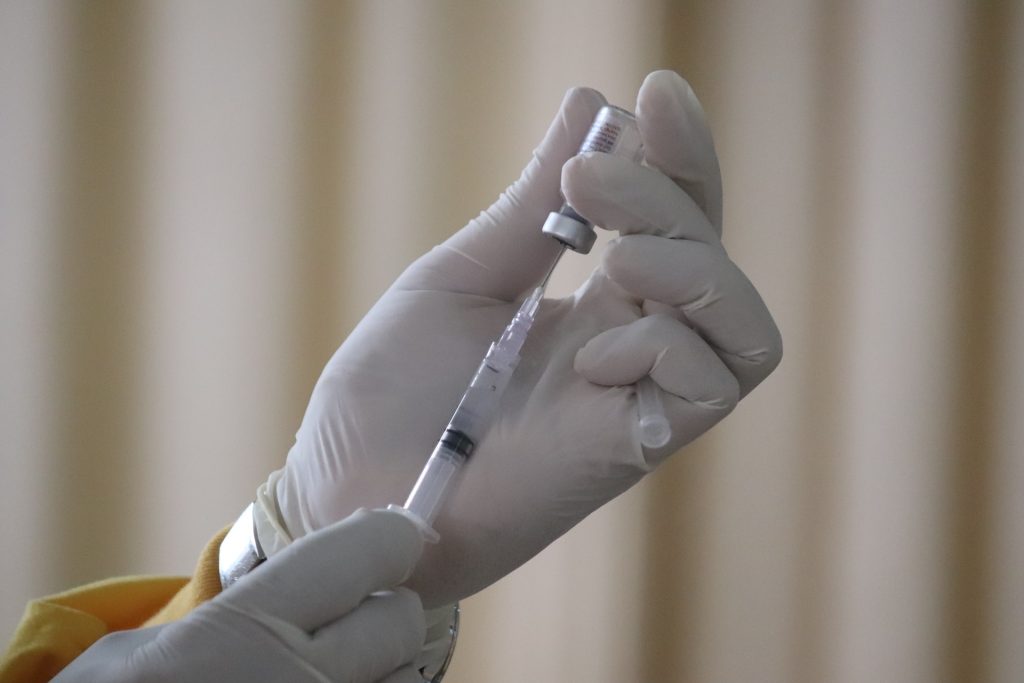
In a news release, pharma giant Aspen has announced that it has concluded an agreement with Johnson & Johnson to manufacture an Aspen-branded COVID vaccine, Aspenovax, and to make it available throughout Africa.
This follows on from the November 2021 announcement of an agreement of terms between the two companies. This new agreement will expand the existing technical transfer and manufacturing agreements between the companies.
The agreement will grant Aspen’s South African subsidiary the rights to manufacture finished Aspenovax product from drug substance supplied by J&J. It will also make Aspenovax available to markets in Africa through transactions with designated multilateral organisations and with national governments of member states of the African Union.
Under the agreement, Aspen has secured the necessary intellectual property from Johnson & Johnson for production. There is also a good faith undertaking between the companies to expand the agreement to cover any new versions of the drug substance, such as those developed for new variants or a different formulation for administration as a booster.
The agreement will last through to the end of 2026.
Commenting on this agreement, Dr Matshidiso Moeti, World Health Organization Regional Director for Africa said: “This important agreement on sharing know-how and technologies for the production of COVID vaccines is a huge leap forward towards realising our shared vision for medicines and vaccines to be manufactured on the African soil for the African people. Vaccines are our best way out of this pandemic and local production is an essential recipe for our success.”
Stephen Saad, Aspen Group Chief Executive said: “Even with all the support in the world, none of this would be possible without the competence of our teams at Gqeberha. They knew the weight of a continent’s ambitions rested on their shoulders. They persevered and succeeded in becoming a significant supplier within the Johnson & Johnson network. Aspenovax has become a reality due to the confidence placed in their abilities. They are our African heroes.”
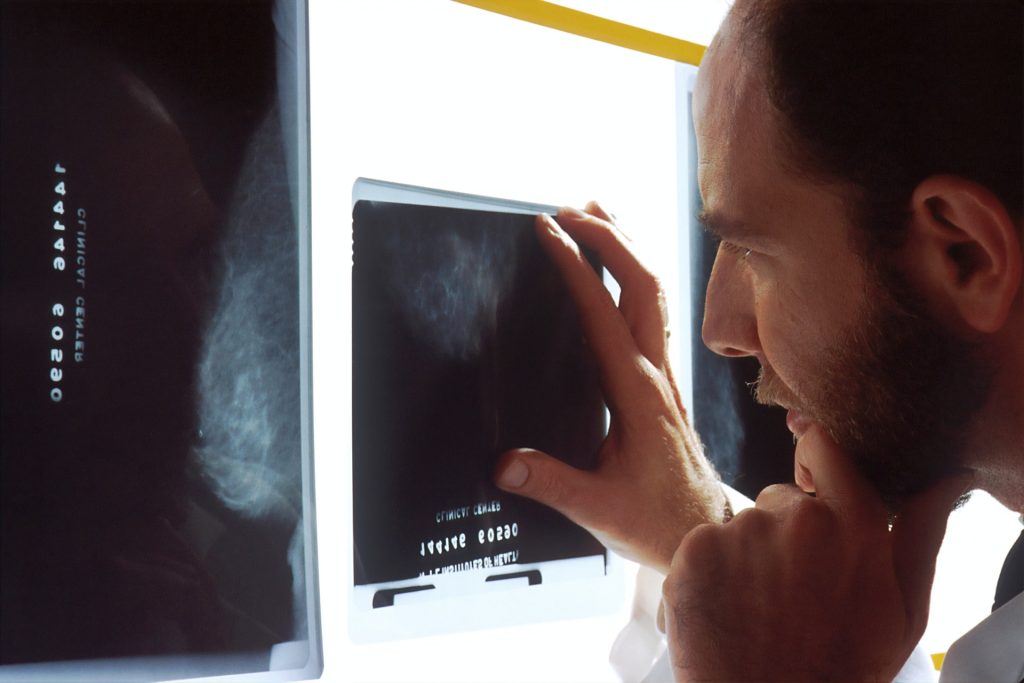
In their recently released Middle East and Africa regional report on cancer, the Swedish Institute for Health Economics (IHE) highlighted challenges for the country’s under-resourced healthcare system. It also highlighted the need to provide training for South African GPs in early detection of cancer.
Cancer is a growing challenge for South Africa. The incidence of cancer cases in South Africa is predicted to double over the next two decades, from 110 per 100 000 in 2018 to 226 per 100 000 in 2040. It is also gradually becoming one of the leading causes of death, from 9% in 2000 to 10% in 2016, even as the share of deaths from cardiovascular diseases and diabetes grows as well. Prostate cancer is the most common (31%) in men by far, while in women breast cancer (27%) was closely followed by cervical cancer (22%).
The COVID pandemic has largely overshadowed the Department of Health’s 207-2022 cancer plan, though successes with HIV have allowed it to move up in priority. A major challenge will be getting it moved up in priority.
The direct costs to the healthcare system from cancer are USD11 (R165) per capita and USD19 (R285) per capita in indirect costs to society (premature death, early retirement, sick leave etc). Yet South Africa’s public healthcare spending is only 4% of GDP, below the World Health Organization informal target of 5%.
In terms of prevention, anti-smoking campaigns have had some effect, though more work needs to be done on tackling obesity. The HPV vaccination campaign is a step in the right direction, the report says, though the hepatitis B vaccination programme is flagging.
In early detection, GPs need better training in recognising the early signs of cancer. Public health literacy is also a priority, along with expanding breast and cervical cancer screening. Given rising incidence, colorectal cancer screening should also be considered, the IHE recommended.
Universal health care continues to be a priority, with the proportion of the population covered by medical schemes remaining static at 17% from 2012 to 2019. Public healthcare, which only offers a defined set of services, suffers from a lack of resources and personnel.
As far as cancer treatment in South Africa goes, public healthcare resembles global standards 20 years ago. Though radiation machines adequately serve the population on a national level, there are significant disparities with long waiting times and machines that can provide modern radiation techniques are limited and not listed in prescribed minimum benefits. Targeted drugs and immunotherapy remain almost exclusively the province of private healthcare, with a lengthy procedure to get drugs listed on the EML. Streamlining this should be a priority, the report recommends.
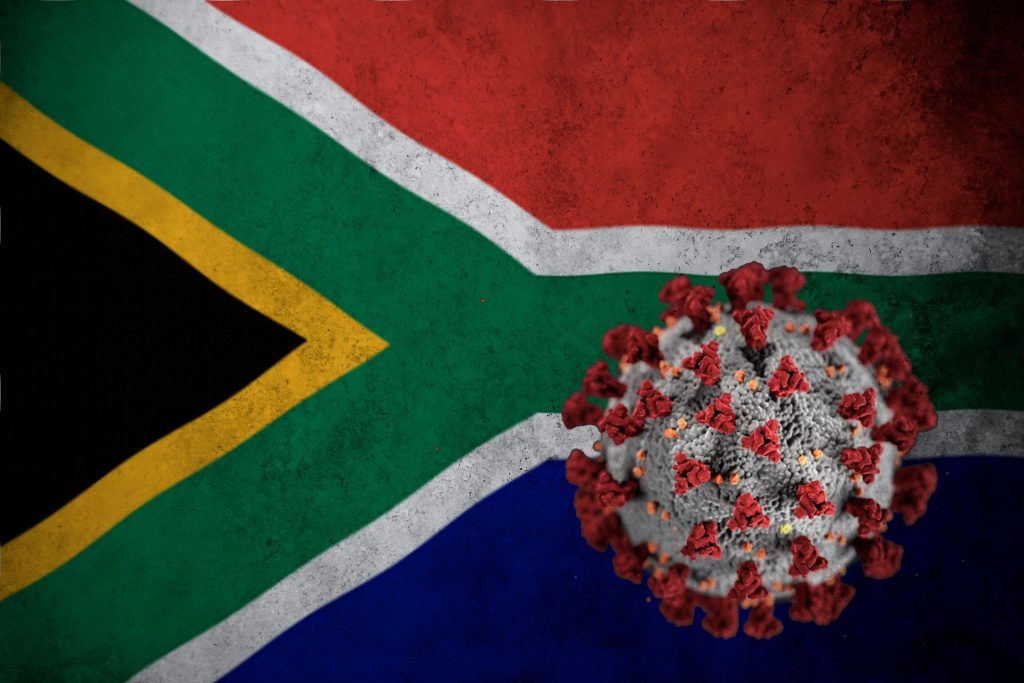
Commenting on a recently published South African study showing a high COVID antibody sero-prevalence and decoupling of hospitalisation and death rates, first author Professor Shabir Madhi said that “we [are] no longer at “code red’.”
The study, published in the New England Journal of Medicine, was conducted in Gauteng from October 22 to December 9, 2021, showed a high sero-positivity rate even as the Omicron wave started. Under-12s (56%) had the lowest rate of sero-positivity, while it was 80% in over-50s and 85% in inner city residents. Unsurprising, vaccinated individuals had much higher rates (93%) than unvaccinated ones (68%). Epidemiologic data showed that the incidence of COVID infection increased and subsequently declined more rapidly during the fourth wave than it had during the three previous waves.
The researchers imputed 10.4 million infections, compared to the <1 million COVID cases recorded before Omicron. The researchers also evaluated COVID epidemiologic trends in the province, including cases, hospitalisations, recorded deaths, and excess deaths from the start of the pandemic through January 12, 2022.
At time of Omicron wave onset, 59159 Covid attributable deaths using excess mortality data (rate 396/100,000) in Gauteng. Infection fatality risk for Gauteng 0.57% pre-omicron (substantially higher than 0.019% imputed for seasonal flu pre-Covid calculated using similar methods).
In Gauteng at the start of the Omicron wave. vaccine coverage 36% for at least 1 dose in Gauteng, but 61% in over-50s (responsible for >80% deaths pre-Omicron). The sero-survey showed that, 70% of vaccinated were also infected pre-omicron, indiciating a substantial prevalence of hybrid immunity
Prof Madhi further noted analysis of the incidence trends shows a “massive decoupling” of COVID cases to hospitalisation and death rates over the course of Omicron dominance, which was seen in all age groups. Omicron was responsible for only 3% of COVID deaths compared to 50% for those in Delta-dominant waves. In the 50-59 age group, Omicron was responsible for only 2% of deaths compared to 53% of Delta-dominant deaths.
They also found that children under 12 were not seriously affected during the Omicron wave, with the Omicron wave making up 26% of hospitalisations and 17% of deaths versus 39% and 47%, respectively with the Delta wave.
The researchers concluded that the SA experience indicates that we are now moving into the convalescent phase of the COVID pandemic. Prof Madhi noted in his tweets that this is likely to be similar in other countries that have had a low or modest vaccine uptake, but which have also seen high rates of natural infection – which, in low- and middle-income countries, has likely been accompanied by significant under-reporting of COVID fatalities.
Given low rates of vaccine rollout and donations, Africa should focus on vaccinating its vulnerable elderly population, Prof Madhi recommended.
He tweeted that SA had expressed optimism that the pandemic had reached a turning point “which many in high income countries dismissed as ’empirical’ and not applicable to their settings despite high vaccine coverage,” subsequently materialised around the world wherever COVID was “not [a] zero-sum game.”
Writing for GroundUp, Dr Alex Welte unpacks the results of the latest blood donor survey, which suggests that some 70% of South Africans have had a COVID infection.
The South African National Blood Service (which handles the blood supply for eight provinces) and the Western Cape Blood Service have been testing some donors for Covid antibodies over the last year or so. This has contributed to our understanding of how many people have been infected by SARS-CoV-2 (the virus that causes Covid), and what proportion of infections lead to death. It may help us plan for future waves, though exactly how is complicated.
On the assumption that another wave towards the end of 2021 was nearly inevitable – but before we all heard about omicron – it was decided to perform more such testing in early November. The numbers are now out.
The headline results are:
Overall about 80% of black donors had previously had Covid, and 40% of white donors.
There is no meaningful variation between age groups and sexes.
This latest survey did not include Western Cape data.
The test used does not detect the antibodies produced in response to vaccination, so this really is an estimate of people who have been infected.
While blood donors are not perfectly representative of the country’s population, we can take into account differences between the racial breakdown of the donor population and the racial breakdown of the general population. This means that our face-value national estimate is that about 70% of people had been infected before the omicron wave hit.
Since then we’ve had the omicron wave. We would very much like to know how many people are infected now, but there’s really no simple way to derive this number. Researchers are now updating their models with this additional piece of data, and we may see some estimates soon.
With that caution, here is my back-of-the-envelope estimate:
Omicron seems to have little trouble infecting people who have been infected by other variants, though there is some protection from prior infection and vaccination.
By late last year, quite a bit more than half the population had already had a prior infection.
Hence, I estimate that about half of the omicron wave infections were in previously uninfected individuals.
Given the infection detection rate estimates from previous waves, and a number of plausible sources of possible variation in this rate, I estimate the detection rate at about 1 in 10.
Given the roughly 700 000 cases reported between mid November and mid February, we get an estimate of 7 million cases, and therefore 3.5 million new infections.
Given our population of about 60 million, this is roughly an additional 6%.
Bottom line: it’s not crazy to estimate that about three-quarters of South Africans have by now been infected. But I would not be surprised if serious models come up with even higher estimates.
A troubling result of the survey is that once more it shows the serious racial disparities in South Africa. I don’t know if this carried over to the omicron wave. Estimating the racial breakdown of infection after omicron depends in a complicated way on variations in housing, lifestyle, access to vaccination, and all the usual factors that shape daily life in our country.
Dr Welte helped design and implement the blood donor survey.
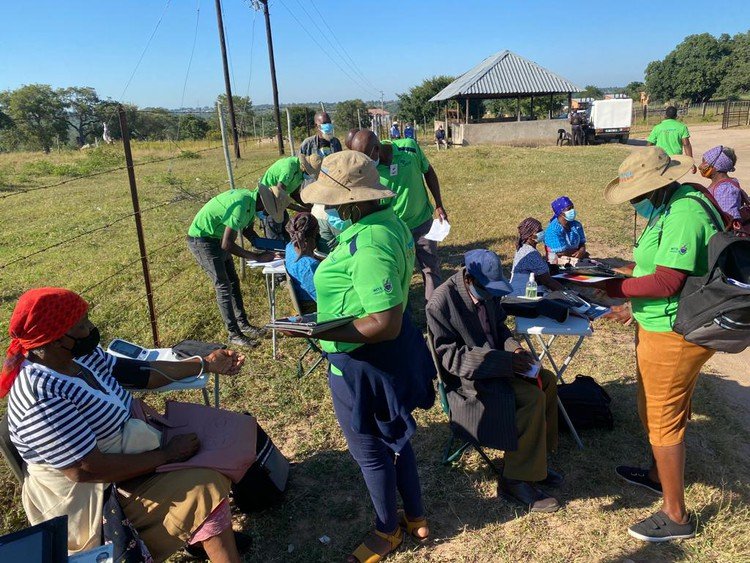
Hundreds of pensioners queuing for their old age grants are being screened and tested for hypertension at paypoints in Mpumalanga. In this way, care is provided where and to whom it’s needed most.
In total, more than 4.2 million people in South Africa aged 60 and older currently receive the Older Persons Grant. For many of them, particularly in rural areas, grant collection days often involve standing in queues for hours.
In a pilot project in Bushbuckridge, Mpumalanga, the South African Medical Research Council (SAMRC) and SAMRC/WITS’s Rural Public Health and Health Transitions Research Unit. are using these queues as an opportunity to take screening for hypertension to some of the most vulnerable and often neglected people in the country.
The study is being conducted in collaboration with local communities, the South African Social Security Agency (SASSA), the South African Post Office (SAPO) in Ximhungwe and Boxer Superstores in Thulamahashe.
The project called “Know Your Numbers” was launched in April 2021 with 20 fieldworkers from local communities at six sites where hundreds of pensioners gather each month to collect their grants. The teams take people’s blood pressure using mobile Omron machines.
“Screening about 100 people per queue, we are picking up high blood pressure in about 60% of the participants. These people are all referred to their closest local clinic for further assessment, treatment and care as required. About 30% of the participants are male and about 70% female and that’s because there are sadly less men alive to collect social grants,” said Jane Simmonds, Know Your Numbers project manager at SAMRC/WITS’s Rural Public Health and Health Transitions Research Unit.
Silent killer Hypertension is known as the ‘silent killer’ because there are no exclusive symptoms that point directly to the disease. A 2021 study by the SAMRC found that the prevalence of hypertension rose between 1998 and 2016, from 27% to 45% in men and 31% to 48% in women. This has a significant impact on the health of older persons. “Older adults contribute critical support to local households, fostering orphans, enabling schooling and countering food insecurity. We can ill afford a rising toll of deaths from stroke and heart failure, or greater vulnerability to Covid-19,” said Steve Tollman, Unit Director.
“Many people don’t have money to travel to the doctor or clinic before they’re already very sick,” said Simmonds. Measuring blood pressure in people standing in the queue could help them manage and improve their health and save them the costs and time involved in visiting a clinic for a simple monthly health check.
“People will not go to town or clinics for treatment or vaccines if they have to choose between spending their R1800 grant on food or for transport,” said Simmonds, who lobbied for what became a successful project to offer the Covid vaccine directly to pensioners while they were queuing.
She explained how transport costs and problems accessing the Electronic Vaccination Data System (EVDS) had become barriers to vaccination for older people when the vaccine was first rolled out.
“When the Covid vaccines became available to people 60 and older in July last year, I thought that if we could meet people in queues for hypertension screening, then why not reach them for vaccines? I spent a lot of time talking to the Minister Of Health, Deputy-Director General or anyone that would listen to me about this concept. Eventually the Solidarity Fund came on board to fund vaccine outreach sites through the national health department. These sites have done over 500 000 vaccines since July 2021,” she said.
SASSA’s Dianne Dunkerley told GroundUp that SASSA had agreed to a pilot project with strict conditions to protect the security of beneficiaries and to avoid prolonging their already lengthy wait in line.
Dunkerley said the project is being welcomed by older people. “Older people who didn’t realise they had hypertension were identified, and could then go to local clinics for treatment and further monitoring,” she said.
“In cases where people did not want to make decisions immediately, they were sent home with information to discuss with family and friends which is great.”
Fieldworkers from the community speaking to pensioners about the health screening outside the SA Post Office where they collect their social grant.
Dunkerly said SASSA “would not be averse to expanding this project to other provinces” and discussions were underway.
“We really have started seeing the benefits and the reduction of costs, both of transport and of time, for older people. We think that because they’re old, they don’t have anything else to do. Well, many pensioners look after entire families and do all kinds of things. Where we can minimise the time they spend looking for services, it really is a good thing,” she said.
Professor Andre Kengne, Director of the Non-Communicable Diseases Research Unit at SAMRC, told GroundUp, “Early lessons from the ‘Know Your Number’ project are strongly suggesting that the reach of prevention and control services for common health conditions including chronic diseases such as hypertension, can be substantially improved by taking some of the essential services such as health screening and health promotion to the most vulnerable people in the community.”
He said older persons are the most affected by chronic non-communicable diseases and that improving the detection, linkage to care and control of those conditions through appropriate community-based approaches, significantly reduces the related harmful health effects.
The researchers hope that lessons from the ongoing and thorough pilot evaluation can be used to lobby the government to include screening and tests for diabetes, HIV, TB, cancers and other health issues which affect older persons.
While the proposed National Health Insurance (NHI) could make use of existing private healthcare human resources, the necessary tax increases to fund it could drive more healthcare professionals from the country, the Professional Provident Society (PPS) has said. Economic and other factors, such as the Durban unrest, have already caused a surge of emigrations of professionals since July last year. In addition, foreign students graduates who study critical skills in South Africa (such as nurses and GPs) will no longer have an easy route to permanent residency.
The PPS, which counts about 30 000 healthcare professionals among its membership, pointed out the vulnerability of South Africa’s tax base – which has shrunk to only 6.9 million taxpayers, down from 7.6 million the year from the year before.
While it raised a number of concerns about the NHI, the group stated that it was broadly supportive of establishing universal healthcare in the country, and this goal could still be accomplished by using a dual public-private system. The PPS further noted that the government could benefit from the exceptional administrative capabilities and existing patient management systems.
However, NHI is dependent on strong, competitively remunerated human resources, with PPS pointing out that “South Africa has experienced a mass exodus of nurses in the 90s; we cannot risk that again. Both the government and private sector need to find a solution for South Africa and it cannot ‘import solutions’.”
“Professionals are a big proportion of healthcare delivery and the tax base. Their voices need to be considered.
“We urgently need to see the funding model, the implementation of the Health Market Inquiry (HMI) and details of how the system will work.”
The PPS said in a 2019 report that the highest risk to effective universal health cover in South Africa is losing highly skilled professionals to emigration. Healthcare professionals have a great deal of geographic freedom, and it is becoming easier to work in their trades the world over. COVID with its restrictions may have slowed emigrations by skilled professionals, but since July 2021, experts have seen a surge backed up by 18 months of pent-up demand.
The PPS noted that research has shown “that the decision to emigrate is a complex one that is driven by various personal and societal pull and push factors.” The NHI could be yet another push factor adding to the list of healthcare professionals’ sore points. “Healthcare worker migration from South Africa in the past has been driven by policy decisions and socio-economic and political considerations.
“In 2001, the number of nurse emigrants was roughly 20% of the total number working within the public sector in South Africa. That, together with being ranked as having the eighth-highest global number of emigrating physicians in the year 2000, created a dire situation for the sustainability of healthcare in South Africa at the time.”
Among general professionals, PPS’s research has indicated that many are considering emigration. A majority of respondents surveyed (73%) cited NHI as a potential reason for emigration, with 15% unsure and only 12% not considering leaving at all.
In addition to losses from emigration, the Department of Home Affairs has ended a 2014 waiver which allowed a quicker path to a residency permit for foreign students who acquire critical skills in South African higher learning institutions. Going forward, foreign students will no longer be able to apply for permanent residency visas without complying with the usual requirements such as providing proof of five years’ work experience. This is seen as detrimental to South Africa’s ability to attract and retain skilled professionals. This may further impact NHI implementation as the necessary skilled human resources are squeezed further as fewer foreign students may choose to study and then work in South Africa.
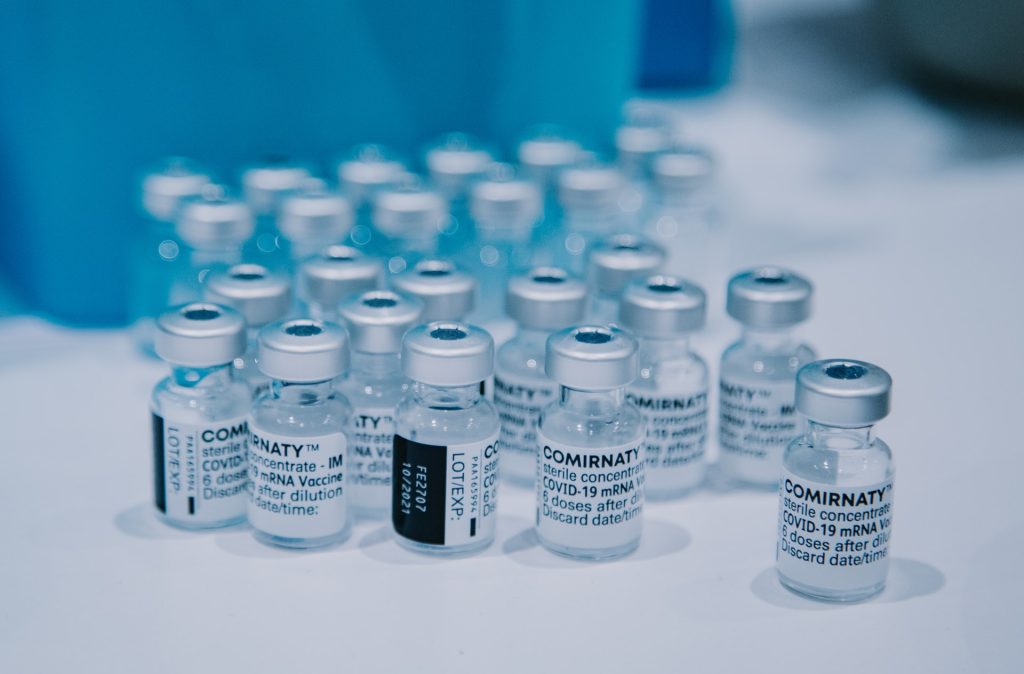
Afrigen Biologics and Vaccines, a South African biotechnology company, has nearly created a copy of Moderna’s COVID mRNA vaccine, without Moderna’s involvement, Nature reports.
The Cape Town-based company has so far made only microlitres of the vaccine, based on Moderna’s publicly available development data. This nevertheless is a success for a major initiative launched by the World Health Organization (WHO): a technology transfer hub meant to build vaccine manufacturing capacity in low- and middle-income countries.
During the COVID pandemic, the developers of mRNA vaccines, Moderna and Pfizer/BioNTech have sent more than 70% of their doses to wealthy nations. Meanwhile, millions of vaccine orders for southern hemisphere countries have been delayed. “Moderna and Pfizer-BioNTech’s vaccines are mainly still going to just the richest countries,” says Martin Friede, the WHO official coordinating the hub. “Our objective is to empower other countries to make their own.”
Much work needs to be done before Afrigen’s mRNA vaccine mimic can be distributed. But the WHO hopes that the process of creating it will lay the foundation for a more globally distributed mRNA vaccine industry in the future.
Gerhardt Boukes, chief scientist at Afrigen is proud to have helped complete this first step of the plan. Afrigen and its collaborators completed the process, beginning with mRNA encoding a modified portion of the SARS-CoV-2 coronavirus, and finishing by encapsulating it in a lipid nanoparticle that delivers the vaccine to cells. “We didn’t have help from the major COVID vaccine producers,” he says, “so we did it ourselves to show the world that it can be done, and be done here, on the African continent.”
When the mRNA hub was launched by the WHO in June 2021, Moderna, Pfizer and BioNTech did not respond to requests to help make their vaccines, so the WHO proceeded without their help. The Moderna vaccine was chosen to copy because there is more freely available data on it, and it has not vowed to enforce its patents.
The project started in late September, with a Wits University team spearheading the first step: making a DNA molecule that would serve as a template to synthesise the mRNA needed in the vaccine. While Moderna controversially patented this sequence, Stanford University researchers had deposited it into the online database Virological.org in March last year.
Patrick Arbuthnot, director of gene therapy research at Wits says, “We were not intimidated, because mRNA synthesis is a fairly generic procedure.” Despite delays in the shipment of raw materials, the team completed this process in ten weeks and sent vials of mRNA to Afrigen in early December.
Around this time, scientists worldwide emailed offers of assistance. Some were researchers at the US National Institutes of Health who had conducted foundational work on mRNA vaccines. Petro Terblanche, Afrigen’s managing director, said that it was “extraordinary”. “I think a lot of scientists were disillusioned with what had happened with vaccine distribution, and they wanted to help get the world out of this dilemma.”
On 5 January, Afrigen’s researchers accomplished another tricky part of the process: They encapsulated the mRNA in a fatty nanoparticle made of a mixture of lipids. Boukes says they haven’t yet used Moderna’s specific lipid mixture, but rather another one that was immediately available from the manufacturer of the machine that the laboratory uses to create lipid nanoparticles. They plan to use Moderna’s lipid mixture in the coming days, as soon as one last analytical instrument arrives. After that, the team will analyse the formulation to ensure that it is truly a near copy of Moderna’s vaccine.
Once a reliable copy is made, the next step is increasing production. Jason McLellan, a structural biologist at the University of Texas at Austin whose work was foundational to the development of several COVID vaccines, says he is not surprised that SA scientists seem to have copied Moderna’s vaccine, but he adds that scaling up production of that original shot required a lot of additional innovation by manufacturers.
For the next phase of the project, several southern hemisphere companies will learn from Afrigen and attempt to create batches of vaccines themselves, in preparation for animal testing. By end November, the WHO expects a Moderna clone to be ready for phase I trials in humans.
What happens beyond that is unclear. Moderna might choose to license its patent (lab research is usually not subject to patent rules), or alternatives may become available, such as next-generation mRNA vaccines that do not require ultracold storage.
“She brings humanity, humility, understanding and – dare I say it – love into her practice.”
Stories of appreciation, like this one, are just the medicine South Africa’s doctors need, over 670 days into the COVID pandemic. Since March 2020, the country’s healthcare workers have been manning the frontline of this global healthcare crisis, regularly putting themselves at risk of exposure in order to help their patients. And now, many patients are giving back.
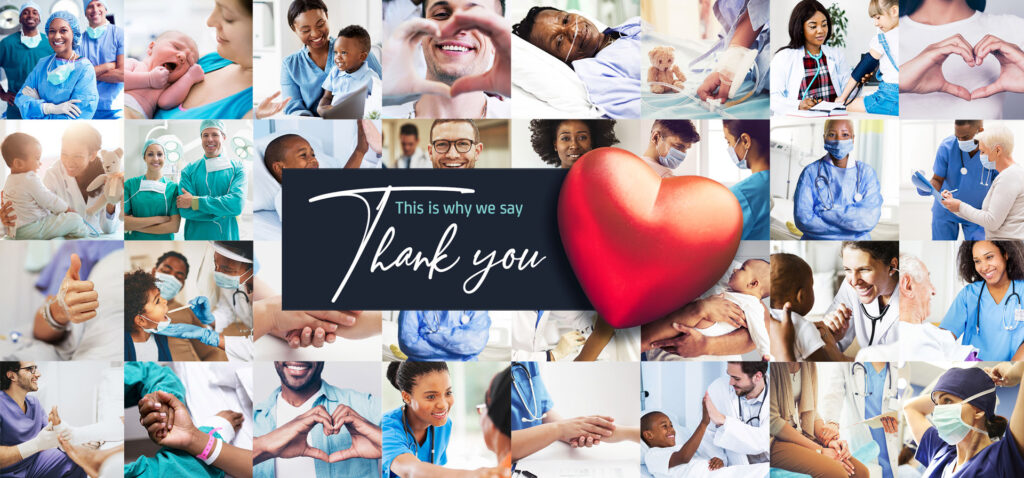
“This is why we say thank you” is the theme on the Doctors’ Day website. This dedicated website is part of an initiative called Doctors’ Day, created by EthiQal, a division of Constantia Insurance Company Limited. The initiative was launched in 2018 and is celebrated annually on 16 November. This national day is intended to raise awareness about the value that so many of the country’s doctors bring to the lives of their patients and families – and the website is the platform where stories of gratitude can be read.
“This is the fifth year that we’ve run Doctors’ Day and every year the number of stories we receive grows substantially. We’ve far surpassed the responses from last year, as more and more patients take the time to share their healthcare hero stories,” says Alex Brownlee, EthiQal Executive.
Stories of appreciation Every year, EthiQal calls on the nation to celebrate and recognise South Africa’s doctors. Heading into the third year of the COVID pandemic, the healthcare industry deserves to be recognised more than ever for the critical role they continue to play in meeting the needs of our nation, explains Brownlee.
Of the hundreds of entries from the 2021 Doctors’ Day competition, five of the most moving stories have been selected and are featured on the website, with each winning entrant receiving R1000. EthiQal also donated R10 000 to the Healthcare Workers Care Network – a nationwide healthcare worker support network. The winning entries can be read at www.doctorsday.co.za
“Our firm belief is that doctors are national assets, and so the core of the Doctors’ Day message truly resonates with everyone who works at EthiQal. We love Doctors’ Day because it gives people an opportunity to share their sincere messages of thanks. It’s just one small way that patients can give back to their doctors. We look forward to all the new entries and heart-warming stories that we’ll receive in November,” says Brownlee.