Tag: South Africa

Opinion: Why I Became a Nurse and What’s Needed to Fix Nursing in SA
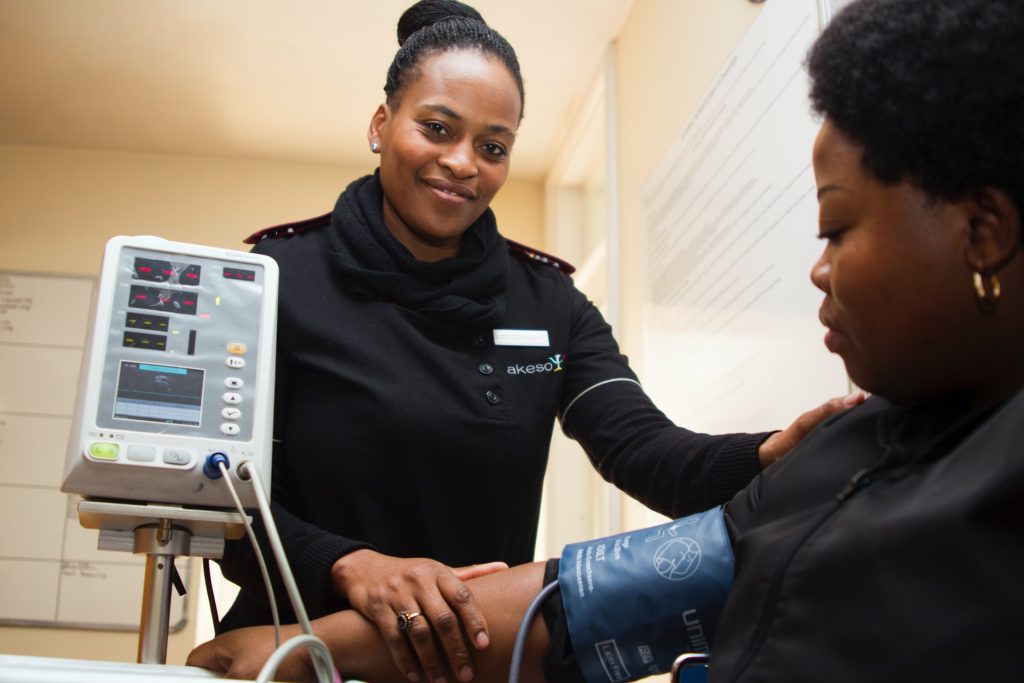
Photo by Hush Naidoo on Unsplash

By René Sparks for Spotlight

Today we celebrate Nurses as we do every year on 12 May. The International Council of Nurses proclaimed this year’s slogan as ‘Our Nurses, Our Future’, but what is the future of nurses in South Africa?

During the height of the COVID pandemic, we saw a huge campaign launched by the World Health Organization, uplifting the stature of nurses and midwives and showcasing them as the backbone of health systems at a global level. In the South African context, the story goes that they will also be central to the health system once National Health Insurance is implemented yet there are many red flags raised as we continue the planning discussions in preparation for this change with little to no answers about that future.

“I will never be a nurse”

By the time my mother had to decide on a career, nursing was one of those professions that provided stability and security to black and coloured women during Apartheid. You had two choices – become a nurse or a teacher. That’s how my mother began her nursing journey, but she was so passionate about it so that it would probably have been her choice, regardless.

Her passion was not what spurred me on to become a nurse, though. I looked at her long hours and tireless devotion to her community and the mental health fraternity and literally uttered the words, “I will never be a nurse”. Then I met a young staff nurse during a youth weekend away. She was so proud of her profession. She just oozed pride, and at that moment, I went from a potential engineering student to a nursing student.

My father was livid. He could not comprehend why his only daughter would observe the work hours of her mother and still choose to become a nurse. But in many ways, I believe nursing chose me. Once I made the decision, I never looked back. I remember being mocked and berated for my choice in social circles, but feeling a deep connection to this calling.

I have not entered it blindly though. I was aware of my privilege and the weight of caring for people at their most vulnerable. The experiences I have made while holding the hand of someone taking their last breath, supporting a mother delivering a stillborn baby, to engaging with my first person living with HIV, or watching someone slip away after a huge battle with cancer have been deeply embedded in my consciousness. I do not believe these experiences to be without life-altering potential and believe it has shaped me into the healthcare worker I am today.

Threats to nurse autonomy

It is often believed that nurses are the handmaiden to the doctor and we should not think but do. Those sayings were so wrong, but even today, the inferiority of the quality of nurse training, lack of supervision, and only very limited mentoring all threaten the autonomy of the nurse.

Nurses, despite having a day and even a week dedicated to celebrating them, are still, for the most part, underpaid, overworked, and professionally stunted. By stunted I am referring to the lack of mandatory continuous professional development and upskilling. Somehow, as the backbone of primary healthcare, they are often unable to take time out for much-needed training.

One often hears of nurses being rude and impatient. Though some may very well display these horrible traits, for the most part, people have entered this profession to improve healthcare services to individuals, families, and communities at large. In my 21 years of experience, the issue is hugely exacerbated by the healthcare system, which does not support nurses. The hours are long and gruelling – exacerbated by staff shortages in facilities. The environment is hostile, the workload unequal, and the pay shoddy. Many nurses find themselves moonlighting to make ends meet.

Advocate for us

Though not an excuse for unprofessional behaviour, I do want activists and health advocates to fight for better working conditions, upskilling opportunities, and a larger health workforce in our public health sector.

The mental health of our clients and communities appears topical at the moment, but what about the nurse? The trauma of loss, observation of patient suffering, and abuse by many of the actors in the health space can take its toll on the mental health and well-being of our nurses, too. When we plan for the public, we must remember to include the healthcare workers and their health and well-being.

This is even more critical now as we embark on establishing the National Health Insurance (NHI) system.

As NHI looms, the threat that nurses will be ill-equipped to render quality healthcare services is a glaring reality. The South African Nursing Council (SANC) notes that 47% of the nurses on its database are older than 50 years of age. This narrative of aging nursing personnel started years ago and if we had a proactive plan to address this, South Africa may in fact have had some fighting chance to implement NHI smoothly.

In a damning article published in February, the Democratic Nursing Organisation of South Africa (DENOSA) highlighted that the South African public health sector has a deficit of 27 000 nurses and yet there are 5 000 nurses currently unemployed. How can this be acceptable? It further noted that the South African government has placed certain nursing specialities on a scarce skills list in the hope of recruiting from other countries instead of planning to upskill and uplift domestically.

Part of me wants to speak about accountability, collaboration, and change management, but the other part bleeds for nurses as the workload and responsibilities increase and the work environment becomes more hostile. All this makes it hard to see the silver lining.

I do, however, believe that if the South African Nursing Council and National Department of Health actually engage the people on the ground, those at the coal face, those with expertise, and review their current implementation plans, they will see the same glaring gaps that we see every day.

There must be a call to action for all nursing leadership, nursing activists, nurses, and nursing education establishments to collectively take a stand and demand that we revise our current approach to the nursing curriculum and work on making nursing more appealing to the youth. This could be one step in the right direction.

When I qualified as a nurse, it was a four-year course. The nursing degree I completed included Community Nursing, Psychiatric Nursing, General Nursing, and Midwifery, and although I might not practise it all, I am able to fall back on that knowledge during client or patient engagements. Now it is a five-year course with one qualification with the nurse trained as a generalist. The fear is how does that serve our communities? We need midwifery, for example, to do NIMART (initiate people on HIV treatment) and you need community nurses to be working in primary healthcare, If you come out with one general qualification – how exactly will this pan out?

We need a rethink of how we train nurses and how we can strengthen the curriculum so that we can get nurses who can address HIV and all issues in primary healthcare. In my programme – HIV testing, for example, nurses don’t get trained on HIV testing. It is just monkey see, monkey do and unfortunately, that doesn’t translate into quality service.

Very often nursing practice is see one, do one, and then you’re the expert. I’m arguing that these things must be part of the curriculum. For example, why must a nurse come out of nursing school and then only learn IMCI (Integrated Management of Childhood Illness) Why is IMCI not being done practically in the facility and the theory in class, as part of the curriculum?

Nurses, today, are expected to know everything, which is impossible but we are not upskilling them and making sure the curriculum is so robust that it addresses all disease profiles and our communities’ healthcare needs. We are talking about integrative and holistic healthcare so we cannot be only training nurses in one way. There is a malalignment of what our communities need and what nursing schools are churning out.

We must fix that.

We need an urgent change in the curriculum of nurses to ensure we can support the needs of the health system and communities,  build great leadership for the future, and ensure quality health services for all.

* Sparks is a nurse, health equity advocate, and Tekano and Aspen New Voices Fellow with 21 years’ experience working across South Africa with a focus on ensuring equitable and just access to quality healthcare for all. She is also a Quote This Women + Voice of the Year Award Winner.

Republished from Spotlight under a Creative Commons 4.0 Licence.

Source: Spotlight
Food Shortages at Chris Hani Baragwanath as Suppliers Fail to Deliver

Chris Hani Baragwanath Academic Hospital (CHBAH) has been hit with shortages of essential foods as contractors fail to deliver the quantities of food tendered for, Daily Maverick reports.

Last week, a head of department at CHBAH notified Daily Maverick of the developing crisis, saying “So once again there is a food crises at Bara – suppliers weren’t paid, also no soap and hand towels and as a result infections spreading 😡.”

The unnamed healthcare worker said that the crisis was due to small suppliers being unable to fulfil the quantities for tenders they secured. Dry goods were particularly affected, and protein substitutes were having to be purchased from petty cash which was now depleted. This was verified by another healthcare worker, who described a situation of hospital kitchens having to borrow from one another.

This comes after new details into Gauteng health department tender corruption have emerged thanks to a whistleblower.

One doctor spoke of elective surgeries being cancelled due to financial pressure, and an atmosphere of intimidation. Motalatale Modiba, spokesperson for the Gauteng Department of Health, denied that there was a food shortage situation, but said that delivery of some protein food items, such as chicken and fish, had been withheld due to administrative payment delays.

Read the full story at Daily Maverick.

New Mental Health Policy Welcomed, but Experts Concerned over Implementation

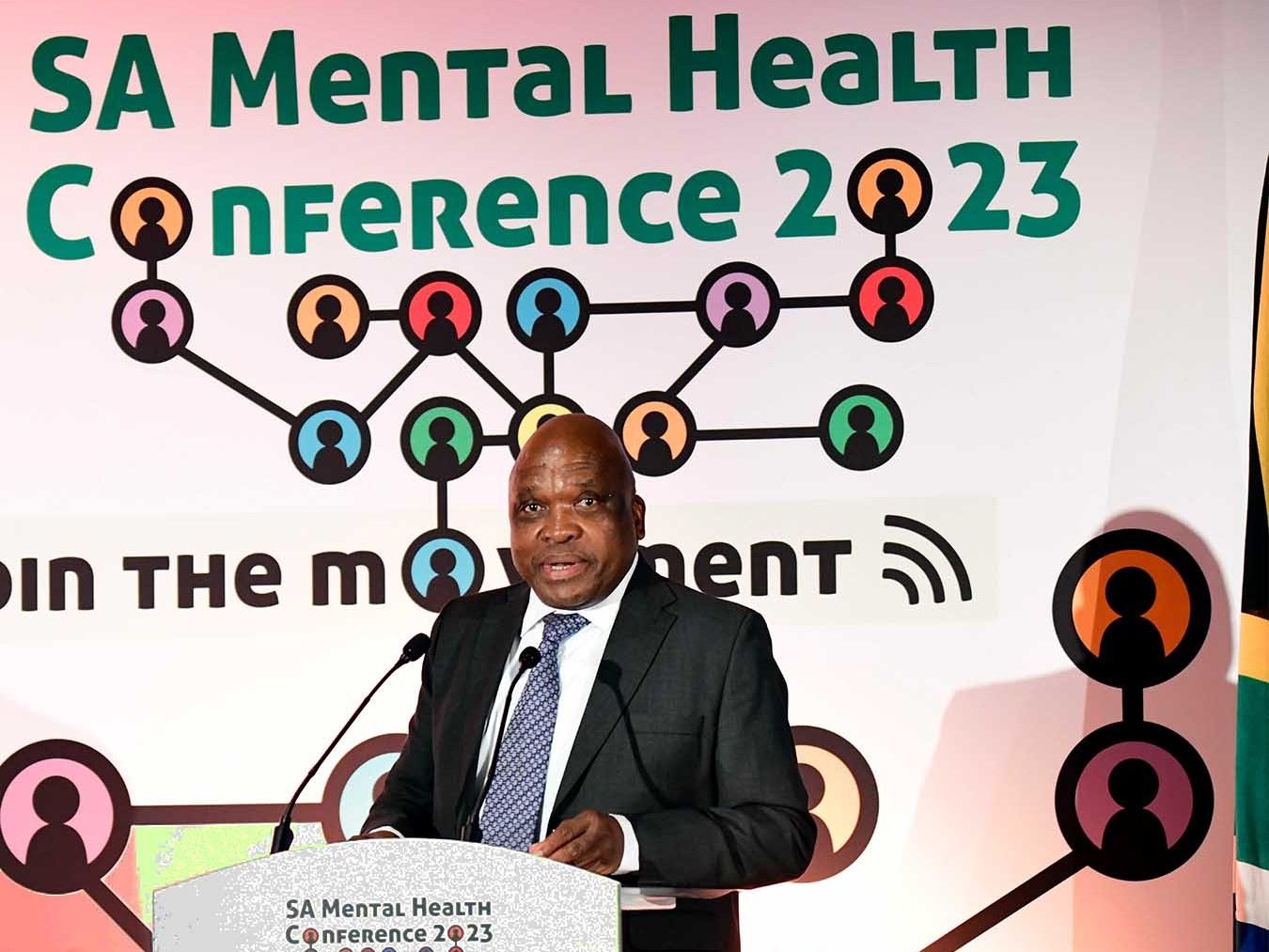
South Africa’s long-awaited new National Mental Health Policy Framework and Strategic Plan 2023 – 2030 has been published. The policy framework was presented at the SA mental health conference this week. PHOTO: DOH/Twitter

By Thabo Molelekwa at Spotlight

South Africa’s long-awaited new National Mental Health Policy Framework and Strategic Plan 2023 – 2030 took centre stage this week at the two-day SA Mental Health Conference in Johannesburg. As Spotlight previously reported, the old policy framework technically expired in 2020.

But even though there has been a gap from 2020 to 2023, speaking to Spotlight at the conference, Minister of Health Dr Joe Phaahla said that it doesn’t mean there was a gap in terms of updating. “Every either three or five years, we revise the policy. So, it is not that there has been a gap. There has been a policy, which has been guiding,” he said.

“But as things change, and in each cycle of the strategy and planning, we have a particular timeframe so that we can evaluate. And so now we have evaluated, and that’s why we are adding [additional things], as we learned from the previous implementation.”

Phaahla said that gaps in the country’s mental health services are not because of a lack of policy and plans but due to implementation issues and sometimes the shortage of resources and psychiatrists.

“If you look at the area of psychiatrists, it is just the two-tier system of our health service, which makes it very difficult because what psychiatrists can earn providing the services to more of the insured patients – it is something we can’t really match with the public sector salaries generally,” he said. Phaahla said that psychiatrists, who mostly work in the private sector, were typically trained at public-sector teaching hospitals. “But once they’re qualified, they stay for one year or so, then they are attracted by better income,” he told Spotlight.

According to Phaahla, to deal with the shortage of psychiatrists in provinces such as the Northern Cape where there are only three psychiatrists, the department plans to contract psychiatrists from other provinces. “We can have part-time psychiatrists, maybe take some from Gauteng where the majority are and in Western Cape and contract them to provide services in Northern Cape. Even if it’s on a weekly rotation,” he said.

Concerns over delays

While several mental health experts have welcomed the new policy framework and agree with Phaahla about the importance of implementation, they are not happy about the delays.

“We’re now sitting in 2023, three years late,” said Cassey Chambers of the South African Depression and Anxiety Group (SADAG). What that means, she said, is that civil society did not have a working document with which to engage government at provincial or district level.

Bharti Patel of the South African Mental Health Federation expressed similar concerns. “As the Federation for mental health, we are disappointed that it has taken this long for the policy to be reviewed, given the fact that the initial policy was launched in 2013,” said Patel.

“We had a crisis during that period from 2013 to 2020. We have witnessed mental healthcare users losing their lives during Life Esidimeni. The [Health] ombud report, the South African Human Rights Commission Report, have all given recommendations,” Patel said. Patel argues that those recommendations should have informed policy and implementation more quickly.

Implementation problems

Chambers described the previous strategic policy framework as a “very good document”. Then, she said, the problem came in the implementation. “And I think perhaps this is [why there was a] delay in having an updated document that is now running from 2023 to 2030. It is because the document was good, the policy was good. However, how it was implemented was not happening,” she said.

Speaking to Spotlight, Professor Crick Lund, Co-Director, of the Centre for Global Mental Health at King’s College London, explained that there are a number of factors that create implementation challenges. “The one is ignorance on the part of senior decision-makers about mental health, ignorance about the scale of the problem, and ignorance about the fact that something can be done about it,” he said.

According to Lund, the new policy framework has stronger implementation monitoring mechanisms and implementation can be tracked in a much clearer way over time.

For the new policy framework to work better than the previous one, Lund believes there is a need to create greater public awareness about mental health and about the mental health policy. He says, “We need to get all the sectors involved working together – the Department of Health, Education, Social Development, the criminal justice system, and also the NGO sector.”

Along similar lines, Patel stressed the importance of getting more government departments involved. “While the policy is developed at the national level, the National Department of Health is responsible for training the provinces and not only the Department of Health; they need to train all government departments within the province who have bought this policy,” she said. “You can’t have the Department of Health alone implement a policy. This is a policy that requires inter-sectoral collaboration so that different departments can also put budgets towards implementation.”

Lund said that there is a lot of common agreement on what the priorities are and a lot of energy going forward. “So I’m hopeful that we can move things forward.”

Budgets and human resources

While there seems to be consensus on the need for more training and getting wider buy-in, there is also a shared awareness that successful implementation will depend on the availability of sufficient funds and human resources.

“We need to see structured action plans in the provinces with budgets allocated so that we can hold the government departments accountable,” said Patel.

Chambers agrees that in order to get implementation of the new policy framework right, we will have to get the budgets right. “You need to allocate a budget in order to help with the implementation plan, especially knowing that our previous policy framework was not implemented. So, we have to overcompensate for that now, which is concerning because this year, the health budget has been reduced. Therefore, meaning that the national mental health budget has been reduced,” she said.

According to the new policy framework, the case for investing in mental health is strong. It states that at a societal level, lost income associated with mental illness far exceeds public sector expenditure on mental healthcare – in other words, it costs South Africa more to not treat mental illness than to treat it. The impact of mental illnesses such as depression and anxiety has been estimated to cost the economy more than US$3.6 billion (R61.2 billion) in lost earnings per year. Certain conditions such as perinatal depression and anxiety have lifelong cost consequences. For example, it is estimated that the lifetime costs of perinatal depression and anxiety in South Africa amount to US$2.8 billion (R47.6 billion) per annual cohort of births.

Chambers also stressed that we are facing shortages of human resources and appropriate facilities. “We don’t have the human resources or the capacity to fulfil that implementation plan and that’s a worry and a concern,” she said.

NHI and provincial plans

According to the new policy framework, mental health will be financed according to the principles adopted for all health financing in South Africa, and people will be protected from the catastrophic financial consequences of mental ill-health.

According to the policy framework, in the financing of the National Health Insurance (NHI) system, mental health services will be given parity with other health conditions, in proportion to the burden of disease and evidence for cost-effective interventions. NHI will specifically include packages of care for mental health, in line with the evidence for the most cost-effective interventions. The policy framework states that private medical aid schemes should be required to provide similar parity between mental health and other health conditions.

“Budget will be allocated to meet targets set for the implementation of the policy and regular discussions will be held with provinces to discuss strategies and monitor progress with implementation. At provincial level, mental health budgets will be reviewed annually to align mental health with national priorities, for each of the areas for action in 2023 and annually thereafter,” the policy framework reads.

The policy also says that all provinces will develop provincial strategic plans for mental health, in keeping with national policy, which outlines specific strategies, targets, timelines, budgets, and indicators in 2023 and annually thereafter, informed by specific unique local challenges.

Source: Spotlight

New Vaccine Will Save Thousands of Children from Dying of Pneumonia

Scanning electron micrograph of human respiratory syncytial virus (RSV) virions (colourised blue) and labelled with anti-RSV F protein/gold antibodies (colourised yellow) shedding from the surface of human lung epithelial A549 cells. Credit: National Institute of Allergy and Infectious Diseases, National Institutes of Health (NIH)

By James Stent for GroundUp

Respiratory syncytial virus (RSV) is a dangerous early childhood viral infection, but results of a vaccine trial promise to change things radically.

A new study published in the New England Journal of Medicine, the world’s most prestigious medical journal, on 5 April that examined the effect of an RSV vaccine on pregnant women found that it reduced the risk of severe lower respiratory tract infections in newborns by 82%.

RSV is the most common cause of acute lower respiratory infection – or pneumonia – in infants. Globally, it was responsible for just over 100,000 deaths (with a lower bound of 84,000 deaths and an upper bound of 126,000 deaths) of children under five in 2019. Of these deaths 45% were infants (younger than six months), and nearly all deaths occurred in lower income countries (half in Africa alone). In an article in Spotlight in June 2022, Professor Cheryl Cohen, head of the Centre for Respiratory Diseases and Meningitis at the National Institute for Communicable Diseases (NICD), said that, pre-COVID, RSV led to 44 615 hospitalisations and 490 deaths in children under five each year in South Africa.

South Africa is currently experiencing an RSV epidemic, with 301 cases detected this year, according to the NICD surveillance programme.

RSV causes cold-like symptoms, but can lead to severe symptoms like pneumonia. At present, there is no licensed RSV vaccine, though the virus was first identified in the 1960s.

The study was a phase three, double-blind trial (which compares a new treatment to standard care, and leads the way to regulatory approval and production) conducted in 18 countries, led by Beate Kampmann, Professor of Paediatric Infection and Immunity at the London School of Hygiene and Tropical Medicine, Shabir Madhi, Dean of the Faculty of Health Sciences and Professor of Vaccinology at the University of the Witwatersrand, and Iona Munjal, Director of Clinical Research & Development at Pfizer. It builds on earlier work by Madhi and others.

Women who were between 24 and 36 weeks pregnant were given an injection of a protein–based vaccine (RSVpreF) and a placebo. Pregnant women can passively transfer their immunity to viruses and diseases to their foetuses in utero.

They were then monitored to see if they suffered a severe RSV-associated lower respiratory tract illness that required medical attention, and if their newborns required medical attention for RSV-associated lower respiratory tract illness up to six months after birth.

A total of 7,358 women participated across the two trial groups, and 7,128 babies were monitored, and no safety concerns were identified over the course of the trial.

In November last year, Pfizer announced that it planned to submit a licence application to the US Food and Drug Administration after trials showed that the vaccine was highly effective at reducing severe RSV cases in the first 90 days of an infant’s life.

In a Twitter thread announcing the results, Madhi said that the next challenge would be to ensure that the vaccine is licensed across lower income countries, where most infant RSV deaths occur. Madhi said that there is a “moral responsibility on pharma to licence [the RSV] vaccine in LMIC [Lower and Middle Income Countries] at [an] affordable price.” Governments in poorer countries, “need to act to protect children in their counties by funding and deploying the vaccine timeously,” he said.

Madhi also informed GroundUp that coincidentally in the same issue of the New England Journal of Medicine, a medicine called nirsevimab was found to protect infants against RSV-associated hospitalisation and severe lower respiratory tract infections. Madhi and his team at Wits also participated in this trial.

This medicine is “administered as a single dose at the onset of RSV season,” Madhi explained. “The two approaches [the vaccine and nirsevimab] will be complementary.”

Republished from GroundUp under a Creative Commons Attribution-NoDerivatives 4.0 International License.

Source: GroundUp

NEHAWU Says Strike Action is Growing

Striking members of the National Education, Health and Allied Workers Union (NEHAWU) blocked the department of Home Affairs offices in Cape Town on Tuesday. Photo: Thomas Kachere

By GroundUp Staff

Patients were turned away from some hospitals as members of the National Education, Health and Allied Workers Union (NEHAWU) and other unions pressed forward with their wage strike, in spite of a court interdict.

Many government offices were closed for several hours.

NEHAWU has approached the Labour Appeal Court to appeal against a decision to enforce the interdict against the strike granted by the Labour Court to the Department of Public Service and Administration.

In Cape Town, police intervened after a scuffle broke out after a member of the public who was queuing for service at the Department of Home Affairs office in Cape Town called protesters names.

The police warned the protesters not to engage in any violence.

Provincial General Secretary of NEHAWU, Baxolise Mali said, “Today we have escalated matters”. He said hospitals including Khayelitsha Day Hospital and Somerset Hospital had closed, and the offices of Home Affairs and Labour were closed. “SASSA offices will close soon for social grants,” he said.

NEHAWU served the department with a notice to strike on 24 February after wage negotiations deadlocked. The department offered a 4.7% increase while unions demanded between 10% and 12%.

Ronald Ruiters had queued at the Home Affairs office in Cape Town for hours for a temporary ID, without getting help, he said. “Yesterday I was here at 4:30am. I am an old man. What about people who are suffering now including sick people in hospitals? There should be a better way of dealing with these issues.”

“Since morning the police were here but they could not control the protesters, nothing is working here.”

Mali said workers were angry at a statement by acting Public Service Minister Thulas Nxesi who had described the strike as reckless.

“The acting minister called people reckless and said they need to go back to work … go back to work on what basis? Come with an offer: we are willing to negotiate.”

“It is reckless for the government to impose salaries on people. It is reckless for the government to expect the people who have been praised during the time of Covid for having to work hard in very difficult conditions to serve our people to get peanuts.”

“The ‘no work no pay’ principle is not a new thing. Let them deduct the money, we are used to poverty. “

Mali said members of the public did not understand. “They stand in long queues because the government is refusing to employ more people to work for Home Affairs, [Department of] Labour and SASSA. Instead they increase the cabinet. Too many deputy ministers and what work do they have to do?”

“What needs to be done is to create employment so that people get served quickly. That is all we are fighting for. We are not going to compromise.”

In Pretoria, striking workers occupied the Department of Labour Head office, singing and shouting at workers inside to come out. They also closed entrances to the offices of the Department of Higher Education and Training, and disrupted traffic on Francis Baard Street.

A striking cleaner at the Department of Labour, Boitumelo Motaung said she earns R6000 a month and supports a family of four people. She says she spends about R1000 on transport from Ga-Rankuwa to Pretoria for work.

“We are suffocating, and we are earning peanuts. I have three kids that are attending school and their father is unemployed. I am taking care of everything and a few days after payday, I am left without a penny and survive off loan sharks. We need government to recognise our value as people. Sometimes I am forced to do the work of three people where I work because they are not employing enough cleaning staff. That is why I am supporting this NEHAWU strike,” said Motaung.

Motaung said she has been working as a cleaner for seven years.

In a statement, DPSA director general Yoliswa Makhasi said work stoppages and pickets by NEHAWU and its members would be contempt of court.

“We will strike until our demands are met”

NEHAWU deputy secretary-general December Mavuso

Spokesperson for the department Moses Mushi said the minister had called on unions to return to the negotiating table.

NEHAWU deputy secretary-general December Mavuso said the strike had expanded. He said the union’s lawyers and government lawyers were in discussion about an appeal to the Labour Appeal Court. “We don’t know when an outcome will be available . In the meantime, our workers are on the picket lines,” said Mavuso. “We will strike until our demands are met”.

Department of Health spokesperson Foster Mohale said the department was working with provincial health authorities and law enforcement agencies to monitor the situation to ensure rapid response and if necessary urgent intervention.

In Fort Beaufort in the Eastern Cape, community health care workers were ordered to stop their services at clinics and hospitals. Striking NEHAWU members blocked the entrance of the Fort Beaufort Provincial Hospital and turned away patients. Top management was allowed to enter but other staff were locked outside the gates.

NEHAWU also shut down several government offices in the Eastern Cape.

Mphakamisi Shooter, regional NEHAWU treasurer, told GroundUp the union had used its resources to put President Cyril Ramaphosa in power. “But now he is failing to give us what we deserve.”

“We have over 5,000 members in this region. Today we made sure that we shut down all government departments in this region until Ramaphosa gives us a decent wage.”

MEC for Health Nomakhosazana Meth condemned the unprotected strike. “We understand that workers have a right to demonstrate but when they do they cannot infringe on the rights of others. We cannot afford to have a situation where the lives of patients and staff not on strike are in danger as a result of the action of those who have embarked on this action.”

She said there were reports of disruptions and acts of intimidation in some areas.

In Makhanda, clinics were closed as were the offices of the departments of Home Affairs, Labour, and Social Development by a group of about 80 protesters.

Madoda Toni, who was part of the protest, said the government cannot continue to pay workers low salaries while prices of food and other items were rising so fast. “We need permanent jobs, decent wage increases, and contract workers should be absorbed to be full time government employees and paid decent salaries,” said Toni.

In Qonce (King Williams Town) it was also reported that SASSA and Home Affairs offices were closed down by the protesters.

In Durban, patients were prevented from entering Prince Mshiyeni Memorial Hospital by NEHAWU members. The protest started about 6am and ended just before lunchtime when workers dispersed and returned to work. By 1pm, everything was back to normal.

Republished from GroundUp under a Creative Commons Attribution-NoDerivatives 4.0 International License.

Source: GroundUp

OPINION: NHI Bill Must Still Clear Many Hurdles to Ensure Adequate Medicine Access

By Yanga Nokhepheyi, Marlise Richter, and Fatima Hassan for Spotlight

A frightful piece of information came to light recently. The pharmaceutical giant Pfizer announced its 2022 revenue at $100 billion. This is more than the combined health spending of 108 countries in 2020 according to calculations of The People’s Vaccine Campaign. The Pfizer COVID vaccine, of course, helped the dollars roll in. In fact, some reports suggest that Pfizer charged some countries $130 per dose of vaccine, while it is estimated that it costs less than $2 per dose to make. That equated to a markup of a stupefying 10 000% but we don’t know the full pricing details because the contracts are marked ‘secret’.

Figures like these make one’s eyes water.

In this pandemic, tackling the pharmaceutical sector and the perversities of its pandemic profiteering has been the focus of an international movement of health activists united under the banner of the People Vaccine Campaign. Partly because of severe resistance by governments in the global north and inaction locally, access to timely supplies of affordable and essential COVID vaccines, medicines and diagnostics has not materialised. But the struggle continues not only to tackle these structural barriers to beat COVID and future pandemics but also to help ensure implementation of Universal Health Coverage (UHC) systems. UHC means that everyone would be able to get the quality health services they need and benefit from scientific progress – irrespective of their ability to pay and without having to face financial hardship.

A Herculean task

South Africa, too, has committed to attaining UHC by 2030 as part of a set of promises made on the United Nation’s Sustainable Development Goals. South Africa’s main strategy to attain UHC is to implement a National Health Insurance (NHI) system. Unfortunately, progress has been historically slow, but in the build-up to the 2024 elections, the African National Congress (ANC) Members of Parliament (MPs) are rushing the law reform process despite an acknowledgement even from the health ministry that progress and timelines are hampered by the socio and mainly economic impacts of the pandemic. This includes a fiscus crisis with additional pandemic-related debt, and according to Dr Nicholas Crisp, Deputy Director-General in the health department responsible for NHI, “the NHI could take decades to be implemented at full scale”.

It will require a Herculean task to unify our apartheid-era two-tiered healthcare system, with the right skills, funding base, and transparency in decision-making around health policy and medicine selection. The pandemic has highlighted why all these elements are critical for healthcare for everyone.

We provide a short overview of our research below.

Law reform

Last year, the Portfolio Committee on Health in Parliament deliberated on the ‘NHI Bill’, but there were no significant changes made to it. It needs major revision. Many serious concerns and recommendations from parliamentary submissions by multiple stakeholders have gone unaddressed. The Health Justice Initiative (HJI) has focused on medicine procurement provisions in the Bill and in 2022 raised at least 17 questions that require greater attention before the law is passed. Neglecting to address the public’s submissions is not surprising seeing that ANC MPs serving on the committee were resolute in having the National Assembly adopt the Bill before the ANC Conference in December 2022. However, time ran out before the adoption of the Bill by Parliament, and the Parliamentary process is seemingly going to resume this month.

Stakeholder submissions to Parliament on the Bill (of which there were 64 000 written submissions following Parliament’s call for comment in 2019) and various commentators have warned about the ‘looming disaster’ that the Bill in its current form poses, but they are often divided on the main reasons. A tiny minority resists the principle of unified health systems and Universal Health Care for all (meaning, also for the poor). Many more groups agree that NHI is an ethical necessity but are concerned about South Africa’s disintegrating public health system, energy crisis, high levels of state corruption involving health product procurement, and the in/ability of the Department of Health to actually implement NHI in its current proposed form.

Other groups have rightfully pointed out concerns over conferring too much power on the Minister of Health, inadequate financing models, the feasibility of NHI in SA post-COVID, and the exclusion of specific categories of people from NHI. (For a curated archive of critical submissions, please see here).

Risks to medicine access

Regrettably, the provisions in the Bill on Medicine Selection, Pricing, and Procurement are ambiguous at best, and as the HJI pointed out in 2022, the entire shift of our medicine selection, procurement, and reimbursement system to “NHI reimbursement” has not been adequately thought through, potentially posing a great risk for the future of medicine selection and access in the country for all people. This requires immediate attention at the highest levels of the executive and the legislature too – and likely needs a multi-department and stakeholder technical group to urgently determine the exact trajectory of this planned process.

The World Health Organization has emphasised that UHC programmes will only be successful if there is “affordable access to safe, effective, and quality medicines and health products”. In addition, the COVID pandemic has taught us that timely and fairly priced access to essential diagnostics, therapeutics, and vaccines is key to addressing any public health emergency and improving health outcomes. We cannot safeguard public health without access to medicines – procured fairly, delivered on time, and based on expert and transparent decision-making and approval.

The cost of medicine, as elsewhere in the world where there are national health systems, remains a key concern. The Minister of Health last November in the National Assembly said that the funds for the NHI would be collected through a combination of taxes, including the reallocation of medical scheme credits paid to medical schemes, provincial health budgets to the NHI Funds, and payroll tax.

The financial feasibility of implementing the NHI is still unclear and a huge risk to the fiscus in a post-COVID economy that is dealing with a recession, load shedding, and high unemployment rates.

In late 2022, HJI argued that the Bill does not adequately consider the complexities of medicines access and that our medicines system could be severely jeopardised if poorly drafted sections in the current Bill become law. We said that government should set up a task team to urgently determine the exact trajectory of this planned process.

The Health Department’s recent response to submissions and its own recommendations on amendments to the Bill sadly does not realise the gravity of the threat to the future of medicine selection and access.

17 questions

In HJI’s 2022 analysis of the Bill, we raised 17 key questions that we believe must be addressed by lawmakers in the next version of the Bill and before NHI comes into effect. These include:

  1. What specific measures are envisaged to enable and promote public transparency related to medicine selection, procurement, and contracting processes under the NHI?
  2. How will the price of medicines not included in or covered by the NHI be regulated? And what role will External Reference Pricing (ERP) methodology play in the NHI and beyond?
  3. How will the NHI Fund (e.g., the Office of Health Products Procurement, the NHI Board) negotiate with global pharmaceutical manufacturers and suppliers to procure for government and how will that process be transparent and accountable?
  4. How will the Minister determine that the NHI is ‘fully implemented’, and what will take place in terms of what medical schemes can and cannot offer members during the transition period, and after the (undefined) date?
  5. Has consideration been given to designing a competitive and different single medicine pricing system for SA?

(See the full list of questions here).

The need for safeguards

Drawing on our work on medicine access during the HIV and COVID pandemic, we appreciate that there are powerful vested interests located in the multi-trillion-dollar pharmaceutical industry – this is why there is a need for legal safeguards, sound legislation, and independent and transparent institutions to ensure access to affordable medicines for all of us living here.

The pandemic showed that a lack of transparency, autonomy, and information around expert advice can bedevil open government decision-making. Secret procurement contracts for essential vaccines could become the norm even under NHI as they did in COVID, something we are fighting in our courts to open up, later this year.

Figuring out a sound system for a unified medicine access system under NHI is a formidable undertaking that requires a multi-disciplinary task team with experts from various fields, experience, and technical know-how. It is not easy to simply merge two parallel medicine procurement and selection systems. The risk is that the status quo could continue – where the rich and insured access the best medicines at a higher price.

We believe that the principles underpinning NHI for our highly regressive, unequal two-tiered healthcare system are too important for our collective health, well-being, and our Constitutional democracy to have lacklustre legal provisions and worrying gaps on the essential issues of medicine procurement and selection.

As the Bill currently stands, it will strengthen the private healthcare sector’s stranglehold on us and our fiscus. It will leave us at the mercy of advisory committees that bear no duty to be transparent in deciding which medicines you and I will be able to access under NHI.

We can and need to do better.

* Nokhepheyi and Richter are researchers and Hassan the Director of the Health Justice Initiative.

Source: Spotlight

Budget: Decision Not to Raise the Sugar Tax ‘Puts Profits Ahead of People’ Say Activists

The flash mob by HEALA featured a choreographed dance in which learners pretended to refuse sugary drinks. Photo: Ashraf Hendricks

By Daniel Steyn for GroundUp

Health activists demonstrating in Cape Town for a rise in the tax on sugary drinks were disappointed by Finance Minister Enoch Godongwana’s announcement in his Budget speech that the tax would be frozen for two years. Godongwana said this was “due to the difficult operating environment for the sugar industry from the impact of flooding and social unrest.”

The tax on sugary drinks was first introduced in 2018 to reduce consumption. The tax is imposed on drinks with more than 4g of sugar per 100ml. Research from the University of the Witwatersrand in 2021 showed that it has been effective in reducing the consumption of sugar-sweetened drinks.

HEALA, a coalition of organisations focused on nutrition, organised a flash mob in the Cape Town city centre ahead of the Finance Minister’s Budget Speech on Wednesday, advocating for an increase in the sugary drinks tax. They want the tax to be increased from 11% to 20%, following the guidance of the World Health Organisation.

The flash mob was part of HEALA’s “Less Sugar, More Life” campaign, and featured school pupils from Cape Town in a dance.

“We don’t even notice how much sugar we are drinking in sugary drinks and it’s harmful to our health. I want other young people to know that it’s dangerous,” said one of the dancers, Enkosi Stofile.

“The announcement by the Finance Minister, coupled with ineffective increases on other health taxes such as alcohol and tobacco, is a direct attack on the lives of millions of people at risk of serious health conditions such as diabetes, cardiovascular diseases and cancer,” said Nzama Mbalati, HEALA’s Programmes Manager.

Mbalati said there was no rationale for the decision to maintain the rate of tax on sugary drinks. “This decision is not in the interest of ordinary people. Instead, it puts profits ahead of people.”

About 10 000 new cases of diabetes are reported in South Africa each month, according to the International Diabetes Federation. Up to 70% of women and 39% of men are obese or overweight. Sugar is a cause of obesity and tooth decay, and is linked to a range of other non-communicable diseases. The national budget for 2023, tabled by Godongwana in parliament today, includes a R200-million reduction in health spending this year.

Before the budget speech, News24 reported that the South African Sugar Association said 6000 jobs could be lost if the tax was increased. SASA also said 9,000 jobs had already been lost since the levy was introduced.

However, in the aftermath of a fraud scandal at Tongaat Hulett, South Africa’s largest sugar producer, in 2018, 5,000 workers were served with retrenchment letters.

Disclosure: Community Media Trust does work for HEALA. GroundUp was once a project of Community Media Trust and still has a close relationship with Community Media Trust.

Republished from GroundUp under a Creative Commons Attribution-NoDerivatives 4.0 International License.

Source: GroundUp

Disproportionate Number of Children in SA Have Severe Asthma, Experts Say

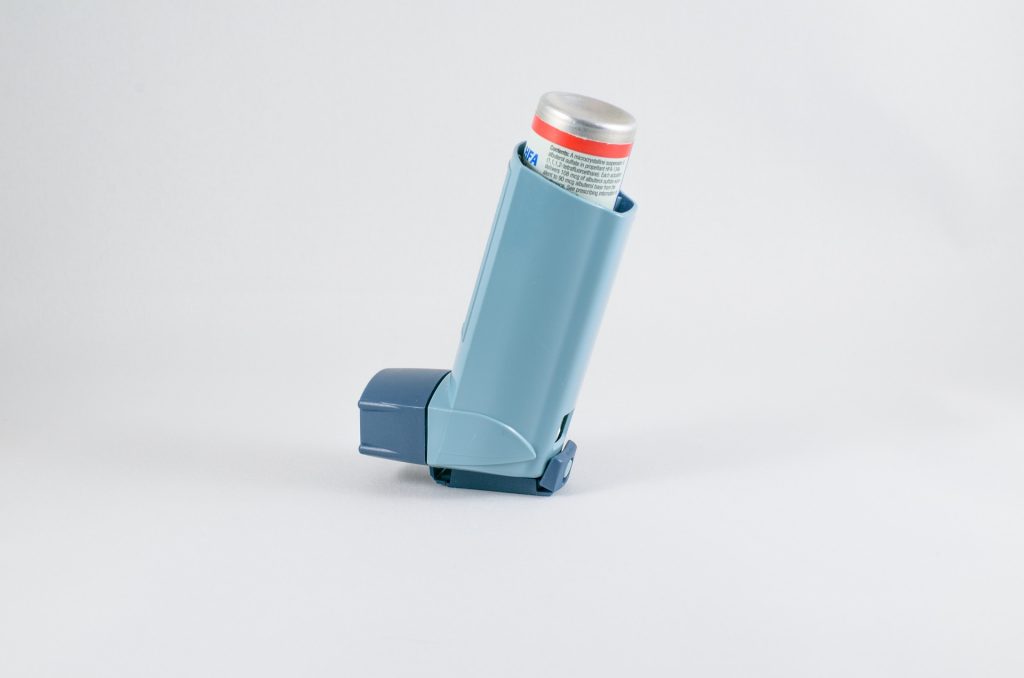
Asthma inhaler
Source: PIxabay/CC0

By Elri Voigt for Spotlight

Despite being one of the most common non-communicable diseases globally and there being highly effective treatments for it, asthma is often not well controlled in many low-resource settings, according to a cross-sectional study recently published in the Lancet medical journal.

Closer to home, the Global Asthma Report from 2022 showed that there has been an increase in severe asthma symptoms among adolescents in Cape Town over the last few years. There is little data available for the rest of the country, which makes comparisons with other South African cities very tricky.

‘Disproportionate number of children have severe asthma’

Dr Ahmed Ismail Manjra, a paediatrician and allergologist at the Allergy and Asthma Centre in Durban,  tells Spotlight that globally more children than adults have asthma. The centre is in the Life Westville Hospital and provides specialist services to adults and children with asthma or allergic disorders.

“Asthma is quite common in children. It is estimated [globally] that one in ten children have asthma, and in adults, the prevalence is less than in children,” he says. “But the problem is that in South Africa we see a disproportionate number of children with severe asthma. And what has been shown is that over the years the prevalence of asthma is rising, and the severity is rising.” (For more on what asthma is and how it is treated in South Africa’s public sector, see this Spotlight article from December 2022.)

Impact of undiagnosed uncontrolled asthma

The impact of undiagnosed or uncontrolled asthma on children is huge. First, according to Professor Refiloe Masekela, Paediatric Pulmonologist and the Head of Department of Paediatrics and Child Health at the University of KwaZulu-Natal, the symptoms are very noticeable, which can affect children socially. Secondly, a child with undiagnosed asthma will miss school because of their symptoms and be unable to participate in school activities like sport. They will also become less active because exercise may trigger symptoms, which have further effects on their health.

Another implication of uncontrolled asthma, according to Manjra, is poor sleep quality, which can impact a child’s academic performance.

“And in severe asthma without proper treatment, it can lead to recurrent admissions to hospital. This places a burden on the healthcare system, which can be easily prevented by proper management of asthma. And of course, in a small percentage of cases where the asthma is not well controlled, it can also lead to fatality,” he says.

Manjra urges parents to take their children to be checked for asthma if they have recurrent respiratory symptoms.

“The asthma treatment is extremely effective, very safe as well, [and] they have very few side effects. Parents should not be afraid to use asthma treatments to control their children’s asthma,” he says. “Although we don’t have a cure for asthma, we do have medicines that can control it and give better quality of life.”

Asthma trends in children: what the data says  

Masekela explains that the data published in the Global Asthma Report is published by the Global Asthma Network (GAN), which consists of a network of centres across the world – including three in South Africa – that contribute data on asthma in their regions every few years.

This data collection effort started with the ISAAC one and ISAAC three studies (International Studies of Asthma and Allergens in Children). The GAN centre in Cape Town contributed data to ISAAC I in 1995 and for ISAAC III data was collected in Cape Town in 2002 and Polokwane in 2004-2005 where adolescents were also included.

According to Masekela, the latest study collecting data on asthma was the Global Asthma Network (GAN) Phase one study, to which the Cape Town centre contributed. Masekela says the data from the ISAAC studies – ISAAC 1 and ISAAC 3 as well as GAN is available in South Africa only for Cape Town.

This means that it is possible to compare trends in childhood asthma in Cape Town over a longer time period, and data from ISAAC 3 can be used to compare Polokwane and Cape Town. But there isn’t current data collected by the GAN to give a clear picture of childhood asthma in the other cities and provinces.

In the 2022 Global Asthma report changes among the prevalence of asthma symptoms – measured as a 12-month prevalence rate of wheezing among adolescents aged 13 to14 – showed that in ISAAC 1, 16% of the around 5 000 adolescents surveyed in Cape Town had symptoms, which increased to 20.3% of just over 5 000 surveys in ISAAC 3 and finally 21.7% of the just under 4 000 adolescents surveyed for the 2022 study.

Masekela says in Cape Town if we look at the period between ISAAC Phase 1 and phase three, there was an increase in the prevalence [of asthma in children], but from the ISAAC 3 to the GAN Phase 1, there has been a stabilisation in the asthma prevalence [among children. “So, it’s very high, it’s over 20%, but it’s stable so it hasn’t been increasing, which it was doing before.”

When comparing data from Polokwane and Cape Town in ISAAC 3, at the time of the study, more children and adolescents in Cape Town had severe asthma than in Polokwane. The prevalence of asthma in children and adolescents was also higher in Cape Town.

Situation is ‘interesting and worrying’

Masekela explains that in many low-and-middle-income countries, those living with asthma don’t have access to the right asthma medications, namely inhalers. What also happens is that when those individuals have access to asthma medications, they are only able to get the reliever inhaler, not the controller inhaler.

People living with asthma need two types of inhalers, a reliever inhaler which brings relief and opens up the chest during an asthma attack and a control medication which is used every day to reduce inflammation in the long run. In order to control asthma adequately, both inhalers need to be used and used correctly.

In South Africa, both types of inhalers are on the Essential Medicines List.

“The story of South Africa is interesting and worrying. We have in our essential medicine list inhalers [both relievers and controllers],” she says. “It should be available. It’s on the essential medicine list for the primary care level. So any person who has asthma in South Africa should have access to that first step of treatments.”

Yet the data from South Africa suggests there is a problem. When looking at the symptoms of asthma among schoolchildren from the GAN phase one study, Masekela says it is worrying because they found that many children in South Africa with asthma symptoms don’t have an asthma diagnosis and of those that do have the diagnosis most only have the reliever inhaler and very few are using both the reliever and the controller inhaler.

“We know that asthma is under-diagnosed and actually the data from Cape Town, as well as Durban, is very similar. You see that 50% of adolescents have severe symptoms, half of them have never got the label – they’ve never been diagnosed as having asthma,” she says.

Under-diagnosed

A possible reason for the under-diagnosis, according to Masekela, is that when a child presents to a clinic with wheezing, the child is treated for something else that might be causing the symptoms and sent home. Then when the child goes back a few weeks or months later with the same symptoms, they are seen by a different doctor or nurse and there isn’t continuity, so the fact that the symptoms are recurrent isn’t picked up on.

Manjra tells Spotlight that asthma can sometimes be difficult to diagnose in small children because its symptoms – wheezing, shortness of breath, tight chest, and coughing – can be caused by a number of other diseases. Wheezing, in particular, can be caused by a number of conditions that can affect children.

“The most common being viral upper respiratory tract infection, particularly with RSV [respiratory syncytial virus] and rhinovirus. And sometimes in young children, it can be extremely difficult to make a correct diagnosis of asthma because there’s overlap between viral-induced wheezing and asthma,” he says.

“However, if the child has an underlying – what we call atopic predisposition – that means if the child has eczema or has allergic rhinitis or food allergy or has [an] inhalant allergy, then the possibility of that child having asthma is very high,” he says.

Other childhood conditions that can cause wheezing in children are TB and inhaling foreign bodies into the lungs.

“So, the diagnosis of asthma in young children is basically made by an exclusion of other causes of wheezing,” he says. “Asthma diagnosis is made over a period of time because, as I’ve mentioned, it’s recurrent wheezing.”

Another problem, according to Masekela, is that those people who do receive a diagnosis of asthma are often not getting the right treatment.

“People who have a label at least should have access to the treatments, but we do see that even in those that have the diagnosis, a lot of them are not using their medicine because they’re getting repeated attacks, they have severe symptoms,” she says. “So, something is not right. Either they are not getting the label, we know that’s happening, or they’re not getting the right treatment.”

This is a bi-directional problem, Masekela says, in that either healthcare workers are not adequately teaching patients how to use both inhalers or patients are relying on the reliever medications despite being taught how to use both.

Manjra says that while inhalers are on the EML, this doesn’t necessarily translate to healthcare facilities having stock. Meaning that there can be stock-out of the medication, but also of the spacers that children need to use with the inhalers.

According to Manjra, children are unable to use inhalers properly with spacers, because the inhaler releases the plume of medication too quickly for the child to be able to breathe it into their lungs. The spacer allows the medication to go into a holding chamber where the child is able to breathe the medication into their lungs in a controlled way, through a special valve.

Better education needed

The solution to the problems of the under-diagnosis of asthma and incorrect inhaler use is better education on all fronts, says Masekela. There needs to be better training among healthcare workers on how to recognise asthma, how to manage it and how to teach patients how to manage it properly.

“We know that there is a system problem about them [children] getting the correct medication, using the correct medication and that all boils down to education of the patient, education of the health workers. And really, overall education in the community about how to handle asthma,” she says.

She adds that patients and the wider community also need to be educated on what asthma is and how to manage it properly and destigmatise it. A good starting place is in schools so that children who are living with asthma and their peers are able to better understand the condition and be more accepting of the use of inhalers.

“It’s important that we then find strategies to get people to understand the need for using these medicines, even when they’re feeling well,” she says.

Republished from Spotlight under a Creative Commons 4.0 Licence.

Source: Spotlight
Our Hospital can’t Cope, Say Atlantis Residents

By Peter Luhanga for GroundUp

People living in Atlantis, Cape Town, say they are struggling to access healthcare. There are two clinics run by the City – Saxon Sea and Protea Park – offering limited care, concentrating on family planning, child health, basic antenatal care, and HIV care. For any other health issues, residents have to go to Wesfleur Hospital. People queue for treatment as early as 5am.

In 2017, we wrote about the long queues and other problems at Wesfleur Hospital.

Community activists have set up the Atlantis Community Health Organisation (ACHO), which submitted a memorandum of grievances in August last year to Western Cape MEC for Health Nomafrench Mbombo, and resident Allison Adams, (not part of the ACHO) set up an online petition that has garnered over 1,275 signatures.

Adams and ACHO want the two City clinics taken over by the province so that they can be upgraded to offer primary and not just general healthcare. This would take pressure off Wesfleur.

“Clinics would serve as a conduit to relieve the hospital from everyday attendance. The hospital can’t cope. We have limited number of doctors available every day,” says Ashley Poole of ACHO.

Adams says the doctors can’t cope with treating patients, doing ward rounds and conducting medical assessments for residents seeking disability grants. It takes days for people to get help at the hospital, she says, and everyone with even a minor illness has to go to the hospital.

“We have people traveling to Dunoon Community Health Center to seek medical attention,” she says.

ACHO wants a new hospital built in Atlantis, which in the 2011 Census already had nearly 70,000 people.

Mayoral committee member for health Patricia van der Ross said the City is open to transferring the clinics, but “the Western Cape health department must have the requisite budget available to continue running the clinics”. Then a handover agreement can be concluded.

She said a task team was established and “numerous meetings” were held explaining to the community the challenges involved in doing such a transfer.

One interim measure is that stable, chronic patients are seen at Protea Park three days a week on Mondays, Thursdays and Fridays between 8am and 4pm, and at Saxonsea clinic on Mondays between 8am and 1pm.

Provincial health department spokesperson Natalie Watlington said since receiving the memorandum in August 2022, the department’s district team has implemented short and medium-term interventions to improve matters at Wesfleur Hospital.

Republished from GroundUp under a Creative Commons Attribution-NoDerivatives 4.0 International License.

Source: GroundUp

Buckets to Catch Water in Free State Hospital’s Leaking Wards

A theatre recovery room at Boitumelo Regional Hospital. The photo was taken in January. The hospital says leaks have since been fixed. Photo: Rethabile Nyelele

By Rethabile Nyelele for GroundUp

Crumbling infrastructure is hampering patient care at Boitumelo Regional Hospital in Kroonstad, Free State.

We first visited the hospital two weeks ago. Buckets have been set out on the floors of some wards and theatre rooms to catch water leaking from broken ceilings.

An extension of the hospital building and upgrades started in 2010. In July 2014, further renovations were done. But staff, who spoke to GroundUp on condition of anonymity, said conditions at the hospital are deteriorating, with leaking ceilings, and broken windows covered with cardboard.

Last week, nurses and other staff downed tools over the poor condition of the hospital. They also demanded to be paid for overtime. Most staff resumed their duties on Monday night, pending further negotiations with management on 17 February.

Boitumelo is the only regional hospital in the Fezile Dabi District and caters for patients from about 19 surrounding towns. The hospital has six theatres but we were told of at least 80 patients whose surgeries had to be rescheduled between October and December 2022.

“I’ve been going to the hospital for surgery since 2018 … They keep postponing,” said Langelihle Makhoba.

Another patient, Mamiki Mnguni from Oranjeville, who lives about 100km from the hospital, said, “I was scheduled for a gallstone removal on 19 January 2023, but I was told the theatre is not working. I was told to return in April.”

Hospital CEO Sibongile Mthimkhulu referred our questions to the Free State Department of Health.

The department’s spokesperson, Mondli Mvambi, responded to our questions with a screengrab from a memo sent by Mthimkhulu which details progress made on infrastructure repairs. The memo stated that ceiling panels had been replaced and two theatres had been painted, among other things.

But when we visited the hospital again on 6 February, ceiling panels were still broken and we were told that some of the theatres were not yet fully functional.

Republished from GroundUp under a Creative Commons Attribution-NoDerivatives 4.0 International License.

Source: GroundUp