Tag: South Africa

Charlotte Maxeke Repairs Make Progress, but Doubts Remain

A fire broke out on 16 April 2021 at Charlotte Maxeke Hospital in Johannesburg. Credit: Gauteng Health

By Ufrieda Ho for Spotlight

2023 is the crunch year to complete the restoration of the fire-damaged sections of Charlotte Maxeke Johannesburg Academic Hospital, but one month in, it has not been plain sailing.

There are doubts over timeframes, the quality of workmanship, compliance, and effective project management. Added to this are deepening concerns that theft and suspected sabotage continue and that HR red tape and inefficiencies are standing in the way of getting the right people into 774 vacant posts that need to be filled to meet the high demand for healthcare services.

According to Gauteng Department of Health’s head of communication, Motalatale Modiba, the province is on track to meet its December 2023 deadline to complete repair work. There is a separate deadline for 2026 to complete fire safety compliance throughout the hospital.

Scramble for parking persists

January kicked off with what should have been the reopening of parking bays on the hospital campus. The parking levels were among the worst affected areas in the fire that broke out on 16 April 2021. Delays in getting parking areas reopened have had dire knock-on effects on the efficient running of the hospital. Staff and visitors have had to scramble to find parking on the streets around the hospital. This adds to traffic congestion and jammed-up appointment schedules even as the hospital is trying to play catch-up after healthcare services were disrupted by COVID and the fire. Added to this, there have been reports of theft from motor vehicles as well as muggings and assaults of doctors and nurses having to make their way to and from their cars.

Before the fire, the hospital had 1700 parking bays. Since the fire, only 229 have been accessible on the hospital campus and another 400 in sites around the hospital – it’s a shortfall of about 1000 parking bays.

Modiba told Spotlight at the beginning of February, The construction of the temporary access ramp to level P3 is 100% complete. The only outstanding thing is the enrolment of the traffic management system to ensure a greater flow of vehicles into the parking, manage different parking zones, and vehicle access. The P3 parking bays will be available for usage soon.”

‘Criminal syndicates’

But DA spokesperson for health in the province, Jack Bloom says after his own site visit in January that continued delays to reopen this section is “gross incompetence that is causing misery as staff and patients hunt for parking every day and some sick people have to walk a long way from where they’ve found parking”.

“It’s not a great start for the year,” says Bloom. He says delays are being made worse by the higher stages of rolling blackouts that have hit the country, even though the hospital campus is exempt from loadshedding.

“Another issue is that we still haven’t been able to crack down on criminal syndicates operating at our hospitals. I believe what we’re seeing in the media now is only skimming the surface of widespread corruption in the system,” he says.

Insiders at Charlotte Maxeke have again raised alarms over ongoing theft that they say smacks of sabotage. According to them, the current situation is that cables and piping that run in-between hospital floors have been stolen or destroyed, resulting in disrupted oxygen flow that is fed to wards in Block 5 of the hospital. Block 5, houses, among others, the transplant unit.

Last year, the National Department of Health confirmed to Spotlight that vandalism and theft were rife. Investigations resulted in three officials in the Department of Infrastructure and Development being arrested in connection with these crimes.

Modiba did not respond to follow-up questions on how theft, vandalism, and sabotage are being dealt with by the provincial health department.

Repair work “on track”

Still, Modiba insists that the province is on track to meet both its 2023 and 2026 deadlines. Modiba however, also didn’t respond to a follow-up question on what compliance protocols will be followed in the three-year gap till fire safety compliance is expected to be completed.

It was fire safety compliance being flouted (including non-functioning fire doors, hose couplings that were stolen or broken, and no floor plan available for firefighters when they arrived on site) that led to the April 21 fire spreading and causing the extensive damage it did.

The repair bill now carries a price tag of R1.16 billion. According to Modiba, just over a billion of this will come from National Treasury, with around R146 million from donors making up the remainder.

The restoration work plan has also had to be adjusted in the past few months. An initial approach to work on fire compliance in multiple hospital blocks at a time was rejected by clinicians because it would be too disruptive for patient care.

“Decanting will now happen on a block-by-block basis with compliance work estimated to be between six to eight months per block. Services will keep rotating within the facility while contractors work from one area to another,” Modiba says.

He also tells Spotlight that the emergency unit which only reopened in May last year – and at the time only for referral patients – is now fully functioning. “All specialities are now present at the facility; there are no longer services that are being remotely rendered at other facilities,” he adds.

Modiba says that the hospital currently runs 1024 beds compared to the pre-fire status of 1138 beds. This comprises 1068 public beds and 70 Folateng beds. Folateng is the private ward within the hospital. There are 108 ICU and high-care beds and between 60 000 and 70 000 outpatients per month.

Meeting demands amid HR issues

Professor Adam Mahomed, head of the Department of Internal Medicine at the hospital, says meeting these massive demands when whole units and blocks have been out of commission has been a feat of adapting by doctors and nurses who have optimised ward space and found ways to repurpose parts of the hospital.

“Wards that used to fit 20 to 24 beds, we now have turned into wards that fit 32 beds,” he says.

Mahomed says it’s not optimal and amounts to trying to function in an overburdened state, especially with gross staff shortages. He says they expect the healthcare need to increase from the current numbers to having to run 1 400 beds in the hospital.

“We are seeing more people and sicker people coming through the doors because, during the COVID years, many people were not coming for healthcare or taking their chronic meds. We are also still playing catch up in oncology and surgery.”

Mahomed singles out inefficiencies in the hospital’s human resources department as the biggest stumbling block. He is calling for an independent audit and investigation into how human resources at Charlotte Maxeke is being run.

According to him, there are mounting questions around irregularities of why positions are not being filled timeously, or seemingly deliberately delayed and not just as a tactic to wait for budgets to refresh with the new financial year in April.

Some examples of “silly paperwork”, he says, are sessional doctors who have worked in the public sector previously being asked to produce matric certificates from 40 years ago. Other doctors have been asked to produce police clearance certificates, while others are asked to have proof of citizenship issued by the Department of Home Affairs.

According to Modiba, Charlotte Maxeke Hospital has 5334 approved posts and 774 vacancies currently. Of the 774 vacant positions, 253 vacancies are in administration and support, 40 for allied workers, 124 in medical, and 357 in nursing.

Mahomed says, “We need to have staff that will be able to accommodate 1400 beds and we need to have increased resources allocated for a hospital that is already over-burdened. We need to get HR to stop with the red tape, silly paperwork, and bureaucracies. “Bureaucracy is hampering us from getting actual resources to the people – HR bureaucracy is killing people. Politicians and management are still running healthcare when they should be taking input from those who are on the ground.”

Republished from Spotlight under a Creative Commons 4.0 Licence.

Source: Spotlight
Prof Madhi Addresses Omicron Subvariant Concerns

SARS-CoV-2 virus
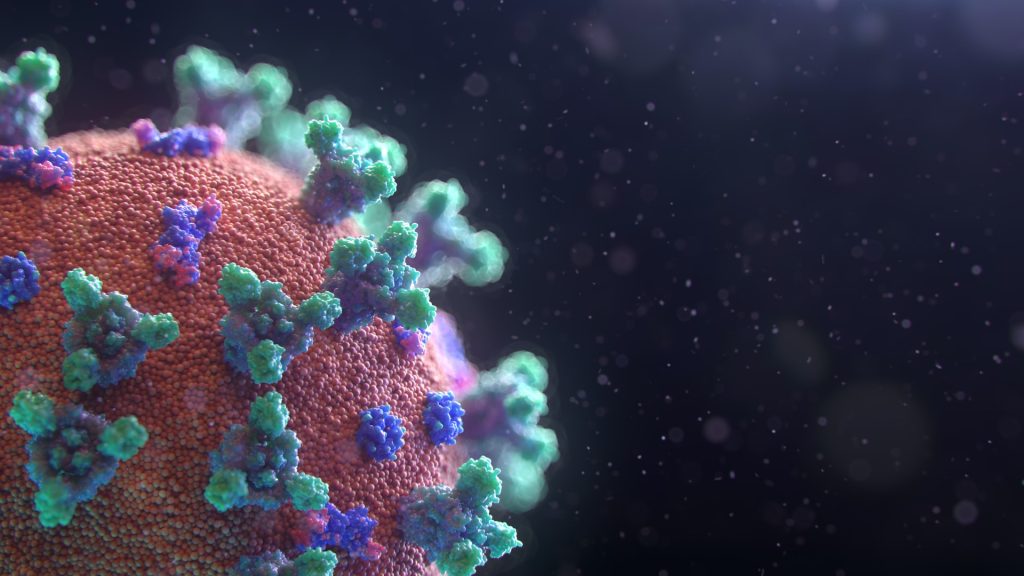
SARS-CoV-2 virus. Source: Fusion Medical Animation on Unsplash

In an interview about new Omicron subvariants, leading vaccinologist Prof Shabir Madhi said that “we don’t need to be concerned” about any current threat they may pose to South Africa. However, he stressed that it can still be lethal, particularly in those without underlying T cell immunity. He also noted that boosters are also important for high-risk populations, while some sort of seasonality needs to be observed for COVID for it to make boosters worthwhile for those at low risk due to the way vaccination protection wanes.

The XBB 1.5 SARS-CoV-2 subvariant, nicknamed ‘Kraken’ by researchers, is now accounting for more than half of cases in the United States, and appears much more transmissible and antibody-evasive than the original Omicron variant which evolved in Southern Africa. Prof Pravin Manga, editor of the Wits Journal of Clicnical Medicine interviewed Prof Madhi and asked him what the emergence of Omicron subvariants meant for South Africa.

Prof Madhi, who is the Dean of the Faculty of Health Sciences at Wits University, noted that before this new XBB.1.5 variant, there were BA4 and BA5, which created a “mini surge” in the middle of last year when they arrived in SA. There were concerns that these strains seemed more antibody-resistant than previous ones, stoking fears that they would result in increased hospitalisations and deaths.

In light of the current situation, he says that “the short answer is that we don’t need to be concerned.”

One important aspect of immunity which was becoming apparent was that, although neutralising antibodies were important in protecting against contracting and transmitting the virus, “what seems to be playing a greater role in protecting against severe disease is the T cell immunity, the Natural Killer cell immunity.” This immunity is much more diverse than that from antibodies, instead of merely targeting the Spike protein is rather “multi-epitopic”, targeting the N-protein as well.

“Now this T cell immunity appears to be holding strong. It appears to be less affected by all these mutations. In fact, close to 75 to 80% of vaccine-induced T cell immunity is conserved despite the multiple mutations have arisen in Omicron and its subvariants.”

Differing impacts across countries

With regard to the impact of the virus, Prof Madhi noted that China had pursued its ‘zero COVID’ policy, along with “suboptimal” coverage of vaccines (especially among ages 60+) that were “probably not the best”, meaning that large portions of the population were essentially naïve to the virus.

SA meanwhile, had 90% of the population infected at least once with COVID, and coupled with vaccination, meant that many will have highly robust immunity, which appears to last for 9–12 months compared to vaccine-only immunity where protection starts wanes after 4–6 months.

“What is unlikely to materialise in a country such as South Africa is large numbers of hospitalisations,” he says.

Protecting at-risk populations and the need for new vaccines

At present, he says there is not a strong case for boosters, but people at greater risk, such as those over 60, people with underlying medical conditions, and compromised immune systems, hybrid immunity is likely not enough protection. In these cases probably at least four doses of vaccination. From a public health standpoint, the population under 45 without underlying conditions would require a huge effort for only a nominal benefit as they are no longer at high risk of severe disease.

Timing is also important, due to the waning of vaccine protection, as the best time to get a booster is “probably around two or three weeks before the start of the next resurgence.” Otherwise, it’s useless to get a booster now if the next resurgence is in six months and antibodies will have waned – an obvious logistical challenge for little benefit. Therefore, in order for boosters to be useful, the virus will have to settle into some sort of predictable seasonality such as with influenza.

As for people who are at risk, at least four doses are probably required, though the case for a fifth is thin. Annual boosters are a likely option, and there is a need for a second generation of vaccines. These vaccines would need to be resilient against further mutations that may arise.

Novavax, monoclonal antibodies and Paxlovid

Regarding Novavax, Prof Madhi said that it had been licensed for use in South Africa, but their bivalent vaccine was not yet available. It would not be procured by government but rather by a private company – a situation which needs to change in terms of who is allowed to bring in vaccines. Another issue is whether the no fault compensation used by the government for public sector vaccinations would be used in the private sector as well.

Prof Manga also asked about whether there had been any success with monoclonal antibody treatment, to which Prof Madhi answered that there had been some limited use in the country but overall, monoclonal antibodies were “spectacularly unsuccessful” as they were highly specific and generally unable to keep up with mutations.

In general, antivirals hold much better promise, particularly Paxlovid which is unfortunately not available in South Africa. It was disappointing that it was not available in the country,

Benefits to both pregnant mothers and babies

Regarding pregnant women and children, Prof Madhi said that their own study shows that a substantial amount of transmission takes place between mothers and children. Infants with COVID under six months are often hospitalised, especially in the first month of life. Vaccination reduces the risk of hospitalisation and protects the baby as well, with research showing that babies born to vaccinated mothers were 80% less likely to develop COVID, “which is really a huge benefit,” he noted. This is likely a little reduced with Omicron because the only thing that babies get from the mother is antibodies, not T cell immunity.

Vaccination also reduces the risk of adverse pregnancy outcomes such as stillbirth, and safety “is simply not an issue” as supported by the data. He says there is case for vaccinating pregnant women, even under 45, in the second trimester of the pregnancy so that more antibodies are transferred to the foetus.

In Depth: As Schools Open, will Measles Outbreaks get Worse?

By Elri Voigt

In October last year, the National Institute for Communicable Diseases (NICD) alerted the public to a measles outbreak in Limpopo. Since then, four more provinces have reported outbreaks, and the number of positive cases in the country has climbed rapidly.

Last week’s measles report from the NICD indicated that between the first week of October 2022 and mid-week in the second week of January 2023, a total of 397 cases of measles were identified across the country. Of those, 382 cases were detected in five provinces – Limpopo 145, North West 125, Mpumalanga 79, Gauteng 18, and the Free State 15. These five provinces have all met the criteria for a measles outbreak (three or more cases in a district within a month).

The remaining 15 cases are spread around KwaZulu-Natal, Northern Cape, the Eastern Cape, and the Western Cape – none of which have so far met the criteria for an outbreak.

‘Biggest outbreak in 11 years’

Dr Kerrigan McCarthy, a pathologist from the Centre for Vaccines and Immunology at the NICD, tells Spotlight that this is the biggest outbreak in 11 years, surpassing the outbreak in 2017 when around 280 cases of measles were identified.

According to the NICD report, the total number of laboratory-confirmed measles cases and the total number of samples submitted for testing has decreased for the third consecutive week. However, McCarthy cautions that this apparent decline might actually be due to a decrease in the number of specimens sent to the NICD for testing, and not to the outbreak actually slowing down.

“The fact that we have seen a decrease in the number of positive cases could be attributed to the decrease in number of specimens that have been submitted, but there is a small possibility that it could represent a turnaround in the outbreak. However, a consensus amongst us in public health is that it is the former problem,” says McCarthy.

She adds that the true extent of this outbreak – and whether new cases have really declined or not – may only become clear in the next few weeks, as schools across the country resume activities.

While it isn’t possible to predict exactly where the outbreak is going, McCarthy says at the moment it is following a similar trend to the widespread measles outbreak that occurred just over a decade ago. “In 2009 to 2011 we had an outbreak of over 22 000 measles cases… and in fact, in that outbreak, we saw a similar pattern. The outbreak was declared in late 2009 and cases started increasing into December and then when the schools closed and December holidays happened, there was a lull in cases and then when the schools returned there was a massive increase in cases,” she says.

Fears of much larger outbreaks

In a Spotlight article published in July last year, Dr Haroon Saloojee, Professor and Head of the Division of Community Paediatrics at the University of the Witwatersrand, and other experts warned that low vaccination rates may lead to measles outbreaks of the type we are now seeing. Now they are concerned that things might get worse.

Saloojee agrees that it isn’t possible to predict exactly how this outbreak will behave. “There are obviously three possible outcomes,” he says, “An increase, levelling off, or decline. My fear and expectation [are] that the outbreak will continue to expand. There are more than a million unvaccinated children under five, and possibly about 2.5 million unvaccinated under 15 years.

“We should be greatly concerned. It is highly likely that the outbreak will extend beyond the five provinces and affect all provinces in the country,” he says.

He adds that children are protected from measles through vaccination and if 95% of children are vaccinated against measles, then this herd immunity will protect the 5% who are not vaccinated. But in South Africa, measles coverage is not at 95%.

“In South Africa, at best, about 80% of children are vaccinated [against measles]. The proportion is lower in some provinces. Thus, all children, but particularly unvaccinated children, are at risk of acquiring measles,” he says. “We haven’t had a serious problem [with] measles in South Africa for at least the last 20 years. But in other low- and middle-income countries, it is still one of the five major causes of child mortality.”

Mass measles immunisation campaign needed

Saloojee tells Spotlight the only way to curtail the outbreak at this point is through a national supplementary mass measles immunisation campaign.

“There is only one option at this stage, as we are facing a crisis. A national supplementary immunisation campaign is warranted, despite its high cost and resource demands,” he says. “Such activities have already commenced in the affected provinces and will be extended to other provinces if the outbreak continues to spread. The aim of the campaign is to boost measles vaccine coverage to the 95% mark in the short term, so that herd immunity can kick in.”

How did we get here?

While such an immunisation campaign should help mitigate the current spread of measles, the question remains how a widespread outbreak could occur in the first place given South Africa’s well-established childhood immunisation programme.

“The outbreak was entirely predictable and preventable,” says Saloojee. “We have had similar outbreaks [about] every five years since 2000. Paradoxically, COVID delayed this outbreak, which should have happened in 2020 because the isolation measures protected against measles spread too.”

“However, we cannot run away from the fact that too few children receive all their routine vaccinations, and there is little being done to systematically change this such as stopping vaccine stockouts, and clinics and hospitals reducing missed opportunities to vaccinate eligible children,” he says. “If nothing is done, we can count on another outbreak in 2028.”

Countries across the world are reporting measles outbreaks, according to the CDC, which is being attributed to a disruption in services like routine immunisation because of the COVID pandemic. However, according to Saloojee, South Africa’s outbreak cannot be attributed exclusively to the pandemic disrupting services, instead, it is also due to years of suboptimal measles vaccine coverage.

Spotlight previously reported in-depth on results from the 2019 Expanded Programme on Immunisation (EPI) National Coverage survey, which showed that only around 77% (76.8%) of the children surveyed had received all fourteen age-appropriate vaccines from birth to 18 months. This includes the two doses of the measles vaccine.

Dr Lesley Bamford, a child health specialist in youth and school health at the National Department of Health, provided Spotlight with a table showing measles vaccination coverage per province between 2017 and 2022.

graph - Note that the data only includes vaccinations provided in the public sector, whilst the denominator includes all children in South Africa. Graph courtesy of Dr Lesley Bamford, National Department of HealthNote that the data only includes vaccinations provided in the public sector, whilst the denominator includes all children in South Africa. Graph courtesy of Dr Lesley Bamford, National Department of Health

According to the figures provided by Bamford, national coverage for the first dose of the measles vaccine has improved from 80% in 2017-2018 to 88% in 2021-2022. However, coverage for the second measles dose remained stuck in a narrow band from 77% to 80%, until 2021-2022, when it improved to 84% – still well below the 95% coverage required for herd immunity.

Expanded vaccination campaign

The NICD report shows the highest number of measles cases so far have been in the five to nine-year age group, which represents 40% of cases. 29% of cases were in the one to four age group and 17% in the 10 to 14-year age group. The remaining cases occurred in children younger than one year and those aged 15 and older.

According to McCarthy, based on the distribution of cases in these age groups, the NICD recommended to the National Department of Health that it extend its planned mass measles vaccination campaign to include children between six months and 15 years of age – which the Department has agreed to do.

Bamford tells Spotlight that a mass measles immunisation campaign had already been planned across all provinces for February 2023. But for the five provinces experiencing outbreaks, the timeline has since moved up. The four remaining provinces will still start their campaigns in February as planned.

“The target age group for that campaign has been extended. So, the initial plan was targeting children under 5 years of age and now in most provinces, it has been extended to include all children six months to 15 years of age,” she says.

Spokesperson for the National Department of Health, Foster Mohale confirms that all children between the ages of six months and 15 years, regardless of documentation, are eligible to receive their measles vaccination in the catch-up drive. “Most provinces have been vaccinating all children between 6 months and 15 years, with [or] without documents because diseases have no discrimination. So, we haven’t received any concern or report about non-vaccination of children without documentation,” he says.

Bamford adds that a measles incident management team has been established by the National Department of Health, which meets with the NICD and the provinces on a weekly basis.

She says Limpopo started its campaign in November, Mpumalanga and North West started in December, and Gauteng and the Free State started in January. The campaigns have so far been conducted mainly at primary healthcare clinics and outreach to ECD centres but now that the school year has resumed, children will also be vaccinated at schools.

Because the provinces all started at different times, there is no specific timeline for the vaccination campaign to be completed, according to Bamford, but the expectation from the National Department is that all provinces will wrap up their campaigns by mid-February when the HPV vaccination campaign kicks off.

“We know that measles coverage is suboptimal, and that is why we were planning to run a campaign, but of course, that is the single biggest reason why we are now experiencing these outbreaks,” she says. “The only way really to stop measles outbreaks is to improve immunisation coverage.”

Republished from Spotlight under a Creative Commons 4.0 Licence.

Source: Spotlight

Getting a COVID Booster Shot is not as Easy as it Should be

Photo by Spencer Davis on Unsplash

By Daniel Steyn for GroundUp

As COVID cases rise again around the world and the more infectious XBB.1.5 variant spreads rapidly, health minister Joe Paahla has emphasised the importance of getting vaccinated and boosted.

About 19 million people in South Africa (just over 30% of the population) are fully vaccinated and four million booster shots have been administered. The country is administering just over 40 000 jabs a week.

At the moment only people over 50 are eligible for a second booster. But according to Dr Nicholas Crisp, Deputy Director-General for the National Department of Health, all adults will be eligible in February. “As soon as the systems are all in place and staff orientated, the department will announce,” Crisp told GroundUp.

But finding a booster shot has become difficult. Privately-owned facilities have mostly discontinued their rollout of the vaccine, although a handful of Dis-Chem pharmacies still do vaccinations. Public sector health facilities are the only alternative.

Active vaccination sites can be found on the government’s Find My Jab website. Some are “visiting” sites only, open once or twice a week, and others are permanently open, but it is advised to call ahead to confirm availability.

“The department is trying to find a more efficient way of updating which vaccination sites are active and those are being reflected and changed weekly on Find My Jab,” says Crisp.

The Western Cape Health Department makes weekly updates to this list of vaccination sites in the province.

One concerned reader from Pennington in KwaZulu-Natal, who is over the age of 50 and HIV-positive (meaning COVID poses a higher risk for him) told GroundUp that his local clinic no longer offered vaccines. It had been ten months since his previous booster. He went to the nearest hospital but was refused a jab and told to wait for an SMS.

He called the vaccination hotline and was told to send a copy of his ID and vaccination card to be registered on the system and receive an SMS, despite already having received jabs in the past.

Without a device to send the documents, and 60km of flood-damaged road between him and and his nearest PostNet, he has still not received his booster shot.

Republished from GroundUp under a Creative Commons Attribution-NoDerivatives 4.0 International License.

Source: GroundUp

Festive Season Sees Widening of SA’s Measles Outbreak

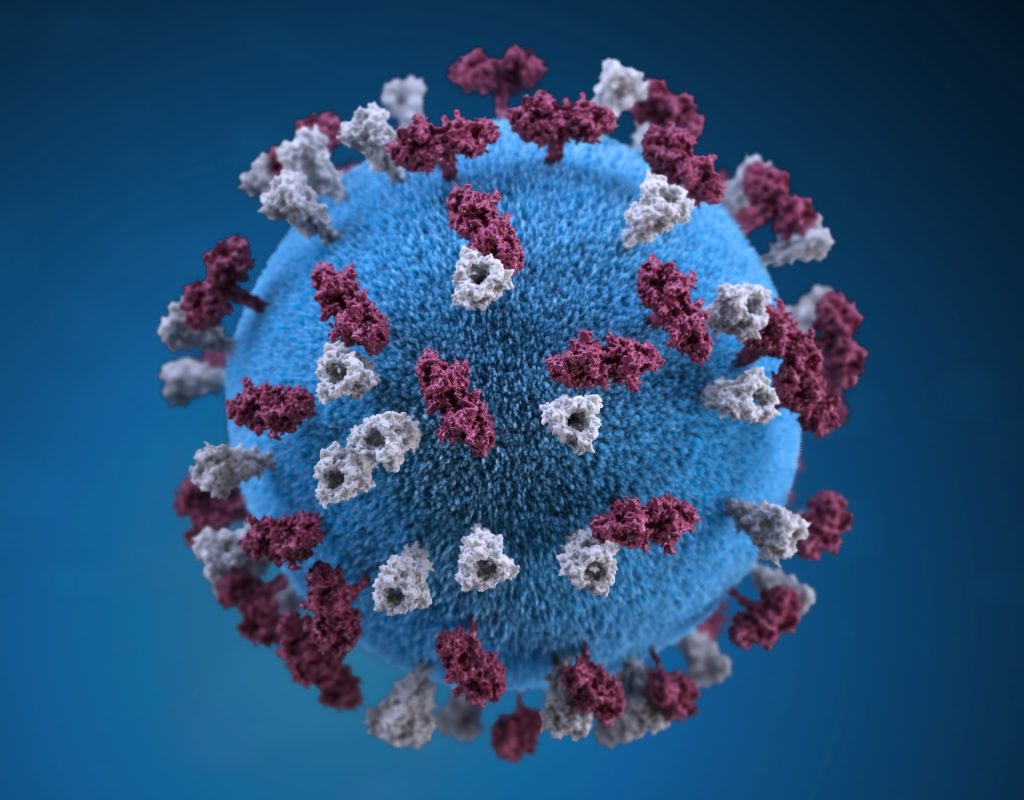
Source: CDC

Over the festive season, the South African measles outbreak has now extended to five provinces, including Gauteng as of epidemiological week (epiweek) 51, the National Institute for Communicable Diseases (NICD) has reported.

From samples collected in epiweek 40 (end 8 Oct 2022) to epiweek 51 (end 24 Dec 2022), a total of 297 cases of laboratory-confirmed measles cases have been reported in South Africa. From epiweek 40 to mid-week 51, 2022, a total of 285 laboratory-confirmed cases were reported from five provinces with declared measles outbreaks in Limpopo (128 cases), Mpumalanga (68), North West (69), Gauteng (13), and Free State (7). The NICD classifies a measles outbreak as three or more confirmed laboratory measles cases reported within 30 days of disease onset, within a district.

The number of cases continues to increase daily as blood and throat swabs are submitted to the NICD for measles serology and PCR testing.

The age of laboratory-confirmed cases across the five provinces ranges from two months to 42 years. Of these, 41% were ages 5–9, followed by 28% for ages 1–4 and 15% for ages 10–14 . Vaccination status of 84 cases (29%) was known, of whom 33 (39%) were vaccinated.

Data on hospital admission rates and measles mortality rates are not yet known. Whilst cases that are seen at hospitals may not necessarily be admitted, this figure gives us an indication of the severity of illness, as patients consulted tertiary care facilities. The number of admitted patients will be a subset of these cases.

Source: National Institute for Communicable Diseases

Tembisa Hospital CEO and Senior Officials must Face Disciplinary Action, Tribunal Rules

By Tania Broughton for GroundUp

Senior officials at the Tembisa Tertiary Hospital, including its former CEO Dr Lokopane Mogaladi, must be disciplined for their roles in the death of a patient, an independent ad hoc tribunal has ruled.

Shonisani Lethole was admitted to Tembisa Hospital on 23 June 2020 with COVID. He had chest pains, was weak and battling to breathe. He was intubated on 27 June. He died two days later.

But before he died, Lethole took to Twitter on 25 June to describe the unbearable and uncaring conditions he was experiencing. He said he had not eaten for two days.

An Ombud investigation was prompted by a complaint by the Minister of Health.

Health Ombud Prof Malegapuru Makgoba in January last year found that Lethole had been denied food for “100 hours and 54 minutes” and that medical staff had been grossly negligent. He recommended that 18 staff members, including doctors and nurses, should face disciplinary action.

Mogaladi was suspended almost immediately afterwards.

An appeal tribunal, set up in terms of the National Health Act, consisting of three members – two doctors, Prof Rudo Mathivha and Prof Ebrahim Variava, and retired Constitutional Court Judge Bess Nkabinde – considered appeals by Mogaladi and Dr Makhosazane Ngobese, head of the COVID unit at the time, against the Ombud’s findings and recommendations.

Mogaladi and Ngobese raised several grounds of appeal, including that there was no valid complaint, that the Ombud had acted beyond his mandate and that his findings were not supported by the evidence.

The tribunal returned two decisions. Judge Nkabinde said she would have upheld the appeal in its entirety. But the majority, Professors Mathivha and Variava, while setting aside some of the Ombud’s recommendations, said Mogaladi and Ngobese should still be disciplined.

Regarding Mogaladi, they said he should be disciplined for presiding over a hospital “that on two separate occasions could not provide Lethole food for prolonged periods”, and a “health establishment that showed poor record-keeping”. He should also face charges relating to substandard care at the hospital.

Regarding Ngobese, they set aside the findings against her except one, that she should face a disciplinary inquiry for her failure to ensure that critical care equipment in the COVID ward was available and functioning properly.

The tribunal said Lethole had been described by his family as a very responsible young man, a “son of the soil” who was deeply loved and cherished.

The two professors said they differed with Judge Nkabinde on the question of accountability.

“While we recognise the immense challenges brought by the Covid-19 pandemic, the norms and standards regulations remained applicable.

“Where we find, on a fair consideration of the facts, that these norms and standards have not been fulfilled, and where there is a prima facie indication that the appellants had some responsibility in relation to their non-fulfillment, we consider it appropriate and important to recommend that an accountability process follows,” they said.

Judge Nkabinde, in her ruling, placed emphasis on the impact of the pandemic on hospitals and said based on the rationality and procedural fairness grounds of appeal, the appeals should succeed.

“This conclusion should not, however, be understood to suggest that no-one should be held accountable when a proper case is made. It is difficult to accept a loss of life … but adverse factual findings and remedial action should be rational and should be right, just and fair.”

She said her judgment did not stop the Department of Health from taking steps to fix the systematic issues at the hospital or disciplining those “properly found” wanting in upholding a high standard of professionalism.

Read the ad hoc tribunal’s ruling.

Republished from GroundUp under a Creative Commons Attribution-NoDerivatives 4.0 International License.

Source: GroundUp

In-depth: ‘Access not Excess’ Key to Reducing Antibiotic Resistance in SA

By Tiyese Jeranji

Source: Danilo Alvesd on Unsplash

Antibiotics play a vital role in the management of bacterial infections, reducing morbidity, and preventing mortality. A 2011 report from the United Kingdom estimated that they have increased life expectancy by 20 years. However, the extensive use of antibiotics has resulted in drug resistance that threatens to reverse their life-saving power and if the situation is not reversed, it has been estimated that by 2050, 10 million people will die annually of drug-resistant infections.

Such estimates of future deaths are obviously uncertain, but there is strong evidence the problem is already very serious. A major study published earlier this year in the Lancet estimated that globally around 1.27 million deaths in 2019 were directly due to antibiotic resistance. The study identified sub-Saharan Africa as the hardest-hit region.

What is AMR?

Sham Moodley, a community pharmacist from Durban and the vice chairperson of the Independent Community Pharmacy Association (ICPA) explains that antimicrobial resistance (AMR) is the ability of microorganisms (bacteria, viruses, fungi, and protozoa) to withstand treatment with antimicrobial drugs. “It is vitally important as it directly impacts our ability to treat and cure common infectious diseases, including pneumonia, urinary tract infections, gonorrhoea and tuberculosis,” he says.

According to Professor Olga Perovic, Principal Pathologist at the National Institute of Communicable Diseases’ Centre for Healthcare-associated Infections, Antimicrobial Resistance and Mycoses (CHARM), there are six factors fuelling the AMR crisis. These are over-prescribing and dispensing of antibiotics by health workers, patients not finishing their full treatment course of antibiotics, poor infection control in hospitals and clinics, lack of hygiene and poor sanitisation in the community, lack of new antibiotics being developed, and the overuse of antibiotics in livestock and fish farming.

Under overuse, she stresses the misuse of antibiotics to treat upper respiratory tract infections, which are typically viral rather than bacterial. Antibiotics are powerless against viruses. Another driver of inappropriate or overprescribing of antibiotics, she says, may be the lack of testing of specimens for the presence of bacteria and their susceptibility to treatment.

How can we prevent AMR?

Dr Marc Mendelson, Professor of Infectious Diseases and Head of the Division of Infectious Diseases and HIV Medicine at Groote Schuur Hospital, the University of Cape Town as well as chairperson of the Ministerial Advisory Committee on Antimicrobial Resistance, says reducing the use of antibiotics is about preventing the need for prescription in the first place. (Mendelson’s recent SAMJ article provides excellent further reading on AMR in South Africa.)

“So, reducing the burden of infections through the provision of clean water and safe sanitation (reduces diarrhoeal diseases) and vaccination programmes (reduces diarrhoea and pneumonia for instance),” he says. “Education and awareness raising of the public and (sadly) healthcare professionals as to the correct use of antibiotics is also critical.”

Broadly speaking, all the experts we interviewed agreed that we should use far fewer antibiotics and only use them when they are absolutely necessary. But actually making this happen is surprisingly complex.

Part of the complexity, for example, is that resistance profiles and disease profiles are different in different places. Geraldine Turner, a pharmacist at Knysna Hospital in the Western Cape, says there is a need for guidelines tailored to the South African context or linked to the local epidemiology. This, she says, can play an important role in determining the correct antibiotics to be used.

It is also not just an issue of what antibiotics are prescribed for humans.

“A big driver of antimicrobial resistance is overuse in agriculture and collaboration with stakeholders in this regard is required,” says Turner. She says we need policies that facilitate improved integration among environmental, animal, and human sector interventions.

Moodley agrees that a multidisciplinary, One Health approach is needed at every level of care and in both human and animal health sectors.

“It is important we reinforce the principle that antimicrobial medicines for human use are only supplied on the authority of a healthcare professional and that antimicrobial medicines for either human or animal use are only supplied in accordance with country legislation and regulations,” he says.

The role of stewardship programmes

One response to the AMR crisis is antimicrobial stewardship programmes or ASPs. Moodley describes ASPs as a systematic approach used “to optimise appropriate use of all antimicrobials to improve patient outcome and limit the emergence of resistant pathogens whilst ensuring patient safety.”

Perovic says, “In healthcare institutions, resistant bacteria can spread easily within and from patient to patient. That is why there are guidelines, which we call ASPs in the medical and veterinary fields, on how and when antibiotics are prescribed as well as how to implement infection prevention and control measures, particularly for patients with health risks such as diabetes, high blood pressure, and cancer.”

“In hospitals,” explains Mendelson, “ASPs will consist of a governance body such as an AS Committee that directs a work programme of stewardship, often with AS teams as the implementers of policy. AS teams can involve anything from single pharmacists or physicians, through one to two dedicated individuals, through to all-singing all-dancing multi-disciplinary teams in academic teaching hospitals, comprising infectious diseases specialists, microbiologists, pharmacists, [and] infection prevention and control nurses.”

ASPs are not only important at institutional levels, adds Moodley, but imperative for every individual prescriber/practitioner to implement to reduce AMR in our population.

Critical role for pharmacists

Mendelson stresses that pharmacists are integral to antibiotic stewardship in South Africa and globally. “Community pharmacists give advice to patients seeking symptomatic relief and reduce doctors’ visits, which can result in antibiotic prescriptions when not needed,” he says. In hospitals, dispensing pharmacists help optimise the antibiotics prescribed to patients by checking indication for the antibiotic, dose, dosing frequency, and duration. “Some hospitals have pharmacists on the wards, again, checking and helping to optimise the use of antibiotics,” he says.

“Pharmacists play an important role in recommending symptomatic treatments for non-specific symptoms and particularly, the common cold, which is a major cause of inappropriate antibiotic prescribing, requiring simple paracetamol with or without decongestants. Unfortunately, a recent pilot study suggests that a small number of community pharmacies are dispensing antibiotics without a prescription, which is not allowed in South Africa,” says Mendelson.

Turner concurs that pharmacists play a crucial role in ensuring that the correct antibiotics are used appropriately and only if indicated. She says pharmacists are also in a good position to counsel and advise patients on the correct use of antibiotics.

Strategy framework

The key policy document setting out South Africa’s response to AMR is the South Africa Antimicrobial Resistance Strategy Framework of 2018-2024. The framework outlines nine strategic objectives – they include improving the appropriate use of diagnostic investigations to identify pathogens, guiding patient and animal management and ensuring good quality laboratory, enhancing infection prevention and control, promoting appropriate use of antimicrobials in humans and animals as well as legislative and policy reform for health systems strengthening.

Mendelson is positive about what has been achieved so far. “There have been major improvements to the surveillance and reporting of antibiotic resistance and antibiotic use in humans and animals, development of a greater one health (human, animal, and environmental health) response. There was a formation of national training centres for antibiotic stewardship and empowerment of under-resourced provinces to train and develop Antimicrobial Stewardship programmes and there have been improvements in governance and delivery of infection prevention and control measures in hospitals and development of education programmes for healthcare workers in South Africa,” he says.

But Mendelson also says that challenges remain in promoting prescribing behaviour change amongst the health workforce in SA and the expectations and social position that antibiotics hold in society.

As with several other health policies, there are questions on whether the plan has been backed up with funding.

“The national strategic framework remains largely unfunded (shared by most low- and middle-income countries) but this does hamper progress in developing programmes of interventions,” says Mendelson. “In food production, reducing [the] use of antibiotics is an important goal but will require investment in reducing drivers of infection in the animals that produce food. Legislation to bring all antibiotic prescribing in food production under veterinarian control will be an important intervention,” says Mendelson.

Source: Spotlight

Looking Back at 2022: Pandemic Fades but Other Challenges Remain

Photo by Joshua Hoehne on Unsplash

The year 2022 finally saw the COVID pandemic petering out, largely through the less-lethal but still highly contagious Omicron variant. Significant strides were made in cancer and Alzheimer’s research, although not without controversy. Amid growing public healthcare challenges in South Africa, the NHI Bill advanced closer to reality.

As Omicron displayed greatly reduced severity compared to prior strains, South African medical experts were some of the first to justify no longer being at ‘code red’. This brought an end to the cycles of lockdowns and travel restrictions characterised by the two previous years.

It even saw the lifting of some aspects of China’s ultra-strict ‘zero-COVID’ policy, with citizens paying online tribute to the memory of the heroic doctor who defied government censorship to warn the world. However, the pandemic’s true cost became apparent as the World Health Organization put global excess deaths for the pandemic at almost 15 million.

A number of key medical advances were made during the year for a variety of conditions. Studies showed that administering steroids after COVID hospitalisation with severe inflammation reduced mortality up to one year post-infection.

COVID was found to be linked to a spate of new-onset Type 1 diabetes, but this may just have been due to medical checkups as a result of developing COVID. The rheumatoid arthritis drug auranofin was found to relieve diabetes symptoms. And research suggested a possible way to deliver insulin and cancer drugs orally, by adding a ‘tag’ that lets them enter the bloodstream through the intestines.

The fields of cancer and Alzheimer’s research was rocked by findings of numerous red flags. This controversy did not stop real progress: the first new drug that had any real effectiveness against Alzheimer’s disease was confirmed in a historic trial. Fortunately, the flu jab also seems to protect against developing the disease. Indeed, serious infections appear to increase the risk of both Alzheimer’s and Parkinson’s.

In advanced ER-positive, HER-2 negative breast cancers, the new drug capivasertib halved the rate of progression.

It was also revealed that humans are paying through the nose for common medications compared to those that animals receive. Antimicrobial resistance also remains a growing problem, causing an estimated 1.2 million deaths in 2019.

A major South African Medical Research Council (SMARC) study told a familiar story: unsafe sex, interpersonal violence, obesity, hypertension, and alcohol consumption are the top risk factors for disease and death in South Africa.

Despite lessons learned in the COVID pandemic, South Africa saw the progression of systemic problems in healthcare such as a critical shortage of nurses. Dr Tim de Maayer’s open letter on appalling conditions at Rahima Moosa exposed deep-seated problems in Gauteng’s public healthcare system. This was followed by the shock resignation of top cancer surgeon Professor Carol-Ann Benn. The appointment of Nomantu Nkomo-Ralehoko as Gauteng Health MEC should hopefully change the province’s situation.

As for the National Health Insurance (NHI) Bill, medical aids have aimed to reposition themselves in the new uncertain paradigm while the threat of a mass exodus of healthcare professionals from the country still hangs in the air. A slew of legal challenges now await the Bill, which still has no details on how it will be financed.

Pop Culture Highlights How Exercise Can Improve Mental Health

The workplace should take note

Photo by Ketut Subiyanto on Pexels

A quarter of employees in South Africa have been diagnosed with depression, with the country’s economic contributors aged 25 to 44 being most affected and taking more than 18 days off work as a result, according to a recent study conducted by the South African Depression and Anxiety Group (SADAG). “While treatment or talking to someone is advised when dealing with mental health issues, the importance of exercise and healthy living is taking centre stage across pop culture channels,” says Sarah Rice, Chief People Officer at Skynamo.

This was illustrated in the recently released documentary produced by Jonah Hill on Netflix called ‘Stutz’. While highlighting the power of talk therapy, Hill’s therapist, Phil Stutz, outlines various tools that he has developed to help people manage depression, including his ‘life force’ model.

“This is a three levelled pyramid focussing on aspects that drive us forward,” shares Rice, who refers to the film where Stutz says that your life force is the only thing that’s capable of guiding you when you’re lost. “The bottom level of the pyramid is your relationship with your physical body, the second is your relationship with other people and the top level is your relationship with yourself.”

“While we are the only ones who are responsible for our relationship with ourselves, considering the fact that we spend a large amount of time in the office, companies should think about offering activities to improve employees’ wellbeing such as forming a running club or introducing yoga classes. These activities should be built into the company calendar so that it gives people permission to do them and not feel like they’re taking away from work time,” explains Rice.

Not only does this assist with the exercise aspect but also gives colleagues the opportunity to form a real connection and bond with each other, she says. “Additionally, it shows that the business is really keen on providing employees with a work-life balance – something which is trumping salary as a priority for most professionals.”

“This will improve the company’s wellbeing too as it will result in increased employee productivityreduced absenteeismhigher quality work, and even an R83.40 return for every R20 the business invests in the physical and mental health of employees, not to mention a 14% increase in profitability,” points out Rice.

She notes that, luckily, international companies like Google, Accenture, Microsoft and Nike are recognising that physical health is part of mental health. “A number of South African companies such as Absa, Discovery, Alexander Forbes, Unilever and South African Breweries are tapping into this as well.”

Victoria Henry, Head of Group Marketing at Alphawave, a specialised technology investment group with 16 companies in its portfolio, of which Skynamo is a part, echoes this by saying, “Mental health has definitely moved up the agenda in the workplace. It’s good to see more and more companies taking this seriously. Happy and healthy employees are better employees. Supporting employee mental health can increase engagement and performance, so it’s important that companies are investing in this.”

To encourage corporates – as well as individuals – to get active and connected to each other, Skynamo, in partnership with Alphawave, will be sponsoring the third annual Skynamo CROSS CHALLENGE – South Africa’s biggest off-road triathlon. A crucial component of the event is the Skynamo Corporate Challenge where teams will get to cycle, run and swim for the chance to win prizes, bragging rights and a trophy to showcase in the office – not to mention a team building experience full of exhilarating adventure and healthy competition.

Jacques de Villiers, co-founder of event organising company Scuttle adds that being outdoors and exercising greatly enhances mental health, especially since this reduces employee screen time. “Funnily enough, 70% of employees say that they would exercise more if they spent less time at their computers.”

The Skynamo CROSS CHALLENGE will be taking place on Saturday, 25 February 2023 in Grabouw with races for all ages and fitness levels. The full race comprises a 1000m swim, 22km mountain bike ride and 7,2km trail run, while the sprint race is approximately half the distance. There are also race options available for kids.

In the lead up to the Skynamo CROSS CHALLENGE, teams can test their fitness levels and group dynamics at the Lomond and Franschhoek Cross Triathlons taking place in December 2022 and January 2023 respectively.

Rice concludes by saying, “To help employees’ mental health in 2023, businesses should be raising awareness around and encouraging healthy living. Employers need to see employees as whole people, not just as ‘work people’, and must support them in living their best lives.”

To register, or for more information, go to www.scuttle.co.za/scuttle-events/crosschallenge. Online entries close on 20 February 2023 and no entries will be taken at the event.

Concourt did not Legalise Weed in the Workplace – Labour Court Rules

Photo by Thought Catalog on Unsplash

By Tania Broughton

The decriminalisation of cannabis for private use does not include the workplace, a Johannesburg Labour Court judge has ruled.

Judge Connie Prinsloo, in a recent ruling, said submissions by the National Union of Metalworkers of South Africa (NUMSA) that the Constitutional Court had ruled that cannabis was no longer a “drug” but just a “plant or a herb” were wrong.

She said the Concourt “Prince” judgment in 2018 did not offer any protection to employees against disciplinary action should they contravene company policies or disciplinary codes.

She said the apex court had not said cannabis was no longer a drug, as the union had argued, but had merely allowed for its personal consumption, in private, by adults.

Read the full judgment here.

The case before Judge Prinsloo was a review of the dismissal of two PFG Building Glass employees in October 2020 who had tested positive for cannabis while on duty. The National Bargaining Council for the Chemical Industry had found their dismissal to be fair. The union said it was unfair since cannabis was not a drug according to the Constitutional Court.

The company, through its witnesses, presented evidence that being under the influence of alcohol or drugs within the workplace was an offence for which dismissal was the prescribed sanction for the first offence.

This was because the company took workplace safety very seriously and it had a moral and legal duty to ensure that the working environment was safe.

On site, there was gas, large forklifts, extremely hot processes and dangerous chemicals used to make heavy glass which could potentially cut or crush someone.

The company followed the Occupational Health and Safety Act and had a zero-tolerance policy towards alcohol and drugs.

Referring to evidence at the bargaining council, Judge Prinsloo said it had been suggested by the employees that the company was “sticking to the old stigmatisation” of cannabis, whereas the Constitutional Court, in the Prince judgment, had said it was “just a plant … a herb” and could be legally possessed and used.

Company representatives, however, said it was still recognised as a drug and an employee was not permitted to be on site under the influence of alcohol or drugs.

One of the dismissed employees, Mr Nhlabathi, testified that he had used cannabis three days before he reported to work on the day he tested positive. He said he had been employed since 2016 and had “been smoking dagga and doing his job properly”. He disputed that the alcohol and drug policy related to cannabis but only to “alcohol and substances”.

His colleague, Mr Mthimkhulu, also relied on the Constitutional Court judgment that “dagga was a herb and not a substance”. Both claimed they were not aware that they could be fired for testing positive for cannabis.

Judge Prinsloo said the arbitrator had accepted that the company had a zero tolerance policy and that it treated cannabis as a drug because it was a “mind altering substance”.

The arbitrator had said the Prince judgment did not overrule the provisions of the Occupational Safety Act.

Judge Prinsloo said it was evident that the union and the employees had confused issues relating to the decriminalisation of the use of cannabis in private and the rights of employers to take disciplinary action against an employee who contravened a disciplinary code.

The Prince judgment declared specific provisions of the Drugs and Trafficking Act to be inconsistent with the right to privacy and therefore invalid to the extent that they made the use or possession of cannabis in private, by an adult person, a criminal offence.

The Constitutional Court had held, however, that it was common cause that cannabis was a harmful drug.

“The court did not interfere with the definition of a drug, nor did it declare dagga to be a plant or a herb,” Judge Prinsloo said.

“The applicant’s understanding of the judgment was either very limited or totally wrong,” she said.

The company was entitled to set its own standards of conduct and dismissal was an appropriate sanction, she said, dismissing the review.

Republished from GroundUp under a under a Creative Commons Attribution-NoDerivatives 4.0 International License.

Source: GroundUp