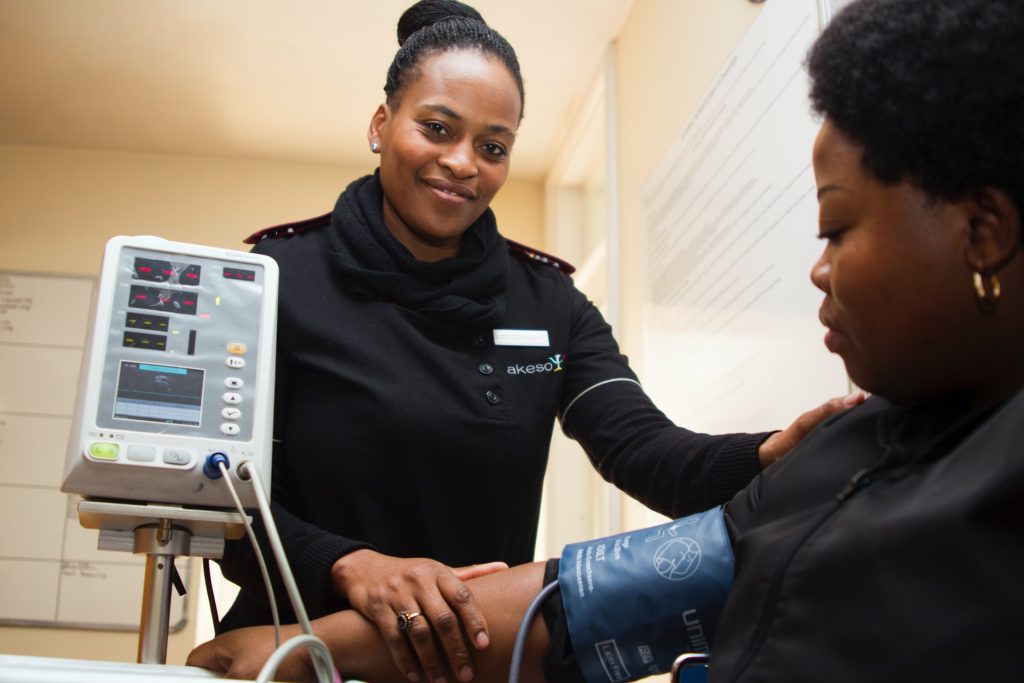
The South African Medical Association (SAMA) issued a statement stating that they reject the current form of the National Health Insurance (NHI) Bill, with a major objection being that the mere establishment of the NHI fund does not embody the Constitutional principle of universal health coverage (UHC).
The NHI Bill is designed to provide one pool of healthcare funding to all South Africans and long term residents.
They state that the NHI Bill was developed without regard to expert concerns and opinions, especially on key issues such as Contracting Units for Primary Healthcare (CUPS), Benefit Packages and Reimbursement Models.
Given the mismanagement of COVID funds by the government and state-owned entities, there is further concern over its ability to regulate the R500bn fund.
SAMA spokesperson Dr Mvuyisi Mzukwa said: “Misappropriation of funds in various state-owned entities casts doubt on government’s ability to handle the health care budgets responsibly. The public, alongside healthcare stakeholders, cannot simply entrust their lives to a government with an established history of financial mismanagement.”
SAMA contends that while the UHC is intended to improve the health and livelihoods of all South African citizens, the Bill as it stands will set the healthcare system up for failure.
“SAMA believes that a robust approach to health systems strengthening is indispensable, as it would rectify the current deficiencies and overcome the challenges posed by the NHI,” the statement concludes. “This approach seeks to enhance the efficiency, effectiveness, and resilience of the healthcare system, ensuring the delivery of optimal care to all individuals. Governance within the healthcare sector must be strengthened, with transparency and accountability at its core. Effective management of funds and meticulous budget allocation is imperative to rebuild trust and demonstrate responsible stewardship of public resources.”
In 2020, a chance discovery near the small South African hamlet of Misgund in the Eastern Cape unearthed an unusual parcel – a gift to science. The parcel turned out to be a 500-year-old cow horn, capped with a leather lid and carefully wrapped in grass and the leafy scales of a Bushman poison bulb (Boophane disticha). Inside the horn were the solidified remnants of a once-liquid substance.
Thanks to chemical analyses, we now know that the horn was a medicine container. It is the earliest known object of its kind from anywhere in southern Africa and offers the first insights into pre-colonial medicines in this part of the world.
My colleagues and I conducted chemical analyses of the contents. We identified several secondary plant metabolites, the most abundant of which were mono-methyl inositol and lupeol. Both of these compounds, and indeed all of those identified, have known medicinal properties.
This remarkable find is the oldest example in southern Africa, of which we are aware, of two or more plant ingredients being purposefully combined into a container to form a medicinal recipe. Several museums in South Africa house examples of medicine horns collected during the 19th and 20th centuries – but none has ever been found in an archaeological context.
Various plant uses
The medicine container was found in a painted rock shelter. A radio carbon date of the horn container places the parcel at around AD 1461-1630. Although the rock shelter contains several San paintings, we do not know if they are the same age as the horn container. At this time the area was occupied by both San hunter-gatherers and Khoi pastoralists; both believed in a mythical animal, resembling a domestic cow, whose horns were considered to have medicinal attributes.
People have exploited the pharmacological properties of plants for at least the last 200 000 years. The descendants of these communities still live in Southern Africa today. During the Middle Stone Age (which started about 300 000 years ago and ended between 50 000 and 20 000 years ago), people burnt certain aromatic leaves to fumigate their sleeping areas. Plant extracts also seem to have been the main component of glues and adhesives and hunting poisons around this time.
But not much is known about traditional medicines from the pre-colonial era of southern Africa. What information there is derives mainly from early traveller accounts and modern ethnographic studies. The horn offered us a chance to learn a little more about traditional knowledge of medicine and pharmacology during this early period.
The descendants of these communities still live in southern Africa today.
Medical and spiritual applications
The main compounds present in the container, mono-methyl inositol and lupeol, are still found today in a variety of known medicinal plants in the Eastern Cape. They have a wide range of recorded medicinal applications, including the control of blood sugar and cholesterol levels, and treatment of fevers, inflammation and urinary tract infections. They can also be applied topically to treat infections – rubbing ointment into cuts in the skin is one of the ways the San are known to have administered certain medicines.
Both mono-methyl inositol and lupeol are pharmacologically safe compounds. This means that they can be ingested without the risk of overdose. Both compounds stimulate the production of dopamine in the brain; mono-methyl inositol is used to treat anxiety, and plants containing lupeol are used as aphrodisiacs.
For the Khoi and San people, not all medicines were meant to treat physiological illnesses. Healers were specialised individuals whose task was to treat both physical and spiritual ailments. Indeed, one of the principal functions of traditional medicine, both in the past and today, is to treat supernatural bewitchment. Medicine and culture remain intimately entwined and traditional medicine, which is highly adaptive, continues to play an important role in much of Africa as a primary health service.
A treasured possession
We cannot know exactly what the medicine stored in the horn was used for, how it was administered or who precisely used it. But it was clearly a treasured possession, judging by the way it was carefully wrapped and deposited in the rock shelter. Its owner evidently intended to retrieve it but never returned.
The absence of any evidence of long-term occupation of the shelter means that the medicine horn is an isolated, chance discovery. Nevertheless, this is a find that sheds new light on traditional medicines used in the Eastern Cape 500 years ago.
This article is republished from The Conversation under a Creative Commons license.
As of Sunday, reports indicate that 23 people have died so far in the recent cholera outbreak in Hammanskraal, a direct result of the town’s neglected water sanitation infrastructure. A further 48 have been hospitalised, with six emergency field tents being set up to prop up the overburdened Jubilee Hospital, which has seen 215 patients since 19 May, as reported in the most recent Gauteng Department of Health bulletin.
The temporary field hospital has been set up to immediately attend to cases of dehydration, supplying oral rehydration solution (IRS) as well as intravenous fluids. More critical patients are taken to Tshwane hospitals.
The Gauteng Department of Health also notes that as of Friday, 27 of the 75 confirmed cholera cases had recovered and been discharged. The Gauteng Department of Education has said that it will intensify efforts to supply schools in Hammanskraal with clean drinking water.
South Africa’s most serious outbreak of cholera in recent history was from November 2008, when a massive cholera outbreak occurred in Zimbabwe and spread to South Africa. Within the first 5 months of the outbreak, more than 73 000 cases and 3500 deaths (case fatality rate of >4.7%) had been reported, and it spread to South Africa through Musina. Between 15 November 2008 and 30 April 2009, a total of 12 706 cases of cholera were reported by the National Department of Health. Of the total number of cases, 1114 (9.0%) were laboratory-confirmed cases, and 65 deaths (case fatality rate of 0.5%) were recorded. In this outbreak, microbial analysis published in the Journal of Infectious Diseases found the emergence of antimicrobial resistance in Vibrio cholerae 01 strains.
The National Institute of Communicable Diseases has posted guidelines [PDF] for the management of suspected cholera chases.
Almost 100 former nurses at Jubilee District Hospital in Hammanskraal are calling on the Gauteng Department of Health to employ them permanently. Originally contracted in July 2020 to deal with the Covid pandemic, their employment contracts were periodically renewed but terminated at the end of March 2023.
The nurses have been sitting outside the hospital since Monday.
“They want us to work under agencies, and we don’t want that,” said a nurse.
“This hospital is very understaffed, but they are being stubborn. Inside the wards there are only two nurses working, and they are overstretched. They are struggling but the department doesn’t want to employ more nursing staff,” she said.
“It’s heartbreaking to see our people in distress, and I know I am a qualified person and could help. We are told there is no budget for us,” she said.
In a statement on Monday, the Democratic Nursing Organisation of South Africa (DENOSA), said as a result of the cholera outbreak “Jubilee Hospital is now experiencing an influx of patients, which is stretching the facility to breaking point.”
“Nurses in the facilities in the area will also be made to perform duties that are outside their scope of practice where they may be expected to carry water buckets to the water tankers. DENOSA does not encourage that nurses perform duties that are outside their scope.”
DENOSA Gauteng provincial secretary Bongani Mazibuko said there was a shortage of nurses and that it had been agreed at the provincial level to extend the contracts of Covid contract nurses.
Mazibuko said the contracts were due to end on the 31 March 2023 and the Gauteng health department was supposed to have given the nurses new contracts for 1 April 2023 to March 2024.
He said nurses whose contracts had been terminated should contact the union.
GroundUp made several attempts, all in vain, to get comment from the Gauteng health department.
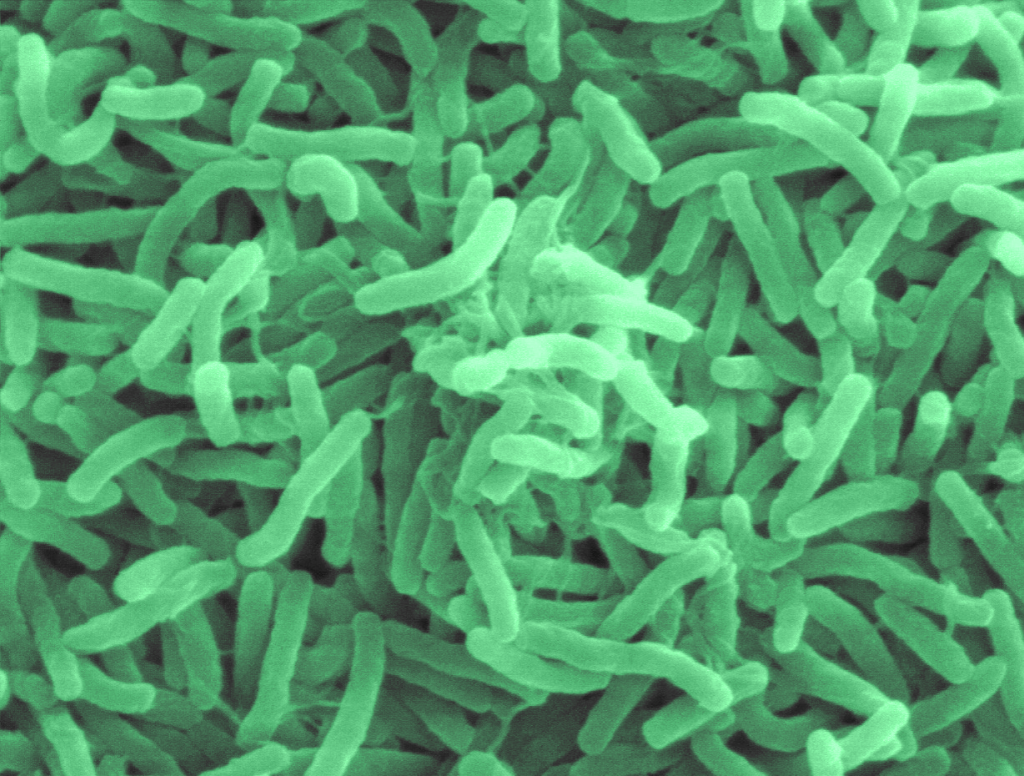
Scanning electron micrograph image of Vibrio cholerae. Source: Wikimedia CC0
The Hammanskraal cholera outbreak continues with 17 deaths from the disease reported so far. Poverty is exacerbating the situation, with residents being advised to drink bottled water – but unable to afford it. According to GroundUp, the microbiological compliance (a measure of faecal bacteria) at sewage treatment plants was as low as 2% and 0%, where below 50% is considered ‘bad’.
Characterised by watery diarrhoea and dehydration, cholera is caused by infection by the bacterium Vibrio cholerae and in some cases can cause death within hours. It is spread through contaminated water, and asymptomatic individuals can contribute to the spread by shedding bacteria in faeces for seven to 14 weeks.
The National Institute for Communicable Diseases (NICD) says that treatment is with oral rehydration solution (ORS), with intravenous ringer’s lactate for severe dehydration and antibiotics recommended in hospitalised patients.
For acute cases of watery diarrhoea, the National Institute for Communicable Diseases (NICD) advises the following course of action:
– Notify the case as suspected cholera by completing a Notifiable Medical Conditions case notification form. Do this immediately; don’t wait for laboratory results.
1. Assess and reassess the degree of dehydration frequently.
2. Replace fluid and maintain hydration status based on the degree of dehydration (see flowchart)
3. Antibiotic therapy is recommended for hospitalised patients. Ciprofloxacin is currently the antibiotic of choice: Paediatric dose: 20 mg/kg (max 1g) po stat Adult dose: 1g po stat
4. Children < 5 years of age should be given zinc supplementation.
5. Patients should be fed as soon as they can tolerate food
6. Patients who are no longer dehydrated and can take ORS and have decreased frequency of diarrhoea may be discharged.
In the RADIANT-TB randomised controlled trial carried out in Khayelitsha, researchers found that tuberculosis (TB) patients with HIV taking a double dose of dolutegravir had similar viral suppression to those taking a single dose plus placebo. The findings, published in The Lancet HIV, suggest that a only once-daily dolutegravir is feasible in patients with HIV-associated tuberculosis.
WHO’s preferred first-line antiretroviral therapy (ART) regimen for adults and adolescents with HIV is dolutegravir, combined with tenofovir and lamivudine or emtricitabine. A disadvantage of dolutegravir is substantial drug–drug interaction with rifampicin, which is important as tuberculosis is the most common cause of hospitalisation and mortality among people living with HIV.
The drug–drug interaction between rifampicin and dolutegravir can be overcome by supplemental dolutegravir dosing, but is a challenge in resource-constrained settings. The researchers sought to investigate whether virological outcomes with standard-dose dolutegravir-based ART are acceptable in people with HIV on rifampicin-based antituberculosis therapy.
RADIANT-TB was a phase 2b, randomised, double-blind, non-comparative, placebo-controlled trial in Khayelitsha, Cape Town, South Africa. Participants were aged over 18 years, with plasma HIV-1 RNA >1000 copies/mL, CD4 count > 100 cells/μL, ART-naive or first-line ART interrupted, and on rifampicin-based antituberculosis therapy for less than three months. Participants were assigned (1:1) to receive either tenofovir disoproxil fumarate, lamivudine, and dolutegravir plus supplemental 50mg dolutegravir 12h later or the same drugs but with placebo in place of the supplemental dolutegravir. Participants received standard antituberculosis therapy (rifampicin, isoniazid, pyrazinamide, and ethambutol for the first two months followed by isoniazid and rifampicin for four months). The primary outcome was the proportion of participants with virological suppression (HIV-1 RNA <50 copies/mL) at week 24 analysed in the modified intention-to-treat population.
No treatment-related dolutegravir resistance emerged in the trial, and though not significant, an increase in insomnia was noted in the supplemental dolutegravir arm. In terms of future research, it is questionable whether a phase 3 trial would be needed given the significant time required for a policy change. Limitations included the study not being powered to compare efficacy.
The authors concluded, “Our findings suggest that twice-daily dolutegravir dosing might be unnecessary in people with HIV-associated tuberculosis. More evidence, from cohort studies or possibly a phase 3 trial, might be necessary to change policy on the need for a supplemental dolutegravir dose with rifampicin-based antituberculosis therapy.”
Millions of doses of the Pfizer-BioNtech COVID-19 vaccine procured by the South African government have expired and the shot is largely unavailable to people in the country.
Several people who have contacted Spotlight have expressed “frustration” and “dismay” that despite government having announced in February that it was sitting on a massive stockpile of almost 30 million vaccines, they are struggling to access the Pfizer shot.
Explaining the vast quantity of unused vaccines, the Health Department at the time said vaccine uptake has been low due to decreasing cases, people’s erroneous perception that the pandemic is over, and hesitancy affected by vaccine disinformation.
Expired but not expired?
National Department of Health spokesperson Foster Mohale confirmed that seven million Pfizer doses had expired but they would not be disposed of. Instead, the vaccine manufacturers would test the vaccines to ensure continued safety and efficacy. The South African Health Products Regulatory Authority (SAHPRA) will review the test results and, if satisfied that the vaccine will still work as well as data showed before, they will approve an extended shelf life.
The remaining estimated 23 million Johnson and Johnson (J&J) vaccine doses in South Africa are due to expire in 2024 and 2025.
“The expiry of a vaccine is not the same as the expiry date of food which cannot be extended,” Mohale says, adding that the Pfizer vaccine has a short shelf life and that the vaccine’s expiry date has been extended twice in the past. He says the testing should be done by June and the Pfizer shots would become available in July.
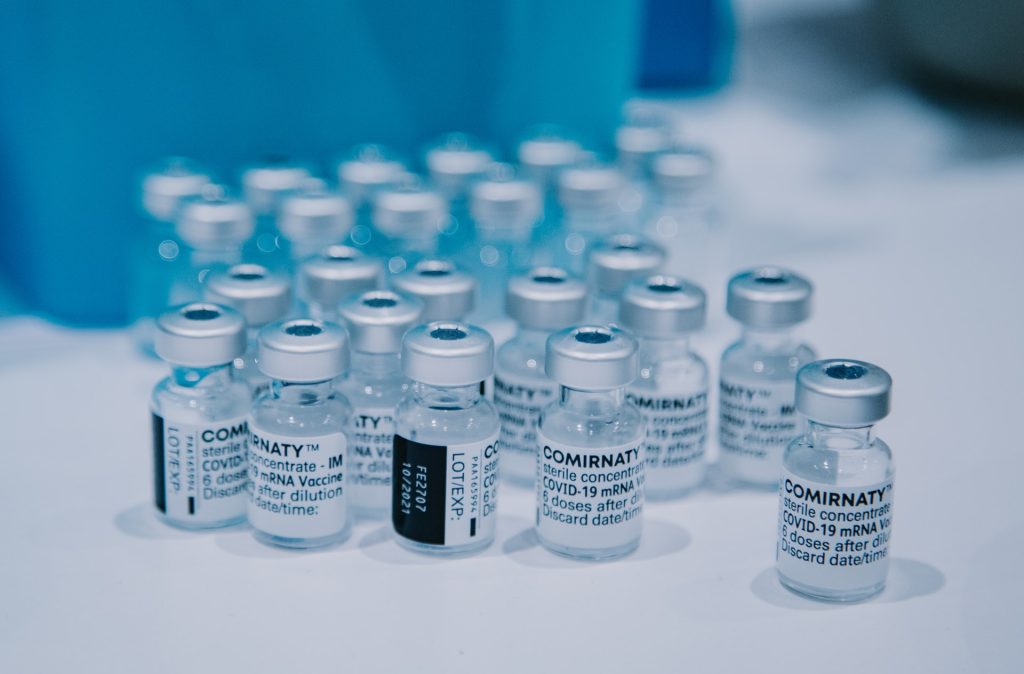
Photo by Mat Napo on Unsplash
A mother from East London, who is hoping to emigrate to the United States, told Spotlight that she was “frantically” trying to get shots for her 12-year-old son in time to leave. In South Africa, none of the currently available COVID-19 vaccines have been authorised for use in children under the age of 16. Elsewhere in the world, for example, in the United States, the Pfizer vaccine has been tested and authorised for use for children from the age of 12. “It is mandatory that he get the vaccine before entering the United States,” she says.
An intern responding to people’s questions on the Department of Health’s hotline says, “Many callers have phoned in stressing about travelling, emigrating, or getting vaccinated for the first time. We have been told that there are very few sites that still have some stock. If people have had two Pfizer doses, they can boost with a J&J dose. However, if they have only had one Pfizer, they will have to wait.”
The public exasperation expressed directly to Spotlight and on social media also relates to the health department’s vaccination website being outdated and it being hard to find places to get vaccinated. As GroundUp reported in January, getting a COVID-19 booster jab is not as easy as it should be.
‘The pandemic is not over’
Referring to the World Health Organization’s (WHO) lifting of the COVID-19 Public Health Emergency of International Concern(PHEIC) on May 5th, Mohale says, “The pandemic is not over and people, especially those who are at highest risk of severe disease and death should get vaccinated.” These included people with co-morbidities and the elderly. He says vaccination for COVID-19 has been integrated into routine primary healthcare facilities, which is where people should go for their jabs.
WHO director-general Tedros Ghebreyesus said it was the end of the emergency phase but not the end of the threat of COVID-19. In the week prior to the announcement, he said the disease claimed a life (globally) every three minutes, “and that’s just the deaths we know about”.
The decision to lift the emergency was based on the decreasing number of deaths and hospitalisations from COVID-19, the high levels of population immunity against SARS-CoV-2, and the widespread availability of COVID-19 vaccines and treatments.
Ghebreyesus warned that the COVID-19 pandemic is not over and that the virus could still pose a serious threat to public health. The WHO has urged countries to continue to monitor the situation closely and to maintain preparedness measures, such as surveillance, testing, and contact tracing.
Some experts have criticised the WHO’s decision to end the emergency phase, arguing that it is premature and could lead to a resurgence of the pandemic. Others have defended the decision, arguing that it is based on the best available evidence and that it is important to give countries the flexibility to manage the pandemic in a way that best suits their own circumstances.
‘Momentous’ announcement
Professor Salim Abdool Kariem, Director of CAPRISA, described the announcement as “momentous”. Writing in his regular COVID-19 updates blog, he says, “… we are still living in the midst of a pandemic with thousands of cases each day. Since SARS-CoV-2 is going to be with us for a long time, a pragmatic decision was needed as the COVID-19 pandemic emergency has been steadily receding and a new variant of concern has not emerged in the last 17 months. But the risk of a new variant of concern is ever-present, even if it is getting progressively smaller with time. The public is also tired of the pandemic and many have simply put it out of sight and out of mind.”
Kariem writes that globally there are currently far more COVID-19 cases, hospitalisations, and deaths each day than we had on the day (30 January 2020) that COVID-19 was initially declared a PHEIC. “So, it (the WHO decision) was not based on the situation getting to a point pre-PHEIC. Waiting to reach that point may take many years or may never happen and so ending the PHEIC is a judgement call, taking many factors into consideration.”
‘Still with us’
Speaking at a recent webinar, hosted by Internews, science writer David Quammen, who wrote a book on COVID-19 called ‘Breathless: The Scientific Race to Defeat a Deadly Virus’ and before that, ‘Spillover’, says, “The coronavirus is still with us, it’s circulating worldwide among humans, and circulating also among whitetail deer, feral mink, and probably other wild mammals.”
He says efforts currently need to be directed to approaching COVID-19 as a long-term cause of human illness, suffering, and death, not “a short-term catastrophe”.
He says laboratory techniques need to be improved as well as manufacturing capacity for updated COVID-19 vaccines. Inequitable access to vaccines will need to be solved. “We will need to dissolve vaccine reluctance and refusal – among the privileged but obdurate, and also among those historically ill-served by Western medicine – with better communication and education.” Diagnostic testing needs to be maintained and not reduced, as well as the sequencing of genomes from patient samples to detect and trace new and immune-evasive variants, he says.
“We will need to prepare, not just for the next coming of SARS-CoV-2 (when it emerges from some infected human, or some deer or mink) but also for the next coronavirus or influenza virus (more than likely H1N1) or other highly adaptive animal-borne virus (there’s a whole rogue’s list of possibilities) that appears in humans, seemingly out of nowhere,” he says. “But they don’t come out of nowhere. They come from nature.”
While HIV and tuberculosis (TB) rates in South Africa are slowly declining, indications are that rates of non-communicable diseases (NCDs) like hypertension and diabetes are on the rise. One response to this shift is to bring some of the strategies used in combatting HIV to NCDs.
Hypertension, more commonly known as high blood pressure, has been described as a “silent killer” because there are often no symptoms associated with having it. Hypertension is when someone’s blood pressure is consistently higher than normal, which can lead to a host of complications, including stroke, heart attack, and kidney disease. Someone’s risk of developing hypertension is influenced by a number of things, including lifestyle, genetics, age, and family history as well as conditions like diabetes. (Spotlight previously reported on the state of hypertension in South Africa.)
90-60-50
For much of the last decade, UNAIDS’s 90-90-90 targets have been central to how governments have kept track of their HIV responses. The first 90 measured the success of testing programmes, the second 90 measured the success of efforts to get people on to treatment, and the third 90 provided information on how well people are doing once on treatment.
South Africa’s National Strategic Plan (NSP) for the prevention and control of NCDs (2022-2027) sets out similar targets for hypertension and diabetes. As with HIV, the three hypertension indicators will paint a picture of how South Africa is doing on testing, getting people onto treatment, and finally how well people are doing once on treatment.
The hypertension targets are as follows:
90% of people over 18 will know whether they have raised blood pressure.
60% of people with raised blood pressure will receive interventions.
50% of people receiving interventions for hypertension will have controlled blood pressure levels.
Implementation will be key
Local experts interviewed by Spotlight agree that the NSP is a step in the right direction but are clear that much more will be needed.
Professor Brian Rayner, Emeritus Professor in the Division of Nephrology and Hypertension at the University of Cape Town, says he finds the NSP lacking in practical details of how the targets will be achieved. “I’d love for the government to have the plan for how they can achieve this and not another document actually… they need to actually say how are we going do this,” he says.
Professor Angela Woodiwiss of the School of Physiology at the University of the Witwatersrand, and member of the board of the Southern African Hypertension Society has similar concerns. She says the objectives and deliverables in the NSP are sound, but it is short on details when it comes to implementation.
Ways to address this, according to Woodiwiss, is to include “examples of cost-effective practical approaches such as the establishment of cardiovascular screening centres at all district clinics where measurements of blood pressure are done; monthly screening drives at community centres over weekends to increase accessibility to those that work during the week; [and] awareness campaigns at shopping centres”. Another suggestion is for awareness and education campaigns on hypertension to be conducted on media platforms like TV and radio.
“In order to reduce the burden of disease, this target needs to be raised. I would therefore suggest 90-80-70 as the proportions,” she adds.
Professor Andre Kengne, the director of NCD research at the South African Medical Research Council, who was also part of the planning committee for this version of the NSP, says the plan is only a starting point. “The plan says that these [NSP targets] are the entry point, so it’s going to be a catalyst,” he says. “That’s why we just need to start somewhere and then improve on that and again, I think that’s exactly the approach that the plan is taking, This is let’s start small but with the aim of actually progressing.”
Screening: 90% of people over 18 will know whether they have raised blood pressure
A major challenge with NCDs such as hypertension and diabetes is that we don’t have very good epidemiological data in South Africa. Experts referred Spotlight to data from two sources.
Kengne says that based on data collected by the NCD Risk Factor Collaboration, a global network of health scientists that provide data on NCDs, which he is part of, about 40% of adult men and about 42% of adult women in South Africa had hypertension in 2019. Only about 38.5% of men with hypertension were diagnosed at the time and 61.5% of women.
Woodiwiss cites data collected through ‘May Measure Month’ (MMM) South Africa, of where she is a principal investigator. MMM is a global campaign run by the International Society of Hypertension to raise awareness. She cites data collected from screenings conducted from 2017 to 2022.
“The proportion of hypertensive adults aware that they have hypertension ranged from 42.5 to 56.7%,” she says.
When looking at the South African population as a whole, Woodiwiss calculates that this means that only around 13.6 to 19.6% of all people over the age of 18 are aware of whether they have hypertension or not. “We, therefore, have a long way to go in order to achieve the target of 90% of all adults being aware of whether they have raised blood pressure or not,” she adds.
Whichever of the two data sources you look at, South Africa seems to fall well short of the 90% target.
To improve the country’s performance on this measure, experts interviewed by Spotlight agree that there needs to be greater awareness of hypertension (including the importance of checking your blood pressure regularly) and better opportunities for screening.
“There will be no other way of actually improving the numbers without screening people,” Kengne says.
“The current screening approach is essentially hospital-based, and it’s not even yet comprehensive. Meaning only those in contact with the health system are likely, for a proportion, to get their blood pressure measured and then eventually diagnosed with hypertension,” he explains. “The first focus is really to optimise that hospital-based screening, to make sure that everything is in place to measure the blood pressure of whoever gets in contact with the health system.”
Ultimately, Kengne suggests what is needed is to implement community-based approaches to blood pressure screening. One way to do this would be to couple HIV community screening efforts with hypertension screening. As well as to empower community healthcare workers to check blood pressure when doing household visits and then refer people with elevated blood pressure to clinics if needed.
“There need to be national awareness campaigns on TV and radio. These campaigns can be used to encourage individuals to have their blood pressure measured at free screening sites such as community centres, shopping malls, and university campuses as is done as part of the May Measure Month campaign,” Woodiwiss suggests. She adds that a celebrity ambassador would be a great asset for such campaigns.
Treatment: 60% of people with raised blood pressure will receive interventions
“About 85% of those [men] who are diagnosed [with hypertension] are on treatment. And in women it’s about 86%,” Kengne says.
He adds that this is where the NSP targets are maybe not as ambitious as they could be because when you look at the data in the context of everyone who has hypertension (not just those with diagnosed hypertension), only 33% of men and 53% of women are on treatment.
In Woodiwiss’s data, the proportion of hypertensive adults who were receiving medication for hypertension ranged from 36.1 to 49.2%.
Either way, both data sources suggest that one of the biggest challenges to getting people onto treatment is actually diagnosing them in the first place. There is a question, however, whether the health system will be able to cope with the increased treatment load should diagnosis improve.
Kengne suggests that facilities, specifically public health sector facilities, may not be able to cope with the increased demand. “We’re going to need to prepare the health system to cope with the high demand for hypertension care subsequent to increased screening,” he says.
He thinks task-shifting may be part of the solution. Task-shifting was critical to the scaling up of South Africa’s HIV treatment programme, for example, by allowing qualifying nurses to prescribe antiretroviral treatment. Similarly, more healthcare workers, including community healthcare workers, nurses, and field workers can be trained to screen for and treat hypertension.
Woodiwiss stresses the importance of education and awareness when it comes to treatment.
“To facilitate the participation of individuals in the management of their blood pressure, education, and awareness are paramount… An important aspect is to empower individuals to be part of the management of their blood pressure; to re-enforce that hypertension is a chronic problem that requires daily management; and to dispel any notions of stigmatisation due to having high blood pressure,” she says.
Another important practical step would be to reduce the pill burden on hypertension patients in the public sector, according to Rayner. While medication is relatively cheap in this sector, there has not been a move towards combining multiple blood pressure drugs into a single pill, which would make patient adherence easier.
He adds that the process of prescribing blood pressure medication in the private sector needs to be simplified. In line with the idea of task-shifting, Rayner suggests allowing nurses to prescribe medication for straightforward hypertension cases in the public sector as a cost-effective way of treating hypertension.
Control: 50% of people receiving interventions are controlled
About 43% of men in South Africa with hypertension and who are on treatment have controlled blood pressure compared to 54.6% of women, according to Kengne. “Now taken as a proportion of all those with hypertension, I mean our target of 50% controlled will narrow down to about 27% of all people with hypertension [being controlled],” he says. “Using that as the estimate among men currently only 14% of all those with hypertension are controlled and among women, 29% are controlled.”
Data from Woodiwiss suggested that “the proportion of treated individuals with controlled blood pressure ranges from 49.6 to 57.5%.”
For this target then, the country isn’t too far off the 50% target.
But Kengne stresses that blood pressure control is not straightforward. “Diagnosing, it’s not that difficult. Starting treatment it’s not difficult, but actually treating to target it’s a challenge and a number of factors can come into play. Some factors [are] linked to people with hypertension [and] some linked to healthcare providers and the health system,” he says.
For patients, issues like adherence to treatment can be difficult. He suggests using mobile technology, like text messages, to remind patients to take their medication. As well as reducing the pill burden by investing in combination medications.
From the healthcare provider side, Kengne says there needs to be monitoring of patients so that changes to the treatment plan can be made if needed so that the patient can achieve blood pressure control.
“Improving the proportion of treated individuals who have controlled blood pressure requires ongoing monitoring and regular blood pressure checks. As the vast majority of South Africans cannot afford home blood pressure monitors, easy access to blood pressure checks at community clinics, pharmacies, etc. should be provided country-wide,” Woodiwiss says. “It would be ideal if companies could all have corporate wellness days for employees.”
UCT Lab technician Fadheela Patel, pictured here preparing mastermix in the clean room
In a first for the African continent, researchers at the University of Cape Town are using a cutting-edge technique to fast-track the diagnosis of disease, ensuring patients receive the correct treatment sooner.
Clinical microbiologists Professor Adrian Brink and Dr Gert Marais at UCT’s Faculty of Health Sciences have operationalised clinical metagenomics in South Africa, transforming the procedure from a complex logistical procedure to a routine test.
Clinical metagenomics fast tracks the medical diagnostic process, cutting turnover time down – from sample to result – from weeks or even months to just a few days. It can also be used as a ‘sentinel surveillance tool’ to spot new infectious diseases and sound an early warning alarm for future pandemics.
“This kind of technology has never been used in South Africa and as far as we know, the African continent. “Certainly there’s no diagnostic lab in South Africa that does it,” says Brink. He and Marais believe they are the first to develop a clinical metagenomics service in Africa.
The genetic sequences appearing in a sample are compared to a database of all known organisms, allowing any and every pathogen present within the patient to be detected at the same time from just one sample. This metagenomic approach is sometimes referred to as “agnostic sequencing”.
Key steps in Brink and Marais’ clinical metagenomics study on the brain 1) A medical sample is obtained (from cerebral spinal fluid in their study) and treated to extract and purify all the nucleic acids (genetic material) it contains. These DNA fragments are then made into a ‘library’ by attaching short molecules called adaptors to the ends. This prepares the sample to be run through a sequencing machine. 2) The genetic code of the library is read in real-time by running it through a sequencing machine. This generates a series of ‘reads’ (DNA sequences). 3) The reads are compared to an online database of all known organisms’ genetic codes, allowing any and every pathogen present within the patient’s brain to be detected at the same time from just one sample. 4) The results are examined for matches with infections organisms and used to determine appropriate patient treatment.
By contrast, conventional diagnostic testing requires testing individually for a specific suspected disease. If the result comes back negative, a new sample will need to be taken and sent for a different test – a lengthy process when lives are at stake.
“In some cases we investigated, patients had a disease that could have been treated if it had been identified initially. But because the diagnosis could only be made months later, it was too late [to save them]. That’s where the idea for our study originated,” says Marais.
Brink recounts the case of a cancer patient who developed neurological symptoms. “Because he was highly immunocompromised, the list of potential causes for these symptoms was a page long,” says Brink.
The patient passed away, and clinical metagenomics testing of a sample taken at the autopsy revealed he was suffering from Aspergillus, an aggressive fungal infection that requires specific treatment.
Although he was already very sick due to cancer, Brink says the untreated central nervous system aspergillosis may have led to the patient’s death. “If clinical metagenomics methods had been available at the time, the right therapy could have been started weeks earlier, potentially changing the outcome for this patient,” he says.
Brink and Marias used clinical metagenomics to diagnose neurological disorders and study the effects of COVID-19 on the brain. It’s an area of health care where a timely diagnosis is particularly important. “Once the brain is damaged, there’s no going back,” says Marais. This research is currently under review for publication and expected to be released shortly.
While metagenomics has been applied in research settings in Africa before, this is the first time the method has been fully operationalised for clinical applications on the continent – meaning that all sample processing and analysis can now be done in the same laboratory in real time.
Previously, researchers in Africa have had to send samples overseas to Europe or the United States for processing. The reason: the chemical reagents required to run clinical metagenomic tests, despite in some instances being as easy to access in Europe as a DHL order, were not readily available in Africa.
Supported by funding from Oppenheimer Generations Research and Conservation, Brink and Marias remedied this by establishing a reagent supplier pipeline for South Africa, a tricky task when the pandemic had interrupted global supply chains. With a reliable source of reagents, samples can now be processed in labs in South Africa, opening the door for advances in medicine and research on the continent.
Building capacity instead of ‘helicopter research’
Marais emphasised their focus on upskilling and building capacity for Africa, in contrast to the ‘helicopter research’ that has defined clinical metagenomic work on the continent up to this point. “Our goal was to increase the capacity for infectious disease diagnostics going forward, rather than just coming in, testing a few samples, publishing a paper and leaving,” he says.
According to Marias, most prior metagenomics work in Africa has been in the form of discreet research projects with an international collaborator or as field work for an international lab, with little investment in local medical infrastructure and capabilities.
Their initial work so far has already created opportunities for skills transfer in genetic sequencing and bioinformatics at UCT medical school and medical research departments, and at institutes in Johannesburg.
Although the high cost of reagents and lack of standardised protocols remain challenges for a clinical metagenomics rollout in Africa, Brink and Marais are confident that the technology can become a cost-effective tool to improve patient individual care and to identify novel pathogens in low- and middle-income countries (LMICs).
A vast range of applications
Their new paper, co-authored with Associate Professor Diana Hardie and published in The Lancet Microbe in December 2022, calls for the expanded infrastructure developed in LMICs for COVID-19 monitoring to be leveraged to improve infectious disease diagnostics through clinical metagenomics.
“We applied clinical metagenomics to the COVID-19 brain, but the picture is bigger than that,” says Brink. Clinical metagenomics can be used for diagnosing an array of diseases across many health disciplines. In collaboration with colleagues at Cape Town’s Groote Schuur Hospital, Brink and Marias are now exploring the application of the technology in orthopaedics, neurosurgery, haematology-oncology and cardiothoracic surgery.
Specifically, they’re looking at patients with prosthetic joint infections, heart valve infections, brain tumours and leukaemia. The team welcomes collaborators and asks researchers and health care professionals across the continent interested in utilising clinical metagenomics to reach out to them.
Brink and Marias are also examining patients suffering from severe respiratory tract infections without a diagnosis, another area where clinical metagenomics is particularly revolutionary.
Because the genetic sequences found in patient samples are compared to a database of all known organisms, if a sequence yields no match to the database, there’s a chance it could be a novel pathogen.
This application is particularly relevant in LMICs where novel pathogens pose a higher risk due to socioeconomic factors and a lack of infrastructure to deal with local outbreaks. However, despite this, infectious disease surveillance infrastructure is more developed and readily available in high income nations.
While hurdles remain to be navigated before clinical metagenomics can be widely accessible across Africa, the team is confident that technology holds real promise for advancing the continent’s capabilities for medical research and diagnosis. “There aren’t a lot of people doing this kind of thing [in Africa], but this is the future,” says Brink.
Loadshedding is affecting waiting times at the Dunoon Community Health Centre in Cape Town, with patients saying they queue for hours and are still sent home without their medication.
Dunoon resident Mavis Matomane, 54, said she woke up early on Thursday 11 May to be at the clinic in time for an appointment made five months ago.
When she arrived at 7am, she joined a long queue standing outside in the rain. Matomane needs medication for arthritis and high blood pressure. She said the clinic was serving people who had arrived the day before but had not been seen to and had been told to return on 11 May.
She was seen by nurses for diagnosis after 11am and only left the hospital with her medication at 3pm.
Neliswa Bobotyana, who lives in Ibaleni informal settlement in the township, said she accompanied her boyfriend to the Dunoon centre on Monday 8 May. He was seen by a doctor and told to wait to get X-rays, but the X-ray facility closed while he was still waiting. On Tuesday his condition had deteriorated and she took him back to the health centre where he was told to open a new folder. He was sent back home and returned on Wednesday 10 May and was taken to the New Somerset Hospital where he was finally given medication.
Other residents have complained on a neighbourhood online group.
Western Cape Department of Health spokesperson Natalie Watlington said as a result of loadshedding and problems with the data centre in George, pharmacy applications for patient medication were offline on 10 May.
“Our pharmacist therefore requested patients to return the next day for their medication. We acknowledge that at times loadshedding may affect our phone lines and IT systems. It may take more time to draw your folder or process your details as a patient,” said Watlington.
She said on average 150 adults and 180 children arrived without appointments every day. This was on top of about 120 clinician appointments and 100 family planning appointments per day.
She said there were problems when patients who did not arrive on their appointment day arrived as walk-in patients on other days. There were an average of 80 missed appointments a day, Watlington said.
Watlington said patients sticking to appointment times did not need to arrive early. Waiting times differed according to the nature of the complaint and the treatment.