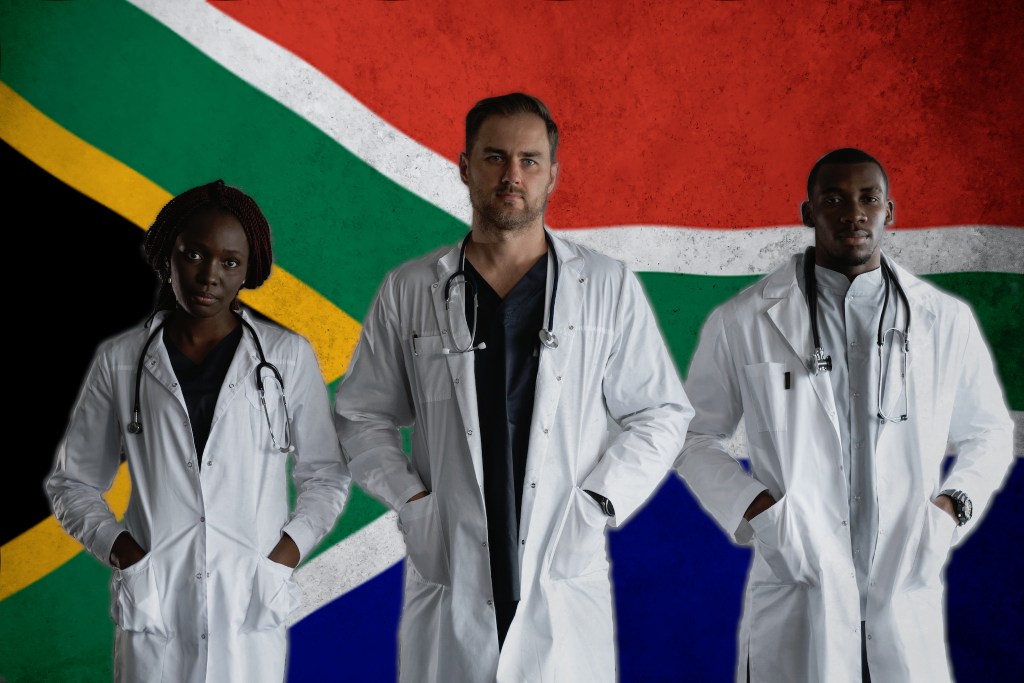
The healthcare industry is in the midst of a digital revolution. We are witnessing a growth in healthcare consumerism, where patients and consumers are more active and engaged, keen to track their own health and are more understanding of their body. Digital therapeutics are emerging and disruptive technologies that overcome the limitations of place, time, and availability of healthcare resources in South Africa.
Digital therapeutics is the key to shifting from reactive healthcare to proactive holistic care. By leveraging technologies such as artificial intelligence/machine learning (AI/ML), augmented reality/virtual reality (AR/VR), m-health applications, and gamified platforms, these software driven intelligent solutions empower patients and healthcare providers with high-quality, safe, and effective data based interventions.
Christo Groenewald, CEO of CompuGroup Medical South Africa, a MedTech company that has spent over 20 years researching and providing tools doctors, dentists and medical professionals worldwide, has identified two key stages during the interaction between a patient and the healthcare professional, where digital platforms can build a more efficient relationship.
STEP ONE: Keeping accurate records
From the first call or appointment, preferably through an online booking system, being able to quickly capture data and access these records saves time and helps gain a deeper understanding of the patient’s experience. This also helps practitioners make informed decisions about the necessary treatment.
Clinical documentation can effortlessly be facilitated through the employment of systems such as SOAP (subjective, objective, assessment, and plan) or SINSS (severity, irritability, nature, stage, and stability) model, further complemented by user-friendly aids for methodical body chart completion.
Should a referral be necessary, the uniformity of the anatomy chart and notes make it easy for colleagues to understand the consulting history and it can be shared with the patient on request or their medical aid.
STEP TWO: Real time imaging
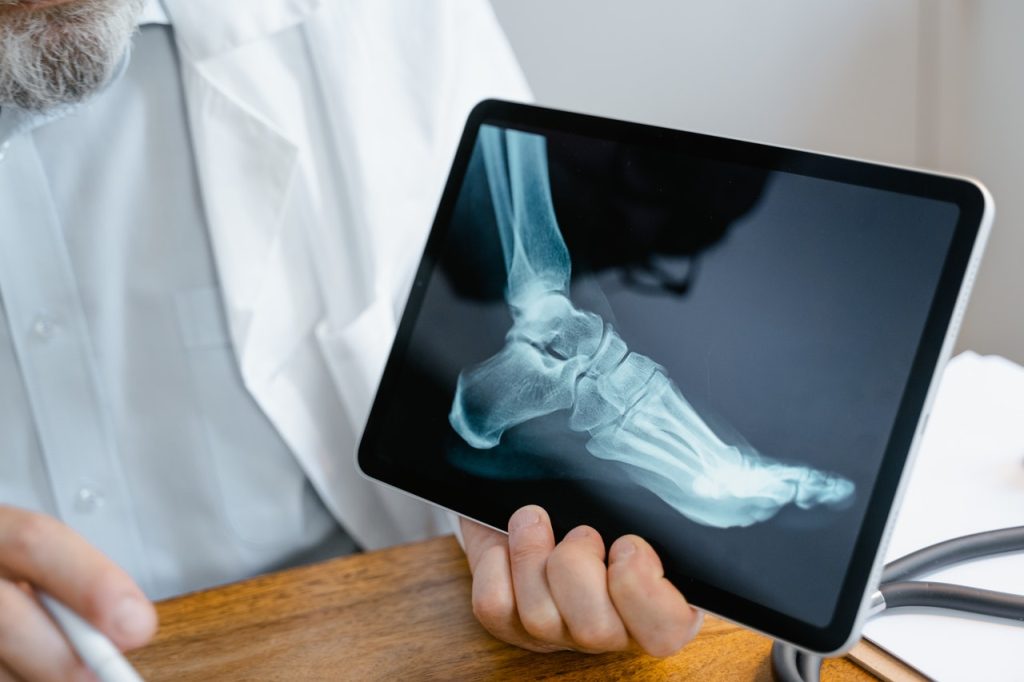
The future of medicine must include integration with diagnostic imaging, which currently often involves multiple departments and hard copies such as x-rays and scans. One digital therapeutics feature that is gaining popularity, especially in sports medicine, is the capacity to visually map pain and musculoskeletal concerns on an interactive 360-degree model of the human body, enhancing diagnostic precision and patient comprehension.
This visual system also helps with virtual consulting, requesting blood work from the labs or writing e-scripts, which is increasingly being done and recorded remotely.
Software programmes, such as Practice Perfect by CGM, are now trusted for their capability to easily capture comprehensive medical and treatment histories right at the point of care. This sleek approach facilitates efficient tracking of patient rehabilitation, fitness progress, and treatment responses. The ability to merge personal and clinical data in real time, paints a portrait of each patient’s physical health, empowering accurate diagnoses, prognosis and subsequent follow-ups.
Constantly evolving
Top multinational MedTech companies have invested heavily in the development and advancement of their platforms so that they can be used to predict and manage a patient’s future health rather than reacting to symptoms. This will help reduce the disease burden and be a cost saving for insurance providers and private and public health sectors and empower patients to take control of their physical wellbeing.
Dr Roberto Beffa, a Cape Town based chiropractor states that “As a loyal customer of CGM for more than a decade, I can confidently say that their Perfect Pair solution has truly helped shape my practice. The seamless integration of clinical notes and billing information in one user-friendly platform has transformed our operations, making the flow from clinical documentation to billing a breeze. Thanks to this efficient system, I can now dedicate more time to what I am truly passionate about – providing exceptional care to my patients”.
For more information about CGM’s Perfect Pair, which is a combination of Practice Perfect plus the powerful billing engine for physical health practitioners, CGM MEDEDI, visit www.cgm.com/za.
Recently, in a major feat for transparency and accountability, the North Gauteng High Court ordered that the public must have access to COVID-19 procurement contracts – details of which, until now, have been kept away from the public eye as the government cited confidentiality clauses.
The Health Justice Initiative’s – who brought the court application – victory is a crucial one given the staggering size of public procurement contracts in the health sector.
According to Zukiswa Kota, South African Programme Head at the Public Service Accountability Monitor (PSAM), this judgement deserves celebrating “as it deepens the case for transparency in public procurement and effectively challenges the many reasons often used to evade publication”. “Ultimately, what we need is proactive disclosure that is built into procurement legislation and – more importantly – is adhered to by government,” said Kota.
“It is inconceivable,” she said, “that in 2023 there continues to be limited transparency around fairly basic info – in this case COVID-19 vaccines. “The fact that there is no explicit transparency is an indictment and something we need to reflect on.”
The need for transparency has also been affirmed in the HJI judgement. “Non-disclosure of any of the records sought means that a shroud of secrecy is placed over the entire negotiation, procurement, and payment process – the very mischief our Constitution and legislation such as Paia seeks to address,” the judgement states. S217 of the Constitution states that public procurement by any state organ must be “in accordance with a system which is fair, equitable, transparent, competitive and cost-effective”.
The case for transparency
The call for open contracting and to strengthen public procurement legislation is not a new one. It is also not confined to COVID-19 vaccines, but all public procurement, also in the health sector.
Dominic Brown, director at the Alternative Information & Development Centre (AIDC), also recently during a webinar on the launch of a report on pending legislative and regulatory changes in the healthcare sector made the case for transparent procurement. The Rural Health Advocacy Project compiled the report that also provides several recommendations for procurement reforms.
“The level of public procurement in the country is approximately 25% of GDP and the majority of government’s involvement in the economy is through this procurement, so it’s no small issue. It’s of extreme significance,” said Brown.
He said that in 2016, the former chief procurement officer in National Treasury estimated that between 30 to 40% of the country’s procurement budget is lost to inflated prices and fraud by the private sector. At the time, this amounted to R230 billion.
“At the moment, our procurement budget is about R1 trillion, which means that we are losing between R300 and R400 billion each year as a result of corruption linked to public procurement and this has major detrimental impacts on service delivery.”
Putting this impact into perspective, especially as it pertains to the health sector, RHAP’s director, Russel Rensburg during the same webinar said that provinces can spend up to 30% of their health budgets on the procurement of goods and services, which can run into billions. “Contrast this with the huge chunk spent on employee costs (often between 60 and 65% of health budgets), and growing inefficiencies and waste due to non-compliance to legislative prescripts – the pool of money remaining for health services is limited,” he said.
“Lack of compliance with financial management policies, particularly around supply chain monitoring policies, has resulted in the deterioration of several financial management indicators. We’ve seen an increase in qualified audit opinions of health departments and an increase in irregular and wasteful expenditure – amounting to R6 billion in the last financial year,” said Rensburg. “Competent financial management is essential to ensuring that maximum value is achieved from the resources deployed.”
The need for this “competent financial management” in the public sector was highlighted again last week when the Gauteng Department of Health’s Annual Report for 2022/23 was tabled in the provincial legislature. The report showed irregular expenditure to the value of over R2 billion, which means legislative prescripts were not followed in the procurement of goods and services, among others. In the Auditor-General’s (AG) report, she flagged the irregular expenditure stating that there were no effective and appropriate steps taken to prevent it. “The majority of this irregular expenditure,” the AG stated, “was caused by the department’s failure to invite competitive bids” when procuring goods and services.
Legislative reforms and procurement
Currently, in Parliament’s National Assembly, MPs are set to deliberate on the Public Procurement Bill. The bill provides for far-reaching reforms in public procurement. In Parliament’s National Council of Provinces, deliberations on the National Health Insurance Bill are underway. This bill also provides for far-reaching reforms to how health services will be structured and funded.
Both pieces of legislation have major implications for procurement in the health sector.
Yet, with these legislative reforms underway in Parliament, some stakeholders say that neither bill in its current form, will be a silver bullet to address all shortcomings in public procurement in the health sector. Questions also remain if these bills will ultimately result in real consequences for errant public officials in supply chain management or overreaching political office bearers.
Added to this is the overlap between provisions in the two bills, several provisions that lack clarity, and some areas of conflict between the bills that may lead to confusion down the line.
The case for alignment between the bills
The Public Procurement Bill aims to standardise and create a uniform regulatory framework for all procurement by government departments and entities. The NHI Bill, in turn, if passed will transform how publicly-funded health services are organised and delivered. The bill provides for a NHI Fund that will “strategically purchase healthcare services on behalf of users”.
Rensburg explains this fund must transfer funds directly to accredited and contracted central, provincial, regional, specialised and district hospitals based on a global budget or Diagnosis-related Groups. The bill also provides for an Office of Health Products Procurement (OHPP), he said, but the exact scope of this office’s mandate is not yet clear.
According to the bill, this office (OHPP) will be responsible for “the centralised facilitation and coordination of functions related to the public procurement of health-related products”.
According to Yana van Leeve, from the law firm ENSafrica, the NHI fund will be a S3A public entity so the procurement bill will apply to that entity. S3A public entities under the Public Finance Management Act can be defined as a public entity with the mandate to fulfil a specific economic or social responsibility of government and they depend on government funding and public money.
Van Leeve was also a panellist during the RHAP webinar.
She explained that section 217 of the Constitution will also apply to this process of acquiring services because the NHI Fund will be engaging in public procurement when it engages healthcare service providers and health establishments in both the public and private sectors. Van Leeve said that it is not clear in the NHI Bill, however, that “there is an appreciation that this dimension of the scheme will amount to formal procurement and will thus be subject to normal procurement law”. “The implication would then be that one of the prescribed forms of procurement, for example, quotations or open bidding must be used to secure the services of these health service providers.” According to her, the NHI Bill, however, creates the impression that there is a different type of arrangement to be considered for the acquiring of such services. In section 39 of the NHI Bill, for example, accreditation of health service providers is required.
The procurement bill, in turn, provides for a Public Procurement Office that must create and maintain a database of prospective suppliers. Departments or other public entities may only procure from suppliers listed in this database. This may result in some practical problems as the requirements to be added to the existing central supplier database of National Treasury may differ from what the NHI Bill requires from suppliers. For example, to get on the database, National Treasury may consider a legitimate entity as one with a valid tax certificate, but, said van Leeve, “If you are procuring health products, for example, you may need other things to accredit a potential supplier, which treasury does not necessarily look at when it builds its database”.
“So, immediately you can see there will be tension between what the NHI envisage for creating its services and products lists versus what the public procurement office will develop in terms of the national supplier database. So, on the one hand, NHI is creating a special procurement system for health and providing for units and committees that will be responsible for identifying health services and buying health products and it’s not clear how these two pieces of legislation are going to interact.”
Van Leeve did say, however, that it is possible that the Minister of Finance “can differentiate between institutions and categories of procurement, but nothing in the procurement bill currently requires the minister to do so and there is no guidance on the considerations relevant to differentiating between categories of public institutions”.
She said it is possible for the bill to still make clear provision for the minister to make exemptions from the procurement bill. Currently, section 56(b) of the bill, for example, only provides – “the Minister may, with or without conditions, by notice in the Gazette, exempt a procuring institution from any provision of this Act, if— (a) national security could reasonably be expected to be compromised, or (b) the procurement is to be funded partially or in full by donor or grant funding and such exemption will benefit the public in general or a section of the public”.
But van Leeve insists that one way or the other, “It will be important – certainly in the way in which the NHI and procurement bills become operationalised for there to be comity between the bills.”
The RHAP report also recommends that “the relationship between health authorities and the public procurement structures proposed in the draft Public Procurement Bill must be clarified. The Public Procurement Bill makes no specific reference to health procurement as a special type of public procurement. At the same time, the NHI Bill contemplates a very particular regime in respect of health procurement. These two draft Bills will have to be aligned.”
According to the report, “the tension between the decentralised nature of public finance management in South Africa under the PFMA and Municipal Finance Management Act on the one hand and the highly centralised nature of public health services spending under the proposed NHI on the other hand, will have to be addressed”.
The shadow of politics
There are also other considerations besides overlapping provisions in the two bills – the shadow of politics through the blurring of the administrative and political interface often becomes a problem.
Rensburg highlighted, among others, it is still not clear how compliance with procurement policies will be audited and how often, or what the different sanctions will be for those not complying. “We see, especially with emergency procurement, that managing procurement functions is open to a lot of different kinds of pressures, he said. “The procurement bill does create frameworks for public office bearers to not be involved in the procurement process and for subject matter experts to be involved in procurement decisions, but there are a lot of things happening in the shadow that you can’t explicitly link to involvement of political principles in administrative processes,” said Rensburg.
“There is an added complexity,” Brown said, “when you hear, for example, of ANC tender committees, or when there is a tender chairperson who then can determine who gets and doesn’t get various contracts. This is deeply rooted in the state – from local government all the way up to national level, and across state-owned enterprises.”
Case in point, in the public health sector, the Digital Vibes scandal epitomised this “complexity” when then-Minister of Health, Dr Zweli Mkhize was implicated in tender irregularities and subsequently resigned.
Another criticism of the Public Procurement Bill is that it leaves a lot, arguably too much, of the detail of how procurement will actually work up to regulation rather than setting it down in primary legislation. This, suggested Caroline James and Sam Sole in a recent Daily Maverick article, leaves the door open to political interference.
Corruption Watch’s executive director, Karam Singh, during a different webinar in August on the procurement bill by the Special Interest Group on Public Procurement Law, also flagged some gaps in the definitions in the procurement bill, especially around issues like conflicts of interest and politically exposed persons.
In terms of chapter three of the procurement bill that deals with procurement integrity and prohibition of certain practices and debarment, anybody who is involved in the procurement process – that is from the accounting officer, bid committee, or tribunal – must comply with the prescribed code of conduct, failing which will constitute misconduct. According to Singh, however, the bill falls short of stipulating who must issue the code of conduct, how it would be updated, and where it would work, as well as where or when it must be made available. “There is very little detail on how misconduct would be handled,” he said, “and so there is a gap between understanding what this code of conduct would be, how it would come about and if it will be presented for public participation and public comment.” He said it is also unclear what would be the enforcement mechanism which would stand behind the code of conduct to make it effective.
Responding to concerns over tender corruption risks
In June this year, during a briefing by Dr Nicholas Crisp, Deputy Director-General in the National Health Department on the NHI Bill to MPs in the NCOP, concerns were flagged over the risk of tender corruption in the NHI Fund. Later, in August during a briefing to MPLs in the Western Cape provincial legislature, the same concerns were raised.
At every point, Crisp insisted, “The NHI Fund will handle very little by way of tender. The accreditation is not a tender process. It’s voluntary registration by a service provider – public or private – as long as they meet the criteria. The prices will be fixed and the way services are delivered will be fixed when it comes to the procurement.”
According to Crisp, when it comes to the procurement processes for goods, particularly health products, the NHI Fund is only involved in the first stage. “The Fund would not go about the logistics of purchasing anything. The providers needed to purchase once those prices were set. There was far less vulnerability in the Fund than first thought when one looked at the Bill,” he said.
Spotlight followed up with Crisp for further clarification in lieu of the RHAP report and the implications of the procurement bill for the NHI Bill. Crisp said, that according to the NHI Bill, the Fund will determine the Formulary that it will pay for and will establish the prices of the items in the Formulary. “It is the intention that the NHI agency will not buy any ‘health products’ and will not have storerooms and warehouses since the agency (the NHI Fund) is not a provider of services. The providers will buy what they need to deliver the benefits that they are accredited to provide. Accredited providers (public and private) will buy at the approved NHI prices and this is how the health department works now,” he said. “The provincial health departments do the buying and storing, etc.”
He stressed that the Fund will not go on tender for healthcare providers. “The bill in s39 says that providers will be accredited and all accredited providers will be paid for the benefits that they deliver. So, it is intended to not be exclusionary.”
On the implications of the Public Procurement Bill for the NHI Bill, he told Spotlight the department is still studying the procurement bill and these issues (as raised in the RHAP report and through various stakeholders) are being considered. He also noted that according to the NHI Bill, “If any other law, except the Constitution or PFMA, conflicts with the NHI Bill then the NHI bill prevails. But we will want to engage with the intentions, merits, and any potential challenges with Treasury,” he said.
Have your say
Members of the public have until 15 September to make written submissions on the version of the NHI Bill currently before the NCOP. Meanwhile, National Treasury this week briefed MPs in the Standing Committee on Finance on the Public Procurement Bill. The deadline for written submissions is 11 September.
South African non-profit company, the SA Heart Association’s renowned annual congress will be taking place this year at the Sandton Convention Centre in Johannesburg from 27 – 29 October and will feature unique, hands-on training sessions by some of the world’s leading cardiologists.
The congress, a key event on this year’s health calendar and eponymously dubbed the ‘Cardiac Collaboration’, will boast joint symposia in highly specialised fields such as cardiac anaesthesiology, endocrinology, critical and emergency care, sports medicine, and radiology, to name a few. The aim is to develop future collaboration with other academic societies and create a footprint for cardiologists to work in tandem with them and other special interest groups.
Speaking ahead of the annual congress, unlike any of the 22 preceding events, Cardiologist, Congress Convenor and Wits University lecturer, Dr Farouk Mamdoo, says several internationally renowned cardiologists and opinion leaders, local and global, will hold ‘Training Villages’ offering valuable, hands-on training to delegates. These will be held at times separate to the overarching congress presentations and spread across the three congress days, allowing delegates the chance to interact with international masters, some of whom will be using state-of-the art devices and equipment in these personalised training sessions.
The congress has sparked global interest and attendance is considered essential among cardiologists and related disciplines wanting to update their knowledge and take advantage of the unique collaborative gathering that will have far reaching future clinical and research implications.
The organizers have also taken the stellar expert input one step further. The trend-setting cardiologists will conduct roadshows at major hospitals around the country, both before and after the congress, giving local colleagues an unprecedented opportunity to work on patients with them, whether it be through consultations or surgical procedures. The roadshows will also provide continuity for delegates who attend the Training Villages at the Sandton congress.
Says Mamdoo: “Normally special devices, simulators and equipment are statically displayed on exhibition stands in the conference hall. However, at this year’s congress, delegates will be able to see them being used in real time – some of which this country hasn’t even seen before.”
Mamdoo says additional pre-congress workshops will consist of didactic and practical lectures about hands-on procedures, with ‘tips, tricks and advice,’ and case studies presented. Echocardiography, electrophysiology, paediatric cardiology, and cardiology for non-cardiologists will be among the fields embraced.
“The Training Villages will each have their own agenda with specific key learning topics and a timetable. Delegates can access these via the conference program on our website – and find out where the experts will be during the roadshow,” says Mamdoo.
Some of the top global names in cardiology, many of them local, that will be attending, presenting, and leading workshops at the congress, include: Professor Mark Petri,Cardiologist at the Institute of Cardiovascular and Medical Sciences at the University of Glasgow; Professor Javed Butler, Patrick H. Lehan Chair in Cardiovascular Research and Chairman of the Department of Medicine at the University of Mississippi; Professor Renato Lopes, Department of Medicine within the Division of Cardiology at Duke University Medical Centre, North Carolina; Dr Seth Worley, Electrophysiology and Interventional Implants, Medstar Heart Vascular Institute in Washinton DC; Dr George McDaniel,Paediatric and Adult Congenital Electrophysiologist, UVA Children’s, Virginia; and Professor Jeroen Bax, Leiden University, Netherlands; Non-invasive imaging.
Among the most cutting-edge developments to be presented will be breakthroughs in heart failure therapy, new ways of treating complex coronary disease plus advances in the latest techniques, technology, and diagnostic tools – and the evidence to support their use.
Local experts presenting at the congress – many of whom are globally recognized – include: Professor Karen Sliwa, clinician-scientist and Director of the Hatter Institute for Cardiovascular Research in Africa at the University of Cape Town (Managing cardio vascular risk factors during pregnancy); Dr Brian Allwood, Consultant Pulmonologist at Stellenbosch University and Tygerberg Hospital, where he has been responsible for expanding the pulmonary hypertension service and starting the first dedicated post-tuberculosis clinic in the country (Idiopathic pulmonary hypertension); Mpiko Ntsekhe, Cardiology Head of Department at Groote Schuur Hospital (HIV and cardiovascular disease – an update); and Fathima Paruk, Academic and Clinical Head of the Department of Critical Care at the University of Pretoria and Steve Biko Academic Hospital (Navigating social media as a clinician). Case-based plenaries will be a feature of the conference while cardiac Fellows will present their work in separate sessions with prestigious awards for the best abstract and oral presentations, plus a Henley Business School award sponsored by medical scheme, Discovery Health.
Cardiologists from the public sector, particularly registrars, are likely to find the conference particularly rewarding as few will have had the opportunity to work with much of the newer equipment that will be present – or interact with globally recognized expert’s face to face.
Says Mamdoo: “We look forward to hosting this exciting, world-class event with a jam-packed agenda and interacting with each other, celebrating our achievements and collaborating in an inclusive and diverse space with welcome encouragement from our learned peers – and fresh talent from across our beautiful country.”
To view the full congress agenda, access further information and book your place, visit: www.saheartcongress.org
Both the Khoi and the San believed in a mythical animal, resembling a cow, whose horns were thought to have medicinal attributes. This centuries-old medicine horn contained herbal remedies used by the Khoi-san. Credit: Rodger Smith
By Zelna Booth
Traditional medicines are part of the cultural heritage of many Africans. About 80% of the African continent’s population use these medicines for healthcare.
Other reasons include affordability, accessibility, patient dissatisfaction with conventional medicine, and the common misconception that “natural” is “safe”.
The growing recognition of traditional medicine resulted in the first World Health Organization global summit on the topic, in August 2023, with the theme “Health and Wellbeing for All”.
Traditional medicines are widely used in South Africa, with up to 60% of South Africans estimated to be reliant on traditional medicine as a primary source of healthcare.
Conventional South African healthcare facilities struggle to cope with extremely high patient numbers. The failure to meet the basic standards of healthcare, with increasing morbidity and mortality rates, poses a threat to the South African economy.
In my opinion, as a qualified pharmacist and academic with a research focus on traditional medicinal plant use in South Africa, integrating traditional medicine practices into modern healthcare systems can harness centuries of indigenous knowledge, increasing treatment options and provide better healthcare.
Recognition of traditional medicine as an alternative or joint source of healthcare to that of standard, conventional medicine has proven challenging. This is due to the absence of scientific research establishing and documenting the safety and effectiveness of traditional medicines, along with the lack of regulatory controls.
What are traditional medicines?
Traditional medicine encompasses a number of healthcare practices aimed at either preventing or treating acute or chronic complaints through the application of indigenous knowledge, beliefs and approaches. It incorporates the use of plant, animal and mineral-based products. Plant-derived products form the majority of treatment regimens.
Traditional medicine practices also have a place in ritualistic activities and communicating with ancestors.
South Africa is rich in indigenous medicinal fauna and flora, with about 2000 species of plants traded for medicinal purposes. In South Africa the provinces of KwaZulu-Natal, Gauteng, Eastern Cape, Mpumalanga and Limpopo are trading “hotspots”. The harvested plants are most often sold at traditional medicine muthi markets.
Uses of medicinal plants
Medicinal plants most popularly traded in South Africa include buchu, bitter aloe, African wormwood, honeybush, devil’s claw, hoodia, African potato, fever tea, African geranium, African ginger, cancer bush, pepperbark tree, milk bush and the very commonly consumed South African beverage, rooibos tea.
The most commonly traded medicinal plants in South Africa are listed below along with their traditional uses:
Cancer bush – Respiratory tract infections; menstrual pain.
Pepperbark tree – Respiratory tract infections; sexually transmitted infections.
Milk bush – Pain; ulcers; skin conditions.
Rooibos – Inflammation; high cholesterol; high blood pressure.
There are many ways in which traditional medicine may be used. It can be a drop in the eye or the ear, a poultice applied to the skin, a boiled preparation for inhalation or a tea brewed for oral administration.
Roots, bulbs and bark are used most often, and leaves less frequently. Roots are available throughout the year. There’s also a belief that the roots have the strongest concentration of “medicine”. Harvesting of the roots, however, poses concerns about the conservation of these medicinal plants. The South African government, with the draft policy on African traditional medicine Notice 906 of 2008 outlines considerations aimed at ensuring the conservation of these plants through counteracting unsustainable harvesting practises.
Obstacles to traditional medicine use
The limited research investigating interactions posed should a patient be making use of both traditional and conventional medicine is a concern.
During the COVID-19 pandemic, many patients used traditional remedies for the prevention of infection or treatment.
Understanding which traditional medicines are being used and how, their therapeutic effects in the human body, and how they interact with conventional medicines, would help determine safety of their combined use.
Certain combinations may have advantageous interactions, increasing the efficacy or potency of the medicines and allowing for reduced dosages, thereby reducing potential toxicity. These combinations could assist in the development of new pharmaceutical formulations.
Key role players from both systems of healthcare need to be able to share information freely.
The need for policy development is key. Both conventional and traditional medicine practitioners would need to be aware of and engage with patients on all the medicines they are taking.
Understanding the whole patient
Patients often seek treatment from both conventional and traditional sources, which can lead to side effects or duplication in medications.
A comprehensive understanding of a patient’s health profile makes care easier.
This could also prevent treatment failures, promote patient safety, prevent adverse interactions and minimise risks.
A harmonious healthcare landscape would combine the strengths of both systems to provide better healthcare for all.
Zelna Booth, Pharmacist and Academic Lecturer (Pharmacy Practice Division, Department of Pharmacy and Pharmacology, University of the Witwatersrand), University of the Witwatersrand
This article is republished from The Conversation under a Creative Commons license.
The furore over claims of fraudulent account manipulation happening at Mediclinic hospitals continues to grow, as the initial whistleblower responded to a challenge for more information by providing a detailed list of of starting points for investigators, according to Daily Maverick.
Widely reported in media outlets such as News24, Radio 702, and eNCA, the initial email alleged that hospital codes were being altered to ones which drew higher remunerations from medical aid schemes and therefore which financially benefitted the hospitals. They further claimed that no action was being taken against employees who were engaging in this practice, which was supposedly happening at six hospitals.
The Council for Medical Schemes noted that hospital charges to beneficiaries had increased by nearly 19% from R7039.74 in 2020 to R8346.40. Just over 92% of the total hospital expenditure was paid to private hospitals.
Greg van Wyk, CEO of Mediclinic Southern Africa, was also emailed among the initial recipients. He responded swiftly, writing in a reply to all the cc’d recipients last week that Mediclinic had appointed Steven Powell, head of law firm ENSafrica’s forensics practice, to head its independent audit.
The Mediclinic CEO also challenged the anonymous whistleblower to come forward and reveal themselves, the whistle-blower then responded with an email cc’d to medical schemes and the media. The email contained extensive of details of the alleged fraud – plenty of information for investigators to get started with.
The whistle-blower told News24 that, for example, “When a patient died in a hospital emergency room, sometimes Mediclinic case managers were expected to change their accounts to reflect an ICU death instead. This is because of the fixed fees associated with emergency room deaths, which are lower than ICU-related fees.”
I walked into a store in Cape Town and I bought a gram of cannabis for R100. With GroundUp’s money. I had my editor’s consent.
The store was small, dimly lit, and lined with a variety of cannabis products in glass jars.
On the table was a stack of medical forms used by a doctor to prescribe cannabis to people for health reasons.
I did not have a doctor’s note. So I complimented the salesman on his luscious black curls. I think it worked because he became very chatty. Let’s call him Bob.
We discussed how the store works and the current laws. He said they’re working in a “grey area”.
There are two ways the store sells cannabis to people, Bob explained.
Method one: the membership system. Bob said that members pay a monthly fee and receive a certain amount of cannabis over a month. He says this gets around the legal problem, which is, he says, that “buying and selling” are not allowed. With the membership system, Bob said, you’re not doing either.
Method two: the medical method. The store uses section 21 of the Medicines Act to facilitate medical sales.
Bob said he was keen for the store to use the medical route for customers during the day and to run a club in the evenings where members come and smoke in a chilled environment.
I explained to Bob that I get quite anxious when I smoke. I can hear myself think with an echo of my thoughts swirling in my brain. (Boring truth be told, I haven’t smoked cannabis in years, and I didn’t smoke what I bought either. I won’t reveal who did.) Bob recommended a specific cannabis for me.
I asked him if he could recommend a doctor so I could get a prescription. Laughing, he said that he was a doctor. I think he was only half-joking, because it seemed like we then used method two: the medical route. He took out a scale and some bright green cannabis. He weighed it, and sold me 1 gram of OG Kush for R100.
Nope, that’s not how the law works
Was Ashraf’s transaction legal? No, according to a lawyer with expertise in the cannabis industry whom we spoke to.
First, the lawyer explained, cannabis can only be produced in a facility licensed by the South African Health Products Regulatory Authority (SAHPRA). It’s unlikely that the store obtained its cannabis from such a licensed facility. In fact there is a view that even weighing out a small amount of weed from a bag obtained from a licensed cultivator, and then packaging it, is manufacturing.
Second, if Section 21 of the Medicines Act is to be used, the sale of the cannabis can only take place after the doctor has prescribed it and SAHPRA has authorised the sale of weed to that particular patient. (Ashraf didn’t even give Bob his name.)
Even if these two conditions are met, no sale of cannabis to a patient can take place outside of a retail or community pharmacy.
There’s nothing unique about Ashraf’s experience. Dozens of stores across the country are selling cannabis using the same approach. We got the impression that in Durban there isn’t even a pretence of trying to be legal as there is in some of the Cape Town and Johannesburg stores. Our experience in Durban is that you can pretty much walk into stores and simply buy cannabis over the counter without any fuss.
How it got this way
South Africa’s cannabis sector is in limbo five years after the Constitutional Court ruled that cultivation and possession of the plant for private use is legal.
In 1997, Gareth Prince, a practising Rastafarian, applied to the Law Society of the Cape of Good Hope to be admitted as an attorney. The Society rejected his application because he had two criminal convictions for possession of cannabis and he continued to smoke cannabis. Prince argued that the use of cannabis was part of his religion, and that the Law Society’s decision violated his right to religious freedom.
Prince took the decision to court in 1998. But the High Court, Supreme Court of Appeal and Constitutional Court ruled in favour of the Law Society. The Constitutional Court’s 2002 decision was close: five versus four.
After the Constitutional Court’s judgment, Prince and two cannabis activists – Jeremy Acton and Jonathan Ruben – approached the courts again. Instead of focussing solely on religious freedom, their applications challenged provisions of the Drugs Act and Medicines Act that criminalised the use of cannabis on the basis that these provisions violated the right to privacy in section 14 of the Constitution. As these challenges were related, the High Court consolidated the cases.
In 2017, the Western Cape High Court declared the provisions in the Drugs Act and Medicines Act that criminalise private adult use of cannabis unconstitutional. This decision was upheld by the Constitutional Court in 2018. This judgment has become known as Prince 3. But the Constitutional Court did not confirm the High Court order that decriminalised the dealing of cannabis. Parliament was given 24 months to deal with the offending legislation.
In the event that Parliament didn’t fix things within the two-year deadline, the court ruled that its reading-in remedy (which permits the narrow exception for personal use) would become permanent, at least until Parliament amended the law.
Five years later, the slow pace of drafting legislation following the Prince 3 judgment has resulted in a proliferation of businesses using “grey areas” in the wording.
“People are looking for gaps, so these so-called dispensaries are stepping into the market claiming to sell something legal,” explained Andy Gray, chair of the Cannabis Working Group at SAHPRA and a pharmacy lecturer at the University of KwaZulu Natal (UKZN).
Substances that you can ingest are scheduled by SAHPRA from 0 to 8. A schedule 0 substance has very few controls; anyone can sell it without any licence required. At the other end of the scale, a schedule 8 substance is very strictly controlled, it may have some medicinal benefits but also has extremely high potential for abuse. Medical practitioners have to get special permission from SAHRPA for use and prescription of any of these substances.
After the Constitutional Court ruling, SAHPRA lowered the schedules of some of the substances found in cannabis. Low doses of Cannabidiol (CBD), a component of cannabis that isn’t psychoactive, were lowered to schedule 0 in complementary medicine products. But it is unclear if CBD in products such as drinks and gummies, with their varying dosages, manufacturing processes and contents – found in nearly every major shopping outlet – qualify as “complementary medicines”.
Tetrahydrocannabinol (THC), the key psychoactive component of cannabis, was lowered from schedule 7 to schedule 6. But schedule 6 substances are still highly restricted: According to SAHPRA these are medical substances that have “a moderate to high potential for abuse” which necessitates strict control and management of supply, including restrictions on repeat prescriptions and a supply limit of 30 days’ worth.
Danmari Duguid is head of the cannabis department at Schindlers Attorneys who represented Julian Stobbs and Myrtle Clarke, intervening parties in the 2018 Constitutional Court case, Prince 3. She says that the only way you can legally buy cannabis containing THC is through the medical route. This is done using section 21 of the Medicines Act.
Why section 21 of the Medicines Act is important
In a nutshell, this clause is a way for people with particular needs to legally obtain medicines that have not been registered by SAHPRA, but contain scheduled substances. For example, patients with serious cases of lung or skin cancer use Section 21 authorisation to access a medication called nivolumab (branded as Opdivo). SAHPRA has registered a lung and skin cancer medicine called pembrolizumab (branded as Keytruda) but this may not work with every patient.
In the 2000s, the Treatment Action Campaign (TAC) famously imported a generic version of a drug called fluconazole to treat an illness that particularly affects people with advanced HIV disease. A patented version of the medicine was available in the country but it was extremely expensive. The much more affordable version of the medicine that the TAC imported was not registered in South Africa, so the then Medicines Control Council allowed a doctor working with the TAC to import the medicine for patients using section 21 of the Medicines Act.
But section 21 authorisations are far from a straightforward legal route to using cannabis as explained above.
Hardly any of the cannabis retailers that claim to use the section 21 process are adhering to what’s legally required. It is in theory possible but in practice very hard for small cannabis retailers to do so.
Also, the Cannabis for Private Purposes Bill, currently before Parliament, does not provide for a recreational or adult market.
Gray told GroundUp that he fears people who want to buy and sell recreational cannabis in private will continue to abuse the medical route.
This happened in California in the United States, where the state legalised cannabis through the medicinal route and this led to extensive abuse of the process by patients, doctors and retailers.
The most direct way to combat this abuse is through the introduction of an adult use market, said Gray. This would mean cannabis products would be highly regulated and taxed, similar to alcohol and tobacco. This model could include the “legacy” or “peasant cultivators” who grow cannabis in rural parts of the country, and cannot meet the strict conditions for growing medical grade cannabis, said Gray.
Duguid agrees that the adult use model would work best for the legalisation of recreational cannabis sale and use in the future.
“At the moment you are allowed to brew beer for your own consumption, similar to how you are now allowed to grow cannabis for your own consumption after the 2018 judgement; but the moment you want to retail the product you should need a licence like you do to sell alcohol. This would ensure you meet certain safety standards,” said Duguid.
The Department of Agriculture and Land Reform and the Presidency recently hosted the Phakisa Action Lab in June 2023, which brought together 130 representatives of government and business, religious leaders and legal experts to discuss the legalisation of cannabis and hemp.
The final report from Phakisa emphasised that the government is taking a “science-based and human rights approach” approach to creating and regulating an adult use market, but that the “supply and trade of cannabis to consumers remains illegal”.
The report suggests adding a clause to the Cannabis for Private Purposes Bill which would remove cannabis from the Drugs Act “subject to parliamentary process and approval”.
The report highlights that adult use legalisation must include “the existing historical cultivation of cannabis by indigenous communities and black rural farmers”.
But it does not provide a timeline for doing this.
The Day Hospital Association of South Africa (DHASA) has joined the Hospital Association of South Africa (HASA), the representative organisation of private hospital groups in the country, including Netcare, Mediclinic, Life Healthcare, Lenmed, Joint Medical Holdings, and a range of leading facilities across the country like Zuid-Afrikaans Hospital and Arwyp Medical Centre.
Among the Day Hospital Association of South Africa members are the Advanced Health chain, Cure Day Hospitals, and various leading treatment facilities situated nationwide.
According to HASA Chief Executive Officer Dr Dumisani Bomela, DHASA perspectives on healthcare reform issues, like the National Health Insurance, will contribute to a rich healthcare reform discussion.
He says, “Through HASA, the Day Hospital Association can provide additional critical perspectives that we believe are required in the collaborative approach that we are engaging in with Government to build a strong and accessible healthcare system for all in South Africa. We completely believe that the excellent leadership of DHASA will make full use of their membership in HASA to make their important contribution.”
The Chairman of the Day Hospital Association of South Africa, Raymond Foster, says “We are excited to be associated with HASA. We are confident that HASA will meet the expectations of our members.”
Bada Pharasi, CEO of The Innovative Pharmaceutical Association of South Africa (IPASA)
Lessons from the COVID-19 pandemic have underlined the importance of continued investment into pharmaceutical innovation and R&D to not only bring life-saving medications to those in need, but to improve public health outcomes, writes Bada Pharasi, CEO of The Innovative Pharmaceutical Association of South Africa (IPASA).
From treatments for cancer, cardiovascular diseases and more recently, the COVID-19 vaccine, the pharmaceutical industry has made significant progress in the development of over 470 medications in the last 10 years alone.1
While the innovative pharmaceutical process typically takes between 10 and 15 years from discovery to regulatory approval2 – owing to factors including immense R&D costs, regulatory compliance, and the protection of patents3 – the fast-tracked development and approval of COVID-19 vaccines laid bare the need for pharmaceutical companies to be prepared to mitigate the risk of future outbreaks – and this means continued investment in innovation and R&D.
The pandemic underlined the need for countries to be prepared for outbreaks on the horizon. To ensure we can meet the next challenge, pharmaceutical innovations must match the pace at which diseases mutate. This kind of innovation is non-negotiable and requires continued investment as a safeguard against losing lives and endangering South Africa’s fragile healthcare system.
As we are in the midst of a cholera epidemic, as well as the recent measles outbreak,4 it’s important to continue driving innovation to treat diseases, with medicines developed by innovative pharmaceutical companies benefiting millions across the country every day.
This is evidenced by mortality rates for HIV/AIDS and TB in the country falling by 59.2% and 55.7% between 2007 and 2017, with at least 60 new medicines currently in the R&D pipeline to treat TB.5
While patents in pharmaceutical innovation protect the originators’ intellectual property, it is important that innovative medications be developed to ensure a continuous pipeline of access to generics once the patent has lost its exclusivity. This will drive consumer accessibility and affordability of life-saving treatments and medications that may otherwise be unattainable for many.
As we continue racing against the proverbial clock in protecting against current and future diseases, pharmaceutical companies should continue to invest in innovation and R&D to outsmart existing dreaded diseases, and provide agility and preparedness should the next unknown pandemic threaten. Our health, and lives, depend on it.
Dr Mark Blaylock, medical manager at Manguzi Hospital. PHOTO: Supplied.
By Sue Segar for Spotlight
There was a time, about 20 years ago, when, at the Manguzi district hospital in Northern KwaZulu-Natal, (and, of course, at hospitals throughout South Africa too) mothers and their babies were dying of AIDS at shockingly high rates.
“We used to get these patients who were slow progressors,” Mark Blaylock, medical manager at Manguzi, tells Spotlight. “Then there were the rapid progressors – babies who were HIV-positive who would get sick very quickly. There wasn’t much we could do for them. We’d give them vitamins and Bactrim, but ultimately they died. Then we had the ones who got sick a bit later, and those were even worse because now mum has had this baby for five years and they’ve bonded, and are a little family and now they are coming in with AIDS. Obviously, a huge number of mums died too. It was heartbreaking.
“It was the pregnancies that knocked their vulnerable immune systems. We’d watch it over and over again. The mums would come in looking ok and then they’d get pregnant and just go downhill. This was in the pre-ARV era. Pregnancy was a death sentence. I think people have forgotten what it was like in those days.”
Blaylock is talking to Spotlight from Northern KwaZulu-Natal, relaying how things have changed for the better since that terrible era. “It’s quite astounding,” he says. Blaylock returned to the hospital ten years ago after having been away for four.
“I was going through the stats recently, and in those days, 40 percent of all mothers who delivered were HIV positive, and about 40 percent of those babies born to HIV- positive mothers ended up with HIV either from birth or breastfeeding. About 20 percent would pick up HIV at birth and another 20 percent would pick it up subsequently through breastfeeding.
“These days, if we have one baby who is delivered HIV-positive or who picks up HIV, we get really upset. Our six-month HIV-positive rate now for babies is less than 0.6 percent and that is a dramatic change. It makes me so happy. Unfortunately, the young girls are still positive, but at least their babies are not becoming positive.”
Blaylock puts the changes down, “purely”, to prevention of mother-to-child transmission (PMCT) using antiretroviral therapy (ART). “Remember how, at one stage, we only gave HIV treatment if a patient was below a certain CD4 count? That was changed to test-and-treat, so regardless of their CD4 count, patients will get HIV treatment which brings the viral load down dramatically,” he says. “And now we have dolutegravir (an ARV), which is the backbone of our current HIV treatment. The success is due to prevention of mother-to-child transmission (PMTC) as well as the test-and-treat policy.”
‘A mixed bag’
It’s Sunday, a day off for Blaylock, and he’s speaking from a place with the best reception near his house on the edge of the Shengeza Lake. He lives here with his wife, Liz and their 13-year-old home-schooled daughter, Una. The sound of birds in the background makes it hard to hear him on the call. “It’s peaceful. There are hippos all around and lots of birds. It’s Eskom-free, which is even better. I love it. We live with three dogs, three cats, a genet, and I can’t tell you how many snakes. It’s paradise.”
It’s taken a long time to clinch this interview, but Blaylock has finally relented and forwarded us the provincial health department’s media protocol he has to adhere to. On problems in KwaZulu-Natal’s health system, he is reticent, saying only that it’s a “mixed bag”. “There’s a lot of dead wood, but there are real areas of excellence,” he says.
His reticence is understandable.
There was a time, also about 15 years ago, amidst the noise and turmoil of the last few years of state-backed AIDS denialism, when Blaylock was going through his own personal trauma. In April 2008, whilst working as chief medical officer at Manguzi, he was suspended for throwing an official photograph of then-Health MEC Peggy Nkonyeni into a dustbin in the hospital’s foyer. He did this out of anger and frustration, after his colleague at the hospital, Colin Pfaff was charged with misconduct for sourcing funding for antiretroviral drugs for pregnant women, and for implementing dual antiretroviral therapy to save babies from HIV – because politicians were not doing so.
He was also furious about comments made by Nkonyeni, questioning the integrity of rural doctors and suggesting they were racist. The South African National AIDS Council soon after asked the Human Rights Commission to probe the ‘racial tone’ of Nkonyeni’s remarks and to curb her ‘harassment’ of Manguzi doctors.
At the time, Blaylock (and Pfaff) were hailed by many working in the health sector as heroes with a deep commitment to their patients. In a letter to the provincial health department at the time, Blaylock said he had given his “heart and soul” to the under-resourced hospital, going beyond the call of duty.
Needing a change
Blaylock was reinstated but, in December 2008, he decided to leave, saying he needed a change and because the KwaZulu-Natal Department of Health was in “absolute disarray”. He says his old colleague Pfaff went to work as a missionary doctor in Malawi.
There was more to Blaylock’s decision to leave Manguzi than just the public disagreement with Nkonyeni. In our interview, he describes those days as “a really tough decade”. “Working in paediatrics, as I did for my first couple of years at Manguzi, I couldn’t take it anymore, emotionally. I just couldn’t do it, so I taught myself surgery. That was easier, as you could fix people. We were also so broken from losing so many friends, colleagues, and patients from HIV at the time. It was definitely traumatising and emotionally exhausting, not just for me but for Liz.
“There’s no doubt most of us were burnt out,” he says. “We kind of knew it, but we pushed on anyway. We were also quite a bit wilder and younger. We’d blow off steam by recklessly taking tiny boats across the lake, in the big waves, with lots of hippos – or we’d go for runs along the beach or naked midnight swims.”
The years outside SA
After leaving Manguzi, Blaylock moved to Ghana, where he took up a position as a general doctor at ABA Hospital in Tarkwa, north-east of Accra. “The hospital was part of the national health system but contracted to a mine, so we would treat people and then try and charge the government, fairly unsuccessfully, for the treatment,” he says. “I’d always fancied the idea of Ghana. I had this fantasy about Kwame Nkrumah and it being the first country to throw off Britain in Africa – but I didn’t enjoy it as much as I’d hoped. Everywhere you went, the police were pulling you over and asking for bribes.”
A defining moment was when Blaylock says he noticed the anti-malaria medication the hospital was giving patients was “just not working”. “Our malaria patients kept coming back full of parasites. I knew there were similar drugs in South Africa which were fantastic, so there was definitely something wrong.” He says he sent a sample to South Africa for testing and realised that “they weren’t as full of the good stuff as they were meant to be”. “I handed in the report and said ‘deal with it.”
From Ghana, where he married Liz and where his daughter Una was born, the family moved to the Kansanshi Mine Hospital in Zambia where they lived on a “beautiful golf estate, surrounded by poverty”.
“It didn’t feel right at all and was quite unfulfilling work,” he recalls. “I did GP work and there was lots of babbalaria – that’s when mostly the expat wives have a hangover on a Monday morning and they think they have malaria.”
Being “medically bored” in Zambia, Blaylock returned to Newcastle in KZN with the aim of specialising in anaesthetics. He worked in Madadeni Hospital’s anaesthetics department, before getting into a registrar’s programme on the anaesthetics circuit at various hospitals in Durban.
‘Like walking back home’
Then, in 2012, his friend and colleague Etienne Immelman, then working as medical manager of Manguzi, suggested that Blaylock should “come home”. “Etienne had been at Manguzi for more than 20 years when he retired six years ago. We’d always had a friendship and a mutual loyalty. He wanted someone to take over.”
Blaylock decided that indeed, it was time. It meant losing the opportunity to specialise, but he says it “felt right”. He went back as medical officer, before becoming manager.
“When I first arrived back, we were a small team, working hard. We all had the same commitment. It gave me a sense of purpose and belonging which hasn’t left.”
Blaylock said the hospital went through a “wonderful period” with a core team of great doctors. “But I burnt them all out during COVID – we had 164 deaths, but we pulled a lot of people through and many of the doctors have moved on. We have a young team now and they are getting there, but we don’t have the broad skill range we used to have. That is common across most district hospitals nowadays.”
So, is he happy to have come full circle, back to the place that was once a source of deep distress to him? “Yes,” he says. “For me, it’s about the community. This place gives me that, as well as a sense of stability and purpose. If you go into a little shop in Manguzi, everyone knows who you are. You say hallo to each other. You shout at a taxi driver and he says, ‘Hey Mark, don’t be so naughty’. When I came back ten years ago, it was like walking back home. It’s just a nice feeling.”
He says a lot has changed in the area. “People say there’s been no development, but when I first arrived at Manguzi in 2002, we knew every car on the road. Today, the town is overwhelmed with vehicles. There’s more money around. We almost never see malnutrition anymore. A lot of government programmes are working, as much as we like to diss them.”
Taking a stand
Given the toll that taking a stand has taken on doctors like Blaylock and Pfaff, one might be forgiven for wondering whether it was all worth it.
Did it make a difference to how things turned out? “Absolutely,” says Blaylock. “There were people scattered people around South Africa at the time who were doing great things. In our part of the world, it was Victor Friedland at Mseleni Hospital and Colin Pfaff (at Manguzi) who were the big drivers, pushing for the right actions to provide the services that the HIV Clinicians Society at the time thought was the correct one and was affordable. The Western Cape had already started, so we weren’t doing anything that groundbreaking except that it hadn’t been official policy yet,” he says.
“Can you believe that when HIV treatment first came to South Africa, it was going to be done at tertiary hospitals only? Imagine the repercussions for us sending a patient to Durban – in those days the Hluhluwe road was 160 kilometres of dirt road – to go and get their HIV treatment once a month. It was not sustainable.
“The HIV (Clinicians) Society pushed hard to get it decentralised to all hospitals. Then it was just going to be done by doctors and they said we absolutely cannot do it just with doctors. It has to be a nurse-run programme. Their vision became our current system. They weren’t the only people, but they were at the forefront of it at the time.”
‘Keeping it going’
Apart from the many advances in HIV treatment, much else has changed at Manguzi over the last 15 years. Blaylock says these days the hospital’s gastro wards are empty “thanks to the rotavirus vaccine”. “We’ve also seen a turnaround in acute respiratory tract infection,” he says. “The pneumococcal conjugate vaccine has changed that dramatically. We have also seen the pushing out of Continuous Positive Pressure Airway Ventilation (CPAP) for neonatal respiratory distressed newborns to district hospitals. This is a non-invasive way of ventilating babies with immature lungs,” he says.
“Our next great hope is the HPV vaccine, which will be a groundbreaker. It’s been rolled out in the past couple of years, but we’ll only see the effects in ten years or so because cervical cancer takes a few decades to come about. The other thing I really want to get in,” he insists, “is that our therapy department (offers occupational therapy, speech and hearing, and physiotherapy) at Manguzi is astonishingly fantastic. There are a lot of good things happening,” he says. “It is so easy to sit on the things that irritate you, but it is worth trying to remember the wins.”
As with several other rural doctors Spotlight has interviewed over the years, Blaylock seems deeply committed to building on what works at Manguzi and simply getting things done. As he says, “When you’ve invested so much into a hospital, you want to keep going as much as you can.”
The Select Committee on Health and Social Services has extended the deadline for public comments on the contentious National Health Insurance (NHI) Bill by two weeks, according to a report from Business Insider. In its announcement, the Committee said that it had received numerous requests from stakeholders to extend the date on written submissions for the act.
The committee has therefore extended the deadline from Friday, 1 September 2023 to Friday, 15 September 2023. The Bill is already before the National Council of Provinces (NCOP) after being passed by Parliament in June, in spite of vehement opposition. Once past the NCOP, which seems all but assured given its stubborn progress, it will then be sent to President Cyril Ramaphosa to be signed into law.
Contact details to submit enquiries or written submissions are at the end of the article.
Controversy continues unabated
An unrelenting barrage of criticism has been directed at the Bill, which so far has shown little change in response and according to many its constitutionality is questionable. While stakeholders are generally for universal healthcare and the idea of an NHI, the current public healthcare system is already under dire pressure, being underfunded, under-resourced in terms of skilled professionals and equipment, and riddled with corruption.
Indeed, South Africa would be the first country in the world to completely bring all healthcare. The fact that other countries with better governance track records and more resources have not done so has been brought up as a red flag.
Another is the vague notion that the government will pay for the scheme somehow – which inevitably means reaching into taxpayers’ wallets. The estimated cost of R300 billion and R660 billion a year will be by far the largest single government expense in a time of shrinking funds.
“Looking at 2026 – the year in which the NHI is supposed to be implemented – an enormous extra R296 billion will be required in order to balance the books,” the Solidarity Research Institute (SRI) said.
“This is unheard of for a middle-income country, where spending on education usually enjoys the highest priority. While more affluent countries spend more on healthcare, social grants usually receive the highest priority, never health,” said the SRI.
Options to foot the bill range from a staggering 40% surcharge on income tax to a payroll tax of 13.4%, which Professor Alex van den Heever criticised as being “incredibly naïve set of fiscal proposals that you cannot even consider implementing.” Discovery Health CEO Ryan Noach warned of a tax revolt if the government attempts to pay for this.
Practical allternatives on offer include a public-private partnership as envisaged by Business Leadership South Africa CEO Busi Mavuso.
Enquiries, as well as written submissions, can be directed to Ms M Williams, Select Committee on Health and Social Services, e-mail mawilliams@parliament.gov.za.