Day: July 16, 2026

Opinion Piece: Why Gap Cover Has Become a Non-negotiable Conversation for Advisers

Photo by Alex Green on Unsplash

By James White, Director: Sales and Marketing at Turnberry Management Risk Solutions

Medical aid is essential for accessing private healthcare in South Africa, but it does not always cover the full cost of treatment. Shortfalls related to specialist fees, co-payments, and sub-limits, are an ongoing reality, leaving many medical aid members exposed to significant out-of-pocket expenses. This is why gap cover is no longer an optional conversation for advisers. As these shortfalls become increasingly common, clients rely on advisers to identify where cover may fall short and to explain how these risks can be managed. Gap cover plays an important role in addressing this challenge by covering the difference between what medical schemes pay and what providers charge, making it an integral part of the advice process.

Making gap cover part of the conversation

As medical expense shortfalls become increasingly common, addressing them is becoming part of a financial adviser’s responsibility. When recommending or reviewing medical aid, it is not enough to focus only on contributions and benefits. Advisers also need to ensure that their clients are fully aware that their medical aid may not cover the full cost of treatment, particularly where specialist fees, co-payments and sub-limits apply.

Areas where clients are likely to face out-of-pocket costs need to be explained clearly, together with how gap cover can reduce them. Advisers need to position gap cover not as an optional extra, but as an essential part of ensuring that clients are not left exposed to avoidable out-of-pocket costs.

The cost of not addressing shortfalls

If financial advisers do not discuss gap cover with clients, the impact is typically not felt immediately. However, the problem becomes clear when a claim arises. If a member receives  treatment expecting their medical aid to cover the full cost, and then ends up with a large bill for the shortfall, or has to pay a large co-payment upfront, this can result in significant dissatisfaction.

The reality is that medical expense shortfalls are no longer unusual, and both the size and frequency of these costs are increasing. Specialists may charge several times the scheme rate, while co-payments and benefit limits are increasingly used by medical aids to manage costs and keep premiums affordable. Without additional cover, patients must pay these costs out of pocket, and they can run into tens or even hundreds of thousands of rands.

This is why it is important that these gaps be raised upfront. Clients rely on their advisers to explain how medical aid works and what costs may arise, so they can make informed decisions before a claim happens, rather than being caught off guard by costs that place pressure on their finances.

What advisers should be explaining

Gap cover should form part of every discussion around medical aid, rather than being treated as an optional extra. When recommending or reviewing medical aid, it is important for advisers to highlight where out-of-pocket costs may still arise, including specialist tariff gaps, co-payments, sub-limits and network restrictions.

These risks need to be explained clearly, together with how gap cover can reduce them. Discussing this upfront helps clients understand what their medical aid will and will not pay, so they are not surprised by costs when they claim. It also ensures that decisions around cover are based on a clear view of the full healthcare funding picture, not only the monthly premium.

Over time, this approach builds trust and reinforces the adviser’s role in helping clients manage healthcare costs, rather than reacting to them after the fact.

Complete advice requires a complete view of healthcare risk

Medical aid remains essential, but it does not remove the risk of medical expense shortfalls, co-payments, or sub-limits. These are now a routine part of private healthcare and need to be addressed as part of the advice process.

Advisers have a responsibility to identify and explain these risks clearly, and to make them a consistent part of every client conversation.

Helping clients understand how their medical aid works, where shortfalls may arise, and how gap cover can address those gaps ensures that their cover reflects a complete view of their healthcare costs and is genuinely aligned to their needs.
How Did the COVID-19 Pandemic Shift Seasonal Surges of Other Respiratory Diseases?

Study links shifts to buildup of susceptible hosts, explores similar shifts in heart-related deaths

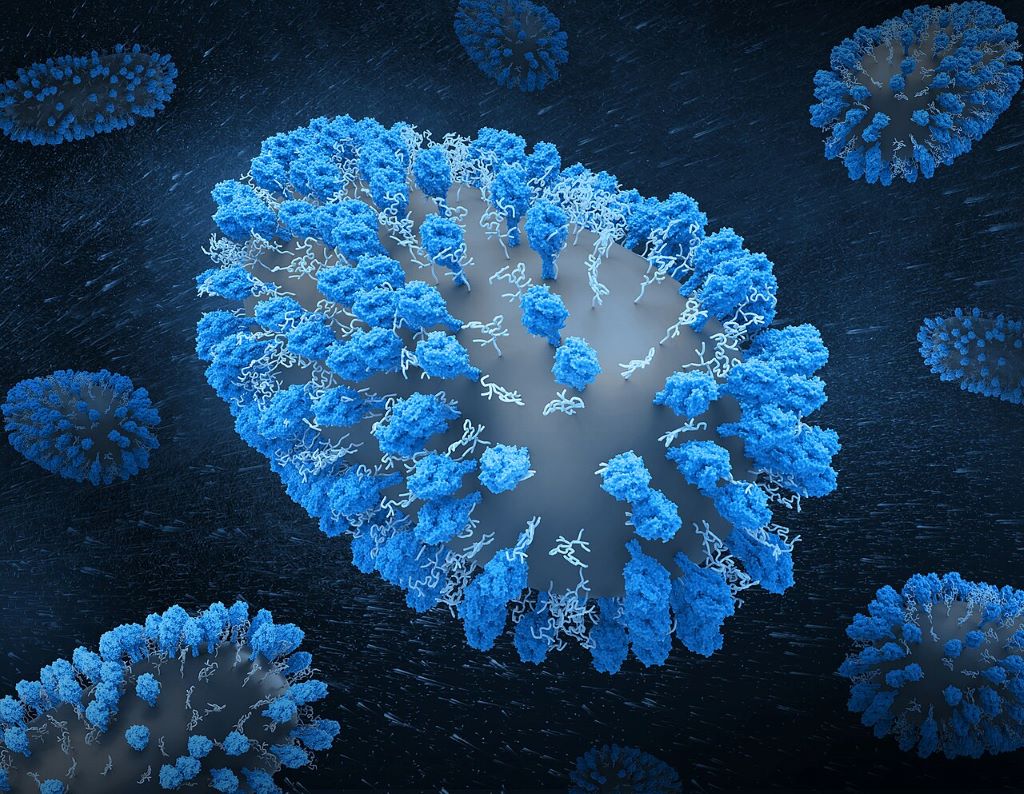
Creative layout featuring scientifically-based 3D renderings of respiratory syncytial virus (RSV). RSV is a common contagious virus that infects the human respiratory tract. Credit: NIAID

 A German analysis explores what underlies shifts in the timing of seasonal surges of respiratory diseases, as well as shifts in surges of heart-related deaths, that occurred after the COVID-19 pandemic began. Michael Sieber and Arne Traulsen of the Max Planck Institute for Evolutionary Biology, Germany, present these findings in the open-access journal PLOS Global Public Health on July 15, 2026.

Rates of respiratory infections such as the flu and RSV typically peak during seasons when transmission rates rise. Rates of death from any cause – not just from infection – follow a similar seasonal pattern.

However, the drivers underlying the exact timing of these surges have been unclear. The COVID-19 pandemic provided a unique opportunity to explore these dynamics, since interventions like social distancing and masking disrupted typical transmission patterns of other respiratory diseases. Sieber and Traulsen analysed data on weekly respiratory infection rates and death rates in Germany, covering the last 14 years. 

The analysis showed that, pre-pandemic, respiratory infections almost always surged for a few weeks February and March. After the pandemic began, intervention efforts tamped down infections, eliminating one seasonal surge. Once infections rose again, surges shifted to December or earlier. Now, these peak weeks are gradually resuming pre-pandemic timing.

Using well-established epidemiological modelling tools, the researchers found that population-level loss of immunity after the skipped seasonal surge led to buildup of susceptible hosts, resulting in higher transmission earlier in the season. That is, seasonal transmission variations present a window of opportunity for a surge, and the size of the pool of susceptible hosts at the start of that window determines when, exactly, the surge occurs.

Similarly, typical seasonal surges in rates of death from any cause – but particularly from cardiovascular disease – also shifted earlier post-pandemic. Thus, respiratory infections may be key drivers of the timing of seasonal surges in cardiovascular deaths. More research is needed to explore this connection, but it aligns with other evidence that respiratory infections are a significant risk factor for cardiovascular disease.

On the basis of their findings, the researchers emphasize the importance of monitoring people’s infection history and improving vaccination coverage.

The authors add: “News stories of an earlier than usual onset of the flu season during the COVID-19 pandemic motivated us to look into the available epidemiological data more closely. We were surprised by the magnitude of the shift in timing of seasonal respiratory infections in Germany, and interested in trying to predict if this would turn out to be a long-term effect of the pandemic or if we should expect a quick return to the normal seasonal timing. The most recent flu seasons confirmed that the seasonal timing indeed shifts back to normal within one or two seasons, most likely due to a return to the pre-pandemic population-levels of immunity to the most common respiratory pathogens. We were even more surprised to see that the seasonal dynamics of all-cause mortality, which is dominated by cardiovascular diseases, closely followed the shift in timing of respiratory infections. This adds to the growing evidence that respiratory infections are an important risk factor for cardiovascular problems.”

Provided by PLOS
 

Researchers Use Friendly Viruses to Tackle Inflammatory Bowel Disease

A targeted approach using bacteriophages to disarm harmful microbes without disrupting the broader gut ecosystem

Credit: CC0

A research team at McMaster University has developed a targeted approach to treating inflammatory bowel disease (IBD) using bacteriophages, viruses that infect specific bacteria, to disarm harmful microbes without disrupting the broader gut ecosystem.

The study, published in Science Translational Medicine and featured on the cover of the journal, brings together researchers from the Faculty of Engineering and the Faculty of Health Sciences, combining expertise in microbiome science and targeted antimicrobials to tackle a complex challenge in gut health.

Although current treatments for IBD can be effective, they can fail long-term or require escalating doses, increasing the risk of serious side effects.

IBD is shaped by a combination of genetics, immune responses and the gut microbiome. The research team focused on a group of bacteria known as adherent-invasive Escherichia coli (AIEC), which have been linked to inflammation in some people with Crohn’s disease. These bacteria can be difficult to identify and selectively target, making them an important test case for more precise microbiome-based therapies.

“One challenge is that AIEC are defined by what they do, not simply by how they appear in a microbiome analysis,” says Elena Verdu, professor in the Department of Medicine, director of the Farncombe Family Digestive Health Research Institute, and an executive member of NexusHealth.

“To identify them, we need to test their behaviour, such as their ability to adhere to and invade intestinal cells and persist in immune cells.”

Working with E. coli strains isolated from patients with Crohn’s disease, the team used controlled experimental models to isolate how AIEC contribute to inflammation and explore ways to neutralise their harmful behaviour without damaging beneficial bacteria.

To target AIEC without collateral damage, the team turned to bacteriophages, or phages, which are naturally occurring viruses that infect bacteria with remarkable precision.

“Phages work like a lock-and-key system – each phage targets only certain bacteria. That precision gives us a way to intervene without wiping out the entire microbiome,” explains Zeinab Hosseinidoust, associate professor in the Department of Chemical Engineering and the School of Biomedical Engineering and a member of the Michael G. DeGroote Institute for Infectious Disease Research (IIDR).

The team identified and characterised phages that selectively target AIEC strains isolated from patients with IBD and found that this approach significantly reduced gut inflammation.

The phages did not eliminate the bacteria entirely. Instead, they altered their behaviour by supressing a molecular “grappling hook” that helps AIEC attach to the gut lining and trigger immune responses. When that virulence mechanism was turned off, inflammation subsided.

“The bacteria were still there, but they lost the traits that drive inflammation,” says Hosseinidoust.

“We like to think of it as knocking out a few teeth. The bacteria can’t do as much damage anymore.”

The researchers also found that phage therapy enhanced the effectiveness of a commonly used steroid treatment for IBD. When combined with the phage, a lower-than-standard dose produced benefits comparable to higher doses of the drug alone.

While phages have previously been shown to increase the effectiveness of antibiotics, this is the first time a positive collaboration between phage and a non-antibiotic drug has been reported.

The findings point to a precision-medicine approach for IBD. The bacterial function targeted by the phage can be measured in stool samples and was found to be higher in a subset of patients with Crohn’s disease, suggesting a potential way to identify those who could benefit most from this therapy.

“If we can identify which patients carry the harmful bacterial function, we could, in the future, intervene with a targeted therapy designed specifically to turn down that activity,” says Verdu.

“This is what personalised medicine should look like: matching the right biological tool to the right patient,” says Hosseinidoust.

Next steps for the team include evaluating broader collections of bacterial strains from IBD patients and developing combinations of phages – work that brings the approach closer to human trials.

By Andrea Lawson

Source: McMaster University

New Clues Raise Hopes for Better Treatment of RSV in Babies

Created with AI

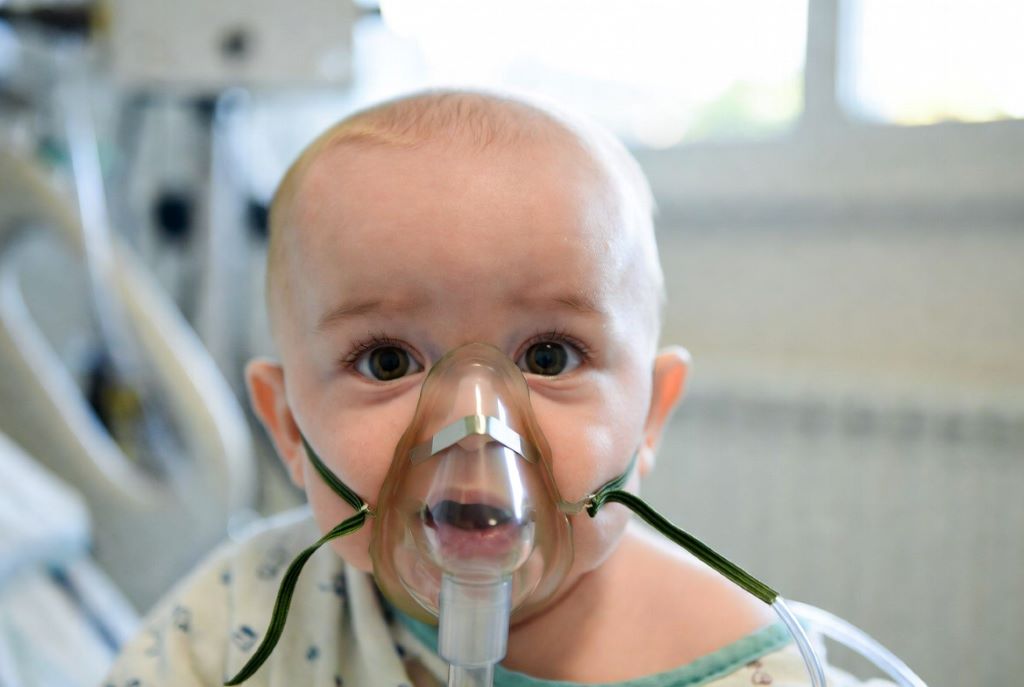
Future therapies for respiratory syncytial virus (RSV) must target both the virus and its immune response to ensure babies get the best possible outcomes, finds a new study by researchers at UCL and Great Ormond Street Hospital for Children (GOSH).

RSV is the biggest cause of serious illness in babies, with over three million hospital admissions worldwide because of the virus every year. It causes wheezing and breathing difficulties, and in the worst cases babies end up in intensive care. Despite this, treatment options for infants who develop severe disease remain extremely limited.

As part of the new study, published in Nature Communications and funded by Animal Free Research UK and UK Research and Innovation (UKRI), researchers built a new lab model of baby lungs to show why RSV makes infants so much sicker than adults and allow them to test new treatments before they reach patients.

The miniature model of a baby’s airways was created using real infant airway cells, blood vessel cells and neutrophils (a type of white blood cell that acts as the immune system’s primary response to infection).

To compare with an adult response to RSV, the research team also made a model of an adult’s airways.

Dr Claire Smith (UCL Great Ormond Street Institute of Child Health), who led the study, said: “This model allows us to watch early immune responses unfold and study them in a human setting that reflects the infant airway. That’s something animal models often struggle to capture, especially when it comes to age-specific effects.”

When the models were infected with RSV, the team found that baby airway cells attracted far more white blood cells than adult airway cells did. This influx can block babies’ small airways and make it harder for them to breathe.

Neutrophils normally circulate in the blood but enter lung tissue in response to infection. In the baby airway model, researchers found that the neutrophils that entered the lung tissue were more activated and triggered a stronger inflammatory reaction than in the adult model.

This effect depended on the immune cells physically moving through the infected tissue, not just responding to chemical signals released by it, making this type of model essential for studying it.

This suggests it’s the infant airway itself, not just the virus, that ramps up the immune response and causes damage to the lungs.

First author, Dr Machaela Palor (UCL Great Ormond Street Institute of Child Health), said: “These findings help explain why RSV is often much more severe in infants than in adults. The paediatric airway actively shapes how immune cells behave during the infection.”

The researchers then tested two antiviral drugs (remdesivir and RSV604). Both stopped the virus from multiplying, but only RSV604 also calmed the overactive immune response, reducing levels of a key inflammatory protein released by white blood cells – high levels of which are linked to more severe RSV disease in babies.

Remdesivir had no effect on this, suggesting that not all antivirals are equal when it comes to protecting the infant airway from immune-driven damage.

This suggests that treating severe RSV in babies may require more than just stopping the virus – it may also be important to calm an overactive immune response.

The researchers hope their findings and the new approach to research on RSV will accelerate the development of treatments better tailored to infants.

Dr Smith said: “Our model gives us a way to assess both sides of the problem at once. We can not only ask whether the drug stops the virus but also whether it helps control immune response in the infant airway.

“This work reinforces the idea that age matters in respiratory infection. Understanding how infant airways shape immune responses will be key to designing safer and more effective RSV treatments.”

Source: University College London

Muscles Matter for Diabetes Risk, New Study Finds

Photo by John Arano on Unsplash

A major new international study led by Curtin University, has found diabetes risk is about more than just body weight or obesity, revealing muscle health also likely plays a big role in whether people will develop the condition.

Published in one of the world’s leading diabetes journals, Diabetes Care, the study saw researchers from the Curtin School of Population Health and Dementia Centre of Excellence at the Curtin enAble Institute analyse health data from nearly 480 000 adults over 14 years – all of whom were diabetes-free at the beginning of the study.

The team found people with both excess body fat and poor muscle health – a condition known as sarcopenic obesity – were more than three-and-a-half times as likely to develop type 2 diabetes than people with healthy body composition.

It also found people with sarcopenic obesity were 19 per cent more likely to develop type 2 diabetes than people with obesity alone and 91 per cent more likely to develop type 2 diabetes than people with low muscle mass and strength (sarcopenia) alone.

Lead author and PhD candidate Zhongyang Guan said the findings challenge the common perception diabetes risk is primarily driven by body weight.

“Most people know carrying excess weight can increase the risk of type 2 diabetes, but our findings show muscle health is also an important piece of the puzzle,” Mr Guan said.

“People with both excess body fat and low muscle mass had a substantially higher risk of developing type 2 diabetes than those with obesity alone.

“This suggests we need to look beyond the number on the scales when assessing diabetes risk, as maintaining muscle strength and muscle mass may be just as important as managing body weight.”

The study found nearly 15 per cent of people with sarcopenic obesity developed type 2 diabetes within 10 years, compared with around 11 per cent of people with obesity alone and just 3 per cent of people without sarcopenia or obesity.

The link was particularly strong among women and adults under the age of 60.

Project senior lead Professor Mario Siervo said the results supported a broader approach to diabetes prevention.

“Healthcare professionals routinely monitor body weight and obesity, but our findings suggest assessing muscle health could help identify people at high risk earlier,” Professor Siervo said.

“As populations age and rates of obesity continue to rise, preserving muscle health through regular physical activity and healthy lifestyle habits could play an important role in reducing the burden of type 2 diabetes.”

Diabetes WA Clinical Services Manager Jessica Weiss said the findings highlighted the important role muscle plays in controlling blood sugar levels and reflected what health practitioners were seeing firsthand.

“We know our muscles use a lot of our glucose for fuel and working them during physical activity is a great way to help use up glucose from our blood and regulate glucose levels,” Ms Weiss said.

“Physical activity also reduces our body’s resistance to insulin, an important element to type 2 diabetes.

“The more muscle we have and the more regularly we use them, the better equipped our body is to prevent or manage type 2 diabetes.”

By Samuel Jeremic

Source: Curtin University