

Review offers insights on evidence-based strategies.
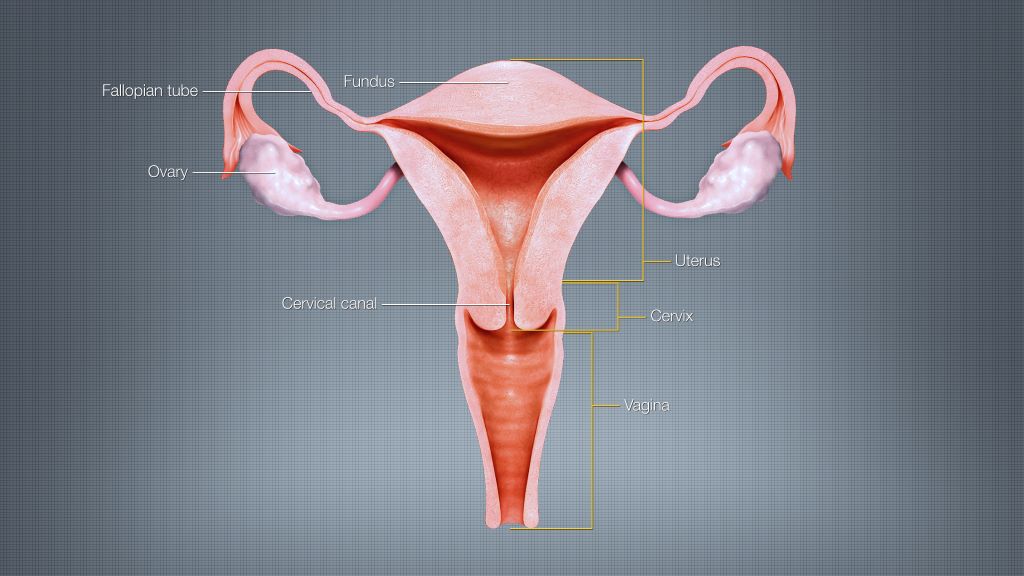
Low- and middle-income countries (LMICs) bear a disproportionate burden of gynaecologic malignancies – cancers of the cervix, endometrium, ovary, vagina, and vulva. A review published by Wiley online in CANCER, a peer-reviewed journal of the American Cancer Society, reveals that survival disparities for these cancers are driven by late-stage diagnosis, limited screening coverage, inadequate radiotherapy infrastructure, workforce shortages, and restricted access to essential and novel therapies.
By analysing studies published between 2015 and 2024, investigators observed that LMICs account for approximately 94% of global cervical cancer deaths, with the highest mortality observed in East Africa. Despite persistent survival disparities in LMICs, research has generated evidence that cost-effective and scalable interventions – including single-dose HPV vaccination, screen-and-treat strategies, HPV self-sampling, radiotherapy expansion, and workforce development with international training partnerships – can substantially improve outcomes when embedded within national cancer control policies and supported by sustainable financing mechanisms.
The authors stressed that policy-driven, system-level reforms should prioritise prevention, strengthen service delivery, and expand equitable access to care.
“The survival gap in gynaecologic cancers between low- and middle-income countries and wealthier nations is not inevitable – it is largely the result of delayed diagnosis and under-resourced health systems,” said corresponding author Dr Alfi Sophian, SSi, MSi, of the Indonesian Food and Drug Authority. “Our review shows that proven, cost-effective interventions already exist. What is needed now is stronger political commitment and sustainable financing to embed them into national cancer control policies.”
CANCER’s Editor-in-Chief, Suresh S. Ramalingam, MD, FASCO, who is the Executive Director of the Winship Cancer Institute of Emory University and the Roberto C. Goizueta Chair in Cancer Research at the Emory University School of Medicine, agreed that the review highlights key opportunities to reduce the burden of gynaecological malignancies in low- and middle-income countries. “Gynaecological malignancies claim the lives of far too many women globally; implementation of evidence-based tools consistently and uniformly across the world will save numerous lives,” he said.
Source: Wiley
