Day: June 11, 2026

MRI Approach Improves Assessment of Common Valve Disease
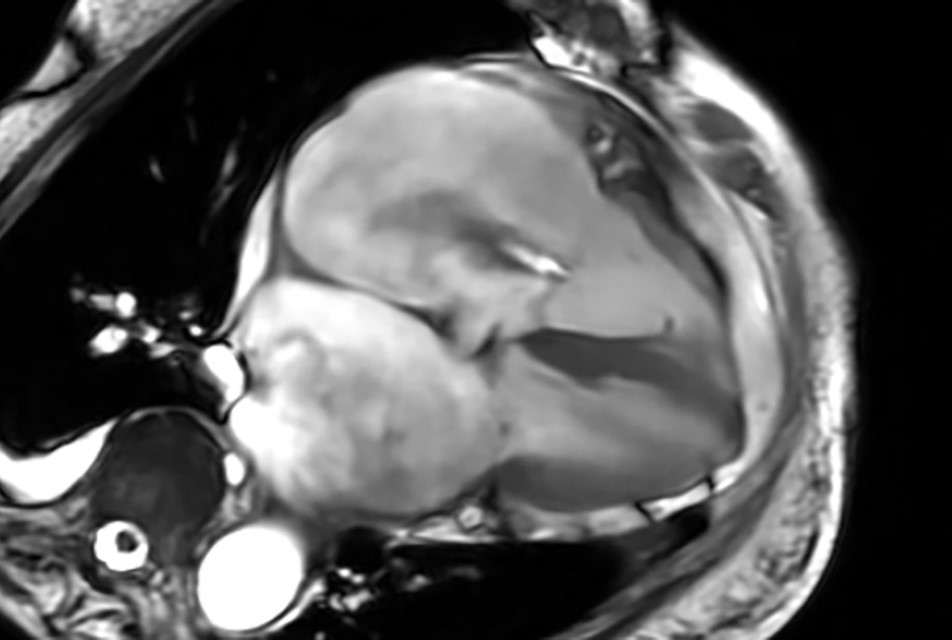
Representative cine-CMR four-chamber image demonstrating severe tricuspid regurgitation. Courtesy of Dr Robert Zhang

A new cardiac magnetic resonance imaging-based measurement may improve how physicians assess a common heart valve condition, according to a study led by Weill Cornell Medicine and NewYork-Presbyterian investigators. The findings support the broader use and further study of the new metric known as effective right ventricular ejection fraction (eRVEF).

In the study, published in JACC: Cardiovascular Imaging, the researchers analysed deidentified clinical and cardiac imaging data, on nearly 800 patients who had the heart valve condition called tricuspid regurgitation. They found that eRVEF predicted mortality risk better than traditional risk markers for the disorder.

“Our goal in tricuspid regurgitation is to detect disease progression and intervene before irreversible heart dysfunction develops,” said study corresponding and co-senior author Dr. Jiwon Kim, associate professor of medicine in the Division of Cardiology and director of the Cardiovascular Imaging Program at Weill Cornell Medicine and a cardiologist at NewYork-Presbyterian/Weill Cornell Medical Center. “We believe this new measurement could help cardiologists identify high-risk patients earlier and make more informed treatment decisions.”

The tricuspid valve regulates the flow between the heart’s right atrium, which receives low-oxygen blood from major veins, and the right ventricle, which pumps this blood via the pulmonary artery into the lungs. When the tricuspid becomes dysfunctional, much of the blood pumped by the right ventricle flows back into the right atrium instead of going into the lungs. This loss of efficiency can lead to progressive right-sided heart failure.

“This investigation highlights the expanding role of cardiac MRI in the assessment of patients with valvular heart disease,” said co-senior author Dr Dipan Shah, professor of cardiology at Houston Methodist Research Institute and a professor of medicine at Weill Cornell Medicine. “Its unique ability to precisely quantify valvular heart lesions and the associated cardiac remodeling in both the left and right heart makes it an indispensable tool for comprehensive clinical evaluation.”

Conventional RVEF, a basic measure of the right ventricle’s pumping efficiency, is an estimate of right ventricular volume when filled and when fully compressed during pumping. But this measure cannot distinguish between normal blood outflow to the lungs and abnormal backflow to the right atrium. Thus, in patients with tricuspid regurgitation, RVEF may seem normal until the resulting heart dysfunction is relatively advanced.

“The tricuspid valve was once considered the ‘forgotten valve,’ managed primarily with medical therapy and occasionally treated surgically,” said study co-first author Dr Robert Zhang, an assistant professor of medicine at Weill Cornell Medicine and a cardiologist at NewYork-Presbyterian/Weill Cornell Medical Center. “Now we have less-invasive, catheter-based treatment options, which is incredibly exciting. But with that comes a new challenge: identifying the patients who are most likely to benefit and determining the right timing for intervention.”

Dr. Pablo Villar-Calle, an instructor of medicine at Weill Cornell, is the other co-first author on the paper.

The new measure, eRVEF, is derived from a more direct, magnetic resonance imaging-based estimate of blood flow from the right ventricle to the lungs. In principle, it enables a more accurate assessment of right ventricle function and the degree of tricuspid regurgitation.

The study covered an initial cohort of 453 patients from NewYork-Presbyterian/Weill Cornell Medical Center, plus 316 patients in two independent validation cohorts, 239 from Houston Methodist DeBakey Heart and Vascular Center and 77 from Duke University Medical Center. All patients had at least a moderate degree of tricuspid regurgitation.

The researchers showed firstly that eRVEF is a useful measure in its own right. In all cohorts, patients with impaired eRVEF, defined as less than 25% of right ventricle-filled volume, had strikingly greater risks of adverse outcomes during several years of follow-up, including worse tricuspid regurgitation and mortality, compared with patients who didn’t meet the impaired-eRVEF threshold.

The team also compared eRVEF with RVEF, showing that adding eRVEF to a prediction model that already included RVEF significantly improved mortality prediction, whereas adding RVEF to a model that already included eRVEF did not.

The results suggest that in the context of at least moderate tricuspid regurgitation, eRVEF is better than RVEF for assessing right-side heart function.

The team now hopes to show with forward-looking studies that using eRVEF to select patients for tricuspid valve treatments can improve outcomes.

“We are also interested in understanding how useful eRVEF may be as a marker of treatment response and whether it can serve as a meaningful endpoint for assessing the success of therapeutic interventions,” Dr. Zhang said.

Source: Weill Cornell Medicine

Four Minutes of Daily Resistance Training Can Quadruple Fitness in Older Adults

Photo by Mikhail Nilov

By Marina Naumova

Just four minutes of daily strengthening exercise dramatically increases key factors in quality of life for ageing adults, according to a new study led by researchers at Penn State College of Medicine. Results published in PLOS One showed that strength – which impacts fall risk, longevity, independent living and more – significantly improved for adults aged 65 and older in as little as 12 weeks.

Mobility, or physical fitness, is a critical indicator of quality of life for adults ages 65 and above, allowing for completion of daily tasks and movement. Unintentional injuries such as tripping or falling are among the top leading causes of death among adults ages 65 and over, according to the Centers for Disease Control and Prevention. A lack of physical fitness in aging persists because people believe that they can only reap the benefits of exercise with more extensive resistance training workouts – but that’s not the case, according to lead author Christopher Sciamanna, professor of medicine and of public health at Penn State College of Medicine. He said a short four-minute workout is enough to improve upon several factors of critical mobility indicators.

“The human body is designed to improve very quickly,” Sciamanna said. “And just a few repetitions of an exercise performed regularly can lead to huge improvements. Exercise is about forward thinking – think about what you want to be able to do and train for it.”

While resistance training can greatly increase strength in just a few months, less than one in five older adults exercise for the recommended two days per week of muscle-strengthening activity, partially due to routine length, pain and other limitations.

“Exercise is actually really complicated, because you have to decide how many repetitions, how far, how many sets, how much rest and how many times per week,” said co-author Smita Dandekar, associate professor of paediatrics at Penn State College of Medicine. “It’s hard work, so there’s huge problems with people wanting to do exercise. If we can make it short, we’re part way there.”

Previously, the team had conducted a study called FAST (Functional Activity Strength Training)-1, a smaller-scale experiment where 24 older adults performed 30 seconds of push-ups and squats daily, resulting in improved squat performance over six months. Other studies have also shown that a few sets of exercise per week can lead to nearly the same improvements as longer-length routines. Building off of those findings, Sciamanna’s team decided to test the efficacy of a shorter routine.

In the current study, researchers from Penn Statue tested the effects of a program, called FAST-2, to see if it improved mobility and physical capability in adults older than 65. A total of 97 participants with an average age of 74 years old were randomly assigned to receive either the exercise regimen treatment or no intervention. Prior to the study, participants reported performing an average of about 18 minutes of total exercise each week, which is much lower than the recommended amount of at least 150 minutes’ moderate or 75 minutes’ vigorous exercise for adults, Sciamanna explained.

The FAST-2 program included four exercises: push-ups, chair stands, two-arm rows and stair stepping. Participants performed each movement for 30 seconds followed by a 30-second rest. Participants received four elastic resistance bands and a stepper with an adjustable height. Written explanations and modifications were provided for the exercises, such as performing pushups with hands on a countertop or wall, or chair stands with hands on the knees.

As participants improved, they were encouraged to progress to higher levels of difficulty, like performing the original version of the exercise if they were doing a modified version or increasing step height on the stepper. To measure participants’ progress, the researchers assessed the participants’ ability and speed at standing up and ability to stand on one leg at the beginning, middle and end of the study.

The tests mimic the movements required in everyday activities, making them useful predictors of potential risks and future need for care, the researchers said.

The authors found that this exercise regimen, which included only 60 seconds of lower body resistance training, was enough to give significant improvements in functional performance: 4.2 more repetitions in a 30 second chair stand, 3.6 more seconds in one-legged stand time and a decrease of 2.3 seconds in sit-to-stand time. These changes point to related improvements in daily life fitness, such as standing up from a chair, climbing stairs and walking, Sciamanna explained.

“These indicators predict your future ability to go into a nursing home, your future likelihood of falling and of developing difficulty walking,” Sciamanna said. “They give you a sense of whether or not you’re going to be able to be active in the future.”

One of the additional benefits of a shorter program like FAST-2, Sciamanna explained, is a higher chance that people will stick to the routine. Participants completed the exercise on 81% of days during the study period, demonstrating that the program can fit into days even with time constraints or other concerns that may keep people from continuing an exercise program, even though it could lead to improvements in everyday life.

The findings are a promising indication that resistance training regimens do not have to be long to make a big difference in strength, mobility and quality of life, Sciamanna explained.

“Exercise is the key to freedom,” he said. “Freedom is the ability to be able to do what you want to do, and I would say that if you can’t do what you want to do, you’re not free. I approach exercise by thinking of what I want to be able to do in 20 years, and then I train to do that.”

Source: Pennsylvania State University

Study Finds RSV Vaccination During Pregnancy Cuts Infant Hospitalisations by Nearly 70%

Source: Pixabay CC0

A study led by researchers at the University of Pittsburgh and UPMC published in JAMA Network Open, a peer-reviewed journal of the American Medical Association, found that vaccination against respiratory syncytial virus (RSV) during pregnancy reduced the risk of hospitalisation in young infants by nearly 70%.

This study provides early real-world evidence from US clinical care, showing that administering one dose of the maternal RSV vaccine (RSVpreF vaccine) reduces hospitalisation related to RSV in young infants. The results are consistent with findings from RSVpreF vaccine clinical trials. The RSVpreF vaccine was approved by the US Food and Drug Administration in 2023.

Among infants younger than 3 months, maternal vaccination was associated with approximately 68% effectiveness against hospitalisation for respiratory illness caused by RSV, and 69% effectiveness against more severe lung infections also caused by the virus.

“We designed this study to focus on what matters most to families: whether their baby might end up in the hospital,” said lead author of the study, Anne-Marie Rick, MD, PhD, assistant professor of paediatrics and clinical and translational science at Pitt School of Medicine and a physician at UPMC Children’s Hospital of Pittsburgh and UPMC Magee-Womens Hospital. “The findings show a significant impact for families and for the health system, and it highlights how effective this intervention can be during the most vulnerable months of life.”

RSV is the leading cause of hospitalisation among infants in the United States. According to the Centers for Disease Control and Prevention (CDC), about 2 to 3 out of every 100 babies younger than 3 months are hospitalised each year due to RSV, with severe cases sometimes requiring oxygen support or mechanical ventilation. Until the RSVpreF vaccine’s approval, there was no reliable way to protect healthy newborns from RSV starting at birth.

The study analysed health records from infants 90 days old or younger who were hospitalised for respiratory illness in Western Pennsylvania during the 2023–2024 and 2024–2025 RSV seasons. Researchers focused on infants who were tested for RSV and compared outcomes between those whose mothers received the vaccine during pregnancy and those whose mothers did not. Infants who received monoclonal antibody protection – a separate RSV prevention option administered after birth – were excluded.

The results are part of an ongoing four-year study to evaluate the effectiveness of maternal RSV vaccination across multiple seasons. Researchers will continue to follow patients during the 2025–2026 and 2026–2027 RSV seasons, expanding the analysis to include infants up to 180 days old and assessing how long protection lasts.

“We’re continuing to follow patients to understand how well this protection holds over time and across different groups,” said Rick. “These kinds of real-world data are critical for helping families, clinicians, and policymakers make informed decisions about how best to protect infants.”

Source: University of Pittsburgh

Why Midnight Eating Can Be a Gut Punch

Study finds that intestinal circadian clocks become misaligned by off-schedule eating, causing gastrointestinal issues

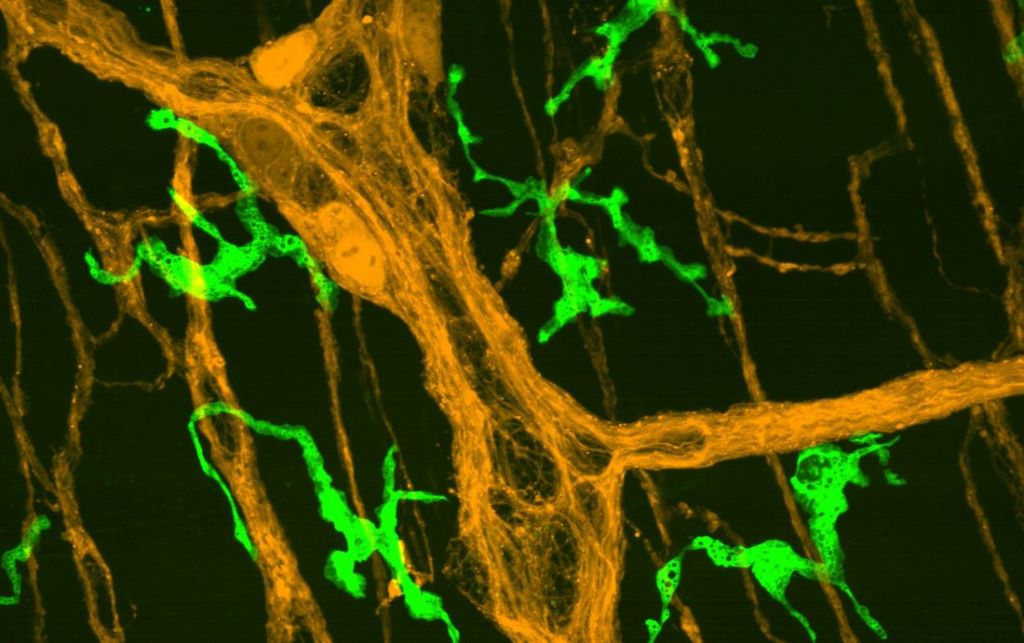
A microscopic image shows enteric neurons (orange) and macrophages (green) in the muscularis externa of a mouse small intestine. Muscularis macrophages were among the intestinal cell types that glowed green when a key circadian clock gene called Per2 was active during UT Southwestern investigators’ research.

Eating when the body is normally asleep appears to desynchronise the circadian clocks of different cell types in the intestines, a UT Southwestern Medical Center study suggests. The findings, published in PNAS, could help explain why shift work, jet lag, and other environmental stressors that affect circadian rhythms are associated with irritable bowel syndrome, inflammatory bowel disease, constipation, and other gastrointestinal disorders.

“Understanding how intestinal circadian clocks become misaligned may ultimately guide strategies involving meal timing, circadian-based therapies, or dietary interventions to improve gastrointestinal and metabolic health,” said Yuuki Obata, PhD, Assistant Professor of Immunology and Neuroscience at UT Southwestern. Dr Obata co-led the study with Shin Yamazaki, PhD, Professor of Neuroscience.

Research in the 1990s and 2000s showed that a region of the brain known as the suprachiasmatic nucleus (SCN) acts as a master timekeeper for the body, setting various cellular processes to occur rhythmically on a 24-hour period based on cycles of light and darkness. However, in 2000, Dr Yamazaki and his colleagues showed that cells throughout the body have their own autonomous circadian clocks that are influenced both by signals from the SCN and environmental cues.

In line with this idea, research has shown that the intestines have their own rhythms that can be influenced by a variety of factors, such as timing of meals. These findings were made using whole intestinal tissue, Dr Obata explained, but the intestines contain a variety of cell types – including muscle, nerve, and immune cells. It’s been unclear whether each of these populations has its own circadian clock and if they run on the same schedule.

To find out, Drs Obata and Yamazaki monitored novel mice with set 12-hour cycles of light and dark. They were engineered by Joseph Takahashi, PhD, Chair and Professor of Neuroscience at UT Southwestern, and his colleagues in the Takahashi Lab. Five intestinal cell types – enteric neurons, enteric glial cells, interstitial cells of Cajal (ICCs), smooth muscle cells, and muscularis macrophages – glowed green when a key circadian clock gene called Per2 was active. Although food was available at all times, the mice ate about 80% of their meals at night due to their nocturnal nature.

After about a week in this environment, the researchers observed intestinal cells glowing green at approximately the same times, suggesting the different cell populations had their own autonomous circadian clocks that cycled in sync. But when the researchers made food available only for four hours in the daytime – forcing the mice to eat at abnormal times – Per2 activity shifted to match this new rhythm in every cell population except for the ICCs. These cells resisted changes to their circadian clock, staying out of sync with the other cell types for weeks.

Such asynchrony may also occur in people who eat outside the body’s usual circadian rhythms, such as night shift workers or those who fly to different time zones. Because ICCs play a key role in intestinal motility, their resistance to adapt to a changed circadian clock could affect digestive and metabolic function.

Finding a way to synchronise the different intestinal cell populations through diet, probiotics, or drugs could eventually help ease the gastrointestinal problems associated with altered circadian timing, the researchers said.

Source: UT Southwestern Medical Center

Tiny Wearable Auscultation Sensor Aims to be a Doctor’s Stethoscope for Every Home

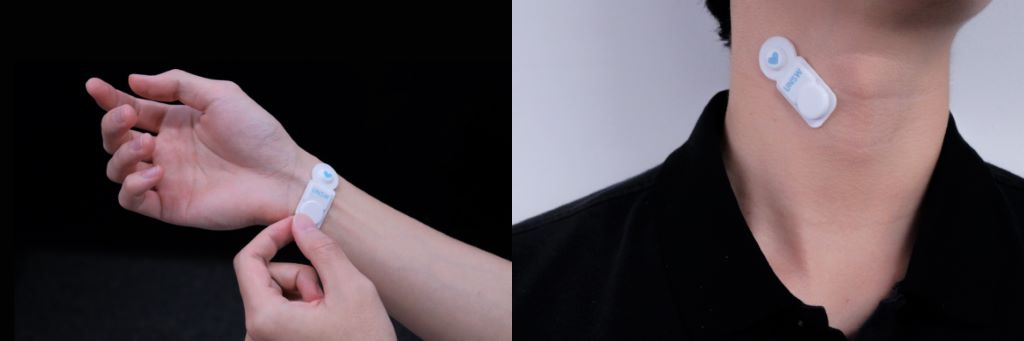
The AusculPatch is a tiny wearable sensor that weighs just 3.2 grams.

Australian researchers have developed a lightweight wearable sensor that could continuously check on people with heart and breathing problems, potentially reducing hospital visits and allowing doctors to detect problems earlier. 

The flexible sensor patch, which attaches to the chest or over peripheral arteries using medical adhesive tape, is designed to continuously capture subtle vibrations produced by the heart, lungs and, blood flow, and pulse waves. 

Researchers hope the technology could eventually help people with chronic heart and respiratory conditions track their health remotely and alert clinicians when something may be wrong before symptoms become severe.

The proof-of-concept work, led by researchers from UNSW in collaboration with clinicians and biomedical engineers, has been published in Nature Communications

Lead researcher and corresponding author of the paper, Scientia Associate Professor Hoang-Phuong Phan, says the goal is to create a wearable device which patients can use themselves – as a home alternative to the traditional doctor’s stethoscope.

“What we have developed is a tiny wearable device that can attach onto the human chest and hear heart sound and respiration,” A/Prof. Phan says.

“Technically, it aims to replace the stethoscope, which is normally used in clinic centres to assess cardiovascular or respiration disease.”

Addressing a growing healthcare challenge

Heart disease and chronic respiratory illnesses remain among the leading causes of death worldwide, but many patients only receive brief assessments during occasional medical appointments. A/Prof. Phan says this can create major challenges for people living in regional and remote areas, or patients reluctant to repeatedly visit hospitals and clinics.

“Normally, when patients are assessed by a doctor, they have to go to a clinic centre, and it’s not very convenient for those who live in remote areas,” he says. “Sometimes people are hesitant to go to hospital, so they wait until symptoms are clearly developed.”

By the time symptoms become serious enough to seek medical care, diseases may already have significantly worsened.

“At that stage, the disease may already have worsened, leaving poorer outcomes for patients even when treated,” says Dr Anthony Sunjaya, a medical doctor and Program Lead for Chronic Respiratory Disease at UNSW’s School of Population Health, who co-authored in this work.  “When they go to a clinic, patients often only have a 15-minute window for assessment. The danger is that the abnormalities experienced will not be fully recognised during that short period of time they are being seen.” 

How the patch works

The device, known as ‘AusculPatch’, is smaller and lighter than many existing wearable monitoring systems, weighing only 3.2 grams and measuring roughly 20x47x3 millimetres. At the centre of the patch is an ultra-thin silicon sensing element that detects tiny mechanical vibrations travelling through the skin from the heart, lungs and blood vessels.

“The heart sound propagates through the body fluid and tissue generates an acoustic pressure that vibrates the sensing element,” Tran Bach Dang, the first author and a PhD candidate from the School of Mechanical and Manufacturing Engineering says. “What the patch is doing is picking up that vibration.”

The new sensor can detect extremely low-frequency vibrations that are difficult to capture with current wearable technology. The device can detect a remarkably broad range of physiological signals, including breathing patterns, pulse waves, heart sounds and blood flow vibrations.

In tests, the AusculPatch was able to continously monitor a range of physiological markers while the wearer was undertaking regular daily tasks. Importantly, researchers say the patch was designed to minimise interference from surrounding environmental noise — a major challenge for wearable acoustic sensors.

“The sensor element is designed to shield the sound coming from one direction, typically from the human body,” Dang says. “In that way, it is less susceptible to ambient sound.”

Although tested on only a small number of healthy participants, the research paper showed the device could continue capturing clear heart sounds even in noisy environments, including during conversation and under simulated background noise conditions. 

Beyond smartwatches and fitness trackers

While consumer devices such as smartwatches and sleep trackers can already monitor heart rate and blood oxygen levels, the research team says AusculPatch captures more direct mechanical information about how the heart and lungs are functioning.

The researchers believe the technology could eventually have applications ranging from chronic disease management to sleep monitoring and general wellbeing.

The paper also highlights potential use in monitoring blood pressure, pulse waves and subtle heart valve abnormalities that are difficult to continuously track outside hospital settings. 

In laboratory and early human testing, the device showed strong agreement with clinical tools including electrocardiograms (ECGs), ultrasound scans, blood pressure monitors and digital stethoscopes. 

Researchers were also able to continuously record cardiorespiratory data over extended periods while participants walked, worked, ate meals and climbed stairs. 

AI-powered monitoring

One of the most promising aspects of the technology is the possibility of combining continuous monitoring with artificial intelligence.

Because the patch collects large amounts of physiological data over time, researchers hope machine learning systems could eventually identify patterns linked to worsening disease or emerging health problems.

“We can potentially apply machine learning to identify abnormal signal and warn the patients, and also notify their doctor,” Dr. Chi Cong Nguyen, an Associate Lecturer and a corresponding author of the paper says.

“The goal is to create a system that can automatically flag concerning changes before patients experience severe symptoms.”

Potential future applications

Beyond cardiorespiratory monitoring, the researchers also demonstrated that the patch could detect vocal cord vibrations from the throat. In proof-of-concept experiments, the team used machine learning to recognise spoken words and wirelessly control a robotic arm. While those experiments are still early-stage, the researchers say the technology could eventually support people with speech disorders or physical disabilities.

Although the technology is still in the research and testing phase, larger clinical studies are already being planned.

The team, which also includes Associate Professor Thanh Nho Do, Scientia Professor Nigel Lovell, and Professor Tracie Barber, as well as external partners, hopes to begin testing the device on around 200 patients this year.

That group is expected to include people with heart valve disease or implanted heart assist devices. Researchers then hope to scale up studies to around 1000 patients over the following years to further develop AI-assisted diagnostic tools. Regulatory approval for a medical-grade device would still take time, with A/Prof. Phan estimating a timeline of around four to five years before possible clinical deployment. However, consumer-focused wellness versions of the technology could potentially become available sooner.

Source: University of New South Wales