Tag: immunotherapy

How Cancer Reprograms Immune Cells to Join the Enemy

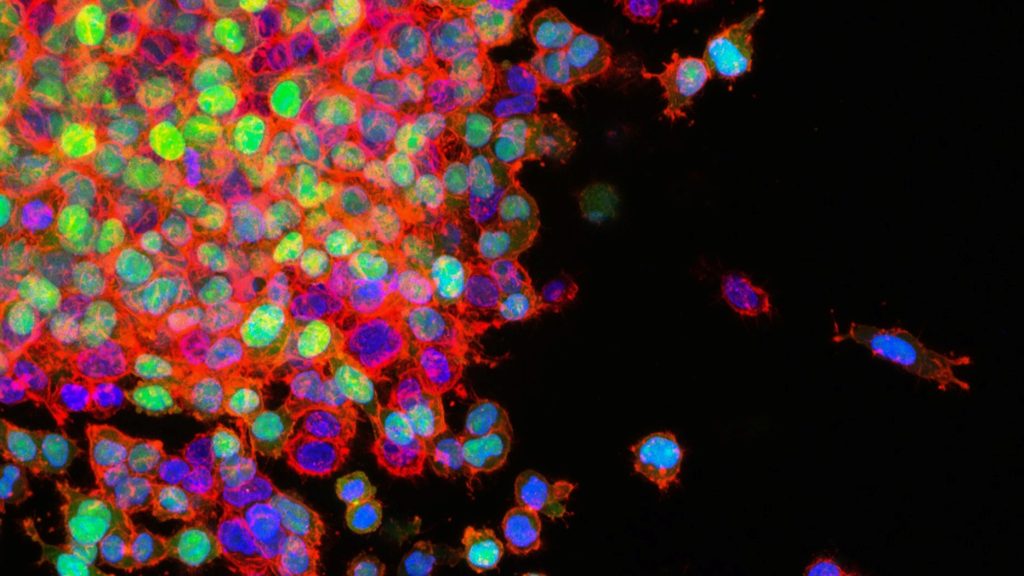
Squamous cancer cell being attacked by cytotoxic T cells. Image by National Cancer Institute on Unsplash

Cancer has been described as “a wound that does not heal,” implying that the immune system is unable to wipe out invading tumour cells. A new discovery reported in PNAS confirms that a key molecule can reprogram immune cells into turncoats that promote cancer growth.

Studying the behaviour of these “pro-tumour” immune cells is important because they could be targets for therapies that block their harmful activity, said Minsoo Kim, PhD, corresponding author of the study and a research leader at the Wilmot Cancer Institute.

Kim led a team of scientists investigating the dynamic interactions that occur between cells in the tumor environment, and the underlying factors that cause the harmful transformation of immune cells from good to bad.

They found that PAF (platelet-activating factor) is the key molecule that controls the destiny of the immune cells. PAF not only recruits cancer-promoting cells, but it also suppresses the immune system’s ability to fight back. In addition, they found that multiple cancers rely on the same PAF signals.

“This is what could be most significant,” said Kim. “Because if we find a treatment that could interfere with PAF, it could potentially apply to many types of cancer.”

Much of the team’s work focused on pancreatic cancer cells. It is one of the most deadly cancers, with a five-year survival rate of about 12%, and is notoriously hard to treat because pancreatic tumours are surrounded by a toxic stew of proteins and other tissues that protect the cancer from the immune system’s natural role to attack invaders. They also studied breast, ovarian, colorectal, and lung cancer cells, using advanced 3D imaging technology to watch the behaviour of immune cells as they swarmed to the cancerous region.

Source: University of Rochester Medical Center

Advanced Lung Cancer Mortality Plunged Since Standardisation of Immunotherapy

The largest population-based study to date supports the survival benefits of immunotherapy for people with metastatic non–small cell lung cancer.

Squamous cancer cell being attacked by cytotoxic T cells. Image by National Cancer Institute on Unsplash

Since the first immunotherapy drug to boost the body’s immune response against advanced lung cancer was introduced in the United States in 2015, survival rates of patients with the disease have improved significantly. That’s the conclusion of a recent real-world study published by Wiley online in CANCER, a peer-reviewed journal of the American Cancer Society.

For the research, a team led by Dipesh Uprety, MD, FACP, of the Barbara Ann Karmanos Cancer Institute and the Wayne State University School of Medicine, analysed data from the National Cancer Institute Surveillance, Epidemiology, and End Results database, which compiles cancer-related data covering approximately 48% of the US population. The investigators’ analysis focused on non–small cell lung cancer (NSCLC), which accounts for up to 90% of all cases of lung cancer and is the leading cause of cancer-related death among both men and women in the United States.

In a comparison of 100 995 patients with metastatic NSCLC treated in 2015–2020 (after immunotherapy was deemed the standard of care) and 90 807 patients with metastatic NSCLC in the pre-immunotherapy era of 2010–2014, patients in the immunotherapy era were less likely to die from any cause. The overall survival rates at one, three, and five years were 40.1% versus 33.5%, 17.8% versus 11.7%, and 10.7% versus 6.8%. The median overall survival was eight months in patients in the immunotherapy era and seven months in those in the pre-immunotherapy era.

Similarly, patients treated after immunotherapy was available were less likely to die specifically from cancer than those treated before immunotherapy. The one-, three-, and five-year cancer-specific survival rates were 44.0% versus 36.8%, 21.7% versus 14.4%, and 14.3% versus 9.0%, with a median survival of 10 months versus eight months.

Survival rates remained significantly better in the immunotherapy era even after accounting for factors including age, sex, race, income, and geographical area.

“By utilizing a large national database, our study provided real-world evidence of the positive impact of immunotherapy in patients with lung cancer,” said Dr Uprety. The investigators stressed that additional studies are needed, however. “Immunotherapy provides long-term benefits. Since the durable benefits of immunotherapy are limited to a small subset of patients, future research should aim to optimize immunotherapy with new agents that can benefit a broader population,” said lead author Yating Wang, MD, of Ascension Providence Hospital.

Source: Wiley

‘Potentially Game Changing’ Immunotherapy Trial for Colorectal Cancer

Human colon cancer cells. Credit: National Cancer Institute

Results from a new trial indicate that immunotherapy could successfully be used to treat the most common form of colorectal cancer, also known as bowel cancer.

The findings of the new study, a phase 1 trial involving the immunotherapy drugs botensilimab and balstilimab, have been published in the journal Nature Medicine, and it is the first time that consistent and durable responses to immunotherapy have been reported in difficult-to-treat patients.

Co-authored by Professor Justin Stebbing of Anglia Ruskin University (ARU), who describes the results as “potentially game changing”, the study focused on the most common type of colorectal tumours, known as MSS mCRC, or microsatellite stable metastatic colorectal cancer.

Although immunotherapy has previously been shown to work on patients with specific mismatch repair deficient (dMMR) tumours, only a small percentage of colorectal cancer patients have this type of tumour, and immunotherapy has so far been ineffective in patients with more common MSS mCRC tumours.

The new study involved using the immunotherapy drug botensilimab in conjunction with balstilimab on a group of patients in the United States. These drugs are both monoclonal antibodies, which work by triggering the body’s immune system to attack the cancer.

Of the patients in the phase 1 trial, 101 took part in a six-month follow-up and of these, 61% of them saw their tumour shrink or remain stable after receiving a combination of botensilimab (BOT) and balstilimab (BAL). The most common side-effects, or treatment-related adverse events, were diarrhoea and fatigue.

Justin Stebbing, Professor of Biomedical Sciences at Anglia Ruskin University (ARU) and communicating author of the study, said:

“These results are incredibly exciting. Colorectal or bowel cancer is one of the most common forms of cancer worldwide and this is the first time there has been convincing evidence that immunotherapy can work in all forms of colorectal tumours, so this is potentially game changing.

“This is now progressing into later phase clinical trials and we hope the FDA in the United States approve its use very soon. And because this is such an important area, affecting so many people, we hope authorities in the UK are also able to move quickly.”
Joint first author Dr Andrea Bullock, Assistant Professor in Medicine at Beth Israel Deaconess Medical Center, said:

“This study sheds light on the potential of the BOT/BAL combination to treat microsatellite stable metastatic colorectal cancer, the most common form of colorectal cancer which has historically not responded to immunotherapy, and we hope our results will offer new hope for those diagnosed.”
Joint last author Dr Anthony El-Khoueiry, Associate Director of Clinical Research and Chief of Section of Developmental Therapeutics at the USC Norris Comprehensive Cancer Center, said:

“This phase 1 study of botensilimab highlights its promising anti-tumour activity that encompasses immunologically cold tumours such as MSS colorectal cancer. The efficacy noted highlights the potential of botensilimab through its broader engagement of anti-tumour immunity.”

The full open access paper, published in , is available here 

Source: Anglia Ruskin University

Certain Gut Bacteria Assist in Immunotherapy for Milk Allergy

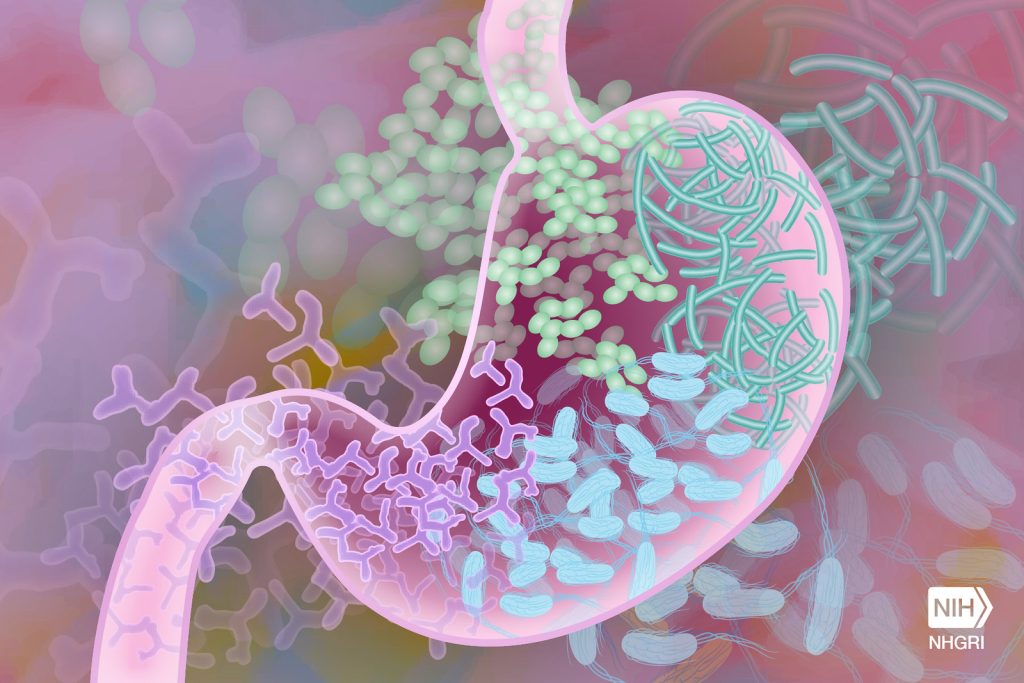
Gut Microbiome. Credit Darryl Leja National Human Genome Research Institute National Institutes Of Health

Researchers in Japan have discovered a link between gut bacteria and the success of milk-allergy oral immunotherapy. Published in the scientific journal Allergology International, the study found that Bifidobacterium – a genus of beneficial bacteria in the gut – was associated with a higher chance of successful treatment. The finding may help in the development of more effective oral immunotherapies, perhaps by combining them with probiotic supplements.

Many children have allergic reactions to certain milk proteins. Most grow out of it but some have to contend with lifelong allergy. Milk allergy can be improved by oral immunotherapy – taking small, increasing doses of milk. Unfortunately, while allergic reactions are controlled during treatment, in most cases, tolerance disappears soon after the treatment ends.

Gut bacteria are thought to help reduce allergic reactions to some foods, but little is known about the link between these bacteria and oral immunotherapy for milk allergy. Hiroshi Ohno led a team at the RIKEN Center for Integrative Medical Sciences to find out why. The researchers examined 32 children with cow’s milk allergy who received oral immunotherapy, with the first month being conducted in a hospital. “Oral immunotherapy is not without risk,” explains Ohno. “We closely monitored the children in the hospital, and in fact 4 children had such severe reactions to the milk that we could not allow them to continue the treatment.”

The remaining 28 children then completed an additional 12 months of treatment at home. Next, they avoided milk for two weeks, and were then tested on a double-blind, placebo-controlled food challenge to see if they could still tolerate milk without any allergic reactions. During the food challenge, children were initially given a tiny amount of placebo or milk (only 0.01mL) which was gradually increased every 20 minutes until they had an allergic reaction or until they could drink the final 30mL without a reaction.

The researchers focused their analyses on immunological and bacterial changes during the treatment and the relationship between gut bacteria and successful treatment—which was defined as showing milk tolerance that lasted beyond the treatment period by passing the food challenge. They found that during treatment, immunological markers for cow’s milk allergy improved, and bacteria in the gut changed. Nevertheless, after two weeks of avoiding milk, only 7 of the 28 children passed the food challenge, even though they had been able to drink milk safely at the end of the treatment.

To understand why the treatment worked for these seven children but not the others, the team looked for the clinical factors and types of gut bacteria that were related to successful treatment. Of the clinical factors, unsuccessful treatment was more likely in children who were being treated for eczema or asthma and in children who initially had higher levels of milk-protein antibodies. Among the gut bacteria, the presence of Bifidobacterium, a genus of beneficial bacteria in the Bifidobacteriaceae family was related to a higher chance of successful treatment. In fact, only children who passed the final food challenge showed an increasing trend in these bacteria over the course of treatment. When considering ways to improve oral immunotherapy, this is good news because while the first two factors are difficult to change, the types of bacteria in one’s gut are not set in stone.

“With this study, we have identified gut environmental factors that help establish immune tolerance against cow’s milk allergy via oral immunotherapy,” says Ohno. “The next step is to examine the mechanisms underlying this phenomenon and to develop ways to improve the effectiveness of oral immunotherapy, such as the addition of probiotic supplements.”

Source: RIKEN

Dual Immunotherapy Drugs Show Promise vs a Range of Advanced Cancers

Squamous cancer cell being attacked by cytotoxic T cells. Image by National Cancer Institute on Unsplash

In an early phase clinical trial, a combination of antibody-based medications targeting the immune system generated promising safety data and anti-tumour activity in individuals with various types of advanced cancer. The findings appear online in CANCER, a peer-reviewed journal of the American Cancer Society.

Both medications tested in the trial are checkpoint inhibitors, and support immune responses against tumour cells. CS1002 increases the activation and proliferation of T immune cells by binding to a T cell receptor called CTLA-4. CS1003, also called nofazinlimab, blocks the programmed cell death protein 1 that is expressed on various types of immune cells and plays a role in suppressing the immune system.

In this first-in-human multicentre, open-label study conducted from April 26, 2018 to January 18, 2022 at 9 study sites in Australia and China, phase Ia involved monotherapy dose-escalation (Part 1), which was followed by phase Ib combination therapy dose escalation (Part 2) and expansion (Part 3). Various dosing schedules of CS1002 (0.3, 1, or 3mg/kg once every three weeks, or 3mg/kg once every 9 weeks) were evaluated with 200mg CS1003 once every three weeks.

Parts 1, 2, and 3 of the trial included 13, 18, and 61 patients, respectively, who had advanced/metastatic solid, relapsed, or refractory tumors. During treatment, investigators did not observe any dose-limiting toxicities or a maximum tolerated dose. Treatment-related side effects such as diarrhoea, fatigue, and rash were reported in 30.8%, 83.3%, and 75.0% of patients in Parts 1, 2, and 3, respectively. Serious side effects such as intestinal inflammation and severe skin reactions were experienced by 15.4%, 50.0%, and 18.3% of patients in each part.

Of 61 patients evaluable for treatment efficacy, 23 (37.7%) with different types of tumours experienced a positive response. Higher response rates occurred with conventional and high-dose CS1002 regimens (1mg/kg once every three weeks or 3mg/kg once every 9 weeks) compared with low-dose CS1002 (0.3mg/kg once every three weeks) in certain cancers such as melanoma and skin cancer.

“CS1002 in combination with CS1003 had manageable safety profile across a broad dosing range and showed promising anti-tumor activities across CS1002 dose levels when combined with CS1003,” the investigators wrote. They concluded that this warranted more testing of CS1002 in combination with CS1003 for the treatment of solid tumours.

Source: Wiley

New Trial Highlights Incremental Progress Towards a Cure for HIV-1

Colourised transmission electron micrograph of an HIV-1 virus particle (yellow/gold) budding from the plasma membrane of an infected H9 T cell (purple/green).

Antiretroviral therapies (ART) stop HIV replication in its tracks, allowing people with HIV to live relatively normal lives. However, despite these treatments, some HIV still lingers inside cells in a dormant state known as “latency.” If ART is discontinued, HIV will awaken from its dormant state, begin to replicate, and cause acquired immunodeficiency syndrome (AIDS). To create a cure, researchers have been attempting to drive HIV out of latency and target it for destruction.

A new clinical trial led by Cynthia Gay, MD, MPH, associate professor of infectious diseases, David Margolis, MD, the Sarah Kenan Distinguished Professor of Medicine, Microbiology & Immunology, and Epidemiology, and other clinicians and researchers at the UNC School of Medicine suggests that a combination of the drug vorinostat and immunotherapy can coax HIV-infected cells out of latency and attack them.

The immunotherapy was provided by a team led by Catherine Bollard, MD, at the George Washington University, who took white blood cells from the study participants and expanded them in the laboratory, augmenting the cells’ ability to attack HIV-infected cells, before re-infusion at UNC.

Their results, published in the Journal of Infectious Diseases, showed a small dent on the latent reservoir, demonstrating that there is more work to be done in the field.

“We did show that this approach can reduce the reservoir, but the reductions were not nearly large enough, and statistically speaking were what we call a “trend” but not highly statistically significant,” said David Margolis, MD, director of the HIV Cure Center and senior author on the paper. “We need to create better approaches to flush out the virus and attack it when it comes out. We need to keep chipping away at the reservoir until there’s nothing there.”

DNA inside cell nuclei is kept in a tightly packed space by chromosomes, which act as highly organised storage facilities. When you unfurl a chromosome, you’ll find loop-de-loop-like fibres called chromatin. If you keep unfurling, you’ll see long strands of DNA wrapped around scaffold proteins known as histones, like beads on a string. Finally, when the unfurling is complete, you will see the iconic DNA double helix.

Vorinostat works by inhibiting a lock-like enzyme called histone deacetylase. By stopping this mechanism, tiny doors within the chromatin fibres unlock and open up, effectively “waking up” latent HIV from its slumber and making it vulnerable to an immune system attack. As a result, a tiny blip of HIV expression shows up on very sensitive molecular assays.

But the effects of vorinostat are short lived, only lasting a day per dose. For this reason, Margolis and other researchers are trying to find safe and effective ways to administer the drug and keep the chromatin channels open for longer periods of time.

For the study, six participants were given multiple doses of vorinostat. Researchers then extracted immune cells from the participants and expanded the cells that knew how to attack HIV-infected cells.

This immunotherapy method, which has been successful against other viruses such as Epstein-Barr virus and cytomegalovirus, involves giving participants back their expanded immune cells in the hopes that these cells will further multiply in number and launch an all-out attack on the newly exposed HIV-infected cells.

However, in the first part of this study, only one of the six participants saw a drop in their HIV reservoir levels. To test whether the result was simply random or something more, researchers gave three participants their usual dose of vorinostat, but introduced five times the amount of engineered immune cells. All three of the participants had a slight decline in their reservoirs.

But, statistically speaking, the results were not large enough to be definitive.

“This is not the result we wanted, but it is research that needed to be done,” said Margolis. “We are working on improving both latency reversal and clearance of infected cells, and we hope to do more studies as soon as we can, using newer and better approaches.”

Many of the participants in the study have been working with Margolis’s research team for years, sacrificing their own time and blood for research efforts. Their long-term partnership and commitment have been essential for data collection. The data, which follows the size of the viral reservoir in these people over years prior to this study, makes the small changes found more compelling.

“People living with HIV come in a couple of times a year, and we measure residual traces of virus in their blood cells, which doesn’t have any immediate benefit to them,” said Margolis. “It’s a very altruistic action and we couldn’t make any progress without their help.”

Source: University of North Carolina Health Care

Wait for Green: Why Immunotherapy Often Fails to Work

Photo by National Cancer Institute on Unsplash

An international study has uncovered a mechanism by which cancer cells prevent the immune system from activating and attacking the cancerous invaders. The study, published in the peer-reviewed journal Cell Reports, sheds light on why immunotherapy treatments don’t work for all people or all diseases.

Certain types of cancers, such as colon, pancreatic, prostate and brain cancers, have stubbornly resisted immunotherapy.

And while breast, oesophageal and head and neck cancers often respond favourably, sometimes the treatments don’t work as planned.

Researchers still don’t understand exactly why, but the study, co-authored by University of Texas at Arlington scientists, may offer a clue.

“Immunotherapy is an incredibly promising new treatment avenue for cancer, but we still have work to do determining why it doesn’t work for all people or types of cancer,” said Jon Weidanz, UTA associate vice president for research and innovation.

He and Soroush Ghaffari, a UTA postdoctoral fellow, were co-authors of the study, along with colleagues at Leiden University in Leiden, Netherlands, and Karolinska University in Solna, Sweden.

The team determined that a key checkpoint in the immune system, called NKG2A, doesn’t engage with its specific binding molecule expressed in cancer cells until the appropriate signal is received.

“The team reasoned that monotherapy agents targeting the NKG2A receptor may not be effective without receiving an inflammatory trigger,” Ghaffari said.

“This might explain why drugs designed to bind to the NKG2A receptor to disrupt this immune checkpoint have been only effective when used in combination with other agents that can induce the necessary inflammatory signal.”

A second major finding of the study revealed how certain cancers can inhibit the immune system from activating its macrophages.

“These data give us a new molecular understanding of why some immunotherapies work and some don’t,” said Weidanz, who also is a professor kinesiology with an appointment in bioengineering and a member of the Multi-Interprofessional Center for Health Informatics.

“These results will help us identify and treat more cancers effectively with immunotherapy, helping more people live longer lives despite a cancer diagnosis.”

These findings have implications for immune system research and the development of more effective immunotherapy drugs, said Kate C. Miller, vice president of research and innovation at UTA.

“These are exciting new research results that have the potential to impact people living with cancer,” Miller said. “This is another great example of the calibre of biomedical research we’re performing both here at UTA and with our partners at other institutions.”

Source: University of Texas at Arlington

Researchers Figure out Why Cancer Immunotherapy can Cause Colitis

Gastrointestinal inflammation. Credit: Scientific Animations CC4.0

Researchers have identified a mechanism behind immunotherapy sometimes causing colitis. They also found a way to deliver immunotherapy’s cancer-killing impact without the unwelcome side effect. The researchers, from the University of Michigan Health Rogel Cancer Center, published their findings in Science.

“This is a good example of how understanding a mechanism helps you to develop an alternative therapy that’s more beneficial. Once we identified the mechanism causing the colitis, we could then develop ways to overcome this problem and prevent colitis while preserving the anti-tumour effect,” said senior study author Gabriel Nunez, MD, professor of pathology at Michigan Medicine.

Immunotherapy is a promising treatment for several types of cancer. But immune checkpoint inhibitors can also cause severe side effects, including colitis. Colitis can cause severe gastrointestinal discomfort, causing some patients to discontinue their cancer treatment because of it.

The problem facing researchers was that while patients were developing colitis, the laboratory mice were not, preventing them from studying the cause of this side effect.

To get past this, the Rogel team, led by first author Bernard C. Lo, PhD, created a new mouse model, injecting microbiota from wild-caught mice into the traditional mouse model.

In this model, the mice did develop colitis after administration of antibodies used for tumour immunotherapy. Now, researchers could trace back the mechanism to see what was causing this reaction.

In fact, colitis developed because of the composition of the gut microbiota, which caused immune T cells to be hyper-activated while regulatory T cells that put the brakes on T cell activation were deleted in the gut. This was happening within a specific domain of the immune checkpoint antibodies.

Researchers then removed that domain, which they found still resulted in a strong anti-tumour response but without inducing colitis.

“Previously, there were some data that suggested the presence of certain bacteria correlated with response to therapy. But it was not proven that microbiota were critical to develop colitis. This work for the first time shows that microbiota are essential to develop colitis from immune checkpoint inhibition,” Nunez said.

To follow up what they saw in mice, researchers reanalysed previously reported data from studies of human cells from patients treated with immune checkpoint antibodies, which reinforced the role of regulatory T cells in inducing colitis.

The Rogel team plans additional studies to further understand the mechanisms causing colitis and seeks clinical partners to move this knowledge to a clinical trial.

Source: Michigan Medicine – University of Michigan

New Combination Salvages Immunotherapy Drug for Breast Cancer

Immunotherapy in combination with chemotherapy has become an important therapeutic treatment option in some patients with metastatic breast cancer. Which patients will benefit the most, however, remains unclear; current biomarkers such as PD-L1 that are used to predict response are mediocre at best. Vanderbilt researchers led a clinical trial combining atezolizumab, an immunotherapy, in combination with chemotherapy in patients with metastatic triple-negative breast cancer to both evaluate the efficacy of the treatment combination and to understand biomarkers of response to immunotherapy.

Atezolizumab became the first approved immunotherapy for breast cancer when the Food and Drug Administration granted it accelerated approval in 2019, but two years later, its maker voluntarily withdrew the indication after additional data from a follow-up clinical trial failed to corroborate its efficacy. Atezolizumab had been approved for metastatic PD-L1-positive triple-negative breast cancer in combination with the chemotherapy nab-paclitaxel. Results from Vanderbilt’s clinical trial, published in JAMA Oncology, indicate that this immunotherapy does have a clinically meaningful benefit with a different chemotherapy partner and the correlative analyses provide insight to which patients will respond.

The clinical trial combined atezolizumab with carboplatin – a chemotherapy that works differently than nab-paclitaxel. The new combination significantly improved progression-free and overall survival of patients with metastatic triple-negative breast cancer. Atezolizumab with carboplatin lengthened progression-free survival from a median of 2.2 months to 4.1 months. Overall survival increased from a median of 8.6 months for the control group, who received carboplatin alone, to 12.6 months for those who received the combination therapy.

The phase 2 randomized clinical trial was conducted at six cancer centers through the Translational Breast Cancer Research Consortium and involved 106 patients of diverse ethnicities.

“Triple-negative breast cancer is difficult to treat because we don’t have a clear target, and understanding the underlying factors that affect response to a treatment is key. This study is so important because we were able to collect biopsies in all of the participants and really understand factors that affect response,” said Vandana Abramson, MD, the Donna S. Hall Professor in Cancer Research and co-leader of the Breast Cancer Research Program at Vanderbilt-Ingram Cancer Center.

The researchers hypothesised that atezolizumab would have superior efficacy to carboplatin because the chemotherapy is a platinum agent, which causes structural DNA changes and generates neoantigens that may stimulate an immune response. Nab-paclitaxel chemotherapy works differently: it is a microtubule-stabilising agent that stops cancer cell division.

“The tremendous knowledge gained from our multidisciplinary analyses of the patients and their tumours will continue to be important for clinical decision-making. After our first description of the triple-negative breast cancer subtypes over 10 years ago, more recently, we refined the subtypes further into four, which were analysed in this study: two basal-like subtypes, a mesenchymal subtype and a lumen androgen receptor-expressing subtype. When we refined the triple-negative breast cancer subtypes, we revealed an immune-modulatory descriptor or correlation.

“This JAMA Oncology study and others continue to confirm that lymphocytes, as measured by the immune-modulatory correlation, have predictive value for better relapse-free survival for triple-negative patients. Further, this study provides evidence that the luminal androgen receptor subtype is more like oestrogen receptor-positive (or ER+) disease. Prior studies investigating immunotherapy in breast cancers have shown that patients with ER+ disease have less benefit from immunotherapy, and we found that to be the case with patients with luminal androgen-positive tumours in this trial,” said Jennifer Pietenpol, PhD, the study’s corresponding author.

Interestingly, patients with higher body mass indexes and uncontrolled blood glucose levels had greater benefit from atezolizumab with carboplatin. The researchers noted that these patients may have more immune cells upon which anti-PD1/PD-L1 therapies can act. A lower risk of disease progression was also associated with high mutation burden and increased tumour-infiltrating lymphocytes.

“In this study, we observed that patients received benefit with atezolizumab even if the tumours were PD-L1 negative. We also show that, like prior clinical trials in melanoma and renal and lung cancers, tumours with high mutation burdens and the presence of immune cells within or around the tumour receive greater benefit from immunotherapy. This makes sense because each mutation has the potential to be recognised as non-self by the immune system, increasing the probability of immune cells already positioned around the tumour to recognise and target the cancer,” said Brian Lehmann, PhD, Research Associate Professor of Medicine and lead correlative scientist on the study.

“One surprising finding was the trend toward greater benefit for patients with higher body mass indexes and patients with uncontrolled blood glucose at prediabetic and diabetic levels while on the study. Both obesity and diabetes are linked to systemic inflammation, and the increased benefit may be attributed to higher adipose tissue composition in the breast and augmented by metabolic syndrome conditions such as Type 2 diabetes. Further studies are necessary to validate these findings and delineate the effects of blood glucose and obesity on immunotherapy,”

The combination therapy was generally well-tolerated, and toxic effects were consistent with previous reports for atezolizumab. The most common drug complications on the combination arm of the clinical trial were low blood platelet counts, anaemia, lymphocytopenia, nausea, fatigue and increased liver enzymes. The participants identified as 69% white, 19% African American, 10% unknown and 1% Asian.

Source: Vanderbilt University Medical Center

New Treatment Combination could Prevent Cystectomy in Invasive Bladder Cancer

Photo by cottonbro studio

Mount Sinai investigators have developed a new approach for treating invasive bladder cancer without the need for surgical removal of the bladder, they report in their study published in Nature Medicine. At present, cystectomy (removal of the bladder) is currently a standard approach when cancer has invaded the muscle layer of the bladder.

In a phase 2 clinical trial that was the first of its kind, doctors found that some patients could be treated with a combination of chemotherapy and immunotherapy without the need to remove their bladder. Radical cystectomy can be curative in muscle-invasive bladder cancer, but the procedure is a life-changing operation due to the need for urinary diversion and is associated with a 90 day mortality risk of up to 6–8%.

“Treatment for muscle-invasive bladder cancer is in need of major improvements from both a quality-of-life and an effectiveness standpoint,” said Matthew Galsky, MD, Co-Director of the Center of Excellence for Bladder Cancer at The Tisch Cancer Institute, a part of the Tisch Cancer Center at Mount Sinai. “If additional research confirms our findings, this may lead to a new paradigm in the treatment of muscle-invasive bladder cancer.”

The 76 patients received four cycles of gemcitabine, cisplatin, plus nivolumab followed by clinical restaging. Approximately 43% (33 patients) achieved a complete response (no detectable cancer) when treated with this combination of chemotherapy and immunotherapy. Patients with a clinical complete response were offered the opportunity to proceed with additional immunotherapy, without surgical removal of the bladder. Among patients opting to proceed without surgical removal of the bladder, about 70% had no evidence of recurrent cancer after two years.

The most common adverse events were fatigue, anaemia, neutropenia and nausea. Somatic alterations in pre-specified genes or increased tumour mutational burden did not improve the positive predictive value of complete response.

Based on the results of this trial, two follow-up studies were launched to build on this approach; one is ongoing, and another will open in the next six months.

Source: The Mount Sinai Hospital / Mount Sinai School of Medicine