

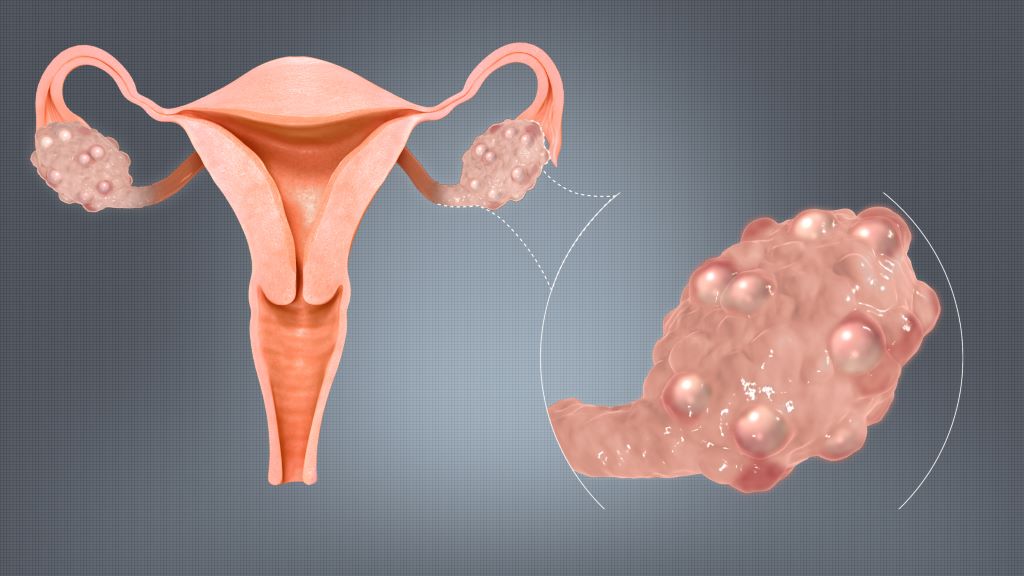
For decades, women diagnosed with Polycystic Ovary Syndrome (PCOS) have often been told that the condition centres on cysts forming on the ovaries. In reality, many women who meet the diagnostic criteria never develop ovarian cysts at all, which means that the name has long created confusion for both patients and clinicians alike.
In May 2026, global health experts formally introduced Polyendocrine Metabolic Ovarian Syndrome (PMOS) as the updated terminology for this condition, which reflects the growing scientific consensus that it involves multiple hormonal and metabolic systems, not only the ovaries.
The change follows more than a decade of international consultation among endocrinologists, researchers and patient groups. The goal is to align the name of the condition with what research has increasingly shown about how it works in the body.
“Up to 70% of PCOS cases remain undiagnosed due to gaps in awareness, recognition and care, leaving many women navigating years of unexplained symptoms,” says Dr Themba Hadebe, Clinical Executive at Bonitas Medical Fund. “The new terminology recognises that this is a complex endocrine and metabolic disorder that affects several systems in the body.”
A name change to pay attention to
For years, the label Polycystic Ovary Syndrome suggested that ovarian cysts were the defining feature of the condition. Yet the small follicles seen on ultrasound scans are not true cysts, and they are not present in every patient.
Doctors diagnose the condition using a combination of symptom monitoring that may include irregular ovulation, elevated androgen levels and characteristic ovarian changes on ultrasound. This broader clinical picture often sits uneasily with the name itself.
“The terminology shaped how people understood the condition,” says Hadebe. “When patients heard ‘polycystic ovaries’, many assumed the problem was limited to reproductive health. In practice, the condition affects hormones, metabolism and long-term health risk.”
Women living with the syndrome frequently experience a wider set of health concerns. Hormonal imbalances can lead to acne, excess facial or body hair and irregular ovulation. The condition can also influence mood and mental wellbeing.
“Patients often arrive in consulting rooms with a range of symptoms that appear unrelated,” says Hadebe. “When you step back and view the condition as a broader endocrine disorder, those symptoms begin to make sense.”
One of the strongest drivers of the renaming is the role of metabolism in the condition. Research shows that many women living with the syndrome experience insulin resistance, where the body’s cells respond poorly to insulin and struggle to regulate blood sugar effectively. This metabolic disruption can contribute to weight gain and increase the risk of developing Type 2 Diabetes and cardiovascular disease later in life.
The importance of early diagnosis
Despite how common the condition is, many women spend years searching for answers before receiving a diagnosis, with updated NICE guidelines for PMOS aimed at standardising diagnostic pathways expected to be released towards the end of 2026. Symptoms such as irregular periods, persistent acne, excess hair growth or unexplained weight gain are often dismissed as routine hormonal fluctuations.
Delayed diagnosis can carry long-term consequences. Without proper management, metabolic complications may develop gradually over time. “Early detection allows clinicians to manage the condition more effectively and reduce future health risks,” says Hadebe. “Women who notice persistent hormonal or menstrual changes should seek medical advice so that underlying causes can be assessed.”
Addressing stigma and misunderstanding
The name change also addresses the emotional impact many women describe when navigating the condition. Patients frequently report that their symptoms were minimised or attributed to stress, weight or lifestyle factors before they received an explanation.
Language plays a powerful role in shaping how conditions are understood. A name that reflects the complexity of the syndrome helps validate the experiences of those living with it.
“Renaming the condition does not change the biology,” says Hadebe. “However, updating the name to better reflect current scientific understanding will improve awareness, support earlier diagnosis, enhance quality of care, drive greater consistency in research, and ultimately improve the overall patient experience.”
As awareness grows, experts hope the shift to Polyendocrine Metabolic Ovarian Syndrome, or PMOS, will encourage earlier recognition of symptoms and more holistic care for women affected by the condition.
