Study Reveals How The Brain Detects and Regulates Inflammation
Source: CC0

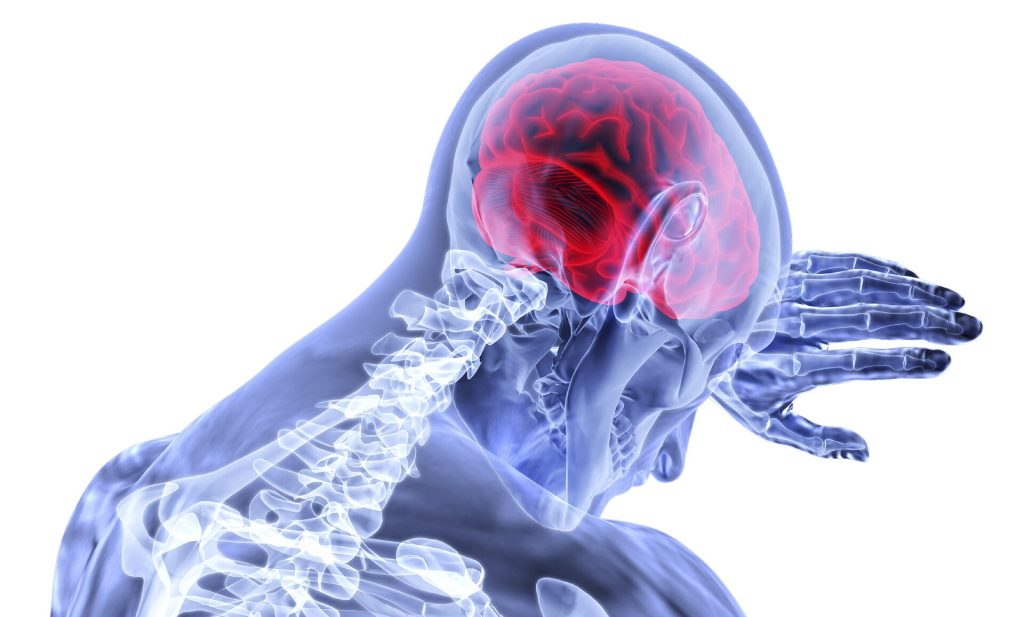
A study published in the journal Neuron has revealed the existence of a circuit in the brain that senses and regulates the anti-inflammatory response, including the triggering of behaviours associated with sickness and releasing cortisone, a potent negative regulator of immune responses. This circuit embodies a two-way connection between the brain and immune system.

Whenever infections or injuries occur, the immune system is triggered to control the infection and repair damaged tissue. This process involves the release of pro-inflammatory mediators that inform the brain of the body’s immune status and coordinate the immune response. In response to this signal, the brain sets off a complex reaction known as ‘sickness behaviour’ whose purpose is to reassign energy to the body’s different systems. This state is associated with behavioural changes including social avoidance and lethargy, metabolic adjustments such as fever and loss of appetite, and the release of hormones such as cortisone, to increase resistance to infection while also regulating immune responses.

In this study, a multidisciplinary group consisting of neurobiologists and immunologists from the Institut Pasteur, Inserm and the CNRS discovered a novel circuit used by the brain to measure inflammation levels in the blood and, in response to this, regulate inflammation. A region of the brainstem known as the vagal complex directly detects levels and types of inflammatory hormones in the bloodstream. This information is then relayed to neurons in another region of the brainstem called the parabrachial nucleus, which also receives information related to pain and certain aversive or traumatic memories. In turn, these neurons activate neurons in the hypothalamus leading to a rapid increase in cortisone in the blood.

The scientists used state-of-the-art neuroscience approaches to identify this circuit, which enabled them to individually observe the neurons involved during inflammation. The experts observed how the activity of specific neurons in the parabrachial nucleus could regulate the production of white blood cells involved in the immune response. “This research demonstrates that neural activity in the brain alone can have a powerful effect on the development of immune responses during infection or injury. It therefore provides a clear example of the powerful two-way connection between the body and brain. It also fuels our ambition to discover the impact of our brain on the way we interact with microbes, fight off pathogens and heal wounds,” explains Gérard Eberl, Head of the Institut Pasteur’s Microenvironment and Immunity Unit.

The discovery of this circuit opens up new opportunities for research that will jointly contribute to the fields of neurobiology and immunology: “This study gives us additional tools to better understand the impact of systemic inflammation on our brain, mood and on certain neurodegenerative processes,” adds Gabriel Lepousez, a neurobiologist in the Perception and Memory Unit (Institut Pasteur/CNRS).

Given the established role of the parabrachial nucleus in aversive memory processes, potential infectious threats could be averted if this circuit is reactivated by the memory of past inflammatory or aversive experiences. Drawing on this neuro-immune communication, the immune system could therefore benefit from the brain’s ability to predict and anticipate threats in our environment.

Source: Institut Pasteur

Food Allergy in Infancy Linked to Childhood Asthma and Reduced Lung Function

Photo by Corleto on Unsplash

Infants that have a food allergy have an increased risk of asthma and reduced lung function later in childhood, according to a world first study published in the Lancet Child & Adolescent Health.

Food allergy affects 10% of babies and 5% of children and adolescents. The research, led by Murdoch Children’s Research Institute, found that early life food allergy was associated with an increased risk of both asthma and reduced lung growth at six years of age.

Murdoch Children’s Associate Professor Rachel Peters said this was the first study to examine the relationship between challenge-confirmed food allergy in infancy and asthma and poorer lung health later in childhood.

The Melbourne research involved 5276 infants from the HealthNuts study, who underwent skin prick testing to common food allergens, such as peanut and egg, and oral food challenges. At six years, children were followed up with further food allergy and lung function tests.

The study found by six years of age, 13.7% reported a diagnosis of asthma. Babies with a food allergy were almost four times more likely to develop asthma at six years of age, compared to children without a food allergy. The impact was greatest in children whose food allergy persisted to age six as opposed to those who had outgrown their allergy. Children with a food allergy were also more likely to have reduced lung function.

Associate Professor Peters said food allergy in infancy, whether it resolved or not, was linked to poorer respiratory outcomes in children.

“This association is concerning given reduced lung growth in childhood is associated with health problems in adulthood including respiratory and heart conditions,” she said.

“Lung development is related to a child’s height and weight and children with a food allergy can be shorter and lighter compared to their peers without an allergy. This could explain the link between food allergy and lung function. There are also similar immune responses involved in the development of both food allergy and asthma.

“The growth of infants with food allergy should be monitored. We encourage children who are avoiding foods because of their allergy to be under the care of a dietician so that nutrition can be catered for to ensure healthy growth.”

Source: Murdoch Childrens Research Institute

More Monkeypox Antibodies with Childhood Smallpox Vaccination

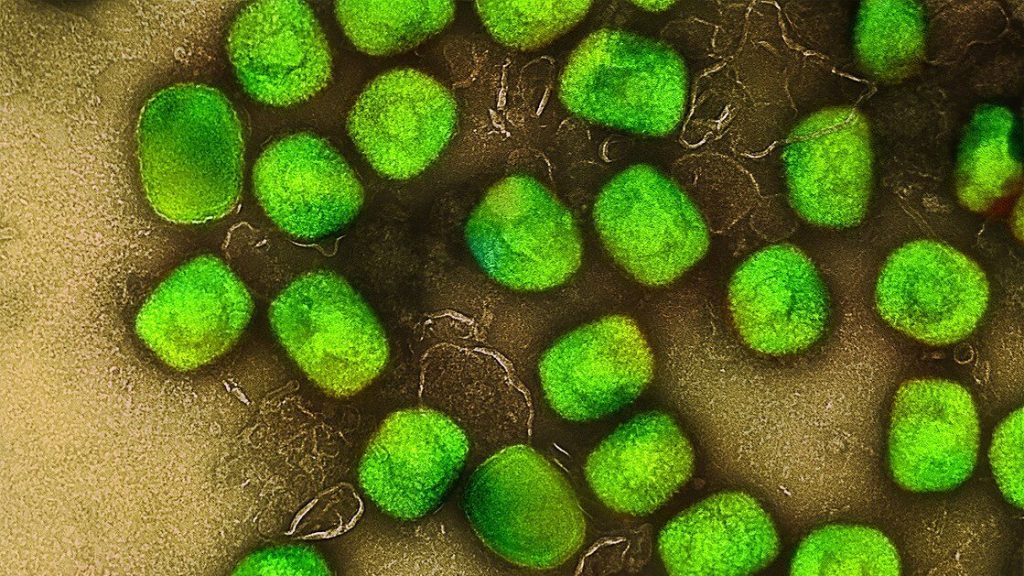
Mpox (monkeypox) virus. Source: NIH

In a study published in Cell Host & Microbe, scientists studied the sensitivity of MPXV, the virus that causes mpox (formerly monkeypox) to neutralising antibodies (NAbs) generated after infection with the virus and/or vaccination with IMVANEX. They found that those who had been born before 1980 had more antibodies in response to either IMVANEX vaccination or mpox infection, highlighting the lasting protection of smallpox vaccination.

The IMVANEX vaccine has been used as pre- and post-exposure prophylaxis in high-risk populations, but its effectiveness is not yet well characterised. To analyse the sensitivity of the virus, a team of scientists led by Pasteur Institut developed two cellular tests to quantify neutralising antibodies, using either the attenuated virus as a vaccine (MVA) or an MPXV strain isolated in a recently infected individual.

In 2022-2023, an unprecedented epidemic of 87 000 cases of mpox occurred in non-endemic areas, affecting people with no direct link to travel in Central or West Africa, where the virus has historically been present. MPXV is mainly transmitted to humans by rodents, with human-to-human transmission occurring via respiratory droplets or close contact. Symptoms are less severe than those of smallpox, and the case-fatality rate is lower. MPXV is still circulating at very low levels in non-endemic areas, which is why it is important to improve characterisation and analyse the immune response of people infected with the virus or vaccinated with IMVANEX, the third-generation vaccine currently available, initially developed for smallpox.

The large number of sera analysed provided good statistical power, meaning that the analysis could be narrowed to subgroups of patients based on various criteria such as age.

The study demonstrated the role of complement, already known for other poxviruses, and the neutralising activity of the antibodies generated by infection or vaccination. Robust levels of anti-MVA antibodies were detected after infection, vaccination with the historic smallpox vaccine, or administration of IMVANEX or another MVA-based vaccine candidate. MPXV was minimally sensitive to neutralisation in the absence of complement. The addition of complement from sera enhanced detection of individuals with antibodies and increased their level of anti-MPXV antibodies. Four weeks after infection, anti-MVA and -MPXV NAbs were observed in 94% and 82% of individuals, respectively. Two doses of IMVANEX generated anti-MVA and -MPXV NAbs that were detectable in 92% and 56% of vaccinees, respectively.

The highest level of antibodies was found in individuals born before 1980 (who had therefore been vaccinated for smallpox), whether after infection or after administration of IMVANEX, highlighting the impact of historic smallpox vaccination on immune responses to infection or administration of IMVANEX. This suggests that a sort of hybrid immunity was generated in infected individuals who were vaccinated in childhood.

The number of MPXV infections has been constantly on the rise since mass vaccination for smallpox was discontinued in the 1980s. “The neutralisation assays developed in connection with this research may help define correlates of protection against infection or disease severity. The assays can also be used to conduct epidemiological surveys, assess the duration of protection conferred by previous infection or by authorised and candidate vaccines, and analyse the use of immunotherapeutic intervention. The assays represent useful tools to understand the mechanisms of multiplication of MPXV and its effects on public health, and to optimsze patient treatment,” commented Olivier Schwartz, Head of the Institut Pasteur’s Virus and Immunity Unit and last author of the study.

Source: Institut Pasteur

SGLT-2 Inhibitors Reduce HF Hospitalisation Risk in Type 2 Diabetes

A study published in Annals of Internal Medicine has suggested that the new sodium-glucose co-transporter 2 inhibitors (SGLT-2i) may be viable as a first-line treatment in patients with type 2 diabetes (T2D), with reduced odds of hospitalisation for heart failure compared to those receiving metformin.

In cardiovascular outcome trials among adults with T2D, SGLT-2i have shown therapeutic promise, including reduced risk of hospitalisation for heart failure compared to placebo. However, SGLT-2i have mainly been evaluated as a second-line treatment, as metformin is generally given as a first-line, antidiabetic treatment.

In a new study, researchers from the Brigham compared cardiovascular outcomes among adults with T2D who initiated first-line treatment with either metformin or SGLT-2i. For the study, 8613 patients treated with SGLT-2i were matched to 17 226 patients treated with metformin. The authors found that patients receiving SGLT-2i showed a similar risk for myocardial infarction, stroke, and all-cause mortality, and a lower risk for hospitalization for heart failure compared with patients who received metformin. The risk for adverse events was similar except for an increased risk for genital infections compared with those receiving metformin.

“Our results suggest that SGLT-2i may be considered as first-line treatment for patients with T2D and cardiovascular disease or who are at increased risk for cardiovascular events,” said lead author HoJin Shin, BPharm, PhD, of the Division of Pharmacoepidemiology and Pharmacoeconomics. “However, more evidence from randomised clinical trials or observational studies will help us to identify patients who would benefit most from using SGLT-2i as first-line type 2 diabetes treatment.”

Source: EurekAlert!

New CRISPR Discovery Targets Infected Cells

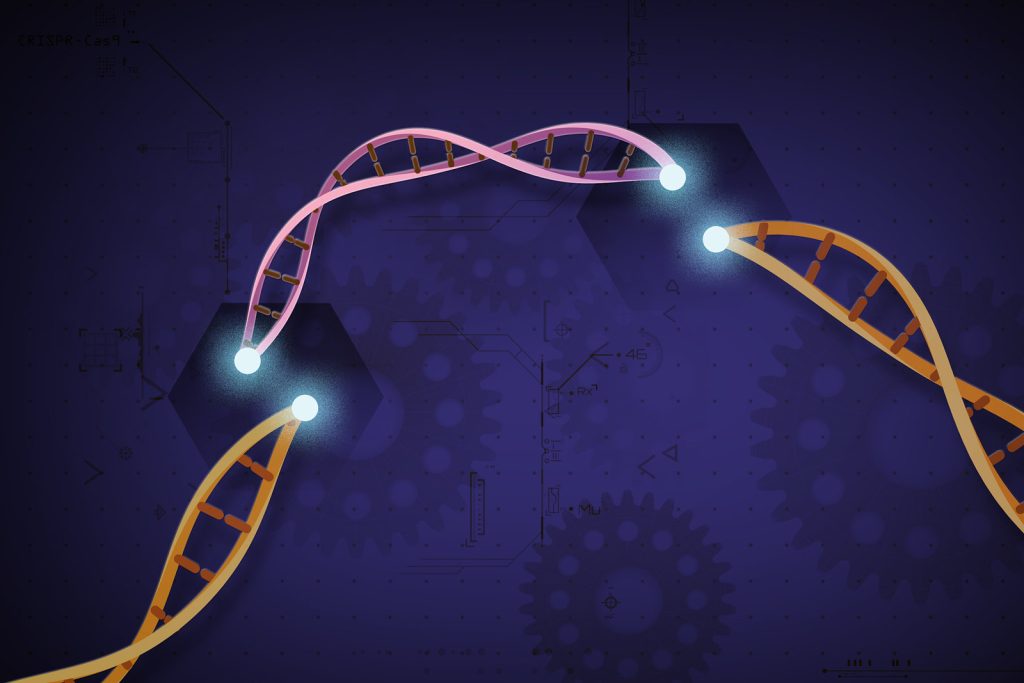
CRISPR-Cas9 is a customisable tool that lets scientists cut and insert small pieces of DNA at precise areas along a DNA strand. This lets scientists study our genes in a specific, targeted way. Credit: Ernesto del Aguila III, National Human Genome Research Institute, NIH

German and US scientists have discovered a CRISPR system in cells that shuts them down entirely to protect against viral replication, instead of merely chopping out foreign DNA that it comes across. It does this by shredding any DNA or RNA it comes across, causing the cell to become senescent and not become a virus factory. The newly identified CRISPR system is described in two papers published in Nature.

“With this new system, known as Cas12a2, we’re seeing a structure and function unlike anything that’s been observed in CRISPR systems to date,” says Jackson, assistant professor in Utah State’s Department of Chemistry and Biochemistry.

CRISPR, (Clustered Regularly Interspaced Short Palindromic Repeats) has taken science by storm with its gene-editing potential. Study of CRISPR DNA sequences and CRISPR-associated (Cas) proteins, which are actually bacterial immune systems, is still a young field.

Identified as a distinct immune system within the last five years, the Class 2, type V Cas12a2 is somewhat similar to the better-known ‘molecular scissors’ of CRISPR-Cas9, which binds to target DNA and cuts it, effectively shutting off a targeted gene. But CRISPR-Cas12a2 binds a different target than Cas9, and that binding has a very different effect.

Using cryo-electron microscopy, the team captured the CRISPR-Cas12a2 in a naturally occurring defensive strategy called abortive infection, a natural resistance strategy used by bacteria and archaea to limit the spread of viruses and other pathogens by preventing replication in the cell.

The team observed Cas12a2 in the act of cutting double-stranded DNA, bending it 90° to expose the backbone of the helix to cut it, a phenomenon that a phenomenon that elicits audible gasps from fellow scientists,” Jackson says.

Since the difference between a healthy cell and a malignant cell or infected cell is genetic, if Cas12a2 could be harnessed, “the potential therapeutic applications are significant.”

“If Cas12a2 could be harnessed to identify, target and destroy cells at the genetic level, the potential therapeutic applications are significant,” he says.

Source: Utah State University

Rethink Preventative Aspirin for Older Adults, Researchers Say

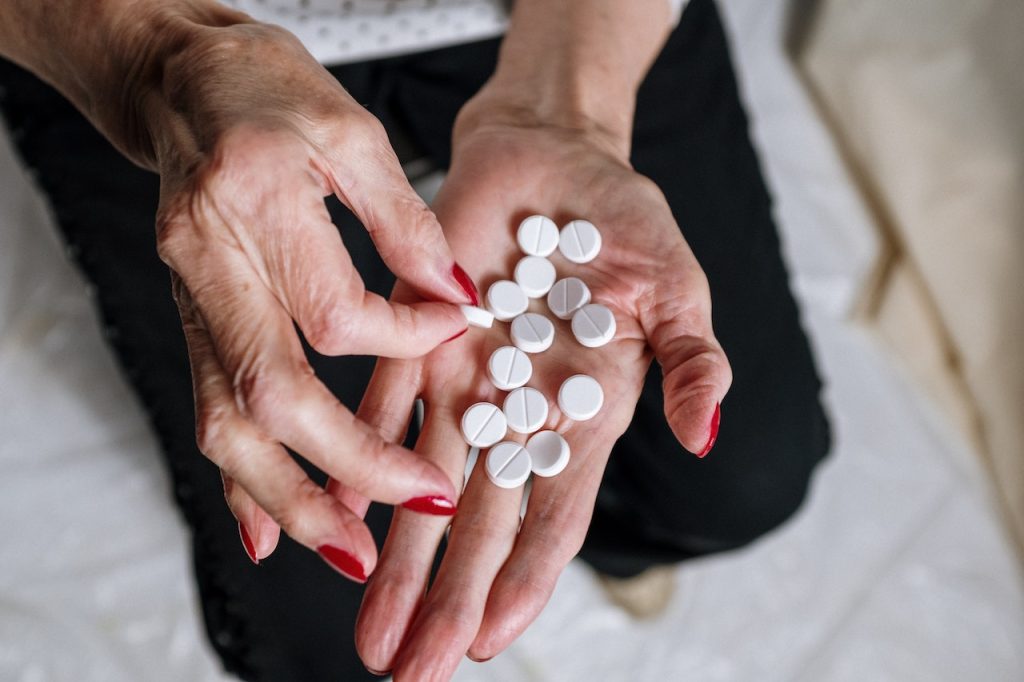
Photo by cottonbro studio: https://www.pexels.com/photo/person-holding-white-round-medication-pill-4661296/

Low-dose aspirin is used as primary prevention for ischaemic stroke, but its protective effect weighed against the increased risk of bleeding events is controversial. A new secondary analysis of daily aspirin in older people found that, in this population, aspirin failed to reduce the risk for ischaemic stroke but increased it for intracranial bleeding. The findings were presented in JAMA Network Open.

The researchers analysed data from the ASPREE randomised clinical trial, the first large-scale trial to study the risks and benefits of 100mg daily aspirin in an older population, where increased bleeding risk may alter the balance of risks and benefits of aspirin. This is particularly relevant to intracerebral events because intracranial haemorrhage is harder to treat than ischaemic events and more frequently fatal or disabling. With previous aspirin trials in mostly younger participants, excess intracerebral haemorrhagic events was seen, though usually few in number and non-significant.

Cloud et al. performed a secondary analysis of the ASPREE trial, which included 19 114 older adults, and found a statistically significant 38% increase in intracranial bleeding resulting from a combination of haemorrhagic stroke and other causes of intracerebral haemorrhage among individuals randomised to aspirin. The difference in incidence of ischaemic stroke was not statistically significant.

While aspirin did not cause a statistically significant reduction in ischaemic stroke (hazard ratio [HR], 0.89), there was a a statistically significant 38% increase in intracranial bleeding. Rates of intracranial bleeding from those assigned to aspirin (1.1%) were higher than placebo (0.8%). This came from an increase in a combination of subdural, extradural, and subarachnoid bleeding with aspirin (0.6%) compared with placebo (0.4%). Haemorrhagic stroke was recorded in 0.5% of those assigned to aspirin compared with 0.4% for placebo.

Absolute numbers of haemorrhagic and non-haemorrhagic events were small. Among 1000 individuals taking 100mg/day of low-dose aspirin over five years, there were 2.5 fewer ischaemic strokes at the expense of 3.5 cases of intracranial haemorrhage, but not statistically significant. No difference would be expected for overall stroke incidence or stroke mortality, but haemorrhagic stroke was associated with a mortality rate of nearly a third, compared to 7.7% for ischaemic stroke. Major extracranial haemorrhage was driven by the increased risk of upper gastrointestinal bleeding with aspirin compared with placebo, as previously found (Hazard Ratio, 1.87).

The researchers concluded that “there was no statistically significant benefit from aspirin in preventing stroke or any conventional stroke etiological subtype. However, aspirin significantly increased the overall risk of intracranial bleeding.”

Could an Alzheimer’s Treatment be Lurking in a Bodybuilder’s Supplement?

Photo by Jonathan Borba on Unsplash

A safe treatment against Alzheimer’s progression may be hidden in a common bodybuilding supplement. Researchers recently discovered that a muscle-building supplement called beta-hydroxy beta-methylbutyrate (HMB), may help protect memory, reduce plaques and ultimately help prevent the progression of Alzheimer’s disease. The researchers published their results in the journal Cell Reports.

HMB is a safe over-the-counter supplement, which bodybuilders regularly use to enhance exercise-related muscle strength and growth.

“This may be one of the safest and the easiest approaches to halt disease progression and protect memory in Alzheimer’s disease patients,” said Kalipada Pahan, PhD, at RUSH Medical College.

Studies in mouse models of Alzheimer’s have shown that HMB successfully reduces plaques and increases factors for neuronal growth to protect learning and memory, according to neurological researchers at RUSH.

“Understanding how the disease works is important to developing effective drugs to protect the brain and stop the progression of Alzheimer’s disease,” Pahan said.

Previous studies indicate that a family of proteins known as neurotrophic factors are drastically decreased in the brains of people with Alzheimer’s disease and have been found to help in survival and function of neurons, which are cells that receive and send messages from the body to the brain and vice versa.

“Our study found that after oral consumption, HMB enters into the brain to increase these beneficial proteins, restore neuronal connections and improve memory and learning in mice with Alzheimer’s-like pathology, such as plaques and tangles,” Pahan said.

The study findings indicate that HMB stimulates the nuclear hormone receptor PPARα within the brain that regulates the transport of fatty acids, which is key to the success of HMB as a neuroprotective supplement.

“If mouse results with HMB are replicated in Alzheimer’s disease patients, it would open up a promising avenue of treatment of this devastating neurodegenerative disease,” Pahan said.

Source: Rush University Medical Center

Lactobacillus Combo Stops Bacteria that Cause Toxic Shock Syndrome

Methicillin resistant Staphylococcus aureus (MRSA) – Credit: CDC

A virulent strain of Staphylococcus aureus produces proteins that trigger toxic shock syndrome (TSS), a disease characterised by the quick onset of fever, a telltale rash, and, without treatment, multi organ failure. In the vagina, TSS is associated with a life-threatening reaction from the immune system. Research published in the journal Microbiology Spectrum shows that probiotics may help prevent the disease before the cytokine cascade ever begins.

Probiotics may help prevent the disease before the cytokine cascade ever begins. This study reports that strains of two bacteria, Lactobacillus acidophilus and Lacticaseibacillus rhamnosus, successfully inhibited the production of the superantigens that cause TSS, in lab experiments. L. acidophilus, in addition, inhibited the growth of the S. aureus strains that produce the problematic proteins.

A combination of the two could both prevent growth and inhibit the immune response. “It’s kind of a double whammy against S. aureus,” said microbiologist Patrick Schlievert, Ph.D., at the University of Iowa Carver College of Medicine, in Iowa City. “If any toxin is made, the probiotics still prevent inflammation.”

He noted that adding these probiotics to tampons or other menstrual products could reduce the risk of TSS associated with menstruation. Such a preventive measure has the potential to benefit millions of vulnerable people, Schlievert said. “We know that 20% of people over age 12 cannot make antibodies and never will make antibodies against toxic shock syndrome,” he said.

Schlievert has been studying TSS and its prevention for decades. In the early 1980s, he was the first researcher to identify the toxin that triggers an overreaction of the immune system, and to show how high-absorbency tampons facilitated production of that toxin if S. aureus was present.

The new work, he said, was motivated by observations made during an earlier study. A few years ago, he and his colleagues recruited 205 women to test whether a novel molecular mixture, when added to tampons, would inhibit pathogenic bacteria. That molecule proved effective against E. coli and other pathogens, but the researchers noticed an unexpected consequence.

“Some of the women in the treatment group had this tremendous growth of Lactobacilli,” Schlievert said.

Source: American Society for Microbiology

Muscle Loss from Wasting Turns into Fuel to Fight Infection

Photo by I Yunmai on Unsplash

One common symptom of infection is wasting, the loss of fat and muscle. Salk scientists wanted to know whether wasting was beneficial in fighting infections. Researchers discovered the wasting response to T. brucei infection in mice occurs in two phases, each regulated by different immune cells. While fat loss did not benefit the fight against infection, muscle loss did – a surprising clue that some wasting may help manage illness.

The findings, published in Cell Reports, can inform the development of more effective therapeutics that spare people from wasting and increase our understanding of how wasting influences survival and morbidity across infections, cancers, chronic illnesses, and more.

“We often make assumptions that conditions like wasting are bad, since they often coincide with higher mortality rates,” says senior author Ayres. “But if instead we ask, what is the purpose of wasting? We can find surprising and insightful answers that can help us understand the human response to infection and how we can optimise that response.”

Defending the body from an invader requires a lot of energy. Prior studies suggested this immune-related energy consumption had the unfortunate consequence of wasting. But Ayres and team were curious to know whether wasting could be beneficial and not just a side effect.

T cells are slow to respond to infections, but when they do respond, they adapt to fight the particular infection. Ayres was interested to know whether it was these T cells causing wasting. If T cells are responsible for the condition, that would indicate wasting is not simply an unproductive side effect of energy-hungry immune cells.

The cells of interest are called CD4+ and CD8+ T cells. CD4+ T cells lead the fight against infection and can promote the activity of CD8+ T cells, which can kill invaders and cancerous cells. The two T cell types often work together, so the researchers hypothesised their role in wasting may be a cooperative effort, too.

To work out the relationship between CD4+ and CD8+ T cells and wasting, the researchers turned to the parasite T. brucei. Because T. brucei lives in fat and can block the adaptive immune response (which includes T cells) it was a perfect model infection for their questions about fat wasting and how T cells mediate that process.

The team investigated 1) the role of CD4+ and CD8+ T cells during T. brucei infection and 2) how removing CD4+ and CD8+ T cells changed the longevity, mortality rates, parasite symptoms, and amount of parasite present in infected mice.

The researchers found that CD4+ T cells acted first and initiated the process of fat wasting. Afterward, but completely independently of the fat wasting, CD8+ T cells initiated the process of muscle wasting. The CD4+ T cell-induced fat wasting had no impact on the ability for the mice to fight T. brucei or to survive infection. The CD8+ T cell-induced muscle wasting, however, contrary to the traditional assumptions about wasting, helped the mice fight T. brucei and survive the infection.

“Our discoveries were so surprising that there were times I wondered if we did something wrong,” says first author Samuel Redford. “We had striking results that mice with fully functioning immune systems and mice without CD4+ T cells lived the same amount of time – meaning, those CD4+ T cells and the fat wasting they caused were completely disposable in fighting the parasite. And beyond that, we found that normally cooperative T cell subtypes were working totally independently of one another.”

The findings illustrate the important role of immune cells in both fat and muscle wasting and the necessity to understand the function of such responses to inform therapeutic interventions.

“We can learn so much about our immune systems by looking at the environments and infections we have co-evolved with,” says Ayres. “While T. brucei is an interesting and important case, what is exciting is extrapolating our findings to understand, treat, and overcome any disease that involves immune-mediated wasting – parasites, tumours, chronic illnesses, and so much more.”

In the future, the team will examine the T cell mechanism in other mammals and eventually humans. They also want to explore in more detail why muscle wasting is occurring and why CD4+ and CD8+ T cells play these distinct roles.

Source: Salk Institute

Opinion: HIV Investments Remain No-brainers, but Some Things Need to Change

Photo by Miguel Á. Padriñán

By Marcus Louw for Spotlight

Making the case for governments and donors to pump money into the HIV response has become more difficult over the last decade. This is partly a result of the notable successes we’ve had – for example, in 2022, HIV-related deaths in South Africa were down to less than a fifth of what it was in 2005. There is clearly some justification for the point of view that HIV simply isn’t the crisis it used to be.

That said, it is also true that about 8 million people in South Africa are living with HIV. This number will continue to rise in the coming years as the rate of new HIV infections is much higher than the rate of HIV-related deaths. Barring a major scientific breakthrough, all these millions of people will require antiretroviral medicines for the rest of their lives, both for their own health and to reduce onward transmission of the virus. In this context, a failure to maintain and improve HIV treatment and prevention programmes will have catastrophic consequences.

There is also increasing competition with other areas of urgent need. In recent years, climate change and COVID-19 have understandably made the headlines much more frequently than HIV. There is also a slow shift underway in South Africa’s disease burden, away from HIV and tuberculosis toward non-communicable diseases (NCDs) such as diabetes and hypertension.

Still a no-brainer

Despite these shifts, there is good reason to think that spending money on HIV continues to offer excellent value for money. For example, according to a recent report by Economist Impact (part of the Economist group that also publishes the Economist magazine), for every dollar spent on HIV in South Africa from 2022 to 2030, it is estimated the country will see GDP gains of over $7.

We also have a good idea of the impact and cost-effectiveness of specific HIV-related interventions. According to the most recent version of the South Africa HIV investment case, published in December 2021, condom provision continues to be the most cost-effective intervention in South Africa, followed by antiretroviral treatment, infant testing, pre-exposure prophylaxis for men who have sex with men, and general population testing. Voluntary medical male circumcision has become less cost-effective as coverage levels have risen in recent years, but remains worth it. In fact, the investment case leaves no doubt that most of the key interventions needed to combat HIV in South Africa are both worth it and affordable.

Despite all this, according to a recent UNAIDS report, global investment in HIV has taken a knock in recent years, and in 2022 we were essentially back down to the same level as in 2013. Such reductions constitute a crisis in HIV funding, especially in poor countries that are heavily reliant on donor funds. In South Africa, key interventions like antiretroviral treatment and condoms generally remain funded, but public sector health budgets have been shrinking in real terms, something that is no doubt impacting the HIV programme.

Time to leverage HIV investments

This brings us back to the knotty problem with which we started – while HIV remains a large and serious problem and most investments in combatting HIV remain excellent value for money, making the case for these investments has become more difficult due to competing priorities and the fact that, in South Africa at least, people are not dying of AIDS at nearly the rate they did 20 years ago. How to best make the case in a way that convinces governments and donors to put up the money in this context is a devilishly hard problem.

There are certainly no simple solutions.

What there is, though, is some indications that a too narrow focus on HIV is becoming a harder sell. There is also a risk that as funds for HIV get harder to come by, and the clamour for funding NCDs becomes more pronounced, we may end up pitting diseases against each other in a way that benefits no one.

Given the incredible acuteness of our HIV crisis ten and 20 years ago, a laser focus on HIV was right and necessary. Today, however, the reality is that many people living with HIV are also living with NCDs like diabetes or hypertension, something that will become only more so as the population of people living with HIV grow older. It is clear that we need to start doing a better job of integrating care and treatment for all the different diseases one person might have – the key is to do so in a way that doesn’t drop the ball when it comes to HIV.

In some areas progress is already clear – medicines distribution via pickup points closer to people’s homes were fuelled by the need to get ARVs to people, but is now also being used to distribute medicines for some NCDs. In other areas, such as data systems, integration however remains limited and the systems available for HIV and TB remain superior to those for NCDs.

There appears to be a broader policy shift along these lines. As recently reported on Devex, the Global Fund to Fight HIV, TB, and Malaria’s current five-year strategy explicitly endorses and promises funding for integrating non-communicable disease services with TB and HIV programmes. UNAIDS’s new ‘The path to end AIDS’ report also makes the right noises on the “deeper integration of HIV and other health services”, as does South Africa’s National Strategic Plan for HIV, TB, and STIs 2023 – 2028.

Of course, the road from policy-level ambitions such as these and change on the ground can be a long one – to some extent such integration has been on the cards for over a decade. But, rising NCD rates, an ageing population of people living with HIV and comorbidities, and funding pressures mean that getting integration right is now more urgent than ever.

One of the arguments for HIV-specific funding has always been that HIV investments have benefited healthcare systems more generally, even if that was not the primary intention. Maybe in this next act of the HIV response then, the key will be to stop thinking of health system improvement as a side effect of HIV investments and instead lean into the idea of explicitly leveraging what we’ve done and will continue to do in HIV to improve health systems more generally.

Republished from Spotlight under a Creative Commons Licence.

Source: Spotlight