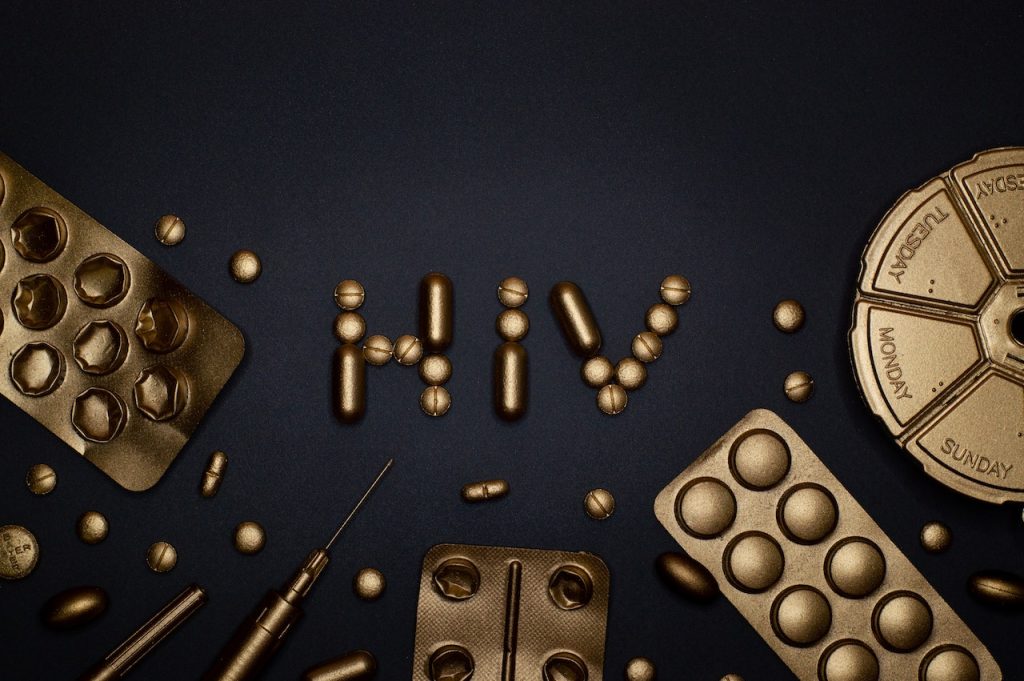
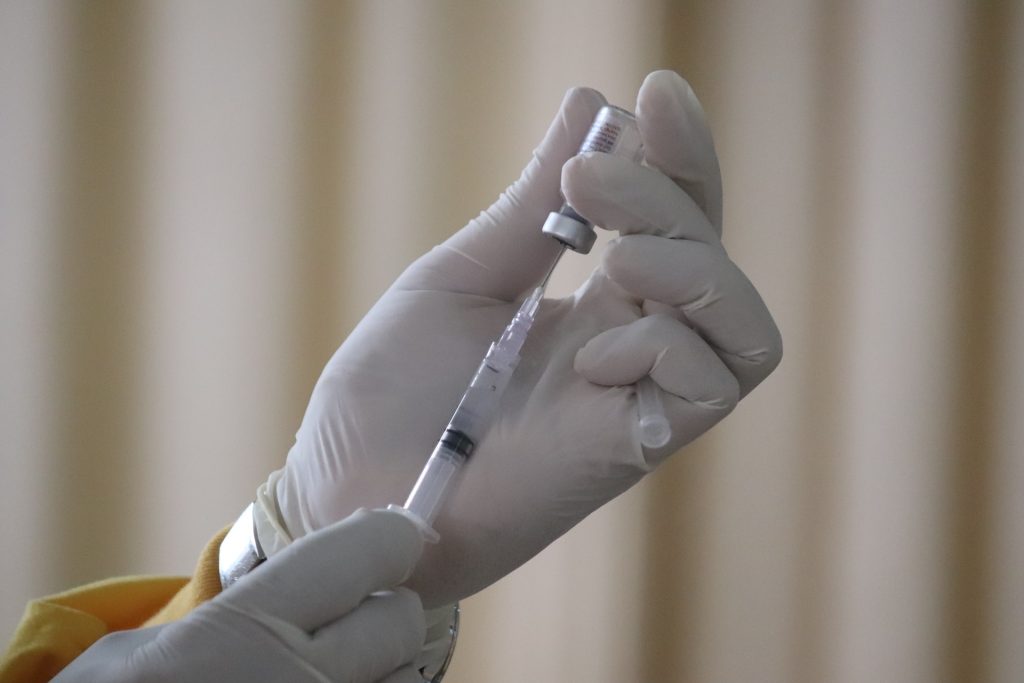
Finalised data published in the New England Journal of Medicine, has confirmed the stunning results of a trial in which a twice-yearly dose of lenacapavir completely prevented HIV infection in a group of adolescent girls and women in South Africa and Uganda.
A major challenge with HIV prophylaxis with cisgender women is adherence and persistence with daily oral regimens. The twice-yearly subcutaneous injection of lenacapavir helps to circumvent these problems by offering extended protection.
Based on the initial results announced by Gilead Sciences on the 20th of June, the PURPOSE 1 phase 3 clinical trial met its key efficacy endpoints of superiority of twice-yearly lenacapavir to once-daily oral (emtricitabine 200mg and tenofovir disoproxil fumarate 300mg; F/TDF) and background HIV incidence. Given the strength of these results, the blinded phase of the trial was halted and open-label lenacapavir was offered to all participants.
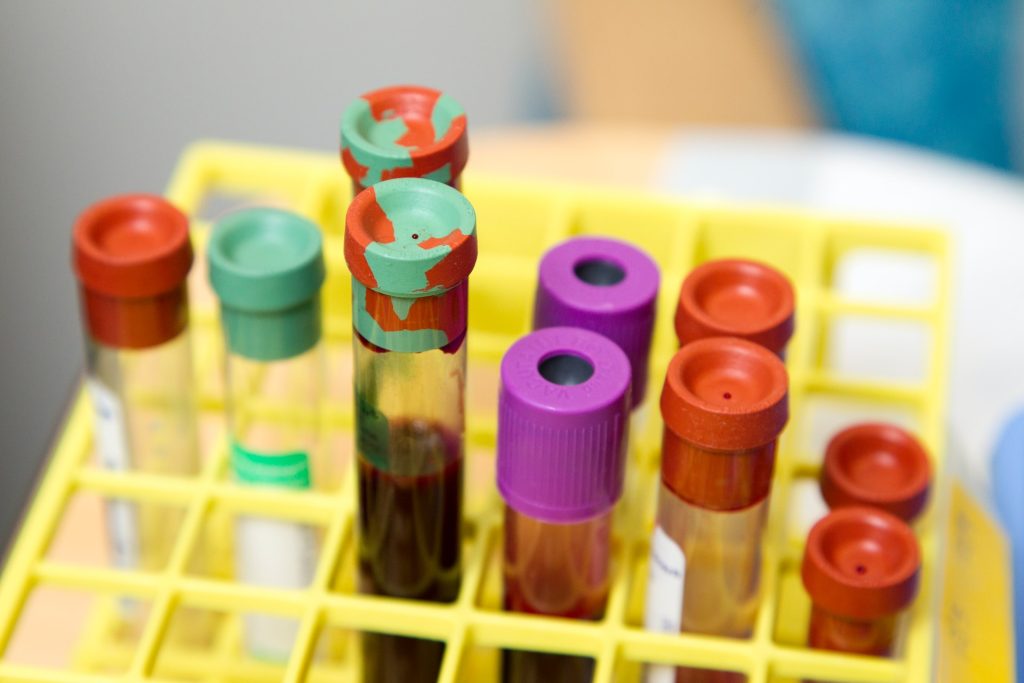
The double-blind, randomised, controlled trial recruited 5338 participants who were initially HIV-negative. They were randomised 2:2:1 ratio to receive subcutaneous lenacapavir every 26 weeks, daily oral emtricitabine–tenofovir alafenamide (F/TAF), or daily oral F/TDF (active control); all participants also received the alternate subcutaneous or oral placebo. They compared the efficacy of lenacapavir and F/TAF with F/TDF against the estimated background incidence of HIV infection.
Among the 2134 participants in the lenacapavir group, there were 0 infections (0 per 100 person-years). Meanwhile in the F/TAF group, there were 39 infections among 2136 participants (2.02 per 100 person-years) and 16 infections among the F/TDF group’s 1068 participants (1.69 per 100 person-years).
HIV incidence with lenacapavir was significantly lower than background HIV incidence and than HIV incidence with F/TDF. HIV incidence with F/TAF did not differ significantly from background HIV incidence, and no evidence of a meaningful difference in HIV incidence was observed between F/TAF and F/TDF.
The researchers did note that adherence to F/TAF and F/TDF was low. While no safety concerns were found, injection-site reactions were more common in the lenacapavir group (68.8%) than in the placebo injection group (F/TAF and F/TDF combined) (34.9%); 4 participants in the lenacapavir group (0.2%) discontinued the trial regimen owing to injection-site reactions.
Credit: Darryl Leja National Human Genome Research Institute National Institutes Of Health
The US Food and Drug Administration (FDA) has granted Fast Track designation for SYNC-T SV-102 therapy for the treatment of patients with metastatic castrate-resistant prostate cancer (mCRPC). SV-102 is part of Syncromune Inc.’s SYNC-T platform, an in situ personalised therapy that uses a combination multi-target approach to cancer treatment, aiming to improve outcomes and quality of life for patients.
The Fast Track designation was granted based on the potential of SYNC-T SV-102 therapy to address the significant unmet need in treating patients with mCRPC. This advanced form of prostate cancer affects over 40 000 men in the US alone and is associated with a very poor prognosis. The Fast Track process is designed to facilitate the development and expedite the review of therapies that treat serious conditions and fulfil an unmet medical need, with the goal of getting important new treatments to patients sooner. Fast Track designation provides Syncromune with several key benefits, including more frequent FDA interactions, eligibility for accelerated approval, and priority review.
“The Fast-Track designation for SYNC-T SV-102 therapy signifies another step forward in bringing our potentially groundbreaking therapy to patients who need it most,” said Eamonn Hobbs, Chief Executive Officer and co-founder of Syncromune. “This accomplishment builds upon the foundation of positive Phase 1 clinical data and recent IND clearance.”
Syncromune’s lead candidate, SYNC-T SV-102, is a platform therapy that combines an in situ vaccine via partial oncolysis of a tumour followed by intratumoural infusion of the SV-102 fixed-dose multi-target biologic drug into the lysed tumour. This combination is designed to provide both immune stimulation and block immune suppression to activate and proliferate T cells to elicit a systemic anti-tumour response. Interim data from a Phase 1 study of SV-102 in males with mCRPC demonstrated an overall response rate of 85% with a favourable safety profile and tolerability. The Fast-Track designation comes on the heels of clearance of the company’s investigational new drug (IND) application, with studies expected to begin in the US this year.
Charles Link, M.D., Executive Chairman of Syncromune added, “We believe that Fast-Track designation for SYNC-T SV-102 will significantly aid our development goals for this therapy for men with difficult to treat prostate cancer. We look forward to initiating trials at multiple US sites later this year to expand our efforts to develop the SYNC-T SV-102 Therapy.”
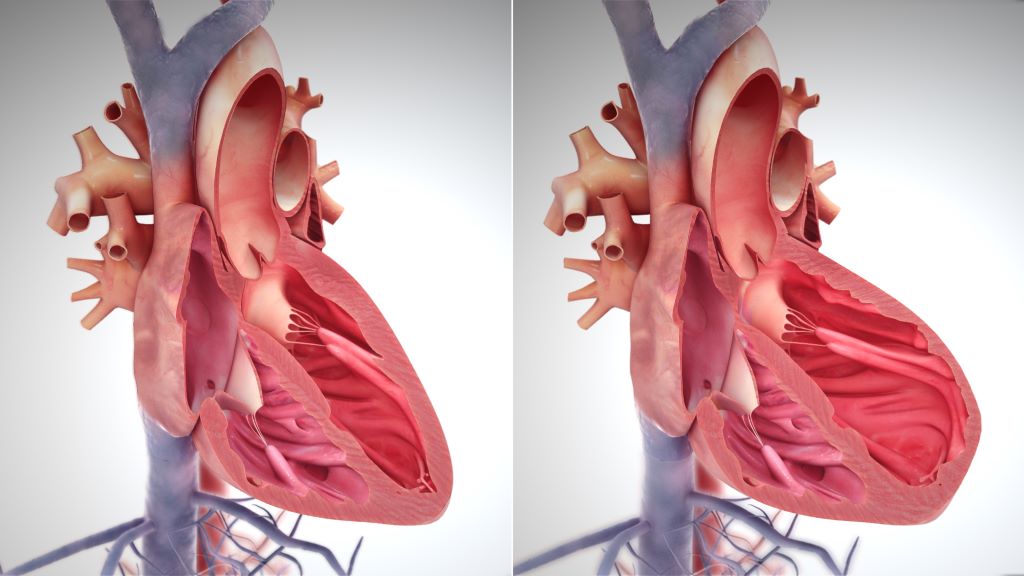
Right side heart failure. Credit: Scientific Animations CC4.0
A new small study led by Johns Hopkins Medicine researchers recently published in the journal Nature Cardiovascular Researchhas revealed the impact of obesity on muscle structure in patients having a form of heart failure called heart failure with a preserved ejection fraction (HFpEF). They observed swollen mitochondria, lipid droplets and tattered muscle fibre bundles, all independent of diabetes status.
According to the Journal of Cardiac Failure, HFpEF represents more than half of all heart failure world-wide. Originally, this form of heart disease was associated with hypertension and along with this, excess muscle growth (hypertrophy) to help counter the pressures. Over the past two decades, HFpEF is occurring more often in patients with severe obesity and diabetes according to the Journal of the American College of Cardiology. However, there are still very few effective HFpEF therapies, and a challenge in developing therapies has been the lack of studies in human heart tissue to determine exactly what is abnormal. As hospitalisation and death rates in HFpEF patients are quite high, (30–40% over 5 years), understanding its underlying causes is critical.
“HFpEF is a complex syndrome, involving abnormalities in many different organs”, says lead investigator David Kass, MD, Professor of Medicine at the Johns Hopkins University School of Medicine. “We call it heart failure (HF) because its symptoms are similar to those found in patients with hearts that are weak. However, with HFpEF, heart contraction seems fine, yet heart failure symptoms still exist. While many prior efforts to treat HFpEF using standard HF drugs have not worked, success has since come from drugs used to treat diabetes and obesity.”
More specifically, the drug used to treat diabetes, known as an SGLT2 inhibitor (sodium glucose transporter 2 inhibitor) is currently the only evidence-based drug for HFpEF that has improved not only its symptoms but also reduced long-term rehospitalisation rates and endpoints of mortality. The weight loss drug GLP1-receptor agonist has been tested and found to improve symptoms in patients with HFpEF, and ongoing studies are determining if a similar hard end-point (mortality reduction, hospitalisation for HF reduction) are also possible outcomes. As such, these drugs have already been shown to be effective not only in diabetes where they started, but also in HFpEF.
To perform the study, the research team obtained a small piece of muscle tissue from 25 patients who had been diagnosed with varying degrees of HFpEF caused by diabetes and obesity and compared them to heart tissue from 14 organ donors whose hearts were considered to be normal. They examined the muscle using an electron microscope that shows muscle structure at a very high magnification.
Mariam Meddeb, MD, MS, cardiovascular disease specialist at the Johns Hopkins University School of Medicine, who conducted the study says that a scanning electron micrograph “provides a very clear picture inside the muscle cell, what we call ultrastructure, such as mitochondria that are the energy power plants, and sarcomeres (unit of muscle fibre) that generate force”.
The researchers found notable ultrastructural abnormalities were particularly present in tissue of the most obese patients who had HEpEF, which had mitochondria that were swollen, pale, and disrupted, had many fat droplets, and their sarcomeres appeared tattered. These abnormalities were not related to whether the patient had diabetes, and were less prominent in patients who were less obese.
“These results will help those trying to develop animal models of HFpEF, since they show what one wants to generate at this microscopic level,” notes Dr Kass. “It also raises the key question of whether reducing obesity, as is now being done with several drug therapies, will reverse these ultrastructural abnormalities, and in turn improve HFpEF outcome.”
Global climate change could create more opportunities for rise and spread of new cholera strains
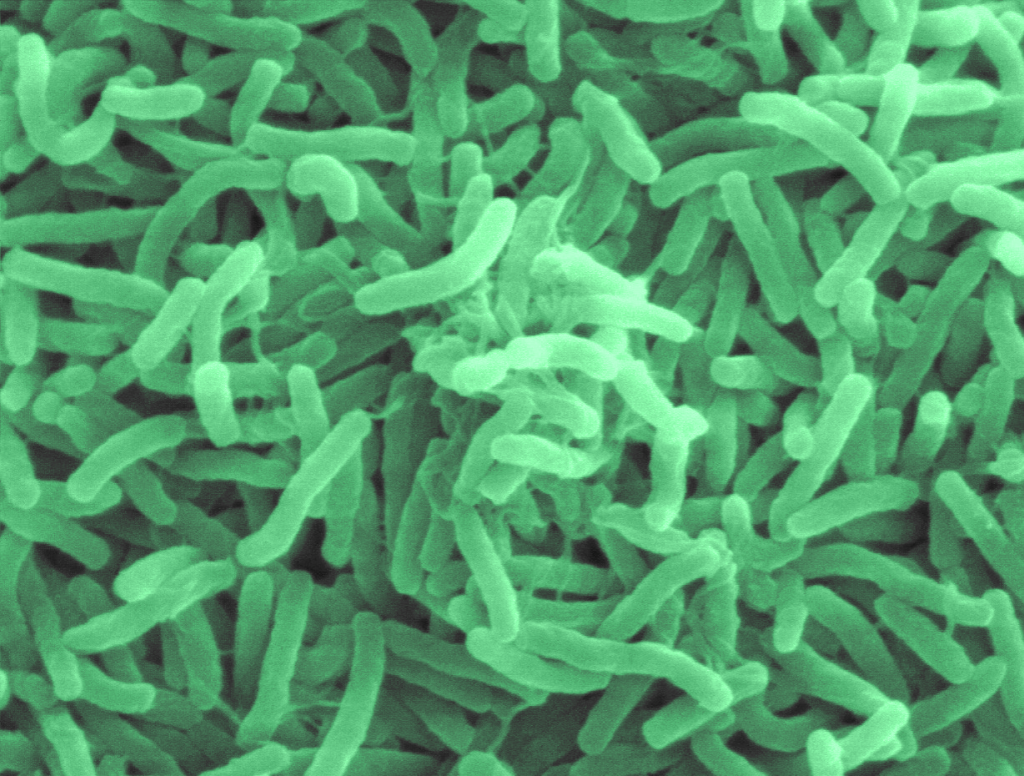
Scanning electron micrograph image of cholera bacteria.
New research suggests that an El Niño event may have aided the establishment and spread of a novel cholera strain during an early 20th-century pandemic, supporting the idea that climate anomalies could create opportunities for the emergence of new cholera strains. Xavier Rodo of Instituto de Salud Global de Barcelona, Spain, and colleagues present these findings in the open-access journal PLOS Neglected Tropical Diseases.
Since 1961, more than 1 million people worldwide have died in an ongoing cholera pandemic, the seventh cholera pandemic to have occurred since 1817. The drivers of past cholera pandemics have been unclear, but one hypothesis holds that anomalous climate conditions may act synergistically with genetic changes of Vibrio cholerae—the bacterium that causes the disease—to facilitate the spread and dominance of new strains.
To help clarify potential links between climate and cholera, Rodo and colleagues applied a variety of statistical and computational tools to historical records of climate conditions and cholera deaths in various regions of former British India during the sixth cholera pandemic, which lasted from 1899 to 1923. They also compared past conditions with climate and cholera data for the ongoing pandemic.
This analysis revealed that anomalous patterns of cholera deaths from 1904 to 1907 occurred alongside out-of-the-ordinary seasonal temperatures and rainfall levels associated with an El Niño event; the timing of these occurrences correlates with the establishment of a new invasive strain during the sixth pandemic. In addition, these historical climate conditions show similarities to strong El Niño events that have been associated with cholera strain changes during the ongoing pandemic.
These findings support the possibility that anomalous climate events could help facilitate the establishment and spread of new cholera strains.
The researchers then explored future possibilities for climate-facilitated emergence of new cholera strains using standard climate prediction models. They found that climate change-driven increases in climate variability and extremes could boost the chances of emergence of novel strains through the end of the current century.
Meanwhile, to deepen understanding of this deadly disease, the scientists call for further research focused on the interplay of cholera evolution and climate anomalies.
Dr Rodó and co-author Dr Mercedes Pascual summarise: “Variation in climate conditions or the evolutionary change of a pathogen can be important drivers of major epidemics and pandemics. But these two drivers are typically considered separately in studies seeking to explain the emergence of unusually large outbreaks…here, we present indirect evidence that the two can act together to synergistically underlie the establishment and widespread transmission of a new strain.”
Researchers from Germany have made a surprising discovery about the aggressive, lethal glioblastomas: in the vicinity of glioblastomas, they found islands of highly potent immune cells in the neighbouring bone marrow of the skull, which play a central role in defending against cancer. The new data may open up prospects for innovative therapies. On the other hand, they cast a shadow over conventional strategies.
“What we have found is surprising and fundamentally new,” says Björn Scheffler, German Cancer Consortium (DKTK) researcher at the Essen site. Until now, the body’s own defences have always been thought of as a holistic system that sends its troops to different parts of the body as required. “However,” says Scheffler, “our data show that highly potent immune cells gather in regional bone marrow niches close to the tumour and organise the defence from there. At least this is the case with glioblastomas.”
Immune system on site
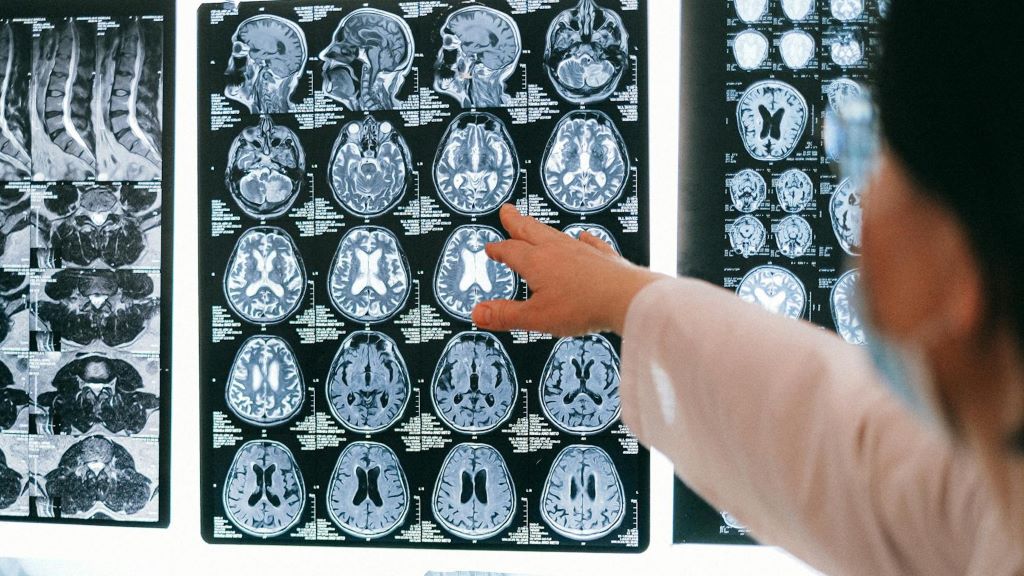
Based on new findings from animal experiments, the Essen team took tissue samples from the bone marrow near the tumor in the skull from untreated patients with glioblastoma. “However, the methods for this first had to be established,” reports first author Celia Dobersalske, emphasizing the fact that the new research results were obtained from human tissue samples.
The researchers hit the bull’s eye in their search: Bone marrow niches in close proximity to the glioblastoma appear to be the reservoir from which the anti-tumour defence is recruited. Apart from active lymphoid stem cells that develop into immune cells, the researchers also found mature cytotoxic T lymphocytes (CD8 cells) in the bone marrow close to the tumour. “These are highly effective immune cells that play a central role in the defence against cancer,” adds Celia Dobersalske. They can recognize and destroy malignant cells.
The CD8 cells in the bone marrow near the tumour had an increased number of receptors on their surface, which control the proliferation of mature T lymphocytes. In line with this, descendants of the same cell clones – one clone originates from one and the same cell – were detected both in the bone marrow and in the tumour tissue. This is clear evidence that the immune cells gathered on site are fighting the glioblastoma. “And they are successful – at least for a while,” says Björn Scheffler. “We were able to show that the course of the disease correlates with the activity of the local CD8 cells.”
Valuable immune cells destroyed?
This finding not only turns conventional ideas about how the immune system works on their head. The treatment concepts for glioblastoma must also be reconsidered in light of the new data. “Until now, we hadn’t even considered the skullcap in our considerations. How could we, since there was no evidence that highly potent immune cells could be hiding there,” says senior author Scheffler.
“When we opened the skull, we may have destroyed important immune cells in the process,” confirms Ulrich Sure, Director of the Department of Neurosurgery and member of the Essen research team. “In view of the new findings, we find ourselves in a dilemma: we have to gain access to the tumour in order to remove it and also to be able to confirm the diagnosis. There is currently no other way than through the skull. But we are thinking about how we can minimise damage to the local bone marrow in the future.”
On the other hand, the discovery of the local immune system opens up opportunities for innovative therapies. In particular, so-called checkpoint inhibitors are coming back into play. These are immunotherapeutic agents that aim to boost the body’s own cancer defenses. However, checkpoint inhibitors tested to date have shown little effect on glioblastomas.
“Various explanations have been suggested as an explanation, but perhaps we also need to rethink things in this respect,” says Björn Scheffler. “We now know that highly potent immune cells are indeed present on site. We were able to prove that they are fit to fight tumours, but they are not capable of destroying the tumour on their own. This is where we can start. One challenge will be to deliver drugs in sufficient concentration to the regional bone marrow niches at the right time. If we succeed, we may have a chance of controlling the growth of glioblastomas and improving our patients’ chances of survival.”
When performing resistance training such as lifting weights, there’s a lot of interest in how close you push yourself to failure – the point where you can’t do another rep – and how it affects your results. While research has looked at this concept in different ways, to date, no meta-analysis has explored the pattern (ie, linear or non-linear) of how the distance from failure (measured by repetitions in reserve) affects changes in muscle strength and size.
As such, it’s still unclear how close to failure one needs to go to maximise muscle growth and strength.
Researchers from Florida Atlantic University and collaborators analyzed how training close to failure or not impacts muscle growth and strength. The study primarily looked at how training close to failure affects muscle growth in the main muscles used in an exercise. For example, if an individual was doing leg presses, the focus was on how training close to failure affects the quadriceps.
Researchers estimated the number of repetitions in reserve, which means how many more reps you could have done before reaching failure. They collected data from 55 various studies and ran detailed statistical analyses to see how different reps in reserve levels affected strength and muscle growth.
Results of the study, published in the journal Sports Medicine, found that how close you train to failure doesn’t have a clear impact on strength gains. Whether you stop far from failure or very close to it, your strength improvement appears to be similar. On the other hand, muscle size (hypertrophy) does seem to benefit from training closer to failure. The closer you are to failure when you stop your sets, the more muscle growth you tend to see.
“If you’re aiming for muscle growth, training closer to failure might be more effective. In other words, it doesn’t matter if you adjust training volume by changing sets or reps; the relationship between how close you train to failure and muscle growth remains the same,” said Michael C. Zourdos, Ph.D., senior author and professor and chair of the Department of Exercise Science and Health Promotion within FAU’s Charles E. Schmidt College of Science. “For strength, how close you push to failure doesn’t seem to matter as much.”
The researchers suggest that individuals who aim to build muscle should work within a desired range of 0-5 reps short of failure for optimized muscle growth or while minimizing injury risk. For strength training, they suggest individuals should work toward heavier loads instead of pushing their muscles to failure. As such, they recommend that to train to gain strength, individuals should stop about 3-5 reps short of failure without applying additional physical strain on the body.
“Training closer to failure enhances the accuracy of self-reported repetitions in reserve,” said Zac P. Robinson, Ph.D., first author and a Ph.D. graduate of FAU’s Department of Exercise Science and Health Promotion. “When people estimate how many reps they have left, this perception influences the weights they choose. If the estimation is off, they might use lighter weights than needed, which could limit strength gains. On the flip side, our meta-analysis shows that training closer to failure also leads to greater muscle growth. So, for the average individual, training close to failure may be the best option – as it seems to improve the accuracy of our perception of effort as well as gains in muscle size.”
Findings help underscore the difficulties of training close to failure, which can be tough and harder to recover from, potentially impacting long-term performance negatively. In addition, the researchers say that training closer to failure might better simulate the conditions and experiences of a maximal strength test, commonly used in strength training programs, rehabilitation and athletic performance assessments to gauge an individual’s strength capabilities and track progress over time.
“As the load increases, motor patterns change, which means performing sets closer to failure can more closely mimic the demands of max strength assessments,” said Zourdos. “This approach aligns with the principle of specificity by exposing you to similar motor patterns and psychological challenges. Moreover, training near failure may also improve psychological factors like visualisation, which are important for achieving maximal strength.”
Results from the study could help guide future research and provide valuable insights for trainers on how proximity to failure affects muscle growth and strength. However, researchers say the exact numerical relationship between training close to failure and strength gain remains unclear and future studies should be deliberately designed to explore the continuous nature of the effects in larger samples.
Risk of cancer by specific site based on blood test abnormalities in symptomatic patients can help guide referral strategies
Photo by National Cancer Institute on Unsplash
Incorporating information from common blood tests can enhance cancer risk assessment in patients with abdominal symptoms, according to a study publishing July 30th in the open-access journal PLOS Medicineby Meena Rafiq from University College London, UK, and colleagues.
Early cancer detection is key to successful treatment. However, many undiagnosed cancer patients present to their primary care provider with non-specific symptoms that can be a result of several other benign causes, making it difficult to determine who warrants additional diagnostic testing or referral. Most guidelines focus on “alarm” symptoms specific to a given type of cancer to guide referrals. There is limited guidance on non-specific symptoms to guide cancer assessment and referral decisions across different cancer types.
In this study, researchers used data from the UK Clinical Practice Research Datalink to identify more than 470 000 patients aged 30 years or older who had visited a general practitioner due to abdominal pain or bloating. Within a year of that visit, approximately 9000 patients with abdominal pain and 1000 patients with bloating were diagnosed with cancer. The researchers looked at 19 abnormal blood test results collected during the initial primary care visit to see if they could predict who was more likely to be diagnosed with cancer.
Several blood abnormalities were predictive of cancer risk across sex and age groups. For example, in patients aged 30–59 years with abdominal symptoms, anaemia, low albumin, raised platelets, abnormal ferritin, and increased inflammatory markers strongly predicted a risk of undiagnosed cancer. Among older patients (aged 60 years and above), the presence of abdominal pain or bloating alone was enough to warrant a cancer referral.
The study also showed which types of cancer were most common based on age, sex, and blood test abnormality. For example, among women aged 50–59 years with anaemia and abdominal bloating, the most common types of cancer were bowel and ovarian cancer. This level of granularity can help guide providers on which diagnostic strategies to prioritise.
The study shows that common, routine blood test results can provide additional context in patients with non-specific abdominal symptoms to improve cancer risk assessment and identify patients who warrant additional testing and/or referral to a specialist.
The authors add, “Using existing blood tests can be an effective and affordable way to improve early diagnosis of cancer in people who see their GP with vague symptoms. Our study identified several commonly used GP blood tests where abnormal results increase a patient’s risk of having cancer and these can be used to diagnose cancer earlier.”
A study led by Georgetown University neuroscientists reveals that the part of the brain that receives and processes visual information in sighted people develops a unique connectivity pattern in people born blind. They say this pattern in the primary visual cortex is unique to each person, akin to a fingerprint.
The findings, published in PNAS, have profound implications for understanding brain development and could help launch personalised rehabilitation and sight restoration strategies.
For decades, scientists have known that the visual cortex in people born blind responds to a myriad of stimuli, including touch, smell, sound localization, memory recall and response to language. However, the lack of a common thread linking the tasks that activate primary areas in the visual cortex has perplexed researchers. The new study, led by Lenia Amaral, PhD, a postdoctoral researcher; and Ella Striem-Amit, PhD, the Edwin H. Richard and Elisabeth Richard von Matsch Assistant Professor of Neuroscience at Georgetown University’s School of Medicine, offers a compelling explanation: differences in how each individual’s brain organizes itself.
“We don’t see this level of variation in the visual cortex connectivity among individuals who can see – the connectivity of the visual cortex is usually fairly consistent,” said Striem-Amit, who leads the Sensory and Motor Plasticity Lab at Georgetown. “The connectivity pattern in people born blind is more different across people, like an individual fingerprint, and is stable over time – so much so that the individual person can be identified from the connectivity pattern.”
The study included a small sample of people born blind who underwent repeated functional MRI scans over two years. The researchers used a neuroimaging technique to analyze neural connectivity across the brain.
“The visual cortex in people born blind showed remarkable stability in its connectivity patterns over time,” Amaral explained. “Our study found that these patterns did not change significantly based on the task at hand , whether participants were localising sounds, identifying shapes, or simply resting. Instead, the connectivity patterns were unique to each individual and remained stable over the two-year study period.”
Striem-Amit said these findings tell us how the brain develops. “Our findings suggest that experiences after birth shape the diverse ways our brains can develop, especially if growing up without sight. Brain plasticity in these cases frees the brain to develop, possibly even for different possible uses for the visual cortex among different people born blind,” Striem-Amit said.
The researchers posit that understanding each person’s individual connectivity may be important to better tailor solutions for rehabilitation and sight restoration to individuals with blindness, each based on their own individual brain connectivity pattern.
A marker used to measure immunisation coverage is to look at whether children received three doses of the vaccine against diphtheria, tetanus and pertussis. Photo by Mufid Majnun on Unsplash
By Elri Voigt
New data from the World Health Organization (WHO) and UNICEF show that globally childhood immunisation coverage stalled in 2023, while in South Africa it decreased. Elri Voigt unpacks the new data and asks local experts to put it in context.
A new report found that vaccination coverage rates around the world have not yet returned to levels seen in 2019, before the COVID-19 pandemic disrupted immunisation programmes.
There has been no meaningful change in immunisation coverage between 2022 and 2023, according to the WHO and UNICEF report published in July. It means progress in immunisation coverage has effectively stalled, leaving 2.7 million additional children who are either unvaccinated or under-vaccinated compared to pre-pandemic levels in 2019.
A marker used to measure immunisation coverage is to look at whether children received three doses of the vaccine against diphtheria, tetanus and pertussis – referred to as DTP3. Global coverage for DTP3 stalled at 84% in 2023, according to the report.
At the same time, the number of children worldwide who have not received any vaccinations has increased. We refer to these kids as zero-dose children. Ten countries account for 59% of all zero-dose children, with the global number in 2023 rising to 14.5 million compared to 13.9 million in 2022, according to the report.
Coverage slightly down in SA
Data from the report showed a slight decrease for a number of outcome measures in South Africa between 2022 and 2023. It was one of 14 countries in the African region that saw a decrease in coverage for DTP1 (the first dose of the vaccine for diphtheria, tetanus and pertussis), slipping from 87% in 2022 to 81% in 2023. Coverage for DTP3 also decreased, falling from 85% in 2022 to 79% in 2023.
South Africa was also one of 10 countries in the African region that saw a decrease in coverage for the first dose of the measles vaccine, and was singled out by the report as having the sharpest decline in coverage in the region between 2022 and 2023. Measles coverage dropped from 86% in 2022 to 80% in 2023.
Commenting on the accuracy of the new data, Professor Shabir Madhi, Dean at the Faculty of Health Sciences at the University of Witwatersrand (Wits), said it used administrative data, which can bias the estimates. He explained that the report bases vaccine coverage on the number of vaccines procured by government and deployed to facilities. For example, if a facility gets 100 doses of the measles vaccine and ends up discarding 50 doses, that doesn’t necessarily get reported.
The WHO acknowledges the potential for data inaccuracies. It stated that they calculate the estimated percentage of immunisation coverage by dividing the number of doses administered to a target population by the estimated number of people in that target population.
Madhi said a more accurate picture of childhood immunisation coverage in the country can be found in National Vaccine coverage surveys, like the Expanded Programme on Immunisation (EPI) National Coverage survey. Spotlight previously reported on results from the most recent EPI survey conducted in 2019.
Madhi said it appears the new report did not incorporate data from the EPI survey. However, even without this data, he said the WHO estimates are not too far off the local data. He remarked that he doesn’t feel “too strongly either way” about the accuracy of the WHO data since the bottom line is vaccine coverage in the country is lagging.
“Fluctuations in immunisation coverage are not uncommon,” Dr Haroon Saloojee, a professor of Child Health at Wits University told Spotlight. “One should not make too much of a fall or increase in coverage rates over one year, unless it is drastic.”
Data from the WHO report for vaccine coverage in South Africa between 2018 and 2022 had actually showed an overall upward trend, which was “promising”, according to Saloojee. However, he said the latest data from the report “holds no good news for South Africa” because the dip in coverage in 2023 was noteworthy.
How does SA compare?
“South Africa’s performance is moderate when compared globally, and poor compared to other high-middle income countries,” said Saloojee. “Considering that South Africa is a high-middle-income country, we should be performing much better in all our health indicators.”
He pointed out that countries in a similar bracket like Cuba and Uruguay have achieved high immunisation coverage through robust healthcare systems and effective public health policies.
Regarding zero-dose children, the report ranked South Africa 6th worst in the African region. In 2022, the country ranked 13th. With a total of 220 000 zero-dose children, the country accounted for 3% of all zero-dose children in the African region. Nigeria had the highest percentage at 32% of all zero-dosed children in the region, followed by Ethiopia with 14%.
‘Dysfunctionality of primary healthcare’
Apart from the international comparisons, Madhi pointed out that South Africa is not meeting its own targets of having at least 90% of children in each district fully vaccinated.
The EPI survey found that only seven of the 52 districts in the country were able to achieve the national target of 90% of children fully vaccinated under one year of age. Together, the data from the survey and the WHO clearly shows that childhood immunisation targets are not being met in the country.
For Madhi, the results from the EPI survey “speaks to dysfunctionality of primary health care in the country”. He said the immunisation of children, which is the bedrock of primary healthcare when it comes to children, acts as a “canary in the mine with regards to how well primary healthcare is working”.
He said South Africa is a leader in the field when it comes to evaluating and introducing vaccines to the public immunisation programme. But when it comes to implementation, for the vast majority of districts we “are falling completely flat on our face and coming short in terms of reaching our own targets”.
Implications for children
The health implications for children who are not unvaccinated or only partially vaccinated are significant.
“They are less protected against what can be life threatening diseases. And those life-threatening diseases include diseases such as measles, but also other life-threatening diseases such as pneumonia,” Madhi said.
“We’re selling ourselves short as a country in addition to actually compromising the health of children by not ensuring that we’re doing everything that’s possible to actually get children to be vaccinated,” Madhi added. “It also comes with other consequences, so it sort of lends South Africa to be more prone to outbreaks.”
Saloojee added that it is also likely that children who are not fully vaccinated are “not receiving many of the other health, education and social development services all children require and that is being provided by government, such as early childhood development services and child support grants”.
The reasons for immunisation coverage lagging are complex and the responsibility for fixing the problem lies with more than just one entity. Spotlight previously reported on some of the reasons children are remaining unvaccinated or under-immunised as identified by the EPI survey.
Madhi said there needs to be a fundamental relook at the country’s immunisation programme. Proper governance structures need to be put in place and the programme will need to be implemented all the way down to the sub-districts. There is also a need for real-time data and monitoring of that data so interventions can be done when children are missing their immunisations. He also suggested ring-fencing funds for vaccines, at either a national or provincial level, to ensure that money earmarked for vaccines are used for that purpose so as to ensure less stock-outs.
“The immunisation programme hasn’t changed much from what I can gather over the past 20 years, let alone the past 10 years. So we can’t expect a different outcome if the strategy that we’re using which has failed is the strategy that you continue pursuing,” Madhi said.
Saloojee said the National Department of Health can play a pivotal role in strengthening the immunisation programme by “providing leadership, resources, and policy support”. He said that to his knowledge the health department is currently preparing a national immunisation strategy to take us to 2030, but the draft is not up to scratch. The strategy, he says, will need to offer clear objectives, establish realistic indicators of, and targets for, measuring success, and attract a fully funded mandate.
Spotlight asked the National Department of Health for comment on the new WHO report and how it plans to respond to improve immunisation coverage. While the department acknowledged our questions, they did not provide comment by the time this article was first published.
Research conducted at the University of Gothenburg shows that daily physical activities, at work or in the home, are not sufficient to protect against stroke. Fortunately, the findings, published in JAMA Network Open, suggest that exercising in free time and using active modes of transport are associated with a decreased risk of stroke.
“Physical activity during leisure time and as transportation is becoming increasingly important now that many jobs and domestic activities are becoming more sedentary,” says lead author of the study Adam Viktorisson, researcher at Sahlgrenska Academy at the University of Gothenburg, Sweden.
Twenty year follow-up
The research study covers 3614 people from the region of Västra Götaland, 269 of whom suffered a stroke in the twenty years spanned by the study. Three months after the stroke, 120 of these had died or were dependent on help to carry out activities of daily living.
Physical activity data was gathered from surveys. Some participants were also given a pedometer to wear. Physical activity during leisure time or for transportation showed a link to the objective measurements from the pedometers, while physical activity at work did not.
Occupational physical activity not protective
The health benefits of physical activity are well known, but earlier studies tend to mainly focus on physical activity during leisure time. Research in recent years has shown that physical activity at work can instead have negative health impacts, increasing the risk of cardiovascular disease.
“How and when we carry out physical activity seems to play a crucial role in determining its health benefits. In our study leisure time and transport related physical activities were associated with a lower risk of stroke, whereas activities during work time or in the household were not” Adam Viktorisson points out.
“Physically demanding jobs are often linked to stress, little opportunity for recovery, air pollution and generally poorer socioeconomic conditions, which can counteract the positive effects of physical activity.”
Promote public health
The study used data from the INTERGENE cohort at the University of Gothenburg. Study participants were surveyed and data was collected from 2001 to 2004, consisting of both clinical and questionnaire data. The researchers hope that these results will bring greater awareness and lead to changes in public health policy to encourage physical activity in society.
“Encouraging people to be physically active in their daily lives, for example by walking, cycling and doing other types of exercise, can be an important strategy in reducing the number of strokes and improving the prognosis of people who suffer a stroke,” says Adam Viktorisson.