Pneumonia diagnoses are marked by pronounced uncertainty, according to an AI-based analysis of over 2 million hospital visits. The study, published in Annals of Internal Medicine, found that more than half the time, a pneumonia diagnosis made in the hospital will change from a patient’s entrance to their discharge – either because someone who was initially diagnosed with pneumonia ended up with a different final diagnosis, or because a final diagnosis of pneumonia was missed when a patient entered the hospital (not including cases of hospital-acquired pneumonia).
Understanding that uncertainty could help improve care by prompting doctors to continue to monitor symptoms and adapt treatment accordingly, even after an initial diagnosis.
Barbara Jones, MD, pulmonary and critical care physician at University of Utah Health and the first author on the study, found the results by searching medical records from more than 100 VA medical centres across the country, using AI-based tools to identify mismatches between initial diagnoses and diagnoses upon discharge from the hospital. More than 10% of all such visits involved a pneumonia diagnosis, either when a patient entered the hospital, when they left, or both.
“Pneumonia can seem like a clear-cut diagnosis,” Jones says, “but there is actually quite a bit of overlap with other diagnoses that can mimic pneumonia.” A third of patients who were ultimately diagnosed with pneumonia did not receive a pneumonia diagnosis when they entered the hospital. And almost 40% of initial pneumonia diagnoses were later revised.
The study also found that this uncertainty was often evident in doctors’ notes on patient visits; clinical notes on pneumonia diagnoses in the emergency department expressed uncertainty more than half the time (58%), and notes on diagnosis at discharge expressed uncertainty almost half the time (48%). Simultaneous treatments for multiple potential diagnoses were also common.
When the initial diagnosis was pneumonia, but the discharge diagnosis was different, patients tended to receive a greater number of treatments in the hospital, but didn’t do worse than other patients as a general rule. However, patients who initially lacked a pneumonia diagnosis, but ultimately ended up diagnosed with pneumonia, had worse health outcomes than other patients.
A path forward
The new results call into question much of the existing research on pneumonia treatment, which tends to assume that initial and discharge diagnoses will be the same. Jones adds that doctors and patients should keep this high level of uncertainty in mind after an initial pneumonia diagnosis and be willing to adapt to new information throughout the treatment process. “Both patients and clinicians need to pay attention to their recovery and question the diagnosis if they don’t get better with treatment,” she says.
Products containing potentially hepatotoxic botanical ingredients are being widely consumed in the US, according to a study from University of Michigan researchers. The study, which was published in JAMA, examined national survey data from 2017–2020 and found that over a 30-day period, 4.7% of the adults surveyed 2020 took herbal and dietary supplements containing at least one of the hepatotoxic botanicals selected for the study.
Over 80 000 herbal and dietary supplement (HDS) products are available for purchase without a prescription for the purposes of promoting general health and treating minor ailments, and are largely unregulated. Most of these are products such as multivitamins, with well-defined ingredients on the label. But an estimated 5% to 12% of HDS products are plant-derived, complex multi-ingredient botanicals, some of which have been shown to have hepatotoxic properties. These included products containing turmeric, green tea, ashwagandha, black cohosh, garcinia cambogia, and red yeast rice.
Lead author Alisa Likhitsup, MD, MPH, clinical assistant professor of Medicine at U-M spoke about the motivation for the study. “Our interest started when we saw cases of liver toxicity from herbal and dietary supplement use in people enrolled into the ongoing NIH-funded DILIN study,” Likhitsup said.
“But it was difficult to say how many people were using these supplements and why. The major finding here is the large number of Americans taking these products with an estimated 15 million adult Americans taking them on a regular basis.”
Supplements are of particular concern for the researchers for several interrelated reasons: lack of government regulation, insufficient attention in medical screenings, and frequent mislabelling.
“In a previous study, we found that there was a great deal of mislabelling of some of these products,” said senior author Robert Fontana MD, U-Me hepatologist, professor of medicine.
“We performed analytical chemistry and found about a 50% mismatch between stated ingredients on the label and what they actually contained, which is quite alarming. If you buy a supplement and it says it has a certain ingredient, it’s basically a coin flip if that’s true or not.”
The mislabelling comes about from a lack of regulation, and since the effects are poorly understood, patients are not often asked what supplements they are taking.
Another study had found a 70% increase in liver transplants due to injury caused by supplements from 2010–2020, compared to 1994–2009.
“We weren’t aware that so many people were taking these supplements,” said Likhitsup, a transplant hepatologist.
“So, when doctors see patients in the office, they don’t necessarily ask about supplement use or take into consideration their effects.”
In the studied population, the highest proportion of people consumed turmeric (3.46%), followed by green tea (1.01%), ashwagandha and black cohosh (0.38%), garcinia cambogia (0.27%), and red yeast rice products (0.19%). Most of the users did not start consuming the botanicals on doctor’s advice, instead it was their own accord. They most commonly cited reason was the improvement or maintenance of health.
Of the turmeric users, 26.8% consumed the products specifically for supposed benefits for joint health or arthritis, while 27.2% of the green tea users were hoping to improve their energy levels.
The majority of the garcinia cambogia users hoped it would help them lose weight.
The JAMA study was not able to establish any kind of causal relationship between consumption of the six botanicals and liver injury since it was intended to assess supplement exposure in the general US population. Given the lack of regulation, however, the researchers still hope to make clinicians and patients aware of just how much is still unknown about these supplements.
“We’re not trying to create alarm,” Fontana said.
“We’re just trying to increase awareness that the over-the-counter supplements people are taking and buying have not been tested nor necessarily proven to be safe.”
Shared geographic origin between TB strain and human host could amplify risk for infection
Tuberculosis bacteria. Credit: CDC
For some forms of tuberculosis, the chances that an exposed person will get infected depend on whether the individual and the bacteria share a hometown, according to a new study comparing how different strains move through mixed populations in cosmopolitan cities.
Results of the research, led by Harvard Medical School scientists and published in Nature Microbiology, provide the first hard evidence of long-standing observations that have led scientists to suspect that pathogen, place, and human host collide in a distinctive interplay that influences infection risk and fuels differences in susceptibility to infection.
The study strengthens the case for a long-standing hypothesis in the field that specific bacteria and their human hosts likely coevolved over hundreds or thousands of years, the researchers said.
The findings may also help inform new prevention and treatment approaches for tuberculosis.
In the current analysis, believed to be the first controlled comparison of TB strains’ infectivity in populations of mixed geographic origins, the researchers custom built a study cohort by combining case files from patients with TB in New York City, Amsterdam, and Hamburg. Doing so gave them enough data to power their models.
The analysis showed that close household contacts of people diagnosed with a strain of TB from a geographically restricted lineage had a 14 percent lower rate of infection and a 45 percent lower rate of developing active TB disease compared with those exposed to a strain belonging to a widespread lineage.
The study also showed that strains with narrow geographic ranges are much more likely to infect people with roots in the bacteria’s native geographic region than people from outside the region.
The researchers found that the odds of infection dropped by 38 percent when a contact is exposed to a restricted pathogen from a geographic region that doesn’t match the person’s background, compared with when a person is exposed to a geographically restricted microbe from a region that does match their home country. This was true for people who had lived in the region themselves and for people whose two parents could each trace their heritage to the region.
This pathogen-host affinity points to a shared evolution between humans and microbes with certain biological features rendering both more compatible and fueling the risk for infection, the researchers said.
“The size of the effect is surprisingly large,” said Maha Farhat, the Gilbert S. Omenn, MD ’65, PhD Associate Professor of Biomedical Informatics in the Blavatnik Institute at HMS. “That’s a good indicator that the impact on public health is substantial.”
Why differences matter
Thanks to the growing use of genetic sequencing, researchers have observed not all circulating strains are created equal. Some lineages are widespread and responsible for much of the TB around the world, while others are prevalent only in a few restricted areas. Given that the complex nature of TB transmission in high-incidence settings where people often have multiple exposures to different lineages, researchers have not been able to compare strains under similar conditions and have been left to speculate about possible explanations for the differences between strains.
Many factors increase the risk of contracting tuberculosis from a close contact. One of the best predictors of whether a person will infect their close contacts is bacterial load, measured by a test called sputum smear microscopy, which shows how many bacteria a person carries in their respiratory system.
But the new study showed that for geographically restricted strains, whether a person has ancestors who lived where the strain is common was an even bigger predictor of infection risk than bacterial load in the sputum. In the cases analyzed in the study, this risk of common ancestry even outweighed the risk stemming from having diabetes and other chronic diseases previously shown to render people more susceptible to infection.
The findings add to a growing body of evidence of the importance of paying attention to the wide variation between different lineages of tuberculosis and to the details of how different lineages of tuberculosis interact with different host populations.
Previous studies have shown that some genetic groups of TB are more prone to developing drug resistance and that TB vaccines appear to work better in some places than others. There is also evidence that some treatment regimens might be better suited to some strains of TB than others.
“These findings emphasize how important it is to understand what makes different strains of TB behave so differently from one another, and why some strains have such a close affinity for specific, related groups of people,” said Matthias Groeschel, research fellow in biomedical informatics in Farhat’s lab at HMS; resident physician at Charité, a university hospital in Berlin; and the study’s first author.
In addition to the analysis of clinical, genomic, and public health data, the researchers also tested the ability of different strains of TB to infect human macrophages, a type of immune cell that TB hijacks to cause infection and disease. The researchers grew cells from donors from different regions. Once again, cell lines from people with ancestry that matched the native habitat of a restricted strain of tuberculosis bacteria were more susceptible to the germs than cells from people from outside the area, mirroring the results of their epidemiologic study.
Until now, most experiments of the interaction between human immune cells and TB have not compared how TB interacts with cells of hosts from different populations or places, the researchers said.
While this experiment was not designed to capture insights about the mechanism underlying the affinity between human and TB populations sharing geographic backgrounds, it highlights the importance of using multiple strains of TB and cells from diverse populations to inform treatment and prevention. It also points to the need for more basic research to understand the genomic and structural differences in how bacterial and host cells interface, the researchers said.
“It’s so important to appreciate that the great diversity of human and tuberculosis genetics can significantly impact how people and microbes respond to one another and to things like drugs and vaccines,” Farhat said. “We have to incorporate that into the way we think about the disease.”
“We’re at the very beginning of appreciating the importance of that diversity,” Groeschel said. “There’s so much more to learn about how it might impact the efficacy of drugs, vaccines, and the course that disease takes in different strains.”
Advances in gene sequencing create a new puzzle
While the closely related but distinct genetic groups of tuberculosis were discovered with more traditional methods of genotyping, the widespread use of whole genome sequencing by public health departments around the world allowed doctors and researchers to better profile TB germs and track outbreaks and drug resistance genetically.
The realization that highly localised stains didn’t spread well to other regions led researchers to speculate that regionally constrained strains were less infectious than widespread strains. Since the constrained strains persisted within their limited ranges, some researchers speculated that localised populations of the bacteria may have coevolved with their human hosts, making different human populations more susceptible to different types of TB. This could also mean, researchers hypothesised, that different strains of TB would have different susceptibility to different treatments and vaccines. For example, structural differences in the shape of the bacteria might prevent some drugs from binding effectively with bacteria from different strains.
Until recently, these hypotheses were nearly impossible to test, given the differences between cultural and environmental conditions that might affect infection rates in different communities and other parts of the world. Furthermore, the fact that the constrained stains strayed from home so rarely made it challenging to gather enough data to measure differences across strains.
Multidisciplinary science cracks the case
To overcome these obstacles, the research team collaborated with public health departments and research teams from the U.S., the Netherlands, and Germany to assemble a massive database integrating tuberculosis case reports, pathogen genetic profiles, and public health records of infection rates among close contacts. The analysis also incorporated demographic details about the social networks of infected people to assess how the different genetic lineages of tuberculosis spread in other populations. In total, the study included 5256 TB cases and 28 889 close contacts.
“This study is a great example of why it’s so important for researchers to collaborate with many different kinds of partners,” said Groeschel. “We were able to merge public health data from three big cities and use the powerful computational biology tools that we have access to in academic medicine to answer a complicated question that has important implications for public health and evolutionary biology, vaccine development, and drug research.”
A study from the University of Bath reveals that ketogenic low-carbohydrate diets can increase cholesterol levels and reduce beneficial gut bacteria, specifically Bifidobacterium.
Published in Cell Reports Medicine, the research from the Centre for Nutrition, Exercise, and Metabolism involved 53 healthy adults for up to 12 weeks. Participants followed either a moderate sugar diet (control), a low-sugar diet (less than 5% of calories from sugar), or a ketogenic (keto) low-carbohydrate diet (less than 8% of calories from carbohydrates).
Key findings include:
•Increased Cholesterol: The keto diet raised cholesterol levels, particularly in small and medium sized LDL particles. The diet increased apolipoprotein B (apoB), which causes plaque buildup in arteries. In contrast, the low-sugar diet significantly reduced cholesterol in LDL particles.
•Reduced Favourable Gut Bacteria: The keto diet altered gut microbiome composition, notably decreasing Bifidobacteria, beneficial bacteria often found in probiotics. This bacteria has wide ranging benefits: producing b vitamins, inhibiting pathogens and harmful bacteria and lowering cholesterol. Sugar restriction did not significantly impact the gut microbiome composition.
•Glucose Tolerance: The keto diet reduced glucose tolerance, meaning the adults’ bodies became less efficient at handling carbohydrates.
•Both Diets Resulted In Fat Loss: Keto Diet resulted in an average of 2.9kg fat mass loss per person, whilst the sugar restricted diet followed with an average 2.1kg fat mass loss per person at 12 weeks.
•Metabolism: Researchers also noticed that the keto diet caused significant changes in lipid metabolism and muscle energy use, shifting the body’s fuel preference from glucose to fats.
•Physical Activity Levels: Both sugar restriction and keto diets achieved fat loss without changing physical activity levels. Previous studies from the Centre for Nutrition, Exercise and Metabolism have shown that skipping breakfast or intermittent fasting cause reductions in physical activity.
Lead researcher Dr. Aaron Hengist highlighted the concerning cholesterol findings:
“Despite reducing fat mass, the ketogenic diet increased the levels of unfavourable fats in the blood of our participants, which, if sustained over years, could have long-term health implications such as increased risk of heart disease and stroke.”
Dr. Russell Davies, who led the microbiome research, explained the impact on gut health:
“Dietary fibre is essential for the survival of beneficial gut bacteria like Bifidobacteria. The ketogenic diet reduced fibre intake to around 15 grams per day, half the NHS recommended intake. This reduction in Bifidobacteria might contribute to significant long-term health consequences such as an increased risk of digestive disorders like irritable bowel disease, increased risk of intestinal infection and a weakened immune function.”
Professor Javier Gonzalez, who oversaw the research, commented on the glucose findings:
“The ketogenic diet reduced fasting glucose levels but also reduced the body’s ability to handle carbs from a meal. By measuring proteins in muscle samples taken from participants’ legs, we think this is probably an adaptive response to eating less carbohydrates day-to-day and reflects insulin resistance to storing carbs in muscle. This insulin resistance is not necessarily a bad thing if people are following a ketogenic diet, but if these changes persist when people switch back to a higher carbohydrate diet it could increase the risk of developing type 2 diabetes in the long-term”
In light of this new research, the academics conclude that if you’re considering a diet, a low sugar one will be better for most people. More work is needed to understand how individuals may benefit from each type of diet. The government recommends that free sugars (those added to food or drink or found naturally in honey, syrups, fruit juices and smoothies) should be restricted to less than 5% of total energy intake. Professor Dylan Thompson, who also oversaw the work, said:
“The ketogenic diet is effective for fat loss, but it comes with varied metabolic and microbiome effects that may not suit everyone. In contrast, sugar restriction supports government guidelines for reducing free sugar intake, promoting fat loss without apparent negative health impacts.”
The largest population-based study to date supports the survival benefits of immunotherapy for people with metastatic non–small cell lung cancer.
Squamous cancer cell being attacked by cytotoxic T cells. Image by National Cancer Institute on Unsplash
Since the first immunotherapy drug to boost the body’s immune response against advanced lung cancer was introduced in the United States in 2015, survival rates of patients with the disease have improved significantly. That’s the conclusion of a recent real-world study published by Wiley online in CANCER, a peer-reviewed journal of the American Cancer Society.
For the research, a team led by Dipesh Uprety, MD, FACP, of the Barbara Ann Karmanos Cancer Institute and the Wayne State University School of Medicine, analysed data from the National Cancer Institute Surveillance, Epidemiology, and End Results database, which compiles cancer-related data covering approximately 48% of the US population. The investigators’ analysis focused on non–small cell lung cancer (NSCLC), which accounts for up to 90% of all cases of lung cancer and is the leading cause of cancer-related death among both men and women in the United States.
In a comparison of 100 995 patients with metastatic NSCLC treated in 2015–2020 (after immunotherapy was deemed the standard of care) and 90 807 patients with metastatic NSCLC in the pre-immunotherapy era of 2010–2014, patients in the immunotherapy era were less likely to die from any cause. The overall survival rates at one, three, and five years were 40.1% versus 33.5%, 17.8% versus 11.7%, and 10.7% versus 6.8%. The median overall survival was eight months in patients in the immunotherapy era and seven months in those in the pre-immunotherapy era.
Similarly, patients treated after immunotherapy was available were less likely to die specifically from cancer than those treated before immunotherapy. The one-, three-, and five-year cancer-specific survival rates were 44.0% versus 36.8%, 21.7% versus 14.4%, and 14.3% versus 9.0%, with a median survival of 10 months versus eight months.
Survival rates remained significantly better in the immunotherapy era even after accounting for factors including age, sex, race, income, and geographical area.
“By utilizing a large national database, our study provided real-world evidence of the positive impact of immunotherapy in patients with lung cancer,” said Dr Uprety. The investigators stressed that additional studies are needed, however. “Immunotherapy provides long-term benefits. Since the durable benefits of immunotherapy are limited to a small subset of patients, future research should aim to optimize immunotherapy with new agents that can benefit a broader population,” said lead author Yating Wang, MD, of Ascension Providence Hospital.
Scientists unveil the link between cord blood fatty acid metabolites and autism spectrum disorder symptoms in children
Source: Pixabay CC0
Autism spectrum disorder (ASD) is quite prevalent, but its underlying mechanism is not well understood. In a recent study, researchers from Japan have found a significant link between the levels of specific dihydroxy fatty acids in umbilical cord blood and ASD symptoms. Their findings, published in Psychiatry and Clinical Neurosciences, highlight the role of these metabolites in the developmental trajectory of ASD and could pave the way for early diagnostic techniques and a better understanding of ASD pathophysiology.
Although the exact causes of ASD are unclear, currently available evidence points to neuroinflammation as a major factor. Several studies in mouse models of ASD have hinted at the importance of polyunsaturated fatty acids (PUFA) and their metabolites during pregnancy in playing a key role in ASD development. PUFA metabolites regulated by the cytochrome P450 (CYP) affect foetal development in mice causing impairments closely linked to ASD symptoms. However, it is still unclear if the same is true for humans and needs further investigation.
To address this knowledge gap, a research team led by Professor Hideo Matsuzaki from the Research Center for Child Mental Development, analysed the CYP-PUFA levels in neonatal umbilical cord blood samples. Their study, sheds light on the possible causes of ASD.
Sharing the motivation behind their study, Prof. Matsuzaki explains, “CYP metabolism forms both epoxy fatty acids (EpFAs), which have anti-inflammatory effects, and dihydroxy fatty acids, or ‘diols,’ which have inflammatory properties. We hypothesized that the dynamics of CYP-PUFA metabolites during the fetal period, that is, lower EpFA levels, higher diol levels, and/or increased EpFA metabolic enzymes would influence ASD symptoms and difficulties with daily functioning in children after birth.”
To test this hypothesis, the researchers investigated the link between PUFA metabolites in umbilical cord blood and ASD scores in 200 children. The cord blood samples had been collected immediately after birth and preserved appropriately, whereas ASD symptoms and adaptive functioning were assessed when the same children were six years old, with the help of their mothers.
After careful statistical analyses of the results, the researchers identified one compound in cord blood that may have strong implications for ASD severity, namely 11,12- dihydroxyeicosatrienoic acids (diHETrE), a dihydroxy fatty acid derived from arachidonic acid. This fatty acid is found in poultry, animal organs and meat, fish, seafood, and eggs.
“The levels of diHETrE, an arachidonic acid-derived diol, in cord blood at birth significantly impacted subsequent ASD symptoms in children and were also associated with impaired adaptive functioning. These findings suggest that the dynamics of diHETrE during the foetal period is important in the developmental trajectory of children after birth,” highlights Prof Matsuzaki.
More specifically, the researchers found that higher levels of the molecule 11,12-diHETrE had an impact on social interactions, whereas low levels of 8,9-diHETrE impacted repetitive and restrictive behaviours. Moreover, this correlation was more specific for girls than for boys. This newfound knowledge could be crucial in understanding, diagnosing, and potentially preventing ASD. By measuring diHETrE levels at birth, it may be possible to predict the likelihood of ASD development in children.
“The effectiveness of early intervention for children with ASD is well established and detecting it at birth could enhance intervention and support for children with ASD,” muses Prof Matsuzaki. He also adds that inhibiting diHETrE metabolism during pregnancy might be a promising avenue for preventing ASD traits in children, although more research will be needed in this regard.
In conclusion, these findings open a promising avenue for researchers unravelling the mysteries surrounding ASD. We hope that enhanced understanding and early diagnostics will be able to improve the lives of people with ASD and their families.
Pancreatic cancer. Credit: Scientific Animations CC BY-SA 4.0
A drug that was developed to treat pancreatic cancer has now been shown to increase symptom-free survival in preclinical medulloblastoma models – all without showing signs of toxicity. Survival rates for medulloblastoma vary according to which one of the four subtypes a patient has, but the worst survival rates of about 40%, are for Group 3. The research, published in the Journal of Clinical Investigation, focused on this most aggressive subtype.
Jezabel Rodriguez Blanco, PhD, an assistant professor at Medical University of South Carolina, led the research. Her work focused on the drug triptolide, which is extracted from a vine used in traditional Chinese medicine, and its water-soluble prodrug version, Minnelide. A prodrug is an inactive medication that the body converts into an active drug through enzymatic or chemical reactions.
MYC is an oncogene, or gene that has the potential to cause cancer. MYC is dysregulated, or out of control, in about 70% of human cancers, and it shows up in much higher levels in Group 3 medulloblastoma than in the other medulloblastoma subgroups. Despite its well-known role in cancer, this oncogene historically has been considered impossible to target with drugs.
Despite its poor druggability, previous research in other cancers had shown that triptolide and its derivatives had the ability to target MYC. When Blanco was still a postdoctoral fellow at the University of Miami, her mentor, David Robbins, PhD, attended a presentation by the research team that showed that the more copies of MYC that a tumour has, the better that triptolide works.
“He came to me, and he told me, ‘You know, as Group 3 medulloblastoma has many MYC copies, you should get some research models and try the drug,” Blanco recalled. She started the project from scratch. “I started talking to people, getting cell lines and animal models, learning how to propagate them, getting the drug, using it.”
Blanco received initially received grants to on the Group 3 research, and continued it as a side project. She knew how well triptolide was working in these hard-to-treat tumours, and she did not want her initial results to fall through the cracks.
Determining the mechanism of action has been the most challenging part of the project, she noted, due to the drug’s multiple effects, and there could still be additional mechanisms beyond those that Blanco identified.
“It was affecting MYC gene expression by affecting the RNA pol II activity, and then it was affecting how long the protein lasts. So, the fact that it’s working through two different mechanisms on this oncogene may explain why it’s so effective in tumours that have extra copies of MYC,” she said, explaining that RNA polymerase II is a protein that helps to make copies of DNA instructions, which are used to produce proteins in the cell.
Despite the challenges of narrowing down the mechanism of action specific to the cancer, it was quite clear that however it worked, it did work, she said.
The efficacy was 100 times higher in the Group 3 tumours with extra MYC copies than in the Sonic Hedgehog tumours with normal levels of MYC, she said. She found that Minnelide reduced tumour growth and the spread of cancer cells to the thin tissues that cover the brain and spinal cord, called leptomeninges. It also increased the efficacy of the chemotherapy drug cyclophosphamide, which is currently used in treatment.
Blanco decided to move forward with publication rather than waiting to write a manuscript that answered all possible questions. Knowing that most parents whose children receive a Group 3 medulloblastoma diagnosis will lose their child in less than two years was the incentive she needed to push this work out.
“There was a point at which I could not hold these data anymore because it was working so well that it needed to go out,” she said. “The preclinical models were showing such a nice efficacy that it was like, ‘OK, I cannot keep on holding this work, digging deeper into the mechanism of action because the kids that have Group 3 medulloblastoma are dying while we are doing those experiments.”
Minnelide has been tested or is currently in testing in phase I and phase II clinical trials of adults with different types of cancer, including pancreatic cancer, where it showed some efficacy.
Blanco is hopeful that, with this new research on Group 3 medulloblastoma, a clinical trial for children with this disease can be launched.
Her paper is dedicated to the memory of Insley Horn, a 9-year-old Charleston girl who succumbed to one of these aggressive brain tumours. Research, Blanco said, is the only tool we have to prevent the loss of lives like Insley’s.
When it comes to allergies, mast cells are key immune system players, releasing pro-inflammatory substances in response to allergens. Now, scientists in Germany have discovered something weird: other immune cells nested inside them like Russian dolls. But how exactly did these cells wind up there?
As reported in the journal Cell, the researchers observed mast cells observed capturing and making use of neutrophils. This surprising discovery sheds new light on how our immune system works, particularly during allergic reactions.
Mast cells, residing in tissues and critical for initiating inflammation, are filled with granules containing pro-inflammatory substances. These granules are released upon encountering potential dangers, including allergens, causing allergic reactions – which for some includes innocuous materials like pollens. But despite how common allergies are, the interaction between mast cells and other immune cells at sites of allergic responses has been largely unexplored.
The research group at the Max Planck Institute of Immunobiology and Epigenetics in Freiburg and the University of Münster used specialised microscopy to visualise the real-time dynamics of activated mast cells and other cell types during allergic reactions in living mouse tissues. The team discovered a surprising interaction: neutrophils were found inside mast cells.
“We could hardly believe our eyes: living neutrophils were sitting inside living mast cells. This phenomenon was completely unexpected and probably would not have been discovered in experiments outside a living organism and highlights the power of intravital microscopy,” says Tim Lämmermann, research leader and Director at the Institute of Medical Biochemistry at the University of Münster.
Pulling a neutrophil trick to trap neutrophils
Neutrophils are frontline immune system defenders, responding quickly and broadly to potential threats. They circulate in the blood and quickly exit blood vessels at sites of inflammation. They are well-equipped to combat pathogens by engulfing the invaders, releasing antimicrobial substances, or forming web-like traps known as ‘neutrophil extracellular traps’. Additionally, neutrophils can communicate with each other and form cell swarms to combine their individual functions for the protection of healthy tissue. While much is known about neutrophils’ role in infections and sterile injuries, their role in inflammation caused by allergic reactions is less understood.
“It quickly became clear that the double-pack immune cells were no mere coincidence. We wanted to understand how mast cells trap their colleagues and why they do it,” explains Michael Mihlan, first and co-corresponding author of the study. Once the team was able to mimic the neutrophil trapping observed in living tissue in cell culture, they we were able to identify the molecular pathways involved in this process. The researchers found that mast cells release leukotriene B4, a substance commonly used by neutrophils to initiate their own swarming behaviour.
By secreting this substance, mast cells attract neutrophils. Once the neutrophils are close enough, mast cells engulf them into a vacuole, forming a cell-in-cell structure that the researchers refer to as ‘mast cell intracellular trap’ (MIT). “It is ironic that neutrophils, which create web-like traps made of DNA and histones to capture microbes during infections, are now trapped themselves by mast cells under allergic conditions,” says Tim Lämmermann.
Recycled neutrophils to boost mast cell function
With the help of an international team, the researchers confirmed the formation of MITs in human samples and investigated the fate of the two cell types involved after trapping. They found that trapped neutrophils eventually die, and their remains get stored inside mast cells. “This is where the story takes an unexpected turn. Mast cells can recycle the material from the neutrophils to boost their own function and metabolism. In addition, mast cells can release the newly acquired neutrophil components in a delayed manner, triggering additional immune responses and helping to sustain inflammation and immune defense”, says Michael Mihlan.
“This new understanding of how mast cells and neutrophils work together adds a whole new layer to our knowledge of allergic reactions and inflammation. It shows that mast cells can use neutrophils to boost their own capabilities – an aspect that could have implications for chronic allergic conditions where inflammation occurs repeatedly,” says Tim Lämmermann. The researchers have already begun investigating this interaction in mast cell-mediated inflammatory diseases in humans, exploring whether this discovery could lead to new approaches to treating allergies and inflammatory diseases.
Human colon cancer cells. Credit: National Cancer Institute
Colorectal cancer often metastasises to the liver, and for some patients, surgical removal of their liver tumours is not an option. A new study led by researchers at the Wilmot Cancer Institute and University of Rochester Medical Center (URMC) shows that a select group of patients with colorectal cancer that has spread to the liver tend to fare better if they receive a liver transplant as opposed to other common therapies.
In the study, published in JAMA Surgery, patients who had liver transplants tended to live longer without cancer progression than patients who opted for other treatments. While previous studies have shown the benefits of liver transplants for these patients, this is the first study to compare liver transplants to other treatment options.
“In any cancer treatment, it’s very easy to describe the outcomes of the patients who received the intervention, but similar patients that did not undergo the intervention can serve as a good comparison,” said Matthew Byrne, MD, a surgery resident at URMC and author of the study. “Without randomised, controlled trial data, this study offers the best evidence that is available to understand whether liver transplant provides better outcomes over other treatments.”
The study followed 33 patients whose colorectal cancer was under control, but who had liver tumours that could not be surgically removed. All 33 patients were eligible for liver transplantation, but only 20 chose to have a transplant, while 13 opted for other classical therapies, like removal of part of the liver, chemotherapy, or liver-directed therapies.
Compared to the classical therapy group, the liver transplant group had significantly higher progression-free survival rates across three years of follow-up. One year after liver transplant, 90% of patients showed no signs of cancer progression. That number dropped to 73% after two years and to 36% at three years. On the other hand, only 42% of patients who opted for other therapies were cancer-progression-free after one year, which dropped to roughly 10% after two and three years.
The transplant group also had higher overall survival rates than the standard therapy group, though the difference wasn’t statistically significant. At the three-year follow-up, 90% of transplant patients had survived, compared to 73% of patients who received other therapies.
Though this study provides solid evidence, larger clinical trials will be needed to fully understand the added benefit of liver transplant compared to other treatments for these patients, and to better refine which patients benefit most.
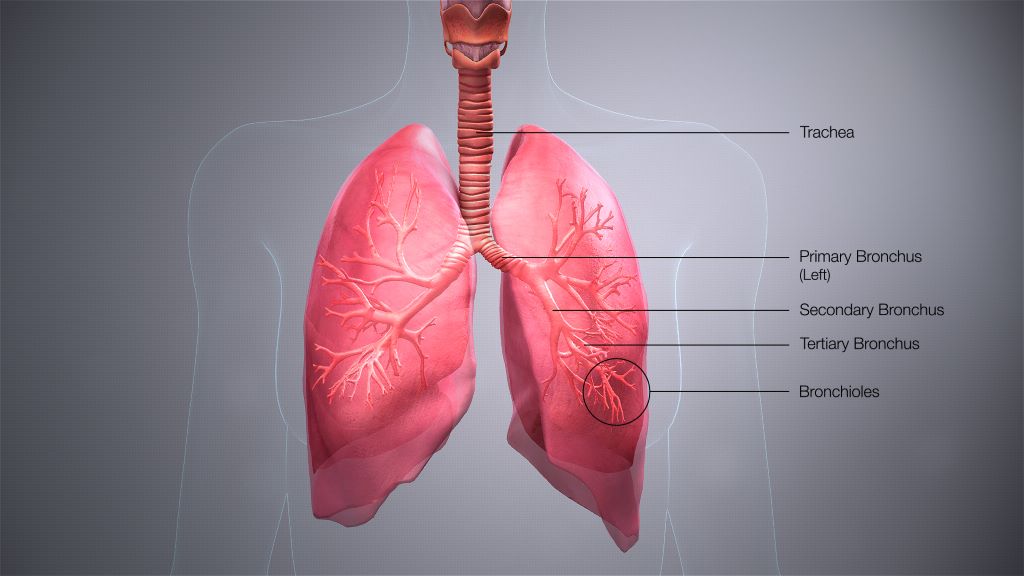
Researchers in Belgium have discovered a new population of macrophages, important innate immune cells that populate the lungs after injury caused by respiratory viruses. These macrophages are instrumental in repairing the pulmonary alveoli. This groundbreaking discovery promises to revolutionise our understanding of the post-infectious immune response and opens the door to new regenerative therapies.
Respiratory viruses, typically causing mild illness, can have more serious consequences, as shown during the COVID pandemic, including severe cases requiring hospitalisation and the chronic sequelae of “long Covid.” These conditions often result in the destruction of large areas of the lungs, particularly the alveoli responsible for gas exchanges. Ineffective repair of these structures can lead to ARDS or a permanent reduction in the lungs’ ability to oxygenate blood, causing chronic fatigue and exercise intolerance.
While the role of macrophages during the acute phase of respiratory viral infections is well known, their function in the post-inflammatory period has been largely unexplored. This study by the GIGA Institute at the University of Liège reveals that atypical macrophages, characterised by specific markers and transiently recruited during the early recovery phase, play a beneficial role in regenerating pulmonary alveoli.
Led by Dr Coraline Radermecker and Prof. Thomas Marichal from the Immunophysiology Laboratory, the study was conducted by Dr Cecilia Ruscitti and benefited from the ULiège’s advanced technological platforms, including flow cytometry, fluorescence microscopy, and single-cell RNA sequencing. “Our findings provide a novel and crucial mechanism for alveolar repair by these atypical macrophages,” explains Coraline Radermecker. “We have detailed their characteristics, origin, location in the damaged lung, the signals they require to function, and their role in tissue regeneration, specifically acting on type 2 alveolar epithelial cells, the progenitors of alveolar cells.” The scientific community had overlooked these macrophages because they express a marker previously thought to be specific for another immune cell population, the neutrophils, and because they appear only briefly during the repair phase before disappearing.
“Our study highlights the reparative role of these macrophages, countering the prevailing idea that macrophages following respiratory viral infections are pathogenic,” adds Thomas Marichal. “By targeting the amplification of these macrophages or stimulating their repair functions, we could develop therapies to improve alveolar regeneration and reduce complications from serious respiratory infections and ARDS.”
To illustrate, consider the lungs as a garden damaged by a storm (viral infection). These newly discovered macrophages act like specialised gardeners who clear debris and plant new seeds, enabling the garden to regrow and regain its vitality.