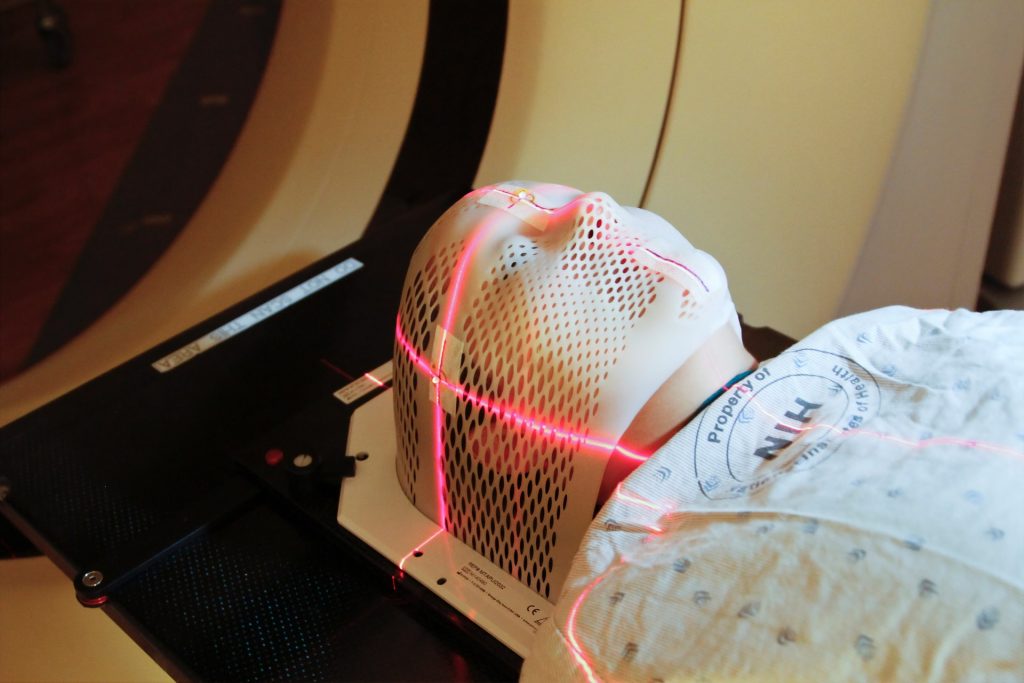
Radiation is a powerful tool for treating cancer, but prolonged exposure can damage the skin. Radiation-induced skin injuries are painful and increase a person’s chances of infection and long-term inflammation. Now, researchers in ACS Biomaterials Science & Engineering report an aspirin-containing hydrogel that mimics the nutrient-rich fluid between cells and accelerates healing of skin damaged by radiation in animals. With further development, the new salve could provide effective and rapid wound healing for humans.
Most people undergoing radiotherapy for cancer will experience radiation-induced skin injury that can include redness, pain, ulcers, necrosis and infection. There are few treatments for these wounds, with the most common methods being debridement and hyperbaric oxygenation. Wound dressings made from hydrogels are gaining popularity because they are easy to apply and provide a wet environment for healing that is similar to the inside of the body. Glycopeptide-based hydrogels are especially promising: In laboratory and animal studies, the nanofibre structures have promoted cellular growth and regulated cell adhesion and migration. A research team led by Jiamin Zhang, Wei Wang, Yumin Zhang and Jianfeng Liu proposed loading aspirin, a common anti-inflammatory drug, into a glycopeptide-based hydrogel to create a multifunctional wound dressing for radiation-induced skin injuries.
In lab tests with cultured cells, the researchers found that the aspirin-contained hydrogel scavenged reactive oxygen species, repaired DNA double-strand breaks and inhibited inflammation caused by radiation exposure without affecting cellular growth. In mouse models of radiation-induced skin injury, the researchers found that dressing wounds for three weeks with the salve reduced acute injuries and accelerated healing – results that the team says point to its potential as an easy-to-administer, on-demand treatment option for reducing radiation damage and promoting healing in humans.
Skin cell (keratinocyte)
This normal human skin cell was treated with a growth factor that triggered the formation of specialised protein structures that enable the cell to move. We depend on cell movement for such basic functions as wound healing and launching an immune response. Credit: Torsten Wittmann, University of California, San Francisco
Fingerprints are one of the best-recognised examples of pattern formation by epithelial cells. The primary cells in the epithelium are the keratinocytes, and they are known to form patterns at the microscopic and macroscopic levels. While factors affecting this pattern formation have been reported, the exact mechanisms underlying the process are still not fully understood.
A team of researchers, led by Associate Professor Ken Natsuga at the Faculty of Medicine, Hokkaido University, have revealed that cell-cell adhesion governs pattern formation in keratinocytes. Their findings were published in the journal Life Science Alliance.
“In this study, we used an immortalised keratinocyte cell line, called HaCaT, which retains all the properties of normal keratinocytes,” Natsuga explained. “In order to ensure that our findings were accurate, we established single-cell cultures from this cell line.”
The team observed pattern formation in both the original heterogeneous cell line, as well as in single-cell-derived cultures. During culturing, the keratinocytes moved randomly and spontaneously formed high- and low-density regions, leading to pattern formation.
The pattern formation was markedly influenced by starvation. When the culture medium was renewed, patterns were obscured, but reappeared as the nutrients in the culture medium were consumed by the keratinocytes.
The team then examined the gene expression in the keratinocytes, which revealed that cell adhesion proteins and keratinocyte differentiation proteins were upregulated in high-density regions. “As cell adhesion is necessary for the development of high-cell-density regions, we specifically investigated the expression of adherens junction (AJ) molecules such as E-cadherin and actin,” Natsuga elaborated. “We found that these molecules were localised at the intercellular junctions of high-density regions.”
The authors then used a mathematical model to confirm that, under spatially uniform density and stress, strong cell adhesion leads to the formation of density patterns. They were also able to demonstrate that the keratinocyte patterns influenced cell proliferation and differentiation, and that serum starvation influences epidermal stratification (a type of differentiation) in skin cells from mice.
“Our study presents a novel and robust model of cell–cell adhesion-induced patterning (CAIP),” concludes Natsuga. “We have deepened our mechanistic insight into cellular organization and its consequences for cell fate decisions and epithelial stratification.” The team demonstrated that epithelial cell–cell adhesion is essential and sufficient for patterning. Future work will focus on adding more variables to the model to understand other processes that occur concurrently during development.
Taza Aya’s Worker Wearable Protection device keeps airborne virus particles from reaching a workers mouth and nose with an air curtain. That air is pre-treated to kill any viruses. Image credit: Jeremy Little, Michigan Engineering
An air curtain shooting down from the brim of a hard hat can prevent 99.8% of aerosols from reaching a worker’s face. The technology, created by University of Michigan startup Taza Aya, potentially offers a new protection option for workers in industries where respiratory disease transmission is a concern.
Independent, third-party testing of Taza Aya’s device showed the effectiveness of the air curtain, curved to encircle the face, coming from nozzles at the hat’s brim. But for the air curtain to effectively protect against pathogens in the room, it must first be cleansed of pathogens itself. Previous research by the group of Taza Aya co-founder Herek Clack, U-M associate professor of civil and environmental engineering, showed that their method can remove and kill 99% of airborne viruses in farm and laboratory settings.
“Our air curtain technology is precisely designed to protect wearers from airborne infectious pathogens, using treated air as a barrier in which any pathogens present have been inactivated so that they are no longer able to infect you if you breathe them in,” Clack said. “It’s virtually unheard of – our level of protection against airborne germs, especially when combined with the improved ergonomics it also provides.”
Fire has been used throughout history for sterilisation, and while we might not usually think of it this way, it’s what’s known as a thermal plasma. Nonthermal, or cold, plasmas are made of highly energetic, electrically charged molecules and molecular fragments that achieve a similar effect without the heat. Those ions and molecules stabilize quickly, becoming ordinary air before reaching the curtain nozzles.
Taza Aya’s prototype features a backpack, weighing roughly 10 pounds (4.5kg), that houses the nonthermal plasma module, air handler, electronics and the unit’s battery pack. The handler draws air into the module, where it’s treated before flowing to the air curtain’s nozzle array.
Taza Aya’s progress comes in the wake of the COVID pandemic and in the midst of a summer when the U.S. Centers for Disease Control and Prevention have reported four cases of humans testing positive for bird flu. During the pandemic, agriculture suffered disruptions in meat production due to shortages in labour, which had a direct impact on prices, the availability of some products and the extended supply chain.
In recent months, Taza Aya has conducted user experience testing with workers at Michigan Turkey Producers in Wyoming, Michigan, a processing plant that practices the humane handling of birds. The plant is home to hundreds of workers, many of them coming into direct contact with turkeys during their work day.
To date, paper masks have been the main strategy for protecting employees in such large-scale agriculture productions. But on a noisy production line, where many workers speak English as a second language, masks further reduce the ability of workers to communicate by muffling voices and hiding facial clues.
“During COVID, it was a problem for many plants – the masks were needed, but they prevented good communication with our associates,” said Tina Conklin, Michigan Turkey’s vice president of technical services.
In addition, the effectiveness of masks is reliant on a tight seal over the mouth and noise to ensure proper filtration, which can change minute to minute during a workday. Masks can also fog up safety goggles, and they have to be removed for workers to eat. Taza Aya’s technology avoids all of those problems.
As a researcher at U-M, Clack spent years exploring the use of nonthermal plasma to protect livestock. With the arrival of COVID in early 2020, he quickly pivoted to how the technology might be used for personal protection from airborne pathogens.
In October of that year, Taza Aya was named an awardee in the Invisible Shield QuickFire Challenge – a competition created by Johnson & Johnson Innovation in cooperation with the U.S. Department of Health and Human Services. The program sought to encourage the development of technologies that could protect people from airborne viruses while having a minimal impact on daily life.
“We are pleased with the study results as we embark on this journey,” said Alberto Elli, Taza Aya’s CEO. “This real-world product and user testing experience will help us successfully launch the Worker Wearable in 2025.”
In a survey-based study, UK dietitians exhibited significant weight stigma, both towards themselves and towards others.
The study in the Journal of Human Nutrition and Dietetics involved an online survey completed in 2022 by 402 registered dietitians aged 20–70 years old. Most respondents reported personally experiencing weight stigma prior to (51%) and after becoming (59.7%) registered dieticians, and nearly a quarter (21.1%) felt that their weight influenced their own ability to perform as a dietitian.
Weight stigma was experienced across the weight spectrum. Participants reported explicit (or conscious) weight bias attitudes, moderate beliefs that obesity is controllable, and implicit (or unconscious) anti-fat bias.
“The study highlights the need to address weight stigma and its implications within the dietetic profession,” the authors wrote.
Image Credit: Institute of Transformative Bio-Molecules (ITbM), Nagoya University
Researchers at Nagoya University in Japan have developed a new compound, ZTA-261, that binds to thyroid hormone receptor beta (THRβ). THRβ plays an important role in the regulation of lipid metabolism, which affects lipid levels in the blood. Mice administered the drug showed decreased lipid levels in the liver and blood, with fewer side effects in the liver, heart, and bones compared to existing compounds. These findings, published in Communications Medicine, suggest that ZTA-261 is an effective treatment for lipid disorders such as dyslipidaemia.
Approximately one in ten people is classified as obese or overweight, often due to abnormalities in lipid metabolism. Abnormal levels of lipids in the blood, known as dyslipidaemia, lead to an increased risk of chest pain, heart attack, and stroke.
There is growing interest in developing treatments for dyslipidaemia that leverage the properties of thyroid hormones. Thyroid hormones increase overall metabolism through binding to two types of receptors: alpha (THRα) and beta (THRβ). The brain, heart, and muscle contain the α-subtype, whereas the liver and pituitary gland primarily express the β-subtype.
Treatments that rely on THR activation face challenges due to the side effects of thyroid hormones. Although THRα regulates cardiovascular functions, excess levels of thyroid hormone lead to adverse effects in nearby organs such as heart enlargement and muscle and bone wasting. On the other hand, activation of THRβ influences lipid metabolism without these severe side effects.
As a result, THRβ has become a desirable target for treating metabolic disorders such as dyslipidaemia. However, common treatments, such as the natural thyroid hormone T3, show almost no selectivity between the α and β receptors, making it difficult to avoid the severe side effects caused by binding to THRα.
To address this problem, a research team, including Masakazu Nambo, Taeko Ohkawa, Ayato Sato, Cathleen Crudden, and Takashi Yoshimura from Nagoya University’s WPI-ITbM, developed ZTA-261, a thyroid hormone derivative drug with a similar structure. To test its efficacy, they compared it with GC-1, another thyroid hormone derivative, and the natural thyroid hormone T3 in a mouse model.
They found that ZTA-261 had almost 100 times higher selectivity for THRβ than THRα. In comparison, GC-1 showed only a 20-fold difference in affinity, showing ZTA-261’s superior selectivity. This was confirmed by the significant increase in heart weight and bone damage indicators in T3-treated mice but not in those treated with ZTA-261.
“Our findings suggest that ZTA-261 is much less toxic than T3 and even less toxic than GC-1, which is known as a THRβ-selective compound,” Ohkawa said. “I find it amazing that the difference in THR beta-selectivity between ZTA-261 and GC-1 – 100 times selectivity versus 20 times selectivity – truly has this big an impact on heart and bone toxicity.”
As many drugs have been discontinued in preclinical trials because of their toxicity in the liver, the researchers checked for potential liver toxicity by measuring alanine aminotransferase (ALT) levels in the blood. Their findings confirmed the safety of the drug, finding no significant differences in ALT levels between mice treated with ZTA-261 and those treated with saline. Although these results are promising, more studies, including human trials, will be necessary before considering ZTA-261 for clinical use. However, this breakthrough represents a significant step forward in the development of safer treatments for lipid disorders.
“ZTA-261 has extremely high affinity and selectivity for THRβ among the thyroid hormone derivatives developed to date,” Nambo explained. “In the process of synthesising a variety of derivatives, we have found that precise molecular design is crucial for both selectivity and affinity. We believe that this study will provide new and important insights into drug discovery.”
By Margot Brews, Head Health Risk Management Strategy at Momentum Health Solutions
The healthcare sector has been on the cusp of substantial reform for quite some time. However, the introduction and application of artificial intelligence (AI) across various healthcare disciplines will surely stand out as one of the most revolutionary eras in the industry.
This rapidly evolving field has been lauded as the key to unlocking greater quality in healthcare services, introducing more efficient protocols and treatment pathways, as well as considerably increasing access to healthcare across all demographics.
When we place this in a local context, taking into consideration that steps to implement the NHI are already in motion, AI will be critical in helping implement specific elements, such as public health interventions. If we are to refer to the Covid-19 pandemic and its immense scale, AI was leveraged across various countries around the globe to predict the spread of the virus. In doing so, this allowed governments to implement protocols to curb its spread, as well as provide citizens with critical information in an effort to decrease its proliferation.
Looking at the medical schemes sector in South Africa, the industry aims to ultimately improve health outcomes for members and in doing so, encourage and maintain a better quality of life. AI has assisted Momentum Health Solutions in evaluating the delivery of healthcare in the future with clear goals that include increasing access to quality healthcare, and utilising the unmatched innovation that AI offers in assessing member profiles more comprehensively. This is to ensure that we are not only providing a service, but actually understanding in the broadest terms possible what type of care a member requires and partnering with them on that journey.
An example of this is closely analysing commonalities within a member’s treatment pathway. When we review clinical data such as doctors’ consultations, the discipline of the doctor and their particular field of expertise, along with the medication prescribed, we can more timeously start to see patterns developing. This indicates and therefore informs us that the member may have a more serious illness or chronic disease that requires clinical support on a more extensive scale, which we can then discuss with the member and facilitate.
To ensure we are providing tailored healthcare solutions that steer away from offering members generic benefits, we have partnered with Amazon Web Services (AWS), which provides the most comprehensive services, tools, and resources in artificial intelligence today. Through this partnership we have been able to provide members with unique services and individualised care that ultimately ensures their healthcare is a priority.
While AI is indeed key to creating a more efficient healthcare system, ethical considerations remain a concern for many when evaluating factors such as the protection and privacy of data and its ownership, as well as the accuracy of its outputs and conclusions. Having said this, risk mitigation protocols have been implemented to ensure that personal data is protected, and ethical standards are maintained at the highest level.
AI is certainly the most effective solution in the 21st century when investigating ways to solve the ongoing healthcare crisis, particularly in South Africa, where immense disparity exists between the public and private sectors. Leveraging AI, both from a medical scheme provider perspective and more broadly, will not only empower current and future workforces within the sector, but will also create greater opportunity for improved healthcare services that can be sustained. When implemented and utilised for the benefit of all, AI has the potential to be South Africa’s healthcare redeemer.
Dr Winter performing a CT-guided interventional procedure. Photo: Supploed
Radiology encompasses more than just imaging. It is a medical field that uses various imaging techniques to diagnose conditions, guide minimally invasive procedures and, much to the relief of agonised patients, treat chronic pain.
‘Traditionally, radiology is known as a modality where causes of pain are only diagnosed’, says Dr Arthur Winter, a radiologist at SCP Radiology. ‘Interventional radiology has changed this. It is a rapidly developing branch of radiology involving minimally invasive procedures. Pain management procedures are becoming a daily part of busy radiology departments.’
Simply put, interventional radiologists can use precisely targeted injections to intervene in the body’s perception of pain.
Understanding pain
Pain is a signal from the nervous system to let you know that something is wrong in your body. It is transmitted in a complex interaction between specialised nerves, the spinal cord and the brain. It can take many forms, be localised to one part of the body or appear to come from all over.
Pain can be acute or chronic
Harvard Medical School gives an overview of the difference between the two. ‘Most acute pain comes from damage to body tissues. It results from physical trauma such as a sports or exercise injury, a broken bone, a medical procedure or an accident like stubbing your toe, cutting a finger or bumping into something. The pain can feel sharp, aching or throbbing and often heals within a few days to a few weeks.’
In comparison, chronic pain lasts at least two to three months, often long after you have recovered from the injury or illness and may even become permanent. It could also be a result of lifestyle diseases. Symptoms and severity vary and may include a dull ache, shooting, burning, stabbing or electric shock-like pain and sensations like tingling and numbness. Chronic pain can be debilitating and affect your ability to perform activities of daily living.
Interventional pain management
Although some acute pain can be managed with interventions, it is patients with chronic pain that truly benefit. ‘These patients often use high doses of opioid painkillers that may cause nausea, constipation, anorexia and addiction. Other painkillers may also irritate the stomach lining and cause kidney problems,’ says Dr Winter.
An alternative that interventional pain management offers, involves injections called nerve blocks that target very specific nerves.
‘Most of these interventions prevent nerve impulses or pain signals from being transmitted, using long-acting local anaesthetics. The effect is usually temporary but the addition of cortisone – or steroids – often brings longer-lasting relief. In some cases, it could be appropriate to follow the temporary block with neurolysis, which is a permanent disruption or destruction of the target nerves.’
Although nerve blocks and other long-acting pain injections have been done for years, the scope of procedures is evolving fast. The involvement of radiologists has also grown.
Dr Winter explains. ‘Pain management has traditionally been the responsibility of clinicians and anaesthetists. During nerve block procedures, they were typically guided by their knowledge of anatomy or a continuous X-ray technique called fluoroscopy. As ultrasound became more widely available, many anaesthetists learned to do these procedures under ultrasound guidance.
‘These specialists still provide these treatments but, thanks to the availability of specialised imaging equipment, radiologists now have the tools and skill to do procedures under sophisticated image guidance. With CT guidance, some procedures can be performed with great accuracy while avoiding blood vessels and non-target organs,’ says Dr Winter.
‘A lower dose of medication is also needed if the needle is placed accurately next to the target nerves. It is therefore not surprising that this is increasingly becoming a responsibility of interventional radiologists.’
Other procedures where radiologists are involved include targeted Botox injections to treat the symptoms of Piriformis syndrome, epidural cortisone injections for inflammation in the spine and a procedure called epidural blood patch. This is to seal spinal fluid leaks that cause low-pressure headaches.
In conclusion, Dr Winter says chronic pain may cause poor quality of life and depression, often seen in patients with underlying cancer. ‘It is especially these patients who should be considered for interventions. There are, for example, very effective procedures to manage pain caused by pancreatic and pelvic cancers.
‘Specialists like oncologists and neurologists recognise the value of interventional radiology in pain management and work closely with us to support their patients. It is a growing branch of radiology that offers a minimally invasive solution and it’s quite rewarding to see patients regain some quality of life.’
A new large study led by researchers at the American Cancer Society (ACS) suggests incidence rates continued to rise in successively younger generations in 17 of the 34 cancer types, including breast, pancreatic, and gastric cancers. Mortality trends also increased in conjunction with the incidence of liver (in females only), uterine corpus, gallbladder, testicular, and colorectal cancers. The report appears in the journal The Lancet Public Health.
“These findings add to growing evidence of increased cancer risk in post-Baby Boomer generations, expanding on previous findings of early-onset colorectal cancer and a few obesity-associated cancers to encompass a broader range of cancer types,” said Dr Hyuna Sung, lead author of the study and a senior principal scientist of surveillance and health equity science at the American Cancer Society. “Birth cohorts, groups of people classified by their birth year, share unique social, economic, political, and climate environments, which affect their exposure to cancer risk factors during their crucial developmental years. Although we have identified cancer trends associated with birth years, we don’t yet have a clear explanation for why these rates are rising.”
In this analysis, researchers obtained incidence data from 23 654 000 patients diagnosed with 34 types of cancer and mortality data from 7 348 137 deaths for 25 types of cancer for individuals aged 25–84 years for the period Jan 1, 2000, to Dec 31, 2019, from the North American Association of Central Cancer Registries and the U.S. National Center for Health Statistics, respectively. To compare cancer rates across generations, they calculated birth cohort-specific incidence rate ratios and mortality rate ratios, adjusted for age effect and period effect, by birth years, separated by five-year intervals, from 1920 to 1990.
Researchers found that incidence rates increased with each successive birth cohort born since approximately 1920 for eight of 34 cancers. In particular, the incidence rate was approximately two-to-three times higher in the 1990 birth cohort than in the 1955 birth cohort for pancreatic, Kidney, and small intestinal cancers in both male and female individuals; and for liver cancer in female individuals. Additionally, incidence rates increased in younger cohorts, after a decline in older birth cohorts, for nine of the remaining cancers including breast cancer (oestrogen-receptor positive only), uterine corpus cancer, colorectal cancer, non-cardia gastric cancer, gallbladder cancer, ovarian cancer, testicular cancer, anal cancer in male individuals, and Kaposi sarcoma in male individuals. Across cancer types, the incidence rate in the 1990 birth cohort ranged from 12% for ovarian cancer to 169% for uterine corpus cancer higher than the rate in the birth cohort with the lowest incidence rate. Notably, mortality rates increased in successively younger birth cohorts alongside incidence rates for liver cancer (female only), uterine corpus, gallbladder, testicular, and colorectal cancers.
“The increase in cancer rates among this younger group of people indicate generational shifts in cancer risk and often serve as an early indicator of future cancer burden in the country. Without effective population-level interventions, and as the elevated risk in younger generations is carried over as individuals age, an overall increase in cancer burden could occur in the future, halting or reversing decades of progress against the disease,” added Dr Ahmedin Jemal, senior vice president, surveillance and health equity science at the American Cancer Society and senior author of the study. “The data highlights the critical need to identify and address underlying risk factors in Gen X and Millennial populations to inform prevention strategies.”
“The increasing cancer burden among younger generations underscores the importance of ensuring people of all ages have access to affordable, comprehensive health insurance, a key factor in cancer outcomes,” said Lisa Lacasse, president of the American Cancer Society Cancer Action Network (ACS CAN). “To that end, ACS CAN will continue our longstanding work to urge lawmakers to expand Medicaid in states that have yet to do so as well as continue to advocate for making permanent the enhanced Affordable Care Act tax subsidies that have opened the door to access to care for millions.”
Parkinson’s disease is induced by neuronal damage due to excessive production of reactive oxygen species. Suppression of reactive oxygen species generation is essential because it is fatal to dopaminergic neurons that manage dopamine neurotransmitters. Currently, only symptomatic treatment is available, so the development of treatment regimens and prevention methods is necessary.
Fortunately, Associate Professor Akiko Kojima-Yuasa of Osaka Metropolitan University’s Graduate School of Human Life and Ecology led a research group that has verified the physiological effect of Ecklonia cava polyphenols, seaweed antioxidants, on the prevention of Parkinson’s disease.
In this study, published in the journal Nutrients, two types of motor function tests were conducted using Parkinson’s disease model mice that were orally fed the antioxidants daily for one week and then administered rotenone. Results showed that motor function, which was decreased by rotenone, was restored. There was also improvement in intestinal motor function and the colon mucosa structure, a special tissue that covers the colon.
Further, cellular experiments using Parkinson’s disease model cells verified the biochemical interaction of the preventive effect of Ecklonia cava. Validation results showed that the antioxidants activate the AMPK enzyme (adenosine monophosphate-activated protein kinase), an intracellular energy sensor, and inhibit the production of reactive oxygen species that cause neuronal cell death.
“This study suggests that Ecklonia cava antioxidants may reduce neuronal damage by AMPK activation and inhibiting intracellular reactive oxygen species production,” stated Professor Kojima-Yuasa. “It is hoped that Ecklonia cava will be an effective ingredient in the prevention of Parkinson’s disease.”
A recent randomised clinical trial published in Developmental Medicine & Child Neurology assessed whether injections of botulinumtoxin-A in calf muscles benefit children with cerebral palsy.
“We hypothesised that injections with botulinumtoxin-A in the calf muscles would make walking easier, caused by improved ankle joint functioning following spasticity reduction,” the authors wrote.
In the trial, one botulinumtoxin-A treatment was not superior to placebo in making walking easier (measured as a reduction in energy cost or improved walking capacity); however, there was some evidence of a delayed improvement in energy cost. Moreover, there was some evidence of a decrease in calf pain intensity. No serious adverse events related to botulinumtoxin-A treatment were recorded.