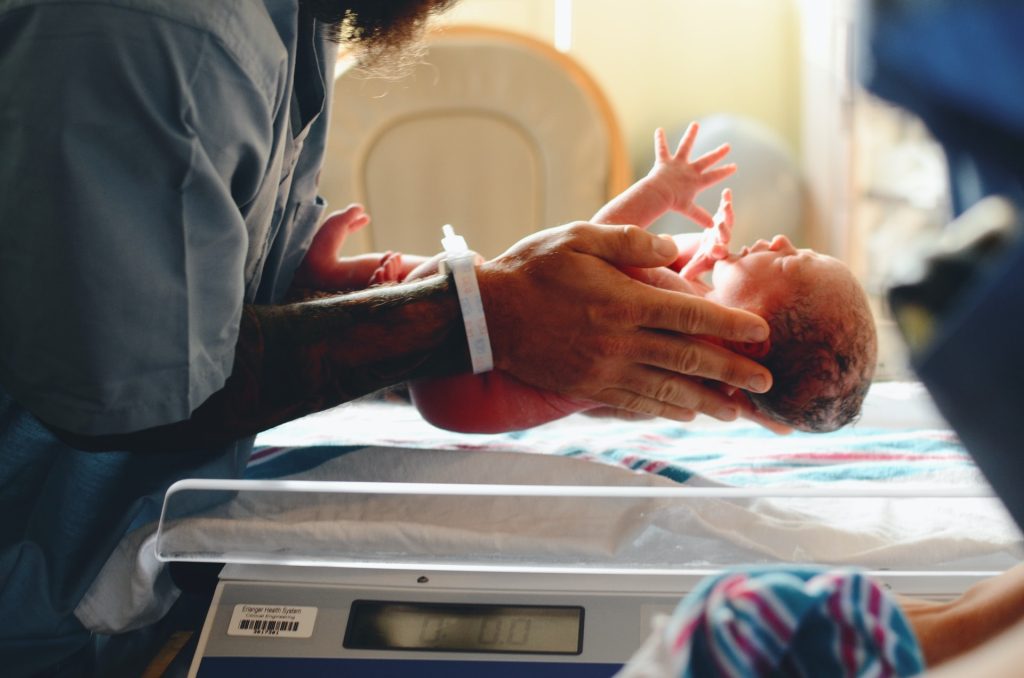
A study by the University of Cambridge, UK, and Fudan University, China, has found that a single dose of the measles jab is up to 2.6 times more likely to be completely ineffective in children born by C-section, compared to those born naturally.
Failure of the vaccine means that the child’s immune system does not produce antibodies to fight against measles infection, so they remain susceptible to the disease.
A second measles jab was found to induce a robust immunity against measles in C-section children.
Measles is a highly infectious disease, and even low vaccine failure rates can significantly increase the risk of an outbreak.
A potential reason for this effect is linked to the development of the infant’s gut microbiome — the vast collection of microbes that naturally live inside the gut. Other studies have shown that vaginal birth transfers a greater variety of microbes from mother to baby, which can boost the immune system.
“We’ve discovered that the way we’re born – either by C-section or natural birth – has long-term consequences on our immunity to diseases as we grow up,” said Professor Henrik Salje in the University of Cambridge?’s Department of Genetics, joint senior author of the report.
He added: “We know that a lot of children don’t end up having their second measles jab, which is dangerous for them as individuals and for the wider population.
“Infants born by C-section are the ones we really want to be following up to make sure they get their second measles jab, because their first jab is much more likely to fail.”
At least 95% of the population needs to be fully vaccinated to keep measles under control but the UK is well below this, despite the Measles, Mumps and Rubella (MMR) vaccine being available through the NHS Routine Childhood Immunisation Programme.
An increasing number of women around the world are choosing to give birth by caesarean section: in the UK a third of all births are by C-section, in Brazil and Turkey over half of all children are born this way.
“With a C-section birth, children aren’t exposed to the mother’s microbiome in the same way as with a vaginal birth. We think this means they take longer to catch up in developing their gut microbiome, and with it, the ability of the immune system to be primed by vaccines against diseases including measles,” said Salje.
To get their results, the researchers used data from previous studies of over 1500 children in Hunan, China, which included blood samples taken every few weeks from birth to the age of 12. This allowed them to see how levels of measles antibodies in the blood change over the first few years of life, including following vaccination.
They found that 12% of children born via caesarean section had no immune response to their first measles vaccination, as compared to 5% of children born by vaginal delivery. This means that many of the children born by C-section did still mount an immune response following their first vaccination.
Two doses of the measles jab are needed for the body to mount a long-lasting immune response and protect against measles. According to the World Health Organization, in 2022 only 83% of the world’s children had received one dose of measles vaccine by their first birthday – the lowest since 2008.
Salje said: “Vaccine hesitancy is really problematic, and measles is top of the list of diseases we’re worried about because it’s so infectious.”
Measles is one of the world’s most contagious diseases, spread by coughs and sneezes. It starts with cold-like symptoms and a rash, and can lead to serious complications including blindness, seizures, and death.
Before the measles vaccine was introduced in 1963, there were major measles epidemics every few years causing an estimated 2.6 million deaths each year.
The research was funded by the National Natural Science Foundation of China.
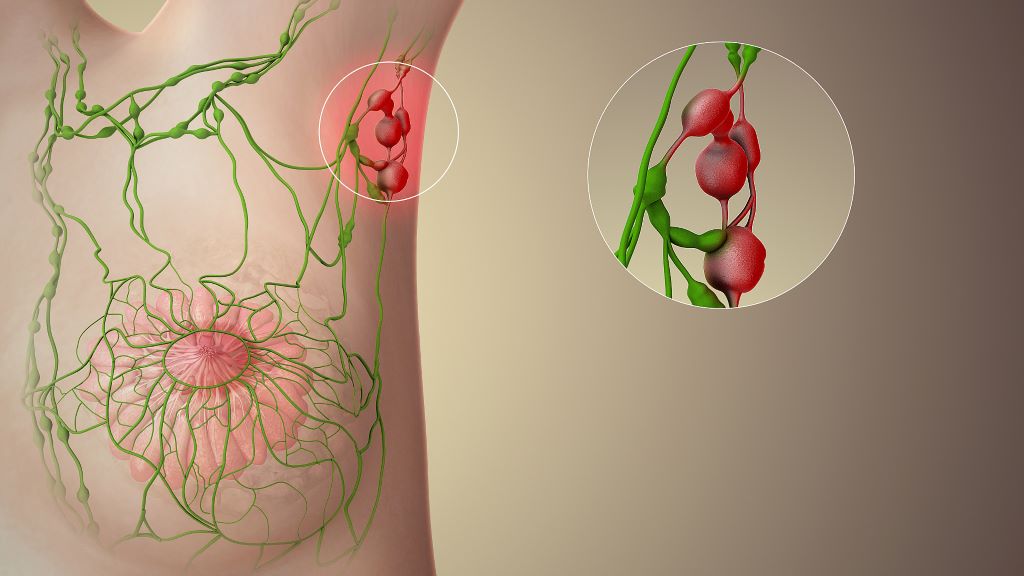
The human body has around 600 lymph nodes (LNs) scattered throughout it, small, bean-shaped organs that house various types of blood cells and filter lymph fluid which temporarily swell during infections with viruses or other pathogens. This LN expansion and subsequent contraction can also result from vaccines injected nearby, and in fact is thought to reflect the ongoing vaccine immune response. While researchers have studied the early expansion of LNs following vaccination, they have not investigated whether prolonged LN expansion could affect vaccine outcomes.
Now, for the first time, researchers from Harvard University and the company Genentech found a way to enhance and extend LN expansion, and study how this phenomenon affects both the immune system and efficacy of vaccinations against tumours.
Key to their approach was a biomaterial vaccine formulation that enabled greater and more persistent LN expansion than standard control vaccines. While the oversized LNs maintained a normal tissue organization, they displayed altered mechanical features and hosted higher numbers of various immune cell types that commonly are involved in immune responses against pathogens and cancers. Importantly, “jump-starting” lymph node expansion prior to administering a traditional vaccine against a melanoma-specific model antigen led to more effective and sustained anti-tumour responses in mice. The findings are published in Nature Biomedical Engineering.
“By enhancing the initial and sustained expansion of LNs with biomaterial scaffolds, non-invasively monitoring them individually over long time periods, and probing deeply into their tissue architecture and immune cell populations, we tightly correlate a persistent LN expansion with more robust immune and vaccination responses,” said Wyss Institute Founding Core Faculty member David Mooney, Ph.D., who led the study. “This opens a new front of investigation for immunologists, and could have far-reaching implications for future vaccine developments.” Mooney also is the Robert P. Pinkas Family Professor of Bioengineering at SEAS, and a co-principal investigator of the NIH-funded and Wyss-coordinated Immuno-Engineering to Improve Immunotherapy (i3) Center.
The research team had previously developed biomaterial vaccine formulations, but had not investigated how their vaccines and those developed by others could influence the response of LNs draining leaked tissue fluid at vaccine injection sites, and have an impact on the LNs tissue organisation, different cell types, and their gene expression, which could in turn affect vaccine efficacy. In their new study, they tested a previously developed vaccine formulation that is based on microscale mesoporous silica (MPS) rods that can be injected close to tumours and form a cell-permeable 3D scaffold structure under the skin. Engineered to release an immune cell-attracting cytokine (GM-CSF), and immune cell-activating adjuvant (CpG), and tumour-antigen molecules, MPS-vaccines are able to reprogram recruited so-called antigen-presenting cells that, upon migrating into nearby LNs, orchestrate complex tumour cell-killing immune responses. Their new study showed that there are more facets to that concept.
“As it turns out, the immune-boosting functions of basic MPS-vaccines actively change the state of LNs by persistently enlarging their whole organ structure, as well as changing their tissue mechanics and immune cell populations and functions,” said first-author Alexander Najibi, PhD, who performed his Ph.D. thesis with Mooney.
Probing LNs with ultra-sound and nano-devices
Using high-frequency ultrasound, the team traced individual LNs in MPS-vaccinated mice over 100 days. They identified an initial peak expansion period that lasted until day 20, in which LN volumes increased about 7-fold, significantly greater than in animals that received traditional vaccine formulations. Importantly, the LNs of MPS-vaccinated mice, while decreasing in volumes after this peak expansion, remained significantly more expanded than LNs from traditionally vaccinated mice throughout the 100-day time course.
When Najibi and the team investigated the mechanical responses of the LNs using a nanoindentation device, they found that LNs in MPS-vaccinated animals, although maintaining an overall normal structure, were less stiff and more viscous in certain locations. This was accompanied by a re-organisation of a protein that assembles and controls cells’ mechanically active cytoskeleton. Interestingly, Mooney’s group had shown in an earlier biomaterial study that changing mechanical features of immune cells’ environments, especially their viscoelasticity, affects immune cell development and functions. “It is very well-possible that in order to accommodate the significant growth induced by MPS-vaccines, LNs need to become softer and more viscous, and that this then further impacts immune cell recruitment, proliferation, and differentiation in a feed-forward process,” said Najibi.
From immune cell engagement to vaccine responses
Interestingly, upon MPS-vaccination, the numbers of “innate immune cells,” including monocytes, neutrophils, macrophages, and other cell types that build up the first wave of immune defences against pathogens and unwanted cells, peaked first in expanding LNs. Peaking with a delay were dendritic cells (DCs), which normally transfer information in the form of antigens from invading pathogens and cancer cells to “adaptive immune cells” that then launch subsequent waves of highly specific immune responses against the antigen-producing invaders. In fact, along with DCs, also T and B cell types of the adaptive immune system started to reach their highest numbers. “It was fascinating to see how the distinct changes in immune cell populations that we detected in expanding LNs in response to the MPS-vaccine over time re-enacted a typical immune response to infectious pathogens,” commented Najibi.
Innate immune cells and DCs are also known as “myeloid cells,” which are known to interact with LN tissue during early expansion. To further define the impact of myeloid cells on LN expansion, Mooney’s team collaborated with the group of Shannon Turley, PhD, the VP of Immunology and Regenerative Medicine at Genentech, and an expert in lymph node biology and tumour immunology. “The MPS-vaccine led to extraordinary structural and cellular changes within the lymph node that supported potent antigen-specific immunity,” said Turley.
Using single cell RNA sequencing on myeloid cells from LNs, the groups were able to reconstruct distinct changes in myeloid cell populations during LN expansion, and identified distinct DC populations in durably expanded LNs whose changed gene expression was associated with LN expansion. In addition, the collaborators found that the number of monocytes was increased 80-fold upon MPS-vaccination – the highest increase among all myeloid cell types – and pinpointed subpopulations of “inflammatory and antigen-presenting monocytes” as promising candidates for facilitating LN expansion. In fact, when they depleted specific subpopulations of these types of monocytes from circulating blood of mice after vaccination, the maintenance of LN expansion, and timing of the T cell response to vaccination, was altered.
Finally, the team explored whether LN expansion could enhance the effectiveness of vaccination. “Jump-starting” the immune system in LNs with an antigen-free MPS-vaccine and subsequently administering the antigen in a traditional vaccine format significantly improved anti-tumour immunity and prolonged the survival of melanoma-bearing mice, compared to the traditional vaccine alone. “The priming of lymph nodes for subsequent vaccinations using various formulations could be a low-hanging fruit for future vaccine developments,” said Mooney.
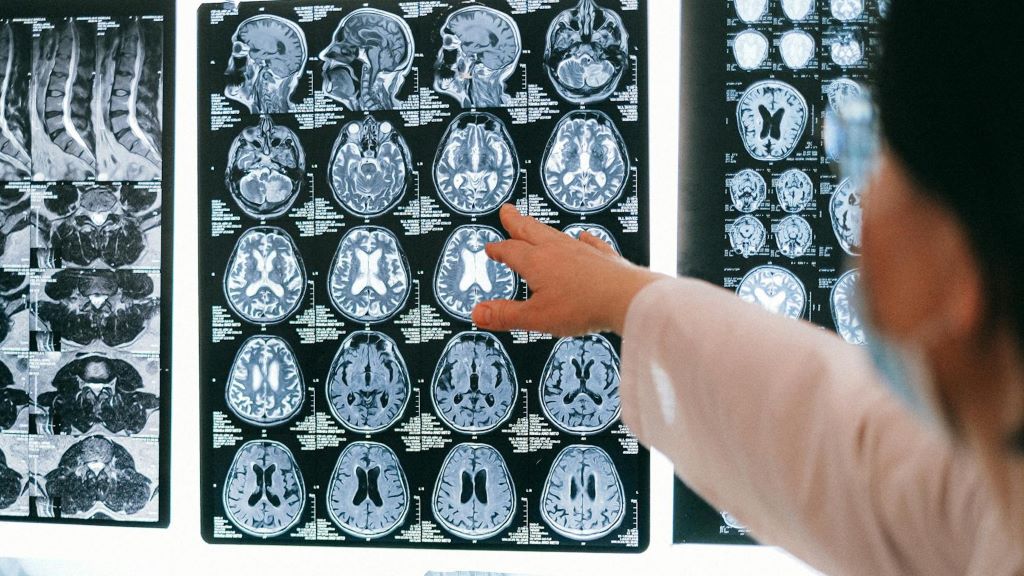
In a first-ever human clinical trial of four adult patients, an mRNA cancer vaccine developed at the University of Florida quickly reprogrammed the immune system to attack glioblastoma, the most aggressive and lethal brain tumour.
The results mirror those in 10 pet dog patients suffering from naturally occurring brain tumours whose owners approved of their participation, as they had no other treatment options, as well as results from preclinical mouse models. Next, the researchers will test the treatment in a Phase 1 paediatric clinical trial.
This breakthrough, published in Cell, represents a potential new way to recruit the immune system to fight notoriously treatment-resistant cancers using an iteration of mRNA technology and lipid nanoparticles, similar to COVID vaccines, but with two key differences: use of a patient’s own tumour cells to create a personalised vaccine, and a newly engineered complex delivery mechanism within the vaccine.
“Instead of us injecting single particles, we’re injecting clusters of particles that are wrapping around each other like onions, like a bag full of onions,” said senior author Elias Sayour, MD, PhD, a UF Health paediatric oncologist who pioneered the new vaccine, which like other immunotherapies attempts to “educate” the immune system that a tumour is foreign. “And the reason we’ve done that in the context of cancer is these clusters alert the immune system in a much more profound way than single particles would.”
Among the most impressive findings was how quickly the new method, delivered intravenously, spurred a vigorous immune-system response to reject the tumour, said Sayour, principal investigator of the RNA Engineering Laboratory within UF’s Preston A. Wells Jr. Center for Brain Tumor Therapy and a UF Health Cancer Center and McKnight Brain Institute investigator who led the multi-institution research team.
“In less than 48 hours, we could see these tumours shifting from what we refer to as ‘cold’ – immune cold, very few immune cells, very silenced immune response – to ‘hot,’ very active immune response,” he said. “That was very surprising given how quick this happened, and what that told us is we were able to activate the early part of the immune system very rapidly against these cancers, and that’s critical to unlock the later effects of the immune response.”
Glioblastoma is among the most devastating diagnoses, with median survival around 15 months. Current standard of care involves surgery, radiation and some combination of chemotherapy.
The new publication is the culmination of promising translational results over seven years of studies, starting in preclinical mouse models and then in a clinical trial of 10 pet dogs that had spontaneously developed terminal brain cancer and had no other treatment options. That trial was conducted with owners’ consent in collaboration with the UF College of Veterinary Medicine. Dogs offer a naturally occurring model for malignant glioma because they are the only other species that develops spontaneous brain tumors with some frequency, said Sheila Carrera-Justiz, DVM., a veterinary neurologist at the UF College of Veterinary Medicine who is partnering with Sayour on the clinical trials. Gliomas in dogs are universally terminal, she said.
After treating pet dogs that had spontaneously developed brain cancer with personalised mRNA vaccines, Sayour’s team advanced the research to a small Food and Drug Administration-approved clinical trial designed to ensure safety and test feasibility before expanding to a larger trial.
In a cohort of four patients, RNA was extracted from each patient’s own surgically removed tumour, and then messenger RNA, or mRNA was amplified and wrapped in the newly designed high-tech packaging of biocompatible lipid nanoparticles, to make tumour cells “look” like a dangerous virus when reinjected into the bloodstream and prompt an immune-system response. The vaccine was personalised to each patient with a goal of getting the most out of their unique immune system.
“The demonstration that making an mRNA cancer vaccine in this fashion generates similar and strong responses across mice, pet dogs that have developed cancer spontaneously and human patients with brain cancer is a really important finding, because oftentimes we don’t know how well the preclinical studies in animals are going to translate into similar responses in patients,” said Duane Mitchell, M.D., PhD, director of the UF Clinical and Translational Science Institute and the UF Brain Tumor Immunotherapy Program and a co-author of the paper. “And while mRNA vaccines and therapeutics are certainly a hot topic since the COVID pandemic, this is a novel and unique way of delivering the mRNA to generate these really significant and rapid immune responses that we’re seeing across animals and humans.”
While too early in the trial to assess the clinical effects of the vaccine, the patients either lived disease-free longer than expected or survived longer than expected. The 10 pet dogs lived a median of 139 days, compared with a median survival of 30 to 60 days typical for dogs with the condition.
The next step will be an expanded Phase I clinical trial to include up to 24 adult and paediatric patients to validate the findings. Once an optimal and safe dose is confirmed, an estimated 25 children would participate in Phase 2, said Sayour.
Despite the promising results, the authors said one limitation is continued uncertainty about how best to harness the immune system while minimising the potential for adverse side effects.
“I am hopeful that this could be a new paradigm for how we treat patients, a new platform technology for how we can modulate the immune system,” Sayour said. “I am hopeful for how this could now synergise with other immunotherapies and perhaps unlock those immunotherapies. We showed in this paper that you actually can have synergy with other types of immunotherapies, so maybe now we can have a combination approach of immunotherapy.”
A four-week healthy diet improved the effectiveness of a flu vaccine given to obese mice
Photo by Gustavo Fring on Pexels
Scientists at St. Jude Children’s Research Hospital have shown that improving metabolic health in obese mice before vaccination, but not after, protects against influenza virus.
Metabolic health (normal blood pressure, blood sugar and cholesterol levels, among other factors) influences the effectiveness of influenza vaccinations. Vaccination is known to be less effective in people with obesity compared to those with a healthier body mass index (BMI), but St. Jude Children’s Research Hospital scientists have found that the difference is attributable not to obesity itself, but rather metabolic dysfunction. In a study published in Nature Microbiology, the researchers found that switching obese mice to a healthy diet before flu vaccination, but not after, completely protected the models from a lethal dose of flu, despite BMI.
“We found that the vaccines worked effectively if at the time of vaccination an animal is metabolically healthy,” said corresponding author Stacey Schultz-Cherry, PhD, St. Jude Department of Host-Microbe Interactions and Center of Excellence for Influenza Research and Response co-director. “And the opposite was also true: regardless of what the mice looked like on the outside, if they had metabolic dysfunction, the vaccines did not work as well.”
Prior research has shown that 100% of obese mice succumbed to influenza after exposure, even after vaccination. Contrary to the scientists’ original expectations, when mice who were vaccinated while obese returned to a healthy weight, outcomes did not improve. These now outwardly healthy mice still all succumbed to disease when exposed to the real virus. Only switching to a healthy diet four weeks before vaccination improved survival, with drastic effect, despite high BMI.
“We were excited to see this effect because mice with obesity are so susceptible to severe disease and succumbing to the infection,” Schultz-Cherry said. “Getting 100% survival with the vaccine where we had only seen 0% survival was impressive.” The improved survival suggests the researchers have discovered a greater underlying principle determining influenza vaccine efficacy.
Metabolic dysfunction hinders the immune system
While studying how metabolic function influences influenza vaccine responses, the scientists found that poor metabolic health causes immune system dysfunction. T cells, the primary immune cells involved in anti-viral responses, failed to act in animals that had been in an unhealthy metabolic state at the time of vaccination, even during later viral exposure. Even when the animals ate a healthy diet after vaccination and maintained a normal BMI, the anti-flu T cells were “frozen” in that dysfunctional state.
However, a healthy diet before vaccination improved T-cell function, which resulted in a robust anti-flu response during later exposure.
“The T cells were better able to do their job in the metabolically healthy mice at the time of vaccination,” Schultz-Cherry said. “It wasn’t a matter of the numbers of them or the types of them. It was their functional activity. There were plenty of them in the lungs, not working. The healthy diet switched them from not working to functioning properly, but only if the switch occurred before vaccination.”
The earlier healthy diet also improved inflammation. Pro-inflammatory cytokines are upregulated in obese animals. Schultz-Cherry’s team found that models also returned to a lower basal cytokine level when switched to a healthy diet before vaccination.
“A healthy diet lowered some of the systemic meta-inflammation in these animals, and they regained some of the epithelial innate immune responses,” said Schultz-Cherry. “We started seeing better signalling of things like interferons, which we know is problematic in obesity and in general saw the immune system starting to function the way that it should.”
Improving metabolic health may improve influenza vaccine effectiveness
“What we found and are emphasising is that it’s not the phenotype of obesity that matters; it’s really about metabolic health,” Schultz-Cherry said. “It’s metabolic health at that moment of vaccination that really makes a difference.”
The study was restricted to mice, but it does open research opportunities to improve influenza vaccine efficacy in humans. The findings suggest methods of improving metabolic health may also improve subsequent influenza vaccinations. Given the recent introduction of metabolic improvement drugs, especially glucagon-like peptide 1 (GLP-1) agonists, there may be potential for a cooperative effect.
“We don’t know for sure, but if the outcome of using GLP-1 drugs is weight loss and improved metabolic health, we would hypothesise that it will help,” Schultz-Cherry said. “But we do know that we can do better protecting our vulnerable populations, and this study is a start for understanding how.”
Professor Shabir Madhi of Wits University. Photo: supplied.
The Sabin Vaccine Institute presented the Albert B. Sabin Gold Medal to physician-researchers Keith Klugman and Shabir Madhi.
Nicole Basta, an associate professor at Canada’s McGill University and Canada Research Chair in Infectious Disease Prevention, received Sabin’s 2024 Rising Star Award.
The awards were made on 18 April 2024 at a ceremony in the National Academy of Sciences building in Washington D.C.
Formidable Wits alumni are world leaders in vaccinology
Klugman and Madhi received the Sabin Gold Medal, one of the highest recognitions for vaccinologists globally, for their seminal combined contributions to the development of vaccines against pneumonia and diarrhoeal disease – major causes of death in children in low- and middle-income countries (LMICs).
Klugman is a Wits University alumnus who received an honorary doctorate from his alma mater in 2023.
Madhi, also a Wits alumnus, is currently Professor of Vaccinology and Dean of the Faculty of Health Sciences at Wits University.
The Gold Medal is Sabin’s highest scientific honour. It has been given annually for more than three decades to a distinguished member of the global health community who has made exceptional contributions to vaccinology or a complementary field.
Klugman first met his then-graduate student Madhi at Wits University, where Klugman established, and Madhi expanded, a now globally renowned infectious diseases research institute. Apart from pneumonia, their work focused on maternal and children’s vaccines including influenza, respiratory syncytial virus (RSV), typhoid, and Group B streptococcus (GBS).
The evidence produced by these two awardees has and continues to inform the World Health Organization’s recommendations for vaccines. Klugman and Madhi’s research has helped pave the way for the introduction of lifesaving vaccines in public immunization programs – including the pneumococcal conjugate vaccine where their findings were pivotal in influencing vaccination policy in many low- and middle-income countries (LMICs).
Klugman’s efforts help prevent babies from dying of pneumonia
Fuelled by an early interest in science as a child in South Africa – in part due to a physician father – Klugman holds both a medical as well as a science doctorate degree from Wits University and was the first student in the school’s history to obtain them simultaneously.
He began his research career nearly five decades ago investigating the typhoid vaccine and has since distinguished himself as a formidable infectious diseases’ scientist.
Klugman is widely known for his work on pneumonia, which still kills a child under five every 43 seconds, many in the world’s poorest countries.
As the director of the pneumonia programme at the Seattle-based Bill & Melinda Gates Foundation, Klugman orchestrates strategic initiatives aimed at reducing deaths from pneumonia, RSV, neonatal sepsis, and meningitis.
He has authored hundreds of publications that have been cited over 50 000 times to date and has been elected to the National Academy of Medicine in the United States. He is also a professor emeritus of global health at Atlanta’s Emory University.
His scientific achievements aside, Klugman has long championed the need for the world’s poorest children to have equitable access to vaccines. While in South Africa he joined in Wits University’s struggle to allow access to the institution for all students.
“It is absolutely wonderful to be receiving this award, especially together with Shabir,” he says. “When I look down the list of previous awardees, I recognize the great majority of them, and it is extraordinary to now be numbered among them.”
Past award recipients include leaders of vaccinology and vaccine advocacy such as Drs. Barney Graham, Carol Baker, Bill Foege, Anne Gershon, Stanley Plotkin, and Kathrin Jansen.
Madhi’s research informed WHO recommendations on universal rotavirus vaccination
With a career spanning more than 25 years, Madhi, also from South Africa, is a trained paediatrician whose research continues to be instrumental in prioritising the rollout of vital vaccines and guiding global public health policies. At Wits University, he led clinical trials focused on respiratory and meningeal pathogens, including vaccines targeted at pregnant women and their unborn babies.
Madhi led the first study showing that a rotavirus vaccine could significantly prevent severe diarrhoea during the first year of life in African infants. That research served as a key piece of evidence for the WHO’s recommendation of universal rotavirus vaccination. In addition, he also led the first two COVID-19 vaccine trials in Africa, and a number of COVID-19 epidemiology studies which led to the first evidence suggesting that infection-induced immunity and vaccinations played a role in reducing severity of disease.
In addition to serving as Professor of Vaccinology and Dean of Health Sciences at Wits University, Madhi heads South Africa’s widely respected South African Medical Research Council (SAMRC) Vaccines and Infectious Diseases Analytics Research Unit (Wits VIDA). He is also the co-founder and co-Director of the African Leadership Initiative for Vaccinology Expertise (ALIVE).
He has co-authored hundreds of publications which have been cited over 59 000 times. Madhi is a recipient of numerous lifetime achievement awards in South Africa, as well being bestowed an Honorary Commander of the Order of the British Empire (CBE) from the British Government for his services to science and public health in a global pandemic.
“It is really humbling for me to be acknowledged for my contributions in the field of vaccinology along with those who have received the Gold Medal award,” says Madhi. “It makes me realise that the work my team and I have done is acknowledged by my peers as being of substance. Most significantly, we contributed to protecting lives in those settings where a majority of death and suffering occurs, and that is in LMICs.”
Amy Finan, Sabin’s chief executive officer, says, “I am honoured to award the Sabin Gold Medal to Dr Klugman and D. Madhi for their extraordinary work on vaccines that have saved lives in communities most in need of these interventions. Their pneumonia research has been particularly transformative in shaping our understanding of the disease and strengthening global health strategies to protect children from this vaccine-preventable disease.”
Simply asking patients to get the flu vaccine, and combining it with helpful video and print messages, is enough to persuade many who visit emergency departments to roll up their sleeves, according to a new study published in NEJM Evidence.
Researchers led by UC San Francisco found a 32% vaccine uptake in patients who were asked if they’d be interested in getting the flu shot and told their health providers would be informed.
They saw a 41% uptake for those who were asked about receiving a flu shot and received a pamphlet, watched a three-minute video of a physician with a similar ethnic background discussing the vaccine and were told about the benefits of the vaccine.
The researchers say this type of systematic approach could lead to more underserved people receiving vaccines, especially those whose primary health care occurs in emergency departments.
Flu can be fatal
Annual mortality rates from flu are typically in the tens of thousands in the U.S., especially when combined with pneumonia – but vaccination is particularly low among underserved populations and those whose primary care occurs in emergency departments.
Such patients often face general vaccine hesitancy or a lack of opportunities for the flu shot.
“This research arose from our desire to address the health disparities that we see every day in our emergency department, especially among homeless persons, the uninsured and immigrant populations,” said first author, Robert M. Rodriguez, MD, a professor of Emergency Medicine with the UCSF School of Medicine.
The researchers designed the clinical trial to span a single flu season between October 2022 and February 2023.
Investigators in the study created flu vaccine messaging – including a brief video, flyer and a scripted health provider question, “Would you be willing to accept the influenza vaccine?” – and assessed their effectiveness among nearly 800 patients in five cities: San Francisco, Houston, Philadelphia, Seattle and Durham, North Carolina.
The median age was 46, and more than half the participants in the trial were Black or Latino, 16 % lacked health insurance, nearly a third had no primary care and 9% were homeless or living in severely inadequate housing. These demographic characteristics are similar to patient populations often served by urban emergency departments.
“Overall, our study adds to the growing body of knowledge showing that a number of important public health interventions can and should be delivered to underserved populations in emergency departments,” said Rodriguez, whose previous research has found the effectiveness of delivering similar COVID-19 vaccine messaging to emergency department patients.
A massive and long-awaited study of an experimental tuberculosis vaccine has kicked off in South Africa. Marcus Low reports.
Photo by National Cancer Institute
By Marcus Low for Spotlight
The first jabs in a much-anticipated clinical trial of an experimental tuberculosis (TB) vaccine have been administered at a clinical trial site at the University of the Witwatersrand in Johannesburg. Up to 20 000 people are anticipated to take part in the study, according to study sponsor, the Bill and Melinda Gates Medical Research Institute (Gates MRI).
The study will be conducted at 60 different sites in South Africa, Zambia, Malawi, Mozambique, Kenya, Indonesia, and Vietnam. The researchers estimate that between 50% and 60% of the study participants will be in South Africa.
The experimental vaccine called M72/AS01E (M72 for short) made waves in 2018 and 2019 when it was found to be around 50% effective at preventing people with latent TB infection from falling ill with TB over a three-year period in a phase 2b clinical trial. In June 2023, it was announced that, after some delays, $550 million in funding had been secured for a phase 3 study of the vaccine. Medicines or vaccines are typically only registered and brought to market after being shown to be safe and effective in large, phase 3 clinical trials.
While most cases of TB can be cured using a combination of four antibiotics for four or six months, TB rates are declining relatively slowly and it is widely thought that an effective vaccine would help bring TB rates down much more quickly. The World Health Organization estimates that at the level of protection seen in the phase 2b trial, the vaccine could potentially save 8.5 million lives and prevent 76 million people from falling ill with TB over a 25-year period. The one TB vaccine we already have, called bacille Calmette-Guerin (BCG), is over a century old and only provides limited protection against severe illness for children and no protection for adolescents or adults.
“Reaching Phase 3 with an urgently needed TB vaccine candidate is an important moment for South Africans because it demonstrates that there is a strong local and global commitment to fight a disease that remains distressingly common in our communities,” said Dr Lee Fairlie, national principal investigator for the trial in South Africa, in a media statement released by Gates MRI.
“South Africa also has considerable experience with TB- and vaccine-related clinical trials and a strong track record for protecting patient safety and generating high quality data essential for regulatory approvals.”
Fairlie is also the Director of Maternal and Child Health at the Wits Reproductive Health and HIV Institute at Wits University.
The initial response from TB activists was positive.
“TB Proof (a South African TB advocacy group) is delighted that the M72 phase 3 trial has been launched,” the organisation’s Ruvandhi Nathavitharana and Ingrid Schoeman told Spotlight. “Having an effective TB vaccine is critical for TB elimination efforts.”
While he said it is good to finally see the phase 3 trial of M72 get underway, Mike Frick, TB co-director at Treatment Action Group, a New York-based TB advocacy organisation, went on to say:
“The fact that we had to wait so long between phase II and phase III says everything one needs to know about the headwinds – financial, political, commercial – that TB research is up against.”
How the study will work
Half of the up to 20 000 study participants will receive the M72 jab and the other half a placebo. The vaccine is administered as two intramuscular injections given a month apart. After being jabbed, study participants, all aged 15 to 44, will be followed for four years from the date of the first study participant being enrolled to see if they fall ill with TB.
“The plan is to complete enrolment in 2 years,” Fairlie and Alemnew Dagnew, clinical lead for the trial, told Spotlight in response to written questions. They explained that the actual duration of the trial will depend on how long it takes for 110 people in the study to fall ill with TB. According to the Gates MRI statement, the study is expected to take around five years to complete.
According to Fairlie and Dagnew, the majority of study participants (around 18 000 people) will be people who are HIV negative and who have latent TB infection – that is to say people who have TB bacteria in their lungs, but who are not ill with TB. Latent TB infection is thought to be very common in South Africa and only around 10% of people with latent infection ever fall ill with TB. In the study, latent infection will be tested for using a type of test called an IGRA (Interferon-Gamma Release Assay).
Around 1000 HIV negative people with no TB infection will also be recruited to the study. This is being done to make sure the vaccine is safe and effective in this group of people – while latent infection will be tested for in the study, in the real world such testing may not always be feasible prior to vaccination.
It is anticipated that 1000 of the 20 000 study participants will be people living with HIV. Establishing how well the vaccine works in people living with HIV is important since around 13% of people in South Africa are living with HIV and HIV substantially increases the risk of falling ill with TB. The main phase 2b study of M72 did not include people living with HIV although another phase 2 study looked specifically at the safety and immunogenicity of M72 in people living with HIV – according to Fairlie and Dagnew, “that trial “was completed and supported the inclusion of such participants in a phase 3 trial”.
Smaller than previously thought
When funding for the phase 3 trial was announced last year, it was estimated that 26 000 people would participate in the study. That number has now been revised down to 20 000.
“As a result of ongoing discussions between the institute and our funders, the decision was taken to review the study protocol with the intent of simplifying the study given its size and complexity. This will not affect the safety of the trial. It is common to continue to refine a protocol. We found a way to expedite the study that would potentially allow us to offer the public health impact of this vaccine to those in need sooner. All partners, including the trial funders, are fully aligned to the protocol refinements,” Fairlie and Dagnew explained to Spotlight.
“Some assumptions used to inform the design of the first protocol were deemed overly conservative, so the clinical team used slightly less conservative assumptions on vaccine efficacy and TB incidence rate, thus allowing for a reduction in the number of participants in the trial, while still retaining the primary goal of confirming the safety and efficacy of the M72/AS01-E-4 vaccine for prevention of TB, guided by the final results of the phase 2b study completed several years ago.”
Planning for access
The development of M72 has taken a somewhat unusual path – with the pharmaceutical company GSK leading development up to the end of phase 2b and then largely passing the baton to Gates MRI with the conclusion of a licensing deal in 2020. GSK has come in for some criticism for not moving more quickly after the initial publication of the phase 2b results in 2018. A ProPublica article published last year suggested that the development of M72 slowed because GSK were focussing on more profitable vaccines.
According to the Gates MRI statement, GSK continues to provide technical assistance to the Gates MRI, supplies the adjuvant component of the vaccine for the phase 3 trial, and will provide the adjuvant post licensure should the trial be successful. An adjuvant is an agent included in the vaccine that improves the immune response elicited by the vaccine – in the case of M72/AS01E the AS01E refers to the adjuvant made by GSK.
This ongoing dependence on a single company for the adjuvant has some activists worried. “We are concerned about reports that scaling this vaccine may be difficult due to limited availability of the vaccine adjuvant. Access for everyone who needs it should be part of the early phases of the research process – not an afterthought,” said Nathavitharana and Schoeman.
“The press release announcing the study’s start in several places refers to the ‘complexity’ of ‘developing and ensuring access’ to a new vaccine. Part of the unspoken complexity here is the opaque licensing deal GSK and Gates MRI signed in 2020 in which GSK gave rights to develop and commercialise M72 to Gates MRI while retaining control over the AS01E adjuvant,” Frick told Spotlight. “There are legitimate concerns that the fine print of this arrangement could work against equitable access, but terms of the licence remain unknown to the public.”
When asked about supply concerns, Gates MRI told Spotlight: “Gates MRI collaboration with GSK includes provisions to ensure there is sufficient supply of adjuvant for the clinical development and first adoption in low-income countries with high TB burden, at an affordable price, should the vaccine candidate be successful in phase 3 trials and approved for use. For broader implementation, GSK has committed to working with its partners to ensure there is sufficient supply.”
Disclosure: The Gates MRI is a non-profit subsidiary of the Bill and Melinda Gates Foundation. Spotlight receives funding from the Bill and Melinda Gates Foundation. Spotlight is editorially independent and a member of the South African Press Council.
Researchers at Friedrich-Alexander-Universität Erlangen-Nürnberg (FAU) and Universitätsklinikum Erlangen have examined a man who has received more than 200 vaccinations against COVID. They learned of his case via newspaper reports.
Until now, it has been unclear what effects hypervaccination such as this would have on the immune system. Some scientists were of the opinion that immune cells would become less effective after becoming used to the antigens. This proved not to be the case in the individual in question: his immune system is fully functional. Certain immune cells and antibodies against SARS-CoV-2 are even present in considerably higher concentrations than is the case with people who have only received three vaccinations. The results have been published in the journal Lancet Infectious Diseases.
More than 60 million people in Germany have been vaccinated against SARS-Coronavirus 2, the majority of them several times. The man who has now been examined by researchers at FAU claims to have received 217 vaccinations for private reasons. There is official confirmation for 134 of these vaccinations.
“We learned about his case via newspaper articles,” explains Privatdozent Dr Kilian Schober from the Institute of Microbiology – Clinical Microbiology, Immunology and Hygiene (director Prof Dr Christian Bogdan). “We then contacted him and invited him to undergo various tests in Erlangen. He was very interested in doing so.” Schober and his colleagues wanted to know what consequences hypervaccination such as this would have. How does it alter the immune response?
As a rule, vaccinations contain parts of the pathogen or a type of construction plan that the vaccinated person’s cells can use to produce these pathogenic components themselves. Thanks to these antigens, the immune system learns to recognize the real pathogen in the event of a later infection. It can then react more rapidly and forcibly. But what happens if the body’s immune system is exposed extremely often to a specific antigen?
“That may be the case in a chronic infection such as HIV or Hepatitis B, that has regular flare-ups,” explains Schober. “There is an indication that certain types of immune cells, known as T-cells, then become fatigued, leading to them releasing fewer pro-inflammatory messenger substances.” This and other effects triggered by the cells becoming used to the antigens can weaken the immune system. The immune system is then no longer able to combat the pathogen so effectively.
Blood samples from several years investigated
The current study, which also involved researchers from Munich and Vienna, does not deliver any indication that this is the case, however. “The individual has undergone various blood tests over recent years;” explains Schober. “He gave us his permission to assess the results of these analyses. In some cases, samples had been frozen, and we were able to investigate these ourselves. We were also able to take blood samples ourselves when the man received a further vaccination during the study at his own insistence. We were able to use these samples to determine exactly how the immune system reacts to the vaccination.”
The results showed that the individual has large numbers of T-effector cells against SARS-CoV-2. These act as the body’s own soldiers that fight against the virus. The test person even had more of these compared to the control group of people who have received three vaccinations. The researchers did not perceive any fatigue in these effector cells, they were similarly effective as those in the control group who had received the normal number of vaccinations.
Memory T cells are another aspect the researchers explored. These are cells at a preliminary stage, before effector cells. Similar to stem cells, these cells can replenish numbers of suitable effector cells. “The number of memory cells was just as high in our test case as in the control group,” explains Katharina Kocher, one of the leading authors of the study. “Over all, we did not find any indication for a weaker immune response, rather the contrary.” In addition, even the 217th vaccination that the man received during the study still had an effect: the number of antibodies against SARS-CoV-2 increased significantly as a result.
Immune system remains active against other pathogens
Further tests indicated that there was no change to the immune system’s effectiveness against other pathogens. It therefore appears to be the case that the hypervaccination has not damaged the immune system as such. “Our test case was vaccinated with a total of eight different vaccines, including different available mRNA vaccines,” stated Dr Kilian Schober. “The observation that no noticeable side effects were triggered in spite of this extraordinary hypervaccination indicates that the drugs have a good degree of tolerability.”
However, this is one individual case. The results are not sufficient for making far-reaching conclusions let alone recommendations for the general public. “Current research indicates that a three dose vaccination, coupled with regular top-up vaccines for vulnerable groups, remains the favoured approach. There is no indication that more vaccines are required.”
A long-term analysis conducted by leading microbiologists at the Icahn School of Medicine at Mount Sinai reveals that antibody responses induced by COVID vaccines are long-lasting. The study results, published online in the journal Immunity, challenge the idea that mRNA-based vaccine immunity wanes quickly.
The emergence of SARS-CoV-2 in late 2019 sparked the global pandemic that is now in its fifth year. Vaccines that were developed at record speed have saved millions of lives. However, the emergence of SARS-CoV-2 variants and waning immunity have decreased the effectiveness of the vaccines against symptomatic disease. The common perception now is that mRNA-based vaccine-induced immunity wanes quickly. However, this assumption is largely based on data from short-term studies that include a very limited number of data points following peak responses.
The Mount Sinai research team’s analysis of more than 8000 samples collected over a three-year period in New York City examined how antibody responses to the virus’s spike protein changed after infections, during the primary immunisation series, during monovalent and bivalent booster vaccination, and during breakthrough infections.
They found that upon primary immunisation, participants with pre-existing immunity (those who had previously been infected with the virus) mounted higher antibody responses faster and achieved higher steady-state antibody titres than individuals who had not been previously infected. The waning of antibody response was characterised by two phases: an initial rapid decay from the strong peak after vaccination, followed by a stabilisation phase with very slow decay, suggesting that antibody levels were very long-lasting. Booster vaccination equalised the differences in antibody concentration between participants with and without pre-existing immunity. Breakthrough infections increased antibodies to similar levels as an additional vaccine dose in individuals who had not previously been infected.
This investigation represents one of the most extensive and in-depth assessments of the longevity of SARS-CoV-2 immune responses to date. Its major conclusion is that changes in the virus that allow it to evade immunity, rather than waning immunity, are the major reason for breakthrough infections.
“Ours is one of the longest-running COVID-19 studies out there,” said Viviana Simon, MD, PhD, Professor of Microbiology, Medicine and Pathology, Molecular and Cell-Based Medicine, at Icahn Mount Sinai and lead author of the paper. “Following the same group of people monthly over time is rare and powerful because you can compare immune responses on an individual level. SARS-CoV-2 continues to evolve, so this research is important to provide an understanding about the impact of new variants and new vaccine doses on a healthy immune system, and to guide all of us to make the best choices to maintain protection against the virus that continues to circulate in our communities.”
This in-depth analysis was made possible through the Protection Associated with Rapid Immunity to SARS-CoV-2 (PARIS) study, an observational, longitudinal cohort of health care workers of the Mount Sinai Health System that was initiated in April 2020. At that time, the densely populated New York metropolitan area was hit with an exponential increase in severe SARS-CoV-2 infections, and essential workers in the health care system were at high risk for infection. In response to the crisis, a team of leading virologists, physician-scientists, and pathologists at Mount Sinai established a specific and sensitive SARS-CoV-2 binding enzyme-linked immunosorbent assay to accurately measure the SARS-CoV-2 antibody titres. This test was used to measure immune responses in the PARIS cohort in order to determine how quickly the antibody defences were mounted and much these changed over the months and years of follow up.
In addition to showing the impact on a person’s individual antibody response to vaccines based on the type of vaccine received and whether or not they were infected before receiving the first dose, the PARIS study made possible the development of a mathematical model that can be used to predict and characterize antibody responses of both individual people and populations.
“People have pandemic fatigue and vaccine uptake has slowed, especially after the vaccines started to be charged to insurance,” said Komal Srivastava, MS, Director of Strategy and Operation of the Mount Sinai Center for Vaccine Research and Pandemic Preparedness and co-first author of the paper. “We were pleasantly surprised to see that the booster doses promoted a large antibody response regardless of a person’s personal infection history, so we are hopeful that our study findings will encourage people to get their vaccine boosters when eligible and to stay engaged in research. Our work also showcases the impact of viral evolution over time and why it’s critical to keep studies like this going, despite the pandemic fatigue.”
According to the research team, the PARIS model has broad applications for studying the kinetics of antibodies produced to different COVID vaccines in diverse populations. They stress much more work remains to analyse side effects, applications of the antibody model and continued research about new vaccines and viral variants.
“This study adds an essential piece of data to understand the intricate immune response elicited by SARS-CoV-2 infection and COVID-19 vaccination,” says Juan Manuel Carreno Quiroz, PhD, Assistant Professor in the Department of Microbiology and co-first author of the paper. “In light of the emerging viral variants, which predominantly induce a cross-reactive antibody response against the spike protein, it will be exciting to characterise in depth the role of these antibodies – in particular the non-neutralising ones – in protection against the most recent circulating viral variants. Likewise, monitoring the induction of variant-specific antibodies after multiple exposures by breakthrough infections and by administration of updated COVID-19 vaccines, such as the XBB.1.5 monovalent booster, will be key to understand the evolution of the antibody response over time.”
In the northern hemisphere, children born in October are most likely to be vaccinated for the flu in October – and are least likely to be diagnosed with influenza, according to results of the first large-scale study of optimal timing for the flu shot.
The study, by researchers from the Department of Health Care Policy in the Blavatnik Institute at Harvard Medical School, amplifies public health guidance that encourages getting flu vaccinations in October for those in the northern hemisphere. The findings appear in the BMJ.
“There are a lot of variables when it comes to the timing and severity of flu season or a person’s risk of getting sick, and many of those are out of our control,” said Anupam Jena, the Joseph P. Newhouse Professor of Health Care Policy at HMS, physician at Massachusetts General Hospital, and senior author of the study. Christopher Worsham, HMS assistant professor of medicine and critical care physician at Mass General, led the study.
“One thing we have some control over is the timing of the shot,” Jena said, “and it looks like October is indeed the best month for kids to get vaccinated against the flu.”
In January the U.S. Centers for Disease Control and Prevention reported at least 150,000 hospitalizations and 9,400 deaths due to flu as of the time of the report and noted that high demand for hospital care for influenza has contributed to strained hospital capacity in some parts of the country. Over the past decade in the U.S., between one and 199 children have died of influenza each flu season. Across the years, most children who die are not fully vaccinated against the flu.
Part of the reason the timing of the shot is tricky is the way the immune system responds to a vaccine. If a person gets the shot too early, their immunity may fade by the time flu season peaks. If they wait too long, their body may not have time to build immunity strong enough to protect against the peak level of infections.
How soon is too soon, and how late is too late?
While public health recommendations in the U.S. have long promoted September and October flu shots, there has never been a randomised clinical trial to test the best timing, nor a large-scale effort to see how likely people who get vaccinated in other months are to get sick, Jena said.
When Jena was at a late summer meeting in 2022, he mentioned that his arm was sore from getting his flu shot. A colleague asked whether he was concerned about his immunity waning before flu season.
“It hadn’t occurred to me to check if one month or the other might make a big difference,” Jena said. “When we looked at the science, we were surprised that no one had ever looked at the question in a big population.”
Organising a clinical trial would require a lot of time and resources to coordinate the random distribution of flu jabs across hundreds or thousands of people.
But Jena, Worsham, and study co-author Charles Bray, HMS research assistant in health care policy, had a good idea where they could find an already randomized study population.
The surprising link between birth dates and childhood flu vaccination
In prior research reported in the New England Journal of Medicine in 2020, Jena and Worsham documented the way birth month determines how likely it is that children get the flu shot at all.
Young children in the U.S. tend to get their yearly checkup around their birthday, and it’s also when they get most of their vaccines. Children with spring and summer birthdays often don’t get the flu shot because it’s not available when they go for their annual visit, and many parents don’t make an extra trip for it.
The NEJM research was meant to highlight the importance of promoting the flu vaccine in the fall for children with birthday months that make it less likely that they will get the vaccine. Jena and Worsham realized they could also leverage this quirk of health care to study a ready-made distribution of children who get checkups – and flu shots – across all the months when the vaccine is commonly available.
Randomised by birthday
Studying children who got a flu shot in their birth month minimised certain factors related to the risk of infection that would have made it harder to measure the true impact of the timing of the shot.
For instance, families who proactively sought out shots in a non-birthday month might have done so because the child had a higher risk of catching the flu or because family members were more cautious and more likely to take actions that would protect them from the flu, such as handwashing and disinfecting.
For the BMJ study, Jena, Worsham, and Bray analysed the anonymised commercial health insurance records of more than 800 000 children in the U.S. from 2 to 5 years old who received influenza vaccines from 2011 to 2018.
The analysis showed that children born in October had the lowest rate of influenza diagnosis. For example, 2.7% of children born and vaccinated in October were diagnosed with the flu that season, compared to 3% of those born and vaccinated in August or January, 2.9% of those born and vaccinated in September or December, and 2.8% of those born and vaccinated in November.
The findings suggest that U.S. public health interventions focused on vaccination of young children in October may yield the best protection in typical flu seasons, the authors said.
“This study can help people pinpoint the best time to get flu vaccines for their children – especially the ones who weren’t born in October,” Worsham said.
“We’ve had several rough winters in a row for respiratory viruses, between COVID-19, RSV, and the flu,” Worsham said. “We need all the help we can get to keep people safe from these diseases.”