Category: New Compounds and Treatments

Scientists Create Antidepressant Drug Candidates from Traditional African Plant Medicine

Photo by Octavian Dan on Unsplash

Scientists have developed two new drug candidates for potentially treating addiction and depression, modelled on the pharmacology of a traditional African psychedelic plant medicine called ibogaine. At very low doses, these new compounds were able to blunt symptoms of both conditions in mice.

The study, published in Cell, took inspiration from ibogaine’s impact on the serotonin transporter (SERT), which is also the target of selective serotonin reuptake inhibitor (SSRI) drugs, such as fluoxetine. A team of scientists from UC San Francisco and Yale and Duke universities virtually screened 200 million molecular structures to find ones that blocked SERT in the same way as ibogaine.

“Some people swear by ibogaine for treating addiction, but it isn’t a very good drug. It has bad side effects, and it’s not approved for use in the US,” said Brian Shoichet, PhD, co-senior author and professor in the UCSF School of Pharmacy. “Our compounds mimic just one of ibogaine’s many pharmacological effects, and still replicate its most desirable effects on behaviour, at least in mice.”

Dozens of scientists from the laboratories of Shoichet, Allan Basbaum, PhD, and Aashish Manglik, MD, PhD, (UCSF); Gary Rudnick, PhD, (Yale); and Bill Wetsel, PhD, (Duke) helped demonstrate the real-world promise of these novel molecules, which were initially identified using Shoichet’s computational docking methods.

Docking involves systematically testing virtual chemical structures for binding with a protein, enabling scientists to identify new drug leads without having to synthesise them in the lab. “This kind of project begins with visualizing what kinds of molecules will fit into a protein, docking the library, optimising and then relying on a team to show the molecules work,” said Isha Singh, PhD, a co-first author of the paper who did the work as a postdoc in Shoichet’s lab. “Now we know there’s a lot of untapped therapeutic potential in targeting SERT.”

Optimising a shaman’s cure

Ibogaine is found in the roots of the iboga plant, which is native to central Africa, and has been used for millennia during shamanistic rituals. In the 19th and 20th centuries, doctors in Europe and the US experimented with its use in treating a variety of ailments, but the drug never gained widespread acceptance and was ultimately made illegal in many countries.

Part of the problem, Shoichet explained, is that ibogaine interferes with many aspects of human biology.

“Ibogaine binds to hERG, which can cause heart arrhythmias, and from a scientific standpoint, it’s a ‘dirty’ drug, binding to lots of targets beyond SERT,” Shoichet said. “Before this experiment, we didn’t even know if the benefits of ibogaine came from its binding to SERT.”

Shoichet, who has used docking on brain receptors to identify drugs to treat depression and pain, became interested in SERT and ibogaine after Rudnick, an expert on SERT at Yale, spent a sabbatical in his lab. Singh picked up the project in 2018, hoping to turn the buzz around ibogaine into a better understanding of SERT.

It was the Shoichet lab’s first docking experiment on a transporter – a protein that moves molecules into and out of cells – rather than a receptor. One round of docking whittled the virtual library from 200 million to just 49 molecules, 36 of which could be synthesised. Rudnick’s lab tested them and found that 13 inhibited SERT.

The team then held virtual-reality-guided “docking parties,” to help Singh prioritise five molecules for optimization. The two most potent SERT inhibitors were shared with Basbaum and Wetsel’s teams for rigorous testing on animal models of addiction, depression and anxiety.

“All of a sudden, they popped – that’s when these drugs looked a lot more potent than even paroxetine [Paxil],” Shoichet said.

Manglik, an expert with cryo-electron microscopy (cryo-EM), confirmed that one of the two drugs, dubbed ‘8090,’ fit into SERT at the atomic level in a way that closely resembled Singh and Shoichet’s computational predictions. The drugs inhibited SERT in a similar way to ibogaine, but unlike the psychedelic, their effect was potent and selective, with no spillover impacts on a panel of hundreds of other receptors and transporters.

“With this sort of potency, we hope to have a better therapeutic window without side effects,” Basbaum said. “Dropping the dose almost 200-fold could make a big difference for patients.”

Source: University of California – San Francisco

Searching for Broad-spectrum Antiviral Agents for the Next Pandemic

Photo by National Cancer Institute on Unsplash

A new study has identified potential broad-spectrum antiviral agents that can target multiple families of RNA viruses with pandemic potential. The study, published in Cell Reports Medicine, tested an array of innate immune agonists that work by targeting pathogen recognition receptors, and found several agents that showed promise, including one that exhibited potent antiviral activity against members of RNA viral families.

The authors say recent epidemics as well as global climate change and the continuously evolving nature of the RNA genome indicate that arboviruses, viruses spread by arthropods such as mosquitoes, are prime candidates for the next pandemic after COVID. These include Chikungunya virus (CHIKV), Dengue virus, West Nile virus and Zika virus. The researchers write: “Given their already-demonstrated epidemic potential, finding effective broad-spectrum treatments against these viruses is of the utmost importance as they become potential agents for pandemics.”

Led by Gustavo Garcia Jr. in the UCLA Department of Molecular and Medical Pharmacology, researchers found that several antivirals inhibited these arboviruses to varying degrees. “The most potent and broad-spectrum antiviral agents identified in the study were cyclic dinucleotide (CDN) STING agonists, which also hold promise in triggering an immune defence against cancer,” said senior author Vaithi Arumugaswami, Associate Professor in the UCLA Department of Molecular and Medical Pharmacology.

“A robust host antiviral response induced by a single dose treatment of STING agonist cAIMP is effective in preventing and mitigating the debilitating viral arthritis caused by Chikungunya virus in a mouse model. This is a very promising treatment modality as Chikungunya virus-affected individuals suffer from viral arthritis years and decades from the initial infection,” Arumugaswami added.

“At molecular level, CHIKV contributes to robust transcriptional (and chemical) imbalances in infected skin cells (fibroblasts) compared to West Nile Virus and ZIKA Virus, reflecting a possible difference in the viral-mediated injury (disease pathogenesis) mechanisms by viruses belonging to different families despite all being mosquito-borne viruses,” said senior author Arunachalam Ramaiah, Senior Scientist in the City of Milwaukee Health Department.

“The study of transcriptional changes in host cells reveals that cAIMP treatment rescues (reverses) cells from the harmful effect of CHIKV-induced dysregulation of cell repair, immune, and metabolic pathways,” Ramaiah added.

The study concludes that the STING agonists exhibited broad-spectrum antiviral activity against both arthropod-borne- and respiratory viruses, including treaded SARS-CoV-2 and Enterovirus D68 in cell culture models.

Garcia notes, “The next step is to develop these broad-spectrum antivirals in combination with other existing antivirals and be made readily available in the event of future respiratory and arboviral disease outbreaks.”

Source: University of California – Los Angeles Health Sciences

New Oral Psoriasis Drug a Step Closer After Successful Clinical Trials

Source: Danilo Alvesd on Unsplash

In a Phase 2b clinical trial, patients who took the peptide-based drug candidate JNJ-2113 had a 75% improvement in their plaque psoriasis compared to placebo, passing an important milestone in developing an oral treatment for the common skin disease. The drug is being developed by a company launched from The University of Queensland’s Institute for Molecular Bioscience (IMB) in collaboration with Janssen.

Protagonist Therapeutics was spun out of work by Associate Professor Mark Smythe to develop new drugs for conditions previously only treated with injectables. Dr Smythe said the trial result was a significant achievement for patients and the scientists involved.

“The trial has shown it’s possible to treat systemic diseases like psoriasis with peptide-based drugs that are orally delivered,” Dr Smythe said.

“Diseases such as psoriasis and inflammatory bowel disease have targets that previously could only be blocked by large molecules called macromolecular antibodies, which had to be injected because they’re too big to be taken in pills.

“The key to finding a molecule that worked but was small enough to be taken orally was seeing the animal venom research of my IMB colleagues.

“I realised that the constrained peptide molecules in venoms could both block the right targets and were small.”

Dr Smythe and his team developed techniques to stabilise the peptides enough so that they could be developed into an oral drug.

Protagonist was founded in 2001 with commercial support from UniQuest Pty Ltd, UQ’s commercialisation company.

Protagonist is based in the USA with an office in Brisbane and is one of 15 spin-out companies from IMB and one of 125 start-ups based on UQ intellectual property.

Source: The University of Queensland

New Compounds Could Activate the Bitter Taste Receptors in Lung Airways

Anatomical model of lungs
Photo by Robina Weermeijer on Unsplash

A surprising fact is that bitter taste receptors are found not just in the mouth, but elsewhere including the airways. Activating those receptors dilates up lung passageways, making them a potential target for treating asthma or chronic obstructive pulmonary disease (COPD). Now, researchers report in the Journal of Medicinal Chemistry that they have designed a potent and selective compound that could lead the way to such therapies.

Among the 25 different types of bitter taste receptors, the TAS2R14 subtype is one of the most widely distributed in tissues outside the mouth. Scientists are uncertain about the structure of the receptor, and they haven’t identified the particular compound or “ligand” in the body that activates it. However, a few synthetic compounds, such as the nonsteroidal anti-inflammatory drug (NSAID) flufenamic acid, are known to bind to and activate TAS2R14s. But these compounds aren’t very potent, and they don’t have similar structural features. These difficulties make it challenging to create a better ligand. Nevertheless, Masha Niv, Peter Gmeiner and colleagues used flufenamic acid as a starting point to design and synthesise analogues with improved properties. Next, the team wanted to extend that work to develop a set of even better TAS2R14 ligands.

Building on these earlier findings, the researchers made several new variations. They tested these compounds in a cell-based assay that measures receptor activation. This approach revealed that replacing a phenyl ring with a 2-aminopyrimidine and substituting a tetrazole for a carboxylic acid group was a promising strategy. One of the new ligands was six times more potent than flufenamic acid, meaning less of the compound was needed to produce a similar response as the NSAID. This ligand was also highly selective for TAS2R14 compared to non-bitter taste receptors, which could potentially minimise side effects. The researchers speculate that new compounds will help shed light on the structure, mechanism and physiological function of bitter taste receptors and guide development of drug candidates to target them.

Source: American Chemical Society

Novel Antihypertensive Flounders in Early Trial Phase

Blood pressure cuff
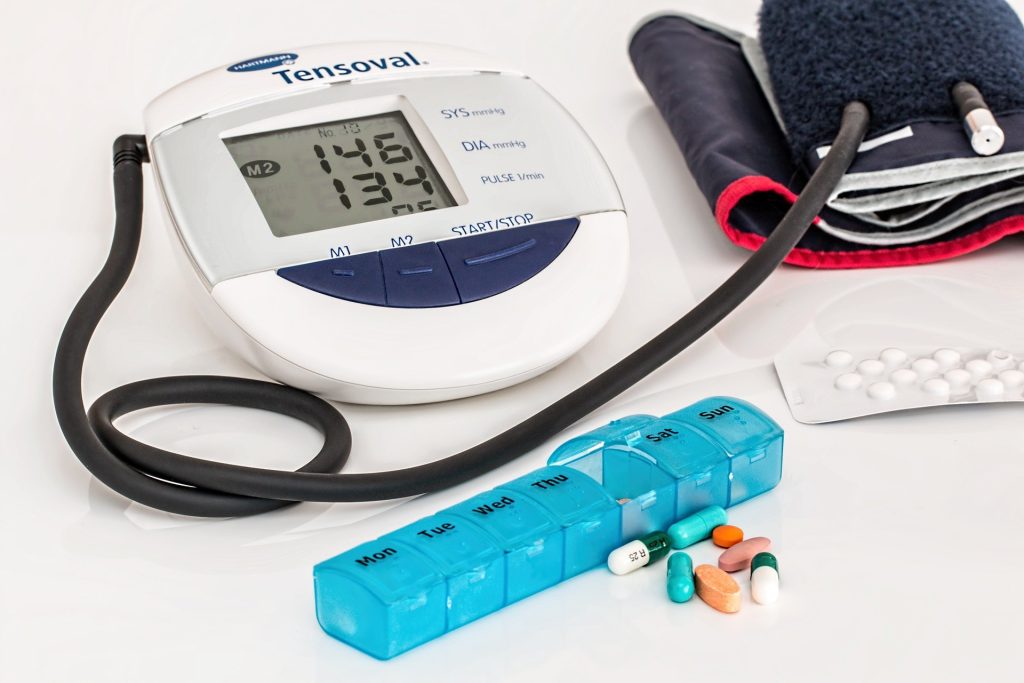
BP cuff for home monitoring, Source: Pixabay

A phase II trial with the novel antihypertensive baxdrostat did not replicate the impressive results in a similar trial for the drug in treatment-resistant hypertension, failing to improve on placebo effect.

Deepak Bhatt, MD, MPH, of Mount Sinai Heart in New York City, presented the disappointing findings at the American College of Cardiology (ACC) annual meeting, but noted that the findings were not a complete write-off for the drug, hampered as the trial was by poor patient adherence and the confounding effect of other antihypertensives.

For baxdrostat, seated systolic blood pressure was lowered by 16.0–19.8mmHg across the doses tested, compared to 16.6mmHg for placebo, a nonsignificant difference. Diastolic blood pressure drops showed a similar pattern, even slightly favouring placebo.

HALO included 249 participants with a mean seated systolic blood pressure of 140–180 mmHg at baseline despite treatment with a stable regimen of an ACE inhibitor or one of those drugs plus a thiazide diuretic or a calcium channel blocker. They were randomised to placebo or a 0.5-, 1.0-, or 2.0-mg dose of baxdrostat for 8 weeks.

In the prior phase II BrighHTN trial, baxdrostat reduced systolic blood pressure by 11 and 8.1 mm Hg more than placebo in the two higher dose groups.

The drug, which is in a new class of highly selective aldosterone synthase inhibitors, did decrease serum aldosterone and increase plasma renin activity as expected compared with placebo in HALO.

A post hoc analysis to understand why the trial failed despite high pill-count based adherence showed that 36% of the baxdrostat patients in the highest, 2-mg dose group (20 of 54) were actually not adherent, based on plasma levels < 1% of expected.

ACC session moderator Kim Eagle, MD, of the University of Michigan in Ann Arbor wondered if the patients were flushing their pills, and Bhatt replied that these were clustered at a few sites, highlighting issues of site selection and providing patient support.

The adherence problem does not explain away the placebo effect, Eagle told MedPage Today. “The placebo effect may well be that by enrolling in a trial, the patient is also taking their other meds for hypertension. Recall that the patients were already supposed to be taking several antihypertensives.”

Nevertheless, he called it compelling that, in “patients who were taking the larger dose and who had evidence of adherence by blood levels, the drug clearly seems to work.”

Source: MedPage Today

Momelotinib Trumps Standard Care in Treating Myelofibrosis

Photo by Louise Reed on Unsplash

A Phase III trial testing the targeted therapy momelotinib showed that patients with myelofibrosis had clinically significant improvement in disease-related symptoms, including anaemia and spleen enlargement.

The findings, published in The Lancet, support the use of momelotinib over the standard therapy (danazol) in treating myelofibrosis patients that were resistant, refractory or intolerant to firstline therapy, especially symptomatic patients and those with anemia.

“Current options for managing anaemia in our myelofibrosis patients provide only modest and temporary benefits, so we are excited about these findings,” said study lead Srdan Verstovsek, MD, PhD, professor of Leukemia at University of Texas. “The trial results suggest that momelotinib is safe, well-tolerated and can improve one of the most common and debilitating clinical problems for this patient population.”

Myelofibrosis is an uncommon bone marrow cancer that is part of a group of diseases known as myeloproliferative neoplasms. A hallmark of the disease is dysregulated JAK signalling, which disrupts blood cell production and leads to symptoms including an enlarged spleen and anaemia. Chronic anaemia in these patients is associated with poor prognoses.

Currently approved JAK inhibitors can improve spleen responses and other disease-related symptoms, but they also can worsen anaemia. In this trial, momelotinib improved anaemia and reduced transfusion dependency in myelofibrosis patients previously treated with a JAK inhibitor. Momelotinib, a potent ACVR1/ALK2 and JAK1/2 inhibitor, can be administered and maintained at full dose because it does not suppress bone marrow activity like other JAK inhibitors.  

The randomised Phase III MOMENTUM trial was designed to compare the clinical benefits of momelotinib to danazol, a synthetic androgen currently used to treat anaemia in symptomatic myelofibrosis patients.

The trial enrolled 195 adult patients (63% male, 37% female) from 107 research sites across 21 countries. Trial participants were randomised (2:1) to receive momelotinib plus placebo or danazol plus placebo. A significantly greater proportion of patients who received momelotinib saw benefits in their disease symptoms (25%) compared to those receiving danazol (9%).

Patients treated with momelotinib also experienced a significant reduction in their spleen size, with 25% responding after 24 weeks of therapy. Additionally, these patients required fewer blood transfusions compared to those receiving danazol.

The safety profile of momelotinib was comparable to previous clinical trials. The most common non-haematological side effects experienced by trial participants in the momelotinib group included diarrhoea, nausea, weakness and itching or irritated skin.

“If approved, momelotinib could offer an effective option for patients with myelofibrosis to improve anemia, splenomegaly and other disease-related symptoms over other approved medications so far,” Verstovsek said. “Momelotinib may also be an ideal partner for combinations with other investigational agents in development to further control myelofibrosis symptoms.”

Patient follow-up is ongoing and long-term survival continues to be monitored.

Source: University of Texas MD Anderson Cancer Center

Turning M. Pneumoniae into ‘Living Medicine’

Pseudomonas
Scanning Electron Micrograph of Pseudomonas aeruginosa. Credit: CDC/Janice Carr

Using a modified version of the bacterium Mycoplasma pneumoniae, researchers have designed the first ‘living medicine’ to treat lung infections. Their method is reported in the journal Nature Biotechnology. The treatment targets Pseudomonas aeruginosa, a common source of hospital-acquired infections and which is naturally multi-drug resistant.

Researchers removed the M. pneumoniae‘s ability to cause disease and repurposing it to attack P. aeruginosa instead. The modified bacterium is used in combination with low doses of antibiotics that would otherwise not work on their own.

Researchers tested the efficacy of the treatment in mice, finding that it significantly reduced lung infections. The ‘living medicine’ doubled mouse survival rate compared to not using any treatment. Administering a single, high dose of the treatment showed no signs of toxicity in the lungs. Once the treatment had finished its course, the innate immune system cleared the modified bacteria in a period of four days.

P. aeruginosa infections are difficult to treat because the bacteria lives in communities that form biofilms. Biofilms can attach themselves to various surfaces in the body, forming impenetrable structures that escape the reach of antibiotics.

P. aeruginosa biofilms can grow on the surface of endotracheal tubes used by critically-ill patients who require mechanical ventilators to breathe. This causes ventilator-associated pneumonia (VAP), a condition affecting 9–27% of patients who require intubation. The incidence exceeds 50% for patients intubated because of severe COVID. VAP can extend the duration in intensive care unit for up to 13 days and kills 9–13% of patients.

The authors of the study engineered M. pneumoniae to dissolve biofilms by equipping it with the ability to produce various molecules including pyocins, toxins naturally produced by bacteria to kill or inhibit the growth of Pseudomonas bacterial strains. To test its efficacy, they collected P. aeruginosa biofilms from the endotracheal tubes of patients in intensive care units. They found the treatment penetrated the barrier and successfully dissolved the biofilms.

“We have developed a battering ram that lays siege to antibiotic-resistant bacteria. The treatment punches holes in their cell walls, providing crucial entry points for antibiotics to invade and clear infections at their source. We believe this is a promising new strategy to address the leading cause of mortality in hospitals,” says Dr María Lluch, co-corresponding author of the study.

With the aim of using the ‘living medicine’ to treat VAP, the researchers will carry out further tests before reaching the clinical trial phase. The treatment is expected to be administered using a nebuliser.

M. pneumoniae is one of the smallest known species of bacteria. Dr Luis Serrano first had the idea to modify the bacteria and use it as a ‘living medicine’ two decades ago. Dr Serrano is a specialist in synthetic biology, a field that involves repurposing organisms and engineering them to have new, useful abilities. With just 684 genes and no cell wall, the relative simplicity of M. pneumoniae makes it ideal for engineering biology for specific applications.

One of the advantages of using M. pneumoniae to treat respiratory diseases is that it is naturally adapted to lung tissue. After administering the modified bacterium, it travels straight to the source of a respiratory infection, where it sets up shop like a temporary factory and produces a variety of therapeutic molecules.

By showing that M. pneumoniae can tackle infections in the lung, the study opens the door for researchers creating new strains of the bacteria to tackle other types of respiratory diseases such as lung cancer or asthma. “The bacterium can be modified with a variety of different payloads – whether these are cytokines, nanobodies or defensins. The aim is to diversify the modified bacterium’s arsenal and unlock its full potential in treating a variety of complex diseases,” says ICREA Research Professor Dr. Luis Serrano.

In addition to designing the ‘living medicine’, Dr. Serrano’s research team are also using their expertise in synthetic biology to design new proteins that can be delivered by M. pneumoniae. The team are using these proteins to target inflammation caused by P. aeruginosa infections.

Though inflammation is the body’s natural response to an infection, excessive or prolonged inflammation can damage lung tissue. The inflammatory response is orchestrated by the immune system, which release mediator proteins such as cytokines. One type of cytokine, IL-10, has well-known anti-inflammatory properties and is of growing therapeutic interest.

Dr Serrano’s research group used protein-design software to engineer new versions of IL-10 purposefully optimised to treat inflammation. The cytokines were designed to be created more efficiently and to have higher affinity, meaning less cytokines are needed to have the same effect.

The researchers engineered strains of M. pneumoniae that expressed the new cytokines and tested its efficacy in the lungs of mice with acute P. aeruginosa infections. They found that engineered versions of IL-10 were significantly more effective at reducing inflammation compared to the wild type IL-10 cytokine.

According to Dr Ariadna Montero Blay, co-corresponding author of that study, “live biotherapeutics such as M. pneumoniae provide ideal vehicles to help overcome the traditional limitations of cytokines and unlock their huge potential in treating a variety of human diseases. Engineering cytokines as therapeutic molecules was critical to tackle inflammation. Other lung diseases such as asthma or pulmonary fibrosis could also stand to benefit from this approach.”

Source: Center for Genomic Regulation

Promising New Treatment for Moderate to Severe Atopic Dermatitis

Atopic dermatitis
Source: Wikimedia CC0

An international clinical trial of a new monoclonal antibody therapy showed promising results for patients moderate to severe atopic dermatitis both while taking the drug and up to 20 weeks after the therapy was stopped, according to Mount Sinai researchers in The Lancet.

The researchers said the results indicate that the new biologic, rocatinlimab, has the potential to change the genetic makeup of a person’s atopic dermatitis for the long term, and possibly help sustain lasting results without continued use. Rocatinlimab inhibits OX40. an immune molecule involved in activating inflammatory cells that play a key role in the development of atopic dermatitis and other inflammatory diseases.

“Atopic dermatitis, the most common type of eczema, is a debilitating chronic inflammatory skin disease that affects 1 in 10 Americans and millions of people worldwide,” said Emma Guttman, MD, PhD, Mount Sinai professor. It often develops at a very young age, causing the skin to become inflamed, red, extremely itchy, painful, and very dry – all symptoms that greatly affect a patient’s quality of life. We are very optimistic about the results of this trial and the potential for disease modification and long-lasting effects to improve patients’ quality of life.”

In this phase 2b multicentre, double-blind, placebo-controlled study, 274 patients were recruited and (rocatinlimab: n = 217; placebo: n = 57) equally randomised to rocatinlimab every four weeks (150mg or 600mg) or every two weeks (300mg or 600mg) or subcutaneous placebo up to week 18, with an 18-week active-treatment extension and 20-week follow-up.

Percent change from baseline in the Eczema Area and Severity Index (EASI) score was assessed as the primary endpoint at week 16, and significance versus placebo was achieved with all active rocatinlimab doses (-48% to -61%) doses compared to placebo (-15%). All active dose cohorts also continued improving after week 16, and most patients maintained the response for at least 20 weeks off treatment.

The results support rocatinlimab as a safe and effective treatment for moderate to severe atopic dermatitis, with potentially long-lasting efficacy and disease modification. Adverse events reported were generally similar between rocatinlimab groups. Common adverse events during the double-blind period included fever, chills, headache, aphthous ulcers (canker sores), and nausea.

“At week 36, all participants had been on the treatment for at least 18 weeks,” added Dr Guttman, senior author of the study. “By this time, we saw that while the drug achieved the primary endpoints in all doses versus the placebo, it’s also a drug that improves over time, which is really unusual and unique among currently available treatment options.”

Researchers plan to continue this investigation in a phase 3 program in 2023. Future studies will also include a larger study population, longer follow-up, and explore combination therapy (eg with topical corticosteroids).

Source: Mount Sinai Hospital

Alzheimer’s Drug Breakthrough Hailed as ‘Momentous’

Photo by Matteo Vistocco on Unsplash

An 18-month randomised controlled trial of the new Alzheimer’s drug lecanemab has been hailed as “momentous” after encouraging Phase III trial results. The effects, while moderate, stand in contrast to virtually all other Alzheimer’s drug development efforts which have ended in failure.

According to the trial results published in the New England Journal of Medicine, lecanemab slows the rate of progression of Alzheimer’s by about 25%, though it is only really effective if the disease is caught early. Cognitive assessment scores as well as positron-emission tomography (PET) imaging of amyloid showed benefits.

This may be of great benefit to those who already know that they are already at risk of the disease, such as actor Chris Hemsworth who, at age 39, is taking a break from acting after he discovered that he has a high genetic risk of Alzheimer’s.

At present, the only FDA-approved drug to slow the progression of Alzheimer’s, Aduhelm, is of questionable benefit at best, is exorbitantly expensive and there has been an official probe into alleged irregularities in its approval process.

The 1975 trial participants were 50–90 years old with early Alzheimer’s disease (mild cognitive impairment or mild dementia due to Alzheimer’s disease) with evidence of amyloid on PET or by cerebrospinal fluid testing. Participants were randomised to receive intravenous lecanemab (10mg/kg of body weight every 2 weeks) or placebo.

The primary end point was the change from baseline at 18 months in the score on the Clinical Dementia Rating–Sum of Boxes (CDR-SB; range, 0 to 18, with higher scores indicating greater impairment). Key secondary end points included change in amyloid burden on PET, and on other cognitive impairment assessment scores.

 The mean CDR-SB score at baseline was approximately 3.2 in both groups. The adjusted least-squares mean change from baseline at 18 months was 1.21 with lecanemab and 1.66 with placebo. In a substudy involving 698 participants, there were greater reductions in brain amyloid burden with lecanemab than with placebo. Other cognitive assessments favoured lecanemab as well. Lecanemab resulted in infusion-related reactions in 26.4% of the participants and amyloid-related imaging abnormalities with oedema or effusions in 12.6%.

A New Drug Class Lowers Cholesterol by 70%

Photo by Artem Podrez on Pexels

A new study using mouse models describes an orally administered small-molecule drug that reduces lowers cholesterol by 70% by preventing the degradation of low-density lipoprotein (LDL) receptors. Published in Cell Reports, the findings point to a previously unrecognised strategy for managing cholesterol – one which may also impact cancer treatments.

“Cholesterol lowering is one of the most important therapies we have to prolong life and protect people from heart disease, which is still the number one cause of morbidity and mortality in the Western world,” said senior author Jonathan S. Stamler, MD, professor at Case Western Reserve School of Medicine.

“Statins only lower cholesterol so far. This is a drug class that we think would represent a new way to lower cholesterol, a new way to hit PCSK9.”

Study Findings

Central to cholesterol regulation are LDL receptors, which sit at the surface of liver cells and remove cholesterol from the blood, thereby lowering serum levels. PCSK9 in the bloodstream controls the number of LDL receptors by marking them for degradation. Therefore, agents that inhibit PCSK9 increase the number of LDL receptors that remove cholesterol.

Nitric oxide is a molecule that is known to prevent heart attacks by dilating blood vessels. In the new study, Stamler and colleagues show that nitric oxide can also target and inhibit PCSK9, thus lowering cholesterol. They identify a small molecule drug that functions to increase nitric oxide inactivation of PCSK9. Mice treated with the drug display a 70% reduction in LDL cholesterol.

Beyond Cholesterol to Cancer

In addition to impacting the field of cholesterol metabolism, the findings may impact patients with cancer, as emerging evidence suggests targeting PCSK9 can improve the efficacy of cancer immunotherapies.

“PCSK9 not only targets LDL receptors for degradation, it also mediates the degradation of MHC 1 on lymphocytes, which is used for recognition of cancer cells” said Stamler. “PCSK9 is effectively preventing your lymphocytes from recognising cancer cells. So, if you inhibit PCSK9, you can boost the body’s cancer surveillance. There may be an opportunity one day to apply these new drugs to that need.”