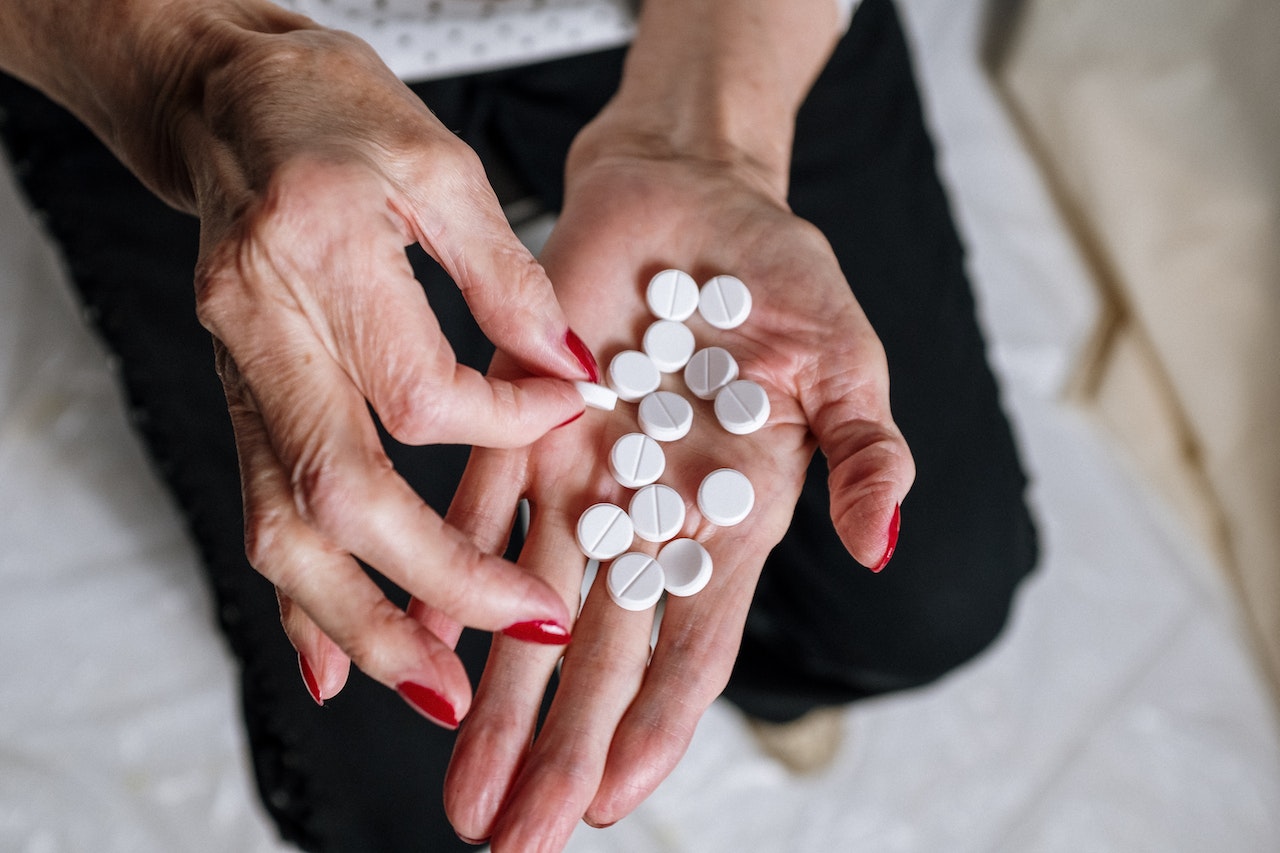
New research has found an association between taking glucosamine, a popular over-the-counter supplement used for joint pain, and a higher likelihood of progressing from mild cognitive impairment to Alzheimer’s disease.
The finding by researchers at University of Florida’s McKnight Brain Institute is based on a large retrospective analysis of patients’ records as well as supporting data from advanced imaging technology used to scan human brain specimens and Alzheimer’s disease mouse models.
While the results are preliminary and require validation in a human clinical trial, they provide yet another piece of a much bigger mechanistic picture involving metabolic dysregulation and neurodegeneration, according to the study published in Nature Metabolism.
“In the United States, there are about 7 million people living with Alzheimer’s and millions more with related dementias such as Lewy body or frontotemporal dementia,” said senior author Ramon Sun, PhD, director of the Center for Advanced Spatial Biomolecule Research and associate director for innovation of UF’s McKnight Brain Institute. “A lot of these people actively take an over-the-counter supplement that could be making their disease progression worse.”
The team used artificial intelligence to comb deidentified UF Health records from 2012 to 2024 for patients diagnosed with either ADRD or mild cognitive impairment, or MCI. They found that a significant proportion (8%) of both types of patients reported taking glucosamine: 1896 with ADRD and 2750 with MCI.
After controlling for age, sex and demographics, the analysis showed that glucosamine use was associated with a 25% higher likelihood of progression from mild cognitive impairment to dementia.
In addition, researchers found that taking glucosamine was associated with a 25% increase in mortality risk, or the likelihood of death within a specified time frame, among ADRD patients. For the MCI group, there was no such impact, suggesting the impact of glucosamine may be greater in patients with established dementia.
Notably, said Sun, researchers revealed that a metabolic process in which a protein and sugar-tagging pathway is overactive in Alzheimer’s could be a new target for intervention.
“Our results suggest that altered metabolism is a significant contributor to Alzheimer’s progression and, in addition, addressing the metabolic defect could be an important complement to approaches focused on Alzheimer’s plaques and tangles,” Sun said.
A circuit that runs from the prefrontal cortex near the front of the brain to a deeper brain structure called the insular cortex appears to mediate the antidepressant effects of a newer form of transcranial magnetic stimulation (TMS), according to a study led by Weill Cornell Medicine investigators. The discovery could lead to more effective TMS treatment of depression.
In the study, published May 7 in Cell, the researchers developed mice whose brains can be stimulated artificially in a prefrontal region to mimic the antidepressant effect of a widely used—but not well understood—TMS technique. The researchers showed that this antidepressant effect in the mice depends heavily on the indirect stimulation of a connected region, the insular cortex.
“We’re excited about this work because it advances our understanding of the antidepressant effects of TMS, and points to more effective ways of delivering this therapy,” said study senior author Dr. Conor Liston, the Robert Michels, M.D. Professor of Psychiatry in the Department of Psychiatry and a professor of neuroscience in the Feil Family Brain and Mind Research Institute at Weill Cornell Medicine. Dr. Shane B. Johnson, Dr. Devin Rocks and Dr. Laura Chalencon, postdoctoral associates in psychiatry at the time of the study, were co-first authors of the study.
Depression is one of the most commonly diagnosed illnesses in the modern world, and its prevalence has been increasing in recent decades. In the United States alone, tens of millions of people are treated for depression annually, according to the National Institute of Mental Health. Antidepressant drugs called selective serotonin reuptake inhibitors are the most common treatments but can take weeks to work and frequently have side effects.
TMS treatments, though they involve clinic visits, have the advantage of being more targeted, with few if any side effects, and are increasingly used for patients who do not respond to drug therapy. One new TMS protocol called accelerated intermittent theta-burst stimulation (aiTBS) has been found to reduce or abolish depression symptoms in many patients after only a few days of treatment. But exactly how TMS works and how it could be optimized have been notoriously difficult to study.
“There’s a lot of variation in how you can deliver TMS, which makes it very hard to test systematically in humans,” said Dr. Liston, who is also a psychiatrist at NewYork-Presbyterian/Weill Cornell Medical Center. “The variables include the duration of treatment in each session, the specific pulse rhythm, the interval between sessions and the specific brain area targeted, among others.”
The researchers developed a mouse model to explore and optimize aiTBS. The optogenetic mouse model allows the researchers to use light pulses to stimulate specific groups of neurons, with the same rhythms used in aiTBS. The team showed that stimulating the same prefrontal region targeted by aiTBS reverses stress-induced, depression-like behaviors in the mice.
Next, the scientists identified the specific prefrontal neurons that mediate this effect, and revealed changes that occur in these neurons, including denser growths of connections between brain cells in response to the stimulation. They then traced these neurons’ connections, finding that a connection to the insular cortex is necessary for the antidepressant effect.
The functions of the insular cortex, or ‘insula’, are complex and not completely understood; but they include processing bodily sensations – such as hunger and pain – and integrating them with emotion-related signals.
“The insula hasn’t been covered much in TMS research, in part because it is too deep in the brain to reach with ordinary TMS protocols, but it is one of the most consistently altered brain regions in studies of patients with depression,” Dr. Liston said.
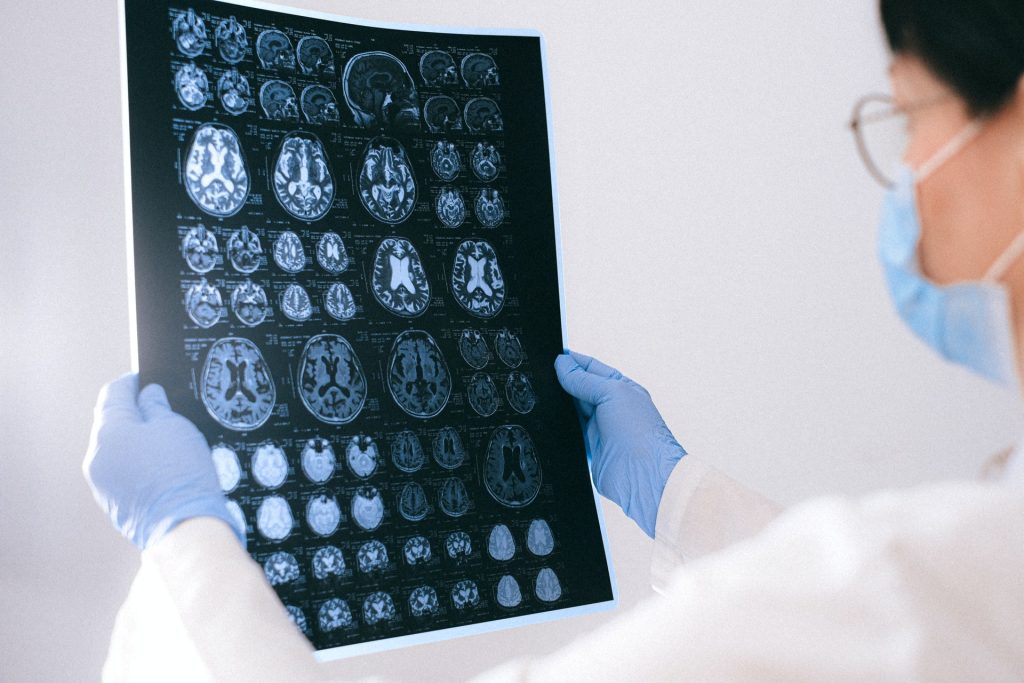
Experiments in mice don’t always translate to humans. So, the researchers used functional magnetic resonance imaging to map brain connections and electroencephalography to measure neuronal responses in consented patients receiving TMS. They found that TMS stimulation of the prefrontal cortex does have a downstream effect on the insula in these patients.
The results overall suggest that aiTBS’s antidepressant effect might be improved by maximising its downstream stimulation of the insula – a prospect that Dr Liston and his colleagues now plan to investigate further using their mouse model and in future clinical trials.
The identification of the neurons that are important for aiTBS’s effects and the changes that occur in them could also lead to new drug therapies targeting those neurons, Dr Liston said.
“In the meantime, another exciting strategy with great potential is to pair drug treatment with TMS to accelerate the antidepressant response,” he said.
Paralysis on one side of the body is common after stroke. A new study in CNS Neuroscience & Therapeutics demonstrates that acupuncture can significantly improve muscle function recovery in patients who experienced a stroke, with this recovery correlating to increases in grey matter volume in certain regions of the brain related to cognitive-motor integration.
For the study, 56 patients with stroke were randomly allocated in a 2:1 ratio to receive either true-acupoint or sham-acupoint acupuncture over a 2-week period. Only the true-acupoint group showed significant improvements in motor recovery tests. Increases in grey matter volume in the right opercular inferior frontal gyrus, postcentral gyrus, and cerebellar region of the brain were positively correlated with limb motor function recovery in the true-acupoint group.
“These [brain] modulations may improve motor initiation, execution, control, and coordination, representing a potential central mechanism underlying acupuncture’s therapeutic effect,” the authors wrote.
A new study published in JAMA Network Open found that removing olfactory groove meningioma, a type of brain tumour located near the base of the brain, may improve blood sugar control in patients with diabetes.
Researchers followed patients with an olfactory groove meningioma and diabetes over five years after surgery, tracking long-term changes in haemoglobin A1c (HbA1c), which is a standard measure of blood sugar control, and body weight after tumour removal surgery.
The research team found:
Blood sugar control improved after tumour removal in most patients.
Improvements often happened soon after surgery and lasted for years.
Many patients also lost weight after surgery.
Improvements occurred even when diabetes medications stayed the same.
“This type of brain tumour affects both frontal lobes simultaneously and is usually thought of as causing symptoms like vision problems, personality changes or loss of smell,” said Andrew Venteicher, MD, PhD, an associate professor at the University of Minnesota Medical School and neurosurgeon with M Health Fairview. “What surprised us was how much blood sugar control improved after surgery in many of these patients. The findings may help us better counsel patients before surgery and raise new questions about how the brain influences metabolism throughout the body.”
The findings suggest that some brain tumours may affect the body’s ability to regulate metabolism and blood sugar, and that removing certain brain tumours may improve blood sugar control and weight in some patients with diabetes, in addition to improving neurological symptoms.
Future studies will explore why these metabolic improvements occur and whether similar effects are seen in patients with other types of brain tumours. Researchers also hope to better understand how brain function, behaviour and metabolism are connected and whether these findings could help guide future treatment decisions.
The largest and most comprehensive study of memory and cognition in new parents has found no evidence for ‘baby brain’ in parents
Photography by Drew Hays on Unsplash
New mothers often complain about having ‘baby brain’, where memory and cognition become vague and unreliable. Now a Monash University study – the largest ever done comparing cognitive ability in new parents – has unequivocally found no evidence that ‘baby brain’ reflects underlying problems with cognition that result from becoming a parent.
The study found that – using a comprehensive battery of cognitive assessments – both mothers and fathers showed similar performance to non-parent (male and female) controls on all cognition measures, “suggesting the absence of so-called ‘baby brain’ effects,” Dr Perrykkad said.
As an explanation of the common stereotype of ‘baby brain’, the researchers found a gender bias, with male non-fathers self-reporting better subjective memory than all other groups. However, according to Mr Siddiqui, “this self-promotion bias appeared to be lost in fathers, driven by lack of sleep”.
Strikingly, there was no effect of time postpartum on any cognitive measure, with parents’ ability on cognitive tests remaining the same regardless of the baby’s age up to 2 years, when it is assumed that sleep deprivation would be reduced.
While there is evidence of subtle decrements in cognition during pregnancy, according to Dr Perrykkad, “the evidence is inconsistent about the presence of an objective measurable decline in cognitive function during the postpartum period with studies revealing a potential mismatch between the self-reported parental experience and objective measures of cognitive change,” she said.
Mr Siddiqui said that – before the study – they expected that mothers and fathers would show subjective and objective reduction in cognition compared to non-parents. “We expected that there would be little to no difference between the new mums and dads on account of their shared environment post birth and we also expected that cognition would improve in parents with increased time postpartum,” he said.
Dr Perrykkad continued, ‘So why do new parents, especially new mothers, commonly report experiences of baby brain? It is important not to dismiss what new parents are telling us. When we do find evidence for baby brain, it is more related to sleep and wellbeing than a true objective decline in cognition. This indicates it is just as important as ever to support new parents in these formative years. While it isn’t the end of the baby brain story, new parents can take solace in the fact that becoming a new parent doesn’t inherently impair their memory and cognition.”
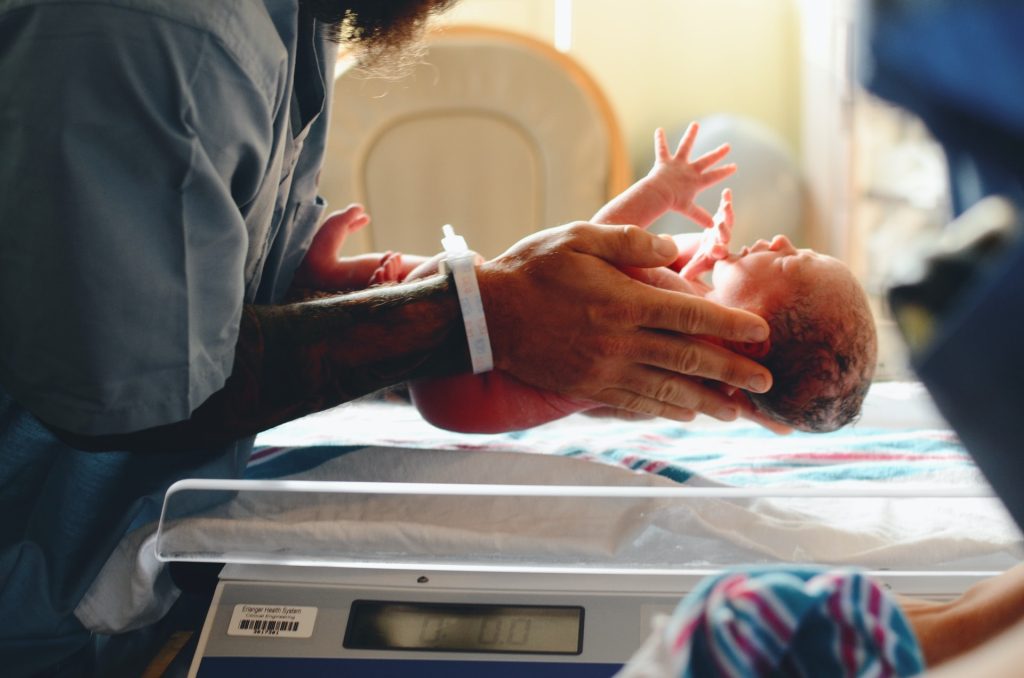
Meningitis is rare in newborns but often life-threatening and can cause serious and lasting damage, including developmental problems. Now, researchers from ETH Zurich and the University of Basel have developed an approach that seeks to prevent transmission to newborns. The research is published in Nature Communications.
Although meningitis is thankfully rare in newborns as a whole, it is more common in premature babies, affecting one in every 500 such infants in industrialised economies and likely more in developing countries. One of the leading pathogens responsible for these meningitis cases is the K1 form of the E. coli bacterium. In the adult intestine: in one in three healthy adults, E. coli K1 is part of the intestinal flora. As a silent cohabitant, the bacterium causes no problems in this environment. It is kept in check by other bacteria and a functioning immune system.
However, if the pathogen is carried by an expectant mother, it can be transmitted to the child during birth and enter its intestine. In premature babies whose immune systems are still weak, the pathogen can enter the bloodstream and migrate to the brain, where it causes severe inflammation.
First weaken the pathogen, then fight it
Researchers led by Emma Slack, Professor of Mucosal Immunology at ETH Zurich, and Médéric Diard, Professor of Infection Biology at the Biozentrum of the University of Basel, want to stop transmission from happening in the first place. Their idea is to eliminate the pathogen in pregnant women who carry it in their intestine – but that’s easier said than done.
A year ago, the two researchers from Zurich and Basel had already jointly developed a concept for eradicating other pathogens living in the intestine (as ETH News reported). Back then, they used a combination therapy with two components: an oral vaccination that weakens the pathogenic bacterium, followed by a dose of harmless microbes that compete with the weakened pathogen for food, starve it out, and ultimately supersede it. In experiments on mice, the researchers demonstrated that this approach can eliminate certain salmonellas and E. coli strains in the intestine.
So tough that three components are needed
However, the K1 form of E. coli is a formidable opponent: unlike other E. coli bacteria, it is protected by a slippery outer layer. This prevents the antibodies generated by the oral vaccination from attacking the bacterium.
The team of researchers led by Slack and Diard therefore extended its previous two-pronged approach with a third component known as bacteriophages (or simply phages). These are viruses that specifically infect and kill bacteria.
However, the bacteria can make changes to themselves in order to evade the danger posed by these viruses. The phages attack the bacteria by docking to the protective layer, and the bacteria seek to prevent this by undergoing a sort of rapid evolution in which this layer is disposed of. Rapid in this case means that, since the bacteria are so numerous and multiply so quickly, they need fewer than 24 hours to adapt.
“This is essentially a resistance mechanism that the bacteria deploy against the phages,” says Slack. “We use this mechanism to our advantage: the antibodies formed by the oral vaccination are effective against K1 bacteria that no longer have their protective coating.”
Most young animals protected
The project involved searching for effective strains of phages. Scientists generally find phages in places that are home to lots of bacteria: nutrient-rich bodies of water, the intestinal flora or, very often, waste water and waste water treatment plants. When it comes to the phages used in this study, the researchers from the Biozentrum in Basel found what they were looking for in waste water samples from the treatment plant of the Lucerne conurbation. From such a sample, their lab work successfully isolated several phages that are particularly effective at attacking the bacterium E. coli K1.
In experiments with pregnant mice, which the researchers had previously infected with pathogenic E. coli K1, they were able to demonstrate the effectiveness of their triple-pronged treatment. The researchers first gave the mice phages that forced the bacteria to cast off their protective shell. Second, they administered an oral vaccination that produced antibodies in the intestine in order to weaken the bacteria. Third, they gave them a harmless probiotic bacterium that could compete against the weakened bacteria and occupy their ecological niche in the intestine.
In a control experiment in which the researchers did not treat the mothers, E. coli K1 was transmitted to 83% of young animals at birth. By contrast, the triple-pronged treatment significantly reduced the level of E. coli K1 in the mothers’ intestines, such that the pathogen was only transmitted to 23% of the young animals. The remaining offspring were protected.
Works even when antibiotics fail
The researchers are now keen to continue with their approach in order to develop a treatment for humans. In a world in which effective antibiotics are becoming increasingly scarce, we need new therapeutic approaches, says Slack. “Bacteria such as E. coli K1 are difficult to tackle. Our approach is potentially the only one that can be used to fight this pathogen and others without antibiotics.”
Not only can E. coli K1 cause cases of meningitis in newborns, which today must be treated with antibiotics in a race against time. It is also one of the most frequent causes of cystitis and pyelitis – infections that can also lead to serious cases of sepsis.
The ETH professor doesn’t perceive any major obstacles to developing an effective treatment for humans: “Oral vaccinations, probiotics and even phages are all already used in medicine,” she says. It will also be possible, she adds, to pack all three components into a single capsule that people can simply swallow.
Moreover, the scientists are planning projects in which they want to use the same approach to tackle bacteria other than E. coli K1, including multi-resistant pathogens, against which many antibiotics are no longer effective.
Opinions ranged widely, with some physicians concerned that preparation for preservation could interfere with best practices for a patient’s care.
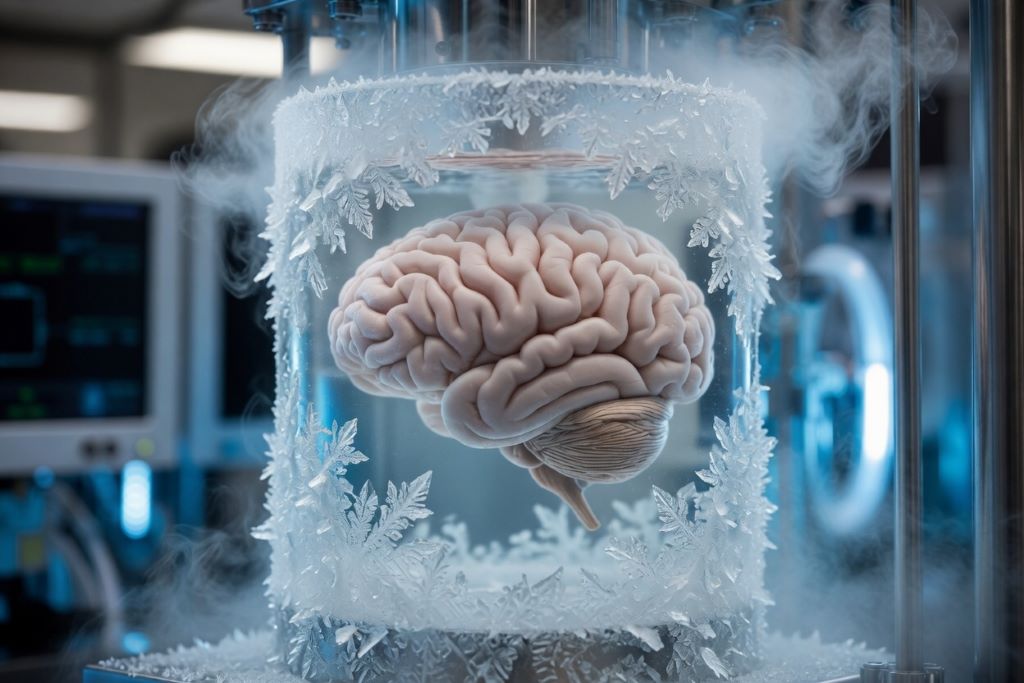
AI image of a brain being cryogenically preserved. [Ed: The patient better have some hefty medical aid to pay for a new body in the year 3000…]
Surveyed US physicians believed preservation has a one in four chance of working, though opinions amongst physicians varied. Ariel Zeleznikow-Johnston of Monash University, Australia, and colleagues present their findings in the study, published on May 20, 2026 in the open-access journal PLOS One.
It’s unclear whether there is a consensus amongst doctors regarding preservation – the storing of bodies at extremely low temperatures, or using preservative chemicals, in the hopes of future revival. Preservation is not the only way in which physicians have to balance concerns about unproven treatments with patients’ preferences, but it is one with high stakes as it pertains to the end of someone’s life. The technologies necessary to revive someone have not yet been realised, though current preservation organisations report several hundred patients preserved globally, with thousands more signed up for future preservation.
In this study, Zeleznikow-Johnston and colleagues conducted a survey of over 300 physicians, nearly half of whom were primary care providers, the rest being various kinds of specialists including neurologists, intensive care doctors, anaesthesiologists, and doctors who specialise in palliative care. The survey was designed to address three main themes: the perceived feasibility of preservation procedures, clinical interventions that could improve preservation outcomes, and the ethical and legal standing of preservation as an end-of-life option.
About one in four of the physicians said they believed it was plausible, or even very plausible, that someone could be revived in the future after preservation. Just under half said it was unlikely. Neurosurgeons, on average, rated the possibility of revival highest, though most of the other specialties showed a wide spread of opinions that slanted more towards scepticism.
The way doctors are most likely to interact with preservation in their professional capacity is in the choices a patient may make for end-of-life care. A majority of physicians supported prescribing anti-coagulants to dying patients, which could help with the quality of preservation. However, fewer respondents were comfortable with more extreme procedures, such as patients going through medically assisted death and opting to begin the preservation before cardiac arrest. The doctors who most commonly have conversations about end-of-life care were overall more supportive of this kind of choice. About one in five doctors were concerned that decisions to increase the odds of successful cryopreservation would clash with providing the best standards of care.
Currently, pre-cardiac arrest preservation in humans is, to the best of our knowledge, not legally permitted anywhere in the world, but if the technology develops further, may become an issue healthcare professionals must grapple with. The authors emphasise that clarifying the clinical, legal, and ethical frameworks for use of preservation as an end-of life procedure is important, and note that the speculative nature of the findings should be carefully considered.
Zeleznikow-Johnston adds: “A lot of physician hesitancy may come from simple unfamiliarity with the scientific basis of modern preservation methods. The doctors who have actually thought about this – and who regularly sit with dying patients – tend to be more receptive, not less.”
A new study from Karolinska Institutet shows that different SSRI medications affect metabolic processes in developing nerve cells in distinct ways. Alterations in energy metabolism, oxidative stress and lipid profiles suggest that these drugs are not biologically equivalent. The findings provide new insights into biological mechanisms but do not show that SSRIs cause autism, ADHD or other neurodevelopmental disorders.
SSRIs are widely used to treat depression and anxiety, including during pregnancy. Treating mental health conditions is important for both maternal and child health, and current clinical guidelines recommend continued SSRI treatment when medically indicated. At the same time, previous studies following children exposed to SSRIs have shown mixed results. One reason is the difficulty of separating potential drug effects from the effects of underlying maternal mental health, as well as shared genetic and environmental factors.
“Through our cell-based experiments, we can study how SSRIs affect human nerve cells at an early stage of brain development, without the influence of maternal depression or anxiety. At the same time, we are careful not to interpret findings from population data as causal. Mental health conditions themselves, as well as genetic and environmental factors shared between mother and child, are important parts of the overall picture,” says Abishek Arora, first author of the study and postdoctoral researcher at Karolinska Institutet.
SSRIs studied in human nerve cells
In the study, stem cell-derived human nerve cells were exposed to four commonly used SSRIs – fluoxetine, citalopram, sertraline and paroxetine – during the early stages of neuronal development. The researchers then analysed cellular energy metabolism, oxidative stress and metabolic profiles.
“We observed that several of the drugs affected cellular processes linked to energy metabolism and oxidative stress, and that this was accompanied by reproducible changes in certain lipid metabolites,” says Abishek Arora.
In particular, three lipids in the lysophosphatidylcholine (LPC) group showed consistent changes across multiple experiments and cell lines. These effects differed between the drugs. The strongest metabolic effects were observed after exposure to sertraline and paroxetine, while fluoxetine showed more limited changes. The effects of citalopram were the least pronounced. This suggests that different SSRIs may have distinct biological profiles, underscoring that they are not biologically equivalent and should be studied individually.
Similar lipid patterns in newborns
To explore possible clinical relevance, the researchers also analysed cord blood from a large population-based study in Australia. Elevated levels of the same LPC lipids were found in children whose mothers reported SSRI use.
“Identifying similar lipid patterns in both human nerve cells and cord blood strengthens the biological relevance of our findings and suggests that these changes are linked to SSRI exposure,” says Abishek Arora.
Higher levels of certain LPC lipids were associated with early behaviours related to autism and ADHD, based on assessments at two years of age. However, these associations were not observed at later follow-up, indicating that the links were limited to early traits rather than diagnoses.
The researchers emphasise that the findings do not mean that SSRIs cause autism, ADHD or other neurodevelopmental disorders. Instead, the lipid changes should be seen as biological patterns that may be sensitive to exposure.
“Our findings do not change current clinical recommendations. Treating depression during pregnancy remains very important,” says Kristiina Tammimies, senior author of the study and group leader at the Center of Neurodevelopmental Disorders at Karolinska Institutet (KIND).
Next steps
The researchers highlight the need for further studies to better understand how these lipid-related changes interact with genetic factors, maternal mental health and other prenatal influences. Larger and more genetically informed studies will be important to determine how these biological patterns relate to variation in children’s development.
Researchers at WashU Medicine and collaborating institutions have developed a novel computational tool that can accurately identify a genetic problem in a gene called RFC1 that is linked to certain forms of peripheral neuropathy. Peripheral neuropathy is one of the most common neurological disorders and can cause pain, sensory loss, imbalance and weakness. It affects 12–20% of all people in the U.S. and can affect up to 30% of adults over age 65. The new research is published in Annals of Neurology.
The disease-causing change, known as an RFC1 repeat expansion, has been associated with neuropathy, but its role across the broader spectrum of patients with unexplained, or “idiopathic,” neuropathy has remained unclear. One reason is that these repeat expansions — in which the set of DNA “letters” AAGGG is repeated many more times than normal — are difficult to detect using standard genetic testing methods.
The research team led by senior author Sheng Chih (Peter) Jin, an assistant professor of genetics and of pediatrics, and first author Zitian Tang, a graduate student in Jin’s lab, set out to bridge this technical gap by developing a new computational pipeline coupled with machine learning that can reliably identify and classify repeat expansions from genome sequencing data. Using this approach, they found that RFC1 repeat expansions may account for more than 2% of cases of idiopathic peripheral neuropathy.
The new tool offers a more affordable and reliable way to look for this extremely complex genetic variation in both clinical and research settings. The finding also supports broader genetic testing for people with unexplained peripheral neuropathy, including those who have muscle weakness as well as sensory symptoms. The team has made the tool public on GitHub, which could help expand testing to help more patients receive an accurate diagnosis and give families clearer information about the genetic causes of their condition.
Children with epilepsy have a higher risk of also having autism spectrum disorder (ASD). A new study in Developmental Medicine & Child Neurology examined factors associated with the co-occurrence of autism and epilepsy in a large population-based group.
For the study, investigators at the Mayo Clinic compared the prevalence of autism spectrum disorder in children with and without epilepsy based on medical records, and they evaluated associated factors including sex, age at autism identification, and intellectual disability. The study included 30 490 children in the Olmsted County, Minnesota birth cohort, of whom 257 (0.84%) had epilepsy diagnosed before 19 years of age.
Autism prevalence was significantly higher among children with epilepsy as compared with children without across all three research and clinical definitions assessed (21.4% versus 3.2% using broad research criteria, 14.0% versus 1.6% using stricter research criteria, and 7.9% versus 0.7% for clinical diagnosis).
Children with epilepsy and autism were more likely to have intellectual disability (56.5% versus 15.4%), were more often female (38.2% versus 25.8%), and were identified with autism at a younger age (7.4 versus 8.7 years) compared with those without autism.
“These observations highlight clinically relevant differences within this group and underscore the importance of early recognition of developmental concerns,” said lead author Mariya Saify. MBBS.
Senior author Elaine C. Wirrell, MD added that although children with epilepsy are at an elevated risk of autism, recognition can be delayed. “Our findings emphasise the importance of screening for autism in this population to support earlier diagnosis and timely intervention, both of which are key to improving long-term outcomes.”