Category: Neurodegenerative Diseases

New Biomarker for Parkinson’s Disease Discovered in CSF

A misfolded protein facilitates reliable diagnosis even in the early stages of Parkinson’s disease in body fluids.

Source: CC0

Parkinson’s disease is a neurodegenerative disorder that is usually diagnosed in its late stage on the basis of clinical symptoms, mainly motor disorders. By this point, however, the brain is already severely and irreparably damaged. Moreover, diagnosis is difficult and often incorrect because the disease takes many forms and symptoms overlap with other disorders.

Researchers from the PRODI Center for Protein Diagnostics at Ruhr University Bochum, Germany, and the biotech company betaSENSE have now discovered a biomarker in cerebrospinal fluid (CSF) that facilitates a reliable diagnosis at an early stage and can shed light on the progression of the disease and the effect of a therapy. They report their findings in the journal EMBO Molecular Medicine.

Parkinson’s disease – an unstoppable condition

Parkinson’s disease is characterised by the loss of dopaminergic nerve cells in the brain, typically leading to increasing motor impairments as the symptoms progress. Dopamine supplements can compensate for the loss and temporarily alleviate the symptoms. The misfolding of the key protein alpha-synuclein (αSyn) from α-helical structures to β-sheet-rich structures plays a crucial role in the development of Parkinson’s disease. “These misfoldings make the protein sticky, leading to the formation of larger complexes, so-called oligomers. The oligomers then produce long fibrillar filaments and cause the aggregation of these filaments into macroscopically large Lewy bodies in the brain,” explains Professor Klaus Gerwert, founding and managing director at PRODI and CEO of betaSENSE.

Advanced platform technology

In two independent clinical cohorts with a total of 134 participants, the Bochum-based researchers showed that, with a sensitivity and specificity of well over 90%, this misfolding of αSyn in body fluids is a viable biomarker for the diagnosis of Parkinson’s disease. The research was conducted using cerebrospinal fluid samples from patients at the Parkinson’s centres in Bochum (St. Josef Hospital, Professor Lars Tönges, Professor Ralf Gold) and Kassel (Paracelsus-Elena-Klinik, Dr. Sandrina Weber, Professor Brit Mollenhauer). The measurements were carried out using the patented iRS (immuno-infrared sensor) technology from betaSENSE GmbH.

betaSENSE has already successfully implemented the iRS technology for diagnosing Alzheimer’s disease. In this case, it was shown that the misfolding of the biomarker Aβ can indicate the risk of Alzheimer’s dementia at a later stage with high accuracy up to 17 years before clinical diagnosis. “We have now transferred this approach to Parkinson’s for the misfolding of αSyn,” stresses Klaus Gerwert.

Development of Parkinson’s drugs

In addition to diagnostic applications, the technology can also help to develop new active substances and prove their efficacy in clinical trials.

Source: Ruhr-University Bochum

Popular Diabetes Drugs may Protect Against Alzheimer’s Disease

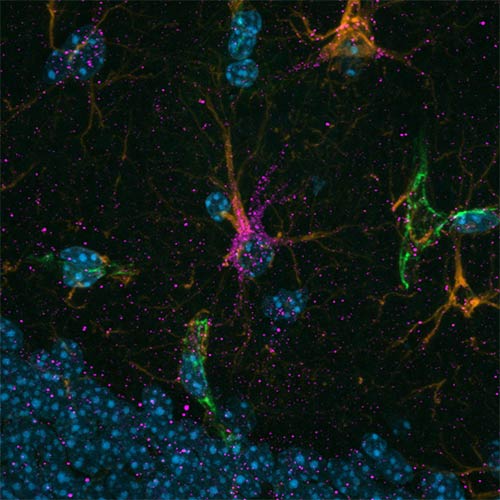
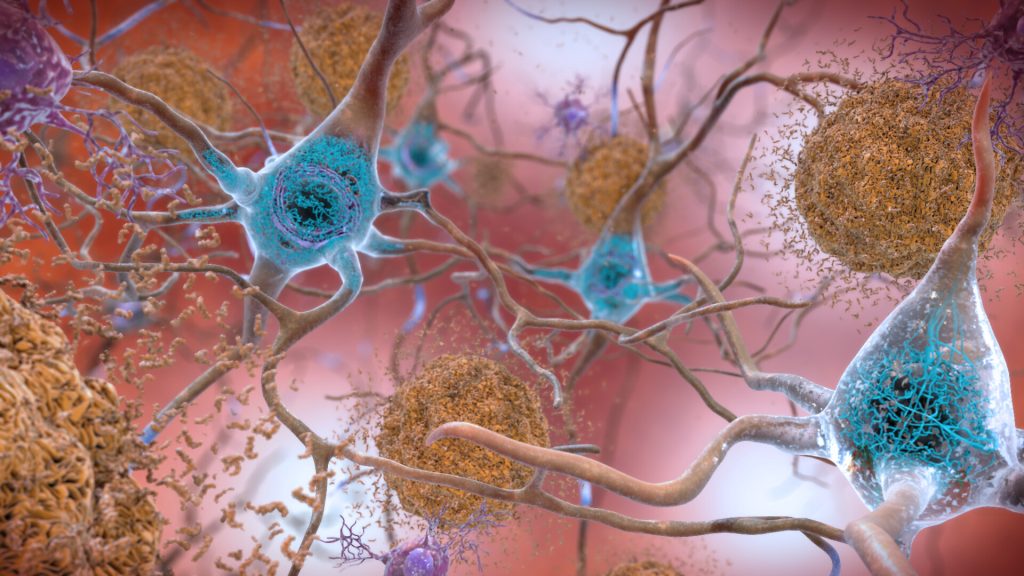
Neurons in the brain of an Alzheimer’s patient, with plaques caused by tau proteins. Credit: NIH

A study led by researchers in the University of Florida College of Pharmacy has found that a pair of popular glucose-lowering medications may have protective effects against the development of Alzheimer’s disease and related dementias in patients with Type 2 diabetes.

In research published in JAMA Neurology on April 7, UF researchers studied Medicare claims data of older adults with Type 2 diabetes to assess the association among glucagon-like peptide-1 receptor agonists, or GLP-1RAs, sodium-glucose cotransporter-2 inhibitors, or SGLT2is, and the risk of Alzheimer’s disease and related dementias.

The research is supported by funding from the National Institute on Aging and the National Institute of Diabetes and Digestive and Kidney Diseases, both part of the National Institutes of Health.

The data showed a statistically significant association between a lower risk of Alzheimer’s and the use of GLP-1RAs and SGLT2is compared with other glucose-lowering medications. According to the researchers, the findings indicated that the two drugs may have neuroprotective effects for people without diabetes and may help slow the rate of cognitive decline in Alzheimer’s patients.

Serena Jingchuan Guo, MD, PhD, an assistant professor of pharmaceutical outcomes and policy and the study’s senior author, said these findings may point to new therapeutic uses for drugs commonly used to treat Type 2 diabetes and obesity.

“It’s exciting that these diabetes medications may offer additional benefits, such as protecting brain health,” Guo said. “Based on our research, there is promising potential for GLP-1RAs and SGLT2is to be considered for Alzheimer’s disease prevention in the future. As use of these drugs continues to expand, it becomes increasingly important to understand their real-world benefits and risks across populations.”

As the study only included patients with Type 2 diabetes, Guo said next steps include evaluating the effects of the two drugs in broader populations by using recent, real-world data that captures their growing use in clinical settings.

“Future research should focus on identifying heterogeneous treatment effects – specifically, determining which patients are most likely to benefit and who may be at greater risk for safety concerns,” Guo said.

Source: University of Florida

Head Trauma may Activate Latent Viruses, Leading to Neurodegeneration

Source: CC0

In sports, the connection between head injuries and neurodegenerative diseases such as chronic traumatic encephalopathy, Alzheimer’s disease, and Parkinson’s disease is now well recognised.

Researchers at Tufts University and Oxford University have now uncovered mechanisms that may connect the dots between trauma events and the emergence of disease. They point to latent viruses lurking in most of our brains that may be activated by the jolt, leading to inflammation and accumulating damage that can occur over the ensuing months and years. 

The results suggest the use of antiviral drugs as potential early preventive treatments post-head injury. The findings are published in a study in Science Signaling.

The microbiome aids in digestion, immune system development, and protection against harmful pathogens. 

But the microbiome also includes dozens of viruses that swarm within our bodies at any given time. Some of these can be potentially harmful, but simply lie dormant within our cells. Herpes simplex virus 1 (HSV-1), found in over 80% of people, and varicella-zoster virus, found in 95% of people, are known to make their way into the brain and sleep within our neurons and glial cells.

Dana Cairns, GBS12, research associate in the Department of Biomedical Engineering and lead author of the study, had found evidence in earlier studies suggesting that activation of HSV-1 from its dormant state triggers the signature symptoms of Alzheimer’s disease in lab models of brain tissue: amyloid plaques, neuronal loss, inflammations, and diminished neural network functionality.

“In that study, another virus – varicella – created the inflammatory conditions that activated HSV-1,” said Cairns. “We thought, what would happen if we subjected the brain tissue model to a physical disruption, something akin to a concussion? Would HSV-1 wake up and start the process of neurodegeneration?”

The link between HSV-1 and Alzheimer’s disease was first suggested by co-author Ruth Itzhaki, visiting professorial fellow at Oxford University, who more than 30 years ago identified the virus in a high proportion of brains from the elderly population. Her subsequent studies suggested that the virus can be reactivated in the brain from a latent state by events such as stress or immunosuppression, ultimately leading to neuronal damage.

Blows to Brain-like Tissue

In the current study, the researchers used a lab model that reconstructs the environment of the brain to better understand how concussions may set off the first stages of virus reactivation and neurodegeneration.

The brain tissue model consists of a 6mm-wide donut-shaped sponge-like material made of silk protein and collagen suffused with neural stem cells, which are then coaxed into mature neurons, growing axons and dendrite extensions and forming a network. Glial cells also emerge from the stem cells to help mimic the brain environment and nurture the neurons.

The neurons communicate with each other through their extensions similarly to how they would communicate in a brain. And just like cells in the brain, they can carry within them the DNA of dormant HSV-1 virus.  

After enclosing the brain-like tissue in a cylinder and giving it a sudden jolt atop a piston, mimicking a concussion, Cairns examined the tissue under the microscope over time. Some of the tissue models had neurons with HSV-1, and some were virus-free. 

Following the controlled blows, she observed that the infected cells showed re-activation of the virus, and shortly after that the signature markers of Alzheimer’s disease, including amyloid plaques, p-tau (a protein that creates fiber-like “tangles” in the brain), inflammation, dying neurons, and a proliferation of glial cells called gliosis.

More strikes with the pistons on the tissue models mimicking repetitive head injuries led to the same reactions, which were even more severe. Meanwhile, the cells without HSV-1 showed some gliosis, but none of the other markers of Alzheimer’s disease.

The results were a strong indicator that athletes suffering concussions could be triggering reactivation of latent infections in the brain that can lead to Alzheimer’s disease. Epidemiological studies have shown that multiple blows to the head can lead to doubling or even greater chances of having a neurodegenerative condition months or years down the line.
 
“This opens the question as to whether antiviral drugs or anti-inflammatory agents might be useful as early preventive treatments after head trauma to stop HSV-1 activation in its tracks, and lower the risk of Alzheimer’s disease,” said Cairns.

The problem goes far beyond the concerns for athletes. Traumatic brain injury is one of the most common causes of disability and death in adults, affecting about 69 million people worldwide each year, at an economic cost estimated at $400 billion annually.

“The brain tissue model takes us to another level in investigating these connections between injury, infection, and Alzheimer’s disease,” said David Kaplan, Stern Family Endowed Professor of Engineering at Tufts.

“We can re-create normal tissue environments that look like the inside of a brain, track viruses, plaques, proteins, genetic activity, inflammation and even measure the level of signalling between neurons,” he said. “There is a lot of epidemiological evidence about environmental and other links to the risk of Alzheimer’s. The tissue model will help us put that information on a mechanistic footing and provide a starting point for testing new drugs.”

Source: Tufts University

Growth of New Neurons May Reverse Damage in Huntington’s Disease

A healthy neuron. Credit: NIH

New research shows that the adult brain can generate new neurons that integrate into key motor circuits. The findings demonstrate that stimulating natural brain processes may help repair damaged neural networks in Huntington’s and other diseases.

“Our research shows that we can encourage the brain’s own cells to grow new neurons that join in naturally with the circuits controlling movement,” said Abdellatif Benraiss, PhD, a senior author of the study, which appears in the journal Cell Reports. “This discovery offers a potential new way to restore brain function and slow the progression of these diseases.” Benraiss is a research associate professor in the University of Rochester Medical Center (URMC) lab of Steve Goldman, MD, PhD, in the Center for Translational Neuromedicine.

Is neuron regeneration in the adult brain possible?

It is now understood that niches in the brain contain reservoirs of progenitor cells capable of producing new neurons. While these cells actively produce neurons during early development, they switch to producing support cells called glia shortly after birth. One of the areas of the brain where these cells congregate is the ventricular zone, which is adjacent to the striatum, a region of the brain devastated by Huntington’s disease.

The idea that the adult brain retains the capacity to produce new neurons, called adult neurogenesis, was first described by Goldman and others in the 1980s while studying neuroplasticity in canaries. Songbirds, like canaries, are unique in the animal kingdom in their ability to lay down new neurons as they learn new songs. The research in songbirds identified proteins—one of which was brain-derived neurotrophic factor (BDNF)—that direct progenitor cells to differentiate and produce neurons.

Further research in Goldman’s lab showed that new neurons were generated when BDNF and another protein, Noggin, were delivered to progenitor cells in the brains of mice. These cells then migrated to a nearby motor control region of the brain—the striatum—where they developed into cells known as medium spiny neurons, the major cells lost in Huntington’s disease. Benraiss and Goldman also demonstrated that the same agents could induce new medium spiny neuron formation in primates.

Rebuilding and reconnecting brain networks

The extent to which newly generated medium spiny neurons integrate into the brain’s networks has remained unclear. The new research, conducted in a mouse model of Huntington’s disease, demonstrates that the newly generated neurons connect with the complex networks in the brain responsible for motor control, replacing the function of the neurons lost in Huntington’s.

The researchers used a genetic tagging method to mark new cells as they were created, which allowed them to follow them over time as they developed new connections. This enabled the researchers to map the connections between the new neurons, their neighbours, and other brain regions. Employing optogenetics techniques, the researchers turned the new cells on and off, confirming their integration into broader brain networks important for motor control.

A new path for Huntington’s disease therapies

The study indicates that a possible treatment for Huntington’s disease would be to encourage the brain to replace lost cells with new, functional ones and restore the brain’s communication pathways. “Taken together with the persistence of these progenitor cells in the adult primate brain, these findings suggest the potential for this regenerative approach as a treatment strategy in Huntington’s and other disorders characterised by the loss of neurons in the striatum,” said Benraiss.

The authors suggest this approach could also be combined with other cell replacement therapies. Research in Goldman’s lab has shown that glial cells called astrocytes also play an important role in Huntington’s disease. These cells do not function properly in the disease and contribute to the impairment of neuronal function. The researchers have found that replacing the diseased glial cells with healthy ones can slow disease progression in a mouse model of Huntington’s. These glial replacement therapies are currently in preclinical development.

Source: University of Rochester Medical Center

Study Strengthens Link between Shingles Vaccine and Lower Dementia Risk

Photo by JD Mason on Unsplash

An unusual public health policy in Wales may have produced the strongest evidence yet that a vaccine can reduce the risk of dementia. In a new study led by Stanford Medicine, researchers analysing the health records of Welsh older adults discovered that those who received the shingles vaccine were 20% less likely to develop dementia over the next seven years than those who did not receive the vaccine.

The remarkable findings, published April 2 in Nature, support an emerging theory that viruses that affect the nervous system can increase the risk of dementia. If further confirmed, the new findings suggest that a preventive intervention for dementia is already close at hand.

Lifelong infection

Shingles, a viral infection that produces a painful rash, is caused by the same virus that causes chicken pox — varicella-zoster. After people contract chicken pox, usually in childhood, the virus stays dormant in the nerve cells for life. In people who are older or have weakened immune systems, the dormant virus can reactivate and cause shingles.

Dementia affects more than 55 million people worldwide, with an estimated 10 million new cases every year. Decades of dementia research has largely focused on the accumulation of plaques and tangles in the brains of people with Alzheimer’s, the most common form of dementia. But with no breakthroughs in prevention or treatment, some researchers are exploring other avenues — including the role of certain viral infections.

Previous studies based on health records have linked the shingles vaccine with lower dementia rates, but they could not account for a major source of bias: People who are vaccinated also tend to be more health conscious in myriad, difficult-to-measure ways. Behaviors such as diet and exercise, for instance, are known to influence dementia rates, but are not included in health records. 

“All these associational studies suffer from the basic problem that people who get vaccinated have different health behaviours than those who don’t,” said Pascal Geldsetzer, MD, PhD, assistant professor of medicine and senior author of the new study. “In general, they’re seen as not being solid enough evidence to make any recommendations on.”

Markus Eyting, PhD, and Min Xie, PhD, postdoctoral scholars in primary care and population health, are the study’s co-lead authors.

A natural experiment

But two years ago, Geldsetzer recognized a fortuitous “natural experiment” in the rollout of the shingles vaccine in Wales that seemed to sidestep the bias. The vaccine used at that time contained a live-attenuated, or weakened, form of the virus.

The vaccination program, which began Sept. 1, 2013, specified that anyone who was 79 on that date was eligible for the vaccine for one year. (People who were 78 would become eligible the next year for one year, and so on.) People who were 80 or older on Sept. 1, 2013, were out of luck — they would never become eligible for the vaccine. 

These rules, designed to ration the limited supply of the vaccine, also meant that the slight difference in age between 79- and 80-year-olds made all the difference in who had access to the vaccine. By comparing people who turned 80 just before Sept. 1, 2013, with people who turned 80 just after, the researchers could isolate the effect of being eligible for the vaccine.

The circumstances, well-documented in the country’s health records, were about as close to a randomized controlled trial as you could get without conducting one, Geldsetzer said. 

The researchers looked at the health records of more than 280 000 older adults who were 71 to 88 years old and did not have dementia at the start of the vaccination program. They focused their analysis on those closest to either side of the eligibility threshold — comparing people who turned 80 in the week before with those who turned 80 in the week after.

“We know that if you take a thousand people at random born in one week and a thousand people at random born a week later, there shouldn’t be anything different about them on average,” Geldsetzer said. “They are similar to each other apart from this tiny difference in age.”

The same proportion of both groups likely would have wanted to get the vaccine, but only half, those almost 80, were allowed to by the eligibility rules.

“What makes the study so powerful is that it’s essentially like a randomised trial with a control group — those a little bit too old to be eligible for the vaccine — and an intervention group — those just young enough to be eligible,” Geldsetzer said.

Protection against dementia

Over the next seven years, the researchers compared the health outcomes of people closest in age who were eligible and ineligible to receive the vaccine. By factoring in actual vaccination rates — about half of the population who were eligible received the vaccine, compared with almost none of the people who were ineligible — they could derive the effects of receiving the vaccine.

As expected, the vaccine reduced the occurrence over that seven-year period of shingles by about 37% for people who received the vaccine, similar to what had been found in clinical trials of the vaccine. (The live-attenuated vaccine’s effectiveness wanes over time.)

This huge protective signal was there, any which way you looked at the data.”

By 2020, one in eight older adults, who were by then 86 and 87, had been diagnosed with dementia. But those who received the shingles vaccine were 20% less likely to develop dementia than the unvaccinated.

“It was a really striking finding,” Geldsetzer said. “This huge protective signal was there, any which way you looked at the data.”

The scientists searched high and low for other variables that might have influenced dementia risk but found the two groups to be indistinguishable in all characteristics. There was no difference in the level of education between the people who were eligible and ineligible, for example. Those who were eligible were not more likely to get other vaccinations or preventive treatments, nor were they less likely to be diagnosed with other common health conditions, such as diabetes, heart disease and cancer.

The only difference was the drop in dementia diagnoses.

“Because of the unique way in which the vaccine was rolled out, bias in the analysis is much less likely than would usually be the case,” Geldsetzer said.

Nevertheless, his team analyzed the data in alternate ways — using different age ranges or looking only at deaths attributed to dementia, for example — but the link between vaccination and lower dementia rates remained.

“The signal in our data was so strong, so clear and so persistent,” he said.

Stronger response in women

In a further finding, the study showed that protection against dementia was much more pronounced in women than in men. This could be due to sex differences in immune response or in the way dementia develops, Geldsetzer said. Women on average have higher antibody responses to vaccination, for example, and shingles is more common in women than in men.

Whether the vaccine protects against dementia by revving up the immune system overall, by specifically reducing reactivations of the virus or by some other mechanism is still unknown.

Also unknown is whether a newer version of the vaccine, which contains only certain proteins from the virus and is more effective at preventing shingles, may have a similar or even greater impact on dementia.

Geldsetzer hopes the new findings will inspire more funding for this line of research.

“At least investing a subset of our resources into investigating these pathways could lead to breakthroughs in terms of treatment and prevention,” he said.

In the past two years, his team has replicated the Wales findings in health records from other countries, including England, Australia, New Zealand and Canada, that had similar rollouts of the vaccine. “We just keep seeing this strong protective signal for dementia in dataset after dataset,” he said.

But Geldsetzer has set his sights on a large, randomized controlled trial, which would provide the strongest proof of cause and effect. Participants would be randomly assigned to receive the live-attenuated vaccine or a placebo shot.

“It would be a very simple, pragmatic trial because we have a one-off intervention that we know is safe,” he said.

Geldsetzer is seeking philanthropic funding for the trial as the live-attenuated vaccine is no longer manufactured by pharmaceutical companies.  

And such a trial might not take long to see results. He pointed to a graph of the Wales data tracking the dementia rates of those who were eligible and ineligible for the vaccine. The two curves began to separate in about a year and a half.

Source: Stanford Medicine

Could a Blood Test Rule out Future Dementia Risk?

Researchers at Karolinska Institutet have demonstrated how specific biomarkers in the blood can predict the development of dementia up to 10 years before diagnosis with high accuracy, among older adults living independently in the community.

A new study, published in Nature Medicine, has investigated the potential of specific biomarkers such as tau217, Neurofilament Light (NfL), and Glial Fibrillary Acidic Protein (GFAP) to predict the occurrence of dementia, including Alzheimer’s disease, up to ten years before an actual diagnosis in cognitively healthy older adults living in the community. 

Blood samples from more than two thousand

Previous research has suggested that these biomarkers could be useful in early dementia diagnostics, but most studies involved individuals who have already sought medical care for cognitive issues, due to cognitive concerns or cognitive symptoms, such as memory difficulties. 

A larger, community-based study, was necessary to determine the predictive value of biomarkers in the general population.

Led by researchers from the Aging Research Center of Karolinska Institutet in collaboration with SciLifeLab and KTH Royal Institute of Technology in Stockholm, the study analysed blood biomarkers in more than 2100 adults aged 60+, who were followed over time to determine if they developed dementia.

At a follow-up ten years later, 17% of participants had developed dementia. The accuracy of the biomarkers used in the study was found to be up to 83%.

“This is an encouraging result, especially considering the 10-year predictive window between testing and diagnosis. It shows that it is possible to reliably identify individuals who develop dementia and those who will remain healthy,” says Giulia Grande, assistant professor at the Department of Neurobiology, Care Sciences and Society, Karolinska Institutet and first author of the study.

Promising biomarkers

“Our findings imply that if an individual has low levels of these biomarkers, their risk of developing dementia over the next decade is minimal”, explains Davide Vetrano, associate professor at the same department and the study’s senior author. “This information could offer reassurance to individuals worried about their cognitive health, as it potentially rules out the future development of dementia.”

However, the researchers also observed that these biomarkers had low positive predictive values, meaning elevated biomarker levels alone could not reliably identify individuals who would surely develop dementia within the next ten years. Therefore, the study authors advise against widespread use of these biomarkers as screening tools in the population at this stage.

“These biomarkers are promising, but they are currently not suitable as standalone screening tests to identify dementia risk in the general population,” says Davide Vetrano. 

The researchers also noted that a combination of the three most relevant biomarkers – p-tau217 with NfL or GFAP – could improve predictive accuracy.

“Further research is needed to determine how these biomarkers can be effectively used in real-world settings, especially for elderly living in the community or in primary health care services,” says Grande.

“We need to move a step further and see whether the combination of these biomarkers with other clinical, biological or functional information could improve the possibility of these biomarkers to be used as screening tools for the general population”, Grande continues.

The study was mainly funded by the Swedish Research Council, The Swedish Brain Foundation and The Strategic Research Area in Epidemiology and Biostatistics at Karolinska Institutet. The researchers declare that there are no conflicts of interest.

Source: Karolinska Institutet

Can Long-term Use of Anti-inflammatory Medications Prevent Dementia?

Photo by cottonbro studio

Past research has suggested that inflammation may contribute to the development and progression of dementia and that non-steroidal anti-inflammatory (NSAID) medications may help protect against dementia due to their anti-inflammatory effects. A new large prospective study published in the Journal of the American Geriatrics Society provides additional evidence, showing that long-term NSAID use is linked to a decreased risk of developing dementia.

In the population-based study of 11 745 adults with an average follow-up of 14.5 years, 9520 participants had used NSAIDs at any given time, and 2091 participants developed dementia. Long-term NSAID use was associated with a 12% reduced risk of developing dementia. Short- and intermediate-term use did not provide benefits. Also, the cumulative dose of NSAIDs was not associated with decreased dementia risk.

The findings suggest that prolonged, rather than intensive, use of anti-inflammatory medications may help protect against dementia.

“Our study provides evidence on possible preventive effects of anti-inflammatory medication against the dementia process. There is a need for more studies to further consolidate this evidence and possibly develop preventive strategies,” said corresponding author M. Arfan Ikram, MSc, MD, PhD, of Erasmus MC University Medical Center Rotterdam, in the Netherlands.

Source: Wiley

More Evidence Shows that 40Hz Gamma Stimulation is Beneficial for Brain Health

A decade of studies from labs around the world provide a growing evidence base that increasing the power of the brain’s gamma rhythms could help fight Alzheimer’s, and perhaps other, neurological diseases.

Source: Pixabay

A decade after scientists in The Picower Institute for Learning and Memory at MIT first began testing whether sensory stimulation of the brain’s 40Hz “gamma” frequency rhythms could treat Alzheimer’s disease in mice, a growing evidence base supporting the idea that it can improve brain health – in humans as well as animals – has emerged from the work of labs all over the world. A new review article in PLOS Biology describes the state of research so far and presents some of the fundamental and clinical questions at the forefront of the non-invasive gamma stimulation now.

“As we’ve made all our observations, many other people in the field have published results that are very consistent,” said Li-Huei Tsai, Picower Professor at MIT, director of MIT’s Aging Brain Initiative, and senior author of the new review with postdoc Jung Park. “People have used many different ways to induce gamma including sensory stimulation, transcranial alternating current stimulation or transcranial magnetic stimulation, but the key is delivering stimulation at 40 Hz. They all see beneficial effects.”

A decade of discovery at MIT

Starting with a paper in Nature in 2016, a collaboration led by Tsai has produced a series of studies showing that 40Hz stimulation via light, sound, a combination of the two, or tactile vibration reduces hallmarks of Alzheimer’s pathology such as amyloid and tau proteins, prevents neuron death, decreases synapse loss, and sustains memory and cognition in various Alzheimer’s mouse models. The collaboration’s investigations of the underlying mechanisms that produce these benefits has so far identified specific cellular and molecular responses in many brain cell types including neurons, microglia, astrocytes, oligodendrocytes and the brain’s blood vessels. Last year, for instance, the lab reported in Nature that 40Hz audio and visual stimulation induced interneurons in mice to increase release of the peptide VIP, prompting increased clearance of amyloid from brain tissue via the brain’s glymphatic “plumbing” system.

Meanwhile, at MIT and at the MIT spinoff company Cognito Therapeutics, phase II clinical studies have shown that people with Alzheimer’s exposed to 40Hz light and sound experienced a significant slowing of brain atrophy and improvements on some cognitive measures compared to untreated controls. Cognito, which has also measured significant preservation of white matter in volunteers, has been conducting a pivotal, nationwide phase III clinical trial of sensory gamma stimulation for more than a year.

“Neuroscientists often lament that it is a great time to have AD if you are a mouse,” Park and Tsai wrote in the review. “Our ultimate goal, therefore, is to translate GENUS discoveries into a safe, accessible, and non-invasive therapy for AD patients.” The MIT team often refers to 40Hz stimulation as “GENUS” for Gamma Entrainment Using Sensory Stimulation.

A growing field

As Tsai’s collaboration, which includes MIT colleagues Edward Boyden and Emery N. Brown, has published its results, many other labs have produced studies adding to the evidence that various methods of non-invasive gamma sensory stimulation can combat Alzheimer’s pathology. Among many examples cited in the new review, in 2024 a research team in China independently corroborated that 40Hz sensory stimulation increases glymphatic fluid flows in mice. In another example, a Harvard Medical School-based team in 2022 showed that 40Hz gamma stimulation using Transcranial Alternating Current Stimulation significantly reduced the burden of tau in three out of four human volunteers. And in another study involving more than 100 people, researchers in Scotland in 2023 used audio and visual gamma stimulation (at 37.5Hz) to improve memory recall.

Open questions

Amid the growing number of publications describing preclinical studies with mice and clinical trials with people, open questions remain, Tsai and Park acknowledge. The MIT team and others are still exploring the cellular and molecular mechanisms that underlie GENUS’s effects. Tsai said her lab is looking at other neuropeptide and neuromodulatory systems to better understand the cascade of events linking sensory stimulation to the observed cellular responses. Meanwhile the nature of how some cells, such as microglia, respond to gamma stimulation and how that affects pathology remains unclear, Tsai added.

Even with a national Phase III clinical trial underway, it is still important to investigate these fundamental mechanisms, Tsai said, because new insights into how non-invasive gamma stimulation affects the brain could improve and expand its therapeutic potential.

“The more we understand the mechanisms, the more we will have good ideas about how to further optimize the treatment,” Tsai said. “And the more we understand its action and the circuits it affects, the more we will know beyond Alzheimer’s disease what other neurological disorders will benefit from this.”

Indeed the review points to studies at MIT and other institutions providing at least some evidence that GENUS might be able to help with Parkinson’s disease, stroke, anxiety, epilepsy, and the cognitive side effects of chemotherapy and conditions that reduce myelin such as multiple sclerosis. Tsai’s lab has been studying whether it can help with Down syndrome as well.

The open questions may help define the next decade of GENUS research.

Source: Picower Institute at MIT

More Sunshine as a Baby Linked to Less Disease Activity for Children with MS

Photo by Anders Jilden on Unsplash

Getting at least 30 minutes of daily summer sun in the first year of life may mean a lower relapse risk for children who are diagnosed with multiple sclerosis (MS) later, according to a study published in Neurology® Neuroimmunology & Neuroinflammation, an official journal of the American Academy of Neurology. The study also found if a child’s biological mother had at least 30 minutes of daily sun during the second trimester of pregnancy, the child had a lower risk of MS relapses.

The study does not prove that sun lowers relapse risk for children with MS, it only shows an association. “It is important not to spend too much time in the sun without sun protection, however greater exposure to sun has been tied in previous research to a lower risk of developing MS in childhood,” said Gina Chang, MD, MPH, of The Children’s Hospital of Philadelphia and member of the American Academy of Neurology. “It’s encouraging that our study found that greater sun exposure during early development may also be beneficial in helping to reduce disease activity in children who are later diagnosed with MS.”

For the study, researchers looked at health records from 18 MS clinics across the United States to identify 334 children and young people with childhood-onset MS age four to 21. Participants were within four years of experiencing their first symptoms. The median follow-up time was 3.3 years. To determine sun exposure, participants’ parents or guardians completed questionnaires that asked how much time the participant and their biological mother had spent in the sun at various periods of life, what kind of clothing they typically wore and how often they used sunscreen.

Of the total group, 206, or 62%, experienced at least one relapse during the study. Relapses were defined as new or returning symptoms lasting for at least 24 hours and separated by at least 30 days from the last MS attack, without a fever or infection. They found that of 75 participants who had 30 minutes to an hour of daily summer sun during their first year of life, 34 children, or 45%, had a relapse.

Of the 182 participants who had less than 30 minutes of daily summer sun during their first year of life, 118 children, or 65%, had a relapse. After adjusting for factors such as tobacco exposure in the first year of life, season of birth, the type of MS medication taken and use of sun protection such as sunscreen, hats and clothing, researchers found that 30 or more minutes of daily summer sun during the first year of life was associated with a 33% lower risk of relapse compared to less than 30 minutes of daily summer sun.

Researchers also looked at sun exposure for the biological mothers of the children. They found that 30 minutes or more of daily sun during the second trimester of pregnancy was associated with a 32% reduced risk of relapse for their child with MS.

“Our findings suggest that sun exposure in early childhood may have long-lasting benefits on the progression of childhood-onset MS,” said Chang. “Future studies should look at how time in the sun at other time periods before and after MS diagnosis affects disease course, to better guide sun exposure recommendations for children with MS and to help design potential clinical trials.” A limitation of the study was that it relied on participants’ parents or guardians reporting their sun exposure and use of sun protection, which they may not have remembered accurately.

Source: American Academy of Neurology

Spinal Cord Stimulation Slows Loss of Function in Spinal Muscle Atrophy

Photography by: Nate Langer/UPMC

Electrical stimulation of the sensory spinal nerves targets the root cause of progressive loss of neural function in spinal muscle atrophy (SMA), an inherited neuromuscular disease. The intervention can gradually reawaken functionally silent motor neurons in the spinal cord and improve leg muscle strength and walking in adults with SMA. The findings were reported by University of Pittsburgh School of Medicine researchers in Nature Medicine.  

Early results from a pilot clinical trial in three human volunteers with SMA show that one month of regular neurostimulation sessions improved motoneuron function, reduced fatigue and improved strength and walking in all participants, regardless of the severity of their symptoms.

“To counteract neurodegeneration, we need two things – stop neuron death and restore function of surviving neurons,” said co-corresponding author Marco Capogrosso, assistant professor of neurological surgery at Pitt School of Medicine. “In this study we proposed an approach to treat the root cause of neural dysfunction, complementing existing neuroprotective treatments with a new approach that reverses nerve cell dysfunction.” 

Doug McCullough, one of three participants in the study, says his SMA had progressed to the point that even walking on smooth surfaces was difficult when he started the trial in 2023. The research team kept him blind to most of the quantitative data but showed him video to reveal how effective the treatment was proving to be. The team captured footage of McCullough at various points during the trial to monitor his progress. 

“Because my hip flexors are so weak, I basically have this waddling gait where my hips sway back and forth and I swing my legs out to the side because I can’t pick them straight up,” he says. “You could clearly see from the video that my walk was improved and that I was walking faster. I had a little more natural gait. It still wasn’t completely normal, but it was better than what it was before the study.” 

SMA is a genetic neurodegenerative disease that manifests in progressive death and functional decline of motor neurons – nerve cells that control movement by transmitting signals from the brain and the spinal cord to the muscles. Over time, the loss of motor neurons causes gradual muscle weakness and leads to a variety of motor deficits, including for the participants in this trial, difficulty in walking, climbing stairs and standing up from chairs.  

While there is no cure for SMA, several promising neuroprotective treatments have become available in the last decade. These include gene replacement therapies and medications, both of which stimulate the production of motoneuron-supporting proteins that prevent neuronal death and that slow down, though not reverse, disease progression. 

Studies show that movement deficits in SMA emerge before widespread motoneuron death, suggesting that underlying dysfunction in spinal nerve circuitry may contribute to disease onset and symptom development. Earlier research on animal models of SMA by study coauthor George Mentis of Columbia University, showed that surviving motor neurons receive fewer stimulation inputs from sensory nerves. Compensating for this deficit in neural feedback could, therefore, improve communication between the nervous system and the muscles, aid muscle movement and combat muscle wasting. 

Pitt researchers hypothesised that a targeted epidural electrical stimulation therapy could be used to rescue lost nerve cell function by amplifying sensory inputs to the motor neurons and engaging the degenerated neural circuits. These cellular changes could, in turn, translate into functional improvements in movement capacity.  

The Pitt study was conducted as part of a pilot clinical trial that enrolled three adults with milder forms of SMA (Type 3 or 4 SMA). During a study period of 29 days, participants were implanted with two spinal cord stimulation (SCS) electrodes that were placed in the lower-back region on each side of the spinal cord, directing the stimulation exclusively to sensory nerve roots. Testing sessions lasted four hours each and were conducted five times a week for a total of 19 sessions, until the stimulation device was explanted. 

After confirming that the stimulation worked as intended and engaged spinal motor neurons, researchers performed a battery of tests to measure muscle strength and fatigue, changes in gait, range of motion and walking distance, as well as motoneuron function. 

“Because SMA is a progressive disease, patients do not expect to get better as time goes on. But that is not what we saw in our study. Over the four weeks of treatment, our study participants improved in several clinical outcomes with improvements in activities of daily living. For instance, toward the end of the study, one patient reported being able to walk from their home to the lab without becoming tired,” said co-corresponding author Elvira Pirondini, assistant professor of physical medicine and rehabilitation at Pitt School of Medicine. 

 All participants increased their 6-Minute Walk Test score (a measure of muscle endurance and fatigue) by at least 20m, compared to a mean improvement of 1.4m over three months of comparable exercise regimen unaided by SCS and a median increase of 20m after 15 months of SMA-specific neuroprotective pharmacologic therapy. 

These functional gains were mirrored by improved neural function, including a boost in motoneurons’ capacity to generate electrical impulses and transmit them to the muscles. 

Source: University of Pittsburgh