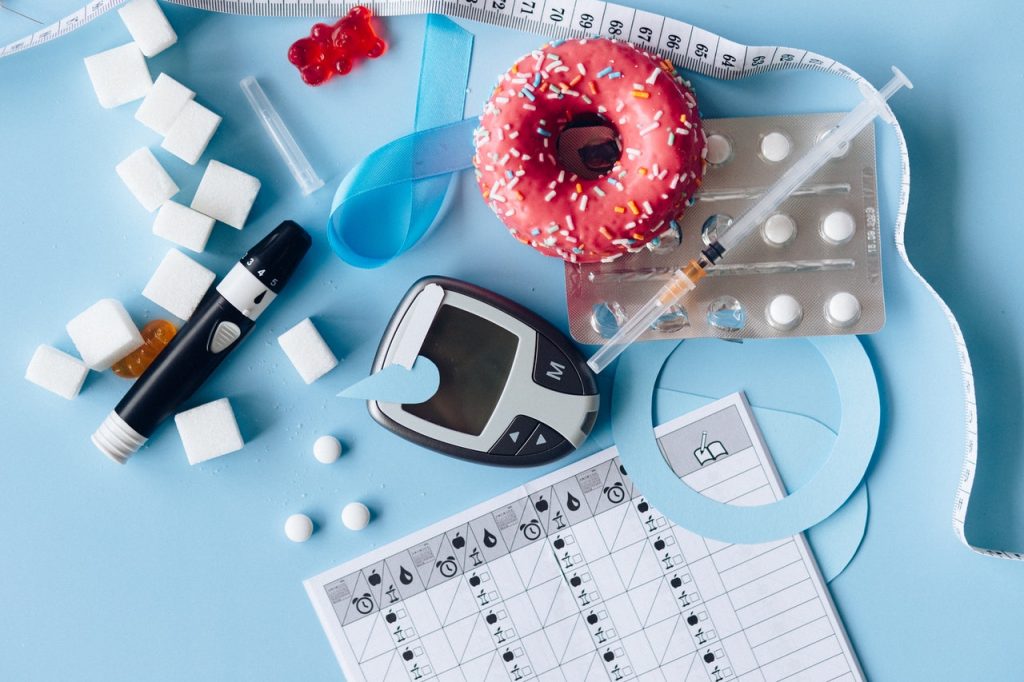
Join our podcast as we unpack a study exploring the potential of the asthma medication formoterol as a novel treatment for Metabolic Dysfunction-Associated Steatohepatitis (MASH), a severe liver condition often linked to diabetes.
The researchers used experiments involving high-fat diet mice and human liver cell cultures to show that this beta 2 adrenergic receptor agonist effectively reduces liver fat accumulation. It does so by stimulating mitochondrial biogenesis and enhancing metabolic efficiency. In addition, a massive retrospective analysis of nearly 60 000 patients revealed that those using long-acting versions of these drugs experienced significantly lower rates of liver complications and reduced mortality.
A team led by metabolism researcher Prof Timo D. Müller at Helmholtz Munich has developed a new approach for treating obesity and type 2 diabetes: a hybrid molecule uses the well-known GLP-1/GIP signalling pathway as a “door opener” and delivers an additional metabolic modulator specifically into the target cells. In laboratory experiments, mice subsequently ate less, lost more weight and showed improved blood glucose values compared with reference treatments. The researchers published their preclinical results in the journal Nature.
Modern incretin therapies – drugs that mimic the body’s own satiety and blood-glucose signals (GLP-1/GIP) – have markedly improved the treatment of obesity and type 2 diabetes. Yet a key challenge remains: physicians would like to use further metabolic “levers”, for example drugs that make cells more responsive to insulin, so that glucose moves more easily from the blood into tissues. However, such additional drugs often act system-wide rather than in a targeted manner, increasing the risk of side effects.
“Our guiding question was: how can we enhance incretin activity without creating a second, systemically active source of side effects?” says the study lead Timo D. Müller, Director of the Institute for Diabetes and Obesity (IDO) at Helmholtz Munich, Professor at the Ludwig Maximilian University of Munich (LMU) and researcher at the German Center for Diabetes Research (DZD).
Müller’s team therefore pursued the idea of an “address label with cargo”: the researchers chemically linked a well-established incretin active component to a second pharmacological component – the drug lanifibranor, a so-called pan-PPAR agonist. The incretin part binds to GLP-1 or GIP receptors on the cell surface and ensures that the hybrid molecule is taken up into the cell. Inside the cell, the second component binds to PPARs – “switches” in the cell nucleus that regulate genes involved in fat and sugar metabolism. The aim is for this additional metabolic effect to arise specifically in GLP-1R/GIPR- expressing cells, rather than throughout the body.
Low Dose via a “Trojan Horse”
Functionally, the hybrid molecule combines five drug targets in one: it activates two receptors on the cell surface (GLP-1R and GIPR) and additionally engages three PPAR “switches” inside the cell. Müller describes the principle as a “Trojan horse”: the incretin part opens the door; the “cargo” acts only once it is inside the target cell. “A major advantage is the amount,” says Müller. “Because the second component is not administered separately and systemically, but ‘travels along’ with the incretin part, it can be used at a dose that is orders of magnitude lower.” In this way, the drug gains efficacy without amplifying side effects through broad distribution across the body.
In laboratory mice with diet-induced obesity, the approach showed clear effects: “The animals ate less and lost more weight than under a GLP-1/GIP co-agonist without cargo,” says Dr Daniela Liskiewicz, group leader at IDO and co-first author together with Dr Aaron Novikoff. “In the head-to-head comparisons shown, the effect was in part even stronger than with a GLP-1-only drug.” The study therefore suggests that the coupling is not merely “more of the same”, but measurably strengthens incretin activity – at least in mice.
Additional Metabolic Readouts Improve
It was not only body weight that changed: in the experiments, blood-glucose values improved and there were indications of better insulin action in the body. Put simply, insulin was better able to “channel” glucose from the blood into tissues, and the liver released less glucose into the bloodstream. At the same time, the researchers report that typical gastrointestinal side effects were comparable in their assessment to those of existing incretin therapies – and that, in the parameters examined, they found no indications of two feared issues associated with the coupled component, namely fluid retention and anaemia.
Beyond glucose metabolism, the mouse data also provided indications of additional, potentially favourable effects on the heart and liver. It is important to note that this is a preclinical study: whether the results will translate to humans remains open – also because the GIP receptor differs between mice and humans. “We see a principle with strong effects in the animal model – now the task is to optimise the approach for humans and move it towards the clinic,” says Müller. For that development, strong industry partners will be needed, he adds.
Researchers at Karolinska Institutet and KTH Royal Institute of Technology have developed an improved method for creating insulin-producing cells from human stem cells. The results, published in Stem Cell Reports, demonstrate that these cells effectively regulate blood sugar levels in laboratory tests and can reverse diabetes in mice.
Type 1 diabetes occurs when the immune system destroys insulin-producing cells in the pancreas, meaning the body can no longer absorb glucose from the blood and regulate blood sugar levels. One possible treatment is to replace these cells with new ones. However, previous methods of producing such cells from stem cells have often yielded mixed results.
“We have developed a method that reliably produces high-quality insulin-producing cells from multiple human stem cell lines. This opens up opportunities for future patient-specific cell therapies, which could reduce immune rejection,” says Per-Olof Berggren, professor at the Department of Molecular Medicine and Surgery, Karolinska Institutet, and corresponding author alongside Siqin Wu, researcher at Spiber Technologies AB (formerly at Karolinska Institutet).
Optimised cell production
The optimised production process yields more mature and purer insulin-producing cells than previous methods. In a laboratory setting, the cells were able to secrete insulin and responded strongly to glucose. When the researchers transplanted these cells into diabetic mice, the animals gradually regained the ability to regulate their blood sugar. The transplantation was performed in the anterior chamber of the eye.
“This is a technique we use to monitor the development and function of the cells over time in a minimally invasive way,” explains Per-Olof Berggren. “We observed that the cells gradually matured after transplantation, retaining their ability to regulate blood sugar for several months, which demonstrates their potential for future treatments.”
Stem cell therapy for type 1 diabetes is already being tested in several clinical trials. However, a challenge with previous methods is that the stem cells often develop into a combination of the desired and undesired cell types, increasing the risk of complications. Another challenge is that the insulin-producing cells created are often not mature enough to respond well to glucose.
Solving previous problems
By adjusting the culture steps and allowing the cells to form three-dimensional clusters themselves, many unwanted cell types are eliminated and the cells gain a better ability to respond to glucose, according to the researchers.
“This could solve several of the problems that have previously hindered the development of stem cell-based treatments for type 1 diabetes. Building on this, we will work towards clinical translation aiming at treating type 1 diabetes,” says Fredrik Lanner, professor at the Department of Clinical Science, Intervention and Technology, Karolinska Institutet, and last author of the paper.
Older adults with type 2 diabetes face a difficult trade-off: they are among the most vulnerable to medication-related harms yet are often underrepresented in the clinical trials that guide treatment decisions. A new study led by Yuan Lu, ScD, helps address this gap by providing large-scale, real-world evidence about the safety of commonly used diabetes medications.
Published in Nature Communications, the study analysed data from more than 1.8 million people aged 65 and older across the United States and Europe. The researchers compared four major classes of second-line antihyperglycaemic medications – typically prescribed when first-line therapy such as metformin is not sufficient – across 18 safety outcomes.
“Evidence from clinical trials often does not fully capture older adults,” says Lu, assistant professor of medicine (cardiovascular medicine) at Yale School of Medicine. “They are more likely to experience side effects due to frailty, multiple chronic conditions, and the use of several medications at the same time.”
Newer diabetes drugs show overall safety advantages
The study found a consistent pattern: newer classes of medications, including GLP-1 receptor agonists and SGLT2 inhibitors, were generally associated with lower risks of several important adverse outcomes compared to older drugs such as sulfonylureas and DPP-4 inhibitors.
Newer agents were linked to lower risks of hypoglycaemia, hyperkalaemia, and peripheral oedema – complications that can be especially dangerous in older adults. However, the findings also highlight important trade-offs. For example, SGLT2 inhibitors were associated with a higher risk of diabetic ketoacidosis, while GLP-1 receptor agonists were more likely to cause gastrointestinal side effects such as nausea and vomiting.
Rather than identifying a single “best” medication, Lu emphasises that the results support more informed, individualised decision-making. “Some patients may have a higher risk of hypoglycaemia, while others may be more susceptible to diabetic ketoacidosis,” she says. “These risks need to be considered together as part of an individual patient profile.”
Real-world data at a global scale
A key strength of the study is its scale and approach. The analysis drew on nine large databases and was conducted through the Observational Health Data Sciences and Informatics (OHDSI), an international research network that enables standardized analyses across diverse health care systems.
By using harmonised real-world data and consistent analytic methods, the researchers were able to evaluate a broad range of safety outcomes in routine clinical practice – offering insights that complement and extend findings from randomised trials.
Supporting safer prescribing for an aging population
As the population ages and the use of newer diabetes medications continues to grow, understanding their safety profiles in older adults is increasingly important. The findings reinforce current guideline recommendations that often favour newer agents, while also underscoring the need to tailor treatment decisions to each patient’s risks and preferences.
Like all observational studies, the analysis cannot fully rule out unmeasured differences between patients. Still, the large, multinational design gives a more complete picture of medication safety in a population often underrepresented in clinical research.
Looking ahead, Lu and her colleagues hope to expand this work to examine the comparative safety of individual medications and to evaluate the safety of newer GLP-1 receptor agonists across a wider range of outcomes, including among people with obesity. “By providing more evidence in populations that clinicians see every day, our goal is to support safer, more informed care,” she says.
One in every two South African adults is considered overweight or obese. It is not surprising, then, that potentially lifesaving prescription-based metabolic medicines are surging in popularity. The challenge: demand is rising faster than the clinical structure needed to support it, leaving many patients unsure what responsible, medically supervised care should look like.
It is a concern Dr Gerhard Vosloo, a prominent sports, exercise, and lifestyle physician, says he is encountering more frequently in clinical practice. “Expectations are becoming unreasonably high, while few understanding the level of medical oversight required to manage these therapies responsibly. It’s just not as simple as prescribing an aggressive regime and standing back.”
To address issues in today’s weight management sector, Dr Vosloo established Dr GL Vosloo Medical Practice, managed by BioWell, as a formal online medical practice built around sound clinical judgment, structured care, and meaningful patient oversight. He says, “We’re building a model – one that could serve as a stable structure for the wider industry, where sound medical judgment is consistently prioritised over the public’s growing appetite for weight loss drugs.”
The danger of normalising prescription therapy
Dr Vosloo cautions that the rapid rise of these medicines in the mainstream is oversimplifying a highly complex subject and making pharmaceutical use seem routine, when it should remain a final option after disciplined nutrition- and exercise-led approaches have been fully explored.
“Misinformation spreads like wildfire online. People are starting to view prescribed medicines as a routine diet option, when they should be a last resort. Pharmaceuticals are powerful tools for people who struggle to lose weight, but they should be introduced only when medically appropriate, and only after nutrition, exercise, and appropriate supplementation have been fully explored.”
He maintains that prescribed medicines should form part of a structured metabolic management programme that, when used correctly, will reduce cardiometabolic risk, improve insulin sensitivity, regulate appetite, and support meaningful body composition change. The goal is to improve metabolic health under disciplined supervision, and when treatment is not medically necessary, doctors must refuse to prescribe.
“Clinical eligibility must be determined by medical rationale,” he says. “A patient’s preference for medication, emotional pressure to start treatment, or the ability to pay cannot override clinical judgement. Where medical need is absent, a BioWell doctor will decline to prescribe and direct the patient to a non-pharmaceutical, doctor-supported metabolic management pathway.”
Dosing with discipline
Beyond unnecessary prescribing practices, Dr Vosloo stresses that the industry is undermined by over lenient dosing habits. As practiced on the BioWell platform, dosing decisions should instead follow a conservative model guided by clinical responses and tolerability rather than speed of weight loss. The objective is to protect overall health while supporting steady progress that the body can sustain.
“An unfortunate consequence of aggressive dosing is the loss of muscle mass. It’s easier for the body to draw from muscle than it is to mobilise fat, particularly when calories and protein are low – a hallmark of aggressive dosing protocols. The nutritional and training commitment needed to offset muscle loss under more radical regimens are difficult to manage for most people. It’s far safer and more sustainable to take low doses over a longer period.”
“BioWell doctors are more measured in our approach. Conservative dosing and escalation protocols help keep muscle loss to a minimum, while structured nutrition and exercise support plans strengthen the muscular system. This also reduces the risk of nutritional deficiency and limits the physiological stress that often accompanies poorly managed treatments.”
The end goal, Dr Vosloo explains, is to safely and gradually bring South Africa’s obesity crisis under control without creating any additional harm. “Prescription-based metabolic medicine is an undeniably powerful tool in the fight against obesity – one we cannot afford to lose. It’s a lifeline for people battling weight-related illness, but it’s also become a dangerous crutch for those willing to gamble with their health just to lose a few kilograms quickly. If we want to change the health trajectory of millions, we need to rein in aggressive dosing practices and establish a common-sense structure across the sector.”
New analysis of a major clinical trial finds supplementation reduced diabetes risk in prediabetic adults with certain variations in the vitamin D receptor gene
Photo by Michele Blackwell on Unsplash
Prediabetes is a condition marked by higher-than-normal blood sugar levels that often leads to type 2 diabetes. A new study finds that vitamin D may help delay or prevent that progression – but only in people with certain genetic variations.
The study, published today in JAMA Network Open, found that prediabetic adults with certain variations in the vitamin D receptor gene had a 19% lower risk of developing diabetes when taking a high daily dose of vitamin D.
The researchers analysed data from the D2d study, a large, multi-site clinical trial that tested the effect of 4,000 units of vitamin D per day versus placebo in more than 2000 US adults with prediabetes to see if a daily high dose of vitamin D would lower the chance of these particularly high-risk individuals developing diabetes.
The original trial did not find a significant reduction in diabetes risk across all participants.
“But the D2d results raised an important question: Could vitamin D still benefit some people?” said Bess Dawson-Hughes, M75, the study’s lead author and a senior scientist at the Jean Mayer USDA Human Nutrition Research Center on Aging at Tufts University. “Diabetes has so many serious complications that develop slowly over years. If we can delay the time period that an individual will spend living with diabetes, we can stop some of those harmful side effects or lessen their severity.”
Through an earlier analysis, the D2d research team found that blood levels of 40 to 50 ng/mL of 25-hydroxyvitamin D or higher were linked to substantial and progressively larger reductions in participants’ risk of developing diabetes.
Vitamin D circulating in the blood is converted into its active form in the body before binding to the vitamin D receptor, a protein that helps cells respond to the vitamin. The researchers wondered whether genetic differences in this receptor might explain why some people benefited from vitamin D while others did not. The pancreas’s insulin-producing cells have vitamin D receptors, suggesting the vitamin may help influence insulin release and blood sugar control.
For the new study, Dawson-Hughes and her colleagues analysed genetic data from 2098 trial participants who had consented to DNA testing according to two groups: participants who appeared to benefit from vitamin D supplementation and those who did not. They then compared response rates by subgroups of patients sorted according to three common variations in the vitamin D receptor gene.
This analysis revealed that adults with the AA variation of the ApaI vitamin D receptor gene (about 30% of the study population) did not respond to daily treatment with a high dose of vitamin D, compared with placebo. In contrast, the analysis found that the same treatment in adults with the AC or CC variations of the vitamin D receptor gene saw a significantly reduced risk of developing diabetes compared with those taking a placebo.
“Our findings suggest we may eventually be able to identify which patients with prediabetes are most likely to benefit from additional vitamin D supplementation,” said Dawson-Hughes. “In principle, this could involve a single, relatively inexpensive genetic test.”
A new report, published in Nature Metabolism, is shedding light on the distinct and underappreciated role of fructose in driving disease, separate from its role as a simple source of calories.
Researchers examine how common dietary sweeteners, including table sugar (sucrose) and high-fructose corn syrup, impact human health. While both contain glucose and fructose, fructose has unique metabolic effects that may more directly contribute to obesity and related conditions.
“Fructose is not just another calorie,” said Richard Johnson, MD, professor at the University of Colorado Anschutz and study lead author. “It acts as a metabolic signal that promotes fat production and storage in ways that differ fundamentally from glucose.”
The report outlines how fructose metabolism bypasses key regulatory steps in the body’s energy-processing pathways. This can lead to increased fat synthesis, depletion of cellular energy (ATP) and the production of compounds linked to metabolic dysfunction. Over time, these effects may contribute to metabolic syndrome, a cluster of conditions that includes obesity, insulin resistance and cardiovascular risk.
Importantly, the authors emphasise that fructose’s impact extends beyond dietary intake alone. The body can also produce fructose internally from glucose, suggesting that its role in disease may be broader than previously recognised.
The findings come amid ongoing concern about rising rates of obesity and diabetes worldwide. Although some countries have seen declines in sugary beverage consumption, overall intake of “free sugars” remains above recommended levels in many regions and continues to increase in others.
While fructose may have once served an evolutionary purpose, helping the body store energy that can aid survival during times of food scarcity, the researchers argue that in today’s environment of constant food availability, these same mechanisms now contribute to chronic disease.
“This review highlights fructose as a central player in metabolic health,” said Johnson. “Understanding its unique biological effects is critical for developing more effective strategies to prevent and treat metabolic disease.”
Adolescents who consume more ultra-processed foods (UPFs) have significantly higher odds of being overweight or obese, according to a new systematic review and meta-analysis published in the open-access journal PLOS One by Mekuriaw Nibret Aweke of the University of Gondar, Ethiopia, and colleagues. In the most recent of the analysed studies, higher UPF consumption was linked with more than twice the odds of overweight or obesity compared to lower UPF consumption.
Being overweight or obese during adolescence raises a person’s likelihood of developing type 2 diabetes, high cholesterol, hypertension, and metabolic syndrome. The increasing consumption of UPFs – defined as industrial products made largely from extracted, modified, or synthetic ingredients, and typically high in added sugars, salt, unhealthy fats, and chemical additives – represents one of the fastest-growing unhealthy eating patterns among young people worldwide.
In the new study, researchers systematically searched multiple databases for observational studies reporting on UPF consumption and weight outcomes in adolescents aged 10 through 19. They identified 23 eligible studies involving a total of 155 000 adolescents, conducted across 16 countries between 2008 and 2025.
In a meta-analysis of all 23 studies, the researchers found that adolescents with higher UPF consumption had 63% greater odds of overweight or obesity compared with those with lower intake (OR = 1.63; 95% CI: 1.36–1.95). The positive association was consistent across all geographic regions studied, including Africa, Asia, Europe, North America, and South America. Subgroup analysis by year of publication showed that the most recent studies, published in 2024 and 2025, reported the highest odds ratio (OR = 2.09), suggesting the association may be growing stronger as UPF consumption rises globally.
Among other aspects, the study is limited by its reliance on observational designs, which cannot establish causation, and by variation across studies in how UPF consumption and obesity were measured.
The authors conclude that public health strategies should prioritize reducing UPF consumption among adolescents through education, policy interventions, and promotion of minimally processed, nutrient-dense foods.
The authors add: “Higher consumption of ultra-processed foods is linked to a substantially increased risk of overweight and obesity among adolescents, emphasising the need for early dietary interventions.”
“Improving adolescent nutrition today is essential to protecting long-term population health and reducing healthcare costs associated with obesity-related conditions.”
GLP-1 medications used to treat diabetes and obesity were associated with a reduced need for hospital care and sickness absence due to psychiatric reasons, a new study shows. The large register-based study was carried out in collaboration between the University of Eastern Finland, Karolinska Institutet in Stockholm and Griffith University in Australia.
Diabetes and obesity are associated with an increased risk of mental health symptoms, and similarly, individuals with mental disorders have an elevated risk of metabolic diseases such as obesity and diabetes. Researchers have long been interested in the connections between these conditions and in how pharmacological treatments may affect both metabolic and mental health disorders.
The present study, published in The Lancet Pyschiatry, included nearly 100 000 participants, over 20 000 of whom had used GLP-1 medications. Participants were followed through Swedish national registers between 2009 and 2022.
The risk of substance use was also reduced
The results showed that the use of GLP-1 medications – particularly semaglutide – was associated with a reduction in sickness absence and hospital care due to psychiatric reasons. During periods of semaglutide use, the reduction was 42% compared with periods when GLP-1 medications were not used. For depression, the risk was 44% lower, and for anxiety disorders, 38% lower.
In addition, semaglutide use was associated with a lower risk of substance use disorders: hospital care and sickness absence related to substance use were 47% lower during periods of semaglutide use compared with periods without GLP-1 medication. The use of GLP-1 receptor agonists was also associated with a reduced risk of suicidal behaviour.
One of the study’s authors, Professor Mark Taylor from Griffith University, says such results were to be expected: “An earlier study examining Swedish registers found the use of GLP-1 medications to be associated with a reduced risk of alcohol use disorder. Alcohol-related problems often have downstream effects on mood and anxiety, so we expected the effect to be positive on these as well.”
However, the magnitude of the association surprised the researchers: “Because this is a registry-based study, we cannot determine exactly why or how these medications affect mood symptoms, but the association was quite strong. It is possible that, in addition to factors such as reduced alcohol consumption, weight loss-related improvements in body image, or relief associated with better glycaemic control in diabetes, there may also be direct neurobiological mechanisms involved – for example, through changes in the functioning of the brain’s reward system,” says Research Director, Docent Markku Lähteenvuo from the University of Eastern Finland.
Other recent evidence on the effects of GLP-1 medications on anxiety and depressive disorders has been somewhat inconsistent, but it has been largely based on small studies.
A new type of daily pill has proven more effective for weight loss and blood sugar control than its currently available counterparts, according to a recent trial. The drug, known as orforglipron, could be a game-changer in the rapidly expanding oral weight-loss drug market.
The advent of the injectable weight-loss drug semaglutide (known better by its brand names Wegovy and Ozempic) marked a distinct shift in the weight-loss drugs market when it became available just a few years ago.
Semaglutide is a class of glucagon-like peptide-1 (GLP-1) medication. These drugs mimic the gut hormone GLP-1, which is released soon after eating. This hormone signals fullness to the brain, slowing digestion and stimulating the release of insulin. By replicating the action of this hormone, GLP-1 drugs have proven highly effective at managing type 2 diabetes and promoting weight loss.
Although semaglutide is widely used, a key issue with the drug is that it needs to be injected into the belly, thighs or back of the arm. This can make it difficult for patients with needle phobia or who don’t want to self-inject due to the inconvenience.
Another logistical issue with injectable GLP-1 drugs is that they require refrigeration throughout the supply chain. This can pose a challenge in low- and middle-income countries.
It’s for these reasons that researchers and developers have started investigating the efficacy of oral versions of semaglutide.
Based on current research, it appears that oral semaglutide is very effective. However, it must be taken on an empty stomach – and users must wait 30 minutes before eating or drinking.
Alongside being expensive to produce, it also has poor bioavailability compared with injectable semaglutide. This means only about 1% of the ingested drug is absorbed and able to exert its effects.
But a recent phase 3 clinical trial has shown that a new type of oral weight-loss pill may have overcome these issues – proving to be more effective than the current oral semaglutide products on the market.
Oral weight-loss pill
The recent 52-week phase 3 trial involved 1,698 adults with type 2 diabetes across six countries. It set out to compare current oral semaglutide products against orforglipron, which is also taken as a daily tablet.
The primary measure researchers were looking for was a reduction in HbA1c. This blood test reflecting average blood sugar levels over three months is the standard indicator of diabetes control. Diabetes is present if HbA1c is 6.5% or more.
From a baseline average HbA1c of 8.3%, it was found that after 52 weeks, orforglipron was able to reduce this value by an average of 1.71–1.91%. In comparison, oral semaglutide only reduced HbA1c by 1.47%.
Not only did orforglipron meet the trial’s goals of proving it was as effective to oral semaglutide, it proved it was superior for lowering blood sugar. The participants who took orforglipron also lost more weight – an average of 6.1kg-8.2kg, compared with 5.3kg in those taking semaglutide.
However, a key issue highlighted by the trial was one of tolerability.
GLP-1 drugs can cause gastrointestinal side-effects such as nausea, vomiting, diarrhoea and constipation. In this latest trial, around 59% of participants on orforglipron reported such symptoms, compared with 37–45% on semaglutide.
The reason for this difference may be the more prominent, daily peak drug concentrations with orforglipron. The consequence was that around 10% of orforglipron participants discontinued treatment due to adverse effects. Just 4-5% of those taking semaglutide discontinued treatment.
Future studies may want to look at how orforglipron compares with injectable semaglutide. Photo by Haberdoedas on Unsplash
The trial’s results show that orforglipron, which was developed by Eli Lilly, can be considered one of semaglutide’s most credible challengers.
Another remarkable thing about orforglipron is that it belongs to a new category of drugs called small-molecule drugs. This means it’s a synthetic chemical compound small enough to be absorbed directly through the gut wall. There, it’s able to act on GLP-1 receptors, even though it isn’t of a similar structure to a GLP-1 hormone.
Oral semaglutide, on the other hand, is a peptide drug. This means the structure of its amino acids (one of the building blocks of protein) closely resembles that of the natural GLP-1 hormone.
As a small-molecule drug, orforglipron is cheaper and simpler to manufacture than peptide-based drugs such as semaglutide.
And as with oral semaglutide, it requires no refrigeration. This gives it a logistical advantage over injectable GLP-1 formulations – a potentially important consideration for expanding access in low- and middle-income countries, where cold chain infrastructure is unreliable.
It remains to be seen, however, how orforglipron will perform against oral semaglutide in the broader market.
Although this latest trial has shown it is superior for controlling blood sugar and aiding weight loss, its higher rate of side-effects and treatment discontinuation may temper enthusiasm. In a crowded and competitive market, long-term adherence – shaped as much by tolerability as by efficacy – is probably a critical differentiator.
Orforglipron is still undergoing trials in patients with obesity but without diabetes.